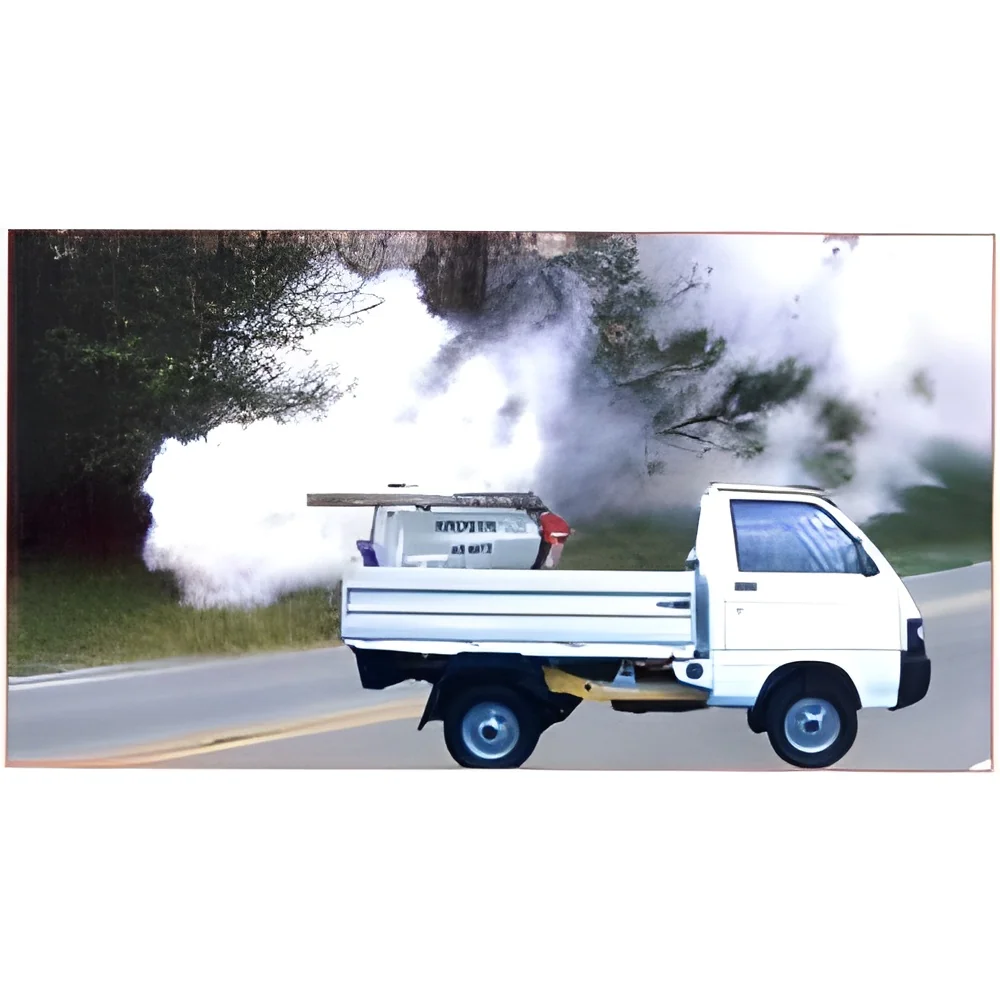
What are Pest Control Products?
Pest control products are specialized solutions designed to eliminate or manage pests that can affect various environments, including residential, commercial, and agricultural settings. These products encompass a wide range of formulations, including insecticides, rodenticides, repellents, and traps. Their primary purpose is to protect property and health by controlling pest populations that may cause damage or spread diseases.
The primary applications of pest control products span multiple industries. In agriculture, these products safeguard crops from destructive insects and rodents, thereby ensuring food security. In commercial settings, such as restaurants and hotels, pest control is crucial for maintaining hygiene and preventing infestations that could damage reputation or lead to regulatory penalties. Additionally, residential pest control products help homeowners protect their living spaces from unwanted pests.
The pest control market is significant and growing, driven by increasing awareness of health risks associated with pests and the demand for sustainable pest management solutions. As urbanization continues, the need for effective pest control products across various sectors remains crucial, making this industry highly relevant.
Key Features and Specifications
Pest control products are characterized by several key features that enhance their effectiveness and usability. Understanding these specifications is essential for businesses looking to choose the right products for their needs.
Key specifications include:
1. Active Ingredients
- The specific chemicals or compounds in the formulation responsible for pest control.
- Parameters might include concentration levels and mode of action.
2. Application Method
- The manner in which the product is applied, such as spray, bait, or granular.
- This can influence ease of use and effectiveness.
3. Toxicity Levels
- The degree of toxicity to humans, pets, and non-target organisms.
- Often rated according to specific safety classifications.
4. Residual Effect
- The duration the product remains effective after application.
- Important for assessing how frequently reapplication is necessary.
5. Packaging Size
- The volume or weight of products available for purchase.
- Common sizes range from small consumer packages to bulk industrial containers.
6. Shelf Life
- The period during which the product remains effective and safe to use.
- Typically determined by chemical stability and storage conditions.
7. Environmental Impact
- Information regarding biodegradability and ecological safety.
- Many buyers consider eco-friendly formulations due to regulatory pressures.
8. Compliance Certifications
- Certifications such as CE that confirm adherence to safety and quality standards.
- Important for ensuring regulatory compliance.
In summary, understanding these key features and specifications helps businesses make informed purchasing decisions regarding pest control products.
Common Applications and Use Cases
Pest control products serve a variety of industries, adapting to specific needs and challenges.
1. Agriculture: In agricultural settings, pest control products are crucial for protecting crops and livestock from harmful insects and rodents. Effective pest management can significantly boost yield and quality.
2. Food and Beverage: In food processing and beverage industries, these products help maintain hygiene and prevent infestations that can lead to contamination and spoilage.
3. Hospitality: Hotels and restaurants use pest control products to create a safe and welcoming environment for guests, preventing pest-related complaints and ensuring compliance with health regulations.
4. Warehousing: In warehouses and distribution centers, pest control products protect stored goods from pests that could cause damage or contamination.
5. Residential: Homeowners utilize pest control products to manage common household pests, ensuring a comfortable living environment free from infestations.
6. Healthcare: In healthcare facilities, effective pest control is essential for maintaining sanitary conditions and protecting vulnerable populations from pest-borne diseases.
7. Landscaping: Pest control products are used in landscaping to protect ornamental plants and turf from insects and diseases.
Product Variants and Subcategories
Pest control products come in various forms, each tailored to specific applications and user needs. The diversity of these products allows users to select the most suitable option for their pest control challenges.
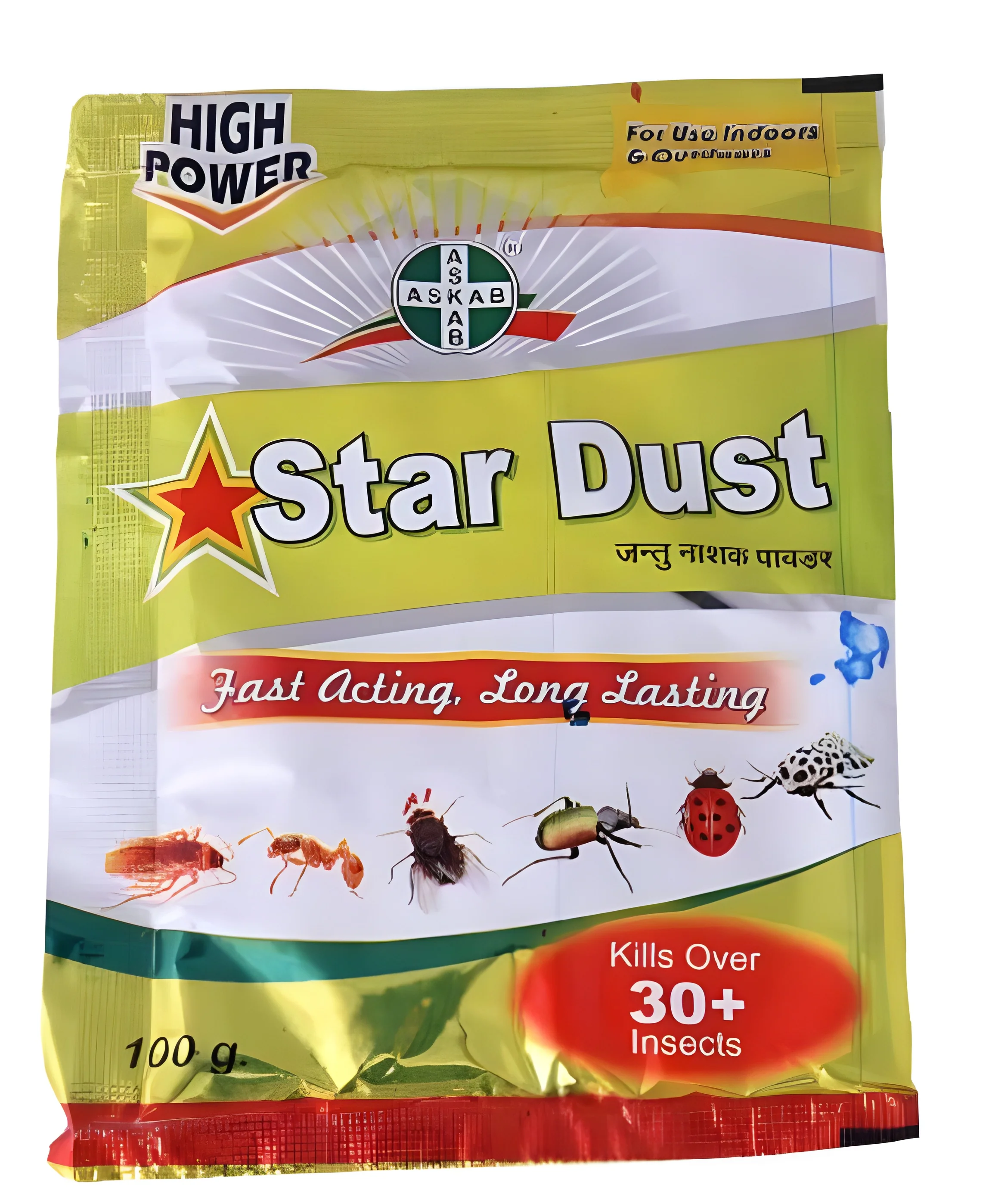
Insecticide Sprays: These are liquid formulations designed for immediate application to eliminate insects on contact. They are often used in both residential and commercial settings for quick pest removal.
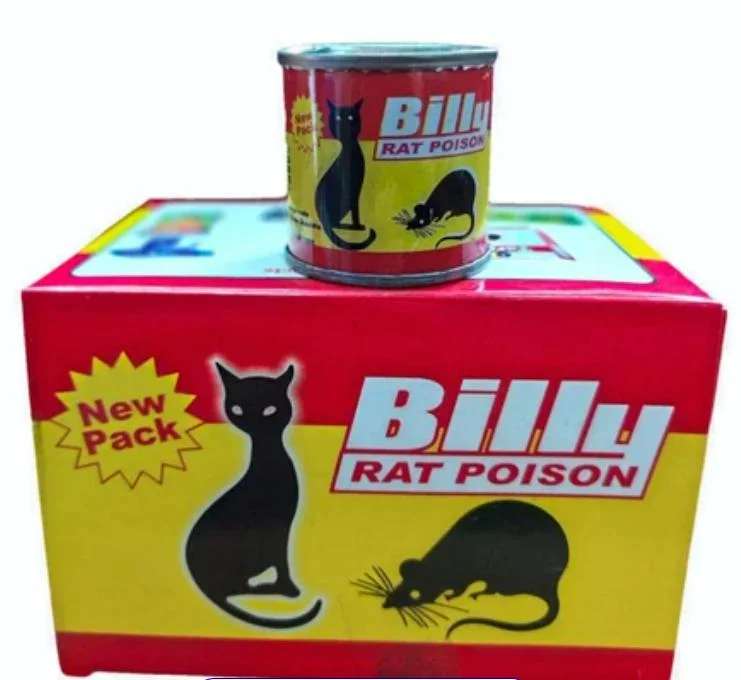
Rodent Baits: These products come in various forms, including blocks and pellets, specifically designed to attract and eliminate rodents. They are widely used in both urban and rural areas.
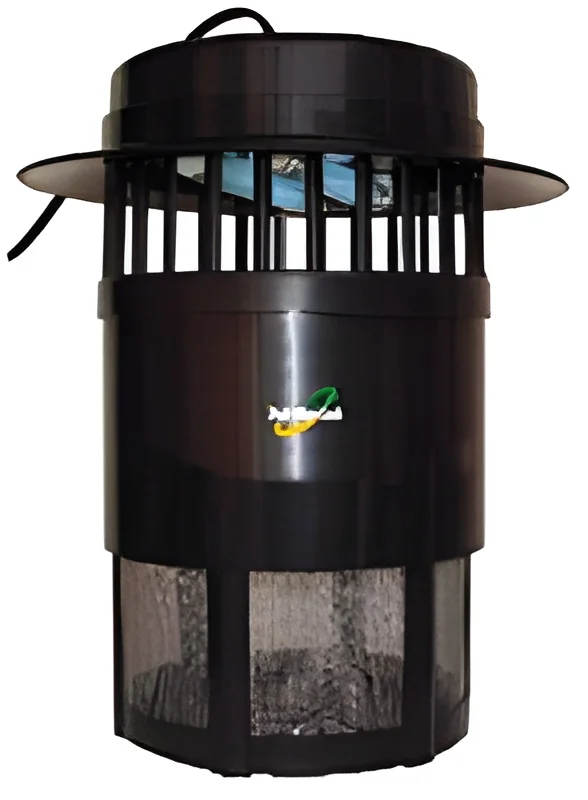
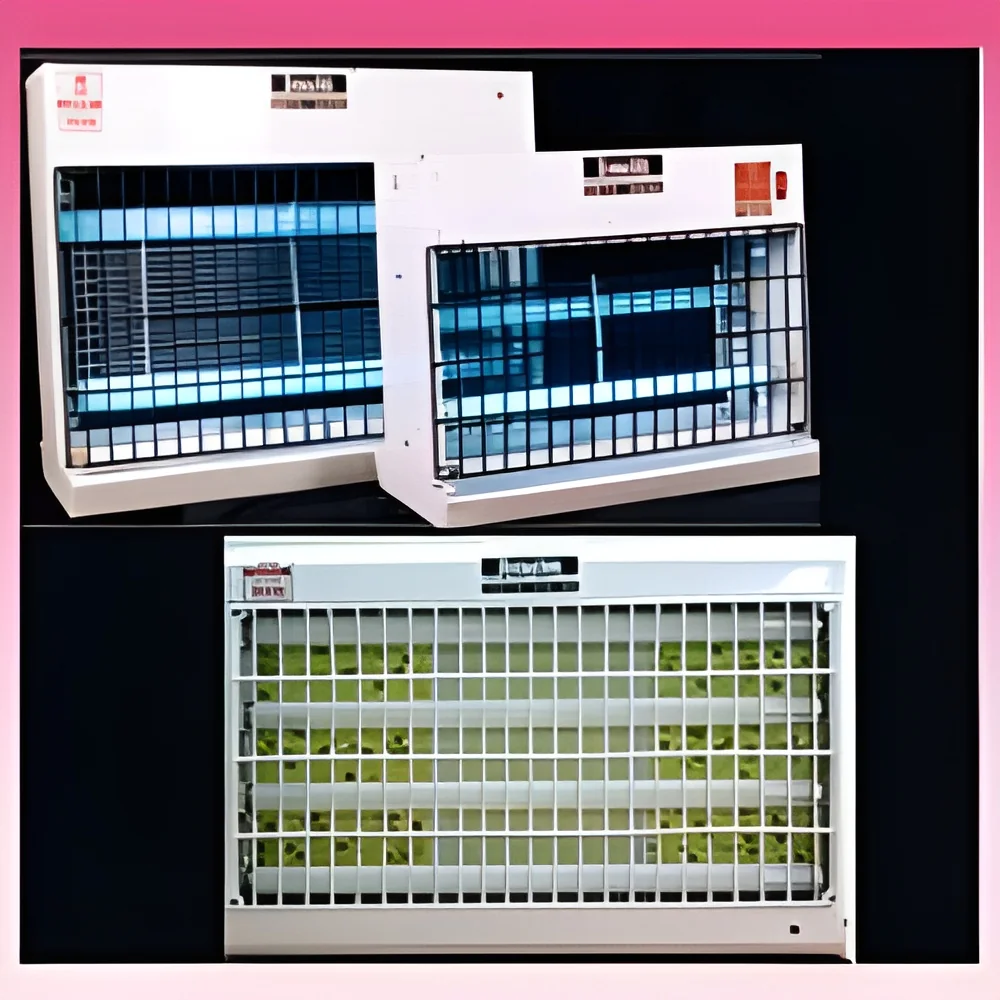
Traps: Mechanical and adhesive traps are designed to capture pests without the use of chemicals. They are effective for monitoring and controlling pest populations in sensitive environments.
Repellents: These products deter pests from entering specific areas without causing harm. They are commonly used in residential and agricultural settings to protect against insects.
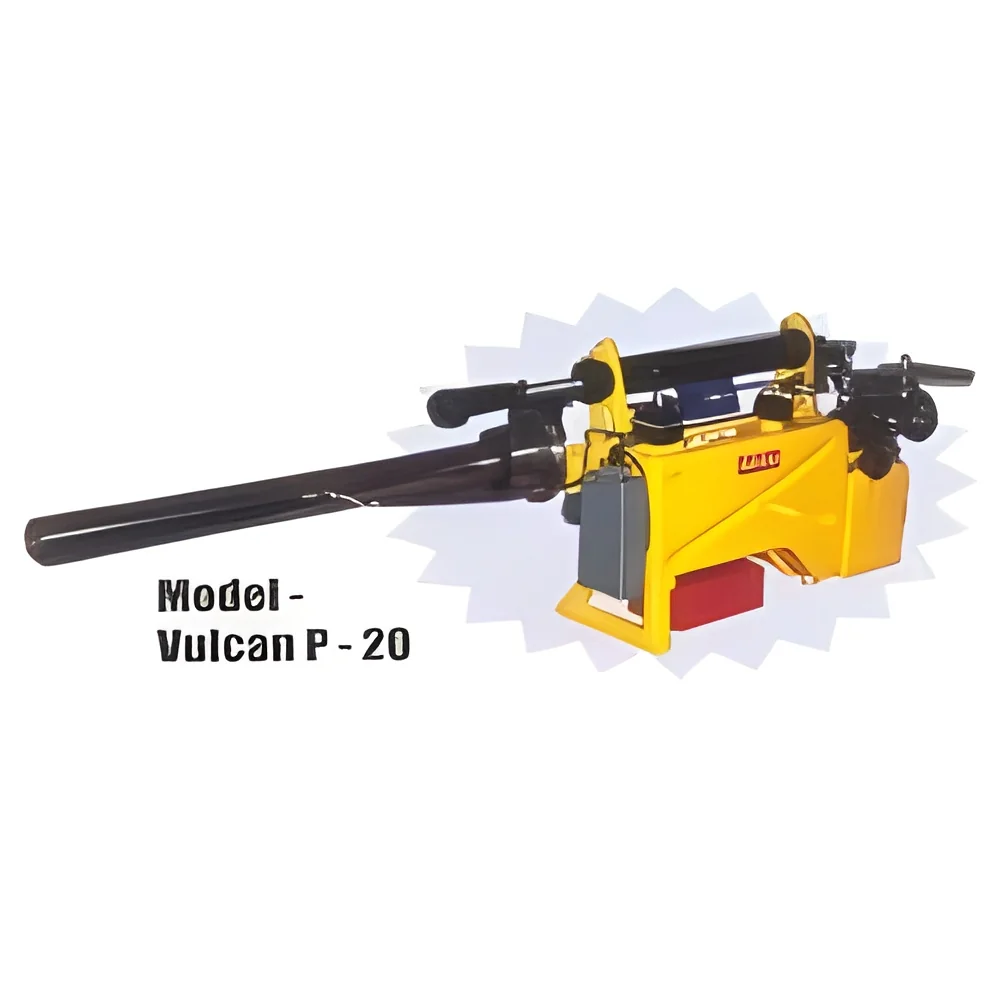
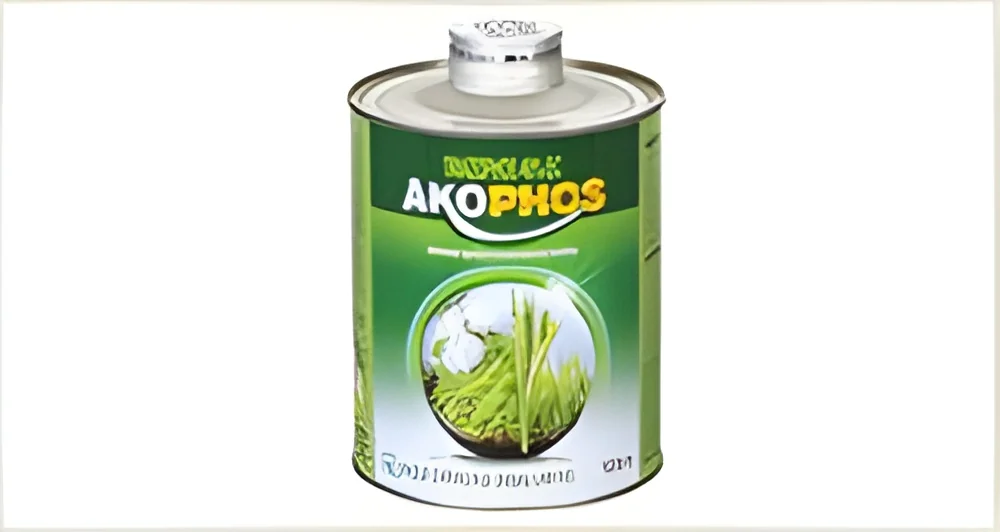
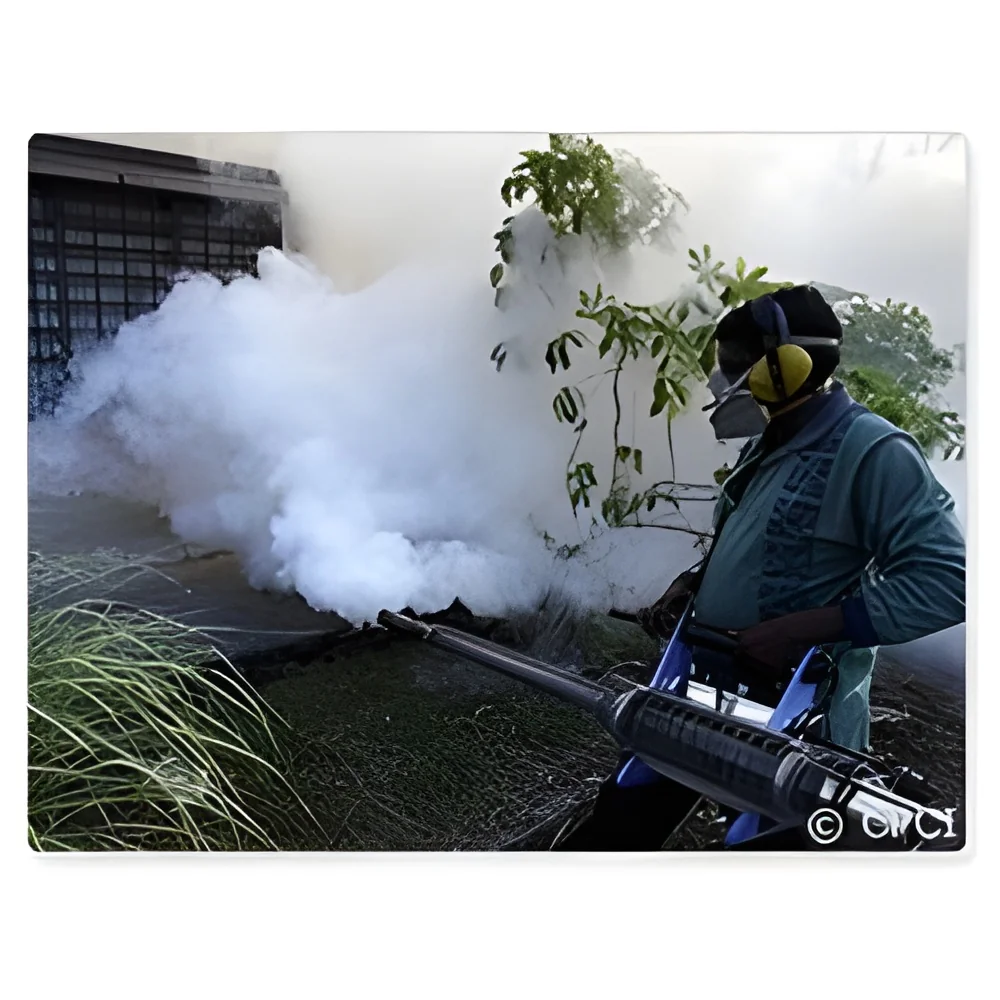
Fumigants: These are gaseous pesticides used to eliminate pests in enclosed spaces, such as shipping containers and warehouses. They are highly effective for widespread infestations.
Benefits and Advantages
Pest control products offer numerous benefits that enhance their value for businesses and consumers alike.
1. Effective Pest Management: These products provide effective control over various pests, reducing the risk of damage to property and health concerns.
2. Improved Hygiene: By controlling pest populations, these products help maintain clean and hygienic environments, particularly in food-related industries.
3. Increased Productivity: In agricultural settings, effective pest control translates to higher crop yields and reduced losses, positively impacting overall productivity.
4. Regulatory Compliance: Many pest control products meet safety and environmental regulations, aiding businesses in compliance efforts and avoiding penalties.
5. Cost Savings: Effective pest control can lead to significant cost savings by preventing damage to structures and goods, as well as reducing the need for extensive remediation efforts.
6. Versatility: The wide range of available products allows users to choose solutions tailored to specific pest challenges and environments.
Buying Guide for B2B Buyers
When sourcing pest control products, businesses should consider several key factors to ensure they select the right solutions for their needs.
1. Quality Assessment: Evaluate the quality of products by reviewing performance metrics and customer feedback. Look for products with proven efficacy and safety records.
2. Supplier Verification: Vet suppliers to ensure they provide high-quality products and reliable service. Check for certifications and customer testimonials.
3. Pricing and MOQ: Understand the pricing structure and minimum order quantities (MOQ). Consider bulk purchase options for cost savings while ensuring adequate supply.
4. Delivery and Lead Times: Assess logistics capabilities and delivery timelines to ensure timely receipt of products, especially when dealing with urgent pest problems.
5. Compliance Requirements: Familiarize yourself with local and regional compliance standards for pest control products, ensuring that selected products meet all necessary regulations.
Compliance and Certifications
Pest control products must adhere to various quality standards and regulations to ensure safety and effectiveness. Relevant quality standards include ISO 9001, which focuses on quality management systems, and HACCP, which emphasizes food safety. Compliance with these standards is vital for manufacturers and users alike.
Additionally, many pest control products carry certifications such as CE, indicating compliance with European safety standards. These certifications assure buyers of the product's reliability and safety in application.
Safety and testing requirements are critical in the pest control industry. Products must undergo rigorous testing to confirm their effectiveness and determine any potential risks to human health or the environment. Companies must also consider regional compliance aspects, as different jurisdictions may have varying regulations governing the use of pest control chemicals.
Why Source Pest Control Products from Pepagora?
Pepagora offers a trusted platform for sourcing pest control products, providing several key advantages for buyers.
Verified Supplier Network: Pepagora connects businesses with a network of verified suppliers, ensuring that buyers can source high-quality pest control products from reputable manufacturers. This network reduces the risk of substandard products and enhances buyer confidence.
Streamlined RFQ Process: The platform features a simplified Request for Quotation (RFQ) system, enabling buyers to receive competitive quotes from multiple suppliers quickly. This process saves time and effort, allowing businesses to focus on their core operations.
Trade Assurance and Support: Pepagora offers trade assurance services, protecting buyers in their transactions. This support includes assistance with disputes and guarantees on product quality, providing peace of mind during procurement.
Regional Coverage: With a strong presence in markets such as India, the GCC, and Southeast Asia, Pepagora caters to diverse regional needs. This geographic reach allows businesses to access pest control products tailored to specific environmental conditions and market demands.

 IN
IN