
 IN
Writing Pads
6 products available
What are Writing Pads?
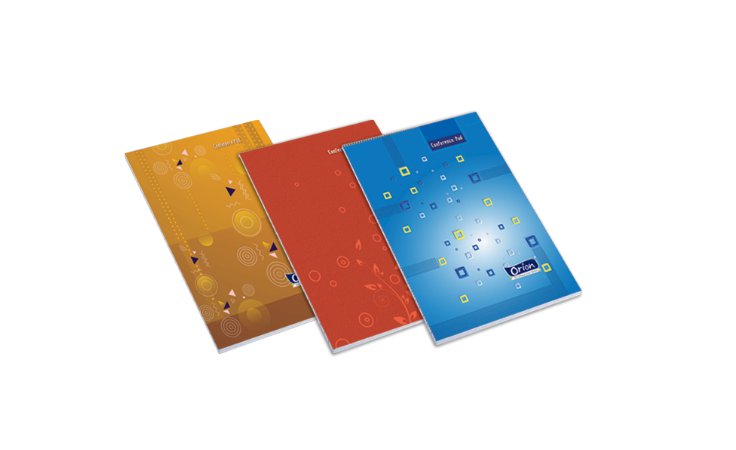
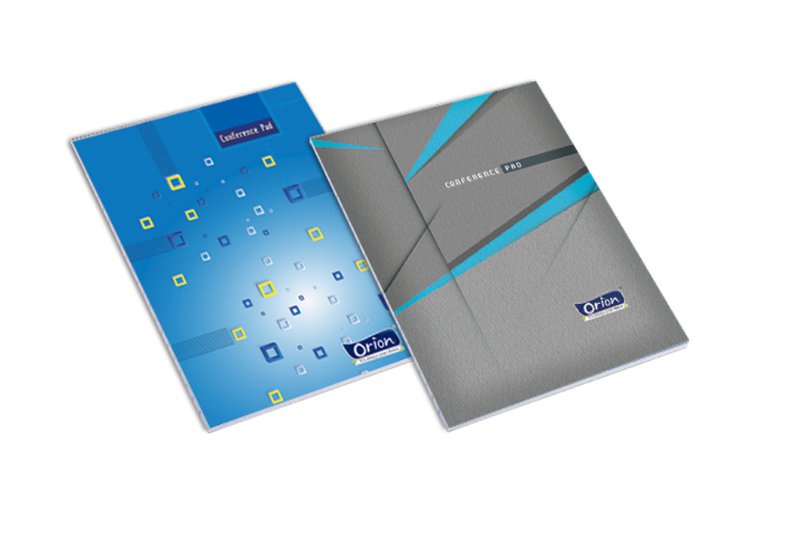
Writing pads are essential tools used for note-taking, brainstorming, and sketching ideas in various business environments. They typically consist of a collection of blank or lined sheets of paper bound together, making it easy to jot down thoughts quickly and efficiently. Writing pads come in various sizes and formats, catering to different user preferences and requirements. Their simplicity and functionality make them a staple in offices, classrooms, and meeting spaces.
Writing pads serve numerous purposes across different sectors. In corporate settings, they can be used during meetings to capture important points and decisions. In educational institutions, students often use them for taking notes during lectures. Additionally, writing pads are ideal for creative professionals who need a space to draft concepts or outline projects. Their versatility ensures they remain relevant in both traditional and modern workplaces.
The market for writing pads is robust, with a growing demand driven by the shift towards hybrid work environments. Despite the increasing use of digital devices, many professionals continue to prefer the tactile experience of writing on paper. This preference reflects a broader trend towards products that enhance focus and productivity in the workplace.
Key Features and Specifications
Writing pads come with a variety of features that enhance their usability and appeal. Understanding these specifications can help buyers select the right product for their needs.
Key specifications include:
1. Size
- Common sizes include A4, A5, and letter size
- Custom sizes may be available based on specific requirements
2. Paper Type
- Options include lined, blank, or grid paper
- Varying weights of paper for different writing experiences
3. Binding
- Glue-bound, spiral-bound, or stitched options available
- Each type offers different levels of durability and flexibility
4. Cover Material
- Options range from soft covers to hard covers
- Material can affect portability and protection of pages
5. Page Count
- Typically ranges from 50 to 200 pages
- Higher page counts may be suited for extensive note-taking
6. Eco-Friendliness
- Some pads are made from recycled paper
- Certifications may be available to indicate sustainability
7. Customization Options
- Possibility for branding or personalized printing
- Useful for promotional purposes or corporate identity
8. Pricing
- Prices can vary widely based on features and quantities
- Bulk purchasing may lead to discounts
In summary, writing pads offer diverse features that meet various professional needs, and selecting the right specifications is crucial for maximizing their utility.
Common Applications and Use Cases
Writing pads are used across a wide array of industries, each benefiting from their practical design and functionality.
1. Education: Students use writing pads for taking notes, completing assignments, and brainstorming ideas during group projects.
2. Corporate: Professionals utilize writing pads for meeting notes, brainstorming sessions, and drafting reports, enhancing productivity in the workplace.
3. Creative Arts: Artists and designers rely on writing pads for sketching concepts, outlining projects, and developing visual ideas in a tangible format.
4. Healthcare: Medical professionals often use writing pads for jotting down patient notes and observations during consultations and rounds.
5. Engineering: Engineers and technicians use writing pads to record measurements, calculations, and designs during fieldwork or project planning.
6. Research: Researchers and scientists take notes, draft hypotheses, and organize data in writing pads during experiments and field studies.
7. Event Planning: Event coordinators use writing pads to outline agendas, checklists, and ideas for successful event execution.
Product Variants and Subcategories
Writing pads are available in various formats, each designed to cater to specific user needs and preferences.
Lined Writing Pads
These are the most common type, featuring horizontal lines to guide writing. Ideal for students and professionals, they help maintain organized notes and clear writing.
Blank Writing Pads
Perfect for creative individuals, these pads allow for freeform writing and sketching. They are commonly used by artists and designers for drafting ideas without constraints.
Grid Writing Pads
Grid pads come with a printed grid layout, making them suitable for technical drawing, graphing, and precise note-taking. Engineers and architects frequently use these variants.
Specialized Writing Pads
Some pads are tailored for specific professions, such as legal pads designed for lawyers or medical pads for healthcare professionals. These often include unique features relevant to their fields.
Benefits and Advantages
Choosing writing pads offers multiple advantages for users across various sectors.
Key benefits include:
1. Enhanced Focus: Writing by hand helps improve focus and retention of information compared to typing on digital devices.
2. Portability: Writing pads are lightweight and easy to carry, making them convenient for meetings, classes, and travel.
3. Versatility: They can be used in numerous settings, from corporate offices to classrooms and creative studios.
4. Cost-Effectiveness: Writing pads are generally affordable, providing an economical solution for note-taking and brainstorming.
5. Customization: Many writing pads offer options for branding or personalization, which is beneficial for businesses looking to promote their identity.
6. Eco-Friendliness: Sustainable writing pads made from recycled paper appeal to environmentally conscious consumers.
Buying Guide for B2B Buyers
When sourcing writing pads for business needs, buyers should consider several key factors to ensure they make informed decisions.
1. Quality Assessment: Evaluate the paper quality, binding strength, and overall durability of writing pads. High-quality materials enhance usability and longevity.
2. Supplier Verification: Look for reputable suppliers with a proven track record in providing reliable products. Check reviews and request samples to assess quality.
3. Pricing and MOQ: Understand the pricing structure and minimum order quantities (MOQ) required by suppliers. This helps in budgeting and planning purchases.
4. Delivery and Lead Times: Inquire about the expected delivery times and logistics to ensure timely availability of products for business needs.
5. Compliance Requirements: Be aware of any industry-specific compliance or regulatory requirements that writing pads must meet, especially in sectors like healthcare or education.
Compliance and Certifications
Writing pads must adhere to several quality standards and certifications to ensure safety and usability in various industries.
One relevant standard is ISO 9001, which focuses on quality management systems and ensures that manufacturing processes meet international quality benchmarks.
Additionally, compliance with CE marking indicates that the product meets European safety, health, and environmental protection standards.
Manufacturers may also need to follow specific safety and testing requirements, depending on the intended use of the writing pads.
In some regions, compliance with local regulations may be necessary, especially for products sold in educational or healthcare settings.
Why Source Writing Pads from Pepagora?
Pepagora offers a trusted platform for sourcing writing pads, providing several advantages to B2B buyers.
Verified Supplier Network: Pepagora ensures that suppliers undergo a thorough verification process, giving buyers confidence in the quality and reliability of their purchases.
Streamlined RFQ Process: The platform simplifies the request for quotation process, allowing buyers to easily compare offers from multiple suppliers to find the best fit for their needs.
Trade Assurance and Support: Pepagora offers trade assurance, providing protection for buyers throughout the purchasing process, ensuring a smooth transaction.
Regional Coverage: With a wide geographic reach, Pepagora connects buyers to suppliers across India, the GCC, and Southeast Asia, facilitating access to a diverse range of writing pads tailored to various market demands.


 India
 India
 India
Frequently Asked Questions
What are Writing Pads?
Writing pads are collections of paper sheets bound together, typically used for note-taking, sketching, or any written communication. They often come in various sizes and styles, catering to different user preferences and needs.
What are the different types of Writing Pads?
There are several types of writing pads including ruled, unruled, graph, and blank pads. Some may also feature perforated sheets for easy tearing, while others might have specialized formats for specific purposes like legal pads or sketch pads.
How do I choose the right Writing Pads?
When choosing writing pads, consider factors such as the type of paper, size, binding style, and intended use. Additionally, think about the pad's portability and whether it meets your specific writing or drawing requirements.
What are the standard specifications for Writing Pads?
Standard specifications for writing pads typically include sheet size (e.g., A4, A5), paper weight (measured in GSM), and number of sheets per pad. Some pads also include features such as margins, perforations, or specific paper textures.
What is the price range for Writing Pads?
The price range for writing pads can vary significantly based on size, quality, and brand. Generally, you can expect to find writing pads priced from as low as INR 20 to over INR 500, depending on these factors.
What quality standards apply to Writing Pads?
Writing pads should adhere to quality standards that ensure durability, smooth writing experience, and paper clarity. Common metrics include paper weight, brightness, and resistance to ink bleed, which help in determining the overall quality.
Where can I find Writing Pads suppliers in India?
You can find writing pad suppliers in India through B2B marketplaces like Pepagora.com, trade shows, or by searching online directories. These platforms often list manufacturers and wholesalers who specialize in writing pads.
Can Writing Pads be customized?
Yes, many manufacturers offer customization options for writing pads. This can include personalized branding, specific sizes, or tailored paper types to suit particular needs or preferences.
What is the typical minimum order quantity for Writing Pads?
The minimum order quantity (MOQ) for writing pads varies by manufacturer but typically ranges from 100 to 500 units. It's advisable to check with individual suppliers for their specific MOQ requirements.
What is the typical lead time for Writing Pads?
The typical lead time for writing pads can range from a few days to several weeks, depending on the supplier's location, order size, and customization requests. It's important to confirm lead times with your chosen supplier to ensure timely delivery.
Why Businesses Trust Pepagora
Thousands of companies trust Pepagora to source smarter and sell faster
Expand Your Sales Globally

Source Smarter,Grow Faster
