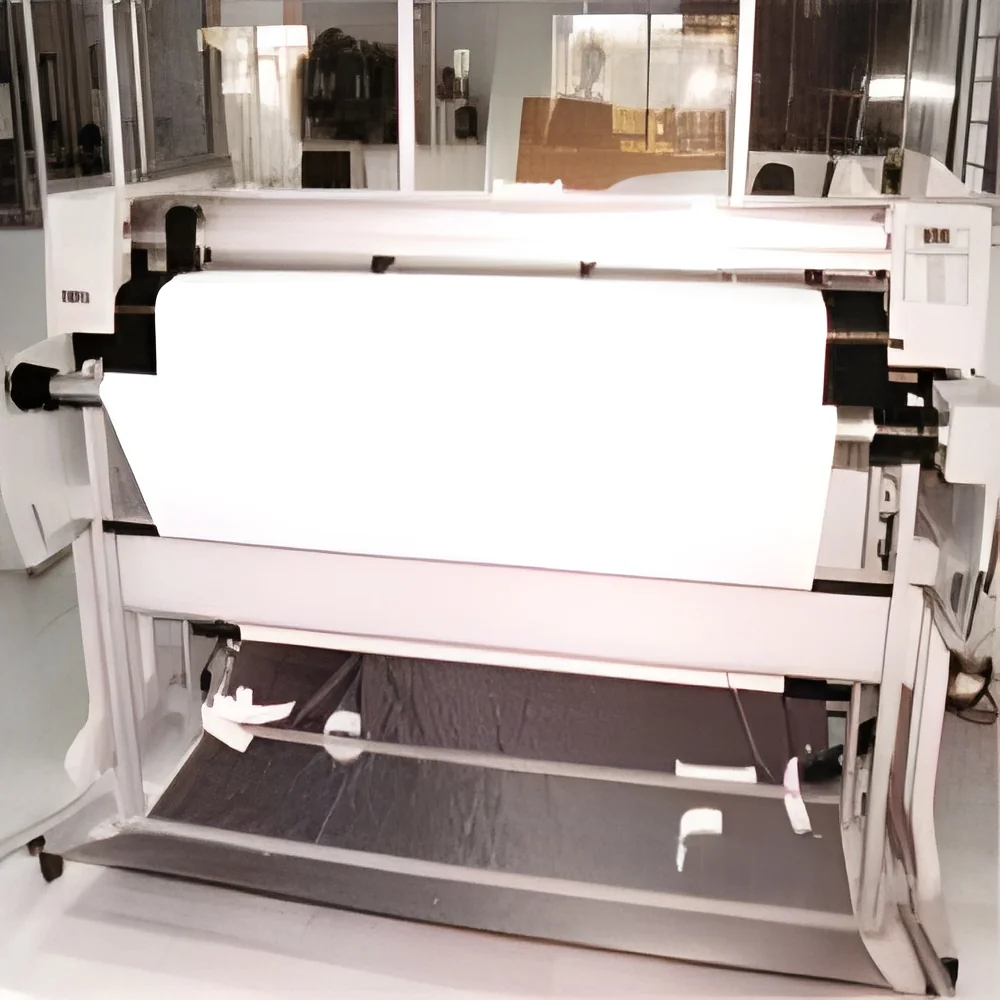
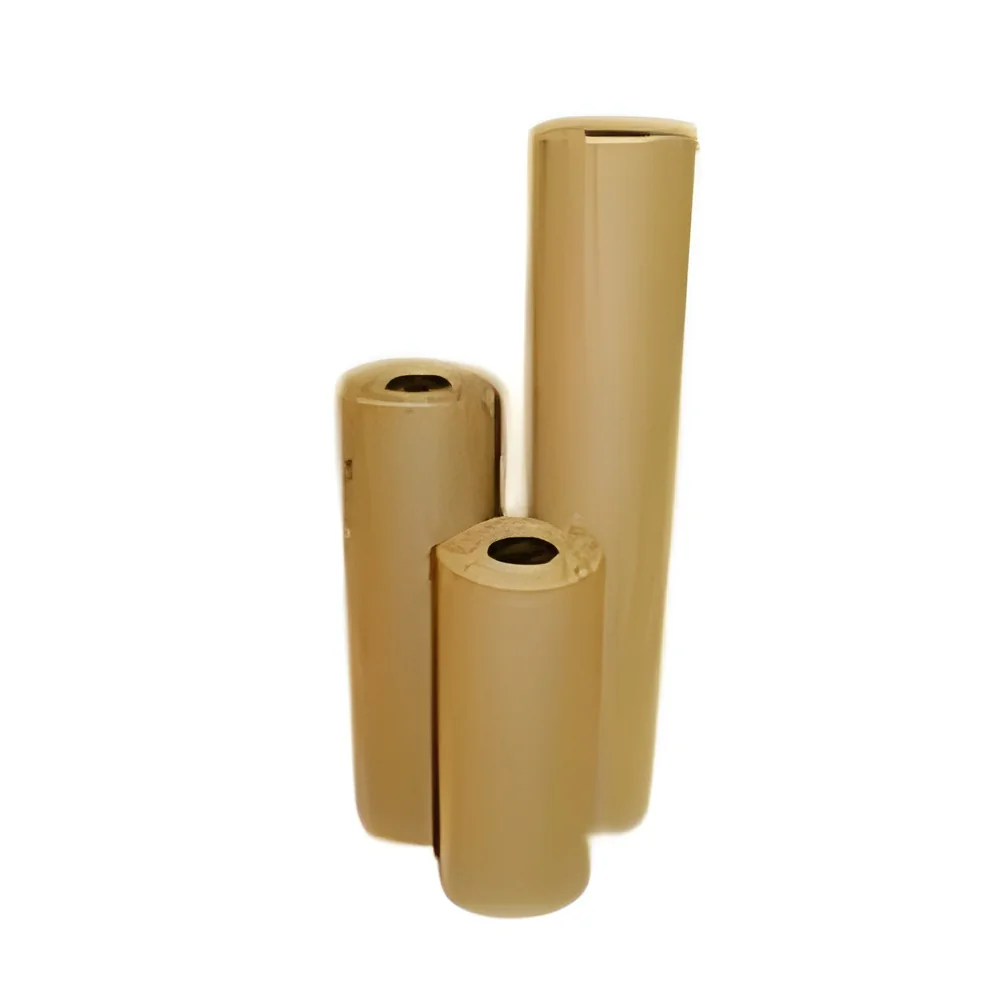
What are Plotter Paper Rolls?
Plotter paper rolls are specialized paper products designed for use in large-format printers, commonly known as plotters. These rolls provide a smooth, high-quality surface that is essential for producing detailed graphics, engineering drawings, architectural schematics, and other large documents. The paper is typically available in various widths and lengths, catering to different printing requirements and ensuring versatility for a range of applications.
The primary uses of plotter paper rolls extend across several industries, including engineering, architecture, construction, and graphic design. Businesses utilize this type of paper to create precise, large-scale prints that require high clarity and accuracy. Additionally, plotter paper rolls are crucial for producing blueprints, technical illustrations, and marketing materials. In today’s competitive market, having the right quality of plotter paper can significantly impact project outcomes and client satisfaction.
As the demand for high-quality printed materials continues to rise, plotter paper rolls hold significant relevance in various sectors. The market for these products is constantly evolving, with innovations in paper technology and printing processes enhancing the quality and performance of plotter paper. This dynamic landscape provides opportunities for businesses to adopt advanced printing solutions that meet the growing needs of their clients.
Key Features and Specifications
Plotter paper rolls come with a range of features and specifications that make them suitable for various printing applications. Understanding these specifications is essential for businesses looking to invest in high-quality materials.
Key specifications include:
1. Width
- Common widths range from 24 inches to 60 inches.
- Custom widths may be available based on specific requirements.
2. Length
- Standard lengths typically vary from 150 feet to 500 feet.
- Longer rolls can reduce the frequency of paper changes during printing.
3. Weight
- Paper weight is measured in grams per square meter (GSM).
- Typical weights range from 70 GSM to 150 GSM, depending on the intended use.
4. Brightness
- Brightness levels affect the vibrancy of printed colors.
- High brightness levels (90+ ISO) result in better color reproduction.
5. Surface Finish
- Available finishes include matte and glossy.
- The choice of finish impacts the final appearance and usability for specific applications.
6. Compatibility
- Designed for compatibility with various ink types, including dye-based and pigment-based inks.
- Ensure that the chosen paper is suitable for the specific plotter model.
7. Environmental Considerations
- Many plotter papers are made from sustainable materials.
- Look for papers that comply with environmental certifications.
8. Packaging
- Plotter paper rolls are typically packaged in moisture-resistant materials.
- Proper packaging ensures protection during storage and transport.
In summary, understanding the key features and specifications of plotter paper rolls helps businesses select the right products that meet their printing needs while ensuring quality and performance.
Common Applications and Use Cases
Plotter paper rolls serve various industries with distinct requirements for large-format printing.
1. Architecture: Architects use plotter paper for printing building plans, site layouts, and 3D renderings. High-quality paper ensures that intricate designs are clearly visible.
2. Engineering: Engineers rely on plotter paper to produce detailed technical drawings and schematics. The precision of the prints is critical for effective communication and project execution.
3. Construction: In construction, plotter paper is used for generating detailed blueprints and project specifications. These documents are essential for guiding the construction process.
4. Graphic Design: Designers utilize plotter paper for producing large visuals, banners, and marketing materials. The vibrant colors and sharp details enhance the visual impact of their work.
5. Education: Educational institutions use plotter paper for printing maps, designs, and presentations. High-quality prints facilitate better learning and engagement.
6. Manufacturing: Manufacturers require plotter paper for creating technical documentation and product specifications. Accurate prints are necessary for maintaining quality standards.
7. Signage: Businesses involved in signage production use plotter paper to create high-resolution graphics. This ensures that signs are eye-catching and effective.
Product Variants and Subcategories
Plotter paper rolls come in various types to cater to diverse printing needs. Each variant is designed with specific features that enhance its usability in different applications.
Standard Plotter Paper
This is the most common type of plotter paper, ideal for general printing purposes. It offers good quality and is suitable for technical drawings and presentations.
Bond Plotter Paper
Bond paper is known for its durability and strength. It is often used for engineering and architectural prints where longevity is essential.
Coated Plotter Paper
Coated paper has a special surface treatment that enhances color vibrancy and ink absorption. It is commonly used for graphic design and marketing materials.
Recycled Plotter Paper
This environmentally-friendly option is made from recycled materials. It meets sustainability goals while providing reliable printing performance.
Specialty Plotter Paper
Specialty papers are designed for specific applications, such as waterproof or tear-resistant options. They are suitable for outdoor use or other unique requirements.
Benefits and Advantages
Using plotter paper rolls offers several advantages for businesses engaged in large-format printing.
Key benefits include:
1. High Quality: Plotter paper provides excellent print quality with sharp images and vibrant colors, ensuring professional results.
2. Cost Efficiency: When purchased in bulk, plotter paper rolls can offer significant cost savings compared to purchasing individual sheets.
3. Versatility: Available in various sizes and finishes, plotter paper rolls can accommodate a wide range of printing projects across different industries.
4. Reduced Waste: Larger rolls minimize the frequency of paper changes, resulting in less waste and increased efficiency during printing.
5. Compatibility: Plotter paper is designed to work seamlessly with various printing technologies, ensuring consistent performance across different printers.
6. Enhanced Durability: Certain types of plotter paper are designed to withstand different environmental conditions, making them suitable for long-term use.
Buying Guide for B2B Buyers
When sourcing plotter paper rolls, buyers should consider several important factors to ensure they make informed decisions.
1. Quality Assessment: Evaluate the quality of the paper based on brightness, weight, and finish. High-quality paper will result in better printed outcomes and customer satisfaction.
2. Supplier Verification: Vet potential suppliers to ensure they provide reliable products. Look for established companies with positive reviews and a solid reputation in the industry.
3. Pricing and MOQ: Understand the pricing structure and minimum order quantities (MOQ). Compare costs from different suppliers to find the best value for your business.
4. Delivery and Lead Times: Inquire about delivery options and lead times. Ensure that the supplier can meet your timelines to avoid disruptions in your operations.
5. Compliance Requirements: Check for any regulatory compliance requirements that the paper needs to meet, such as environmental certifications. This ensures adherence to industry standards.
Compliance and Certifications
Plotter paper rolls are subject to various compliance standards and certifications that ensure quality and safety.
Relevant quality standards, such as ISO 9001, guarantee that manufacturers adhere to consistent quality management practices. This results in reliable products that meet customer expectations.
Industry certifications like CE indicate that the products comply with European health, safety, and environmental protection standards. This is particularly important for businesses operating in regulated markets.
Safety and testing requirements ensure that the paper does not contain harmful substances and is safe for both users and the environment. Manufacturers often conduct rigorous testing to meet these standards.
Regional compliance considerations may vary based on geographic location. Buyers should confirm that the products meet local regulations to avoid any compliance issues.
Why Source Plotter Paper Rolls from Pepagora?
Pepagora provides a trusted platform for sourcing plotter paper rolls, offering several key advantages for B2B buyers.
Verified Supplier Network: Pepagora connects buyers with a network of verified suppliers. This ensures that businesses can source high-quality products from reputable manufacturers.
Streamlined RFQ Process: The platform features a streamlined request for quotation (RFQ) process. This allows buyers to easily compare offers from multiple suppliers, saving time and effort.
Trade Assurance and Support: Pepagora offers trade assurance that protects buyers throughout the sourcing process. This includes support for quality disputes and transaction management.
Regional Coverage: With a strong presence in regions like India, GCC, and Southeast Asia, Pepagora provides extensive coverage for businesses looking to source plotter paper rolls in diverse markets.
By choosing Pepagora, businesses can enhance their sourcing experience while ensuring access to quality products and reliable suppliers.

 IN
IN