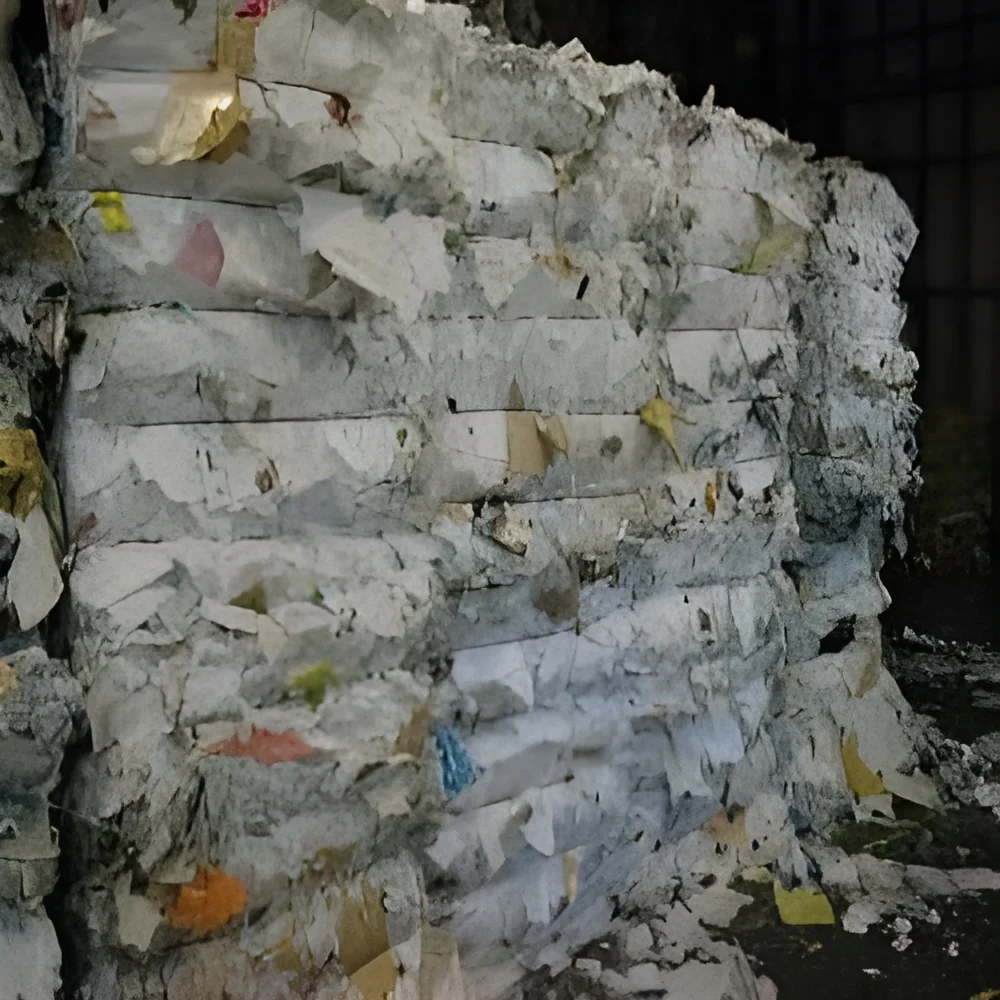
What are Recycled Paper?
Recycled paper is a type of paper that is produced from post-consumer waste and other paper products that have been collected, processed, and remade into new paper. This process helps reduce the demand for virgin wood pulp, conserving natural resources and minimizing environmental impact. By recycling paper, manufacturers can create a sustainable product that meets various quality standards while also contributing to a circular economy.
Recycled paper is widely used in numerous business applications, including packaging, printing, and office supplies. It is suitable for various industries, from publishing and education to manufacturing and e-commerce. Businesses often prefer recycled paper to demonstrate corporate responsibility and commitment to sustainability, which can enhance their brand image and appeal to environmentally conscious consumers.
In the current market context, the demand for recycled paper is on the rise due to increasing environmental regulations and consumer preferences for sustainable products. Many companies are adopting eco-friendly practices, making recycled paper a vital component of their operations. The industry continues to evolve with advancements in recycling technologies, improving the quality and variety of recycled paper products available.
Key Features and Specifications
Recycled paper offers a range of features and specifications that make it suitable for various applications. Understanding these specifications is critical for businesses looking to source the right product for their needs.
Key specifications include:
1. Fiber Content
- Typically made from 30% to 100% recycled fibers.
- Higher fiber content can enhance sustainability but may affect quality.
2. Basis Weight
- Commonly available in weights ranging from 20 lb to 100 lb.
- Heavier weights are suitable for printing and packaging, while lighter weights are ideal for stationery.
3. Brightness Level
- Brightness levels can vary from 70 to 98.
- Higher brightness levels are preferred for high-quality printing applications.
4. Printability
- Designed for compatibility with various printing methods, including digital and offset printing.
- Ensures vibrant colors and clear images.
5. Texture and Finish
- Available in various textures, including smooth, vellum, and linen finishes.
- Different finishes can enhance the tactile experience and aesthetic appeal.
6. Environmental Certifications
- Many recycled papers carry certifications such as FSC or SFI, indicating sustainable sourcing.
- Certifications can enhance credibility and marketability.
7. Whiteness
- Whiteness levels typically range from 75 to 95.
- Higher whiteness can improve print quality but may involve more processing.
8. Recycling Percentage
- Documents the percentage of recycled content in the final product.
- Higher percentages indicate a greater commitment to sustainability.
In summary, selecting recycled paper involves understanding its specifications and how they align with the intended use. Businesses must evaluate these features to ensure they meet their operational and environmental goals.
Common Applications and Use Cases
Recycled paper is versatile and serves various industries effectively.
1. Printing and Publishing: Recycled paper is extensively used for books, magazines, and brochures. It offers good print quality while reducing environmental impact.
2. Packaging: Many companies use recycled paper for packaging materials, including boxes, wrappers, and bags, as it provides strength and sustainability.
3. Office Supplies: Recycled paper is a popular choice for office products like notepads, envelopes, and stationery, promoting eco-friendly practices.
4. Education: Schools and universities use recycled paper for textbooks, worksheets, and other educational materials, supporting sustainability initiatives.
5. Marketing: Businesses often choose recycled paper for marketing materials, such as flyers and posters, to enhance their brand's environmental credentials.
6. Craft and Hobby: Recycled paper is used in arts and crafts, allowing individuals to create sustainable projects while minimizing waste.
7. Direct Mail: Recycled paper is commonly utilized in direct mail campaigns, allowing companies to reach customers sustainably and effectively.
Product Variants and Subcategories
Recycled paper comes in various forms to meet specific needs.
Copy Paper
This variant is designed for everyday printing and copying, available in different weights and brightness levels. It is suitable for both inkjet and laser printers, making it a versatile choice for office environments.
Cardstock
This thicker variant is ideal for heavier applications, such as business cards, postcards, and invitations. It provides durability and a professional appearance, making it a preferred option for marketing materials.
Newsprint
Used primarily in printing newspapers, this lightweight paper variant is economical and efficient. It is made from recycled materials and is ideal for high-volume printing.
Kraft Paper
This variant is known for its strength and durability, making it suitable for packaging and shipping. It is commonly used for bags, wrapping, and protective packaging.
Benefits and Advantages
Sourcing recycled paper offers numerous benefits for businesses.
1. Environmental Impact: Using recycled paper significantly reduces deforestation and conserves natural resources, contributing to a healthier planet.
2. Cost-Effectiveness: Recycled paper can be more cost-effective than virgin paper, especially with bulk purchases, providing savings for businesses.
3. Brand Image: Utilizing recycled materials enhances brand reputation and appeals to eco-conscious consumers, helping companies stand out in competitive markets.
4. Compliance with Regulations: Many companies are required to meet environmental regulations. Using recycled paper can help ensure compliance with these standards.
5. Versatility: Recycled paper is available in various weights, finishes, and textures, making it suitable for a wide range of applications.
6. Support for Circular Economy: Sourcing recycled paper supports the circular economy by promoting re-use and recycling, fostering sustainable business practices.
Buying Guide for B2B Buyers
When sourcing recycled paper, businesses should consider several critical factors to ensure they make informed purchasing decisions.
1. Quality Assessment: Evaluate the quality of recycled paper by reviewing certifications and specifications. Look for papers that meet required performance standards for your specific applications.
2. Supplier Verification: Vet suppliers to ensure they have a proven track record of providing high-quality recycled paper. Check for customer reviews and industry reputation.
3. Pricing and MOQ: Understand pricing structures and minimum order quantities (MOQ) before making a purchase. This helps in budgeting and planning procurement efficiently.
4. Delivery and Lead Times: Inquire about delivery options and lead times to ensure that the paper can be delivered when needed. Timely delivery is essential for maintaining business operations.
5. Compliance Requirements: Verify that the recycled paper meets relevant compliance and environmental standards, ensuring your business adheres to regulations.
Compliance and Certifications
Compliance and certifications play a vital role in the recycled paper industry. Many recycled paper products are manufactured according to quality standards such as ISO 9001, which ensures consistency in production processes and quality management.
In addition to ISO certifications, industry certifications like CE demonstrate compliance with European safety and health regulations. These certifications assure businesses that the recycled paper meets safety standards, reducing risks associated with inferior products.
Testing requirements may include assessments for brightness, fiber content, and printability. Businesses should also be aware of regional compliance considerations, particularly if sourcing recycled paper from international suppliers. Understanding local regulations can help businesses avoid potential legal issues and ensure they are sourcing responsibly.
Why Source Recycled Paper from Pepagora?
Pepagora provides a trusted platform for sourcing recycled paper, offering businesses several key advantages.
Verified Supplier Network: Pepagora connects buyers with a network of verified suppliers, ensuring that all products meet high-quality standards. This helps businesses find reliable partners for their procurement needs.
Streamlined RFQ Process: The request for quotation (RFQ) process on Pepagora is designed to be efficient and user-friendly. Buyers can easily compare offers from multiple suppliers, enabling them to make informed purchasing decisions.
Trade Assurance and Support: Pepagora offers trade assurance programs that protect buyers throughout the purchasing process. This includes support for disputes and quality assurance, providing peace of mind for businesses.
Regional Coverage: With a focus on India, the GCC, and Southeast Asia, Pepagora ensures that businesses have access to a wide range of recycled paper options across different regions. This geographic reach helps businesses find the right products locally, reducing lead times and shipping costs.

 IN
IN