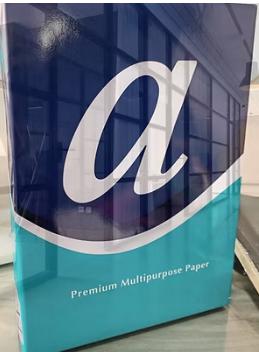
What are Printer Sheets?
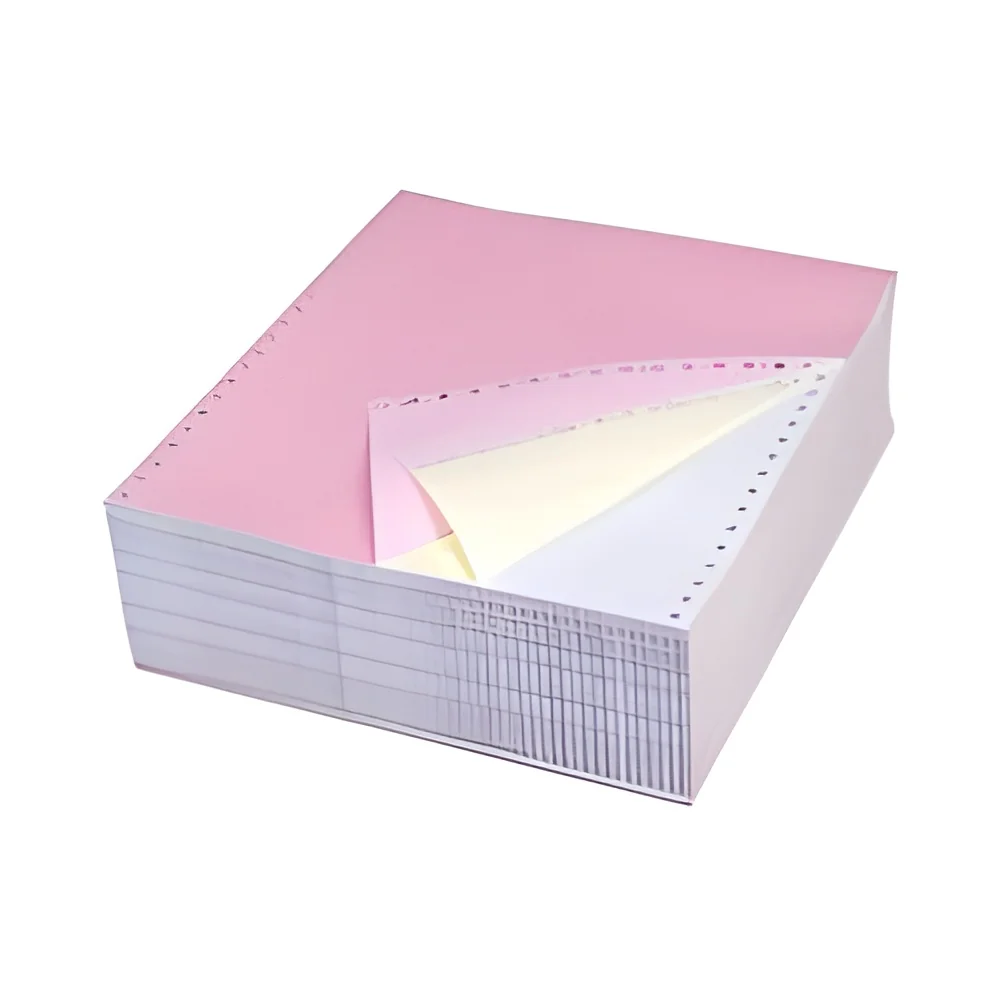
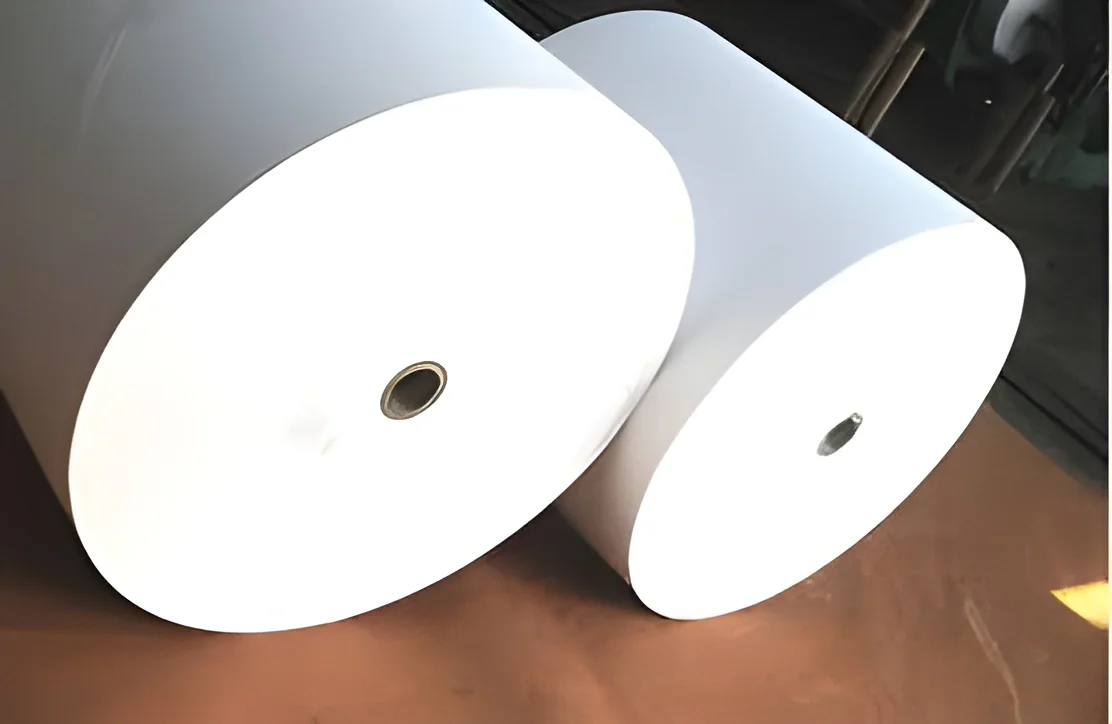
Printer sheets refer to specialized sheets designed for use in various printing applications, primarily in industrial and commercial settings. These sheets can be made from different materials, including paper, plastic, and specialized substrates, tailored to meet specific printing needs. They are used in a variety of printing technologies such as inkjet, laser, and offset printing, providing a suitable surface for print media.
The primary uses of printer sheets span across multiple industries, including packaging, labeling, and promotional materials. They serve as the foundation for printed products like business cards, brochures, and product labels. Businesses rely on high-quality printer sheets to ensure vibrant colors, sharp images, and clear text, which are critical for effective communication and branding. In today’s competitive market, the choice of printer sheets can significantly impact product presentation and customer engagement.
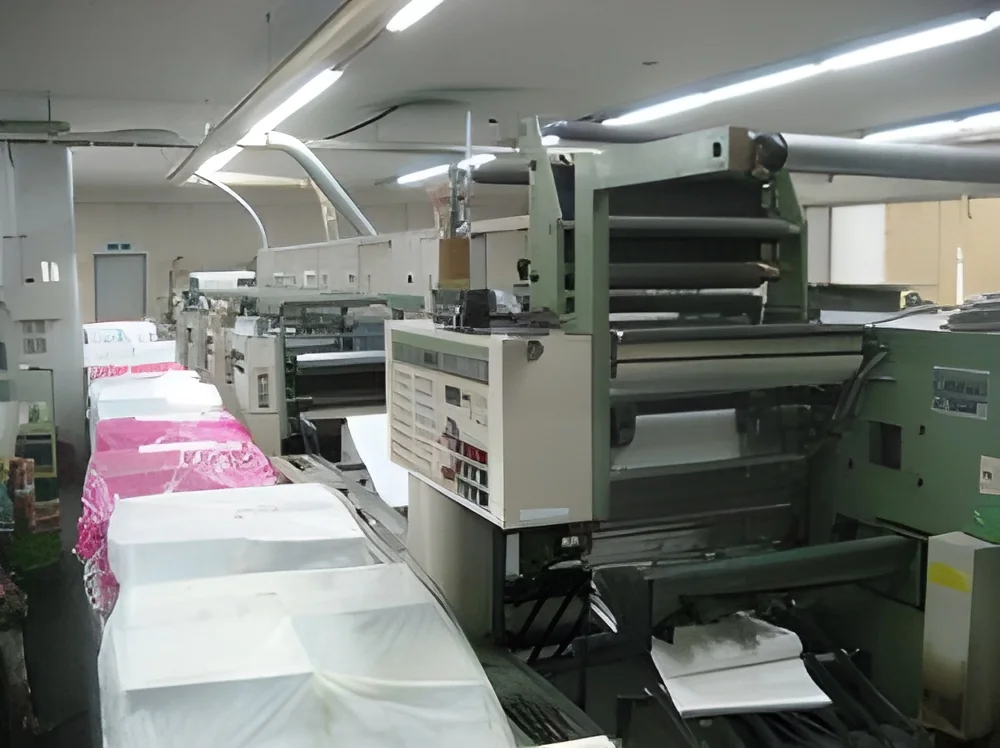
As industries increasingly adopt advanced printing technologies, the relevance of printer sheets continues to grow. With a focus on customization and quality, various suppliers are catering to the diverse needs of businesses. This trend highlights the importance of selecting the right type of printer sheets to enhance overall print quality and operational efficiency.
Key Features and Specifications
Printer sheets come with several key features and specifications that cater to the various demands of printing processes. Understanding these specifications is crucial for businesses looking to choose the right product for their needs.
Key specifications include:
1. Material Type
- Common materials include paper, synthetic films, and specialty substrates.
- Each material type offers unique characteristics, such as durability, flexibility, and print quality.
2. Thickness
- Thickness can range from standard paper weights to heavier cardstock.
- This affects both the feel of the printed product and its suitability for different printing technologies.
3. Surface Finish
- Options include matte, glossy, and satin finishes.
- The surface finish influences the visual appeal and texture of the printed output.
4. Size Options
- Printer sheets are available in various sizes, typically including A4, A3, and custom dimensions.
- Size selection is crucial for compatibility with printers and intended applications.
5. Print Compatibility
- Sheets are designed for compatibility with different printing technologies, including inkjet and laser printers.
- Ensures optimal print quality and prevents issues like smudging or fading.
6. Color Receptiveness
- Varies by material, affecting how well colors appear after printing.
- Businesses should consider this to achieve desired visual outcomes.
7. Weight
- Weight can impact mailing costs and handling.
- Heavier sheets may be more suitable for premium applications.
8. Environmental Considerations
- Some sheets are made from recycled materials or are biodegradable.
- Businesses focusing on sustainability may prioritize these features.
In summary, selecting the right printer sheets involves understanding these key features to ensure that the chosen product meets specific printing requirements and business goals.
Common Applications and Use Cases
Printer sheets serve various industries, providing tailored solutions for diverse printing needs.
1. Packaging Industry: Printer sheets are used for creating labels and packaging materials that require high durability and print quality. They help in branding products effectively.
2. Retail and Marketing: In retail, printer sheets are essential for producing promotional materials, brochures, and flyers. High-quality prints attract customers and enhance marketing efforts.
3. Education Sector: Schools and educational institutions utilize printer sheets for printing handouts, worksheets, and educational materials. The right sheets aid in producing clear and legible documents.
4. Healthcare: In the healthcare industry, printer sheets are often used for patient information forms, labels, and signage. They require specific compliance standards for safety and clarity.
5. Manufacturing: Printer sheets in manufacturing can be used for product documentation, labels, and identification tags. These applications require sheets that withstand varying conditions.
6. Corporate Communications: Businesses rely on printer sheets for internal and external communications, such as reports, presentations, and branded materials. Quality prints reflect professionalism.
7. Hospitality: The hospitality industry uses printer sheets for menus, brochures, and event promotions. High-quality prints enhance guest experiences and brand image.
Product Variants and Subcategories
The diversity of printer sheets allows businesses to select products that best fit their specific application needs.
Standard Printer Sheets: These sheets are designed for general office use, compatible with most printers. They are ideal for everyday printing tasks, including reports and presentations.
Specialty Printer Sheets: Designed for unique applications, these sheets may include waterproof or tear-resistant options. They are suitable for outdoor use or environments where durability is essential.
Photo Printer Sheets: These sheets are tailored for photographic printing, offering high color fidelity and resolution. They are perfect for producing high-quality images for professional photography and artwork.
Business Card Sheets: Specifically designed for creating business cards, these sheets often feature pre-scored lines for easy cutting. They allow businesses to create professional-looking cards in-house.
Benefits and Advantages
Choosing the right printer sheets brings several advantages to businesses.
1. Enhanced Print Quality: High-quality printer sheets ensure sharp images and vibrant colors, improving overall presentation.
2. Cost Efficiency: By selecting appropriate sheets, businesses can minimize waste and reduce printing errors, leading to savings in material costs.
3. Customization Options: Many printer sheets offer customization features, allowing businesses to print unique designs and branding elements.
4. Improved Durability: Certain printer sheets are designed to withstand various environmental conditions, ensuring that printed materials last longer.
5. Versatility: Printer sheets can be used across multiple applications, making them a flexible choice for businesses with diverse printing needs.
6. Sustainability: Many options are available that focus on eco-friendly materials, allowing businesses to align with environmental goals.
Buying Guide for B2B Buyers
When sourcing printer sheets, businesses should consider several key factors to ensure they make informed decisions.
1. Quality Assessment: Evaluate the quality of printer sheets by checking for specifications related to material type, thickness, and finish. Samples can help in assessing print performance.
2. Supplier Verification: Vet suppliers by researching their reputation, customer reviews, and certification status. Reliable suppliers contribute to consistent quality and service.
3. Pricing and MOQ: Understand the pricing structure and minimum order quantities (MOQ) from suppliers. This helps in budgeting and ensuring that inventory meets business needs.
4. Delivery and Lead Times: Discuss delivery options and lead times with suppliers to plan production schedules effectively. Timely delivery is crucial for maintaining operations.
5. Compliance Requirements: Ensure that the printer sheets meet any relevant regulatory standards or certifications required for specific industries, such as CE certification for safety.
Compliance and Certifications
Printer sheets must adhere to relevant quality standards and certifications to ensure safety and performance. Key standards include ISO 9001, which outlines quality management principles, and HACCP, which focuses on food safety management in applicable industries.
Additionally, certifications such as CE demonstrate compliance with European safety standards, ensuring that products are safe to use. Businesses should also consider safety and testing requirements relevant to their applications, particularly in sensitive sectors like healthcare.
Regional compliance is another important aspect, as regulations may vary by country or region. Companies sourcing printer sheets should familiarize themselves with local regulations to avoid compliance issues.
Why Source Printer Sheets from Pepagora?
Pepagora provides a trusted platform for sourcing printer sheets, offering several key advantages to businesses.
Verified Supplier Network: Pepagora connects buyers with a network of verified suppliers, ensuring that businesses can source high-quality printer sheets from reliable sources. This helps reduce risks associated with purchasing.
Streamlined RFQ Process: The platform features an efficient request for quotation (RFQ) process, allowing buyers to quickly obtain quotes from multiple suppliers. This saves time and facilitates better decision-making.
Trade Assurance and Support: Pepagora offers trade assurance measures, providing buyers with protection throughout the purchasing process. This ensures that businesses can source products with confidence.
Regional Coverage: With a presence in India, the GCC, and Southeast Asia, Pepagora offers extensive geographic reach. This enables businesses to access printer sheets that meet their regional needs efficiently.

 IN
IN