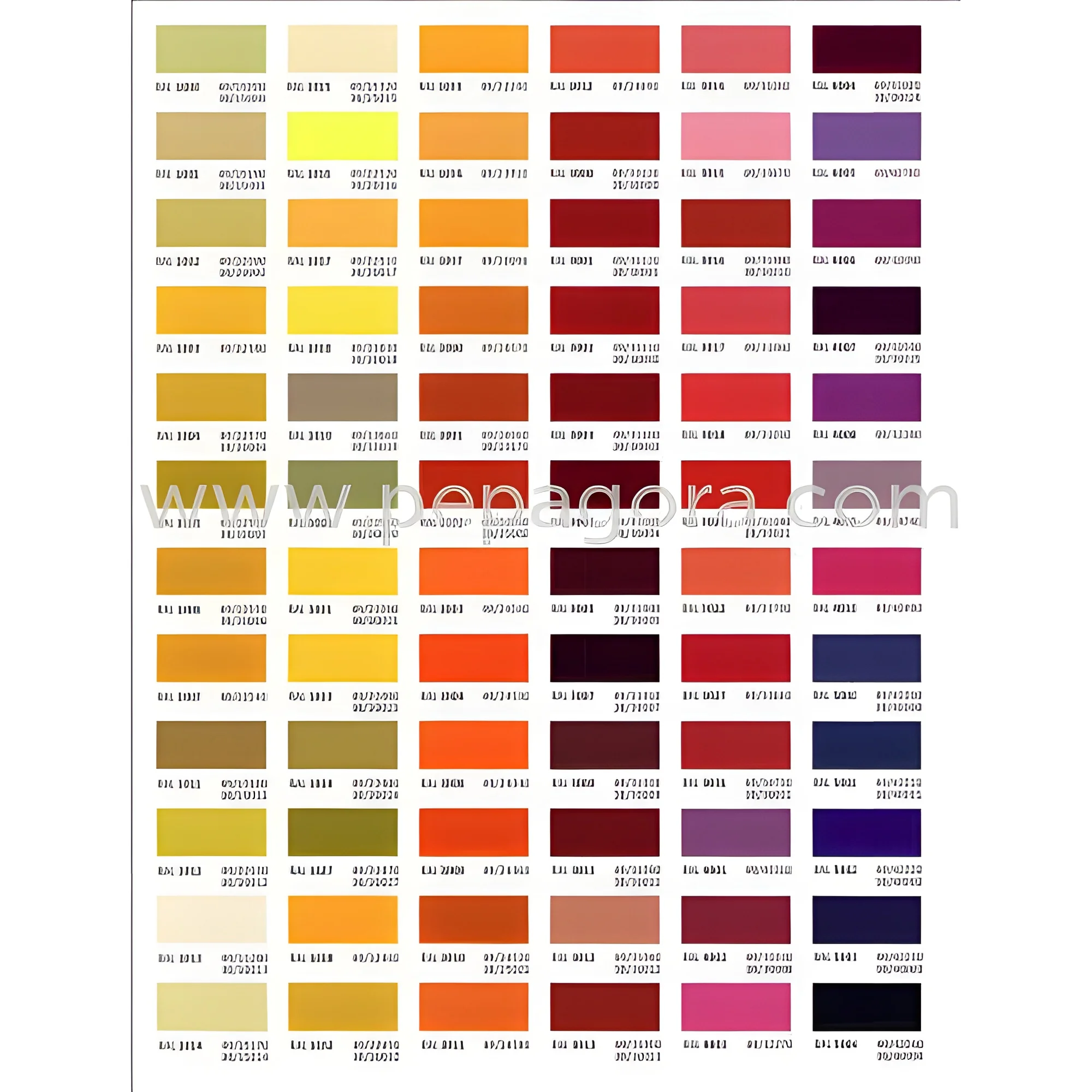
What are Card Stock Paper?
Card stock paper is a type of paper that is heavier and thicker than standard copy paper. It typically has a weight of 80 lb to 110 lb, which provides durability and sturdiness. This makes it an ideal choice for a range of applications that require more strength than regular paper. Card stock is often used for printing business cards, postcards, brochures, and other materials that benefit from a more robust feel and appearance.
In business applications, card stock is widely utilized for marketing and promotional materials. Its durability allows for high-quality printing that can withstand handling and wear. Card stock is also commonly used in packaging, crafts, and educational materials. Its versatility makes it a popular choice across various industries, including printing, graphic design, and retail. The demand for card stock paper remains strong, reflecting its importance in professional environments.
Key Features and Specifications
Card stock paper comes with several features and specifications that make it suitable for various applications. Understanding these specifications is crucial for B2B buyers to select the right product for their needs.
Key specifications include:
1. Weight
- Card stock paper generally ranges from 80 lb to 110 lb.
- The weight affects the thickness and durability of the paper.
2. Size
- Common sizes include 8.5 x 11 inches and 11 x 17 inches.
- Custom sizes may be available based on supplier capabilities.
3. Finish
- Available finishes include matte, gloss, and uncoated.
- The finish impacts the print quality and appearance.
4. Color
- Card stock is available in a variety of colors, including white, cream, and custom colors.
- Color selection can enhance branding and presentation.
5. Texture
- Textured options can provide a tactile element to printed materials.
- Smooth surfaces are ideal for detailed printing.
6. Compatibility
- Card stock paper is compatible with various printing technologies, including inkjet and laser printers.
- It is essential to verify printer capabilities before use.
7. Environmental Considerations
- Some card stock options are made from recycled materials.
- Buyers may want to consider sustainability in their purchasing decisions.
In summary, understanding these features and specifications helps businesses choose the right card stock paper for their specific applications.
Common Applications and Use Cases
Card stock paper serves various industries due to its versatility and durability.
1. Printing Industry: Card stock is widely used for producing high-quality business cards, flyers, and brochures, ensuring a professional presentation.
2. Retail: It is commonly used for product packaging and promotional materials, helping brands stand out on the shelves.
3. Education: Teachers and educational institutions use card stock for creating flashcards, posters, and other instructional materials.
4. Crafts: Hobbyists and crafters utilize card stock in scrapbooking, card making, and other creative projects.
5. Events: Card stock is often used for invitations, programs, and signage, making it a staple in event planning.
Product Variants and Subcategories
Card stock paper comes in various types to meet different needs, providing businesses with diverse options.
Standard Card Stock: This variant is suitable for everyday printing tasks, including business cards and flyers. It is available in multiple weights and finishes.
Heavyweight Card Stock: This variant offers greater thickness and durability, making it ideal for high-end invitations and packaging materials.
Colored Card Stock: Available in a spectrum of colors, this variant is perfect for creative projects and branding applications, allowing businesses to express their identity.
Textured Card Stock: This variant features various textures, enhancing the tactile experience of printed materials, suitable for prestigious prints.
Benefits and Advantages
Card stock paper provides numerous advantages that can enhance business operations and marketing efforts.
1. Durability: Card stock's thicker composition ensures that printed materials are resilient and long-lasting, making them suitable for various applications.
2. High-Quality Printing: The smooth surface allows for vibrant and sharp images, improving the overall aesthetic of marketing materials.
3. Versatility: Card stock can be used for a wide range of applications, from business cards to packaging, making it a cost-effective choice.
4. Professional Appearance: The substantial feel of card stock lends a sense of quality and professionalism to printed materials.
5. Customization Options: Businesses can choose from various colors, finishes, and textures to create unique products that align with their brand.
6. Eco-Friendly Choices: Many card stock options are available in recycled materials, appealing to environmentally conscious buyers.
Buying Guide for B2B Buyers
When sourcing card stock paper, consider several factors to ensure you make the right choice for your business needs.
1. Quality Assessment: Evaluate the weight, finish, and texture of the card stock to ensure it meets your specific requirements for durability and print quality.
2. Supplier Verification: Vet suppliers by checking their reputation, customer reviews, and certifications to ensure reliability and quality of products.
3. Pricing and MOQ: Compare prices from different suppliers and be aware of minimum order quantities to optimize your purchasing decisions.
4. Delivery and Lead Times: Understand the logistics involved, including shipping times and delivery options, to avoid potential delays in your operations.
5. Compliance Requirements: Ensure that the card stock paper meets any industry-specific regulations and quality standards relevant to your business.
Compliance and Certifications
Compliance with relevant quality standards and certifications is crucial for ensuring the reliability of card stock paper.
Card stock paper may adhere to quality standards such as ISO 9001, which focuses on quality management systems. This ensures that products meet specific quality criteria consistently.
Additionally, industry certifications, such as CE marking, indicate that the product complies with European health, safety, and environmental protection standards.
Safety and testing requirements must also be considered, as some applications may require specific certifications to ensure the materials are safe for use.
Regional compliance considerations may vary depending on the market, so it is essential to verify that the card stock paper meets local regulations.
Why Source Card Stock Paper from Pepagora?
Pepagora offers a trusted platform for sourcing card stock paper, providing numerous advantages for buyers.
Verified Supplier Network: Pepagora connects buyers with a network of verified suppliers, ensuring quality and reliability in products.
Streamlined RFQ Process: The quotation system simplifies the sourcing process, allowing businesses to receive competitive quotes quickly and efficiently.
Trade Assurance and Support: Pepagora provides buyer protection through trade assurance, ensuring that transactions are secure and that support is available when needed.
Regional Coverage: With a geographic reach that includes India, the GCC, and Southeast Asia, Pepagora is positioned to cater to diverse market needs and facilitate smooth transactions across regions.

 IN
IN