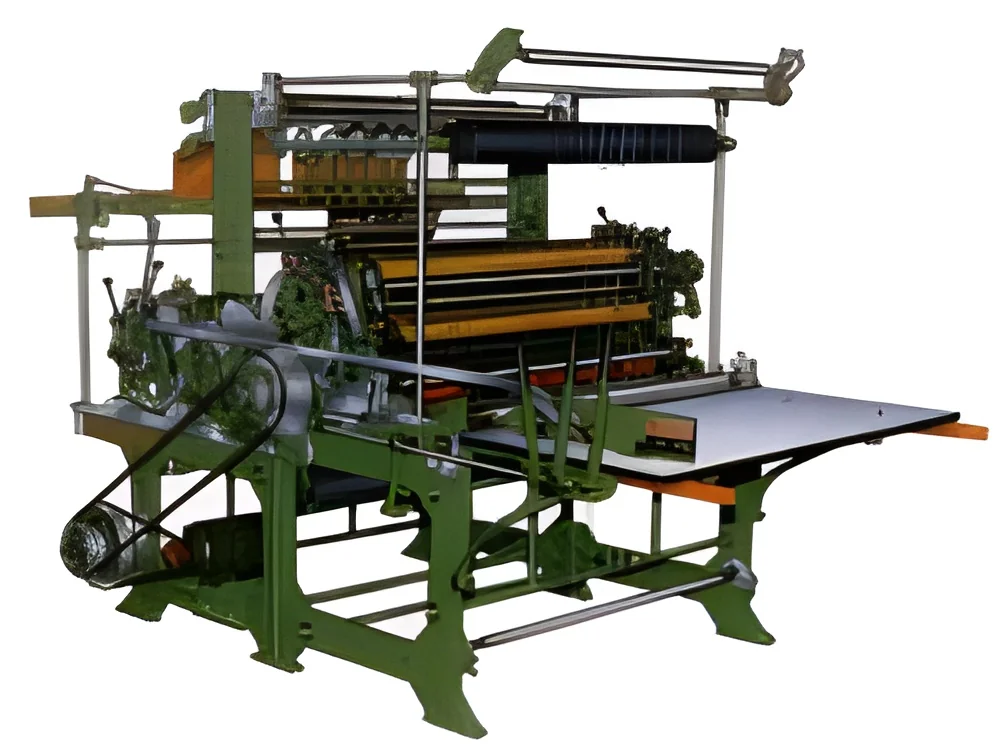
What are Ruled Paper?
Ruled paper is a type of writing paper that features horizontal lines printed on its surface. These lines serve as a guide for writing, allowing for neat and organized note-taking or documentation. Ruled paper is commonly used in various settings, including schools, offices, and industries, as it helps maintain uniformity in handwriting and ensures clarity in written communication.
The primary applications of ruled paper span across educational institutions, corporate environments, and industrial uses. In educational settings, ruled paper is essential for students to take notes and complete assignments. In business, it is widely used for drafting reports, meeting notes, and other documentation. Additionally, industries may utilize ruled paper for technical drawings or specifications, making it a versatile tool across multiple sectors.
In the current market, ruled paper remains relevant despite the rise of digital documentation. Many industries still favor traditional paper for its tactile benefits and ease of use. The demand for high-quality ruled paper continues to grow, particularly in regions where education and documentation practices are essential for business operations.
Key Features and Specifications
Ruled paper comes with various features and specifications that cater to different needs. These specifications can influence the choice of paper for specific applications.
Key specifications include:
1. Paper Size
- Common sizes include A4, letter, and legal.
- Standard dimensions vary by region.
2. Line Spacing
- Typical line spacing options are wide, narrow, and college-ruled.
- Spacing affects writing style and readability.
3. Paper Weight
- Measured in grams per square meter (gsm), with common weights ranging from 70 gsm to 120 gsm.
- Heavier paper is often more durable and suitable for printing.
4. Color and Finish
- Available in white, off-white, and colored options.
- Finish can range from smooth to textured based on the intended use.
5. Binding Type
- Formats include spiral-bound, stapled, or loose sheets.
- Different binding types cater to ease of use and portability.
6. Environmental Considerations
- Options for recycled paper are available.
- Certifications such as FSC may indicate sustainable sourcing.
In summary, understanding the features and specifications of ruled paper can help businesses select the right product for their documentation needs.
Common Applications and Use Cases
Ruled paper serves various industries and applications, making it a versatile product.
1. Education: In schools and universities, ruled paper is essential for students' note-taking, exams, and assignments. It helps maintain legibility and organization in students' work.
2. Corporate: In the business environment, ruled paper is commonly used for drafting meeting agendas, taking notes during conferences, and creating reports. It aids in keeping information structured and accessible.
3. Engineering: Engineers often rely on ruled paper for technical sketches and specifications. The lines assist in maintaining proportions and accuracy in drawings.
4. Legal: Law firms utilize ruled paper for documenting case notes, drafting legal briefs, and preparing courtroom presentations. The structured format enhances clarity.
5. Healthcare: Medical professionals may use ruled paper for patient notes and treatment plans. The lines help ensure that important information is easily legible.
6. Creative Arts: Artists and writers often use ruled paper for brainstorming and drafting ideas. The lines provide a guide to maintain structure in their creativity.
7. Research: Researchers may use ruled paper for data collection and analysis, ensuring that their notes are organized and easy to reference.
Product Variants and Subcategories
Ruled paper comes in various forms to meet different needs across multiple sectors.
Spiral-Bound Ruled Paper
This variant is designed for easy flipping and writing. It is ideal for students and professionals who require a portable option that allows pages to lay flat.
College-Ruled Paper
Featuring narrower line spacing, college-ruled paper is perfect for those who need more writing space. It is commonly used in higher education for note-taking and assignments.
Wide-Ruled Paper
This variant has wider lines, making it suitable for younger students or those who prefer larger writing. It is often used in elementary schools.
Environmental-Friendly Ruled Paper
Made from recycled materials, this option caters to businesses and individuals looking for sustainable choices. It still maintains quality while being eco-conscious.
Legal Ruled Paper
Typically used in legal settings, this variant features a specific layout with lines and margins that assist legal professionals in maintaining proper documentation.
Benefits and Advantages
Ruled paper offers several benefits that enhance its usability across different contexts.
1. Organization: The lines help maintain neatness in writing, making it easier to read and reference notes or documents.
2. Versatility: Ruled paper is suitable for various applications, from education to professional environments, making it a valuable tool.
3. Tactile Experience: Writing on paper can enhance memory retention and comprehension compared to digital formats, making it a preferred choice for many.
4. Accessibility: Ruled paper is widely available and can be easily sourced from various suppliers, ensuring that businesses can meet their needs without hassle.
5. Cost-Effectiveness: Generally, ruled paper is affordable, providing a cost-efficient solution for bulk documentation needs.
6. Customization: Many suppliers offer options for customizing ruled paper to meet specific business requirements, further enhancing functionality.
Buying Guide for B2B Buyers
When sourcing ruled paper, it is essential to consider various factors to ensure a successful purchase.
1. Quality Assessment: Evaluate the paper quality by checking its weight, texture, and print quality. Higher-quality paper can improve the overall writing experience.
2. Supplier Verification: Vet potential suppliers through reviews and ratings. A reliable supplier will provide consistent quality and timely delivery.
3. Pricing and MOQ: Understand the pricing structure and minimum order quantities (MOQ) to ensure that the purchase aligns with budget constraints and business needs.
4. Delivery and Lead Times: Confirm logistics and delivery schedules with suppliers. Timely delivery is crucial to avoid disruptions in operations.
5. Compliance Requirements: Be aware of any regulatory compliance needed for paper products in your industry. Suppliers should provide documentation to demonstrate adherence to standards.
Compliance and Certifications
Ruled paper must adhere to various quality standards and certifications to ensure safety and reliability.
Relevant quality standards such as ISO 9001 ensure that manufacturing processes meet international quality management criteria. Compliance with HACCP (Hazard Analysis Critical Control Point) may be relevant in certain industries, particularly those dealing with food safety.
Industry certifications like UL and CE indicate that the product has been tested for safety and performance. These certifications can instill confidence in buyers regarding the quality of the paper.
Additionally, safety and testing requirements can vary by region. It is essential for suppliers to understand and comply with local regulations to ensure that their products are accepted in target markets.
Finally, businesses should consider regional compliance aspects when sourcing ruled paper, as different areas may have specific standards that must be met.
Why Source Ruled Paper from Pepagora?
Pepagora provides a trusted platform for sourcing ruled paper with several key advantages that cater to B2B buyers.
Verified Supplier Network: Pepagora has established a robust network of verified suppliers, ensuring that buyers can access high-quality ruled paper from reputable sources.
Streamlined RFQ Process: The platform simplifies the request for quotation (RFQ) process, allowing businesses to compare offers easily and make informed purchasing decisions.
Trade Assurance and Support: Pepagora offers trade assurance features that protect buyers during transactions. This support helps mitigate risks associated with sourcing products.
Regional Coverage: With a broad geographic reach, including India, GCC, and Southeast Asia, Pepagora connects buyers with suppliers in diverse markets, enhancing accessibility and flexibility in sourcing.

 IN
IN