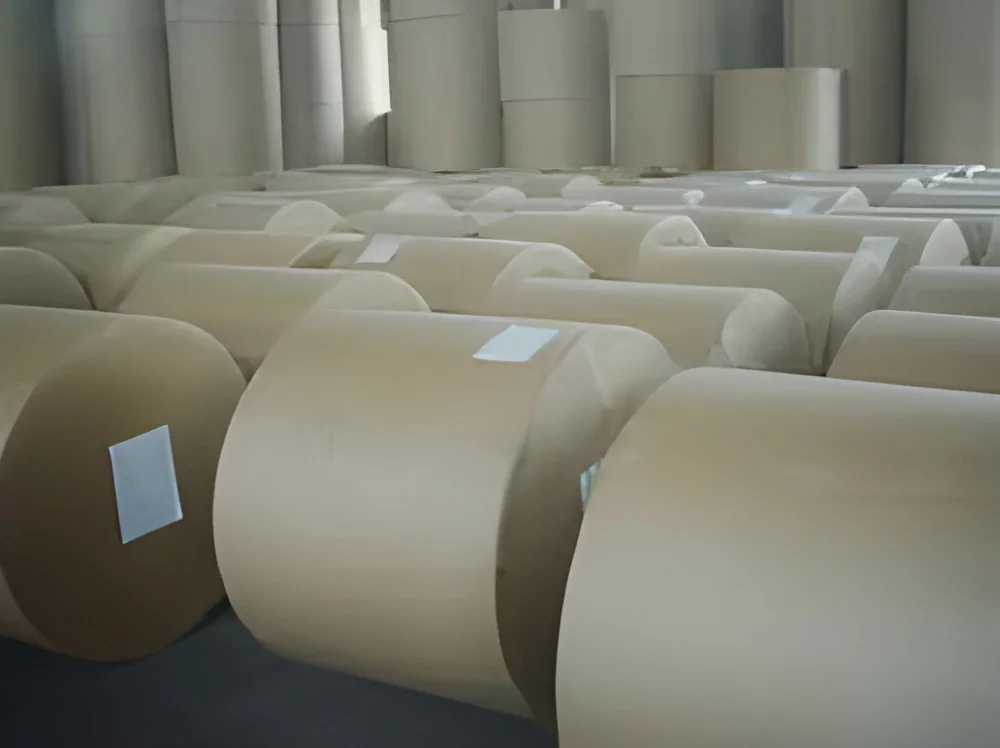
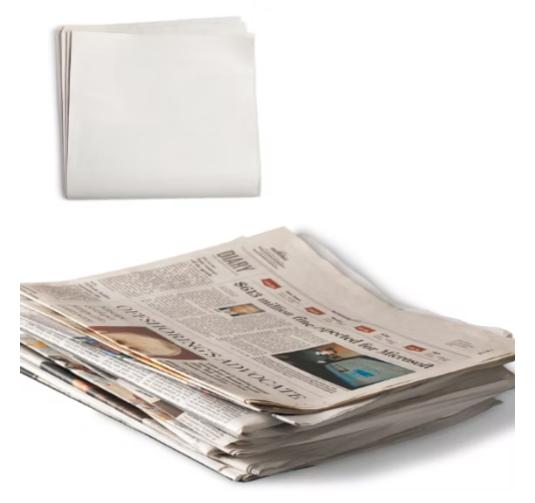
What are Newsprint Paper?
Newsprint paper is a low-cost, uncoated paper primarily used for printing newspapers and other publications. It is characterized by its lightweight and absorbent properties, allowing for quick drying of ink during the printing process. This type of paper is usually produced from recycled newsprint or wood pulp, contributing to its affordability and eco-friendly nature.
The primary applications of newsprint paper extend beyond just newspapers. It is commonly used for magazines, flyers, and various promotional materials. Its versatility makes it suitable for businesses in the publishing, advertising, and printing industries. The market for newsprint paper continues to remain relevant, despite the rise of digital media, as many organizations still rely on printed materials for engagement and communication.
In the broader context, the newsprint paper industry has faced challenges such as fluctuating raw material prices and changing consumer preferences. However, it remains a significant product in the printing sector, with demand sustained by the need for physical publications and materials.
Key Features and Specifications
Newsprint paper is designed with specific features that cater to the needs of various printing applications. Understanding these specifications helps businesses choose the right product for their needs.
Key specifications include:
1. Basis Weight
- The weight of the paper measured in grams per square meter (gsm).
- Commonly ranges from 45 gsm to 60 gsm.
2. Brightness Level
- Indicates the reflectivity of the paper and its suitability for printing.
- Typically ranges from 30% to 50%.
3. Opacity
- The measure of transparency of the paper.
- A higher opacity means less show-through, ideal for double-sided printing.
4. Thickness
- The physical thickness of the paper, usually measured in micrometers.
- Common thickness for newsprint is between 50 to 70 microns.
5. Printability
- Refers to how well the paper can hold ink without smudging.
- Designed for high-speed printing processes.
6. Moisture Content
- The percentage of moisture present in the paper.
- Typically maintained between 4% to 6% for optimal performance.
7. Recyclability
- Most newsprint paper is recyclable, making it an environmentally friendly option.
8. Surface Finish
- Generally has a rough, uncoated surface that enhances ink absorption.
Newsprint paper’s specific features make it suitable for a wide range of printing applications, ensuring quality output while maintaining cost-effectiveness.
Common Applications and Use Cases
Newsprint paper serves various industries with its diverse applications.
1. Publishing Industry: It is predominantly used for newspaper production due to its cost-effectiveness and print quality.
2. Advertising Sector: Businesses utilize newsprint for flyers, brochures, and other promotional materials, especially for local advertising campaigns.
3. Educational Materials: Schools and colleges use newsprint for printing educational resources and handouts.
4. Packaging: Some companies use newsprint for wrapping and packaging due to its lightweight and cushioning properties.
5. Arts and Crafts: Artists and hobbyists often employ newsprint in sketching and other creative projects for its affordability.
6. Direct Mail: Many companies leverage newsprint for direct mail campaigns, making it a budget-friendly option for mass communication.
7. Event Promotion: Event organizers use newsprint for posters and banners to promote local events effectively.
Product Variants and Subcategories
Newsprint paper is available in various forms to meet different business needs. The diversity of this product allows companies to select the most appropriate type for their applications.
Standard Newsprint
This is the most common variant, ideal for newspaper printing. It offers excellent ink absorption and cost efficiency, making it suitable for high-volume printing.
Recycled Newsprint
This variant is made from recycled materials, appealing to environmentally conscious businesses. It maintains similar quality and performance as standard newsprint while promoting sustainability.
Lightweight Newsprint
Designed for cost-sensitive applications, this lighter variant is often used for flyers and promotional materials. It provides sufficient print quality at a reduced weight.
Heavyweight Newsprint
This variant is thicker and more durable, making it suitable for high-end publications and special editions. It offers a better feel and print quality, catering to premium applications.
Benefits and Advantages
Utilizing newsprint paper offers several advantages for businesses.
1. Cost-Effectiveness: Newsprint is generally less expensive than other paper types, making it ideal for high-volume printing.
2. Quick Drying: The absorbent nature of newsprint allows for rapid ink drying, reducing production times.
3. Environmentally Friendly: Many newsprint options are made from recycled materials, appealing to eco-conscious buyers.
4. Versatile Applications: Newsprint can be used in various industries, from publishing to advertising, providing flexibility for businesses.
5. Lightweight: Its lightweight nature reduces shipping costs and makes handling easier.
6. Good Print Quality: Despite its low cost, newsprint offers satisfactory print quality for most applications.
Buying Guide for B2B Buyers
When sourcing newsprint paper, businesses should consider several key factors:
1. Quality Assessment: Ensure that the paper meets industry standards for weight, brightness, and printability. Request samples for evaluation to confirm suitability.
2. Supplier Verification: Vet suppliers to confirm their reliability and reputation in the market. Look for reviews and references from previous clients.
3. Pricing and MOQ: Understand the pricing structure and minimum order quantities (MOQ) from suppliers. Compare quotes to ensure competitive pricing for bulk purchases.
4. Delivery and Lead Times: Discuss delivery options and expected lead times to align with production schedules. Timely delivery is critical for maintaining workflow.
5. Compliance Requirements: Ensure that the product complies with relevant regulations and standards, such as safety and environmental criteria.
Compliance and Certifications
Newsprint paper must adhere to various compliance and certification standards to ensure quality and safety.
Key quality standards include ISO 9001, which ensures that products meet customer and regulatory requirements. Compliance with HACCP and GDP standards is essential for companies that prioritize food safety and quality management.
Industry certifications, such as CE, indicate that the products meet European safety and environmental protection standards.
Safety and testing requirements must also be considered, ensuring that the paper is free from harmful substances and suitable for its intended use.
Additionally, regional compliance considerations may vary, so businesses should be aware of local regulations that apply to the paper products they purchase.
Why Source Newsprint Paper from Pepagora?
Pepagora provides a trusted platform for sourcing newsprint paper with several key advantages.
Verified Supplier Network: Our platform includes a range of verified suppliers who meet stringent quality and reliability standards. This ensures that buyers can find reputable sources for their products.
Streamlined RFQ Process: We offer an efficient request for quotation (RFQ) system that simplifies the procurement process. Buyers can easily obtain competitive quotes from multiple suppliers, saving time and effort.
Trade Assurance and Support: Pepagora prioritizes buyer protection through trade assurance policies. We provide support to ensure that transactions are secure and that buyers receive the quality they expect.
Regional Coverage: Our geographic reach spans India, the GCC, and Southeast Asia, enabling businesses to connect with suppliers across diverse markets. This broad coverage increases sourcing options and enhances competitive pricing.
By choosing Pepagora, businesses can navigate the sourcing process for newsprint paper with confidence, ensuring they meet their operational needs effectively.

 IN
IN