
 IN
Wooden Handles
4 products available
What are Wooden Handles?
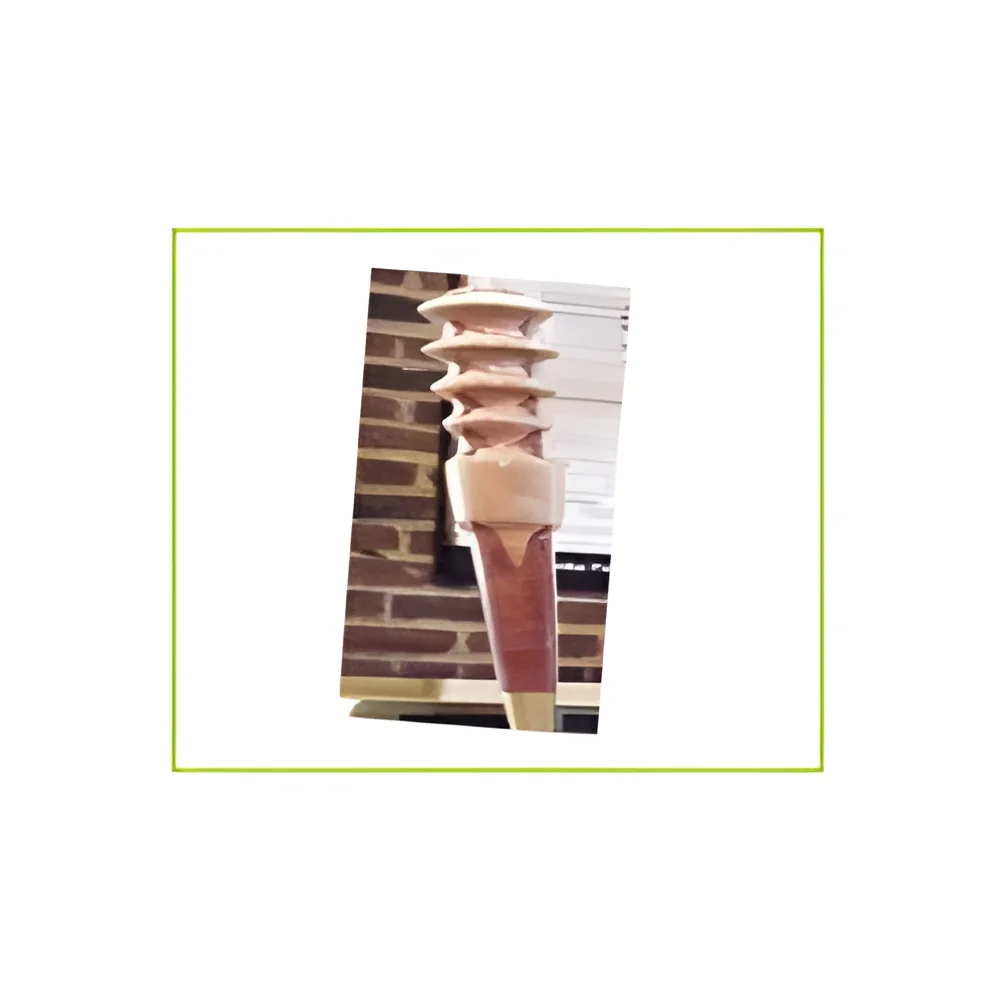
Wooden handles are functional components made from various types of wood, designed to provide grip and leverage for tools, equipment, and household items. They come in a variety of shapes and sizes, tailored to meet the ergonomic needs of users. Wooden handles are often preferred for their aesthetic appeal and tactile comfort, making them a popular choice in both industrial and consumer products.
In business applications, wooden handles are commonly found in tools, kitchen utensils, furniture, and sporting goods. They are essential in providing a firm grip, ensuring safety and ease of use. Industries such as manufacturing, agriculture, and hospitality utilize wooden handles extensively, reinforcing their significance in daily operations. The market for wooden handles is influenced by trends in sustainability and craftsmanship, with an increasing preference for eco-friendly products.
Key Features and Specifications
Wooden handles offer several features that enhance their functionality and appeal. The specifications for wooden handles can vary based on design and intended use, but some key features include durability, comfort, and aesthetic qualities.
Key specifications include:
1. Material Type
- Commonly made from hardwoods like oak, maple, or birch.
- Softwoods like pine may also be used depending on the application.
2. Dimensions
- Available in various lengths and diameters.
- Typically measured in millimeters or inches for precision.
3. Finish
- Can be left untreated or coated with oils or varnishes.
- Finishes affect durability and appearance.
4. Weight Capacity
- Designed to handle varying weights depending on the application.
- Specific limits may be stated by manufacturers.
5. Grip Design
- Ergonomic designs to improve comfort and reduce fatigue.
- Textured surfaces may be available for added grip.
6. Environmental Resistance
- Some handles are treated for moisture and temperature resistance.
- Relevant for outdoor tools and equipment.
7. Customization Options
- Many suppliers offer customization in size, shape, and finish.
- Tailored to client specifications and branding needs.
In summary, wooden handles combine functionality with aesthetic value, catering to a wide range of industrial and consumer applications.
Common Applications and Use Cases
Wooden handles are versatile and serve various industries effectively.
1. Hand Tools: Wooden handles are frequently used in hand tools such as hammers, chisels, and shovels, providing users with a comfortable grip for extended periods.
2. Kitchenware: In the culinary world, wooden handles are common in knives, spatulas, and cooking utensils, valued for their heat resistance and natural feel.
3. Furniture: Many furniture items, including cabinets and drawers, feature wooden handles, contributing to both style and functionality.
4. Sports Equipment: Wooden handles can be found in sports gear such as bats and rackets, where they contribute to performance and handling.
5. Gardening Tools: Tools like rakes and hoes often use wooden handles for their durability and ease of use in outdoor settings.
6. Musical Instruments: Certain instruments, like some guitars and percussion tools, utilize wooden handles for their weight and balance.
7. Industrial Equipment: Manufacturing tools and machinery may use wooden handles for specific applications where grip and control are essential.
Product Variants and Subcategories
Wooden handles come in various styles and designs to suit different applications.
Standard Wooden Handles: These are the most common type, designed for general use in tools and household items. They offer a classic look and reliable performance.
Ergonomic Wooden Handles: Designed specifically for comfort, these handles feature shapes that fit comfortably in the hand and reduce strain during use.
Custom Wooden Handles: These handles can be tailored to specific dimensions and finishes as per the client's requirements, catering to unique applications or branding needs.
Decorative Wooden Handles: Often used in furniture and cabinetry, these handles enhance aesthetic appeal while maintaining functionality.
Benefits and Advantages
Wooden handles provide several advantages, making them a preferred choice in various industries.
1. Comfort: Wooden handles are typically more comfortable to hold compared to metal or plastic alternatives, reducing hand fatigue during prolonged use.
2. Aesthetic Appeal: The natural look of wood adds warmth and style to products, making them visually appealing.
3. Sustainable Material: Many wooden handles are made from sustainably sourced wood, appealing to environmentally conscious consumers.
4. Durability: Quality wooden handles can withstand wear and tear, providing longevity in everyday use.
5. Customization: The ability to customize wooden handles allows businesses to align products with their brand identity and meet specific user needs.
6. Heat Resistance: Wooden handles are less likely to conduct heat, making them safer for use in cooking and other high-temperature applications.
Buying Guide for B2B Buyers
When sourcing wooden handles, it is essential to consider several factors to ensure the best selection.
1. Quality Assessment: Evaluate the wood type and treatment used for durability and performance. Look for handles that resist splitting, cracking, and warping.
2. Supplier Verification: Ensure that suppliers are reputable and have a history of delivering quality products. Check for certifications and customer reviews.
3. Pricing and MOQ: Understand the pricing structure and minimum order quantities offered by suppliers. This will help in budgeting and planning inventory.
4. Delivery and Lead Times: Inquire about delivery options and lead times to ensure timely availability of products for your operations.
5. Compliance Requirements: Be aware of any regulatory standards that apply to wooden handles, ensuring that products meet necessary safety and quality benchmarks.
Compliance and Certifications
Wooden handles must adhere to various quality standards and industry regulations to ensure safety and performance.
Relevant quality standards such as ISO 9001 focus on maintaining quality management systems, ensuring that manufacturers consistently produce quality products. Compliance with HACCP (Hazard Analysis and Critical Control Points) is crucial in food-related applications, ensuring that wooden handles used in kitchen tools are safe for food contact.
Industry certifications like CE signify that the product meets European safety standards, providing assurance to buyers regarding its quality and safety.
Safety and testing requirements are also pertinent, especially for handles used in tools and equipment. Manufacturers should conduct tests to ensure that handles can withstand expected loads and conditions. Regional compliance considerations may vary, so it is essential for buyers to be aware of local regulations that could affect their sourcing decisions.
Why Source Wooden Handles from Pepagora?
Pepagora provides a trusted platform for sourcing wooden handles with several key advantages.
Verified Supplier Network: Pepagora connects buyers with a network of verified suppliers, ensuring that businesses can source high-quality products with confidence.
Streamlined RFQ Process: The Request for Quotation (RFQ) process on Pepagora is designed to be user-friendly, allowing buyers to easily compare offerings from multiple suppliers and make informed decisions.
Trade Assurance and Support: Pepagora offers trade assurance, providing buyers with protection and support throughout the purchasing process, ensuring that transactions are secure and satisfactory.
Regional Coverage: With a strong presence in India, the GCC, and Southeast Asia, Pepagora facilitates access to a wide range of wooden handle suppliers, catering to diverse market needs and preferences.
By choosing Pepagora, businesses can benefit from a comprehensive approach to sourcing wooden handles, backed by reliability and industry expertise.


 India

Frequently Asked Questions
What are Wooden Handles?
Wooden handles are grips or levers made from wood, commonly used in tools, furniture, and various other applications. They provide a sturdy and ergonomic hold, making them popular for items such as kitchen utensils, tools, and drawer pulls.
What are the different types of Wooden Handles?
Wooden handles come in various types, including tapered, straight, and contoured designs. They can be crafted from different types of wood, such as oak, maple, or birch, depending on the intended use and aesthetic preferences.
How do I choose the right Wooden Handles?
Choosing the right wooden handles involves considering the application, wood type, and design. It's important to assess the weight and usage of the item, as well as personal preferences for style and comfort.
What are the standard specifications for Wooden Handles?
Standard specifications for wooden handles typically include dimensions such as length, diameter, and shape. Additionally, the type of wood, finish, and any specific treatment for durability may also be part of the specifications.
What is the price range for Wooden Handles?
The price range for wooden handles can vary widely depending on factors such as the type of wood, design complexity, and supplier. Generally, prices can range from a few rupees for basic models to several hundred rupees for custom or high-quality options.
What quality standards apply to Wooden Handles?
Quality standards for wooden handles often include criteria related to durability, finish, and safety. Handles should be free from defects, properly treated to resist moisture and pests, and meet any applicable safety regulations for their intended use.
Where can I find Wooden Handles suppliers in India?
You can find wooden handles suppliers in India through online B2B marketplaces like Pepagora, trade shows, and industry directories. It is advisable to compare multiple suppliers to ensure quality and competitive pricing.
Can Wooden Handles be customized?
Yes, wooden handles can often be customized in terms of size, shape, and finish based on specific requirements. Many manufacturers offer customization options to cater to unique design needs or branding.
What is the typical minimum order quantity for Wooden Handles?
The typical minimum order quantity (MOQ) for wooden handles varies by supplier, but it generally ranges from 50 to 100 pieces. It's best to confirm the MOQ directly with the manufacturer or supplier.
What is the typical lead time for Wooden Handles?
The typical lead time for wooden handles can range from 2 to 6 weeks, depending on the complexity of the order and the supplier's production capacity. Custom orders may take longer than standard products.
Why Businesses Trust Pepagora
Thousands of companies trust Pepagora to source smarter and sell faster
Expand Your Sales Globally

Source Smarter,Grow Faster
