
 IN
Ceramic Knobs
24 products available
What are Ceramic Knobs?
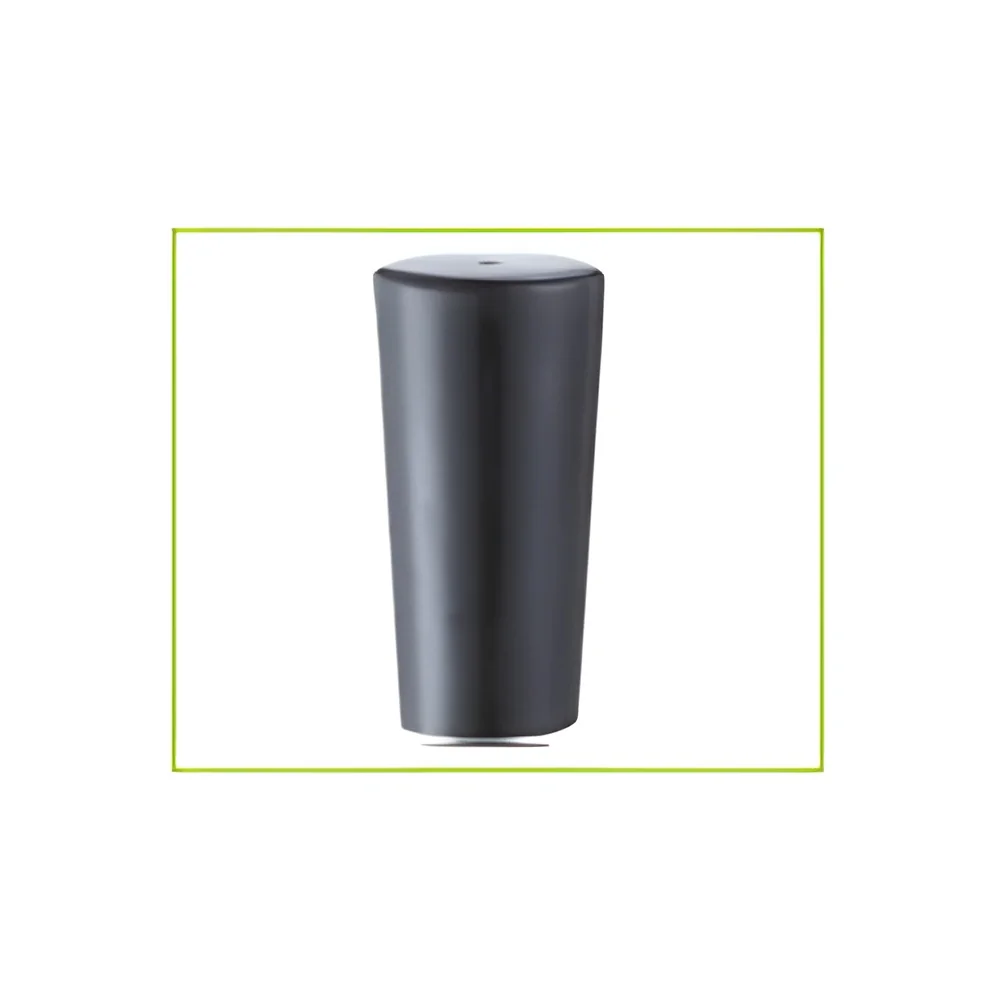
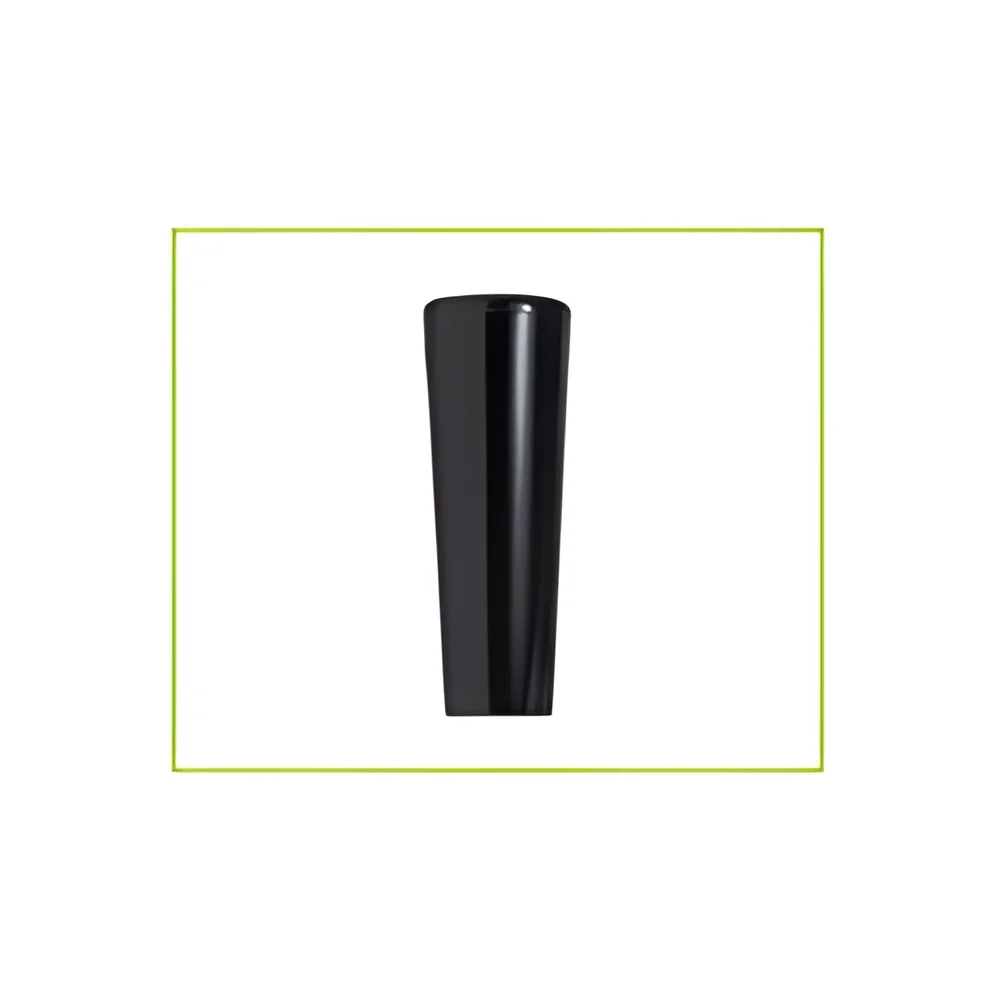
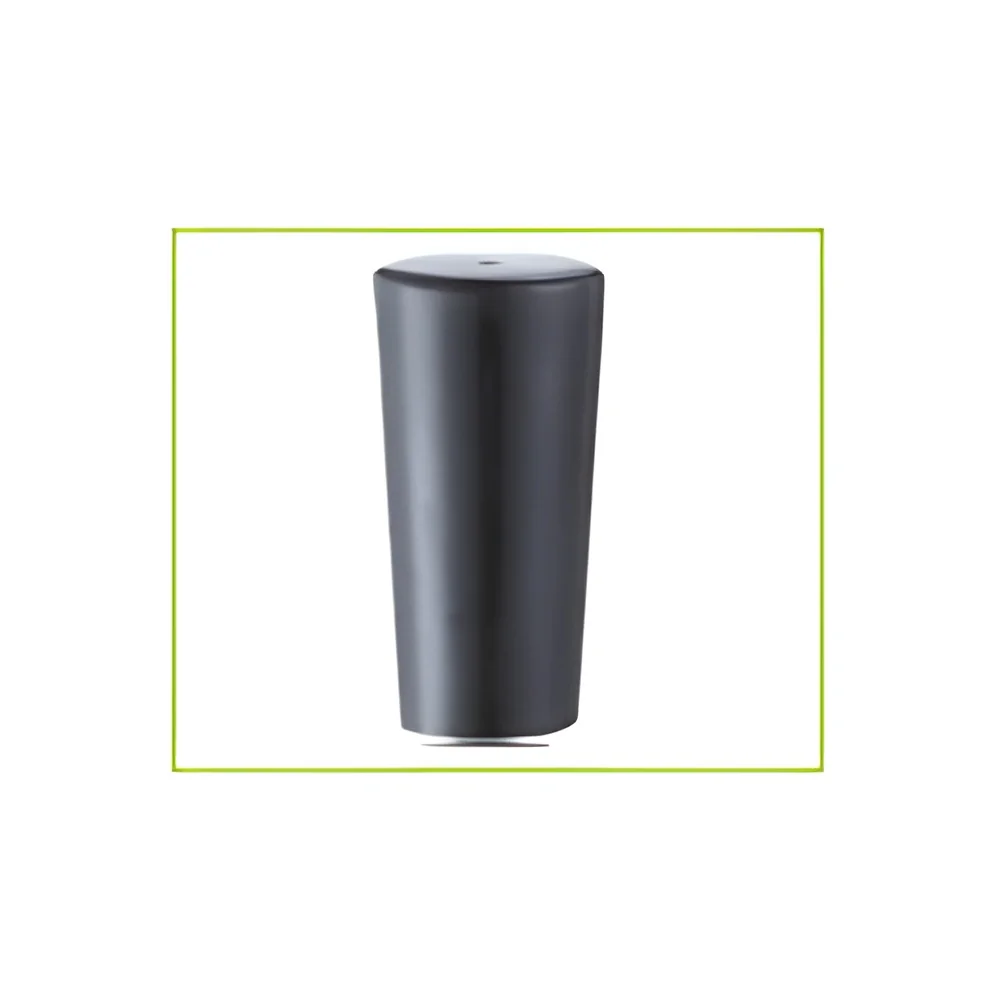
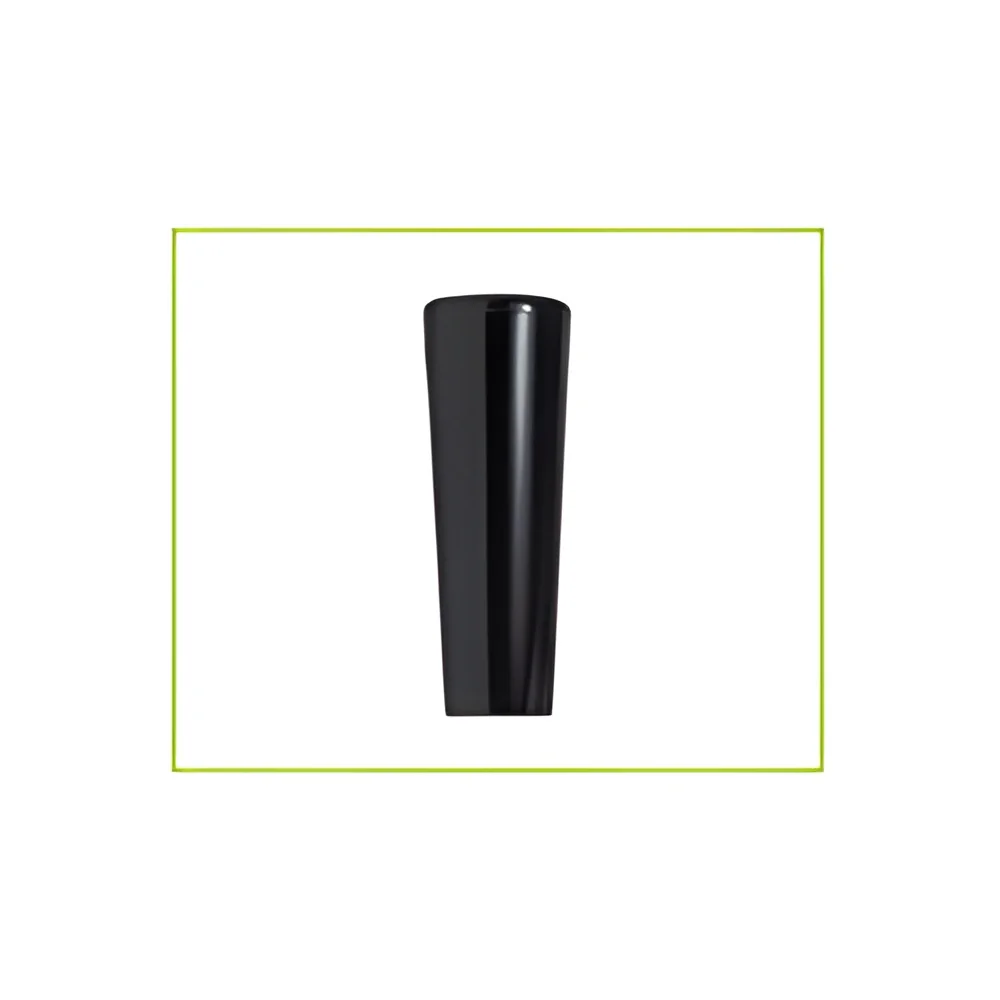
Ceramic knobs are decorative and functional hardware components typically used in various applications, including furniture, cabinetry, and doors. They are crafted from ceramic materials, which provide durability and aesthetic appeal. Ceramic knobs can be found in a wide range of designs, colors, and finishes, making them versatile options for enhancing the look and feel of interiors.
These knobs are primarily utilized in residential and commercial settings, serving as functional elements for drawers, cabinets, and doors. They are particularly popular in kitchen and bathroom designs, where they can add a touch of style while providing ease of use. The ceramic material is also known for its resistance to wear and tear, making these knobs suitable for high-traffic areas.
In the current market, ceramic knobs hold significant relevance due to the growing trend toward interior design customization. Businesses in the furniture and home improvement sectors frequently seek ceramic knobs to offer their customers unique and personalized options. As a result, the demand for high-quality ceramic knobs is on the rise, particularly among manufacturers and retailers looking to differentiate their product offerings.
Key Features and Specifications
Ceramic knobs come with a variety of features that cater to different applications and preferences. Understanding these specifications is crucial for businesses looking to source the right products.
Key specifications include:
1. Design Variety
- Available in numerous styles, from classic to modern
- Customizable design options for unique applications
2. Color Range
- Wide selection of colors to match any decor
- Options for both glossy and matte finishes
3. Size Options
- Different diameters and heights to fit various installations
- Standard sizes for easy replacement in existing fixtures
4. Durability
- Resistant to scratches and fading
- Long-lasting performance under normal usage conditions
5. Ease of Installation
- Simple mounting mechanisms for quick setup
- Compatibility with most standard cabinet and drawer systems
6. Weight Capacity
- Suitable for light to moderate load applications
- Designed to withstand daily use without breaking
7. Safety Standards
- Compliant with industry standards for safety and reliability
- Risk of breakage minimized through quality control measures
In summary, the key features and specifications of ceramic knobs make them an appealing choice for a variety of applications. Their aesthetic versatility and functional durability cater to the diverse needs of businesses in the furniture and hardware industries.
Common Applications and Use Cases
Ceramic knobs serve various industries and applications, providing both functionality and style.
1. Furniture Manufacturing: In furniture production, ceramic knobs are commonly used for dressers, cabinets, and side tables, enhancing the overall design while offering practical use.
2. Interior Design: Interior designers often recommend ceramic knobs for kitchens and bathrooms to create cohesive and stylish spaces. Their variety in designs and colors allows for personalized touches.
3. Retail Fixtures: Retailers use ceramic knobs in display cabinets and counters, where they contribute to the visual appeal of merchandise while being practical for everyday use.
4. Hospitality: Hotels and restaurants incorporate ceramic knobs in their furnishings and cabinetry to provide a charming and inviting atmosphere for guests.
5. DIY Projects: Hobbyists and DIY enthusiasts frequently use ceramic knobs in home improvement projects, giving them the ability to customize their spaces effectively.
6. Restoration Projects: Ceramic knobs are popular in vintage furniture restoration, allowing for the maintenance of historical aesthetics while ensuring modern usability.
7. Cabinetry: Cabinet makers often choose ceramic knobs for kitchen and bathroom cabinets, where both functionality and design play a crucial role.
Product Variants and Subcategories
Ceramic knobs come in various forms to cater to specific needs and preferences, offering diverse options for buyers.
Classic Ceramic Knobs: These knobs feature traditional designs that evoke a timeless appeal. They are often used in vintage or classic-style furniture, providing a touch of elegance.
Modern Ceramic Knobs: With sleek lines and contemporary designs, modern ceramic knobs are perfect for minimalist interiors. They enhance the look of modern cabinetry and furniture.
Artisan Crafted Knobs: Handmade ceramic knobs offer unique designs and finishes, appealing to customers seeking one-of-a-kind pieces for their homes or businesses.
Decorative Knobs: These knobs often feature intricate designs or patterns, making them ideal for accentuating furniture pieces and adding character to interiors.
Benefits and Advantages
Ceramic knobs offer several significant advantages for businesses and consumers alike.
1. Aesthetic Appeal: Ceramic knobs enhance the visual aspects of furniture and cabinetry, providing a stylish upgrade to any space.
2. Customization Potential: The variety of designs and colors available allows for personalized options, catering to individual tastes and preferences.
3. Durability: Made from robust ceramic materials, these knobs are built to withstand daily use, minimizing the need for replacements.
4. Easy Maintenance: Ceramic knobs are easy to clean and maintain, as they resist stains and can be wiped down with minimal effort.
5. Versatility: Suitable for a wide range of applications, ceramic knobs can be used in various settings, from residential to commercial.
6. Cost-Effectiveness: With competitive pricing and longevity, ceramic knobs are a cost-effective choice for businesses looking to enhance their product offerings.
Buying Guide for B2B Buyers
When sourcing ceramic knobs, several factors should be considered to ensure quality and suitability for your needs.
1. Quality Assessment: Evaluate the quality of materials used in the ceramic knobs. Look for products that are sturdy and have undergone rigorous quality control.
2. Supplier Verification: Vet potential suppliers to ensure they have a good reputation and provide high-quality products. Check for reviews, certifications, and industry experience.
3. Pricing and MOQ: Understand the pricing structure and minimum order quantities (MOQ) set by suppliers. Compare offers to ensure you get the best value for your investment.
4. Delivery and Lead Times: Inquire about delivery options and lead times to ensure that your order will arrive when needed. Reliable logistics are crucial for maintaining project timelines.
5. Compliance Requirements: Ensure that the ceramic knobs meet any required industry standards or regulations, especially for specific applications that may require certifications.
Compliance and Certifications
Ceramic knobs must comply with various quality standards and regulations to ensure their safety and reliability. While specific standards may vary by region, some common certifications and compliance requirements include ISO 9001 for quality management systems and CE marking for products sold within the European Union.
Manufacturers should adhere to safety and testing requirements, ensuring that their products meet industry norms for durability and performance. Additionally, regional compliance considerations may be necessary, depending on the market in which the products are sold. Companies should stay informed about relevant regulations to maintain compliance and ensure that their products meet consumer expectations.
Why Source Ceramic Knobs from Pepagora?
Pepagora provides a trusted platform for sourcing ceramic knobs, offering several key advantages for buyers.
Verified Supplier Network: Pepagora has a comprehensive network of verified suppliers who are committed to delivering high-quality products. This verification process helps businesses find reliable partners.
Streamlined RFQ Process: The platform features a streamlined request for quotation (RFQ) system that allows buyers to easily request quotes from multiple suppliers, simplifying the sourcing process.
Trade Assurance and Support: Buyers can benefit from trade assurance, which provides protection against potential disputes. Pepagora's support team is also available to assist with any issues that may arise during the purchasing process.
Regional Coverage: Pepagora has a strong presence in regions such as India, the GCC, and Southeast Asia, allowing businesses to access a wide range of suppliers and products tailored to their specific needs. This regional coverage ensures that buyers have ample options for sourcing ceramic knobs effectively.















Frequently Asked Questions
What are Ceramic Knobs?
Ceramic knobs are decorative and functional hardware used for cabinets, drawers, and doors. Made from clay and fired at high temperatures, they offer durability and an aesthetic appeal, available in various colors and designs.
What are the different types of Ceramic Knobs?
Ceramic knobs come in various styles including traditional, modern, and artistic designs. They can be categorized based on their shapes, sizes, and finishes, such as glossy, matte, or hand-painted options.
How do I choose the right Ceramic Knobs?
To choose the right ceramic knobs, consider the style of your furniture and the overall decor of your space. Additionally, it's important to select a size that fits comfortably in your hand and complements the furniture's scale.
What are the standard specifications for Ceramic Knobs?
Standard specifications for ceramic knobs typically include dimensions such as diameter, depth, and the type of mounting hardware. Most knobs range from 1 to 3 inches in diameter and are designed to accommodate standard cabinet or drawer thickness.
What is the price range for Ceramic Knobs?
The price range for ceramic knobs varies based on design, quality, and manufacturer. Generally, you can expect to pay between INR 50 to INR 500 per knob, with custom designs potentially costing more.
What quality standards apply to Ceramic Knobs?
Quality standards for ceramic knobs include durability, resistance to chipping or cracking, and non-toxic finishes. Manufacturers often adhere to industry standards to ensure that their products are safe and reliable.
Where can I find Ceramic Knobs suppliers in India?
You can find ceramic knobs suppliers in India through online B2B marketplaces like Pepagora, trade shows, and local hardware stores. Searching specifically for 'best ceramic knobs suppliers in India' can yield focused results.
Can Ceramic Knobs be customized?
Yes, ceramic knobs can often be customized in terms of design, color, and size according to the buyer's specifications. Many manufacturers offer customization options to cater to specific aesthetic or functional needs.
What is the typical minimum order quantity for Ceramic Knobs?
The typical minimum order quantity (MOQ) for ceramic knobs can vary by supplier but is generally between 50 to 100 pieces. Some manufacturers may offer lower MOQs for standard designs.
What is the typical lead time for Ceramic Knobs?
The typical lead time for ceramic knobs is usually 2 to 4 weeks, depending on the supplier and the complexity of the order. Custom designs may require additional time for production and delivery.
Why Businesses Trust Pepagora
Thousands of companies trust Pepagora to source smarter and sell faster
Expand Your Sales Globally

Source Smarter,Grow Faster
