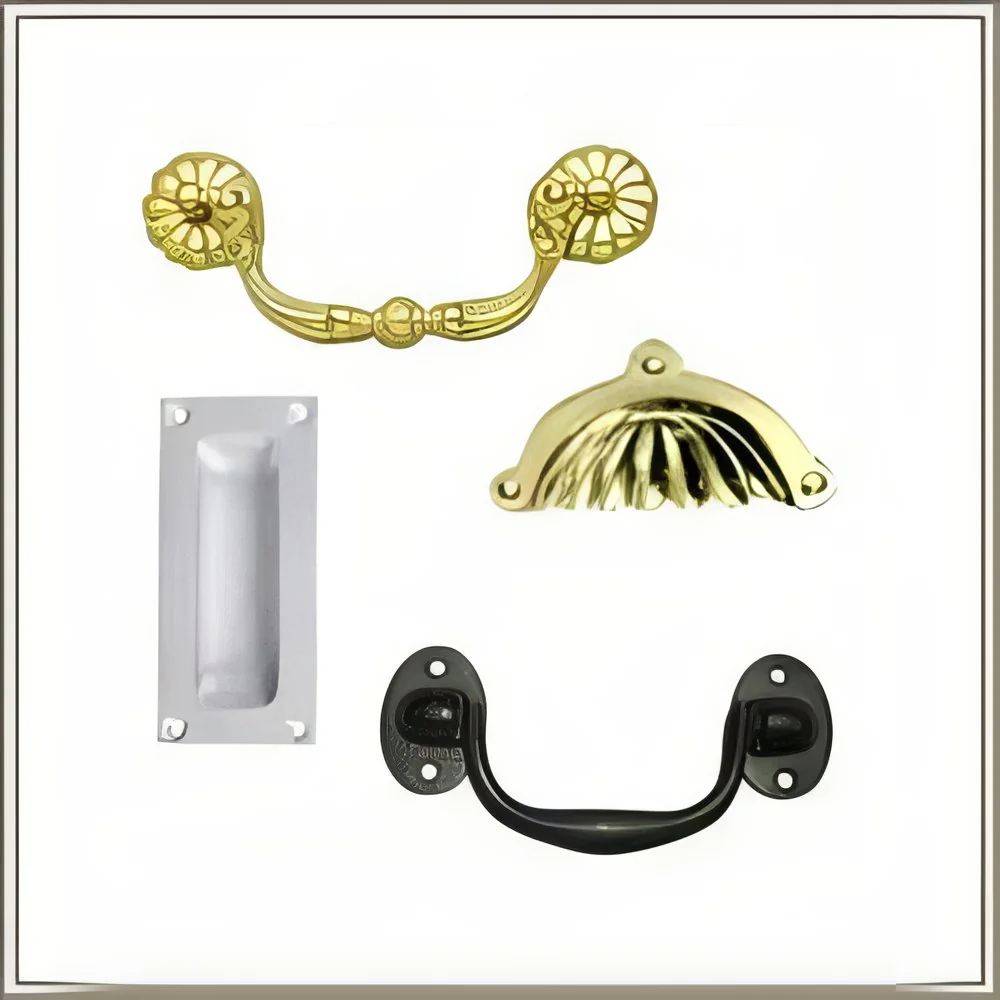
What are Drawer Pulls?
Drawer pulls are hardware components designed to facilitate the opening and closing of drawers in various furniture pieces. They serve as a grip or handle, allowing users to easily access the contents of drawers. Typically made from materials such as metal, plastic, or wood, drawer pulls can come in various shapes, sizes, and finishes to match different aesthetic preferences and functional requirements.
These components have primary applications in residential and commercial settings. In homes, they are commonly found in kitchen cabinets, bathroom vanities, and dressers. In commercial environments, drawer pulls are used in office furniture, retail displays, and industrial storage solutions. Their versatility makes them essential in numerous sectors, including furniture manufacturing, hospitality, and retail.
The market for drawer pulls is significant due to the ongoing demand for furniture and cabinetry upgrades. As styles evolve, so do the designs and materials used in drawer pulls. This evolution reflects broader trends in interior design and consumer preferences, making drawer pulls an important product category in the industrial hardware market.
Key Features and Specifications
Drawer pulls come with a variety of features and specifications that cater to different needs and preferences. Understanding these specifications is crucial for selecting the right product for specific applications.
Key specifications include:
1. Material Composition
- Drawer pulls can be made from metals such as stainless steel, brass, or aluminum, as well as plastics and wood.
- Each material offers different durability, aesthetics, and price points.
2. Size and Dimensions
- Drawer pulls are available in a range of sizes, typically measured by length and diameter.
- Standard sizes accommodate common drawer dimensions, but custom sizes may be available.
3. Finish Options
- Finishes can include polished, brushed, matte, or painted surfaces.
- Different finishes enhance aesthetics and protect against wear and corrosion.
4. Weight Capacity
- Each drawer pull is designed to support a specific weight, depending on its construction and material.
- It is essential to choose a pull that can handle the expected load of the drawer.
5. Installation Method
- Drawer pulls can be surface-mounted or recessed.
- The installation method affects the ease of use and visual impact.
6. Design Style
- Available in various styles, such as contemporary, traditional, or industrial.
- The design should complement the overall décor of the space.
7. Compatibility
- Drawer pulls must be compatible with the type of drawer they are intended for, including thickness and mounting requirements.
- Consideration of these factors ensures proper functionality.
8. Safety Features
- Some drawer pulls include rounded edges or soft-close mechanisms to enhance safety and usability.
- These features are particularly important in environments with children.
In summary, understanding the key features and specifications of drawer pulls enables businesses to make informed decisions that align with their operational needs and design preferences.
Common Applications and Use Cases
Drawer pulls are utilized across a wide array of industries, each with specific applications that highlight their functionality and importance.
1. Furniture Manufacturing: Drawer pulls are essential components in the creation of kitchen cabinets, dressers, and office furniture. They enhance usability and contribute to the overall design.
2. Retail: In retail environments, drawer pulls are used in display cases and counters. They provide easy access to merchandise and improve customer experience.
3. Hospitality: Hotels and restaurants use drawer pulls in furniture pieces such as nightstands and buffet tables. Their durability and aesthetic appeal are critical in these settings.
4. Healthcare: Drawer pulls are found in medical furniture, cabinets, and storage units. They must meet specific hygiene and safety standards.
5. Education: Schools and universities utilize drawer pulls in classroom furniture and administrative offices. Functionality and ease of use are crucial in these environments.
6. Custom Cabinetry: Many businesses specialize in custom cabinetry, where drawer pulls are tailored to meet unique client specifications and design preferences.
7. Industrial Storage Solutions: Drawer pulls are used in tool chests and storage units in manufacturing environments. Their robustness is essential for heavy-duty applications.
Product Variants and Subcategories
Drawer pulls come in various designs and materials to meet diverse aesthetic and functional requirements.
Metal Drawer Pulls: These are popular for their strength and durability. They often feature finishes like brushed nickel or chrome, making them suitable for modern and industrial designs.
Plastic Drawer Pulls: Lightweight and often more affordable, plastic options are available in a range of colors and styles. They are commonly used in children's furniture or temporary installations.
Wooden Drawer Pulls: Offering a classic look, wooden pulls can be crafted from various types of wood, allowing for customization in terms of finish and shape. They are frequently used in traditional or rustic furniture designs.
Ceramic Drawer Pulls: These decorative pulls often feature unique designs and colors. They are ideal for enhancing the visual appeal of cabinets in homes and boutiques.
Glass Drawer Pulls: Known for their elegance, glass pulls can provide a sophisticated touch to furniture. They are often used in high-end applications.
Benefits and Advantages
Choosing the right drawer pulls can offer numerous benefits to businesses and consumers alike.
1. Enhanced Accessibility: Drawer pulls make it easy to open and close drawers, improving user experience and functionality.
2. Aesthetic Appeal: With a variety of designs and finishes available, drawer pulls can complement any interior décor, adding to the overall visual impact of furniture.
3. Durability: Quality drawer pulls are designed to withstand frequent use, ensuring longevity and reducing the need for replacements.
4. Customization Options: Many suppliers offer customizable drawer pulls, allowing businesses to tailor designs to their specific needs and branding.
5. Increased Value: Upgrading drawer pulls can enhance the perceived value of furniture, making it more attractive to potential buyers.
6. Safety Features: Properly designed drawer pulls can improve safety, reducing the risk of injury when accessing drawers.
Buying Guide for B2B Buyers
When sourcing drawer pulls, several key factors should be considered to ensure the best selection for your needs.
1. Quality Assessment: Evaluate the material and construction of the drawer pulls to ensure they meet industry standards for durability and performance. Look for reputable manufacturers known for producing high-quality hardware.
2. Supplier Verification: Conduct thorough research on potential suppliers. Check for certifications, customer reviews, and their overall reputation in the market.
3. Pricing and MOQ: Understand the pricing structure and any minimum order quantities (MOQ) that may apply. Compare prices across different suppliers to find the best value while considering quality.
4. Delivery and Lead Times: Assess the supplier's logistics capabilities, including delivery timelines. Timely delivery is crucial for maintaining production schedules.
5. Compliance Requirements: Ensure that the drawer pulls meet any necessary regulatory requirements and industry standards, such as CE or UL certifications. This is especially important in industries like healthcare and food service.
Compliance and Certifications
Compliance and certifications are vital aspects of sourcing drawer pulls. Adhering to relevant quality standards ensures that the products meet both safety and performance criteria.
Drawer pulls should comply with quality standards such as ISO 9001, which focuses on quality management systems. This certification indicates that the supplier maintains consistent quality in their manufacturing processes.
Additionally, industry certifications like CE and UL show that the products meet specific safety and performance standards. CE marking indicates compliance with European safety regulations, while UL certification is recognized in the United States for electrical and fire safety.
Safety and testing requirements must also be considered, as drawer pulls may need to undergo specific testing to ensure they are safe for use in various environments.
Regional compliance considerations can vary significantly. It is essential to be aware of the specific regulations that apply in the regions where the products will be used or sold.
Why Source Drawer Pulls from Pepagora?
Pepagora offers a trusted platform for sourcing drawer pulls, backed by several key advantages that enhance the buyer experience.
Verified Supplier Network: Pepagora connects buyers with a network of verified suppliers, ensuring that businesses can source high-quality drawer pulls from reputable manufacturers.
Streamlined RFQ Process: The platform features a user-friendly Request for Quotation (RFQ) system, making it easy for buyers to obtain competitive pricing and product details from multiple suppliers efficiently.
Trade Assurance and Support: Pepagora provides trade assurance, offering buyers protection against potential risks in transactions. Dedicated support is available to assist throughout the sourcing process.
Regional Coverage: With a strong presence in India, the GCC, and Southeast Asia, Pepagora ensures that businesses can access drawer pulls that meet their regional needs while benefitting from local supplier expertise.
By choosing Pepagora, businesses can simplify their procurement process while ensuring they receive quality products tailored to their specific requirements.

 IN
IN