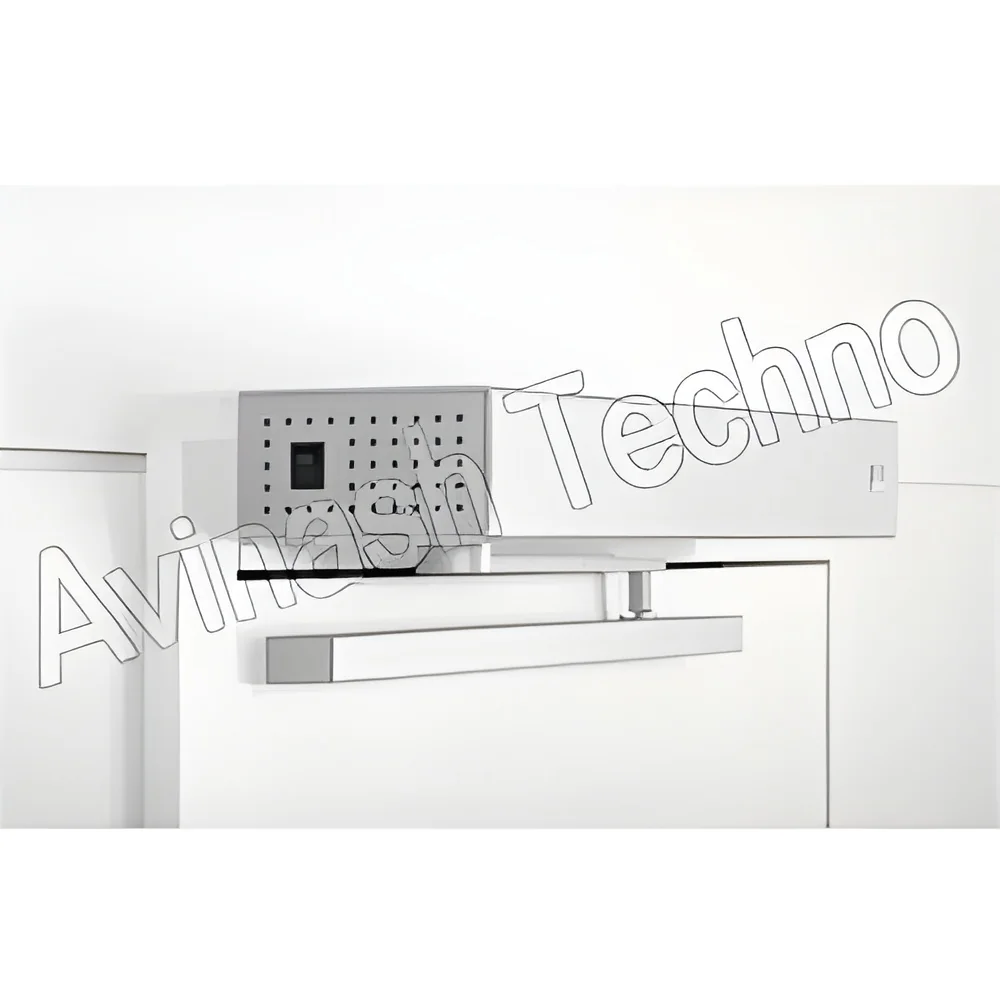
What are Sliding Door Hinges?
Sliding door hinges are specialized hardware components designed to support the movement and operation of sliding doors. Unlike traditional hinges that allow doors to swing open and closed, sliding door hinges enable doors to glide smoothly along a track. This unique mechanism is essential in maximizing space efficiency, particularly in areas where conventional door swings would be impractical or obstructive.
These hinges are widely used in various applications, including residential homes, commercial buildings, and industrial settings. They are perfect for patio doors, closet doors, and room dividers, offering both functionality and aesthetic appeal. The ability to save space while providing easy access makes sliding door hinges crucial for modern architectural designs.
In the current market, the demand for sliding door hinges is growing as more industries recognize their advantages. Industries such as construction, interior design, and furniture manufacturing are increasingly incorporating sliding doors into their projects. This trend underscores the relevance of sliding door hinges in meeting contemporary design needs and enhancing operational efficiency.
Key Features and Specifications
Sliding door hinges come with a range of features and specifications that cater to diverse applications. Understanding these specifications is vital for selecting the right product for your needs.
Key specifications include:
1. Load Capacity
- Determines the maximum weight the hinge can support.
- Typically ranges from 50 kg to 200 kg, depending on the design.
2. Material Composition
- Common materials include stainless steel, aluminum, and plastic.
- The choice of material affects durability and corrosion resistance.
3. Finish Options
- Various finishes are available, such as polished, brushed, or anodized.
- Affects aesthetic appeal and resistance to wear.
4. Size Dimensions
- Hinges come in different sizes to accommodate various door thicknesses and widths.
- Standard sizes range from 2 inches to 6 inches in length.
5. Installation Type
- Options include surface-mounted or recessed installations.
- The installation method impacts the hinge's visibility and functionality.
6. Adjustment Features
- Many hinges offer adjustable settings for alignment and tension.
- Allows for fine-tuning after installation, enhancing door operation.
7. Safety Ratings
- Some hinges comply with safety standards, ensuring reliability.
- Important for applications in high-traffic areas.
8. Warranty Information
- Manufacturers often provide warranties against defects.
- A good warranty indicates quality assurance.
In summary, understanding these key features and specifications will help businesses choose the right sliding door hinges that meet their operational and design requirements.
Common Applications and Use Cases
Sliding door hinges find utility across various industries due to their versatility and efficiency.
1. Residential Construction: Sliding doors are commonly used in homes for patio access and closet space. Their ability to save space makes them ideal for smaller rooms.
2. Commercial Spaces: Retail stores and offices utilize sliding doors to create open layouts while maintaining privacy. They are often found in conference rooms and display areas.
3. Hospitality Industry: Hotels and restaurants use sliding doors for guest rooms and kitchen access. Their sleek design enhances the overall ambiance.
4. Industrial Facilities: Warehouses and factories implement sliding doors for loading docks and storage areas. These hinges support heavy doors to optimize workflow.
5. Healthcare: Sliding doors are essential in hospitals for patient rooms and surgical areas. They provide easy access while maintaining hygiene standards.
6. Educational Institutions: Schools and universities use sliding doors in classrooms and libraries. This design maximizes space while allowing for flexible room configurations.
7. Transportation Hubs: Airports and train stations often employ sliding doors for security and access control. They facilitate smooth passenger flow in busy environments.
Product Variants and Subcategories
Sliding door hinges come in various designs to cater to specific needs.
Heavy-Duty Sliding Door Hinges: These hinges are designed for high-load applications, making them suitable for industrial settings. They can support larger doors while ensuring smooth operation.
Soft-Close Sliding Door Hinges: This variant features a mechanism that slows down the door as it closes, preventing slamming. They are ideal for residential applications where noise reduction is a priority.
Adjustable Sliding Door Hinges: These hinges allow for fine adjustments after installation, making them perfect for doors that may shift over time. They are commonly used in commercial settings.
Concealed Sliding Door Hinges: These hinges are hidden from view when the door is closed, providing a clean aesthetic. They are often used in modern architectural designs.
Benefits and Advantages
Choosing the right sliding door hinges offers a range of benefits to businesses and contractors.
1. Space Efficiency: Sliding doors require less space than traditional doors, making them ideal for tight areas. This feature is especially beneficial in urban settings.
2. Enhanced Accessibility: Sliding door hinges make it easy to operate heavy doors. This accessibility is crucial in commercial and industrial environments where frequent use is expected.
3. Aesthetic Appeal: With various designs and finishes, sliding door hinges can complement any architectural style. They enhance the overall look of a space.
4. Improved Safety: Many sliding door hinges come with safety features that prevent accidents, such as soft-close mechanisms. This advantage is vital in high-traffic areas.
5. Durability: High-quality materials used in sliding door hinges ensure long-term performance. Investing in durable hinges reduces the need for frequent replacements.
6. Versatility: Sliding door hinges can be used in various applications, from residential to commercial. Their adaptability makes them a preferred choice for many industries.
Buying Guide for B2B Buyers
When sourcing sliding door hinges, businesses should consider several critical factors to ensure they make informed purchasing decisions.
1. Quality Assessment: Evaluate the materials and construction of the hinges. Look for hinges that meet industry standards for durability and performance.
2. Supplier Verification: Vet suppliers to ensure they have a good reputation and experience in the industry. Check reviews and request samples if possible.
3. Pricing and MOQ: Understand the pricing structure and minimum order quantities (MOQ) of suppliers. Ensure that the costs align with your budget and project needs.
4. Delivery and Lead Times: Inquire about the estimated delivery times and logistics involved. Timely delivery is essential for project planning and execution.
5. Compliance Requirements: Be aware of any regulatory standards that might apply to your industry. Ensure that the hinges comply with relevant safety and quality certifications.
Compliance and Certifications
Compliance and certifications are crucial for ensuring the quality and safety of sliding door hinges. Many manufacturers adhere to relevant quality standards such as ISO 9001, which outlines criteria for a quality management system. This certification demonstrates a commitment to consistent quality in production processes.
Industry certifications like CE mark signify that the products meet European safety and environmental requirements. This compliance is essential for businesses looking to market their products in Europe or other regions with stringent regulations.
Safety and testing requirements are also critical, especially in high-traffic applications. Manufacturers often conduct rigorous testing to ensure that their hinges can withstand daily use without failure.
Regional compliance considerations should also be taken into account. Different countries may have varying regulations regarding materials and safety features. Understanding these requirements ensures that businesses remain compliant in their respective markets.
Why Source Sliding Door Hinges from Pepagora?
Pepagora provides a trusted platform for sourcing sliding door hinges, offering several key advantages to B2B buyers.
Verified Supplier Network: Pepagora features a network of verified suppliers, ensuring that buyers have access to high-quality products. Each supplier undergoes a rigorous vetting process, providing peace of mind.
Streamlined RFQ Process: The request for quotation (RFQ) process at Pepagora is designed to be user-friendly. Buyers can easily submit their requirements and receive competitive quotes from multiple suppliers, saving time and effort.
Trade Assurance and Support: Buyers can benefit from trade assurance programs that protect their purchases. Pepagora also offers dedicated support to assist buyers throughout the sourcing process, ensuring a smooth experience.
Regional Coverage: With a strong presence in India, GCC, and Southeast Asia, Pepagora connects buyers with local suppliers. This regional focus helps businesses source products that meet local standards and preferences, enhancing operational efficiency.

 IN
IN