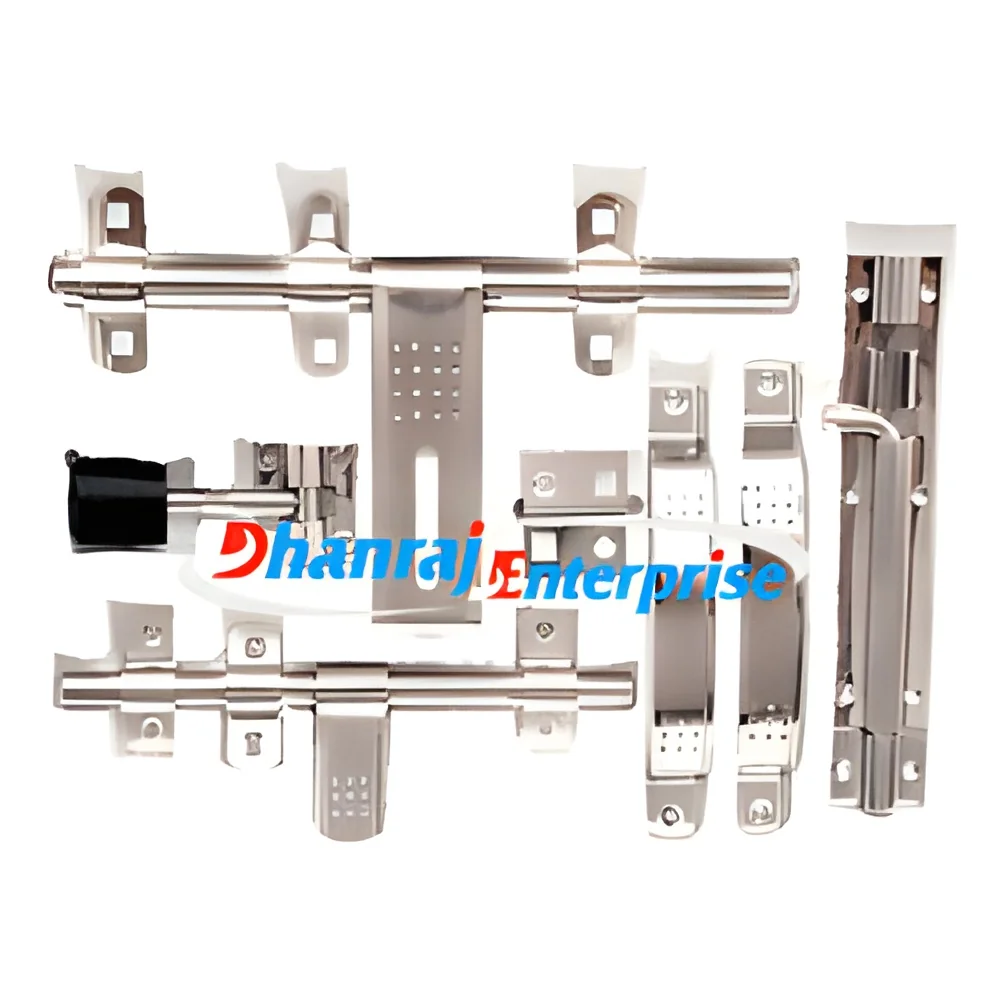
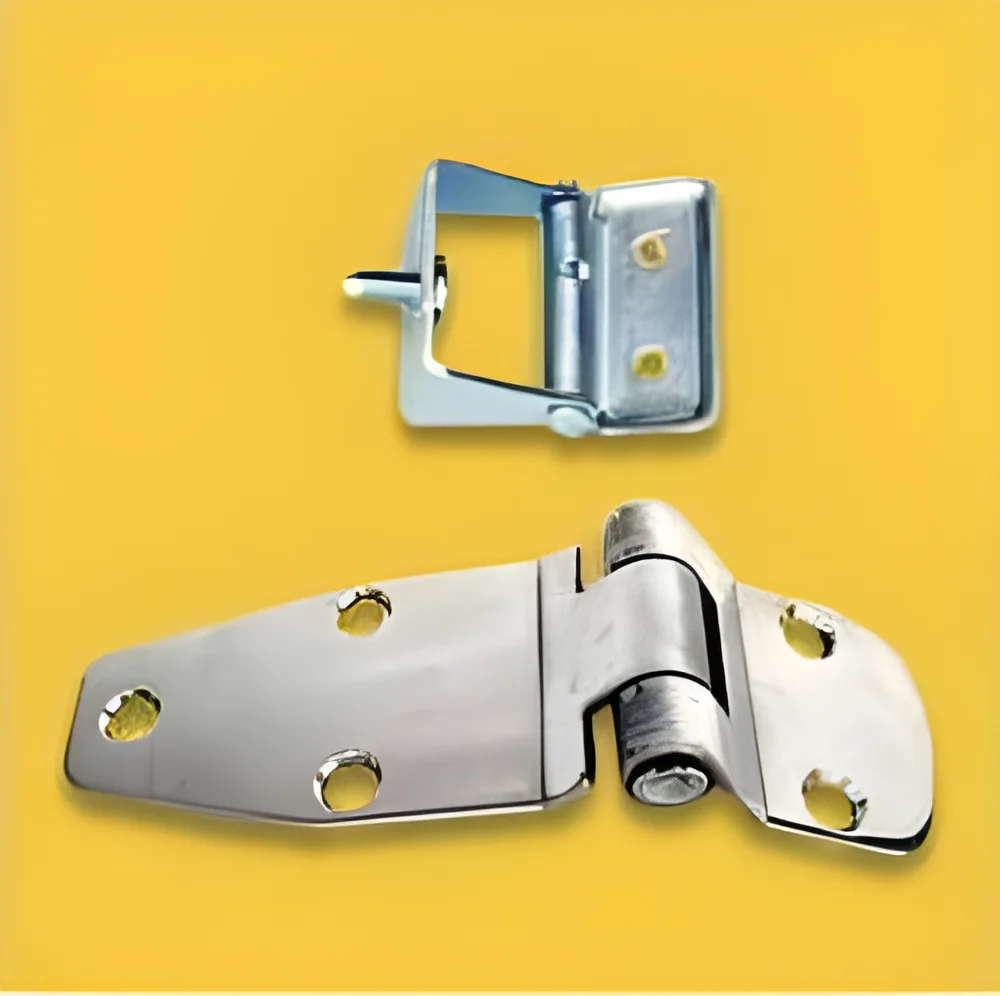
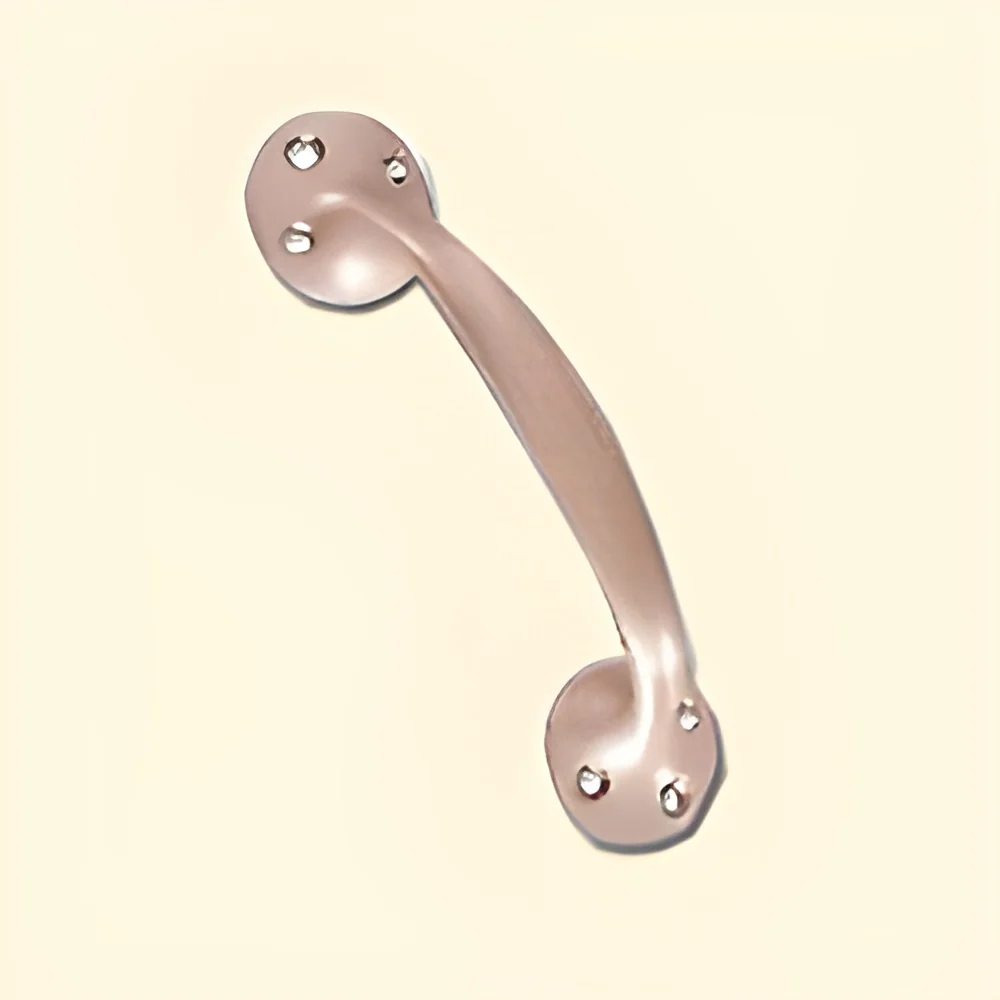
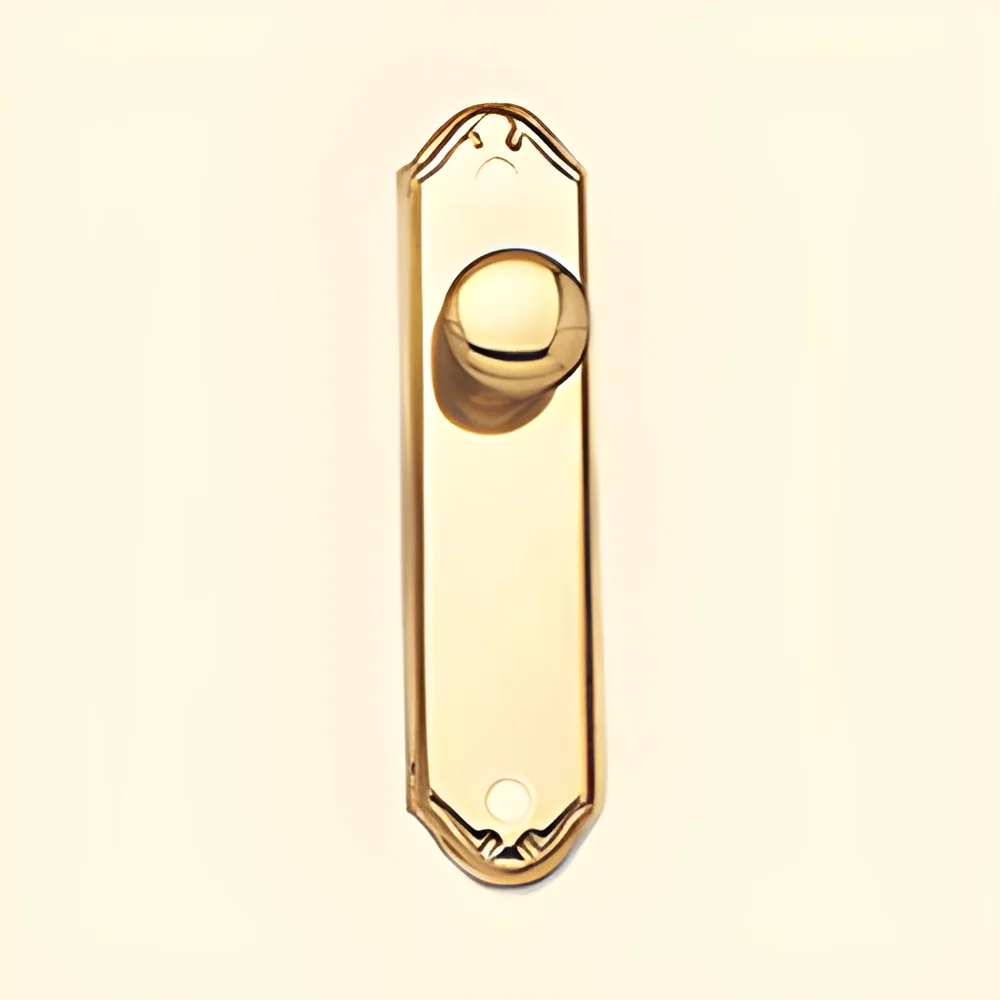
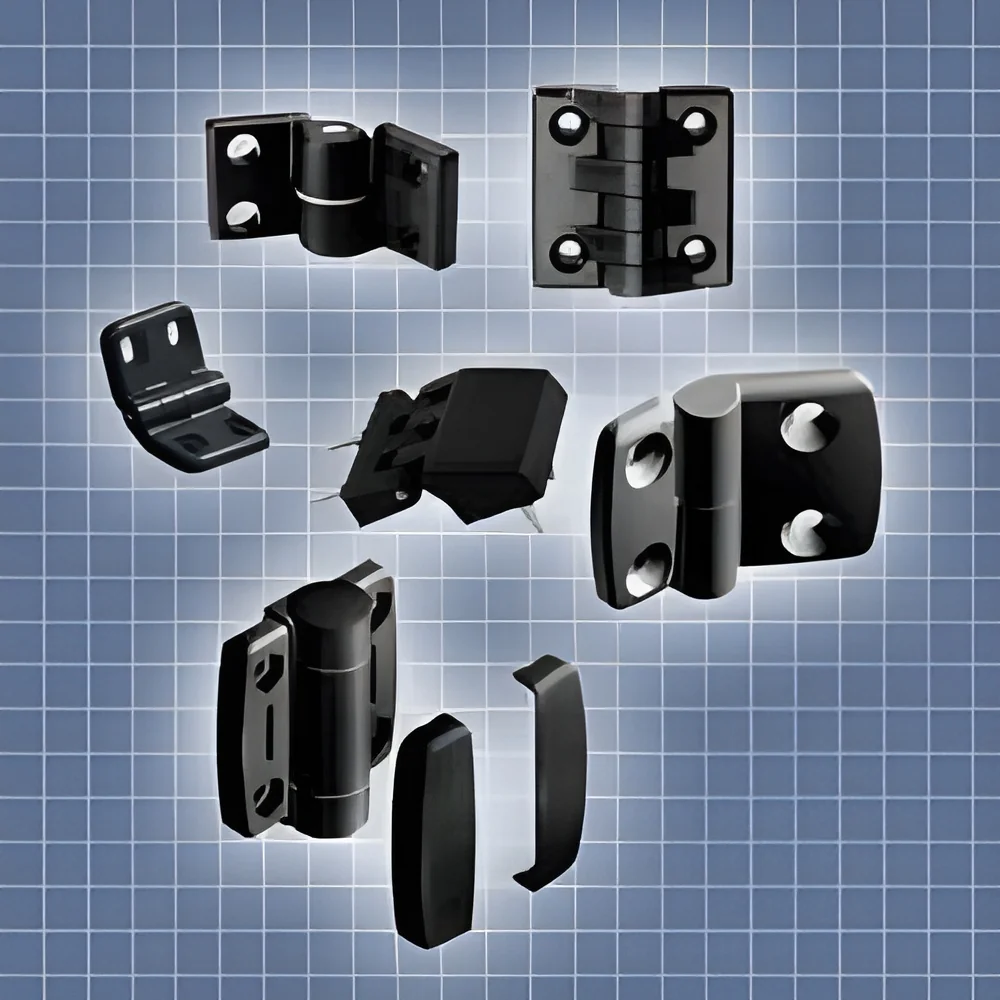
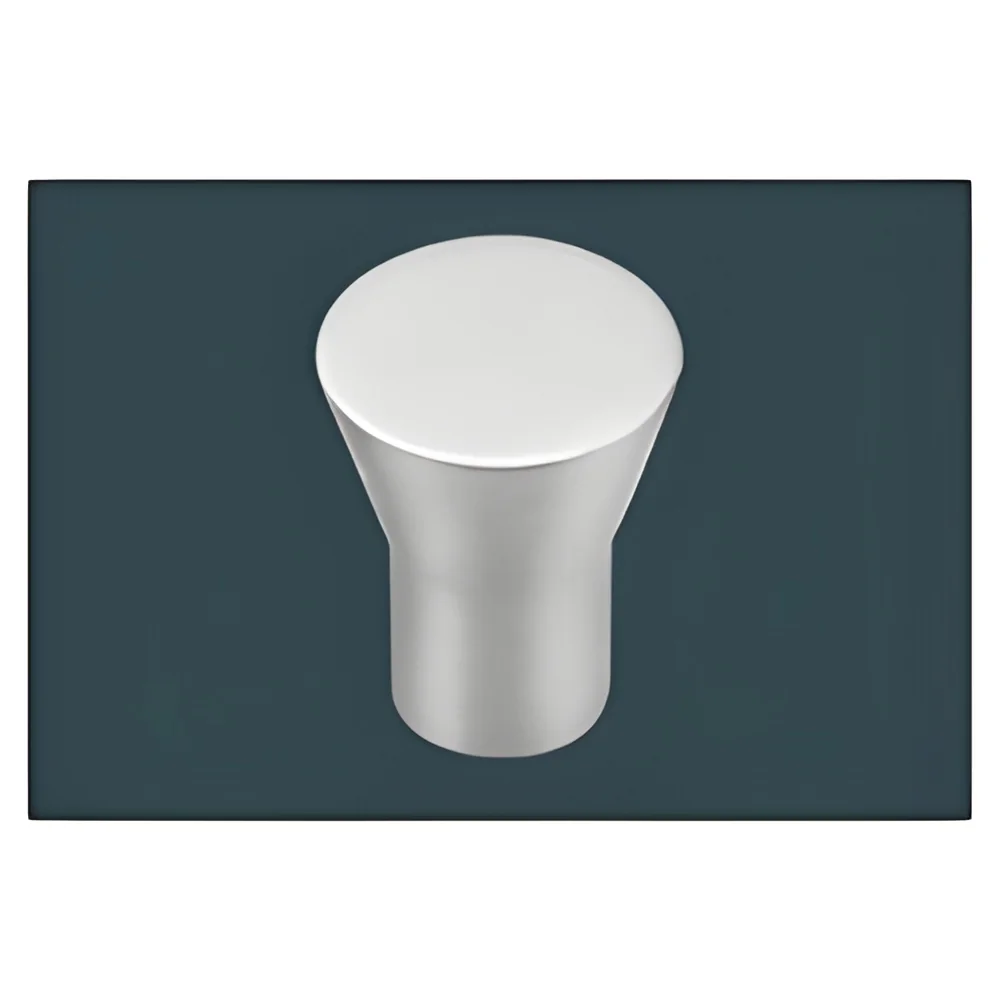
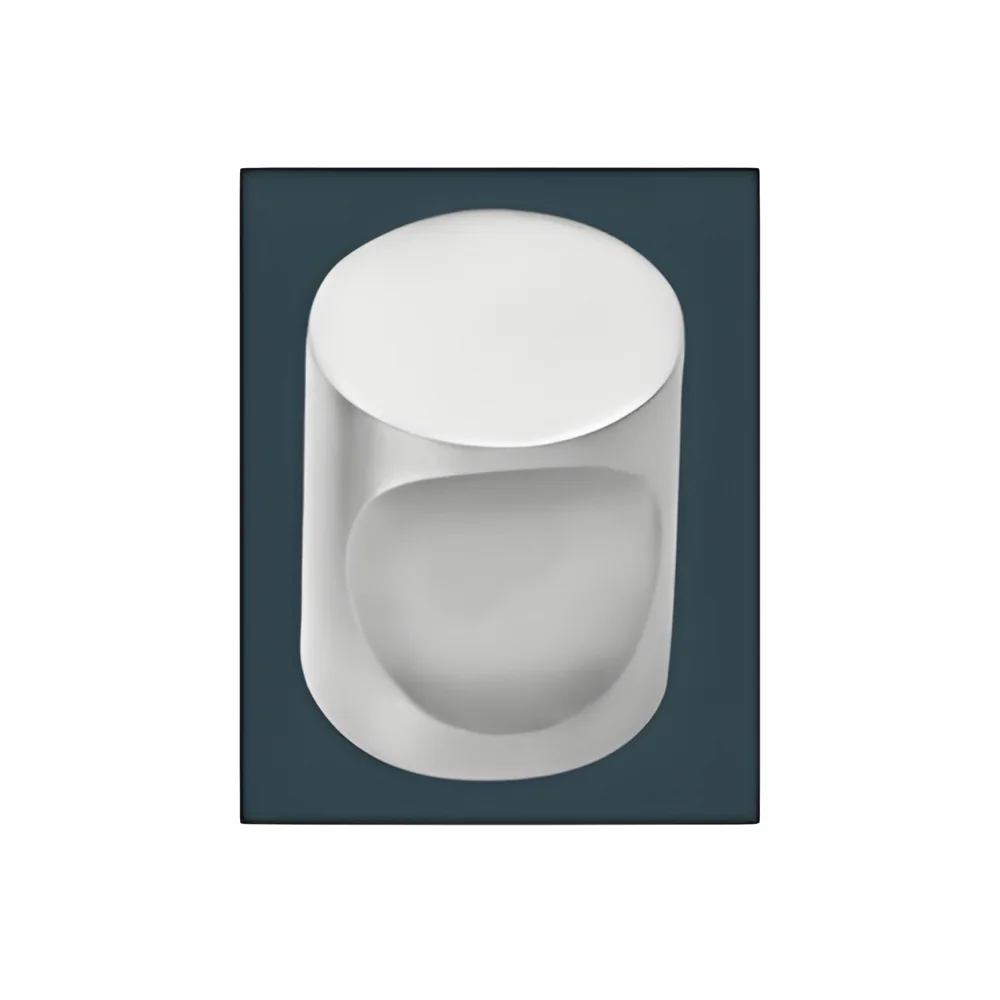
𝗪𝗵𝗮𝘁 𝗮𝗿𝗲 𝗛𝗶𝗻𝗴𝗲𝘀, 𝗛𝗮𝗻𝗱𝗹𝗲𝘀 & 𝗞𝗻𝗼𝗯𝘀?
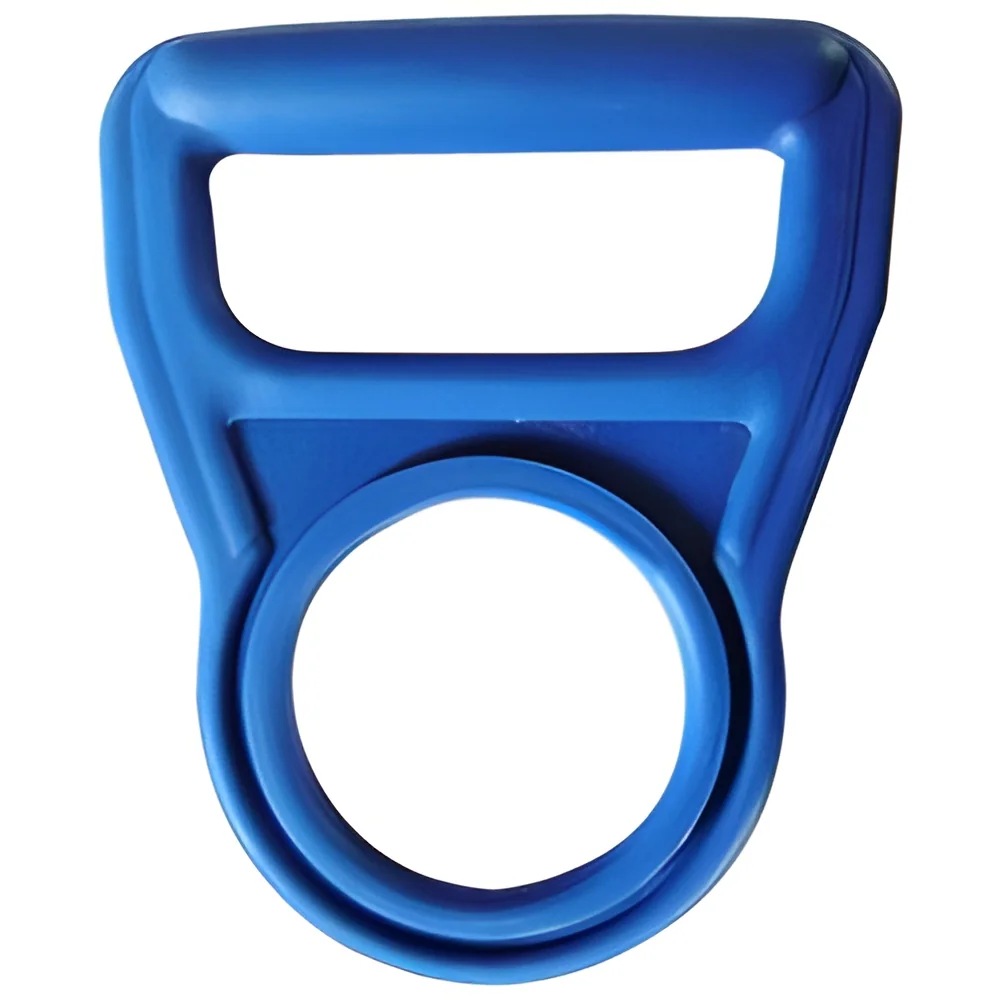
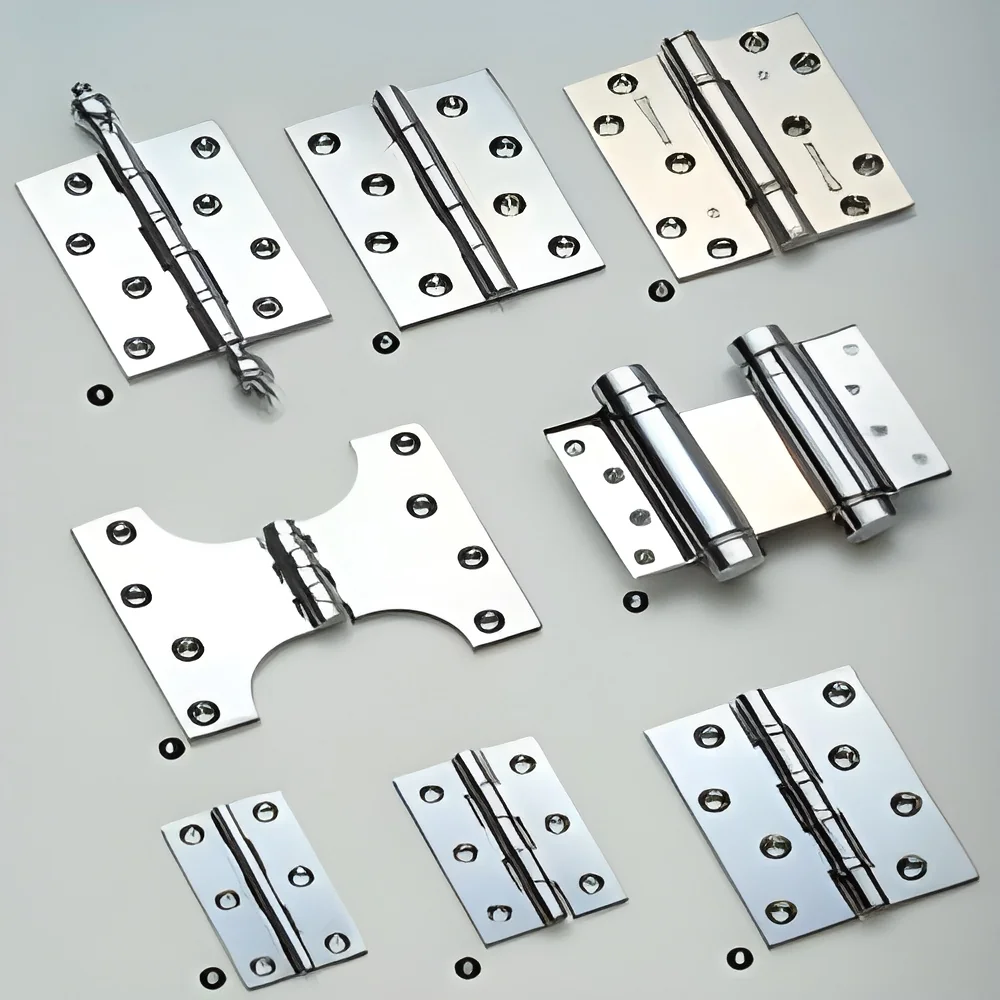
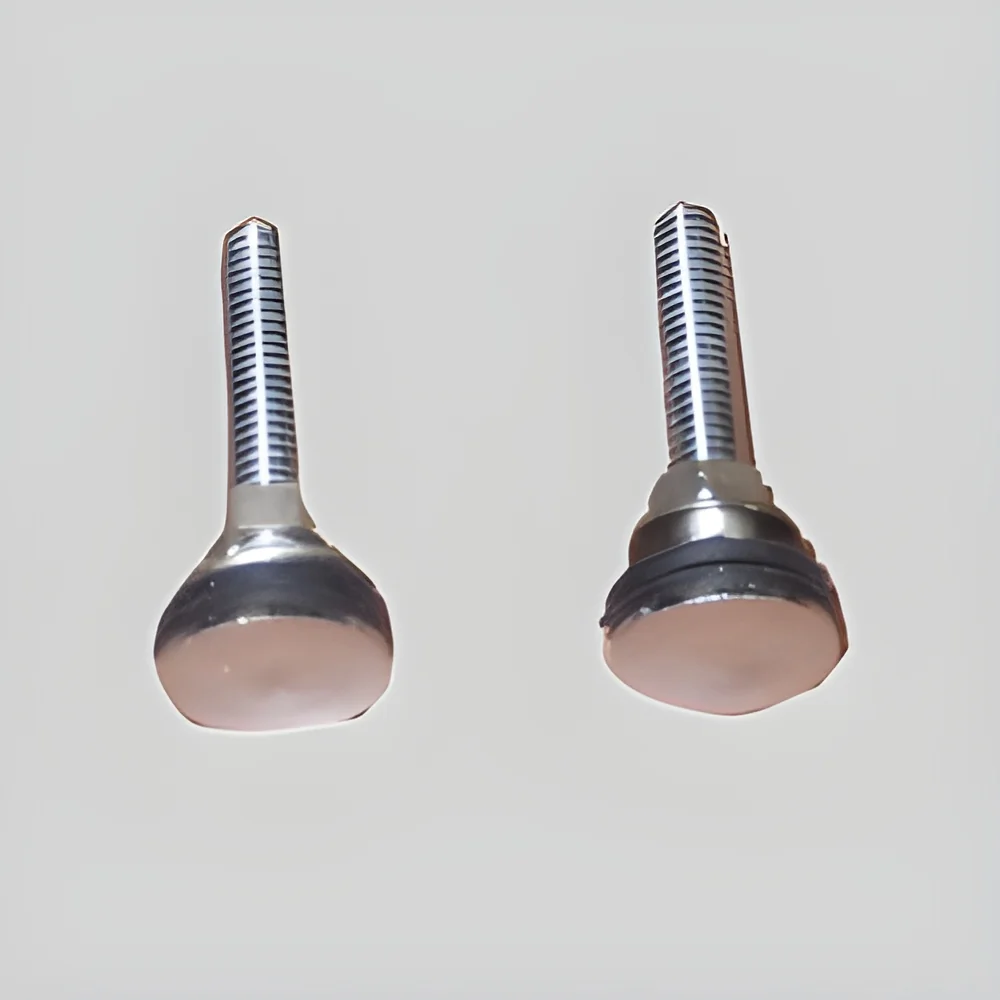
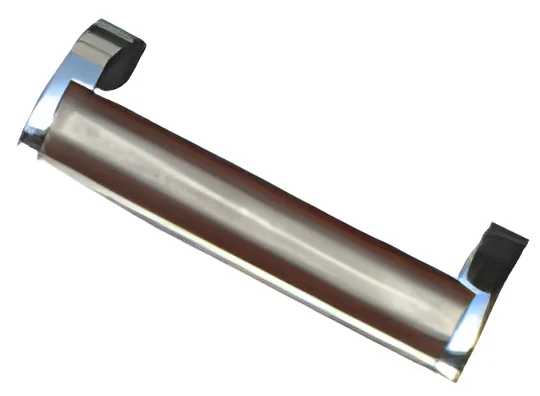
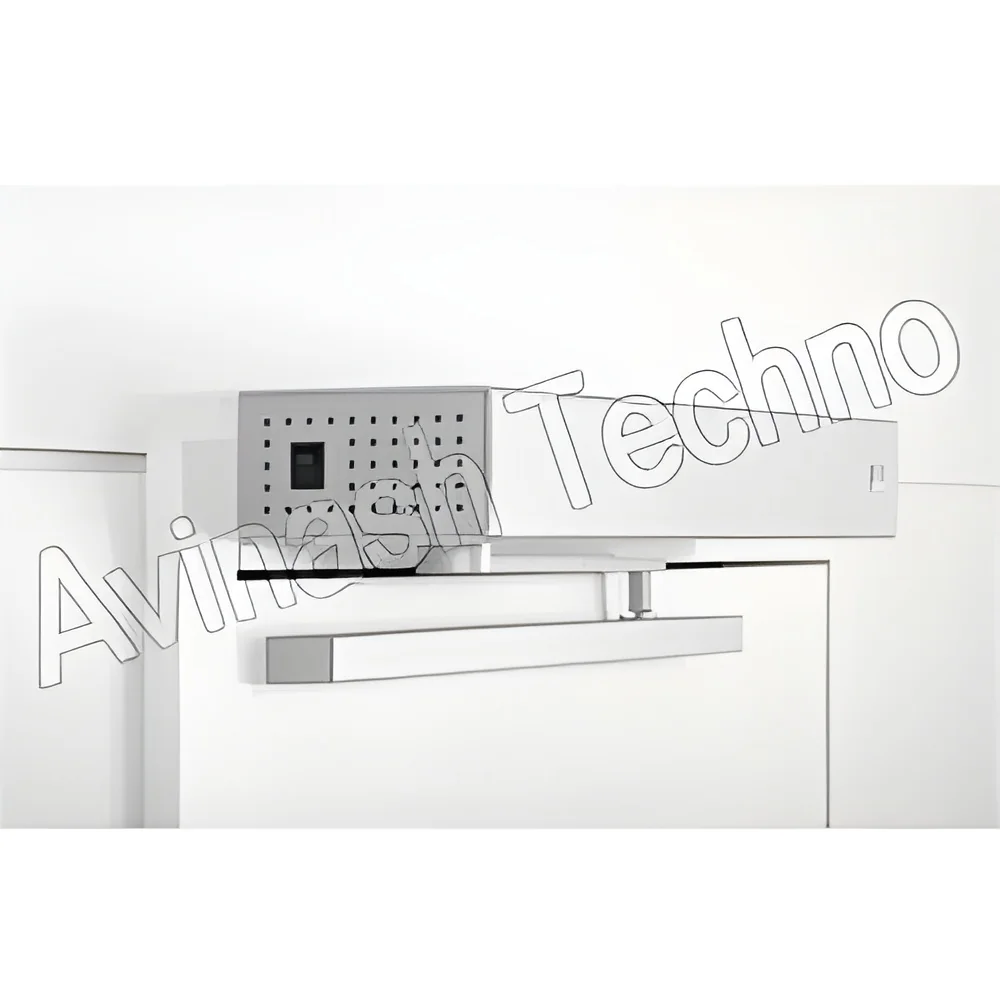
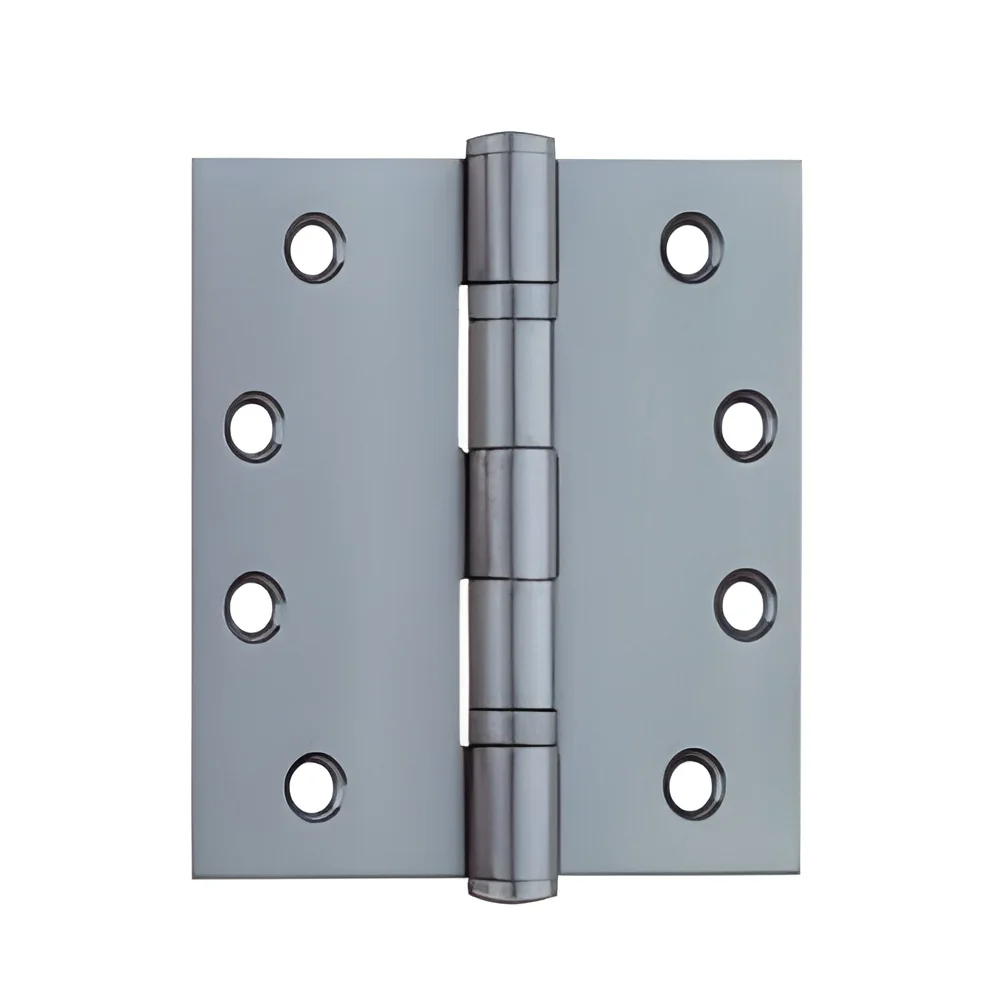
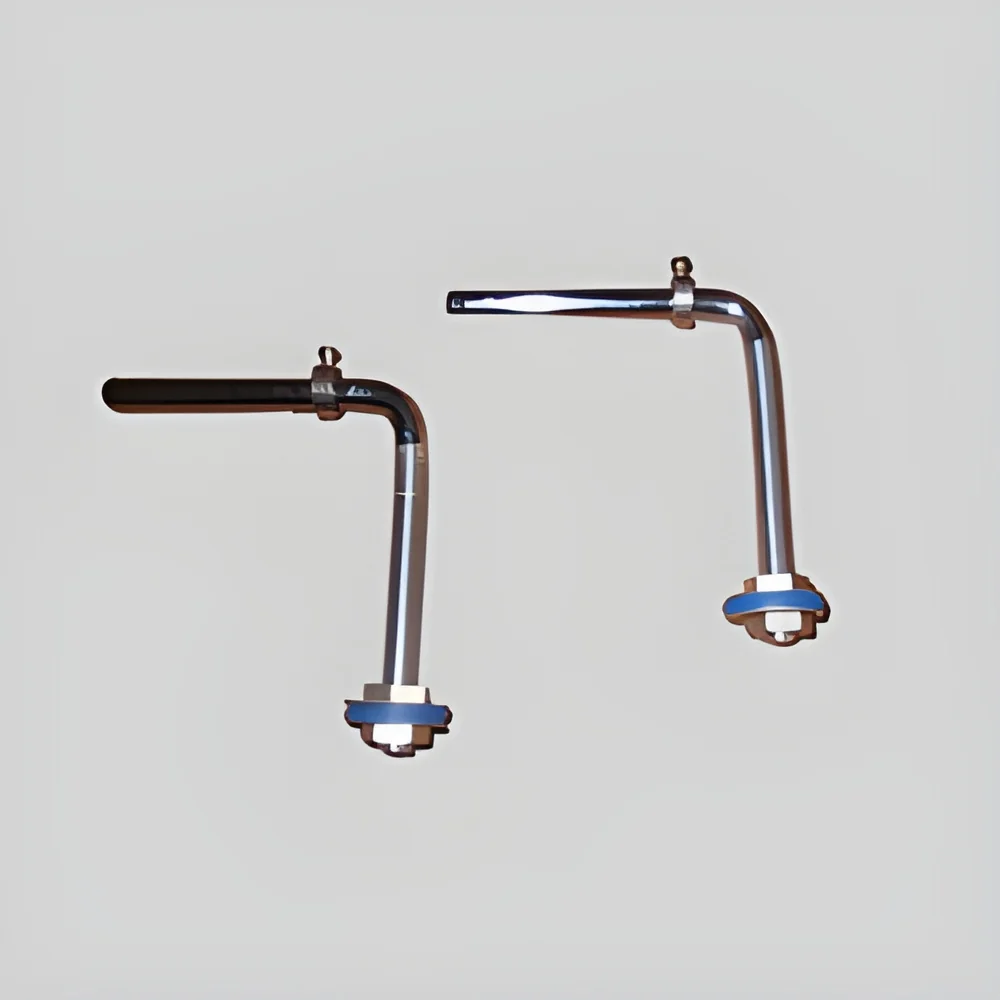
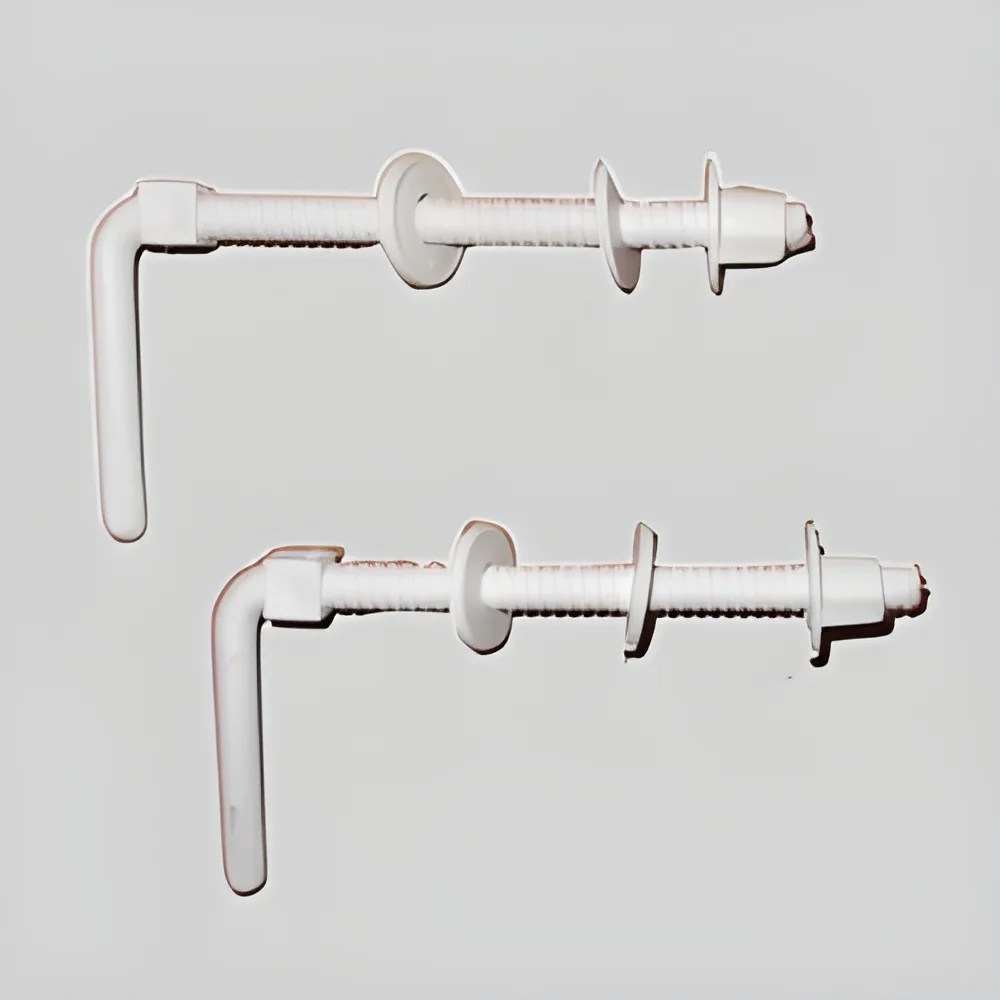
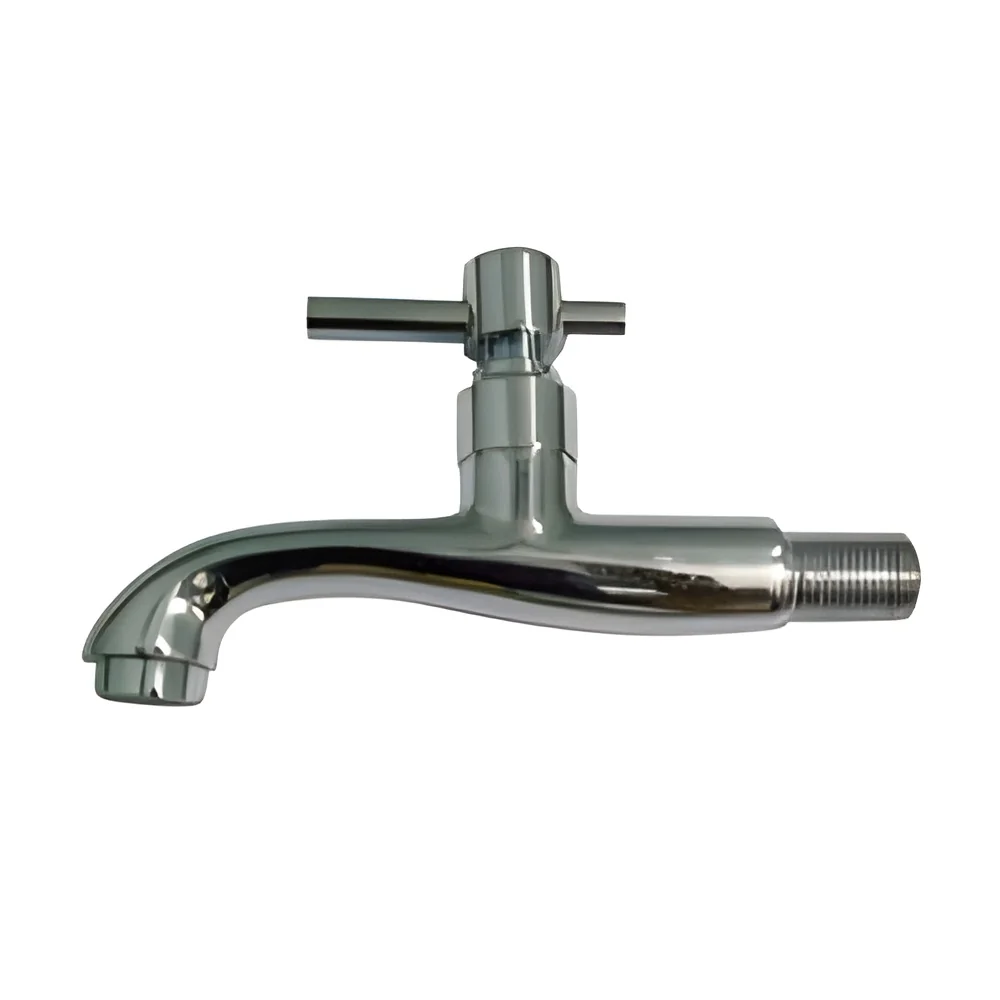
Hinges, handles, and knobs are essential hardware components used in various types of doors, cabinets, and furniture. Hinges are mechanical devices that allow two parts to pivot relative to each other, providing a swinging motion. Handles and knobs serve as gripping mechanisms, enabling users to open or close doors and cabinets easily. These components are integral not only for functionality but also for aesthetic appeal in both residential and commercial settings.
These products are widely used across multiple industries, including construction, manufacturing, and furniture design. In commercial applications, hinges, handles, and knobs are vital for ensuring that doors and cabinets operate smoothly, while also contributing to overall security and accessibility. Businesses often select specific types based on design preferences, weight capacities, and environmental conditions, making these components a critical focus in product design and development.
The market for hinges, handles, and knobs continues to grow, driven by trends in interior design and technological advancements in materials. With an increasing emphasis on customization and durability, industries are looking for reliable suppliers who can meet diverse specifications and compliance standards.
𝗞𝗲𝘆 𝗙𝗲𝗮𝘁𝘂𝗿𝗲𝘀 𝗮𝗻𝗱 𝗦𝗽𝗲𝗰𝗶𝗳𝗶𝗰𝗮𝘁𝗶𝗼𝗻𝘀
Understanding the key features and specifications of hinges, handles, and knobs is crucial for making informed purchasing decisions. These components come with a variety of specifications tailored to different applications and environments.
Key specifications include:
1. Material Composition
- Common materials include stainless steel, brass, aluminum, and plastic.
- Each material offers different advantages in terms of strength, corrosion resistance, and aesthetic appeal.
2. Load Capacity
- The maximum weight each hinge, handle, or knob can support.
- Specifications may vary based on design, with some supporting lightweight applications and others designed for heavy-duty use.
3. Finish Options
- Available finishes include polished, brushed, and powder-coated.
- Finish affects both the appearance and durability of the hardware.
4. Dimensions
- Standard sizes vary based on application, including length, width, and thickness.
- Custom sizes may be available for specific projects.
5. Mounting Type
- Different mounting options include surface-mounted, concealed, and pivot hinges.
- Choice of mounting affects installation ease and functionality.
6. Compliance Standards
- Many hinges, handles, and knobs are designed to meet industry standards such as CE marking.
- Compliance ensures adherence to safety and quality requirements.
7. Weather Resistance
- Some products are designed to withstand extreme temperatures and humidity levels.
- Important for outdoor applications or environments with variable climates.
8. Security Features
- Certain handles and knobs may include locking mechanisms or tamper-resistant designs.
- Enhances security for doors and cabinets in commercial settings.
In summary, understanding these specifications will help businesses select the right hinges, handles, and knobs for their specific needs, ensuring quality and reliability.
𝗖𝗼𝗺𝗺𝗼𝗻 𝗔𝗽𝗽𝗹𝗶𝗰𝗮𝘁𝗶𝗼𝗻𝘀 𝗮𝗻𝗱 𝗨𝘀𝗲 𝗖𝗮𝘀𝗲𝘀
Hinges, handles, and knobs serve diverse industries, each with unique requirements and applications.
1. Construction: These products are critical in building doors, windows, and cabinetry. They ensure functionality while contributing to the overall design aesthetic of residential and commercial buildings.
2. Manufacturing: In industrial settings, hinges and handles are used on machinery, cabinets, and storage units. Durability and load capacity are crucial in these applications.
3. Furniture Design: Designers use a variety of hinges, handles, and knobs to enhance the functionality and style of furniture pieces. Customization options are often sought to match specific designs.
4. Automotive: Hinges and handles play a significant role in vehicle doors and compartments. They must meet rigorous safety and performance standards.
5. Retail: Display cases and storage units in retail settings require reliable hinges and handles for everyday use. Aesthetic appeal is also important in maintaining brand image.
6. Healthcare: Hospital furniture and cabinetry require hinges and handles that are easy to sanitize and operate. Compliance with safety standards is essential in these environments.
7. Aerospace: Specialized hinges and handles are used in aircraft for access doors and storage compartments, where weight reduction and reliability are critical.
𝗣𝗿𝗼𝗱𝘂𝗰𝘁 𝗩𝗮𝗿𝗶𝗮𝗻𝘁𝘀 𝗮𝗻𝗱 𝗦𝘂𝗯𝗰𝗮𝘁𝗲𝗴𝗼𝗿𝗶𝗲𝘀
Hinges, handles, and knobs come in various designs and styles to meet specific needs.
Hinges
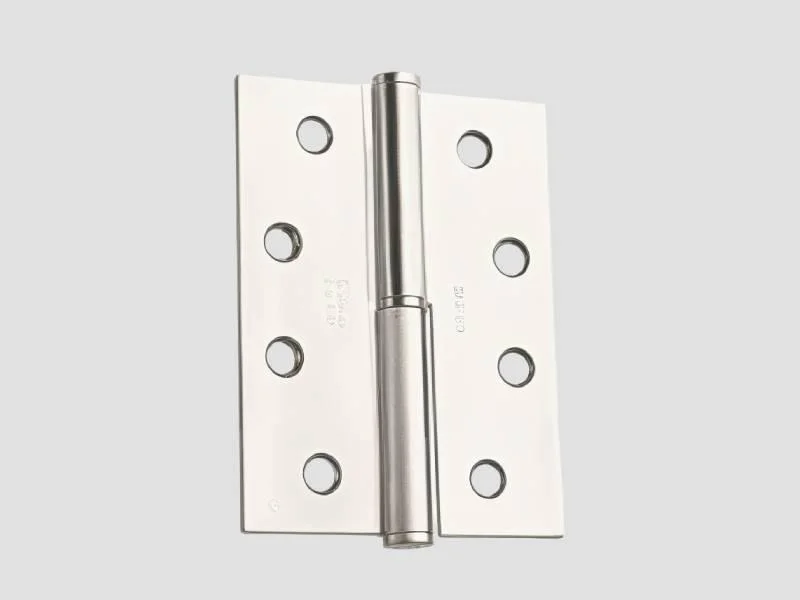
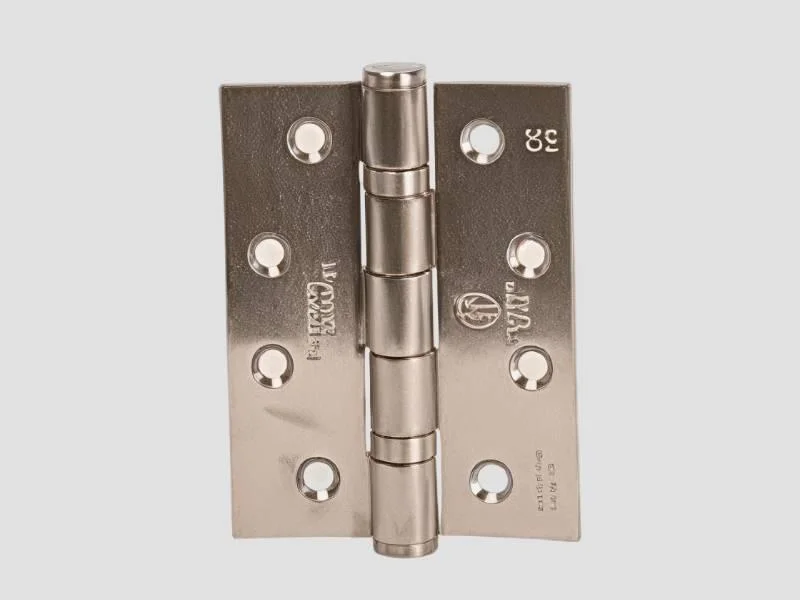
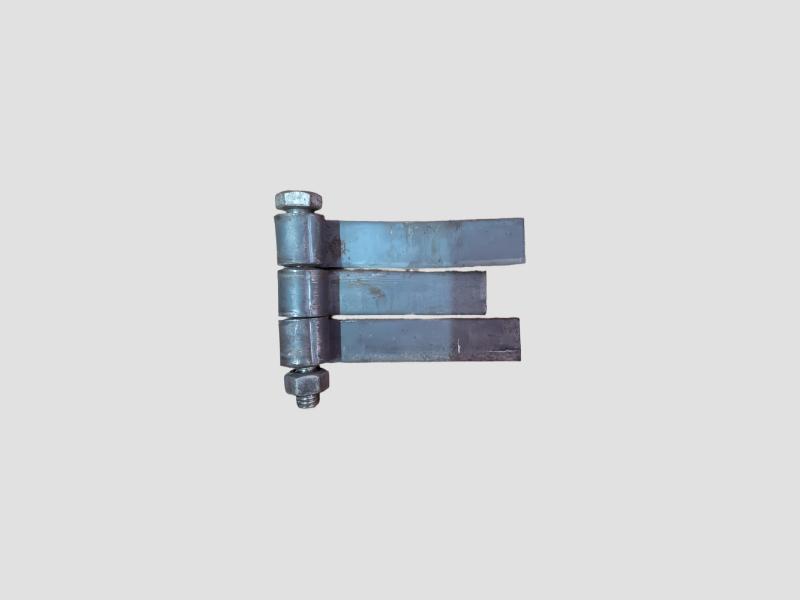
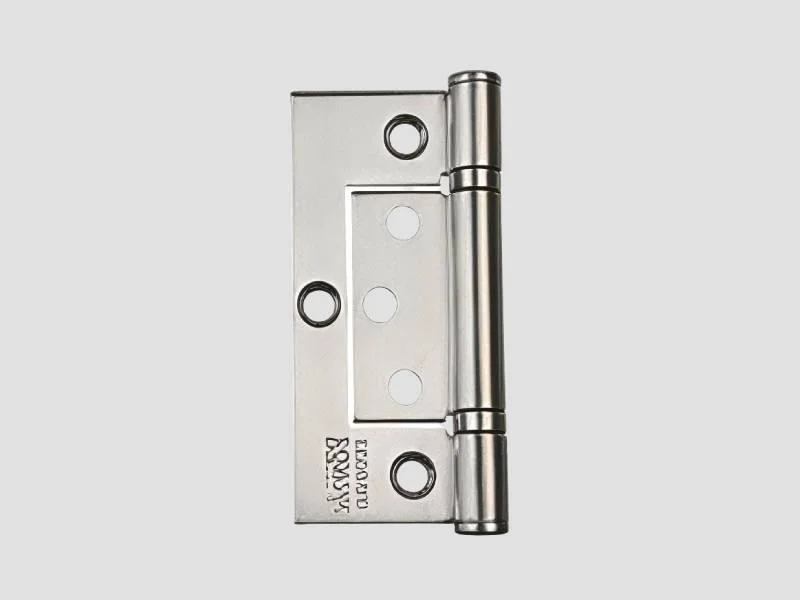
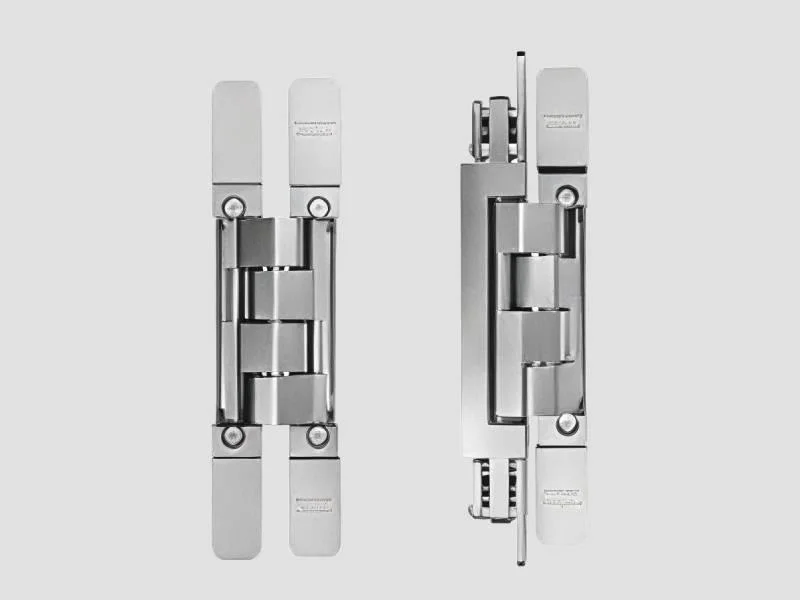
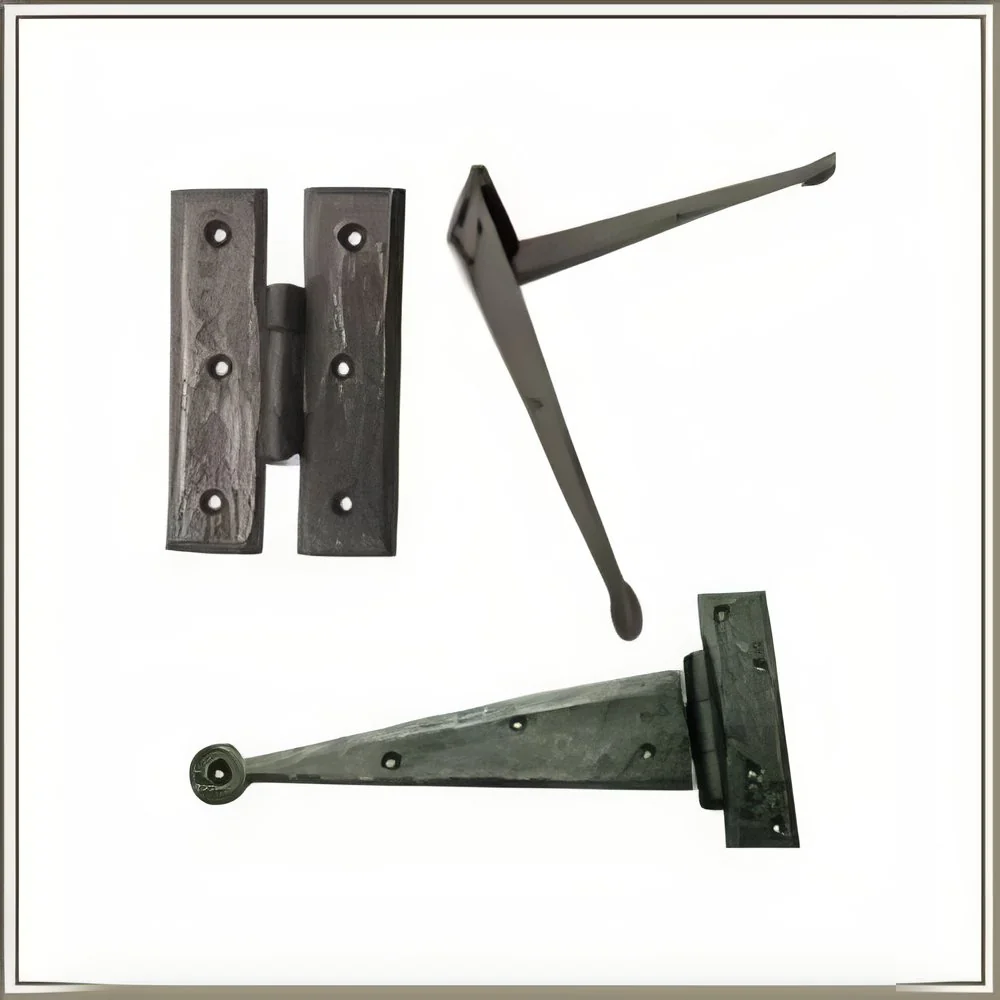
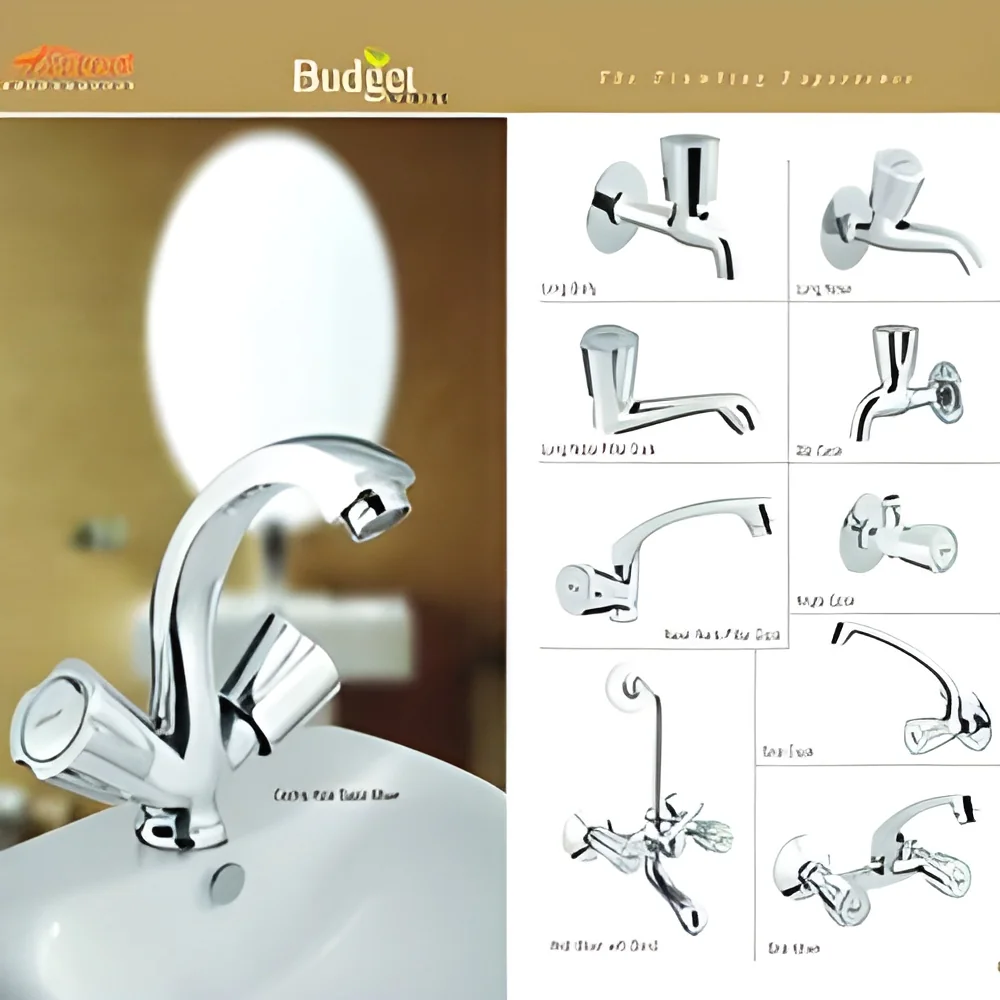
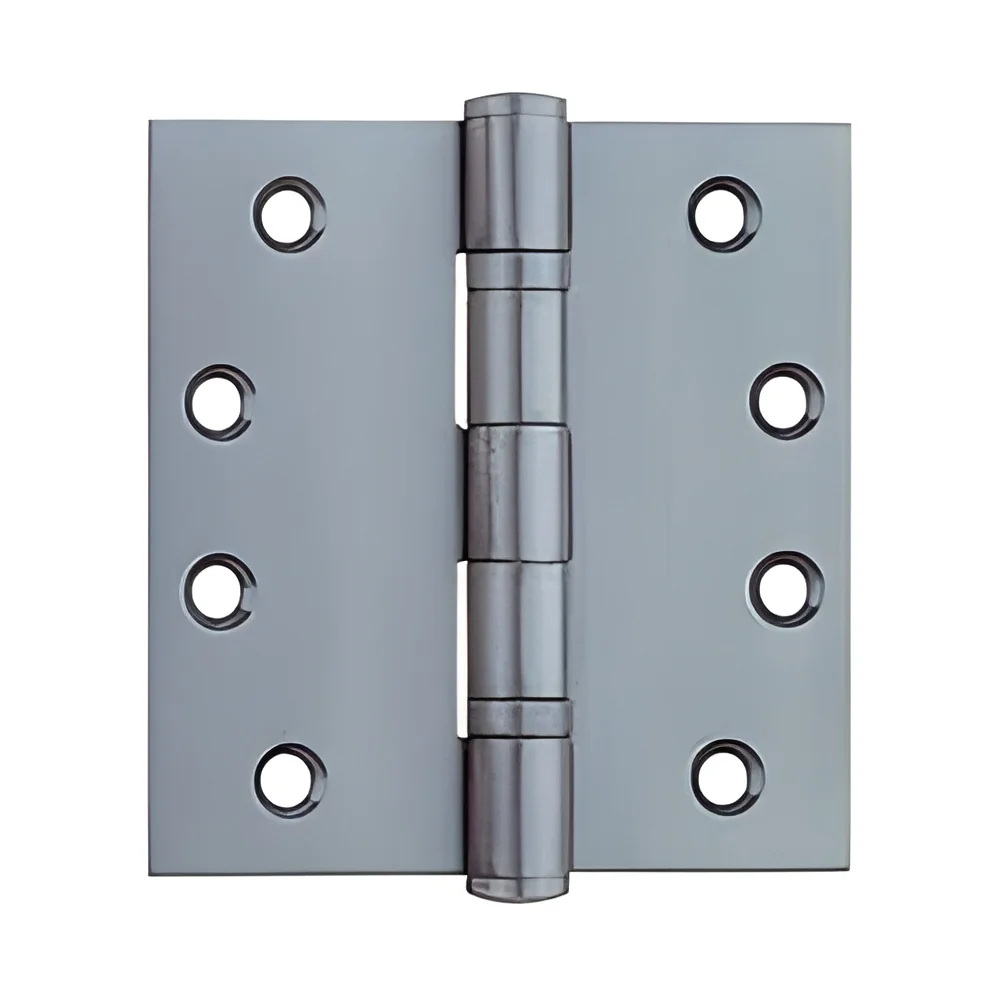
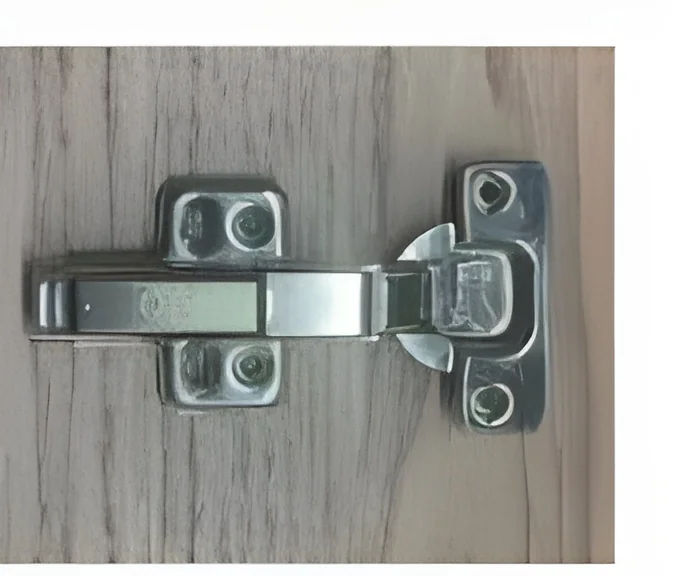
There are multiple types of hinges, including butt hinges, continuous hinges, and concealed hinges. Each type serves different applications, from residential doors to heavy industrial use. Their design can affect load capacity and aesthetic integration.
Handles
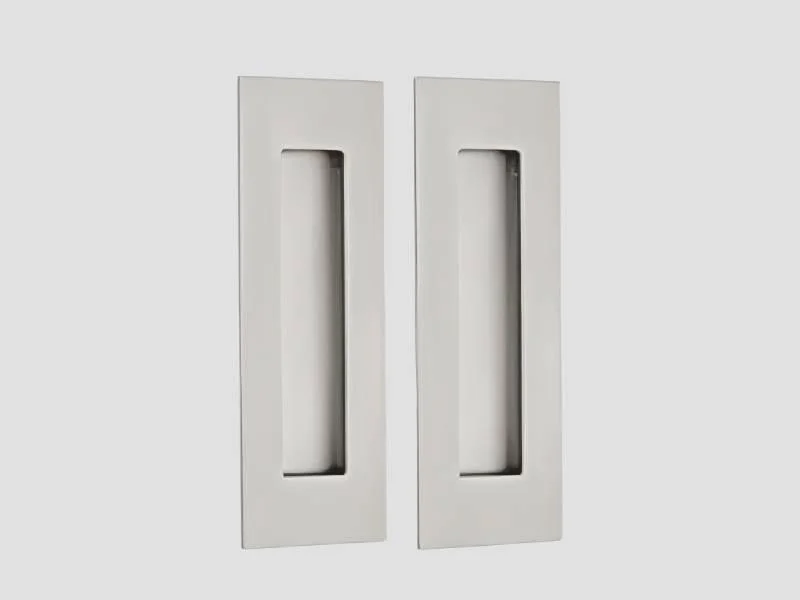
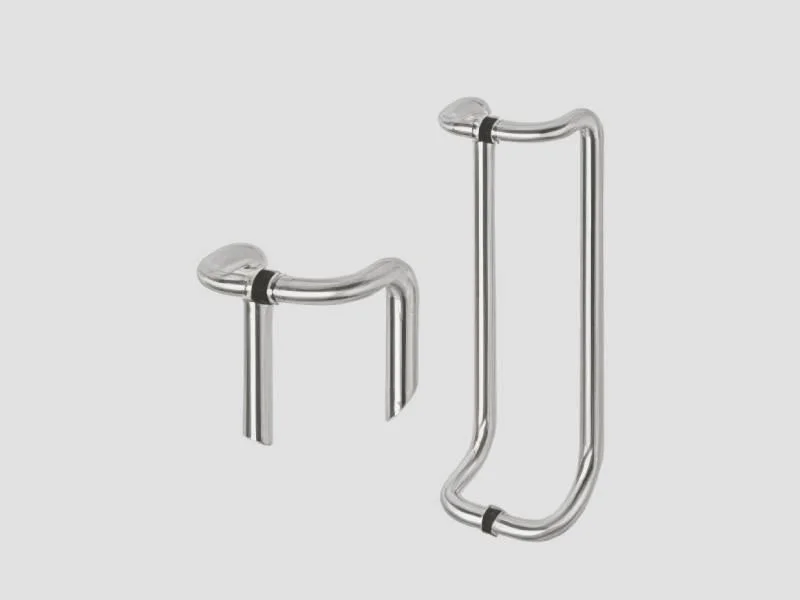
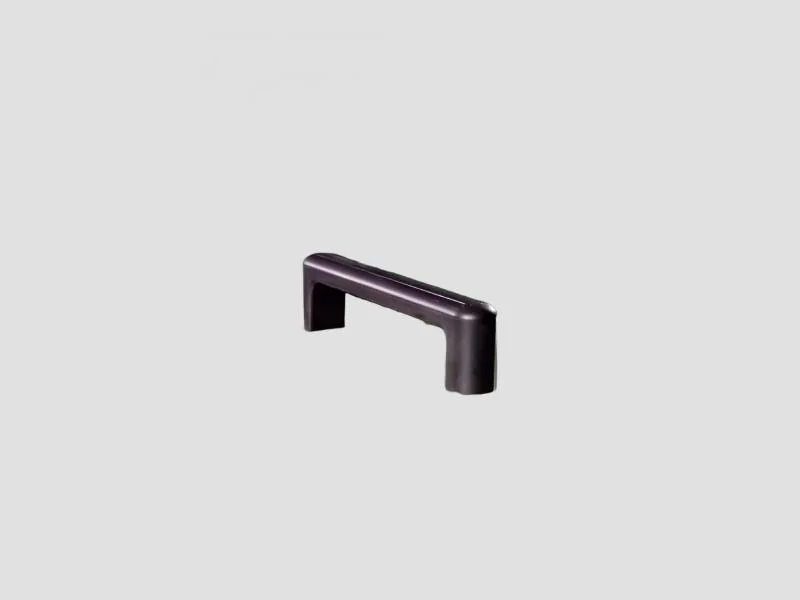
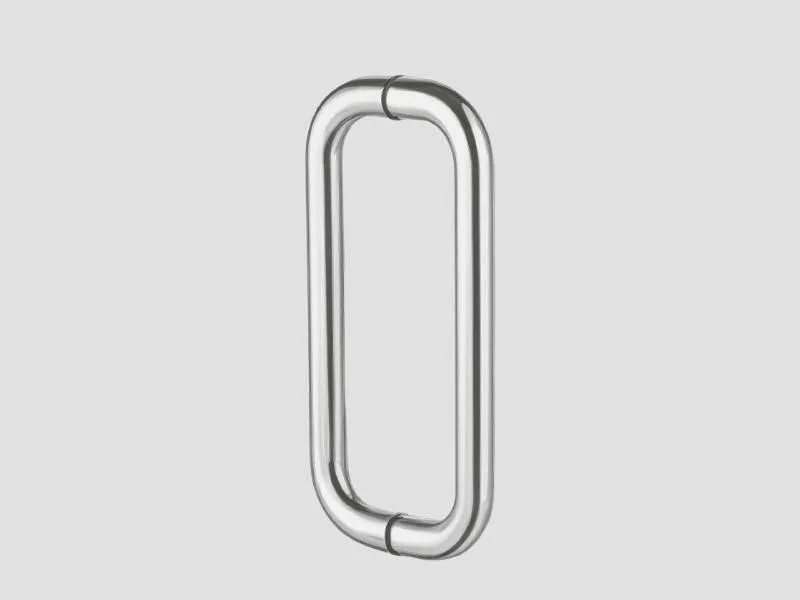
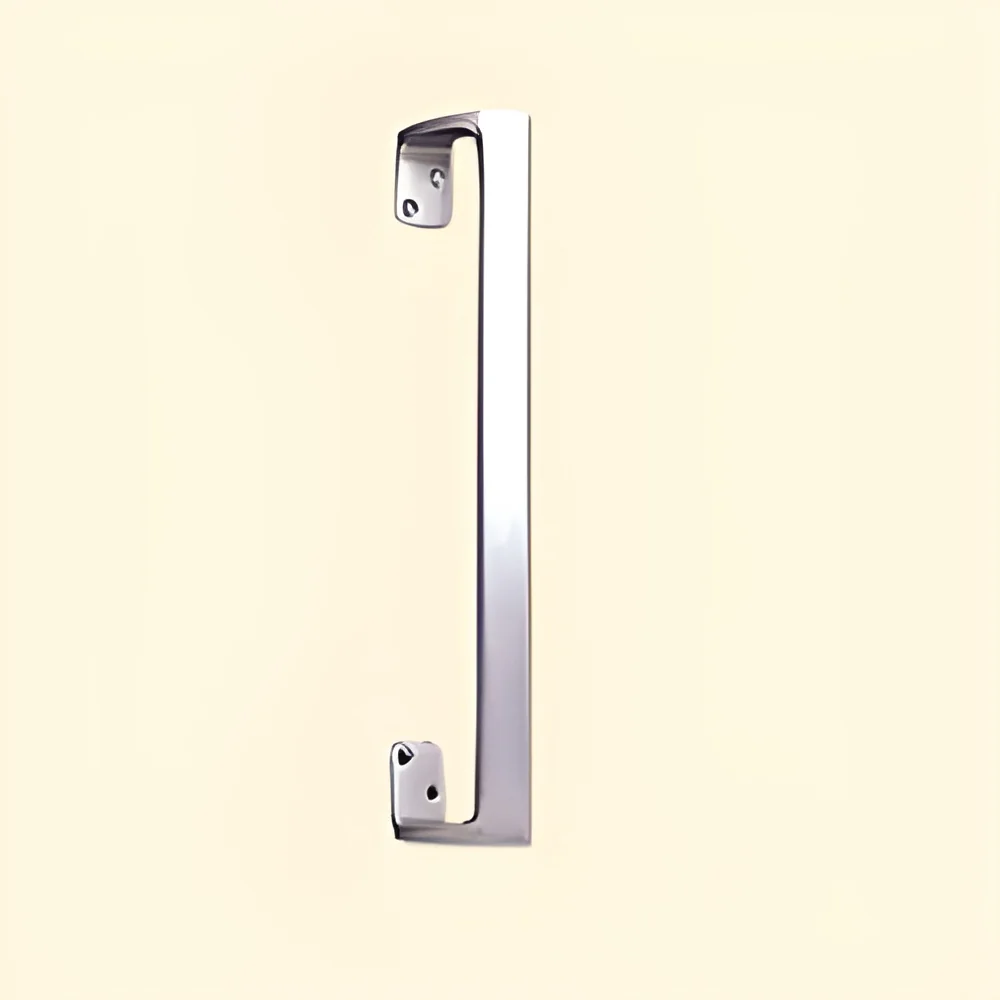
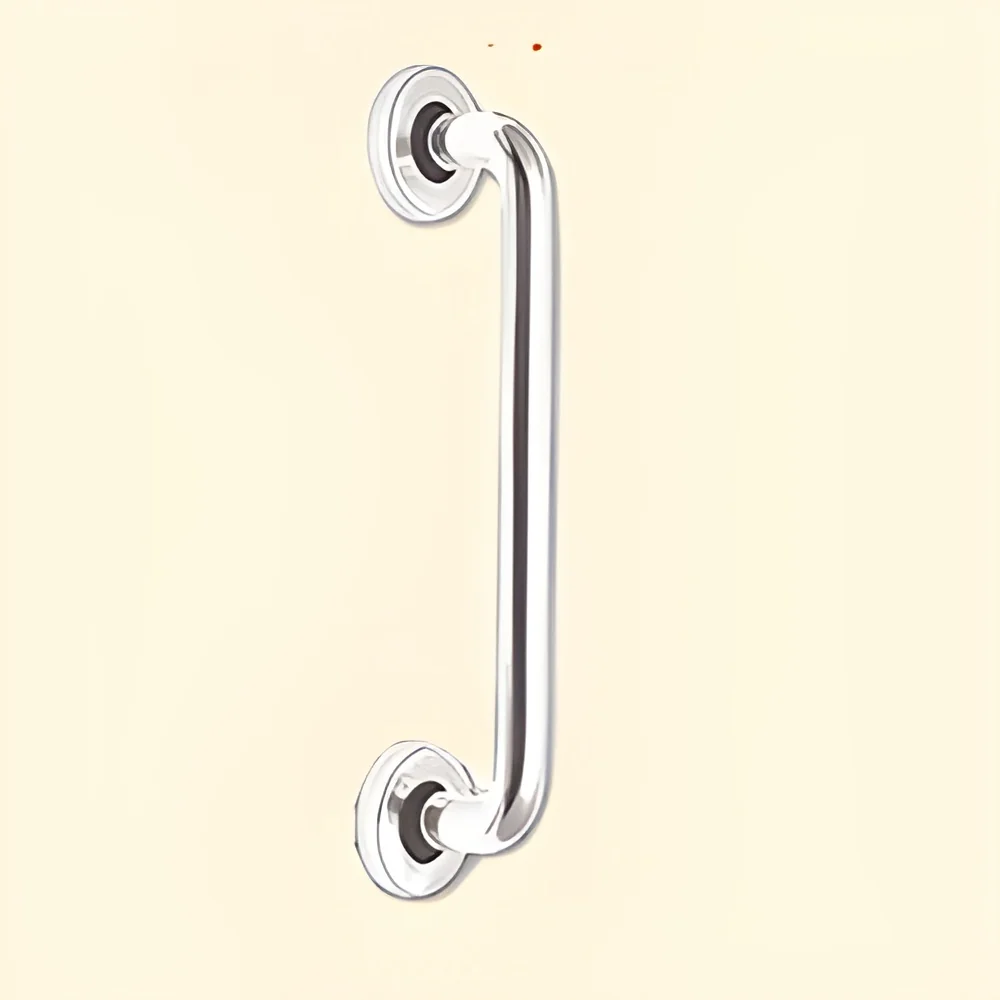
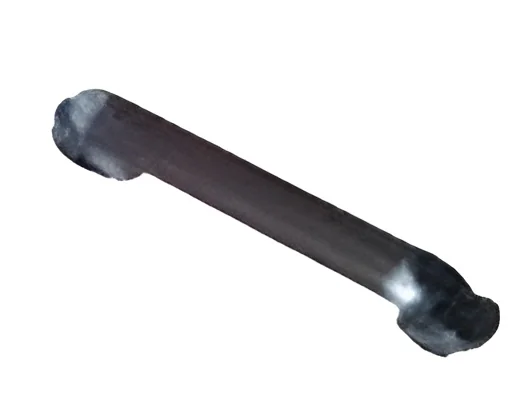
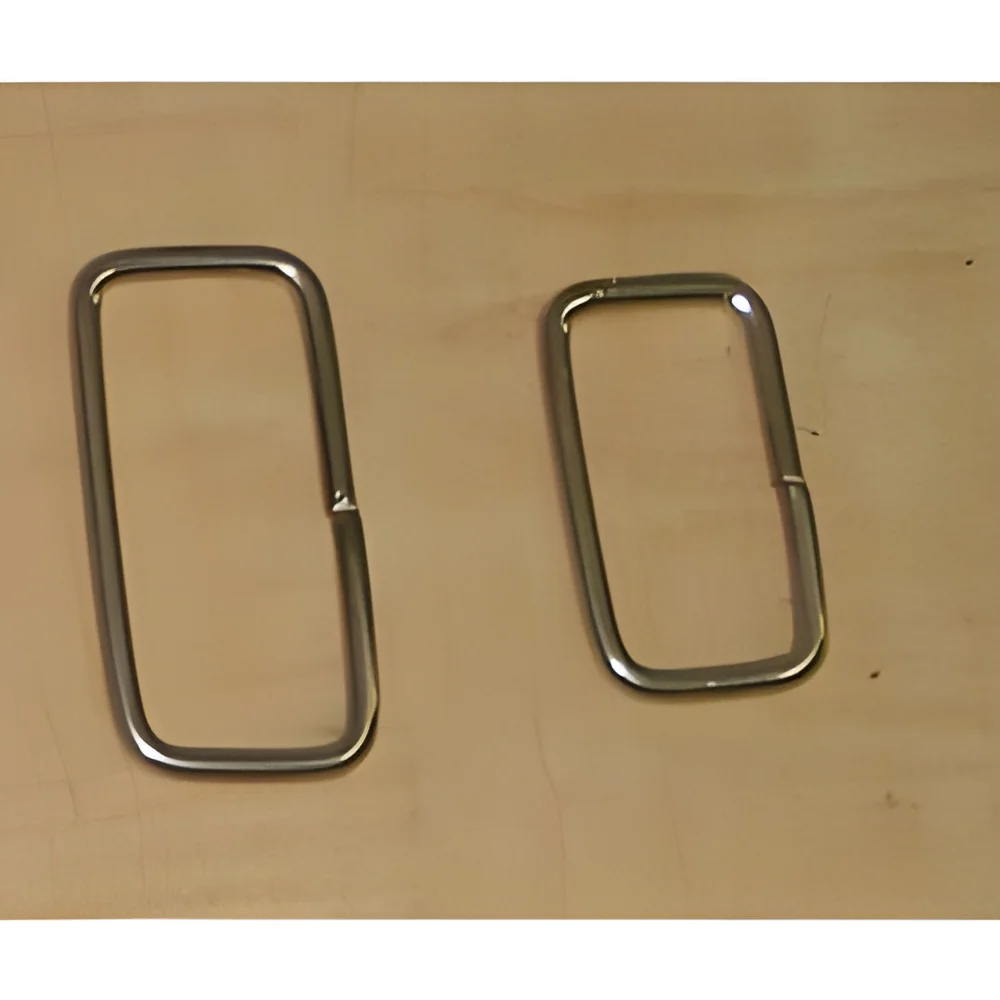
Handles vary in design and function, including pull handles and push plates. These are chosen based on usability and design requirements. For example, a sleek pull handle may be ideal for modern cabinetry, while a robust push plate could be used in high-traffic commercial settings.
Knobs
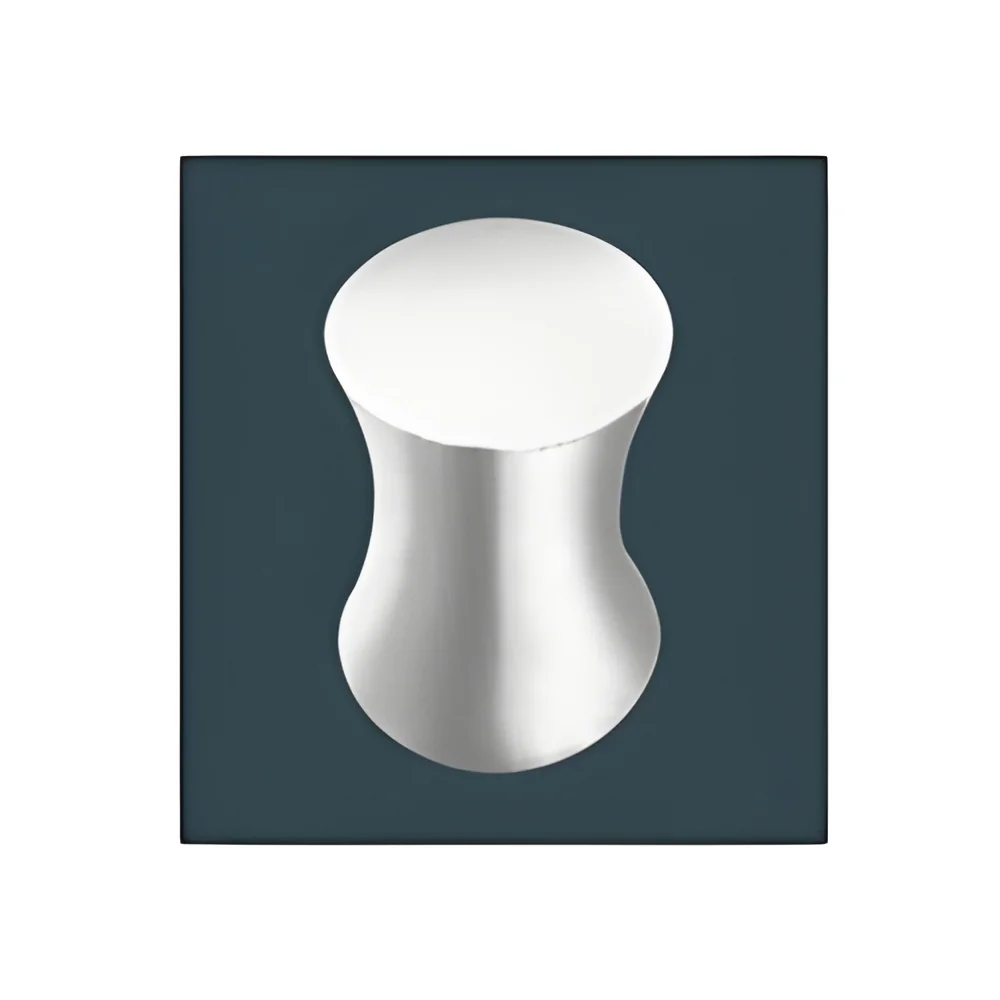
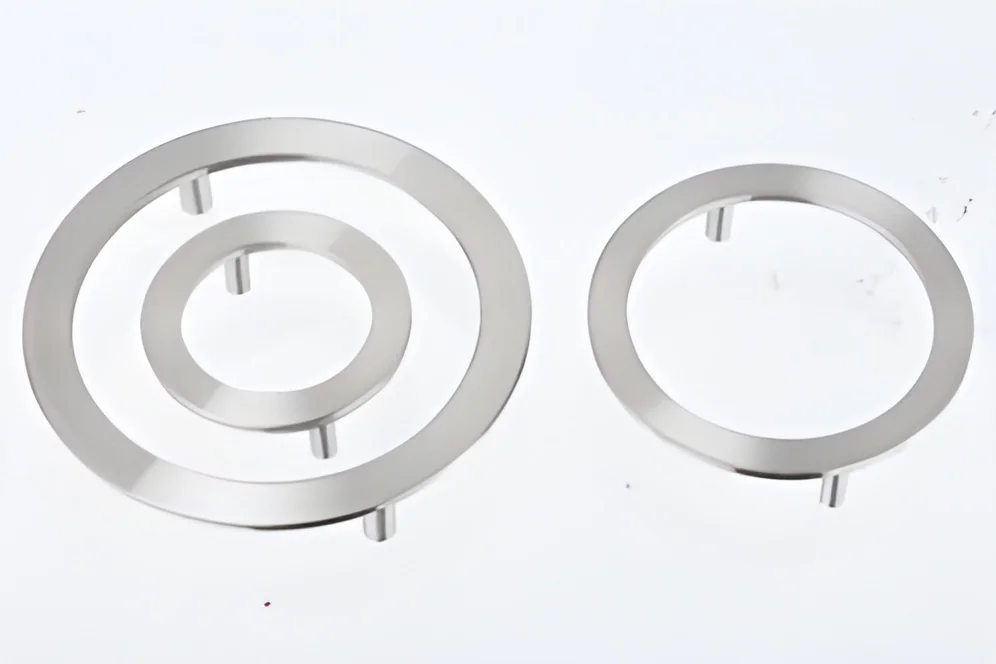
Knobs can be decorative or functional, with options ranging from traditional styles to contemporary designs. They are commonly used on cabinets and drawers, and can be customized for specific projects to match the overall décor.
𝗕𝗲𝗻𝗲𝗳𝗶𝘁𝘀 𝗮𝗻𝗱 𝗔𝗱𝘃𝗮𝗻𝘁𝗮𝗴𝗲𝘀
Investing in high-quality hinges, handles, and knobs offers numerous advantages.
1. Enhanced Durability: Quality materials ensure a longer lifespan, reducing the need for frequent replacements.
2. Improved Functionality: Well-designed hardware contributes to smoother operation of doors and cabinets, enhancing user experience.
3. Aesthetic Appeal: Various styles and finishes allow businesses to align hardware choices with their design vision.
4. Increased Security: Products with locking mechanisms provide added security, which is vital for many commercial applications.
5. Compliance Assurance: Sourcing from reputable suppliers ensures that products meet necessary safety and quality standards.
6. Customization Options: Many manufacturers offer customized solutions, allowing for tailored products that meet specific business needs.
𝗕𝘂𝘆𝗶𝗻𝗴 𝗚𝘂𝗶𝗱𝗲 𝗳𝗼𝗿 𝗕𝟮𝗕 𝗕𝘂𝘆𝗲𝗿𝘀
When sourcing hinges, handles, and knobs, several factors should be considered to ensure the best selection.
1. Quality Assessment: Evaluate the materials and construction of the hardware. Look for products that meet industry standards for durability and performance.
2. Supplier Verification: Research potential suppliers to ensure they have a strong track record and positive reviews. Verify their compliance with necessary certifications.
3. Pricing and MOQ: Understand the pricing structures and minimum order quantities. It's important to assess whether the pricing aligns with your budget and needs.
4. Delivery and Lead Times: Inquire about delivery schedules and lead times. Timely delivery is crucial for maintaining project timelines.
5. Compliance Requirements: Ensure that the selected products meet relevant regulatory and quality standards. This is particularly important in industries with strict compliance needs.
𝗖𝗼𝗺𝗽𝗹𝗶𝗮𝗻𝗰𝗲 𝗮𝗻𝗱 𝗖𝗲𝗿𝘁𝗶𝗳𝗶𝗰𝗮𝘁𝗶𝗼𝗻𝘀
Compliance and certifications are crucial in ensuring quality and safety in hinges, handles, and knobs.
Relevant quality standards such as ISO 9001 ensure that manufacturers maintain high-quality processes throughout production. Adherence to these standards indicates a commitment to quality and continuous improvement.
Industry certifications like CE marking demonstrate that the products meet European safety, health, and environmental protection requirements. This certification is important for businesses operating in or exporting to the European market.
Additionally, compliance with specific safety and testing requirements is essential. Products may need to undergo rigorous testing to verify their performance and durability under various conditions.
Regional compliance considerations should also be taken into account, as different regions may have unique regulations affecting material usage and safety standards.
𝗪𝗵𝘆 𝗦𝗼𝘂𝗿𝗰𝗲 𝗛𝗶𝗻𝗴𝗲𝘀, 𝗛𝗮𝗻𝗱𝗹𝗲𝘀 & 𝗞𝗻𝗼𝗯𝘀 𝗳𝗿𝗼𝗺 𝗣𝗲𝗽𝗮𝗴𝗼𝗿𝗮?
Pepagora provides a trusted platform for sourcing hinges, handles, and knobs, offering several key advantages to B2B buyers.
Verified Supplier Network: Pepagora has established a thorough vetting process for suppliers, ensuring that businesses can source products from reliable manufacturers. This verification helps mitigate risks associated with quality and service.
Streamlined RFQ Process: The request for quotation (RFQ) system simplifies the procurement process. Buyers can easily compare quotes from multiple suppliers, allowing for informed decision-making and negotiation.
Trade Assurance and Support: Pepagora offers trade assurance, protecting buyers against potential issues during the purchasing process. This support builds confidence and fosters long-term relationships between buyers and suppliers.
Regional Coverage: With a strong presence in India, the GCC, and Southeast Asia, Pepagora offers extensive geographic reach. This allows businesses to find local suppliers while also accessing a diverse array of products and innovations.

 IN
IN