
 IN
Door Hinges (Butt, Concealed, Piano)
9 products available
Key Features and Specifications
When selecting door hinges, it is crucial to understand their key features and specifications. These elements ensure that the hinges meet the demands of their intended applications. Specifications typically include material composition, load capacity, and dimensions.
Key specifications include:
1. Material Composition
- Common materials include steel, stainless steel, and brass.
- Each material offers different levels of strength, corrosion resistance, and durability.
2. Load Capacity
- Hinges are rated for specific weight limits.
- Typical load capacities range from 50 to 400 pounds, depending on the hinge type.
3. Dimensions
- Standard dimensions vary by hinge type.
- Butt hinges typically measure 3 to 6 inches, while concealed hinges have varying sizes based on installation requirements.
4. Finish Options
- Available finishes may include polished, brushed, or powder-coated for aesthetic purposes.
- Finishes also contribute to corrosion resistance.
5. Pin Type
- Options include removable and non-removable pins.
- Removable pins allow for easy door removal, while non-removable pins enhance security.
6. Fire Rating
- Some hinges are rated for fire safety, complying with specific standards.
- Fire-rated hinges are critical in commercial applications to ensure safety.
7. Security Features
- Many hinges come with additional security features.
- Options may include tamper-resistant designs or integrated locking mechanisms.
8. Warranty
- Warranties vary by manufacturer and can indicate product reliability.
- A longer warranty period often reflects a commitment to quality.
Understanding these specifications helps buyers make informed decisions about the hinges best suited for their applications.
Common Applications and Use Cases
Door hinges find applications in numerous industries and settings. Their versatility makes them essential components in many structures.
1. Residential Construction: Door hinges are commonly used in homes for interior and exterior doors. They provide functionality while complementing the overall design.
2. Commercial Spaces: In offices and retail environments, hinges support various door types, including glass and wooden doors, ensuring smooth operation.
3. Industrial Facilities: Heavy-duty hinges are crucial in warehouses and factories, where they support large, heavy doors that need frequent access.
4. Automotive: Hinges are vital components in vehicle doors, ensuring durability and reliability under constant use.
5. Healthcare: Hospitals and clinics use hinges on doors that require frequent opening and closing while maintaining hygiene standards.
6. Hospitality: Hotels and restaurants utilize hinges in guest rooms and service areas, focusing on design and durability.
7. Educational Institutions: Schools and universities employ hinges in classrooms and administrative offices, balancing aesthetics with functionality.
Product Variants and Subcategories
Door hinges are available in various types, each designed for specific applications and requirements.
Butt Hinges
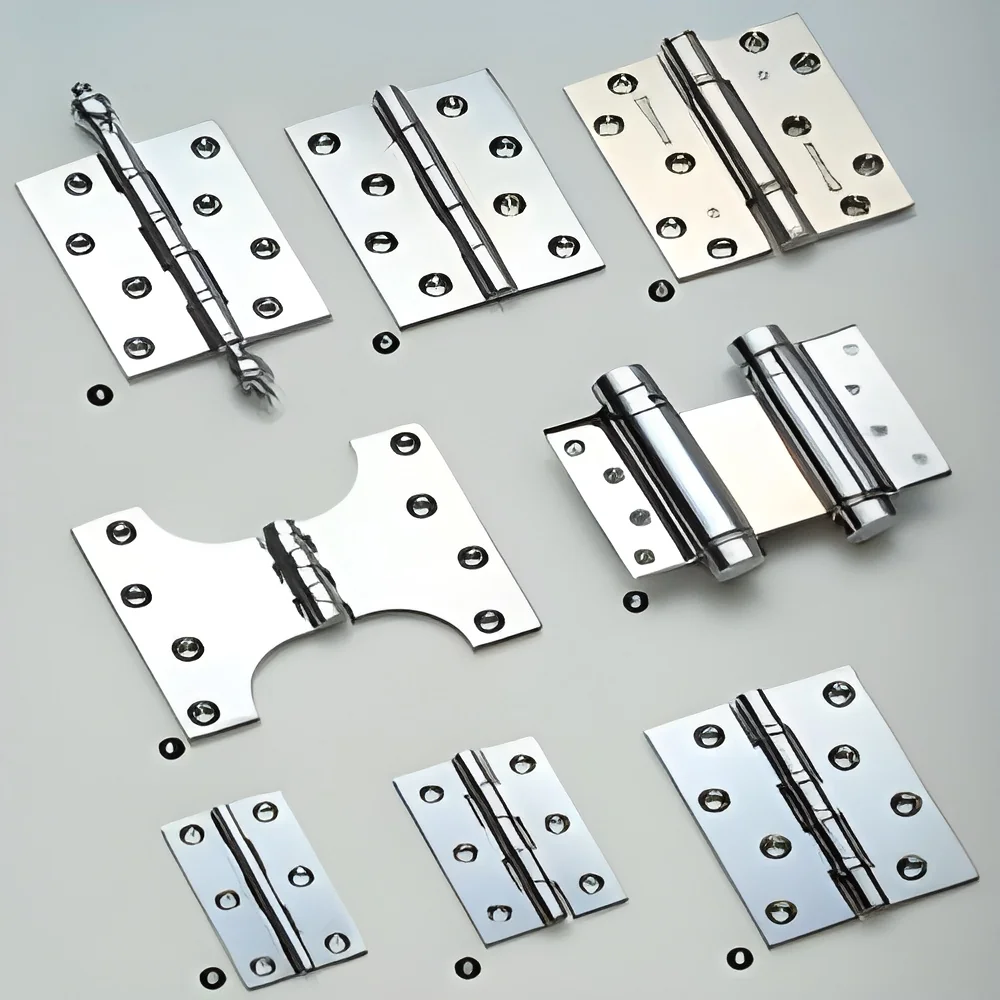
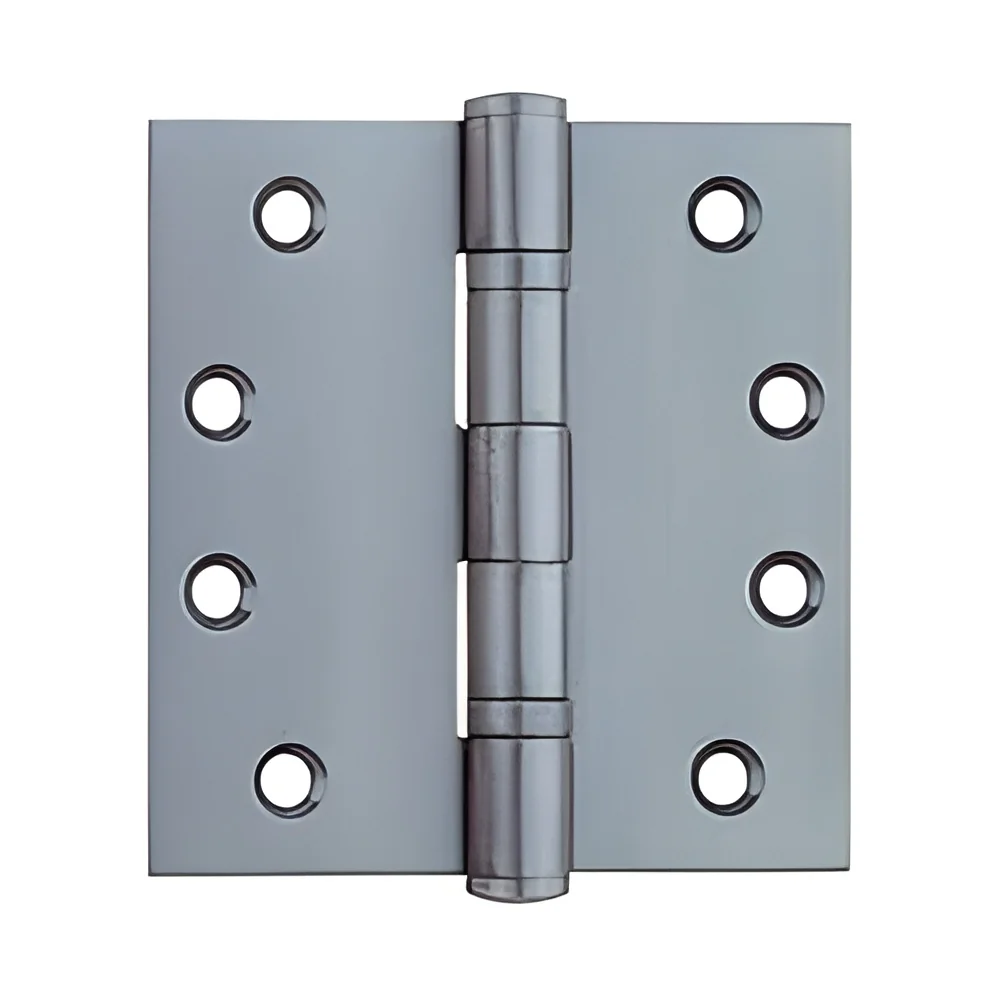
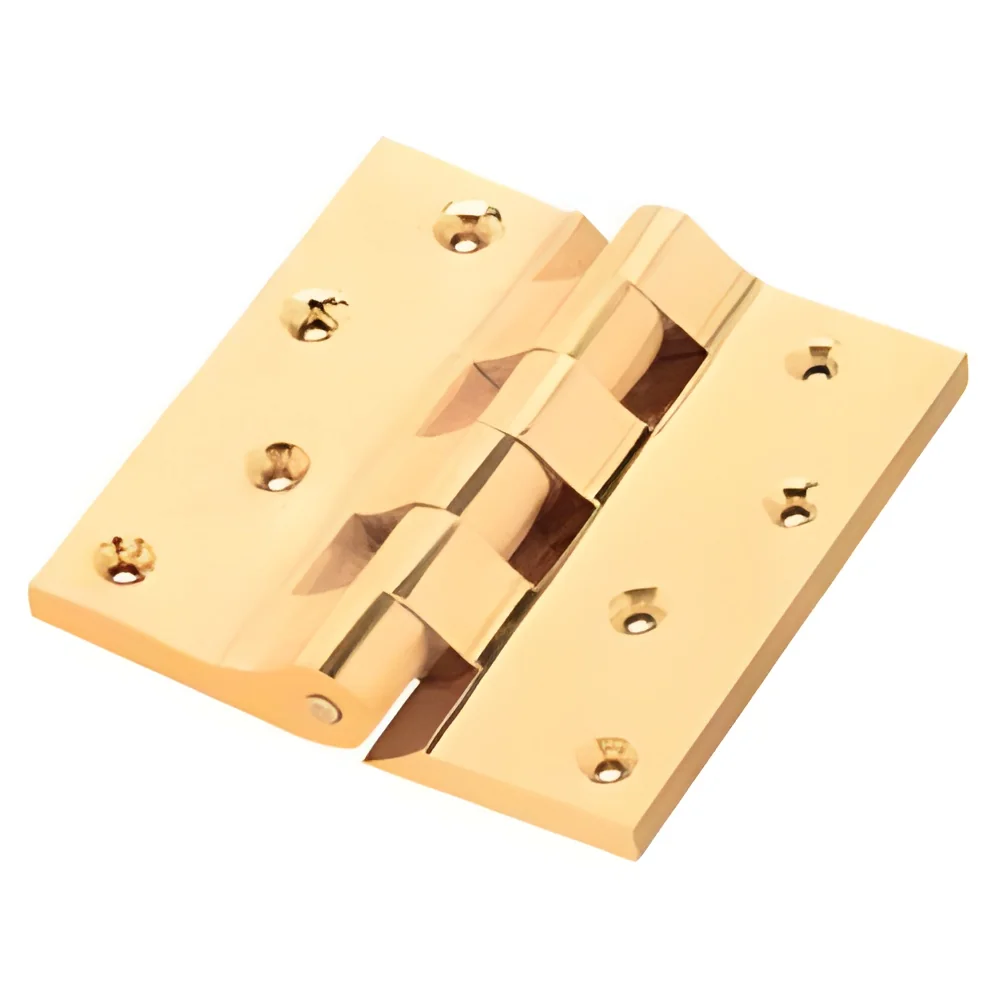
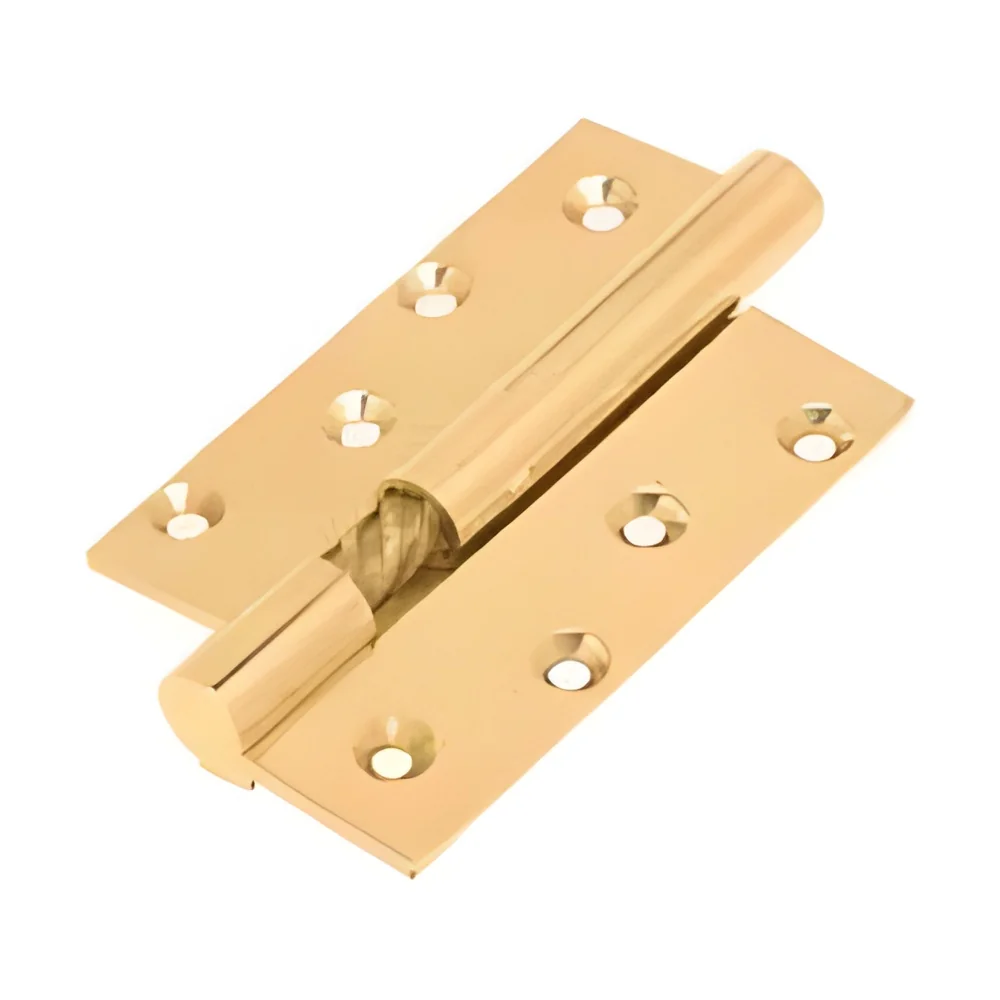
Butt hinges are the most widely used type, typically featuring two rectangular plates. They are ideal for standard doors, providing strength and ease of installation.
Concealed Hinges
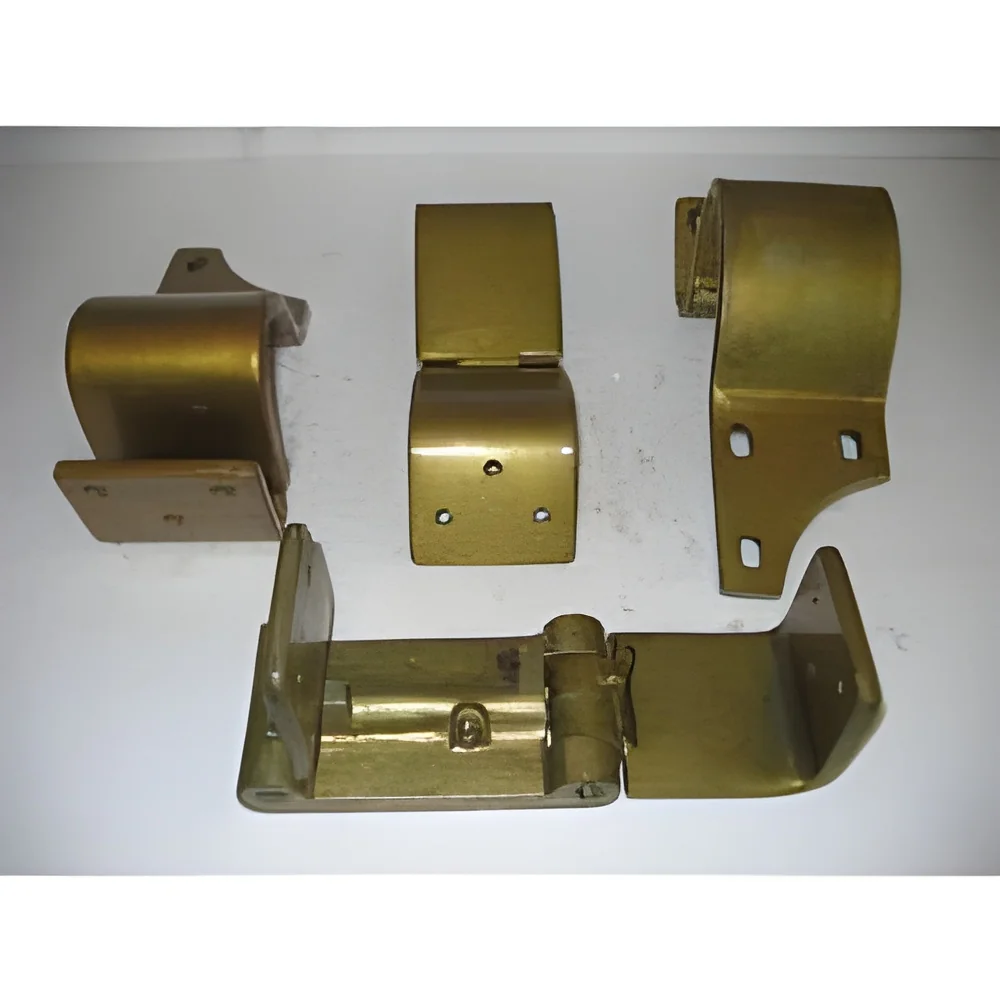
Concealed hinges offer a clean look as they are hidden from view when the door is closed. They are suitable for modern designs where aesthetics are a priority.
Piano Hinges
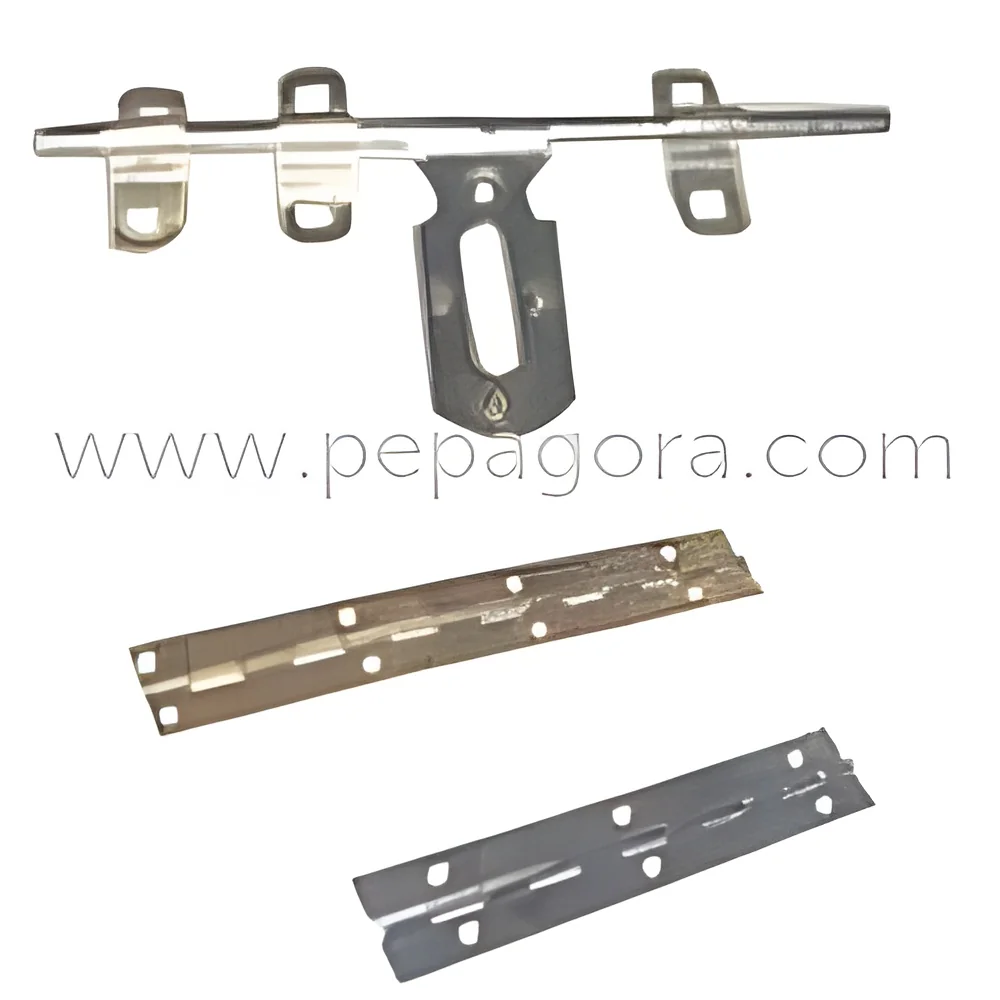
Piano hinges are long and continuous, providing support along the entire length of the door. They are particularly useful for heavy doors or applications requiring stability.
Benefits and Advantages
Choosing the right door hinge offers several advantages that enhance functionality and longevity.
1. Durability: Quality hinges are built to withstand frequent use, providing a longer lifespan and reducing the need for replacements.
2. Aesthetic Appeal: Concealed and decorative hinges can enhance the visual appeal of doors, allowing for more design flexibility.
3. Security: Heavy-duty and tamper-resistant hinges contribute to improved security, making them suitable for commercial and industrial applications.
4. Smooth Operation: Well-designed hinges ensure that doors open and close smoothly, reducing wear on the door and frame.
5. Versatility: The variety of hinge types allows for customization based on specific needs, from residential to industrial applications.
6. Easy Installation: Many hinges are designed for straightforward installation, reducing labor time and costs.
Buying Guide for B2B Buyers
When sourcing door hinges, it is essential to consider various factors to ensure that the chosen products meet operational needs.
1. Quality Assessment: Evaluate the material and construction quality of the hinges. Look for certifications that indicate compliance with industry standards.
2. Supplier Verification: It is crucial to vet suppliers thoroughly. Ensure they have a proven track record of reliability and quality.
3. Pricing and MOQ: Understand the pricing structure and minimum order quantities. Compare costs across suppliers to find the best value without compromising quality.
4. Delivery and Lead Times: Discuss logistics and delivery schedules with suppliers to ensure timely availability of products.
5. Compliance Requirements: Verify that the hinges meet any regional or industry-specific compliance standards. This may include fire safety or other regulatory requirements.
Compliance and Certifications
Door hinges must adhere to various compliance and certification standards to guarantee quality and safety.
ISO 9001 is a widely recognized standard that outlines quality management systems. Manufacturers that comply with this standard ensure consistent quality in their products, which is essential for reliable performance.
Additionally, CE certification indicates that a product meets European safety standards. This certification is crucial for businesses operating within the European market, ensuring that the hinges are safe and reliable for use.
Safety and testing requirements are also paramount, particularly in commercial and industrial settings. Manufacturers must comply with relevant safety standards to minimize risks associated with door operation.
Regional compliance considerations may vary based on local regulations. Businesses should stay informed about any specific requirements that apply to their industry and location to ensure compliance.
Why Source Door Hinges (Butt, Concealed, Piano) from Pepagora?
Pepagora is a trusted platform for sourcing door hinges, offering several key advantages to B2B buyers.
Verified Supplier Network: Pepagora’s rigorous supplier verification process ensures that buyers connect with reputable manufacturers. This helps mitigate risks associated with poor quality or unreliable suppliers.
Streamlined RFQ Process: The platform simplifies the quotation process, allowing buyers to submit requests for quotes easily. This feature saves time and enhances efficiency in the procurement process.
Trade Assurance and Support: Pepagora provides buyer protection, ensuring that transactions are secure. Buyers receive support throughout the purchasing journey, fostering confidence in their sourcing decisions.
Regional Coverage: With a strong presence in India, the GCC, and Southeast Asia, Pepagora offers comprehensive market access. This geographic reach enables buyers to connect with local suppliers, ensuring timely delivery and reduced shipping costs.

Frequently Asked Questions
What are Door Hinges (Butt, Concealed, Piano)?
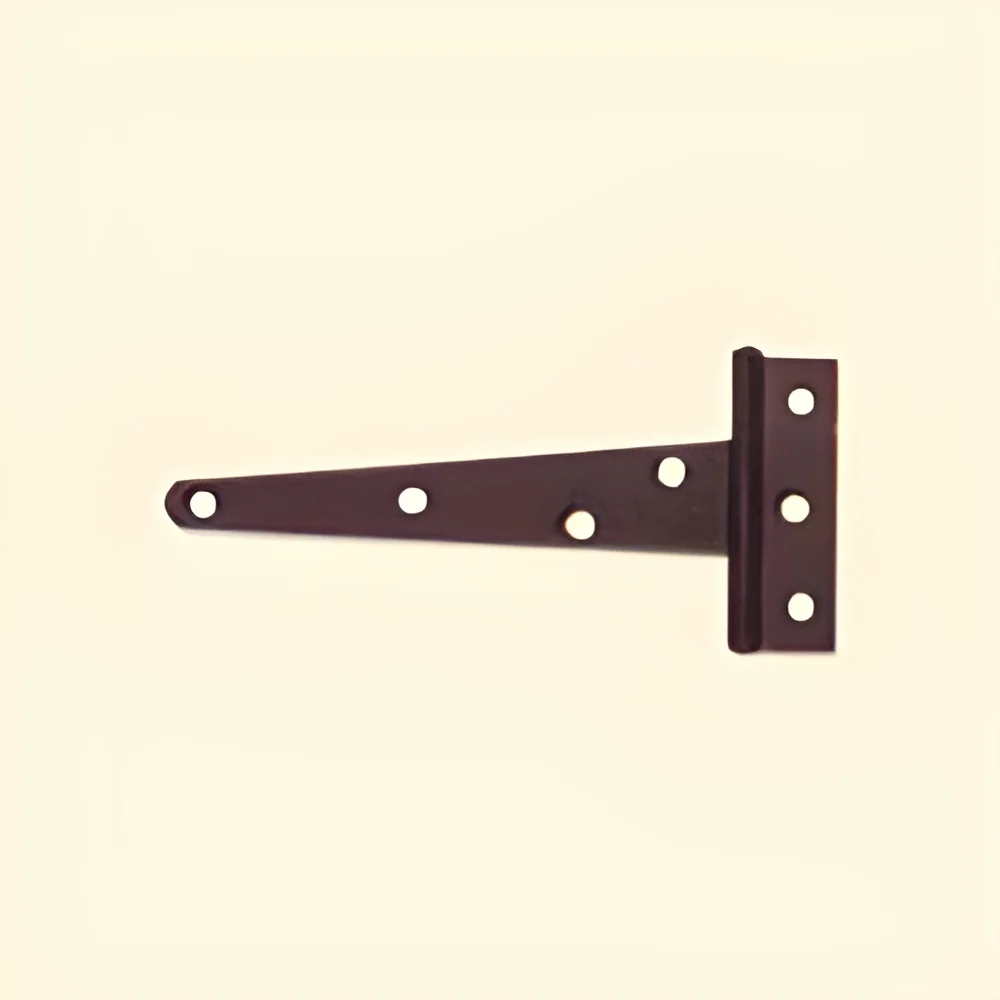
Door Hinges (Butt, Concealed, Piano) are mechanical devices that allow doors to pivot open and closed. Butt hinges are typically visible on the door's surface, while concealed hinges are hidden when the door is closed. Piano hinges, also known as continuous hinges, run the entire length of the door for added stability.
What are the different types of Door Hinges (Butt, Concealed, Piano)?
The main types of Door Hinges include Butt Hinges, which are commonly used for residential doors; Concealed Hinges, which are designed to be invisible when the door is closed; and Piano Hinges, which are continuous and provide support along the entire door length. Each type has unique applications depending on the door design and function.
How do I choose the right Door Hinges (Butt, Concealed, Piano)?
Choosing the right Door Hinges involves considering the door's weight, thickness, and material, as well as the desired aesthetic. Additionally, assess the hinge's load-bearing capacity and whether you prefer a visible or concealed installation. It's also important to match the hinge type with the intended use, such as heavy-duty or decorative applications.
What are the standard specifications for Door Hinges (Butt, Concealed, Piano)?
Standard specifications for Door Hinges include dimensions such as leaf size, pin diameter, and overall length. Material specifications often include stainless steel, brass, or zinc alloy, which impact durability and corrosion resistance. Additionally, hinge type and weight capacity are critical specifications to ensure functionality.
What is the price range for Door Hinges (Butt, Concealed, Piano)?
The price range for Door Hinges can vary widely based on type, material, and brand. Generally, Butt Hinges might cost between INR 20 to INR 300, Concealed Hinges can range from INR 100 to INR 800, while Piano Hinges may start around INR 50 and go up to INR 2000 or more for longer lengths. Bulk purchases often provide cost savings.
What quality standards apply to Door Hinges (Butt, Concealed, Piano)?
Quality standards for Door Hinges typically include compliance with industry specifications such as IS 631 (for steel hinges) or IS 2040 (for brass hinges) in India. Additionally, hinges should meet criteria for load capacity, corrosion resistance, and durability. Certification from recognized bodies can also indicate adherence to quality standards.
Where can I find Door Hinges (Butt, Concealed, Piano) suppliers in India?
You can find Door Hinges suppliers in India through various online B2B marketplaces like Pepagora.com, trade directories, or industry-specific exhibitions. Additionally, local hardware stores and manufacturers often carry a range of hinges and can provide customized solutions based on your needs.
Can Door Hinges (Butt, Concealed, Piano) be customized?
Yes, Door Hinges can often be customized to meet specific requirements, such as size, finish, and load capacity. Many manufacturers offer customization options for bulk orders, allowing you to select features that match your project's specifications and design preferences.
What is the typical minimum order quantity for Door Hinges (Butt, Concealed, Piano)?
The typical minimum order quantity (MOQ) for Door Hinges can vary by supplier and hinge type. Generally, MOQs range from 50 to 100 pieces for standard hinges, while custom orders may require higher quantities. It is advisable to check with individual suppliers for their specific MOQ policies.
What is the typical lead time for Door Hinges (Butt, Concealed, Piano)?
The typical lead time for Door Hinges depends on the type of hinge, order quantity, and whether the hinges are standard or customized. Generally, lead times can range from 2 to 6 weeks for standard orders, while customized orders may take longer. It is recommended to confirm lead times with suppliers during the ordering process.
Why Businesses Trust Pepagora
Thousands of companies trust Pepagora to source smarter and sell faster
Expand Your Sales Globally

Source Smarter,Grow Faster
