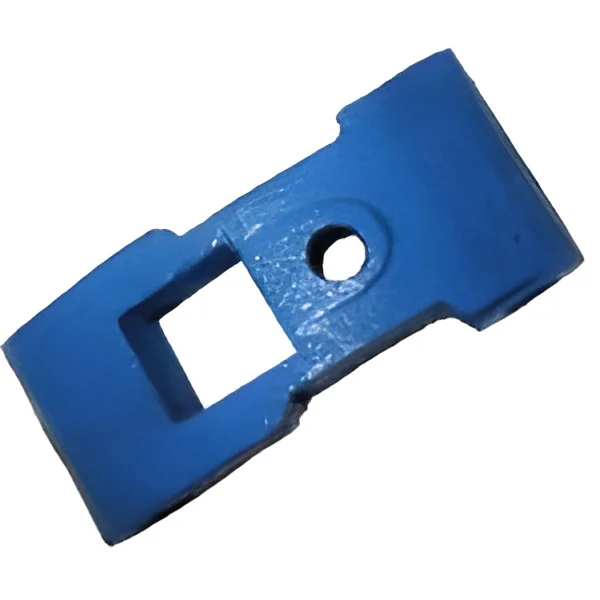
What are Gate Hinges?
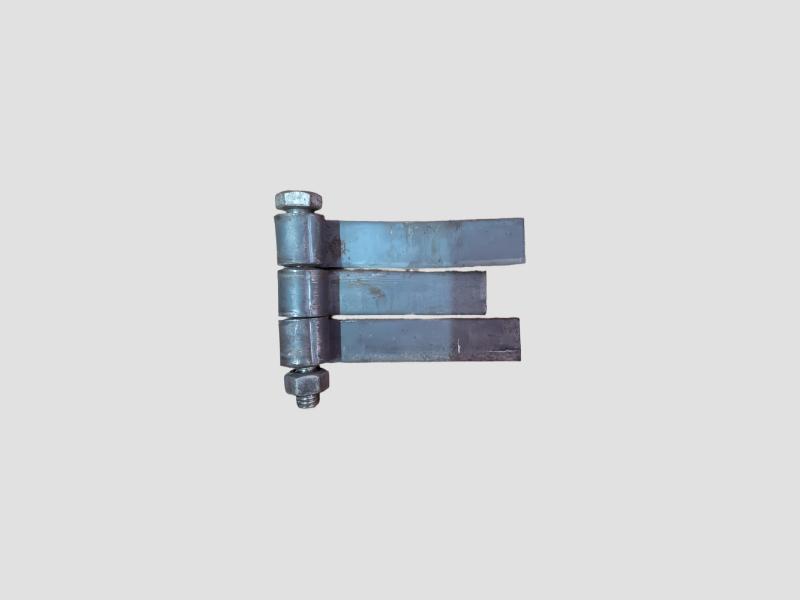
Gate hinges are mechanical devices that allow gates to swing open and closed while providing support and stability. They are essential components in various applications, including residential, commercial, and industrial settings. Gate hinges come in various designs, sizes, and materials to accommodate different types of gates, such as wooden, metal, or vinyl gates.
The primary uses of gate hinges include securing access points, controlling entry and exit, and facilitating the movement of gates in various environments. They are commonly found in applications like fences, driveways, gardens, and industrial facilities. Businesses rely on gate hinges for security, safety, and functionality, making them a critical element in property management and access control.
In the context of the market, gate hinges play a significant role across industries, including construction, manufacturing, and agriculture. Their importance is underscored by the growing demand for secure access solutions, which has led to innovations in hinge design and materials. The need for reliable and durable gate hinges is expected to continue as industries evolve and prioritize safety and efficiency.
Key Features and Specifications
Gate hinges are designed with several key features that enhance their functionality and durability. Understanding these specifications is crucial for selecting the right hinges for specific applications.
Key specifications include:
1. Material Composition
- Gate hinges are commonly made from steel, stainless steel, aluminum, or plastic.
- Each material offers different levels of strength, corrosion resistance, and weight capacity.
2. Load Capacity
- Load capacity refers to the maximum weight that the hinge can support.
- Typical ranges vary from light-duty hinges supporting up to 50 lbs to heavy-duty options that can handle over 500 lbs.
3. Hinge Type
- Different types include butt hinges, strap hinges, and continuous hinges.
- Each type serves specific purposes and design requirements.
4. Finish
- The finish can be galvanized, powder-coated, or painted.
- Finishes enhance corrosion resistance and aesthetic appeal.
5. Pin Type
- Hinges can feature removable or non-removable pins.
- Removable pins allow for easier maintenance and replacement.
6. Installation Method
- Hinges can be surface-mounted or mortised into the gate and post.
- The installation method affects the hinge's visibility and overall design.
7. Size
- Sizes range from small hinges for lightweight gates to large hinges for heavy security gates.
- Proper sizing is essential for functionality and aesthetics.
8. Adjustability
- Some gate hinges offer adjustable features to accommodate settling or misalignments.
- Adjustable hinges prolong the life of the gate and maintain proper operation.
In summary, understanding these key features and specifications is essential for selecting the right gate hinges that meet specific operational needs and industry standards.
Common Applications and Use Cases
Gate hinges find applications across multiple sectors, serving various needs and requirements.
1. Residential: In homes, gate hinges are used for garden gates, pool gates, and driveway gates. They provide security and ease of access while enhancing the property's aesthetic appeal.
2. Commercial: Businesses use gate hinges for access control in parking lots, warehouses, and office buildings. They ensure secure entry points while facilitating smooth operation.
3. Agricultural: In agriculture, gate hinges are essential for livestock enclosures, barn doors, and field gates. They allow for easy access while keeping animals secure.
4. Industrial: Heavy-duty gate hinges are used in industrial settings for security gates, loading docks, and storage facilities. They are designed to withstand high traffic and heavy loads.
5. Construction: Contractors utilize gate hinges for temporary gates on construction sites. They provide secure access for workers and materials while ensuring safety.
6. Recreational: In parks and recreational areas, gate hinges are used for entrance gates to playgrounds, sports fields, and nature reserves. They help control access and ensure safety.
7. Security: High-security applications often require specialized gate hinges for gates in correctional facilities, military bases, and high-value storage areas.
Product Variants and Subcategories
Gate hinges come in diverse variants to meet different operational needs and environments.
Heavy-Duty Hinges
These hinges are designed to support larger gates and withstand heavy use. They are often made of high-strength materials and feature advanced designs for enhanced durability and security.
Self-Closing Hinges
These hinges automatically close the gate after it has been opened. They are commonly used in pool areas and commercial settings, promoting safety by ensuring gates remain closed.
Adjustable Hinges
These hinges allow for fine-tuning of gate alignment after installation. They are ideal for situations where settling or misalignment could occur, ensuring optimal function over time.
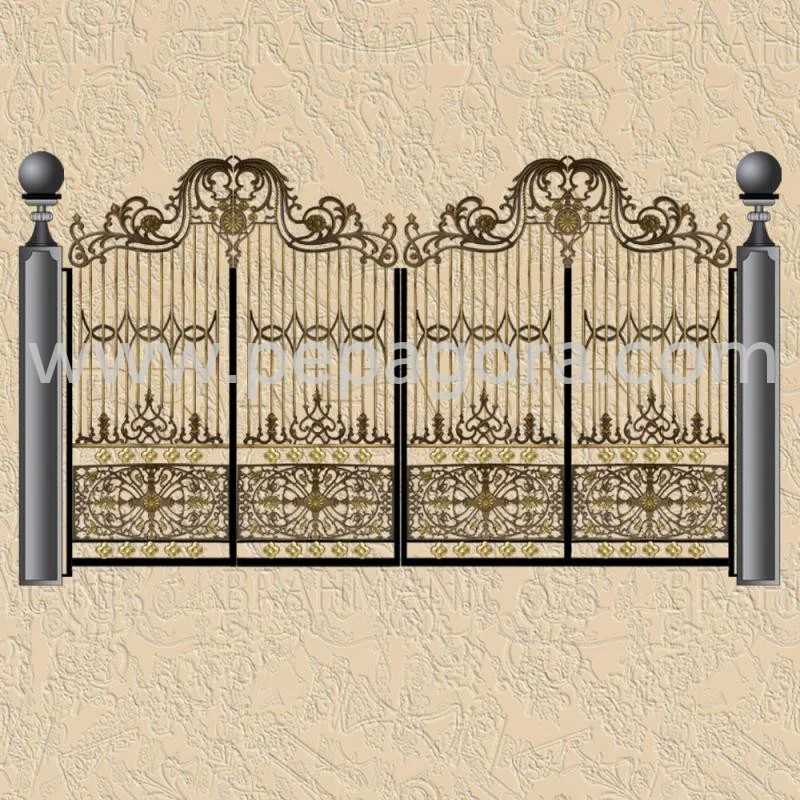
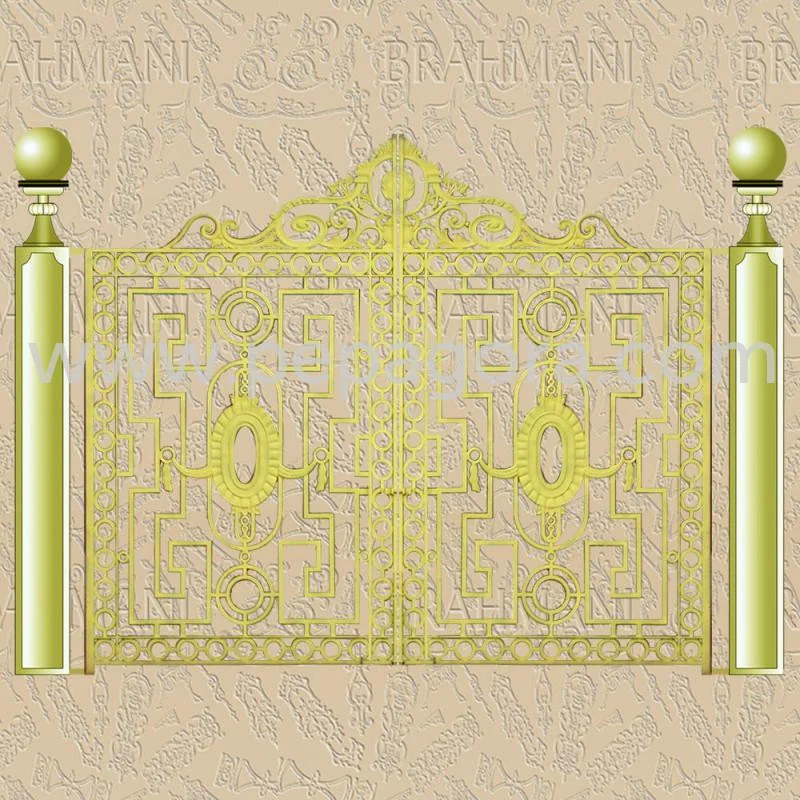
Decorative Hinges
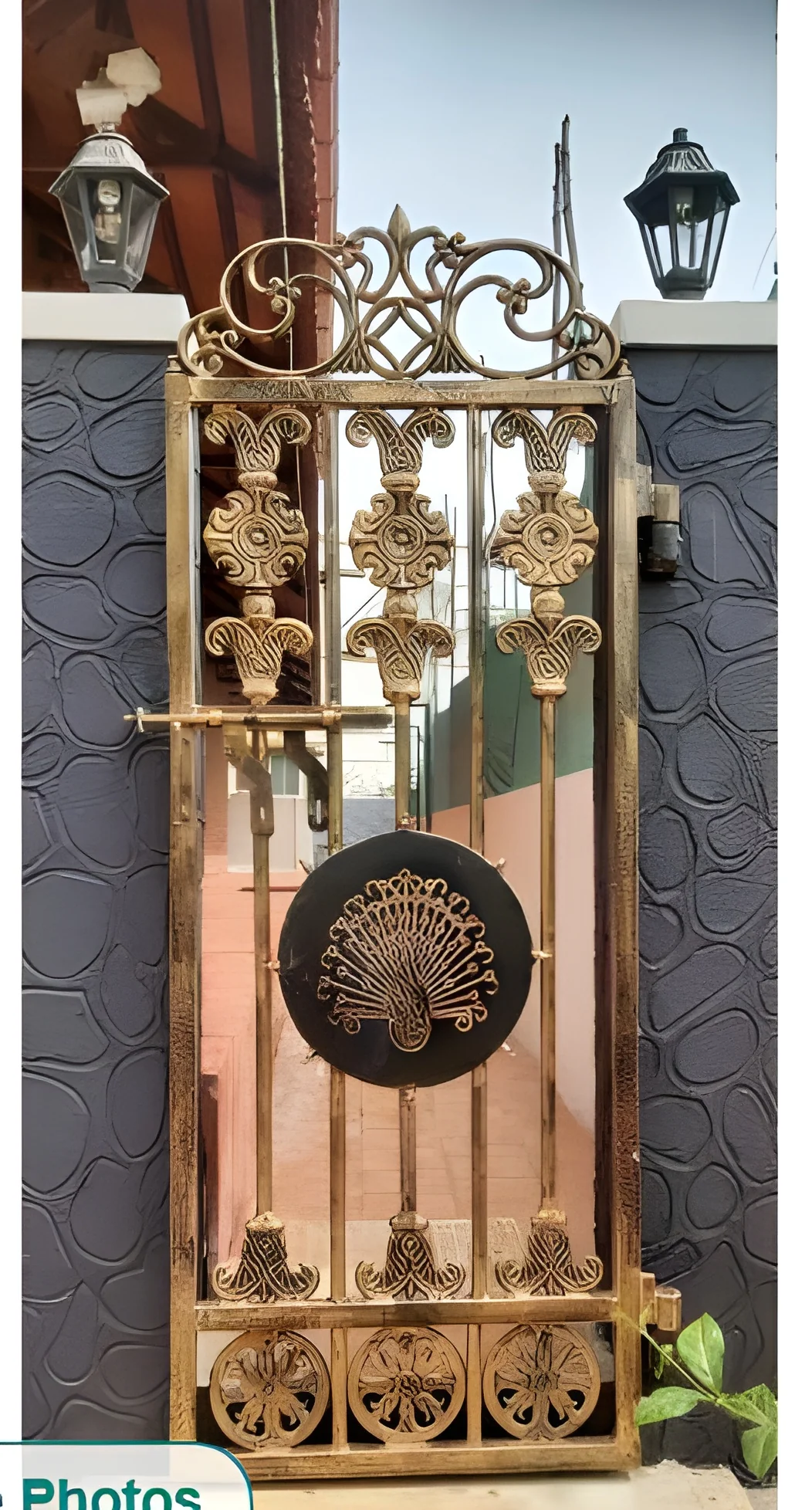
These hinges feature ornamental designs and finishes, adding aesthetic value to gates in residential and commercial settings. They combine functionality with visual appeal.
Benefits and Advantages
Gate hinges offer numerous benefits that enhance their value in various applications.
1. Durability: Gate hinges are built to withstand various weather conditions and heavy use, ensuring a long lifespan.
2. Security: High-quality hinges provide robust support, enhancing the security of gates and access points.
3. Easy Installation: Many gate hinges are designed for straightforward installation, reducing labor costs and time.
4. Versatility: With various designs and materials, gate hinges can be used in multiple applications across different industries.
5. Low Maintenance: Quality hinges require minimal maintenance, allowing for lower operational costs and less downtime.
6. Safety: Properly installed hinges contribute to the safe operation of gates, reducing the risk of accidents.
Buying Guide for B2B Buyers
When sourcing gate hinges, several factors should be considered to ensure the best selection for your needs.
1. Quality Assessment: Evaluate the quality of materials and manufacturing processes. Look for certifications such as CE to ensure compliance with industry standards.
2. Supplier Verification: Vet suppliers by checking their reputation, customer reviews, and experience in the industry. Reliable suppliers will have a proven track record.
3. Pricing and MOQ: Understand the price range for different types of hinges and inquire about minimum order quantities. This helps in budgeting and meeting demand.
4. Delivery and Lead Times: Confirm delivery schedules and lead times to avoid project delays. Reliable logistics are crucial for timely project completion.
5. Compliance Requirements: Ensure that the hinges meet local and international regulations. Compliance with safety and quality standards is essential for operational integrity.
Compliance and Certifications
Gate hinges must adhere to various quality standards and industry certifications to ensure reliability and safety.
ISO 9001 certification is often applicable, indicating that a manufacturer has implemented a quality management system that meets international standards. This certification ensures that the products are consistently produced and controlled according to quality standards.
CE marking is another important certification, particularly in the European market. It indicates that the product complies with EU safety, health, and environmental requirements.
Safety and testing requirements also play a vital role in the production of gate hinges. Manufacturers are typically required to conduct rigorous testing to ensure their products can withstand specified loads and environmental conditions.
Additionally, regional compliance considerations may vary. Buyers should be aware of local regulations that may affect the selection and use of gate hinges to ensure compliance and safety.
Why Source Gate Hinges from Pepagora?
Pepagora offers a trusted platform for sourcing gate hinges, providing several key advantages for B2B buyers.
Verified Supplier Network: Pepagora has established a network of verified suppliers, ensuring that buyers have access to high-quality products from reputable manufacturers. This verification process helps mitigate risks associated with sourcing.
Streamlined RFQ Process: The platform features a streamlined Request for Quotation (RFQ) process, allowing buyers to easily compare offers from multiple suppliers. This efficiency saves time and facilitates informed decision-making.
Trade Assurance and Support: Pepagora provides trade assurance, offering buyers protection during transactions. This support ensures that buyers can source with confidence, knowing they are safeguarded against potential issues.
Regional Coverage: With a broad geographic reach across India, the GCC, and Southeast Asia, Pepagora connects buyers with suppliers in key markets. This regional expertise enhances the sourcing experience and supports diverse business needs.

 IN
IN