
 IN
Welding Electrodes & Rods
4 products available
What are Welding Electrodes & Rods?
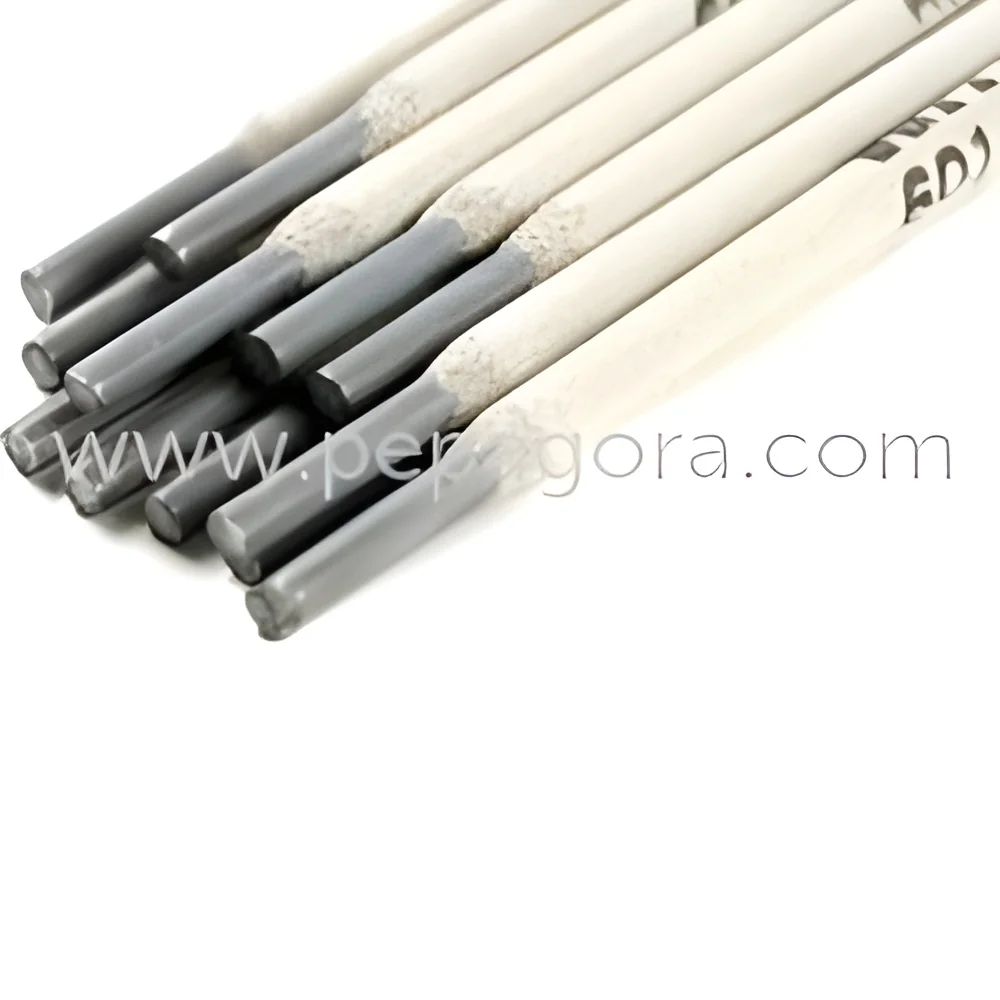
Welding electrodes and rods are essential tools in the welding process, used to join two or more pieces of metal through the application of heat. An electrode is typically a coated metal rod that conducts electricity, creating the arc necessary for welding. The coating serves multiple purposes, including stabilizing the arc, providing a protective gas shield, and adding alloying elements to the weld. Welding rods specifically refer to solid rods used in processes like gas metal arc welding (GMAW) and shielded metal arc welding (SMAW).
These products have a wide range of applications across various industries, including manufacturing, construction, and automotive. They are crucial for tasks such as repairing equipment, fabricating structures, and creating intricate designs in metalwork. As industries continue to evolve, the demand for high-quality welding electrodes and rods increases, highlighting their significance in modern manufacturing processes.
In the current market, welding electrodes and rods are considered vital components for achieving strong, durable welds. As companies strive for efficiency and quality in their operations, the selection of the right welding electrodes and rods becomes increasingly important. The industry is characterized by technological advancements, leading to the development of specialized products tailored to meet the specific needs of different welding applications.
Key Features and Specifications
Welding electrodes and rods come with various features and specifications that cater to specific welding needs. Understanding these specifications helps businesses select the right products for their applications.
Key specifications include:
1. Coating Type
- Determines the arc stability and the type of protection offered during welding
- Common coatings include cellulose, rutile, and basic
2. Diameter
- Influences the amount of heat and penetration achieved during welding
- Common diameters range from 1.6 mm to 5.0 mm
3. Material Composition
- Affects the strength and corrosion resistance of the weld
- Common materials include mild steel, stainless steel, and alloy steel
4. Current Type
- Specifies whether the electrode is suitable for alternating current (AC) or direct current (DC) welding
- Important for ensuring compatibility with welding equipment
5. Tensile Strength
- Indicates the load-bearing capacity of the weld
- Measured in megapascals (MPa), typically ranging from 400 MPa to 700 MPa
6. Welding Position
- Identifies the recommended welding positions (flat, horizontal, vertical, overhead)
- Critical for ensuring successful welding in various applications
7. Heat Input
- Relates to the amount of heat applied during welding
- Important for preventing warping and achieving optimal results
8. Compliance with Standards
- Indicates adherence to industry standards such as CE certification
- Ensures product reliability and safety in applications
In summary, understanding the features and specifications of welding electrodes and rods is essential for making informed purchasing decisions. Proper selection leads to improved welding performance and quality.
Common Applications and Use Cases
Welding electrodes and rods serve various industries, each with its unique applications.
1. Construction: Welding electrodes are used for structural steel fabrication, ensuring strong connections in buildings and bridges. They are essential for both new construction and renovation projects.
2. Automotive: In the automotive industry, welding rods are employed for manufacturing and repairing vehicle components. They are crucial for maintaining safety and structural integrity in vehicles.
3. Manufacturing: Welding electrodes play a vital role in the production of machinery and equipment. They help create strong joints in various manufacturing processes, enhancing durability.
4. Shipbuilding: In shipbuilding, welding rods are used for joining metal plates and structures, ensuring seaworthiness and compliance with safety standards.
5. Aerospace: The aerospace industry relies on specialized welding electrodes for creating lightweight and strong components that meet stringent safety regulations.
6. Oil and Gas: In the oil and gas sector, welding rods are essential for constructing pipelines and refineries, where durability and resistance to extreme conditions are critical.
7. Heavy Equipment: Equipment manufacturers use welding electrodes to fabricate and repair heavy machinery, ensuring operational efficiency and longevity.
Product Variants and Subcategories
Welding electrodes and rods come in a variety of types to meet diverse requirements.
Mild Steel Electrodes
These electrodes are designed for general-purpose welding of mild steel. They offer excellent arc stability and are widely used in construction and manufacturing applications.
Stainless Steel Electrodes
These rods are specially formulated for welding stainless steel. They provide corrosion resistance and are ideal for applications in food processing, pharmaceuticals, and marine environments.
Specialty Electrodes
Specialty electrodes are designed for specific welding tasks, such as hardfacing or welding high-strength alloys. They are used in demanding applications requiring specialized properties.
Benefits and Advantages
Welding electrodes and rods offer numerous benefits that enhance the welding process and outcomes.
Key benefits include:
1. Enhanced Weld Quality: High-quality electrodes contribute to stronger and more durable welds, ensuring the integrity of the final product.
2. Versatility: Different types of electrodes allow for a wide range of applications across various industries, making them suitable for diverse welding projects.
3. Improved Efficiency: Specialized rods can significantly reduce welding time and increase productivity, leading to cost savings for businesses.
4. Consistency: Quality electrodes provide consistent performance, ensuring reliable results in every welding task.
5. Safety Features: Many welding electrodes are designed with safety in mind, reducing the risk of defects and improving overall workplace safety.
6. Compliance with Standards: Sourcing certified electrodes ensures adherence to industry regulations, enhancing product reliability and safety.
Buying Guide for B2B Buyers
When sourcing welding electrodes and rods, it is crucial for B2B buyers to consider several factors to ensure they select the best products for their needs.
1. Quality Assessment: Evaluate the quality of electrodes based on manufacturer reputation, customer reviews, and compliance with industry standards. High-quality products result in better welding performance.
2. Supplier Verification: Vet suppliers thoroughly to ensure reliability and consistency in product offerings. Look for suppliers with a proven track record and certifications.
3. Pricing and MOQ: Understand the pricing structure and minimum order quantities (MOQ) required by suppliers. This helps in budgeting and planning purchases effectively.
4. Delivery and Lead Times: Inquire about delivery schedules and lead times to ensure timely availability of products, which is crucial for project timelines.
5. Compliance Requirements: Ensure that the welding electrodes and rods meet all necessary compliance and safety regulations relevant to your industry and region.
Compliance and Certifications
Welding electrodes and rods must adhere to various quality standards and certifications to ensure safety and reliability.
Quality standards such as ISO 9001 provide a framework for assessing the effectiveness of quality management systems. Compliance with these standards indicates that manufacturers maintain high-quality production processes.
Industry certifications, including CE, demonstrate that products meet European safety and health requirements. This certification is particularly important for companies operating in or exporting to Europe.
Safety and testing requirements are critical in ensuring that welding electrodes perform safely under operational conditions. Regular testing and quality checks should be conducted to maintain compliance.
Regional compliance considerations may vary based on local regulations. Buyers should be aware of specific requirements that apply to their geographic area to ensure compliance with safety standards.
Why Source Welding Electrodes & Rods from Pepagora?
Pepagora provides a trusted platform for sourcing welding electrodes and rods, offering several key advantages to B2B buyers.
Verified Supplier Network: Pepagora boasts a network of verified suppliers, ensuring that buyers can find high-quality products from reputable manufacturers. This verification process helps mitigate risks associated with sourcing.
Streamlined RFQ Process: The platform offers a streamlined request for quotation (RFQ) process, making it easier for buyers to compare prices and specifications from multiple suppliers. This efficiency saves time and enhances decision-making.
Trade Assurance and Support: Pepagora offers trade assurance to protect buyers during transactions. This support includes dispute resolution and customer service, providing peace of mind when making purchases.
Regional Coverage: With a geographic reach that includes India, the GCC, and Southeast Asia, Pepagora connects buyers with suppliers across these regions. This broad coverage facilitates access to a diverse range of welding electrodes and rods tailored to local market needs.

 India
 India
 India
Frequently Asked Questions
What are Welding Electrodes & Rods?
Welding electrodes and rods are consumables used in the welding process to join two or more pieces of metal together. They are designed to melt and create a pool of molten metal that solidifies to form a strong bond between the workpieces.
What are the different types of Welding Electrodes & Rods?
There are several types of welding electrodes and rods, including coated electrodes, solid rods, and flux-cored wires. Each type is suited for specific welding processes such as Shielded Metal Arc Welding (SMAW), Gas Metal Arc Welding (GMAW), and others.
How do I choose the right Welding Electrodes & Rods?
Choosing the right welding electrode or rod depends on factors such as the base material, thickness, and the type of welding process being used. It's essential to consider compatibility and the specific requirements of your project when selecting the appropriate electrode.
What are the standard specifications for Welding Electrodes & Rods?
Welding electrodes and rods must conform to various national and international standards, such as ISO, AWS, and ASME. Common specifications include the diameter, coating type, and tensile strength, which determine their suitability for different applications.
What is the price range for Welding Electrodes & Rods?
The price range for welding electrodes and rods varies based on factors such as type, size, and manufacturer. Generally, prices can range from a few hundred to several thousand Indian Rupees per kilogram, depending on the specifications and quality.
What quality standards apply to Welding Electrodes & Rods?
Quality standards for welding electrodes and rods typically include adherence to specifications set by organizations like the American Welding Society (AWS) and the International Organization for Standardization (ISO). Compliance with these standards ensures reliability and performance in welding applications.
Where can I find Welding Electrodes & Rods suppliers in India?
You can find welding electrodes and rods suppliers in India through B2B marketplaces like Pepagora.com, industry trade shows, and local distributors. It's advisable to compare multiple suppliers to find the best options for your needs.
Can Welding Electrodes & Rods be customized?
Yes, welding electrodes and rods can often be customized to meet specific project requirements. Customization may include variations in size, coating, and material composition to suit particular welding applications.
What is the typical minimum order quantity for Welding Electrodes & Rods?
The typical minimum order quantity (MOQ) for welding electrodes and rods can vary by supplier but generally ranges from 5 to 50 kilograms. It's essential to check with individual suppliers for their specific MOQ policies.
What is the typical lead time for Welding Electrodes & Rods?
The typical lead time for welding electrodes and rods depends on the supplier, order quantity, and whether the items are in stock. Generally, lead times can range from a few days to several weeks, especially for custom orders.
Why Businesses Trust Pepagora
Thousands of companies trust Pepagora to source smarter and sell faster
Expand Your Sales Globally

Source Smarter,Grow Faster
