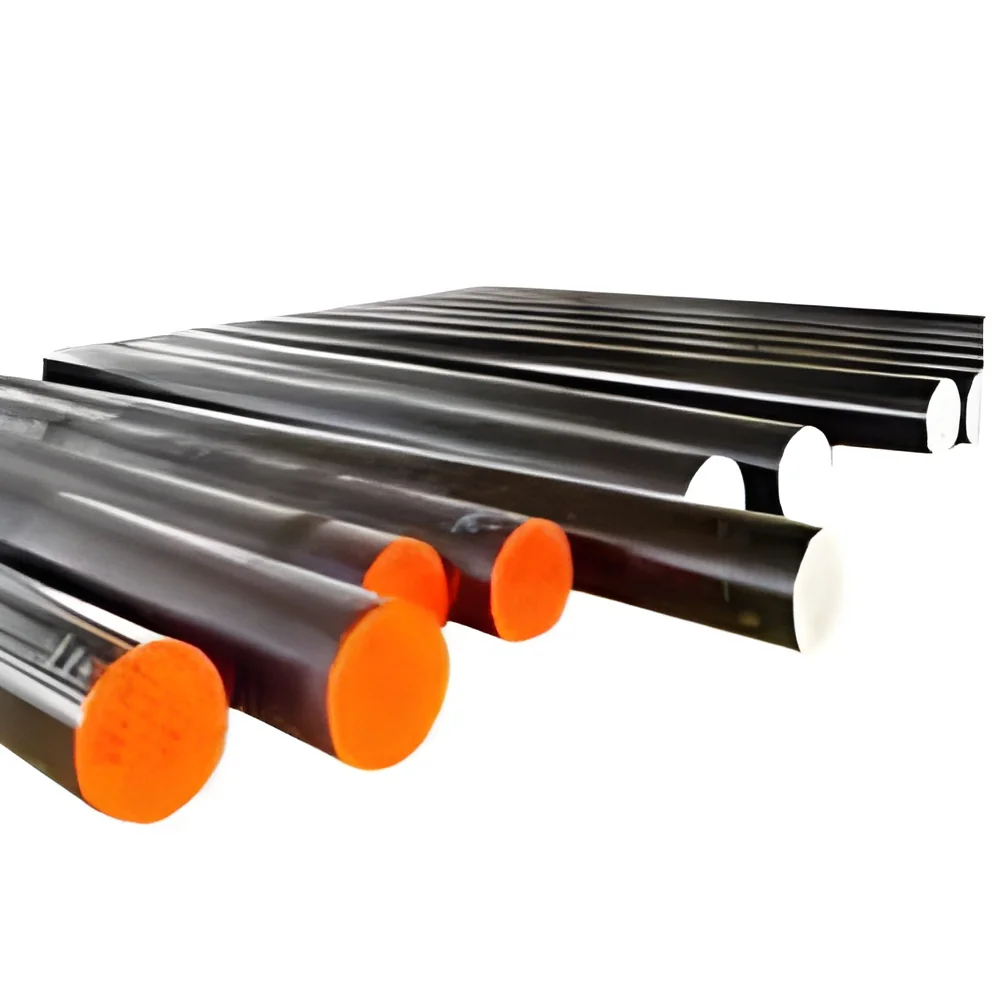
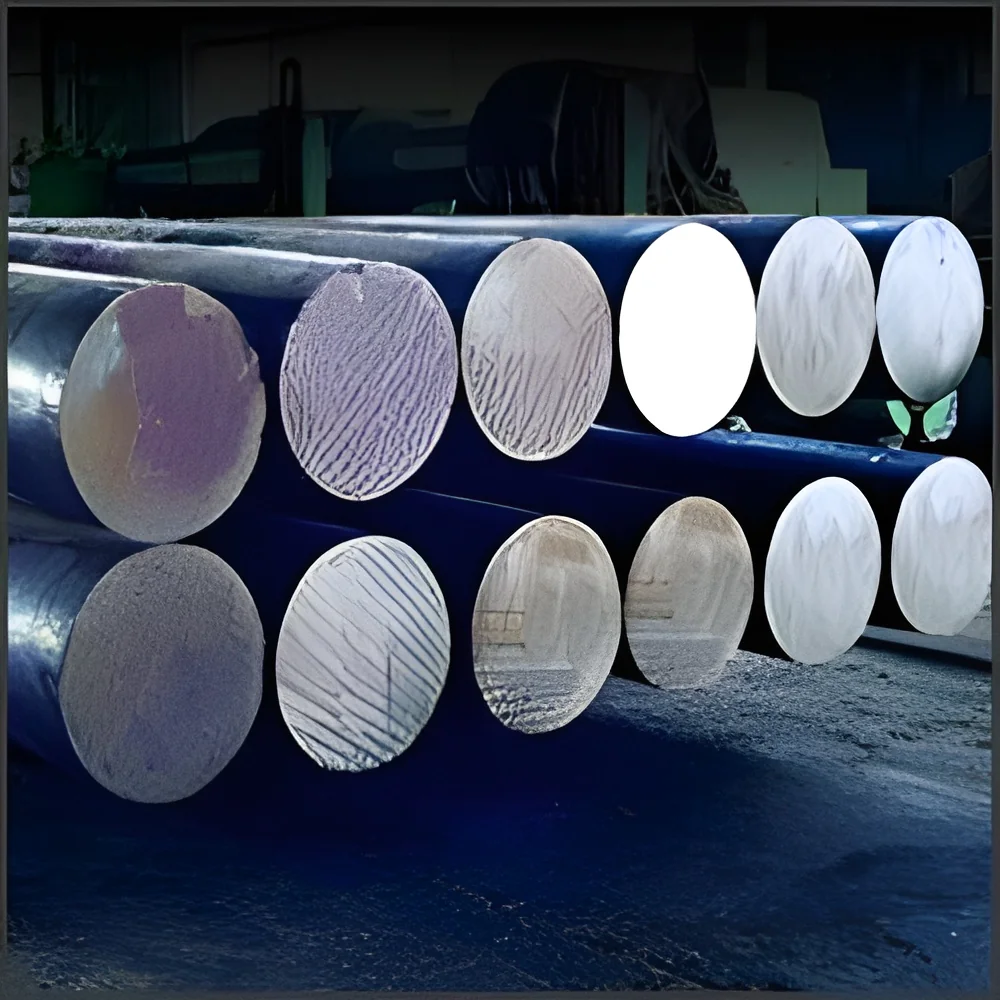
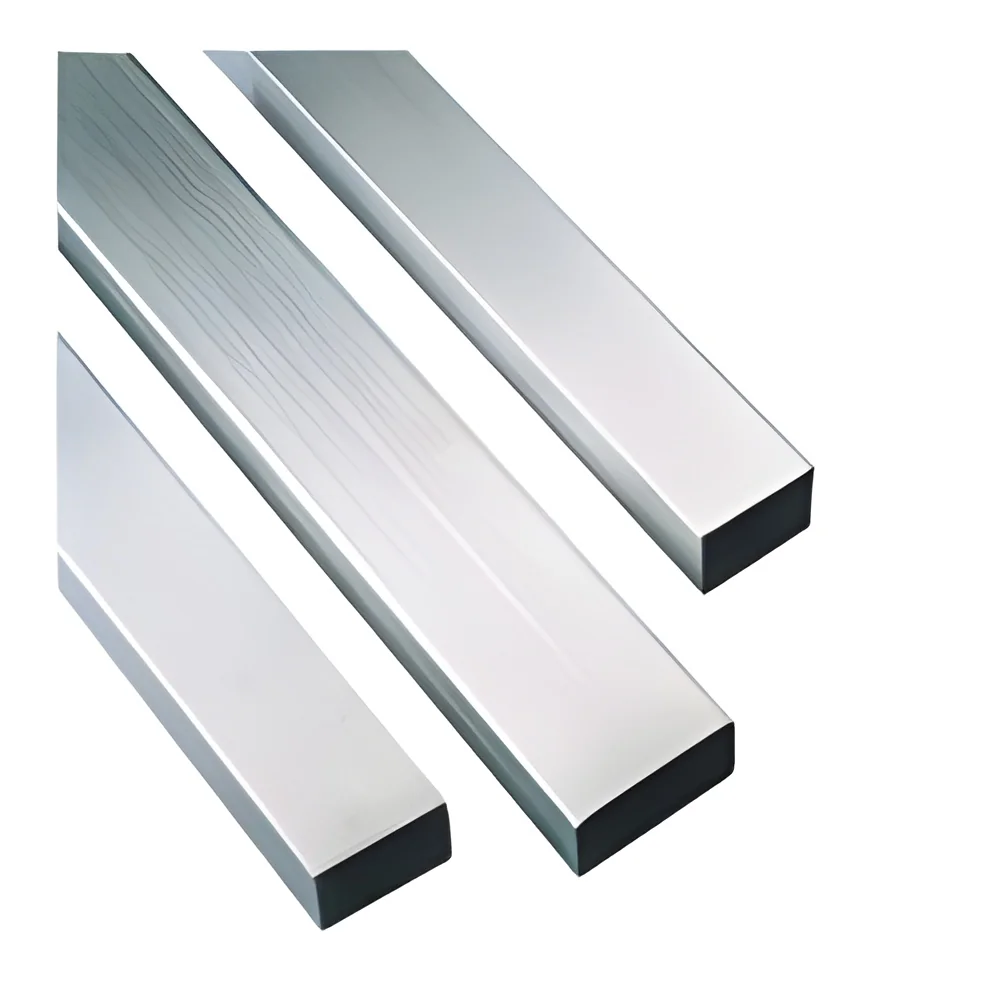
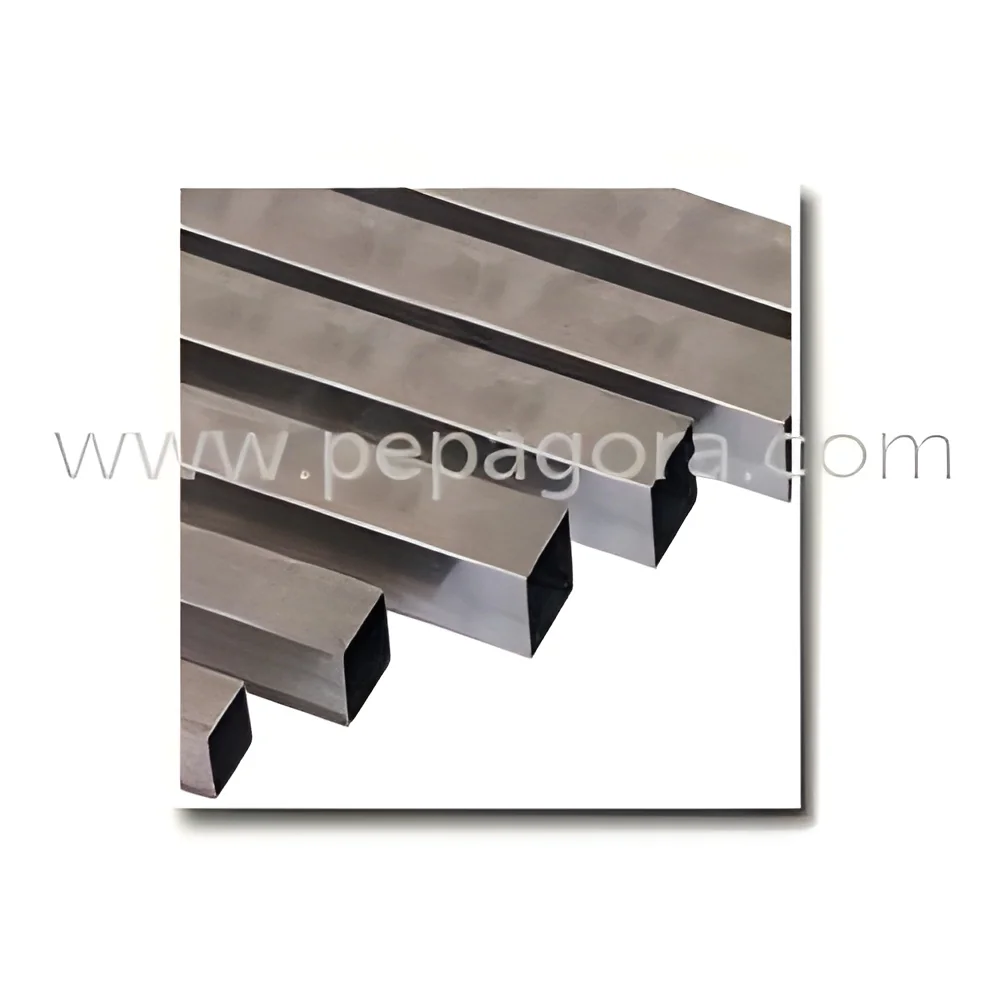
What are Reinforcement Steel Bars?
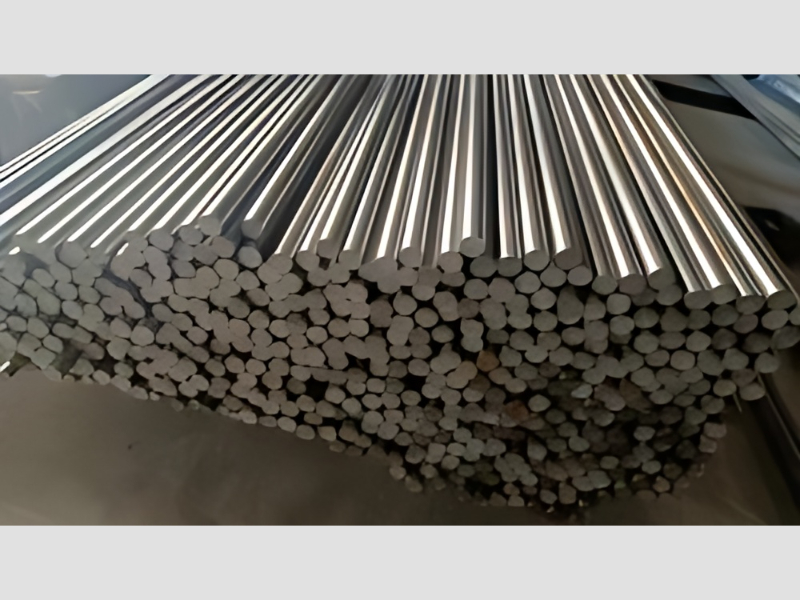
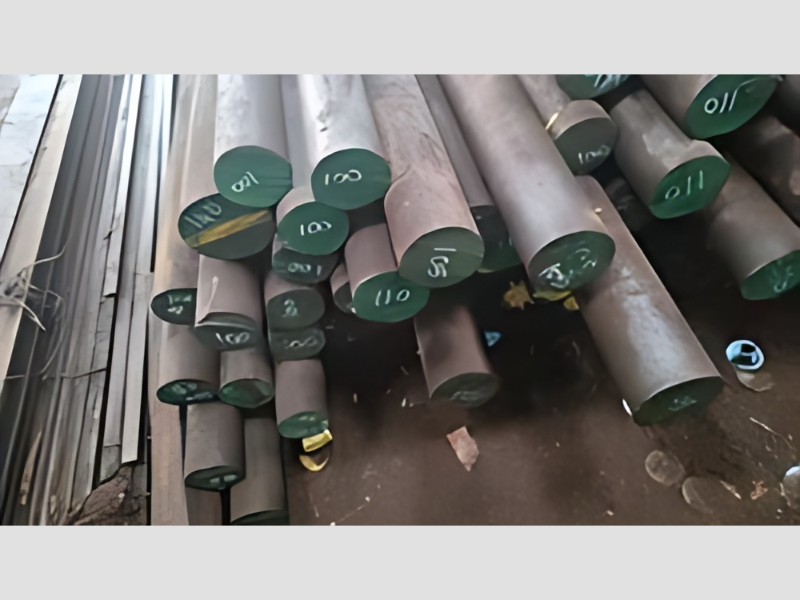
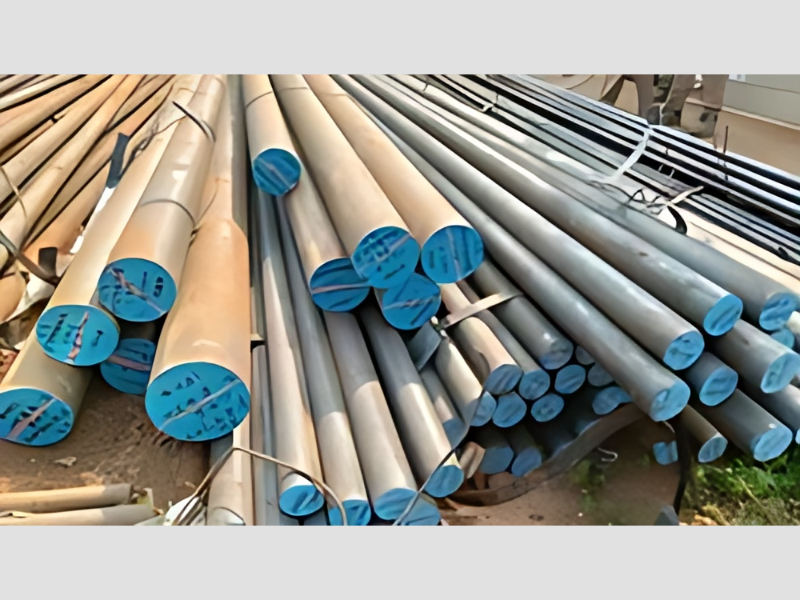
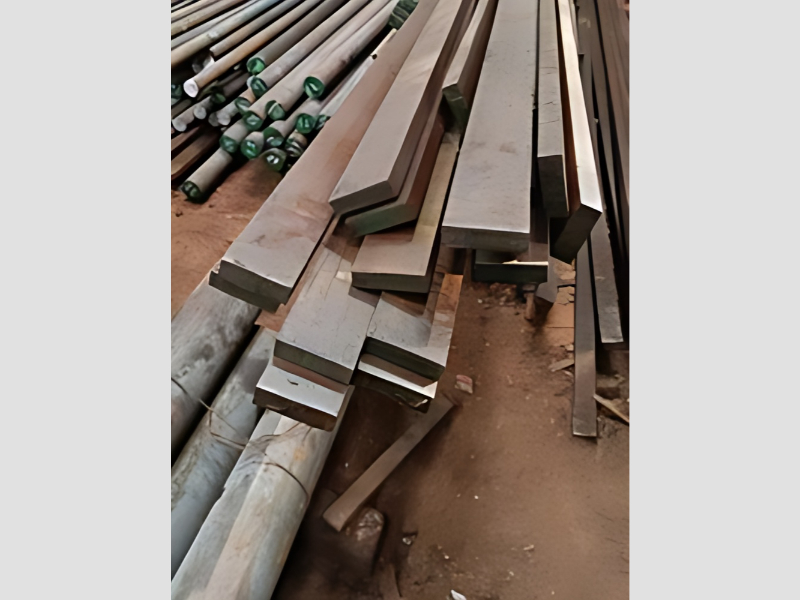
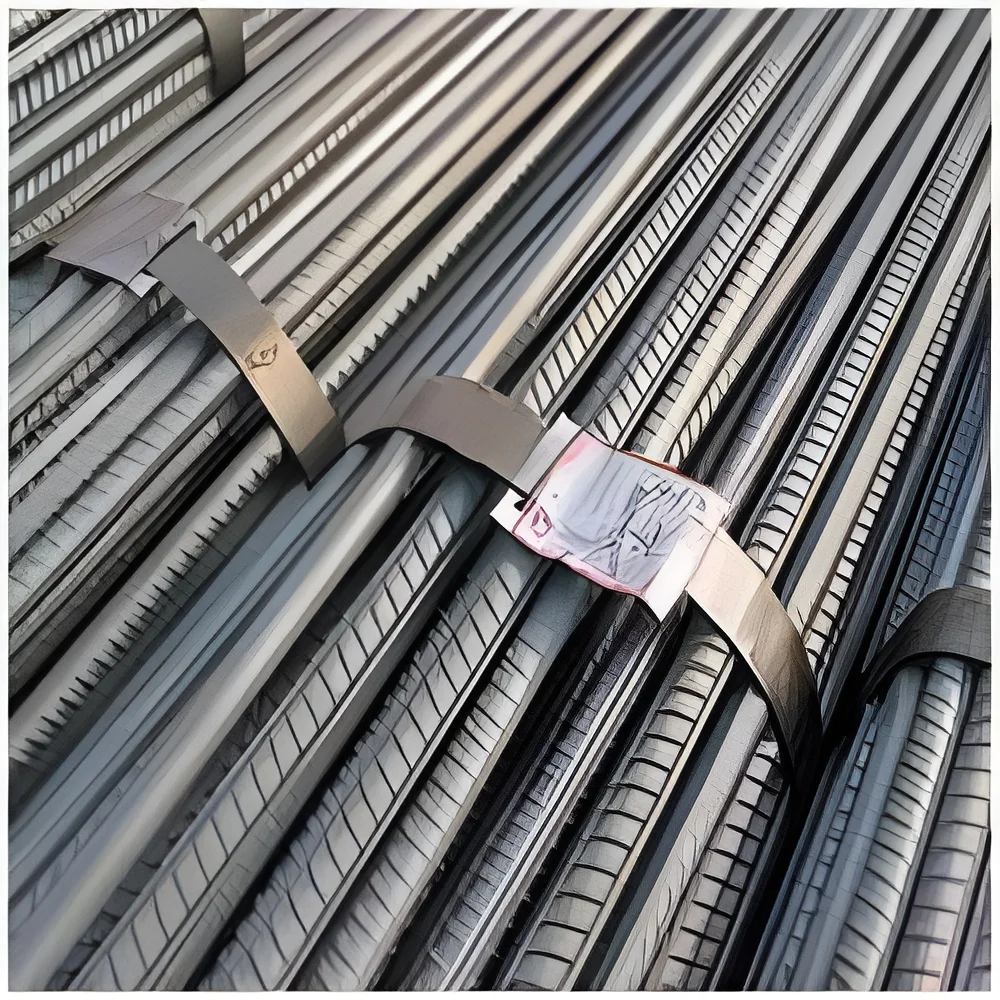
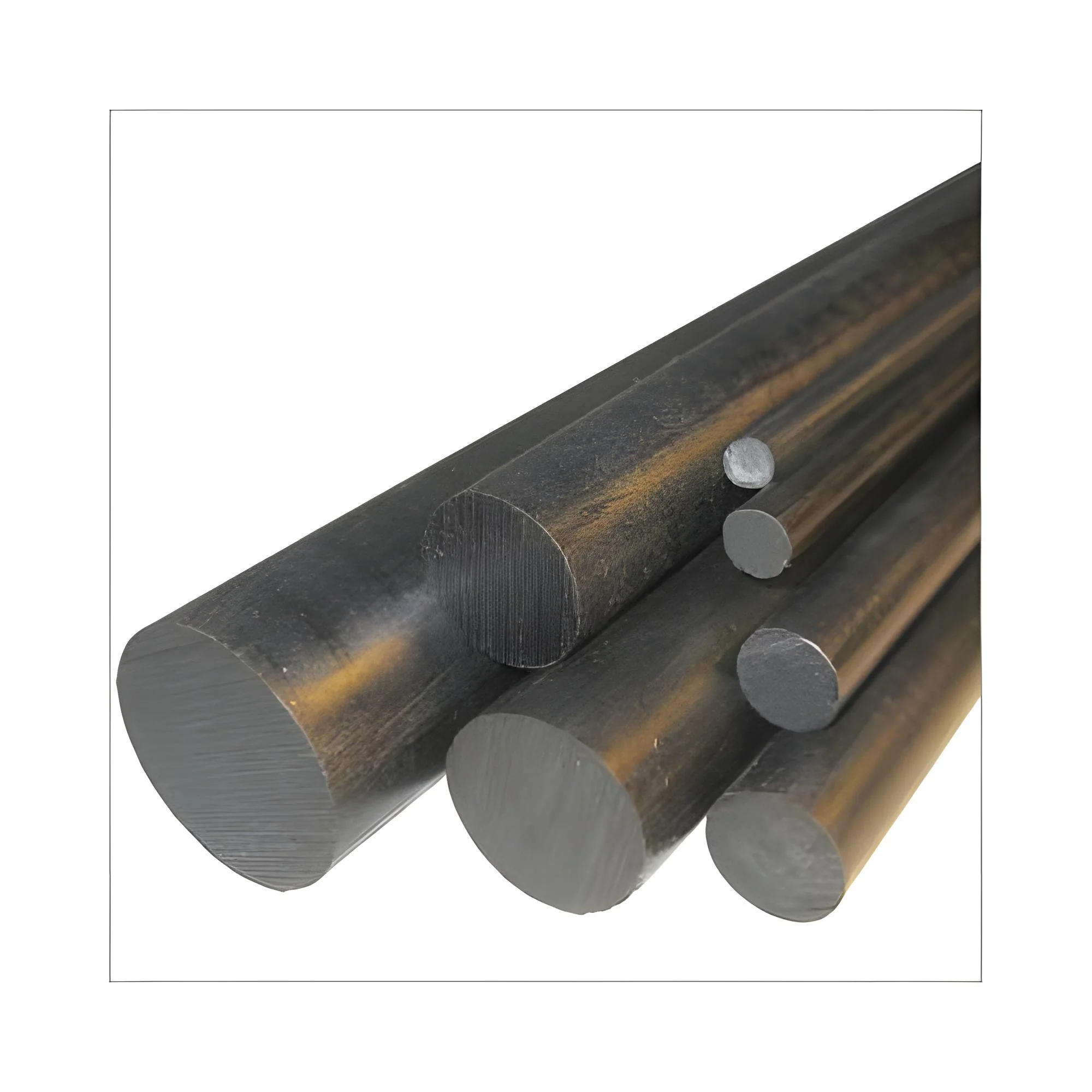
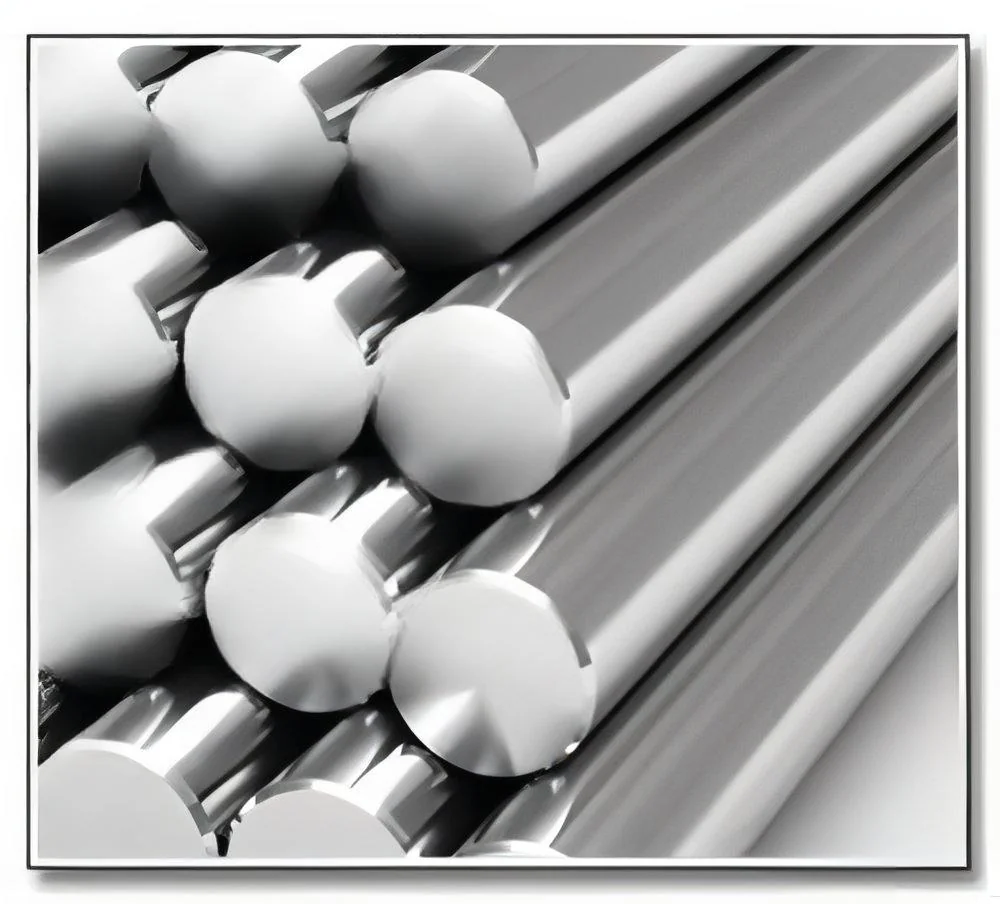
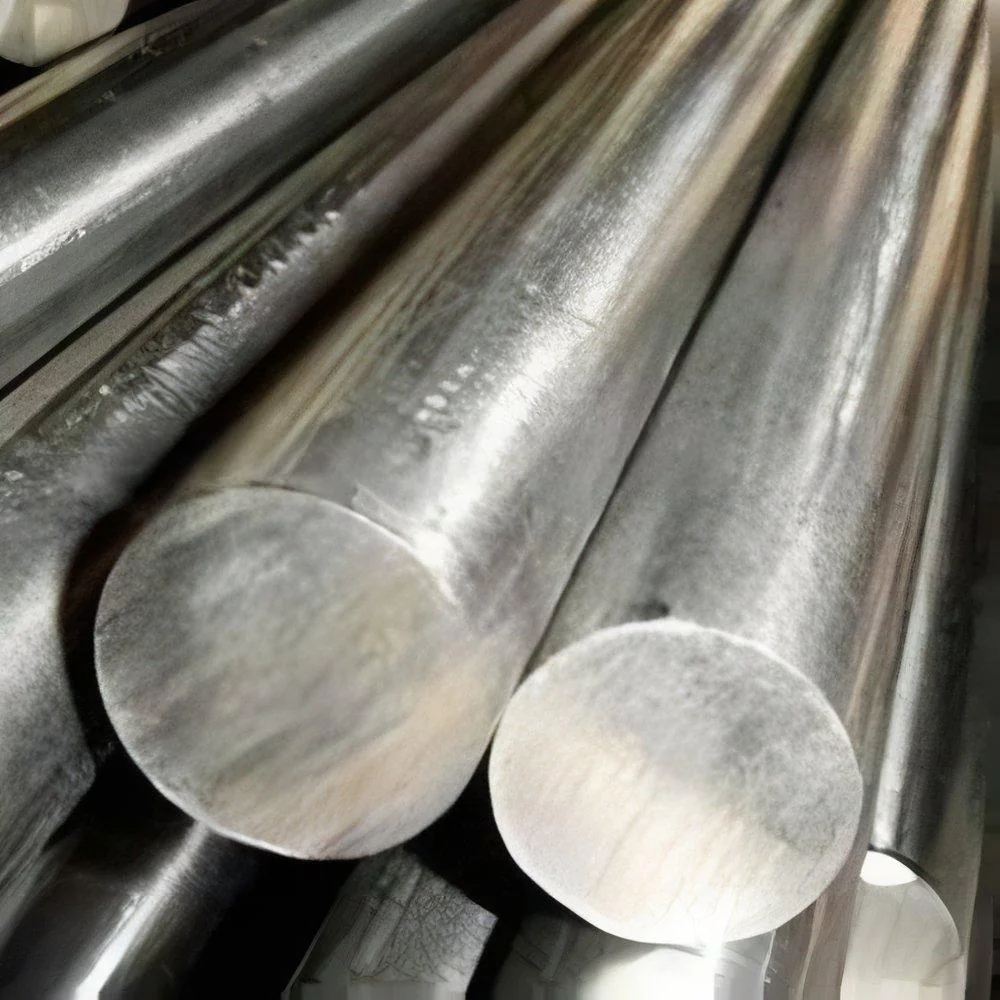
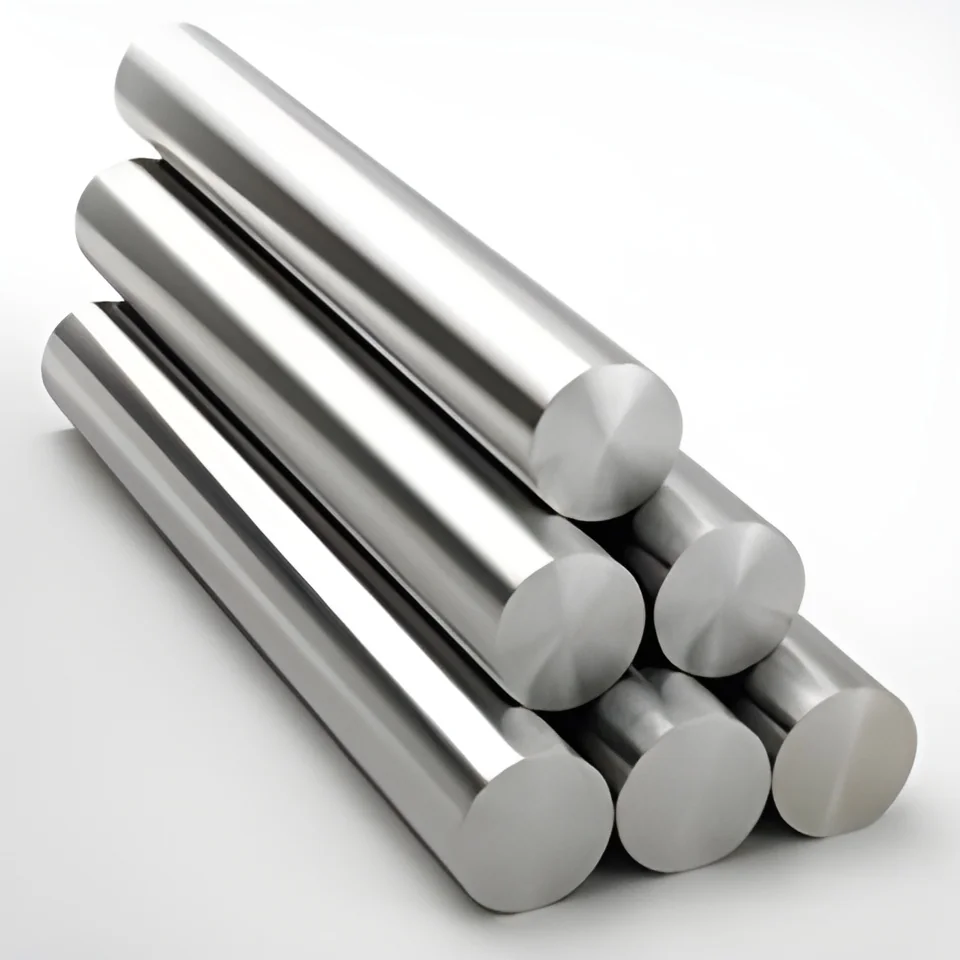
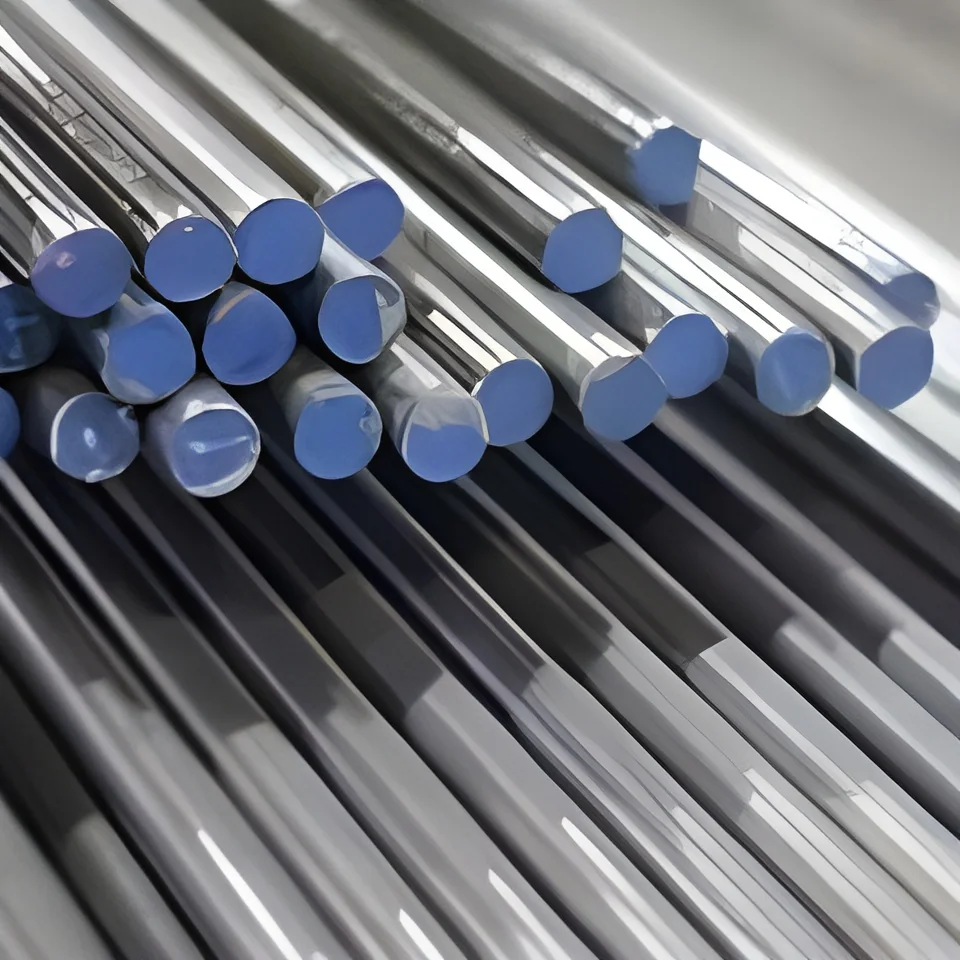
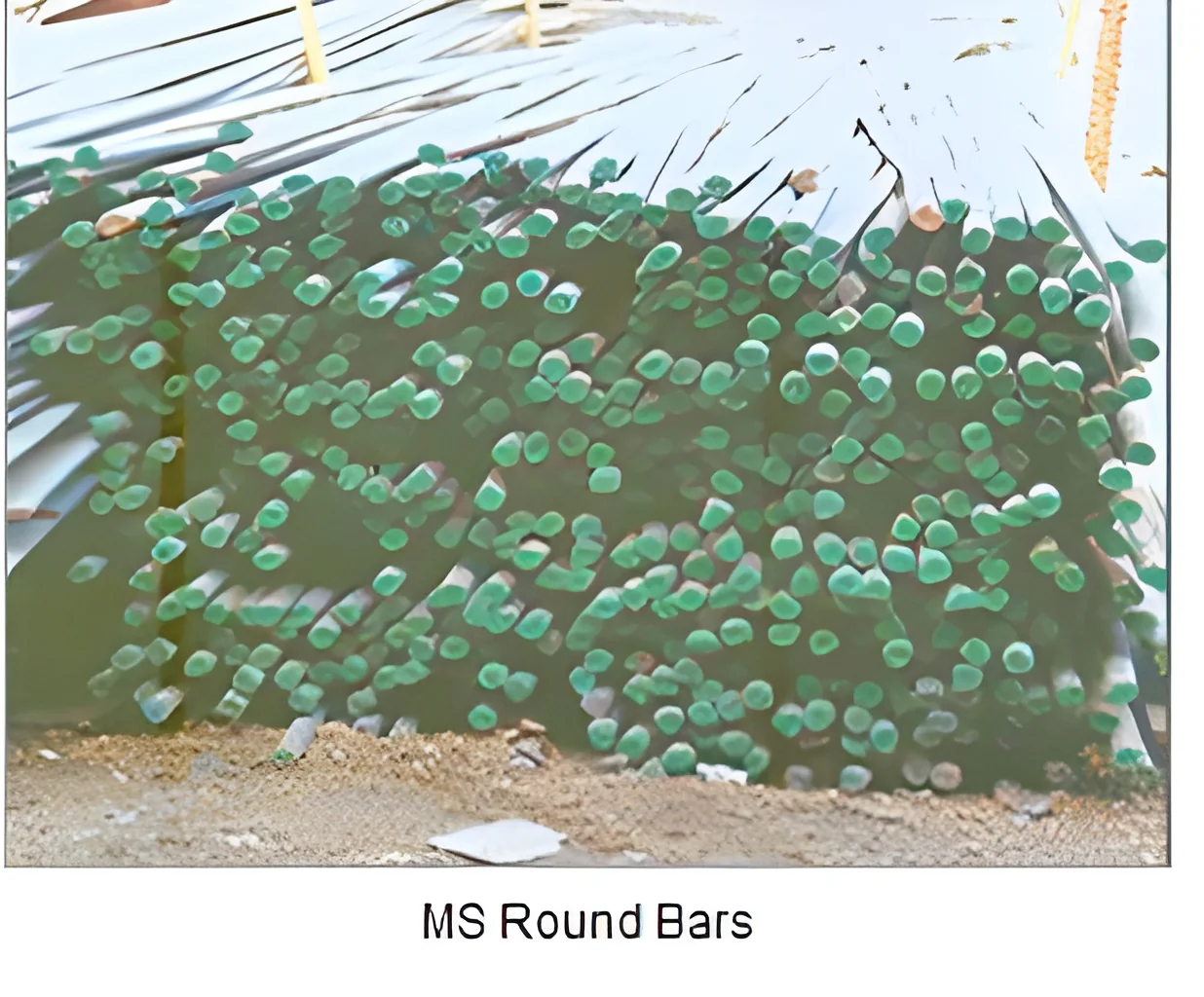
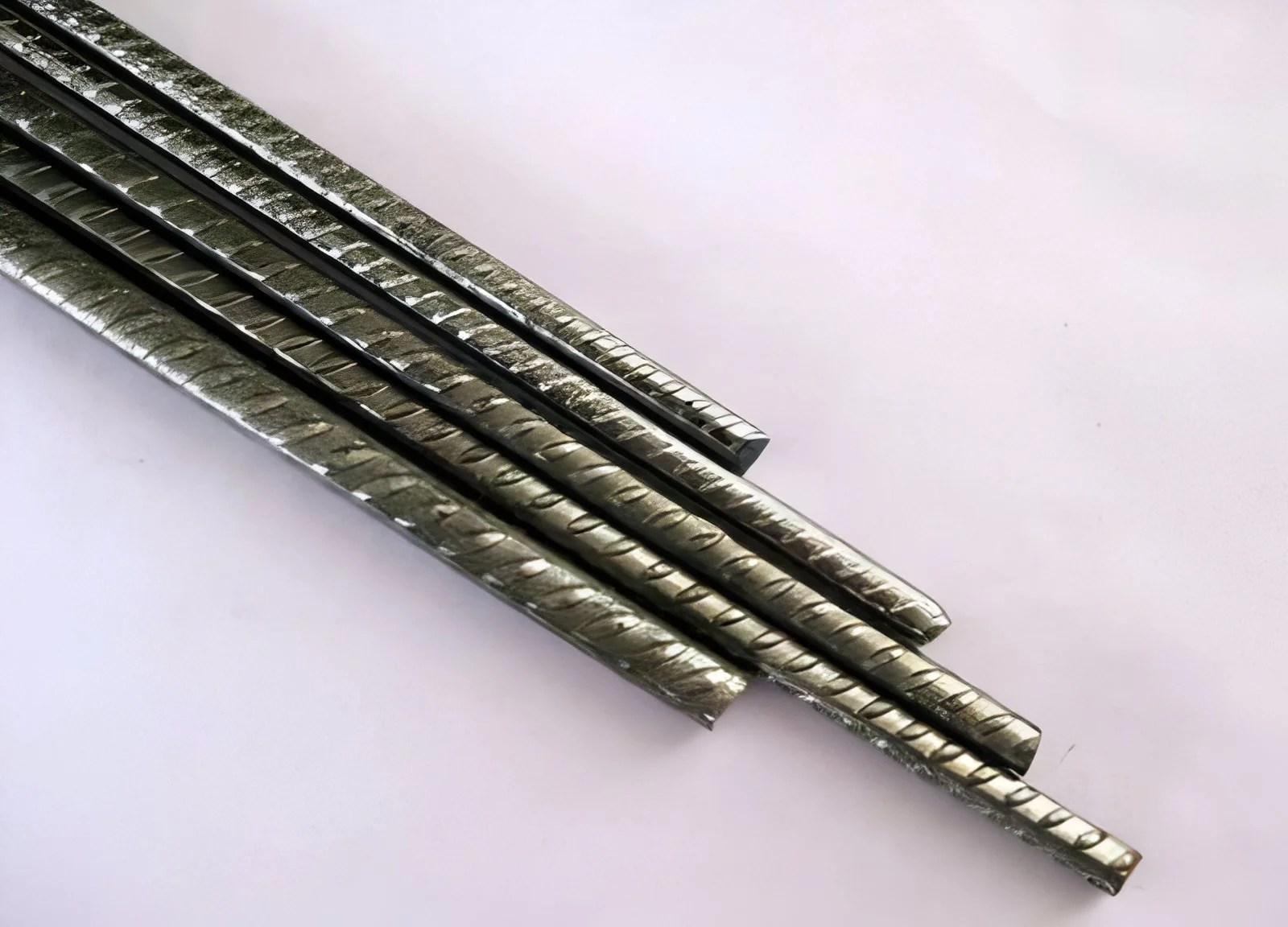
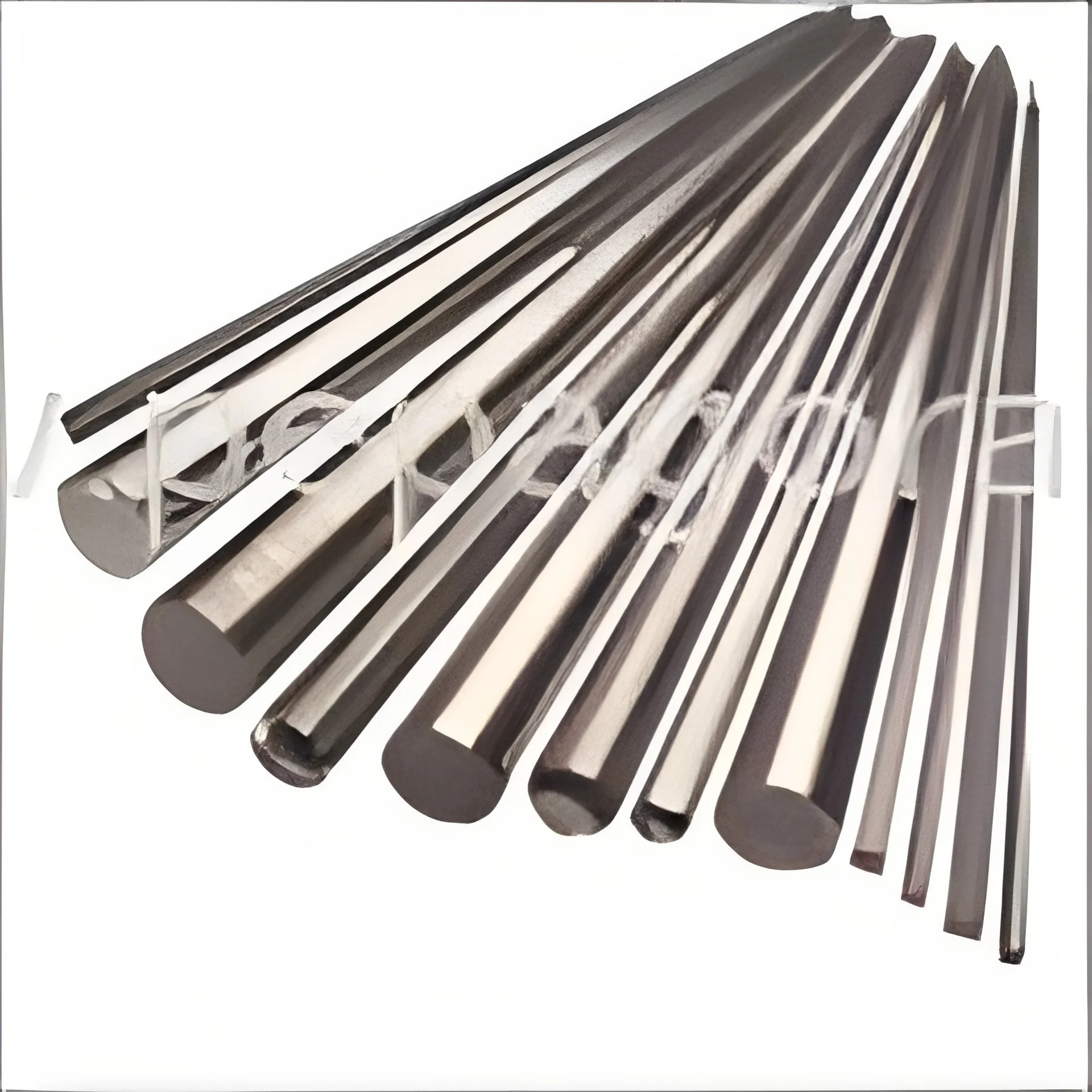
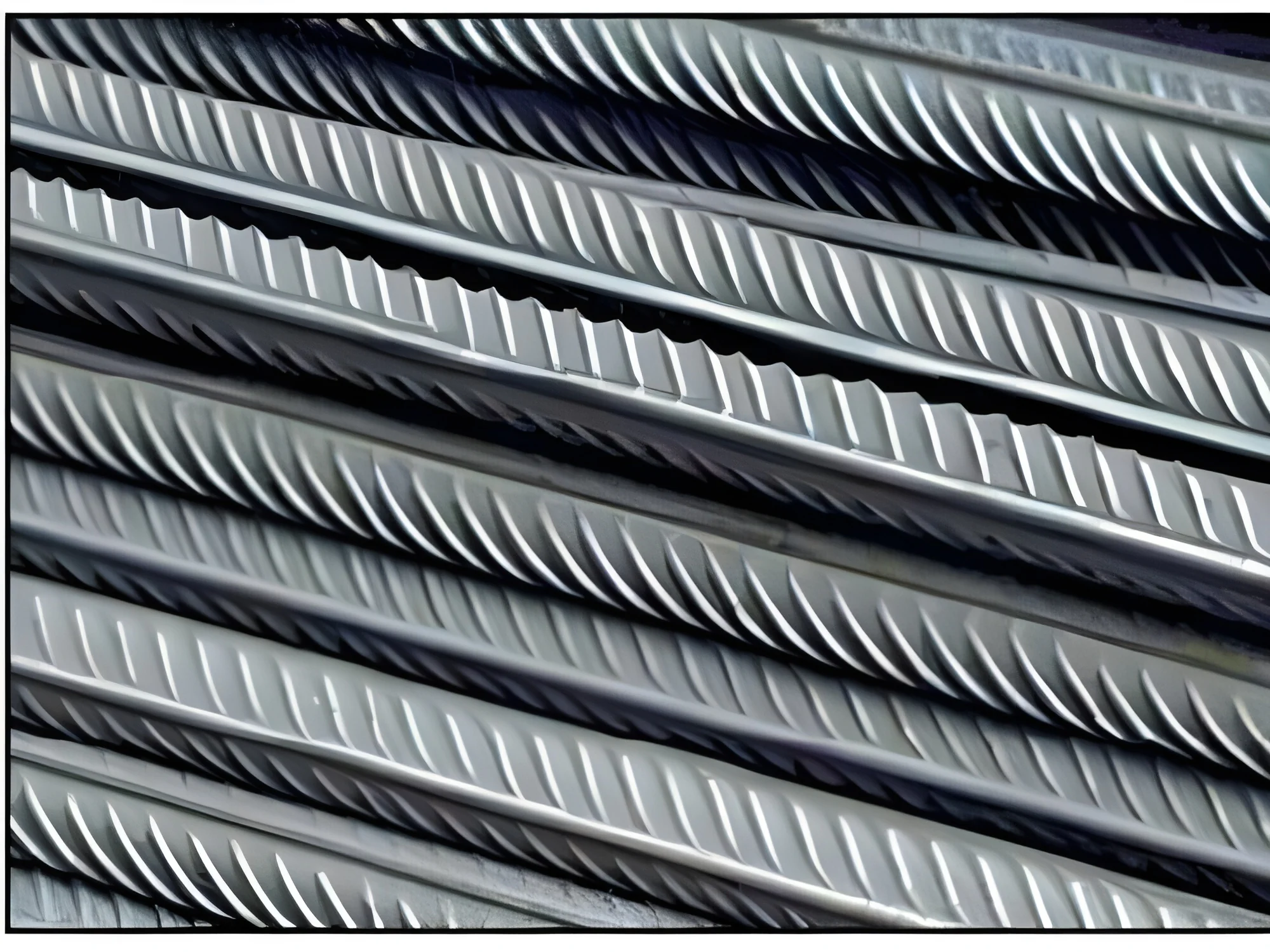
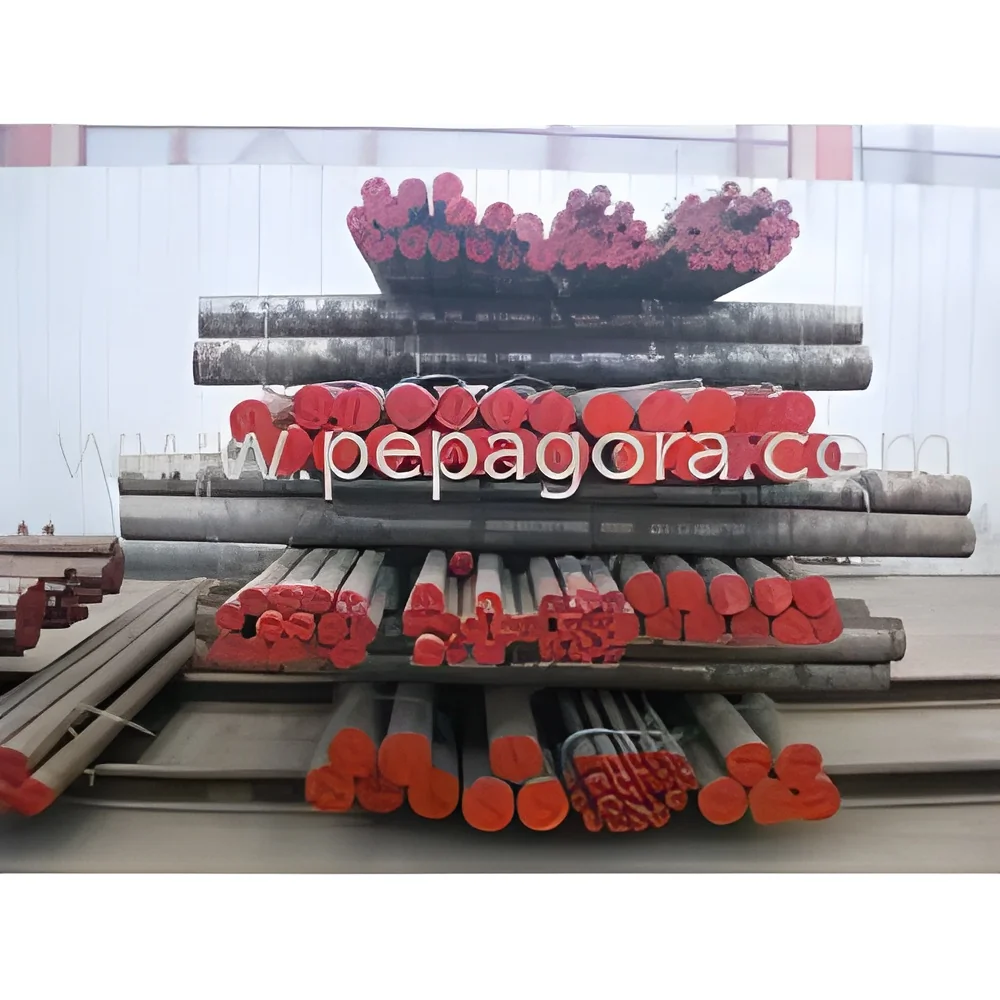
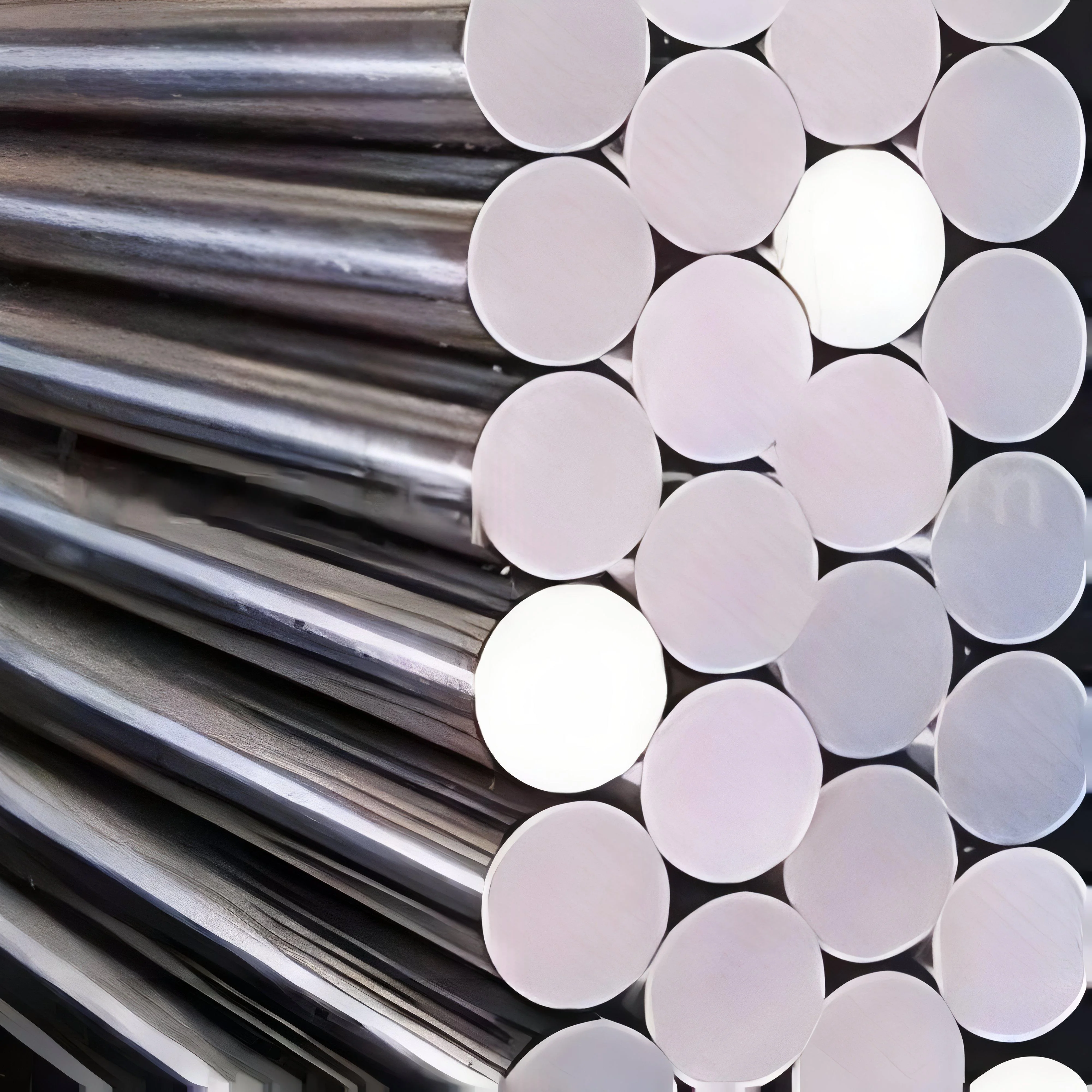
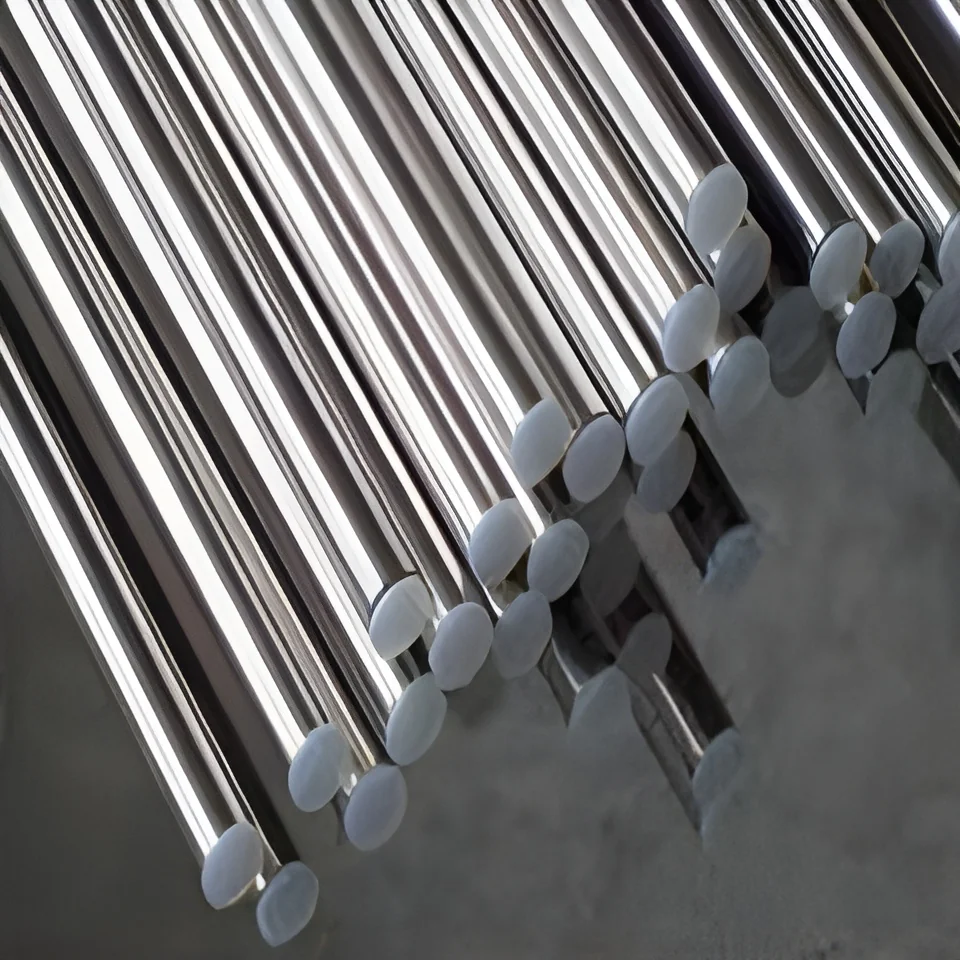
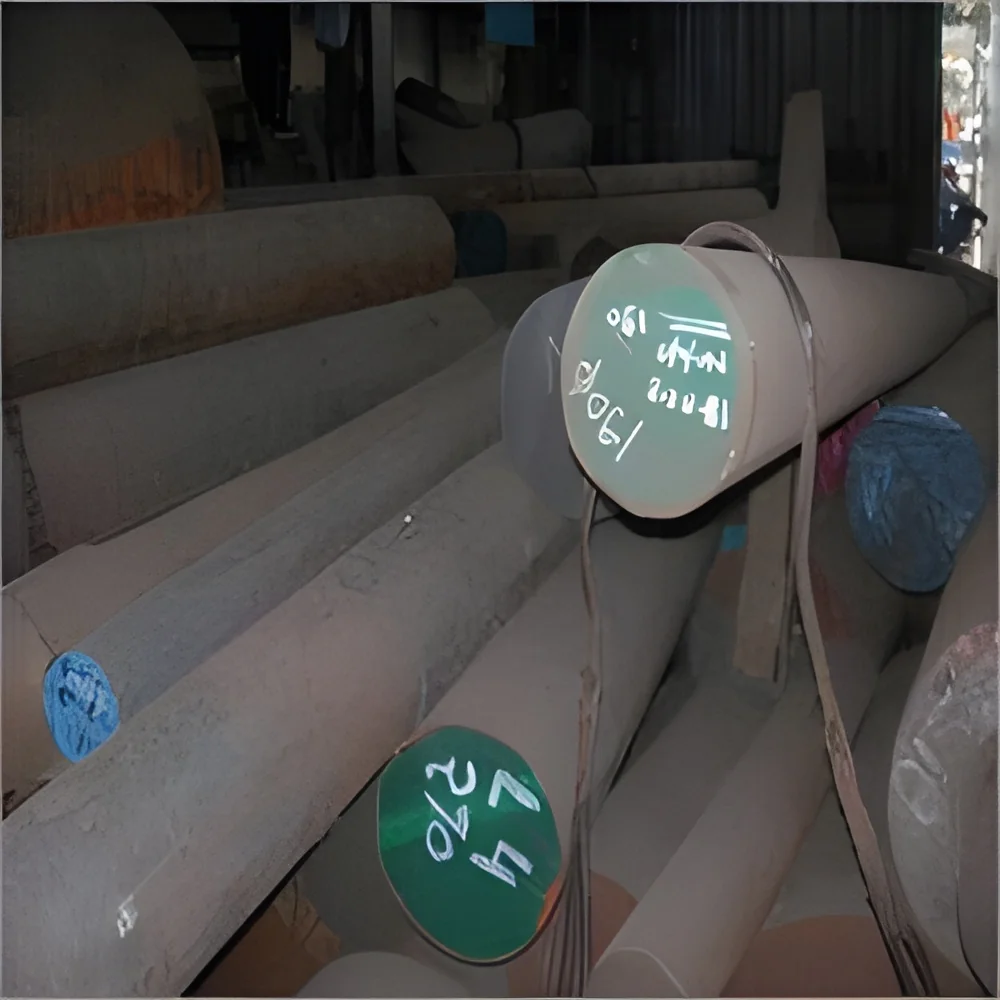
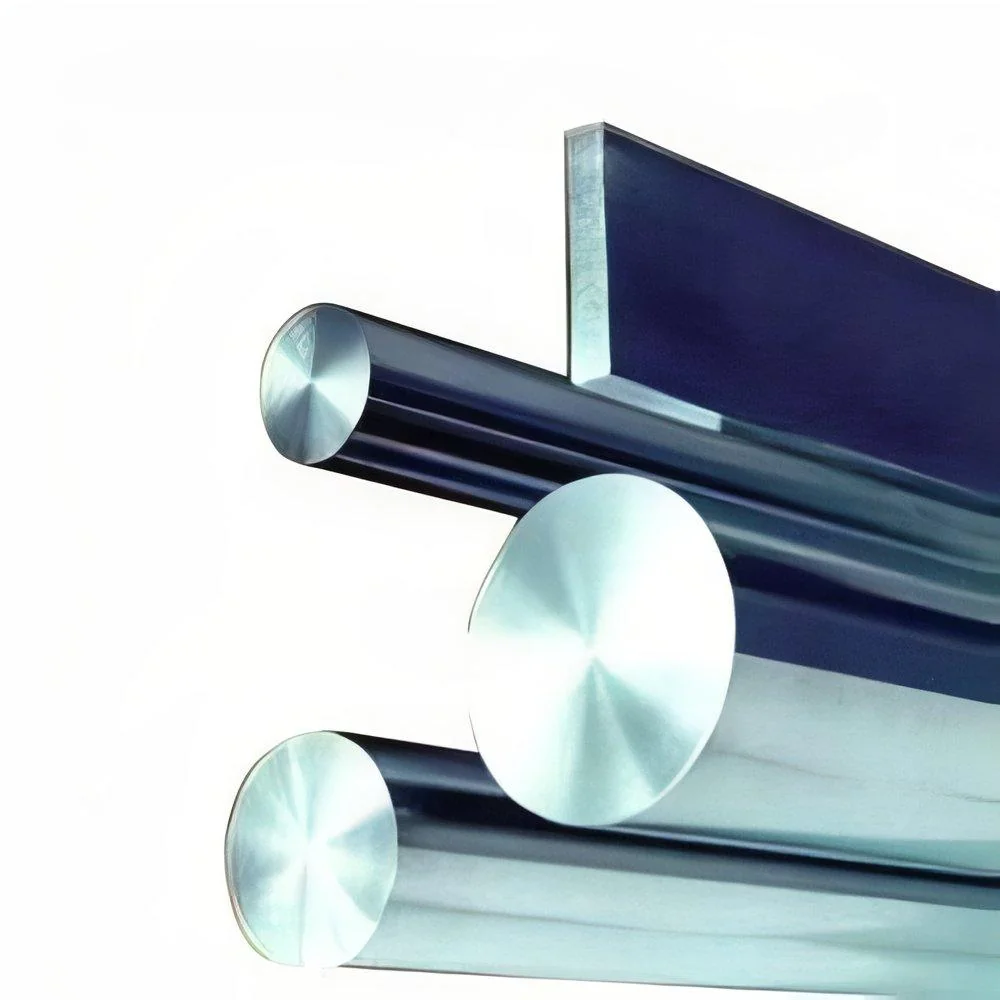
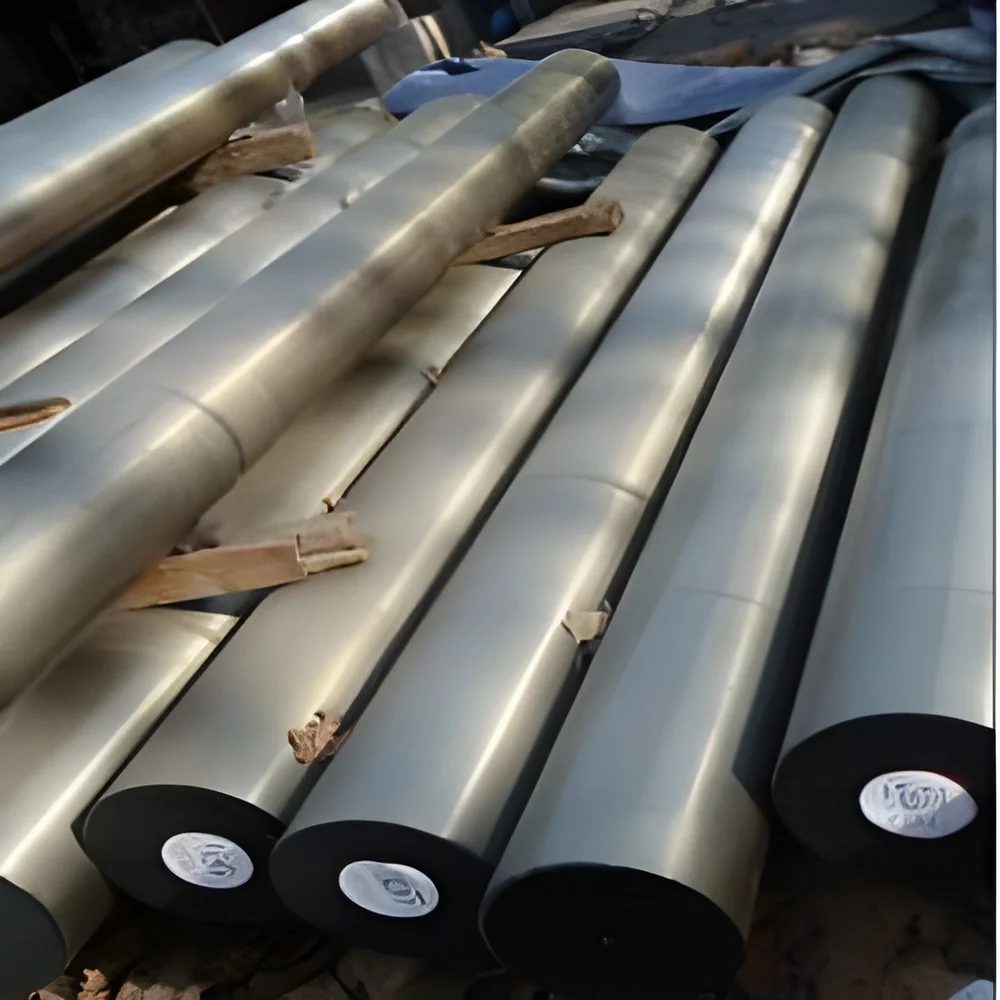
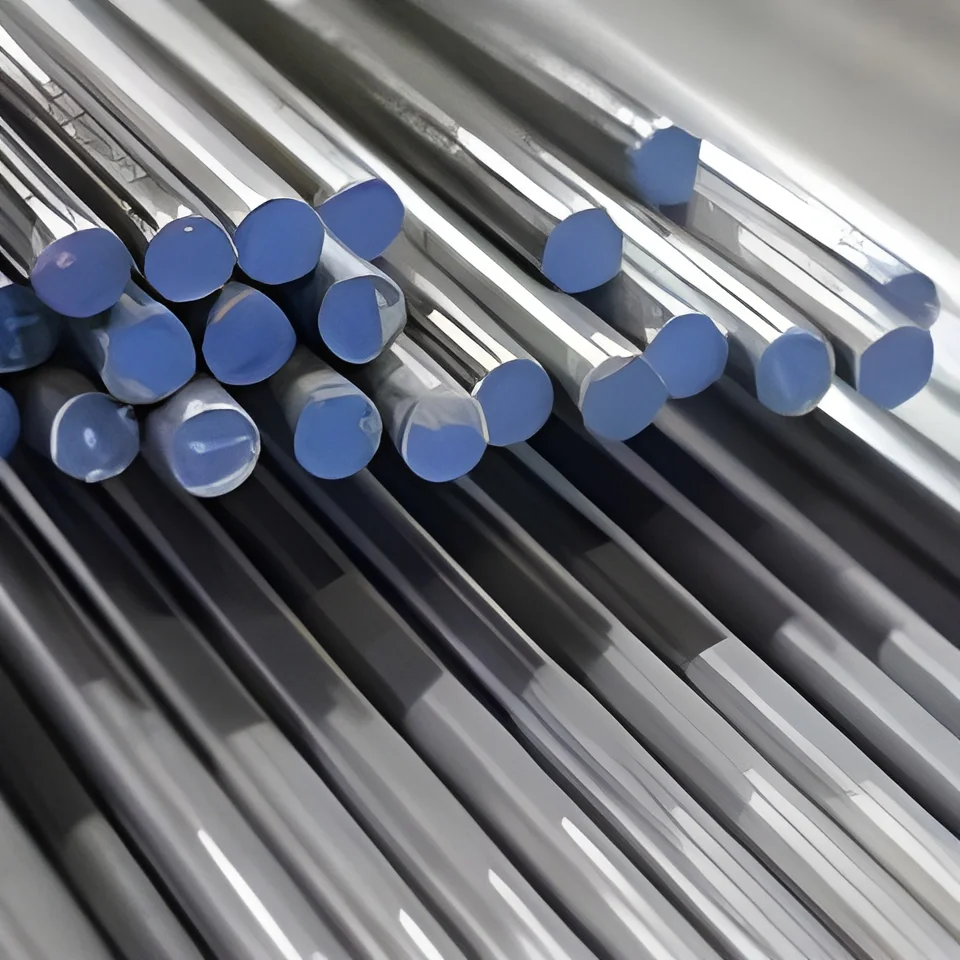
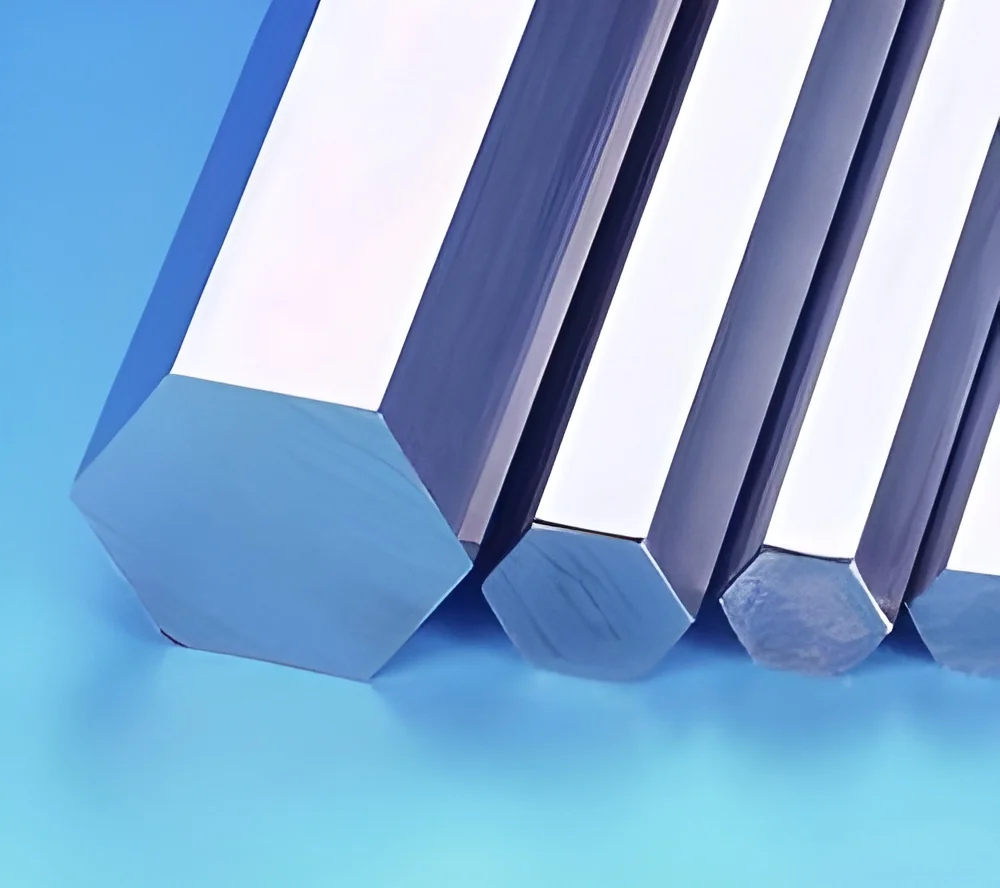
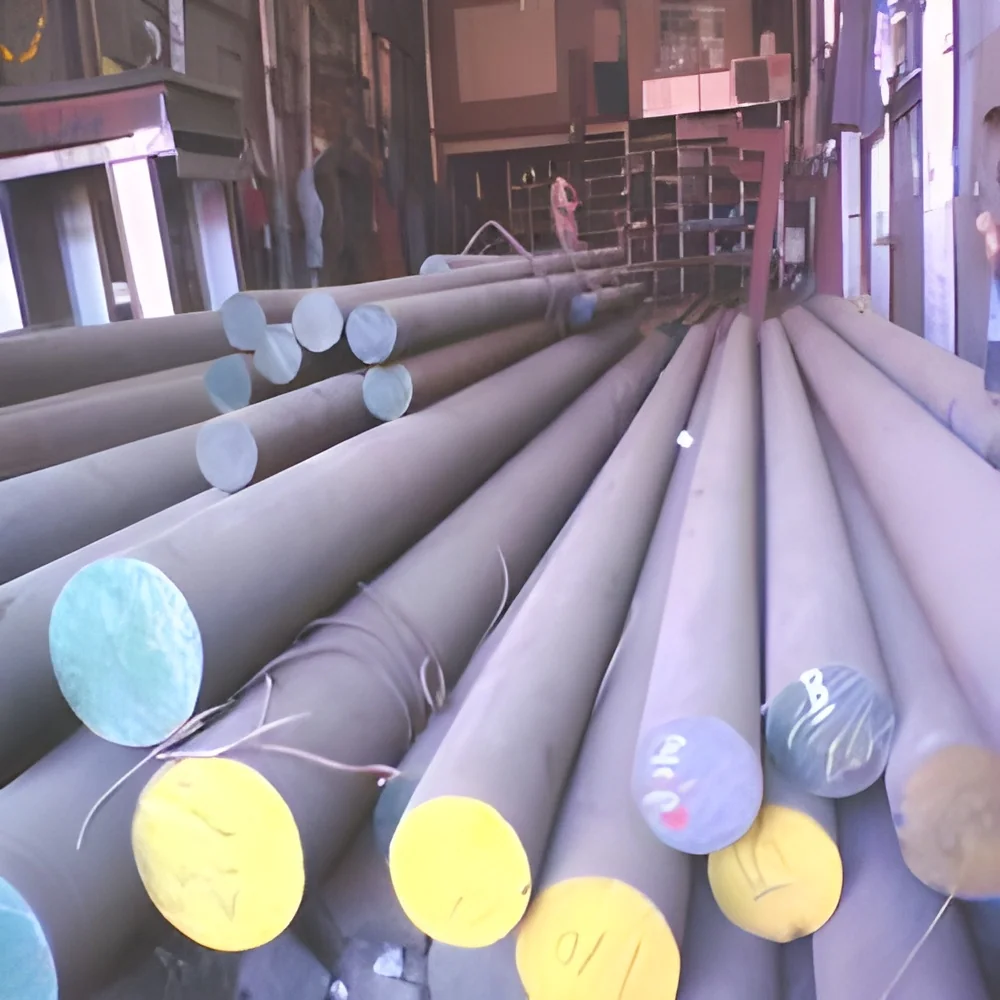
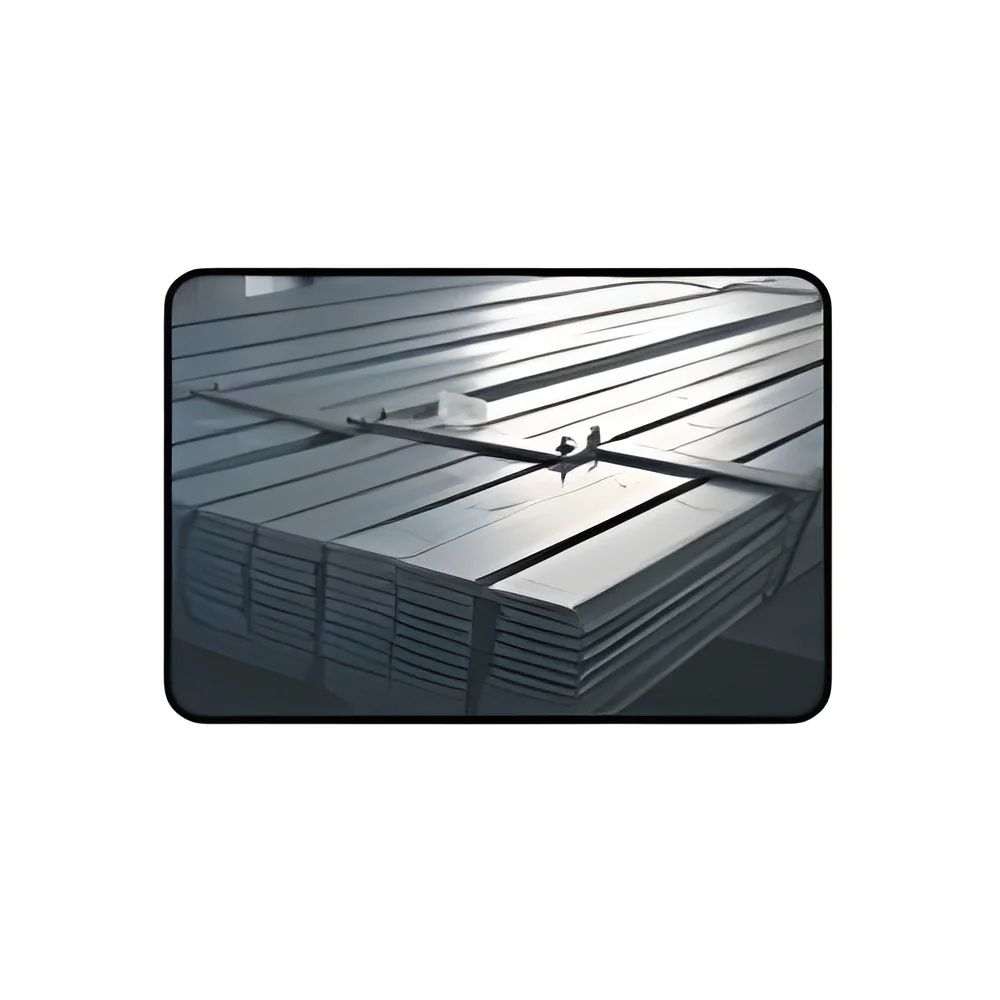
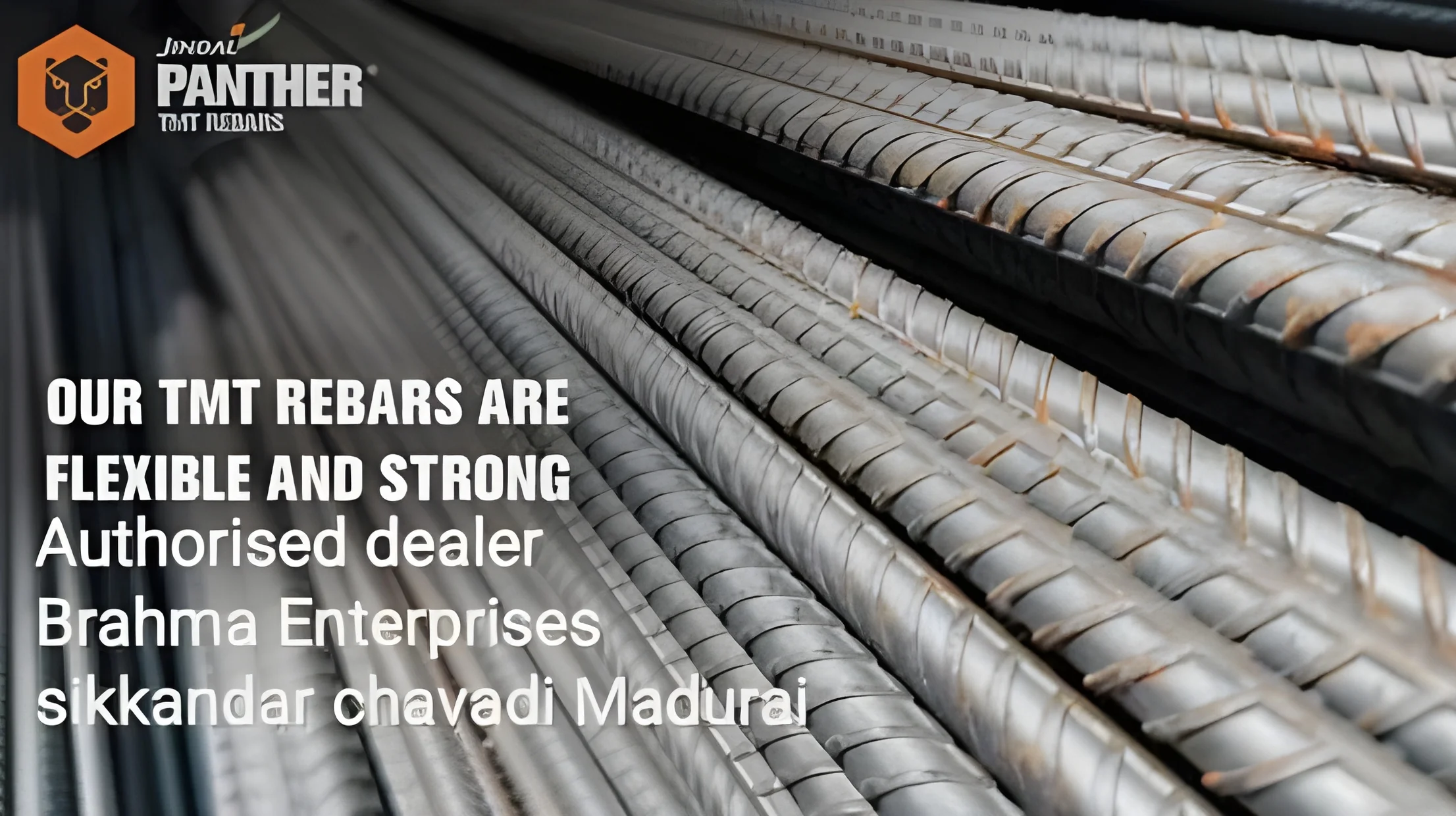
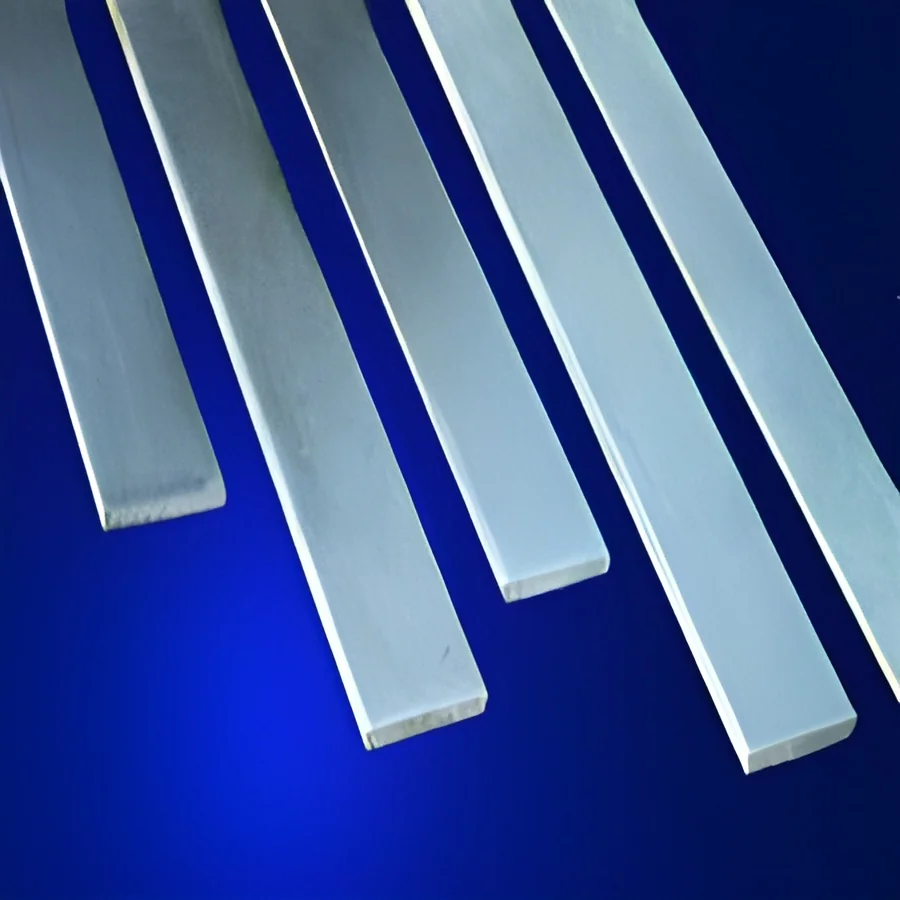
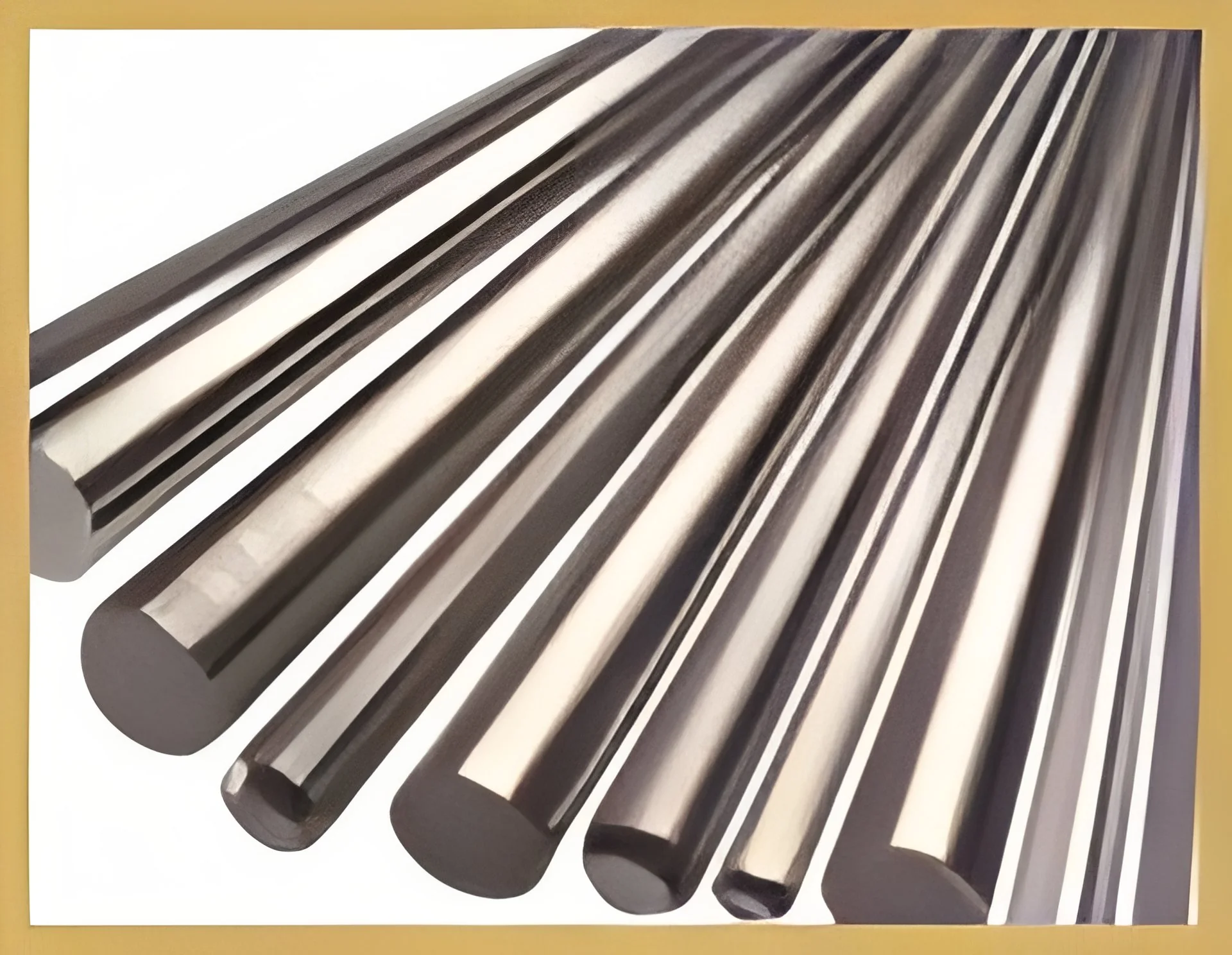
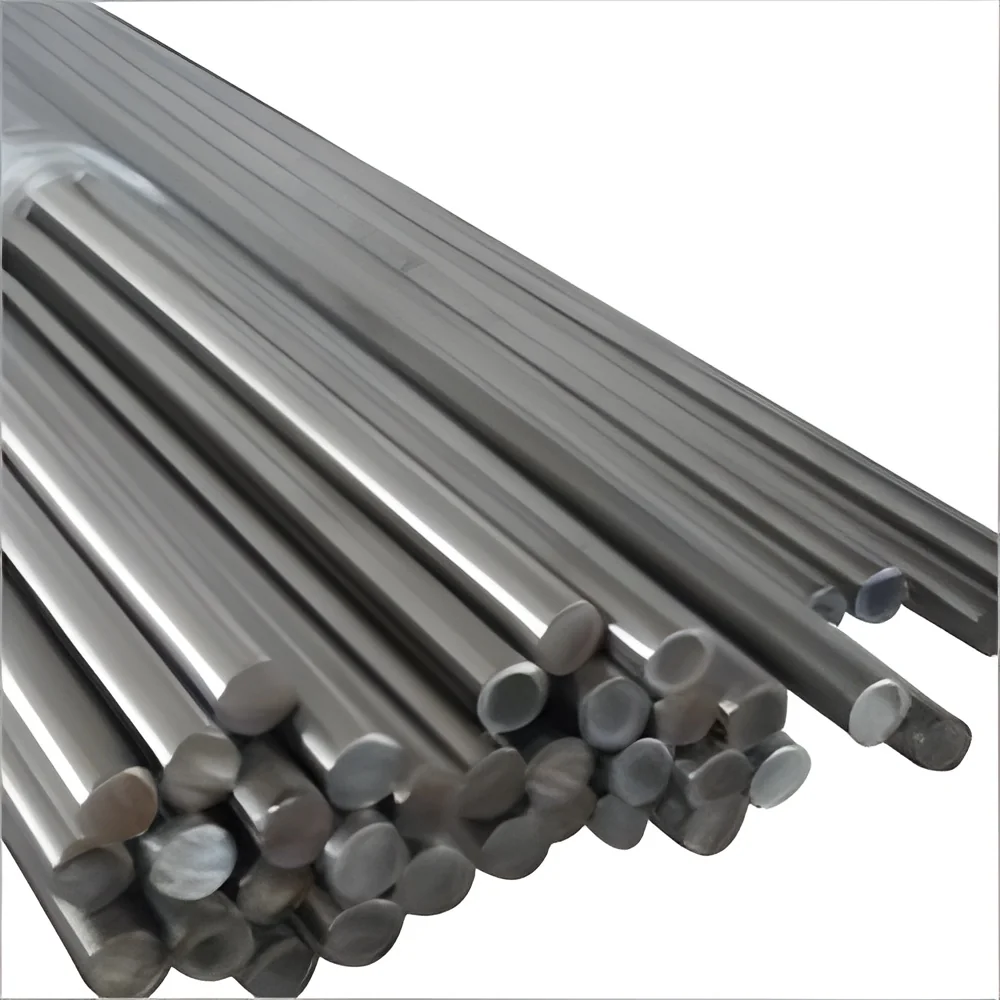
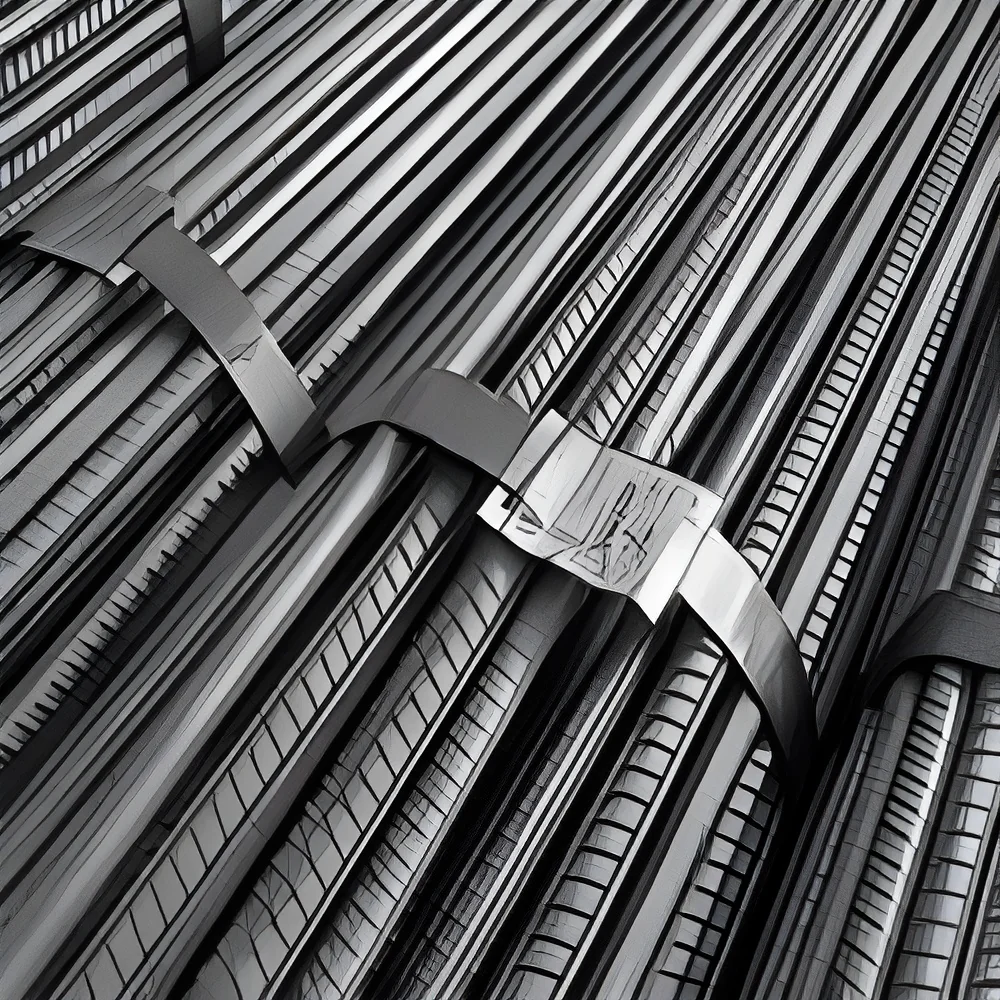
Reinforcement steel bars, commonly known as rebar, are essential components in the construction industry. They are used to enhance the tensile strength of concrete structures, which are inherently strong in compression but weak in tension. Reinforcement steel bars are typically made from carbon steel and are produced in various diameters and lengths to accommodate diverse construction needs. Their surface is often ribbed or deformed to improve bonding with concrete, ensuring a strong, durable connection.
These bars are primarily used in a variety of construction applications, including buildings, bridges, highways, and other infrastructure projects. They play a critical role in reinforcing concrete slabs, beams, columns, and foundations. The demand for reinforcement steel bars is closely tied to the overall growth of the construction industry. As urbanization continues to expand and infrastructure projects increase, the market for reinforcement steel bars remains strong and competitive.
Key Features and Specifications
Reinforcement steel bars are designed to meet specific construction requirements and standards. Their features and specifications are crucial for ensuring structural integrity and performance in various applications.
Key specifications include:
1. Diameter
- Common diameters range from 6 mm to 32 mm.
- The diameter affects the load-bearing capacity and flexibility.
2. Yield Strength
- Typically ranges from 250 MPa to 600 MPa.
- Higher yield strength indicates better performance under load.
3. Elongation
- Elongation percentages generally range from 10% to 20%.
- This indicates ductility, which is essential for absorbing stress.
4. Surface Type
- Bars can be ribbed, deformed, or smooth.
- Ribbed bars provide enhanced concrete bonding.
5. Grade
- Common grades include Fe415, Fe500, and Fe600.
- The grade denotes the tensile strength of the steel.
6. Coating Options
- Options include epoxy-coated, galvanized, or plain.
- Coatings enhance corrosion resistance and longevity.
7. Length
- Standard lengths range from 6 meters to 12 meters.
- Custom lengths can be available based on project requirements.
In summary, understanding the features and specifications of reinforcement steel bars is crucial for selecting the right product for construction projects, ensuring structural stability and longevity.
Common Applications and Use Cases
Reinforcement steel bars are widely used across various industries due to their strength and versatility.
1. Construction: They are essential in building foundations, beams, and slabs, providing necessary support for residential and commercial buildings.
2. Infrastructure: In highway and bridge construction, rebar is used to reinforce concrete structures, ensuring safety and durability.
3. Industrial: Factories and warehouses utilize reinforcement steel bars in flooring and load-bearing walls to withstand heavy machinery and equipment.
4. Marine: In marine structures, such as docks and piers, rebar is often used to resist corrosion from saltwater exposure.
5. Mining: Reinforcement steel bars are employed in tunnel construction and underground mines for added support and safety.
6. Precast Products: In the manufacturing of precast concrete products, rebar is integrated to enhance strength and performance.
7. Earthquake-Resistant Structures: Specially designed rebar is used in seismic zones to ensure that buildings can withstand earthquake forces.
Product Variants and Subcategories
Reinforcement steel bars come in various types to cater to specific construction needs.
Epoxy-Coated Rebar: This variant is coated with epoxy for enhanced corrosion resistance, making it ideal for structures exposed to moisture or chemicals. It is commonly used in coastal and industrial applications.
Galvanized Rebar: Hot-dip galvanized rebar features a protective zinc coating that provides excellent resistance to corrosion. It is suitable for use in areas with high humidity or chemical exposure.
High-Strength Rebar: Designed for applications requiring superior tensile strength, high-strength rebar is often used in large-scale infrastructure projects, such as bridges and high-rise buildings.
Fiber-Reinforced Rebar: This variant incorporates synthetic fibers, improving crack resistance and overall durability in concrete applications. It is often utilized in industrial flooring and precast products.
Benefits and Advantages
Reinforcement steel bars offer numerous benefits that enhance their value in construction projects.
1. Increased Strength: Reinforcement steel bars significantly improve the tensile strength of concrete, resulting in more robust structures.
2. Durability: The use of high-quality steel ensures longevity and resistance to wear, reducing maintenance costs over time.
3. Versatility: Available in various sizes and types, rebar can be used in a wide range of applications, accommodating diverse construction needs.
4. Cost-Effective: By reinforcing concrete, these bars minimize the risk of structural failure, ultimately saving costs associated with repairs and replacements.
5. Customizable: Rebar can be tailored to meet specific project requirements, including length, diameter, and coating options.
6. Enhanced Safety: Properly reinforced structures are more resilient to external forces, providing added safety for occupants and users.
Buying Guide for B2B Buyers
When sourcing reinforcement steel bars for construction projects, consider the following factors to ensure a successful purchase.
1. Quality Assessment: Evaluate the quality of the steel using relevant standards such as ISO 9001. Look for certifications that indicate adherence to industry standards.
2. Supplier Verification: Vet potential suppliers by checking their reputation, previous projects, and compliance with safety regulations. Request references and case studies.
3. Pricing and MOQ: Understand the pricing structure and minimum order quantities (MOQ) from different suppliers. Compare prices to ensure competitive sourcing.
4. Delivery and Lead Times: Discuss logistics and delivery timelines with suppliers to ensure that the materials arrive when needed for project schedules.
5. Compliance Requirements: Ensure that the steel bars meet local and international compliance standards. Verify any specific regulations applicable to your project location.
Compliance and Certifications
Reinforcement steel bars must adhere to various compliance and certification standards to ensure quality and safety. Key quality standards include ISO 9001, which outlines requirements for quality management systems. This standard ensures that products meet customer and regulatory requirements consistently.
Industry certifications, such as CE marking, indicate that the products conform to European safety, health, and environmental protection standards. This certification is essential when sourcing materials for projects in regions that enforce strict compliance.
Additionally, safety and testing requirements are crucial in the production of reinforcement steel bars. Regular testing for yield strength, elongation, and corrosion resistance is conducted to maintain quality standards. Regional compliance considerations may vary, so it is vital to be aware of local regulations that govern construction materials.
Why Source Reinforcement Steel Bars from Pepagora?
Pepagora is a trusted platform for sourcing reinforcement steel bars, providing numerous advantages to B2B buyers.
Verified Supplier Network: Pepagora boasts a network of verified suppliers, ensuring that buyers have access to reliable and high-quality materials. Each supplier is thoroughly vetted to guarantee compliance with industry standards.
Streamlined RFQ Process: The platform features an efficient request for quotation (RFQ) process, allowing buyers to quickly obtain competitive quotes tailored to their project specifications. This system simplifies sourcing and reduces lead times.
Trade Assurance and Support: Pepagora offers trade assurance, providing protection for buyers throughout the sourcing process. This includes support for any disputes that may arise, ensuring a smooth transaction experience.
Regional Coverage: With a strong presence in India, GCC, and Southeast Asia, Pepagora connects buyers with local suppliers. This geographic reach enhances accessibility and reduces logistical challenges, making it easier for businesses to source reinforcement steel bars efficiently.

 IN
IN