What are I Beams / H Beams?
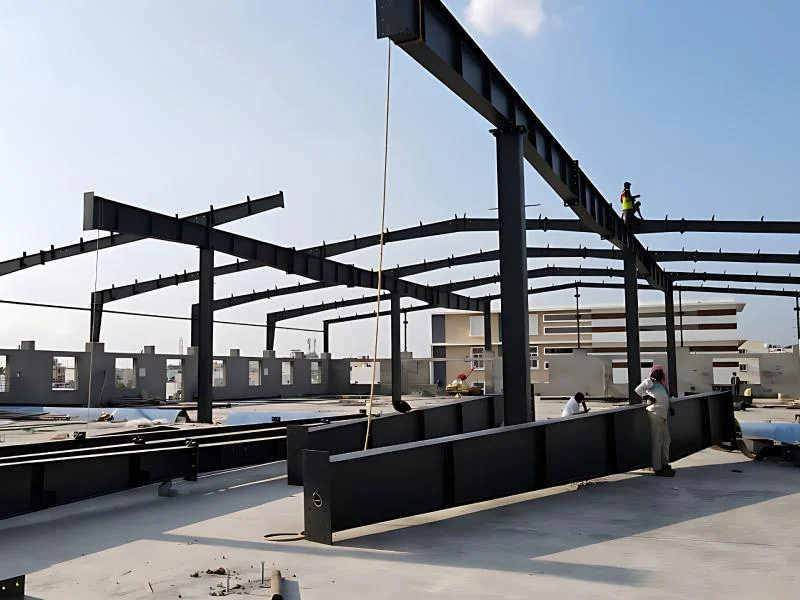
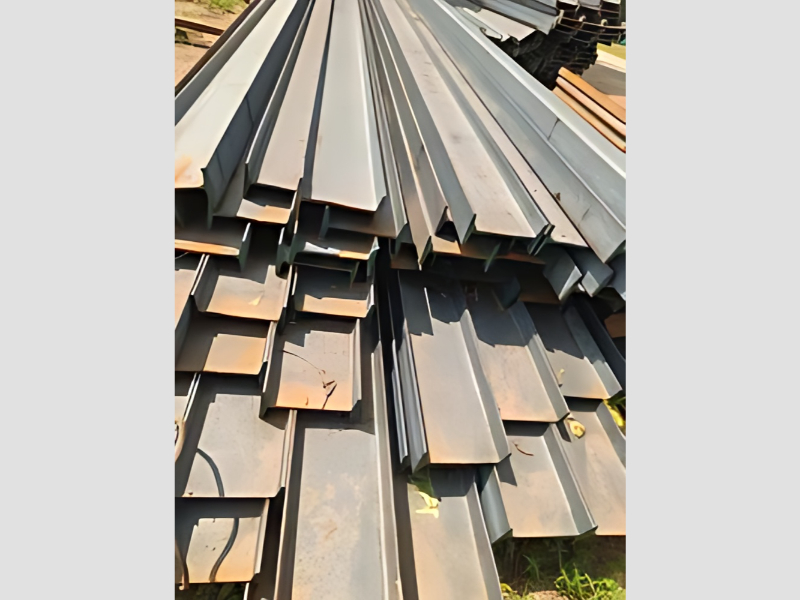
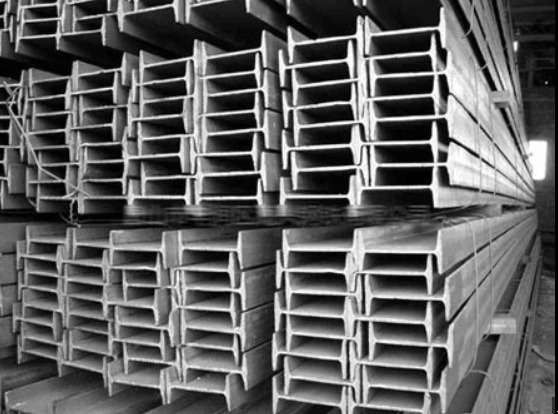
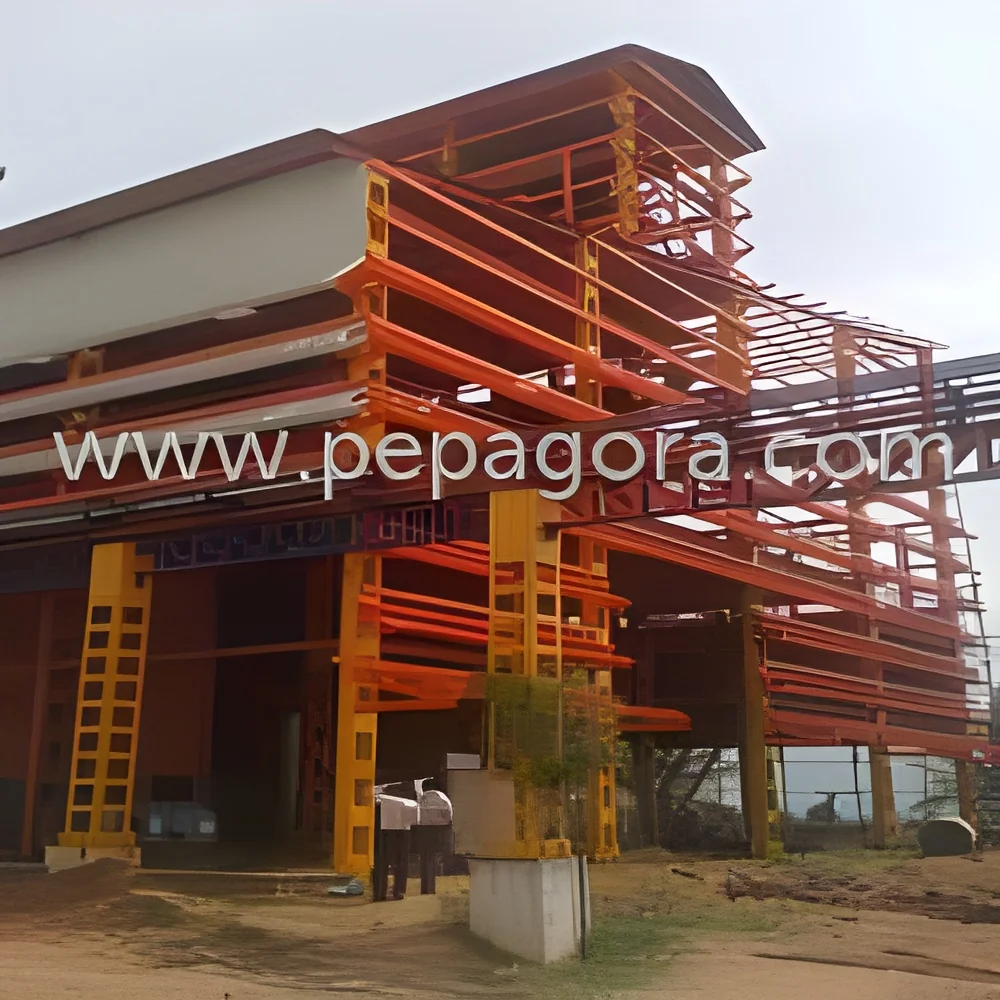
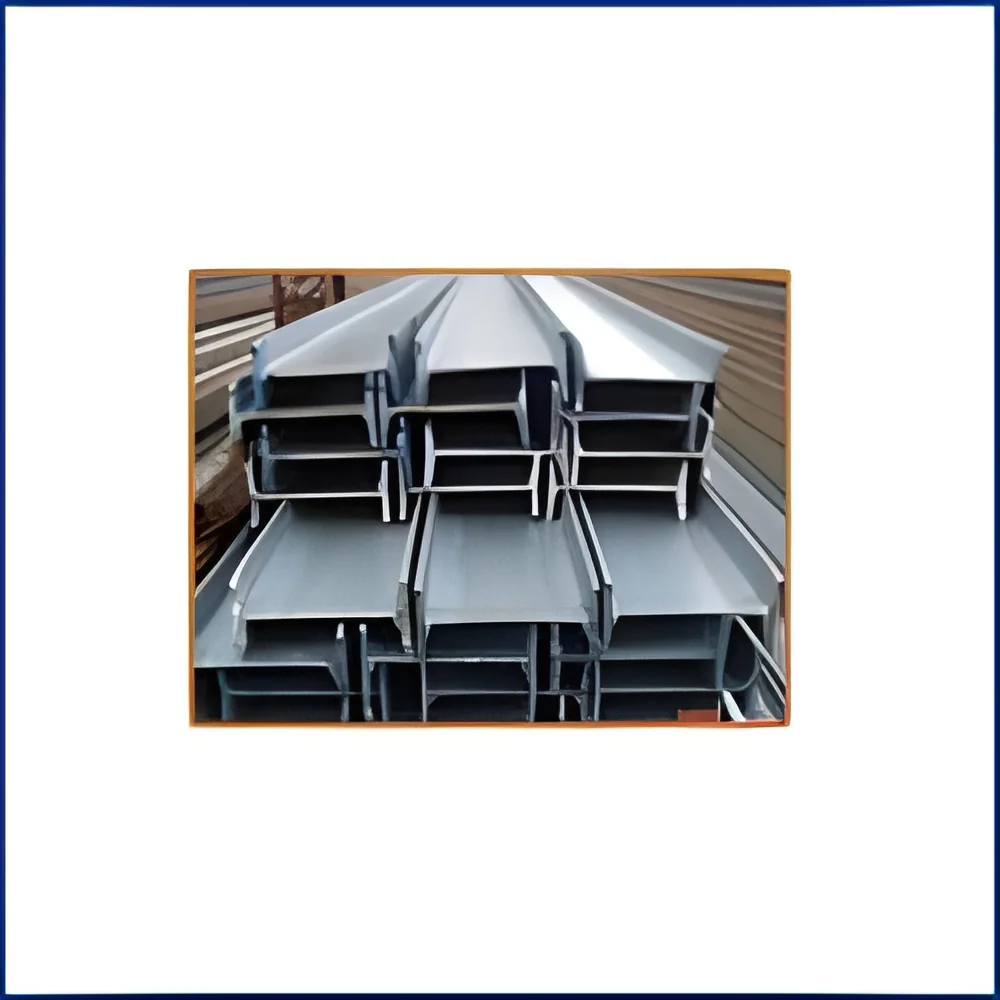
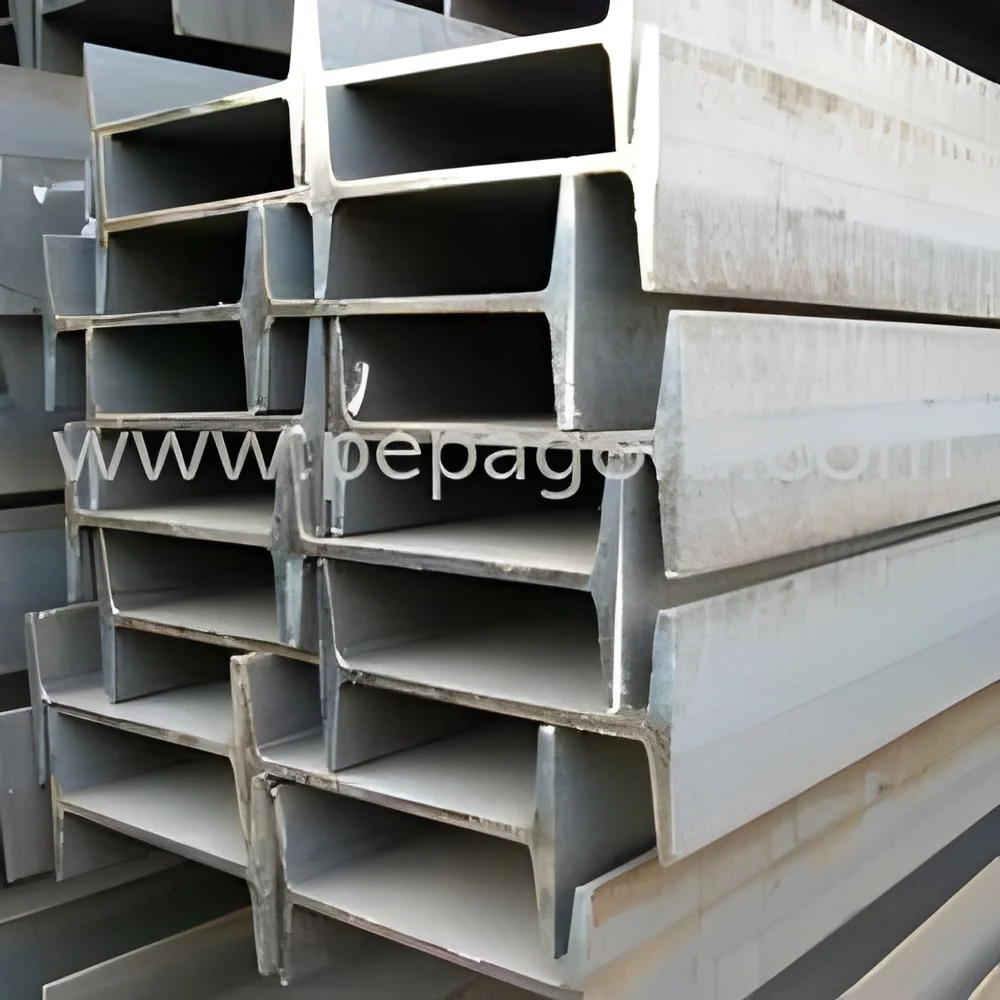
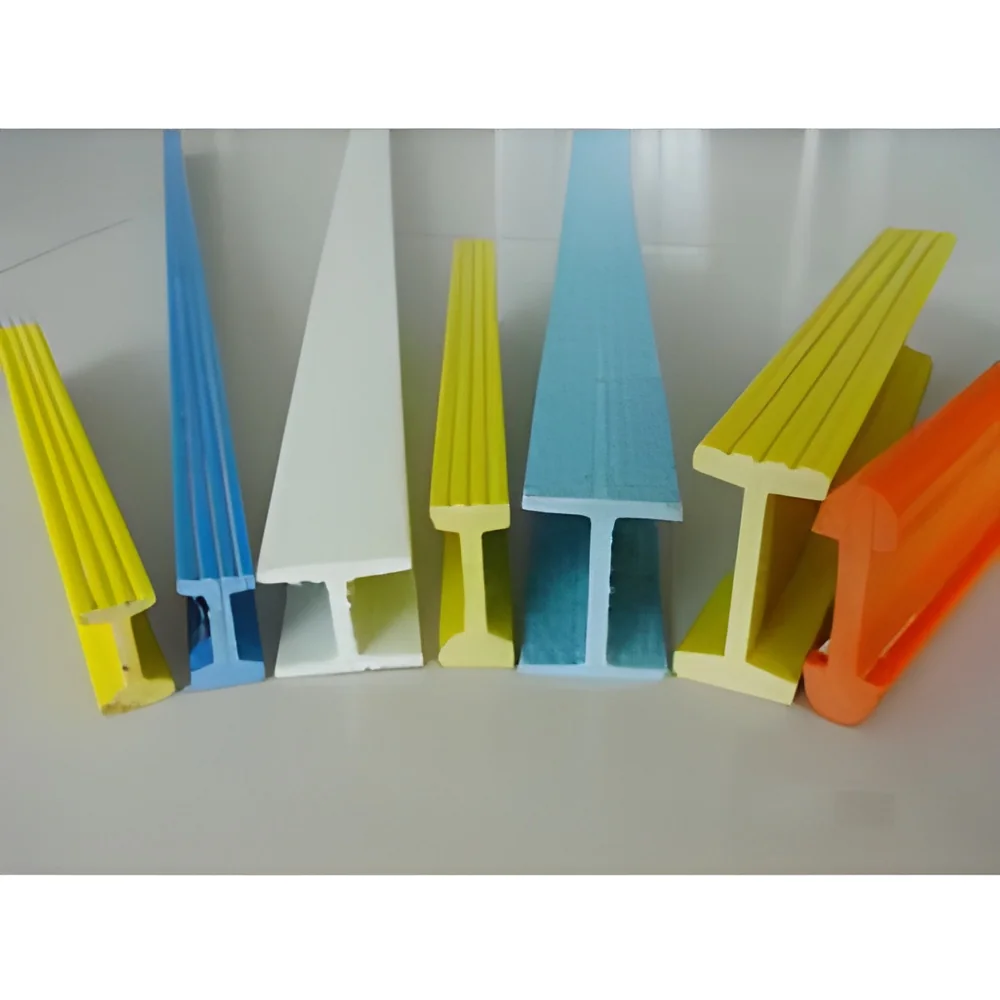
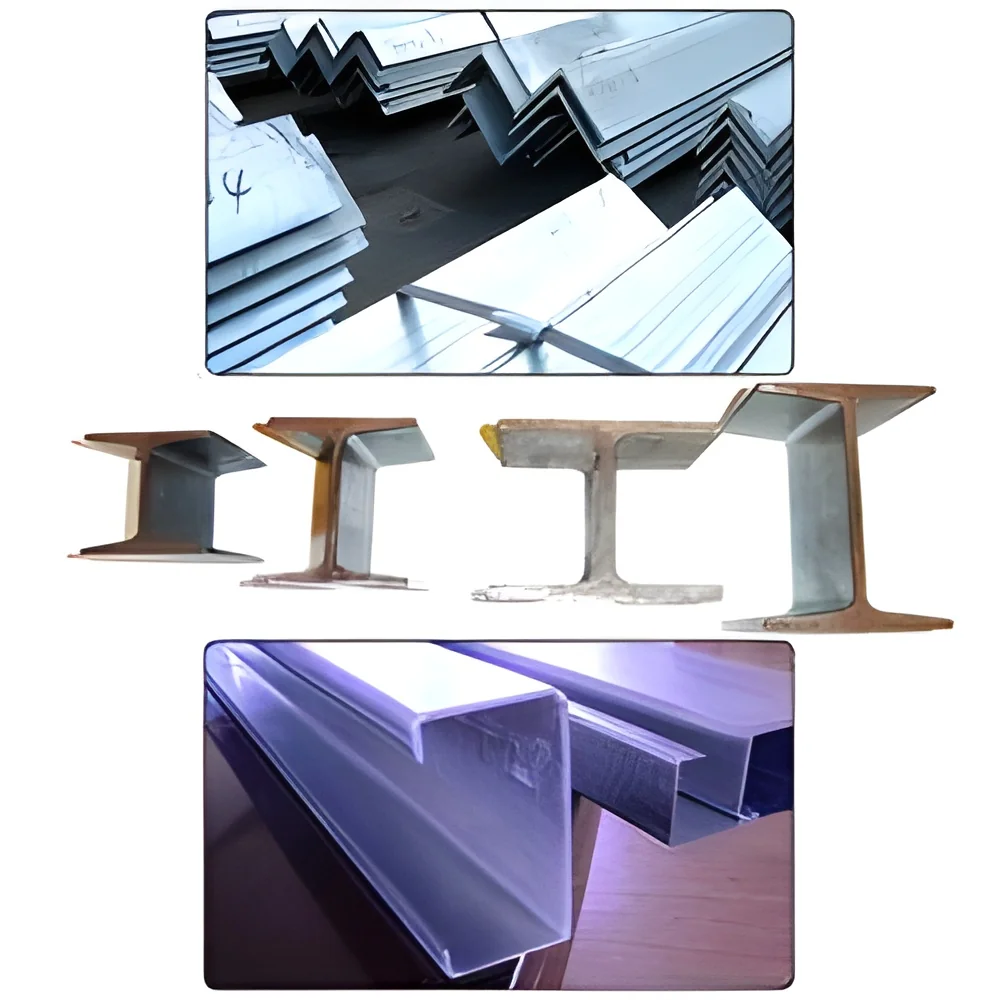
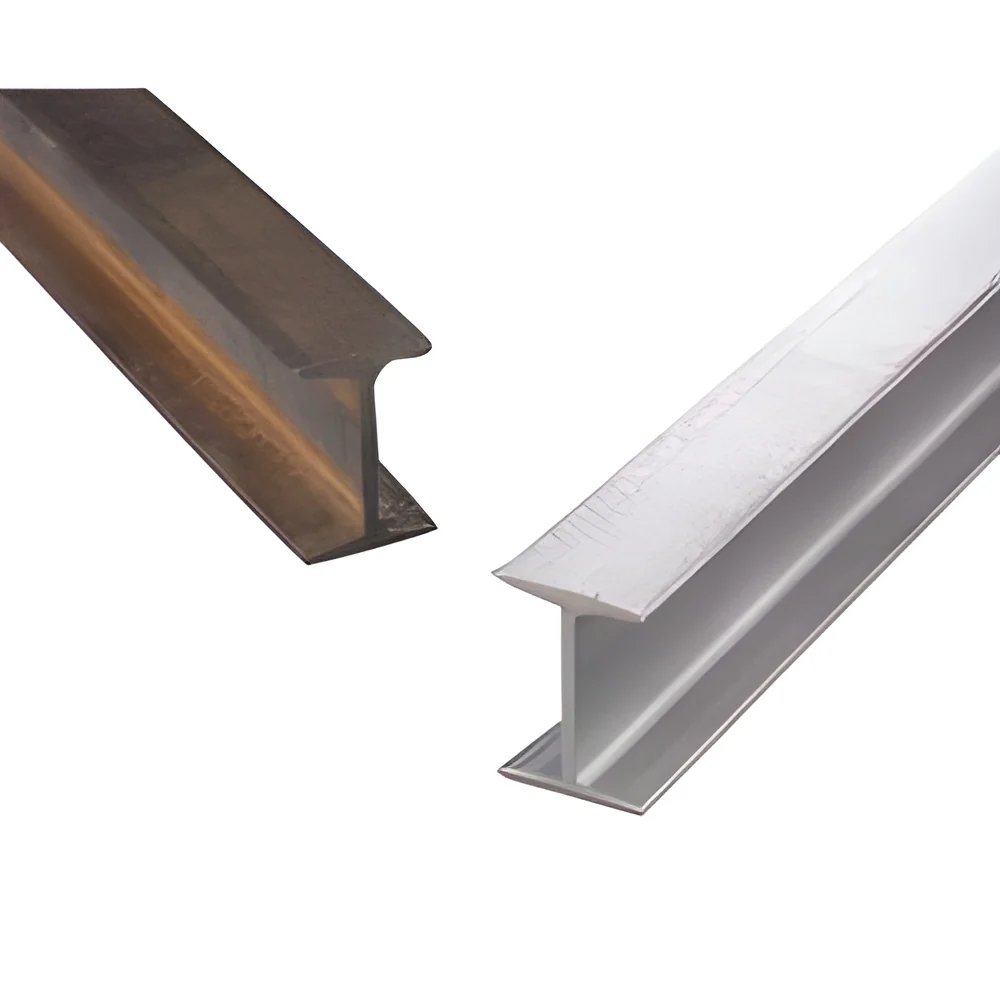
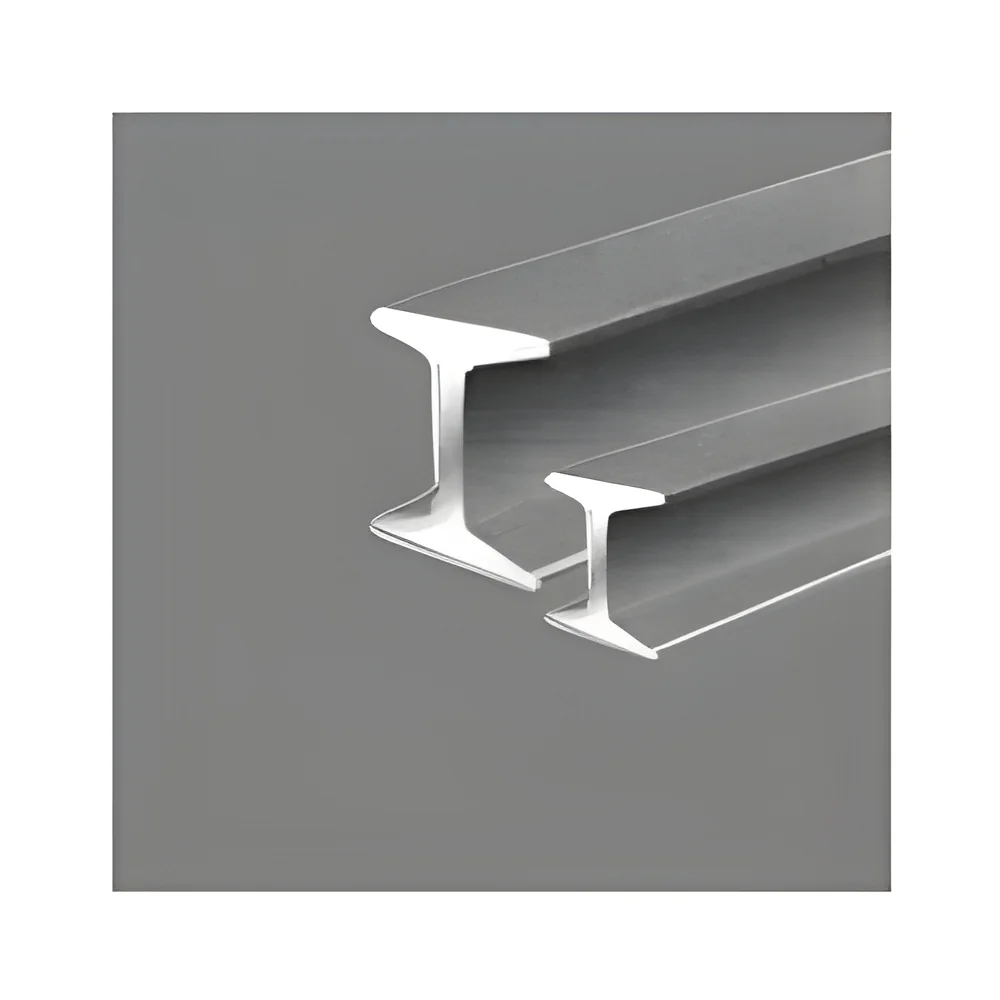
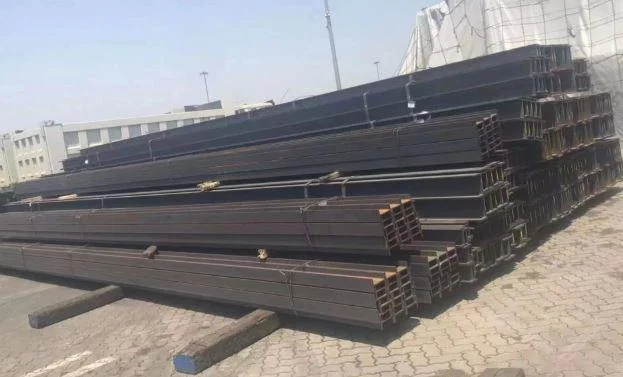
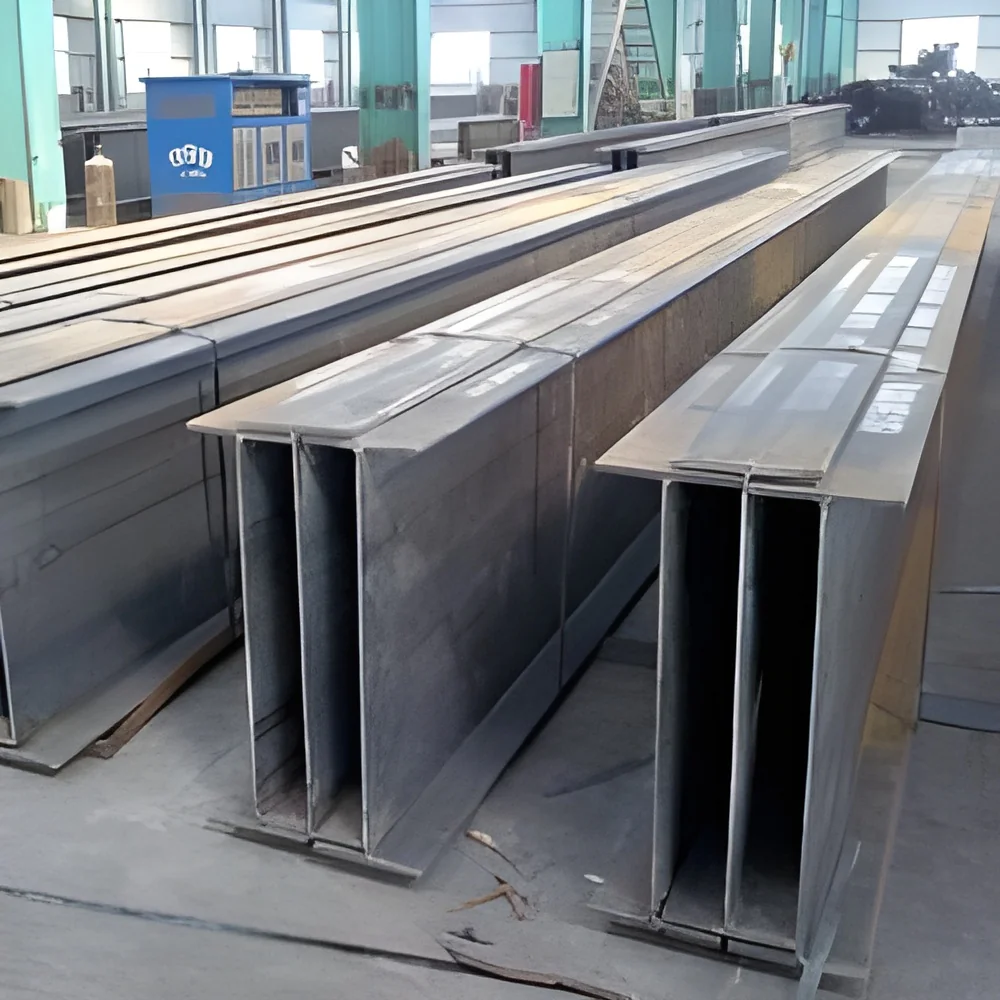
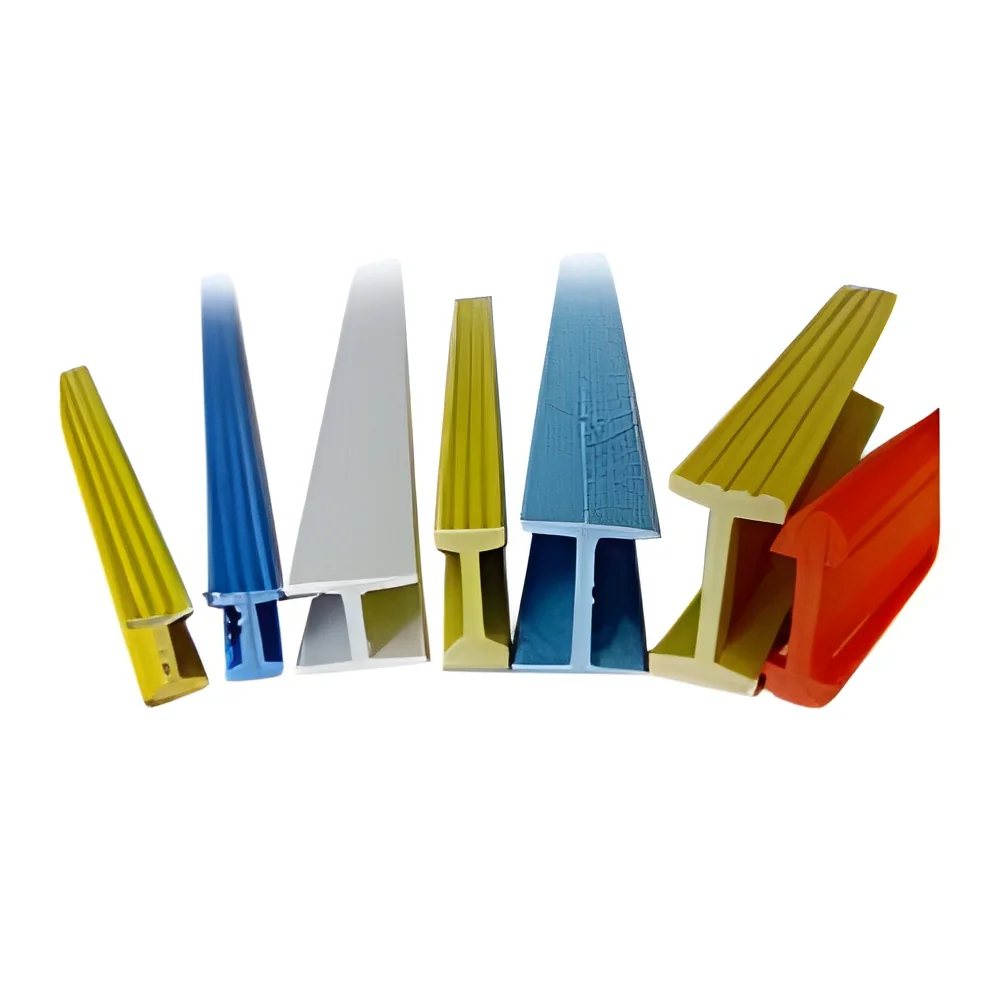
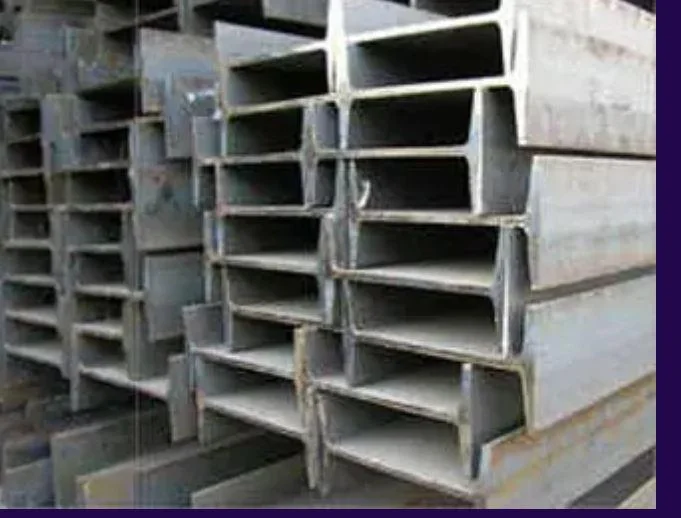
I Beams and H Beams are structural steel beams characterized by their distinct cross-sectional shapes. The I Beam features a cross-section that resembles the letter "I," while the H Beam has a cross-section resembling the letter "H." Both types of beams are designed to efficiently support heavy loads in construction and engineering applications. Their design allows for maximum strength while minimizing weight, making them an essential component in various structural applications.
These beams are predominantly used in construction, manufacturing, and infrastructure projects. They provide support for buildings, bridges, and other structures, enabling them to withstand significant weight and stress. In addition to their structural applications, I Beams and H Beams are commonly employed in the manufacturing of machinery and equipment. As industries continue to grow, the demand for these beams remains strong, underscoring their relevance in the marketplace.
Key Features and Specifications
I Beams and H Beams come with several key features that enhance their performance and application. Understanding these specifications is crucial for selecting the right beam for your project needs.
Key specifications include:
1. Material Grade
- Commonly made from carbon steel or structural steel.
- Various grades available, including S235, S275, and S355, depending on load requirements.
2. Dimensions
- Available in a range of widths and heights.
- Height typically spans from 100 mm to 1000 mm, while widths can range from 50 mm to 300 mm.
3. Weight per Meter
- Weight varies based on dimensions and material grade.
- Common weights range from 10 kg/m to over 100 kg/m.
4. Flange Thickness
- Varies by size and application.
- Typically ranges from 5 mm to 20 mm.
5. Web Thickness
- The thickness of the web is critical for load-bearing capacity.
- Ranges from 5 mm to 12 mm.
6. Length Options
- Available in standard lengths, typically from 6 meters to 12 meters.
- Custom lengths can often be manufactured based on project specifications.
7. Surface Treatment
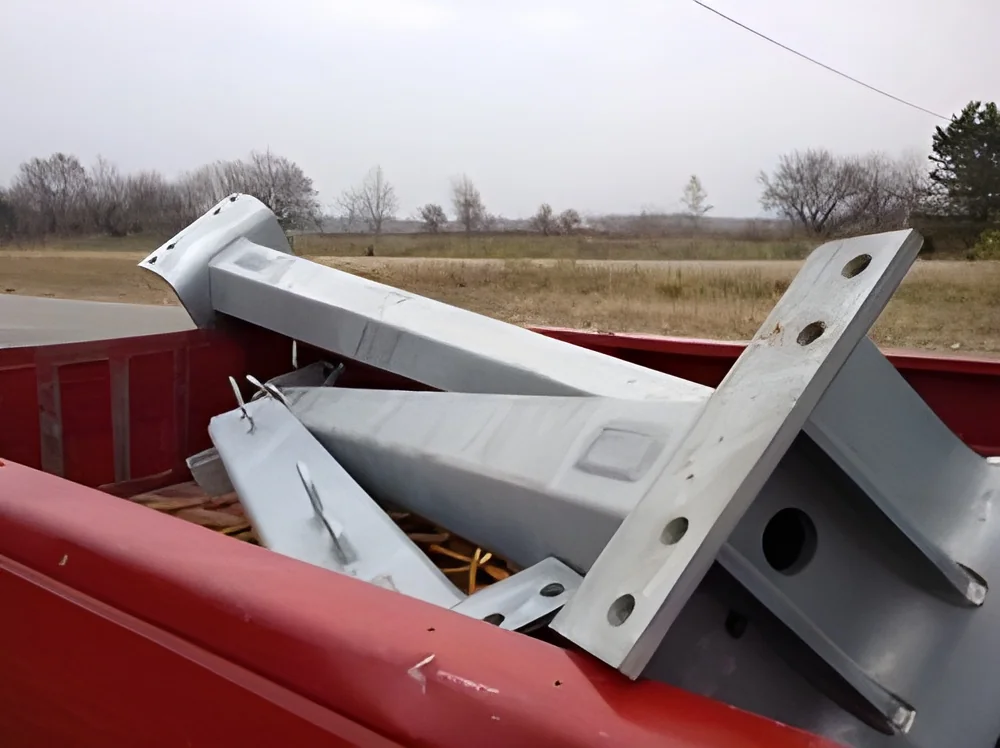
- Can be provided with various surface finishes, including galvanized or painted.
- Treatment enhances durability and resistance to corrosion.
8. Compliance Standards
- Often manufactured to meet international standards such as CE marking.
- Ensures reliability and safety in various applications.
In summary, understanding these specifications helps businesses select the appropriate I Beams and H Beams tailored to their specific structural requirements.
Common Applications and Use Cases
I Beams and H Beams are widely utilized across numerous industries due to their versatility and strength. Their design supports a variety of applications in construction and manufacturing.
1. Construction: I Beams and H Beams serve as essential components in the framing of buildings, bridges, and other large structures, providing the necessary support for floors and roofs.
2. Manufacturing: These beams are utilized in the assembly of heavy machinery and equipment, ensuring stability during operation.
3. Transportation: H Beams are often used in the construction of railways and highways, providing structural integrity for overpasses and bridges.
4. Energy: In the renewable energy sector, I Beams support wind turbines and solar panel installations, contributing to the infrastructure needed for sustainable energy generation.
5. Aerospace: H Beams are utilized in the manufacturing of aircraft structures, where strength-to-weight ratios are critical.
6. Mining: Used in the construction of supports for underground mining operations, ensuring safety and structural reliability.
7. Oil and Gas: I Beams provide support for pipelines and refineries, essential for the transport and processing of resources.
Product Variants and Subcategories
I Beams and H Beams offer a range of variations to meet diverse application needs. While specific subcategories may not be available, several variants cater to different structural requirements.
Standard I Beams
These beams are designed for general structural applications. They provide excellent load-bearing capabilities and are commonly used in commercial and residential construction projects.
Wide Flange H Beams
This variant features wider flanges that enhance load distribution and improve structural integrity. Ideal for heavy-duty applications, they are frequently used in large-scale industrial structures.
Heavy-duty I Beams
These beams are manufactured to withstand greater loads and stresses. They are suitable for applications where high strength is a requirement, such as in bridge construction or large commercial buildings.
Benefits and Advantages
I Beams and H Beams provide numerous benefits that make them a preferred choice in structural applications.
Key benefits include:
1. High Strength-to-Weight Ratio: Their design allows for maximum strength while minimizing weight, facilitating easier handling and installation.
2. Versatility: Suitable for various applications across multiple industries, making them a flexible choice for manufacturers and builders.
3. Cost-Effectiveness: Their durability and efficient design can lead to reduced material costs and lower overall project expenses.
4. Ease of Fabrication: I Beams and H Beams can be easily cut and welded to meet specific project requirements, streamlining the construction process.
5. Stability: Their structural design provides enhanced stability and support, essential for maintaining the integrity of large constructions.
6. Long Lifespan: Made from high-quality steel, these beams resist wear and tear, providing a long service life with minimal maintenance.
Buying Guide for B2B Buyers
When sourcing I Beams and H Beams, it is essential to consider several factors to ensure you make an informed purchasing decision.
1. Quality Assessment: Evaluate the quality of the beams by reviewing material specifications and compliance with industry standards. Ensure the beams meet necessary structural requirements.
2. Supplier Verification: Vet suppliers by checking their credentials, customer reviews, and industry reputation. A reliable supplier ensures product quality and timely delivery.
3. Pricing and MOQ: Understand the price range for different beam specifications and inquire about minimum order quantities (MOQ) to align with your project budget and needs.
4. Delivery and Lead Times: Discuss logistics with suppliers to assess delivery capabilities and lead times. Timely delivery is crucial for maintaining project schedules.
5. Compliance Requirements: Ensure that the beams comply with relevant regulatory and safety standards for your specific industry and location. This may include certifications such as CE marking.
Compliance and Certifications
I Beams and H Beams are subject to various compliance and certification requirements to ensure they meet safety and quality standards.
Relevant quality standards include ISO 9001, which dictates quality management systems, ensuring that manufacturers consistently deliver products that meet customer and regulatory requirements. Meeting these standards is vital for maintaining product reliability and performance.
Industry certifications, such as CE marking, indicate that the beams comply with European health, safety, and environmental protection standards. This certification is crucial for businesses looking to operate in regions with stringent regulatory requirements.
Additionally, safety and testing requirements are paramount. Beams must undergo rigorous testing to evaluate their strength, durability, and overall performance in real-world applications.
Regional compliance considerations may vary, so it is essential to be aware of local regulations governing the use of structural steel in construction and manufacturing.
Why Source I Beams / H Beams from Pepagora?
Pepagora offers a trusted platform for sourcing I Beams and H Beams, providing several key advantages to buyers.
Verified Supplier Network: Pepagora connects buyers with a network of verified suppliers, ensuring that you receive high-quality products from reputable sources. This verification process enhances buyer confidence and reduces the risk of procurement issues.
Streamlined RFQ Process: The platform simplifies the request for quotation (RFQ) process, allowing buyers to easily compare offers from multiple suppliers. This transparency helps buyers make informed decisions based on pricing and product specifications.
Trade Assurance and Support: Pepagora provides trade assurance and support to buyers, safeguarding transactions and ensuring that products meet expected standards. This buyer protection fosters trust and reliability in the sourcing process.
Regional Coverage: With a strong presence in India, the GCC, and Southeast Asia, Pepagora offers extensive regional coverage. This geographic reach allows buyers to access local suppliers and streamline logistics, making it easier to meet project timelines.

 IN
IN