
 IN
Cutting & Bending Services
16 products available
What are Cutting & Bending Services?
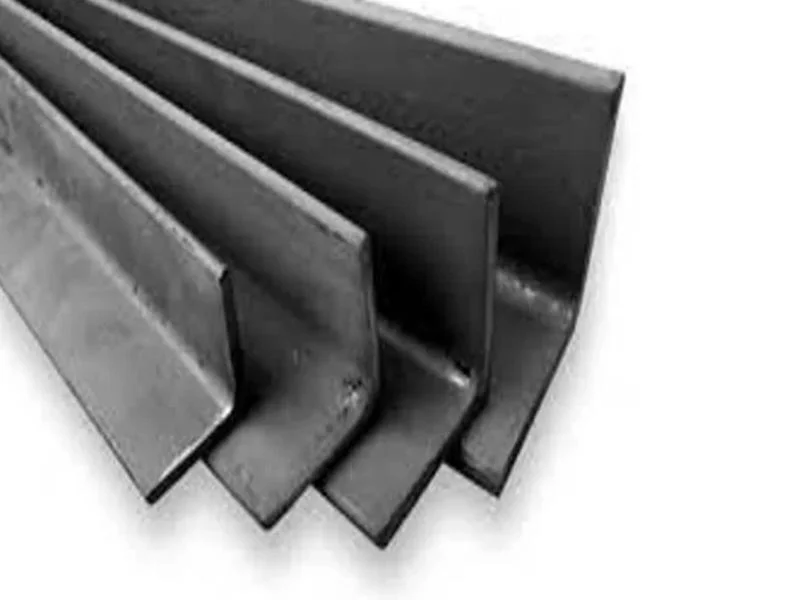
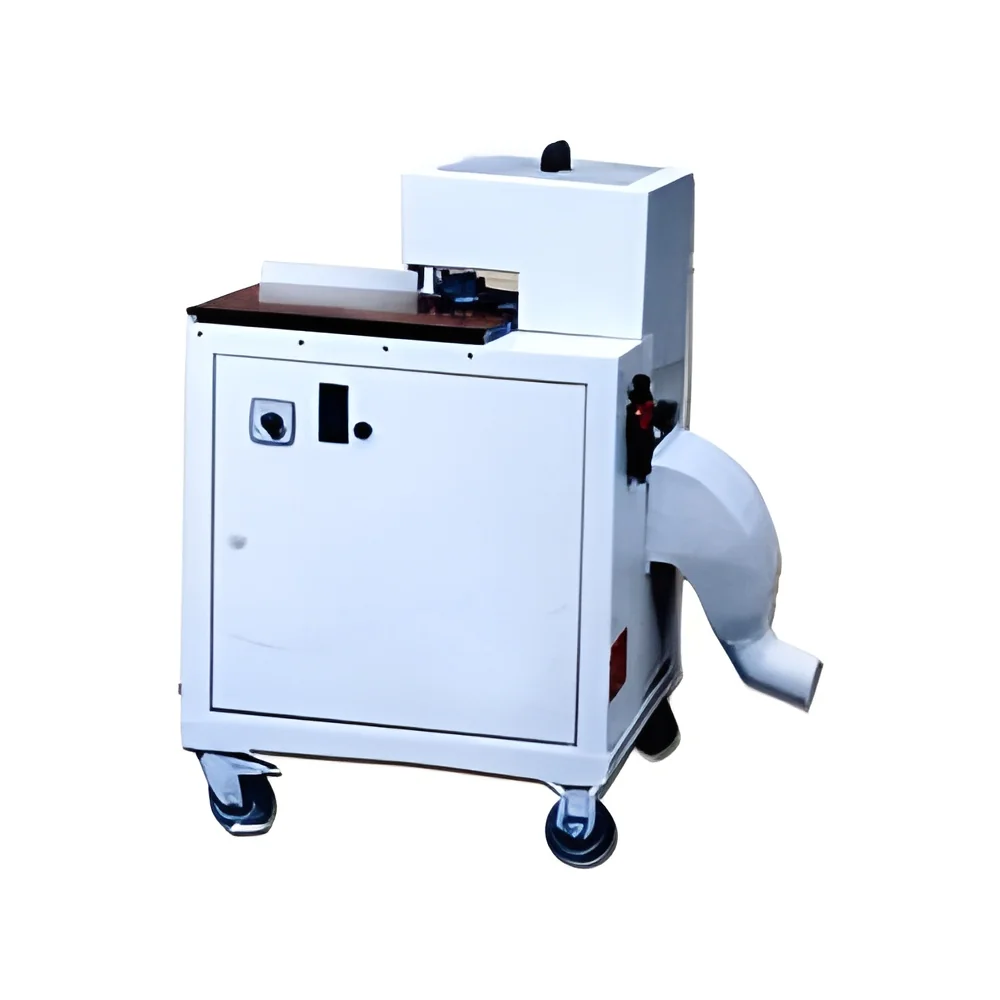
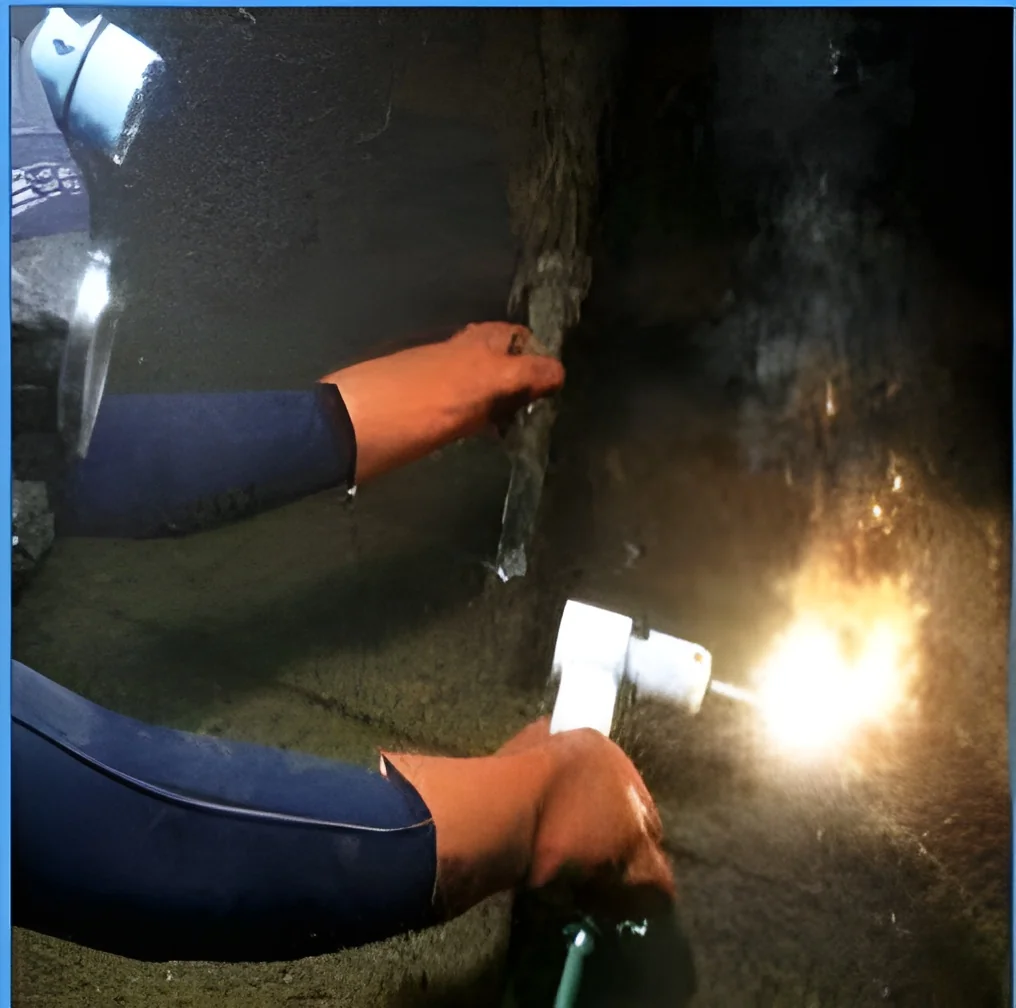
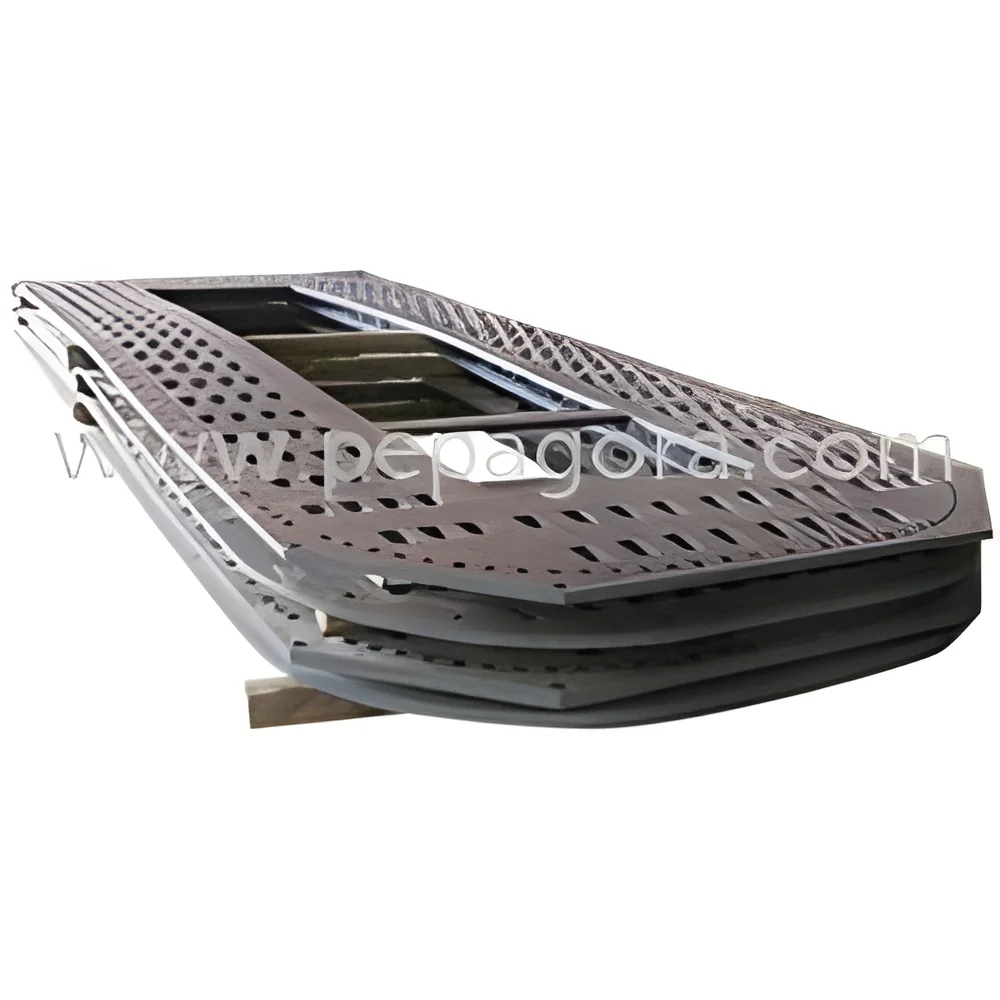
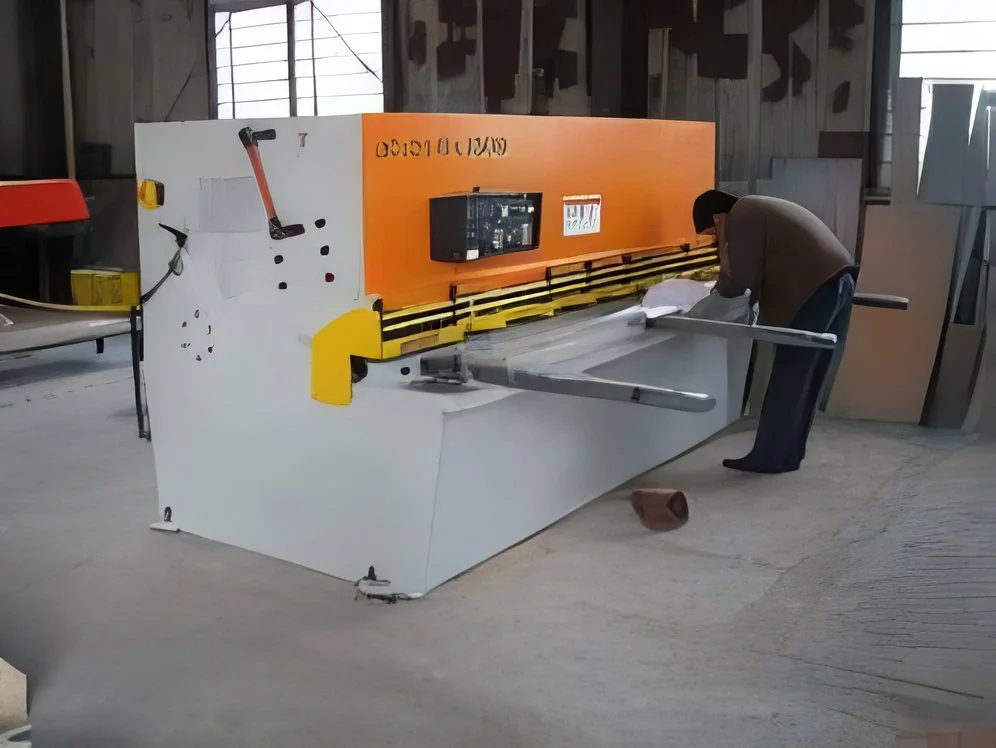
Cutting and bending services refer to specialized processes used in the fabrication of materials, primarily metals, to achieve specific shapes and dimensions. These services typically involve precision cutting techniques, including laser cutting, water jet cutting, and mechanical cutting, followed by bending operations that shape the material into desired angles or curves. This combination allows industries to create custom components that meet their specific requirements.
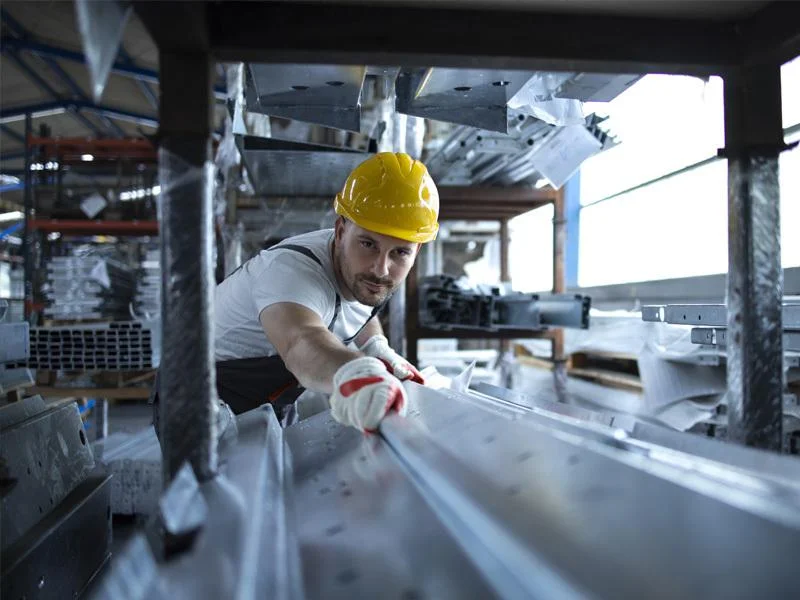
These services find application across various sectors including construction, manufacturing, and automotive. Companies often utilize cutting and bending services to produce parts for machinery, structural elements for buildings, and components for vehicles. The versatility and precision of these services enhance production efficiency and product quality, making them an integral part of the supply chain.
In the current market context, the demand for cutting and bending services continues to grow as industries increasingly focus on customization and efficiency. With advancements in technology, these services are becoming more accessible, enabling businesses to meet the evolving needs of their customers. As such, cutting and bending services play a critical role in maintaining competitive advantage across various industrial sectors.
Key Features and Specifications
Cutting and bending services are characterized by several key features that ensure quality and precision in the final products. These features include advanced machinery, skilled labor, and adherence to industry standards.
Key specifications include:
1. Cutting Methods
- Laser cutting for intricate designs
- Water jet cutting for thicker materials
2. Bending Techniques
- Press brake bending for precise angles
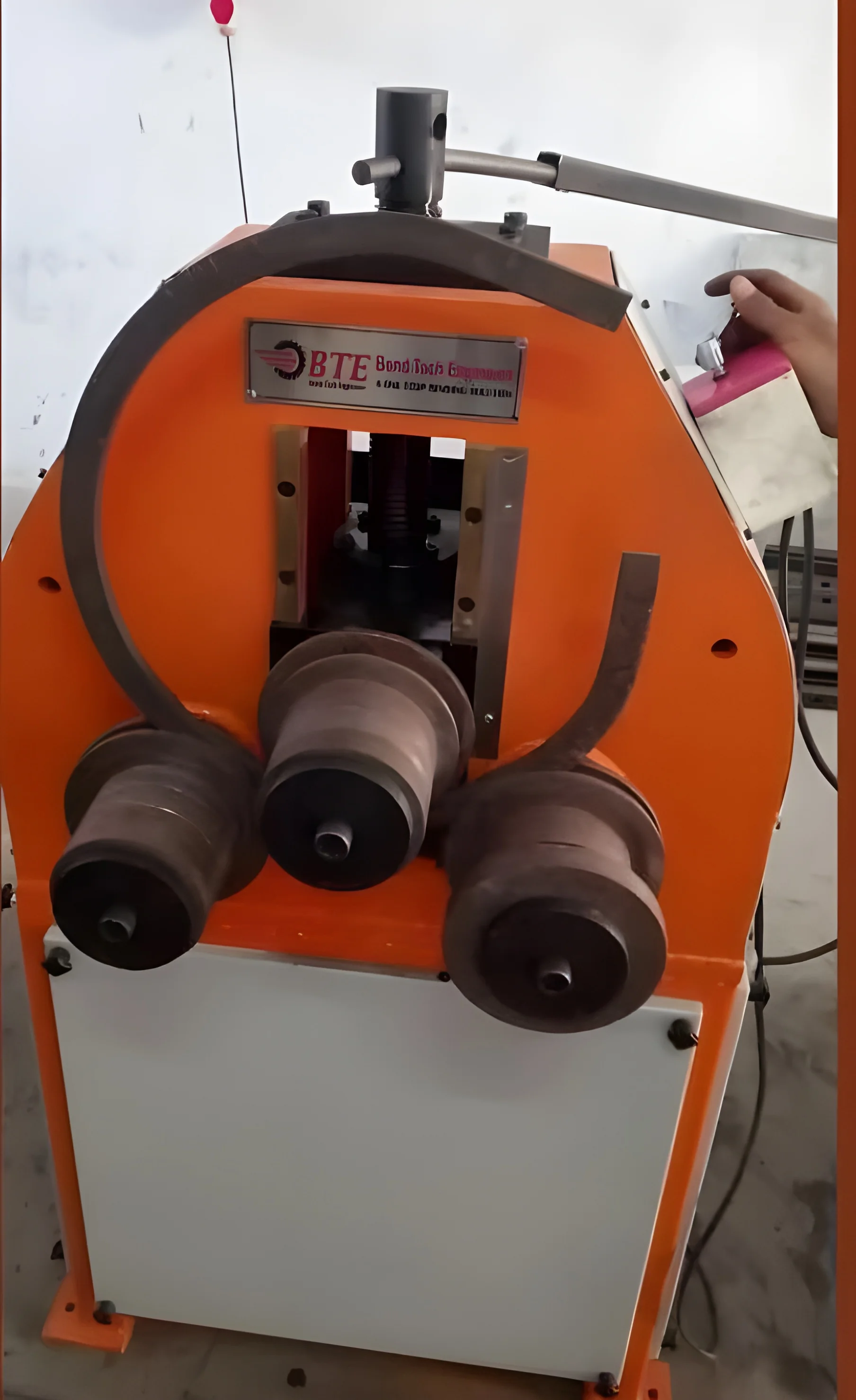
- Roll bending for circular shapes
3. Material Types
- Steel, aluminum, copper, and other metals
- Compatibility with various thicknesses
4. Tolerance Levels
- Tight tolerances typically within ±0.5 mm
- Custom tolerances available upon request
5. Production Volume
- Capable of handling low to high volume orders
- Flexibility for prototyping and large-scale production
6. Surface Finishing
- Options for powder coating, anodizing, and plating
- Quality finishes to enhance durability and aesthetics
In summary, the specifications of cutting and bending services highlight their versatility and precision, making them suitable for a wide range of industrial applications.
Common Applications and Use Cases
Cutting and bending services are utilized in multiple industries to create custom components and parts.
1. Construction: These services are essential for fabricating structural elements such as beams and brackets, which are critical for building stability.
2. Manufacturing: In manufacturing, cutting and bending are used to produce parts for machinery and equipment, ensuring they fit perfectly in complex assemblies.
3. Automotive: The automotive industry relies on these services for creating components like chassis and body panels, which require precise shaping and cutting.
4. Aerospace: In aerospace, cutting and bending services are used to produce lightweight and durable parts that meet strict safety standards.
5. HVAC: The heating, ventilation, and air conditioning industry uses these services for ductwork and other components that need precise fittings.
6. Furniture: Custom furniture manufacturing often employs cutting and bending for metal and wood components, allowing for unique designs.
7. Electrical: In the electrical sector, cutting and bending services help create enclosures and mounting brackets that ensure safety and functionality.
Product Variants and Subcategories
Cutting and bending services offer a range of product variants to cater to specific industry needs. Each variant is designed to accommodate different materials and production requirements.
Laser Cutting Services
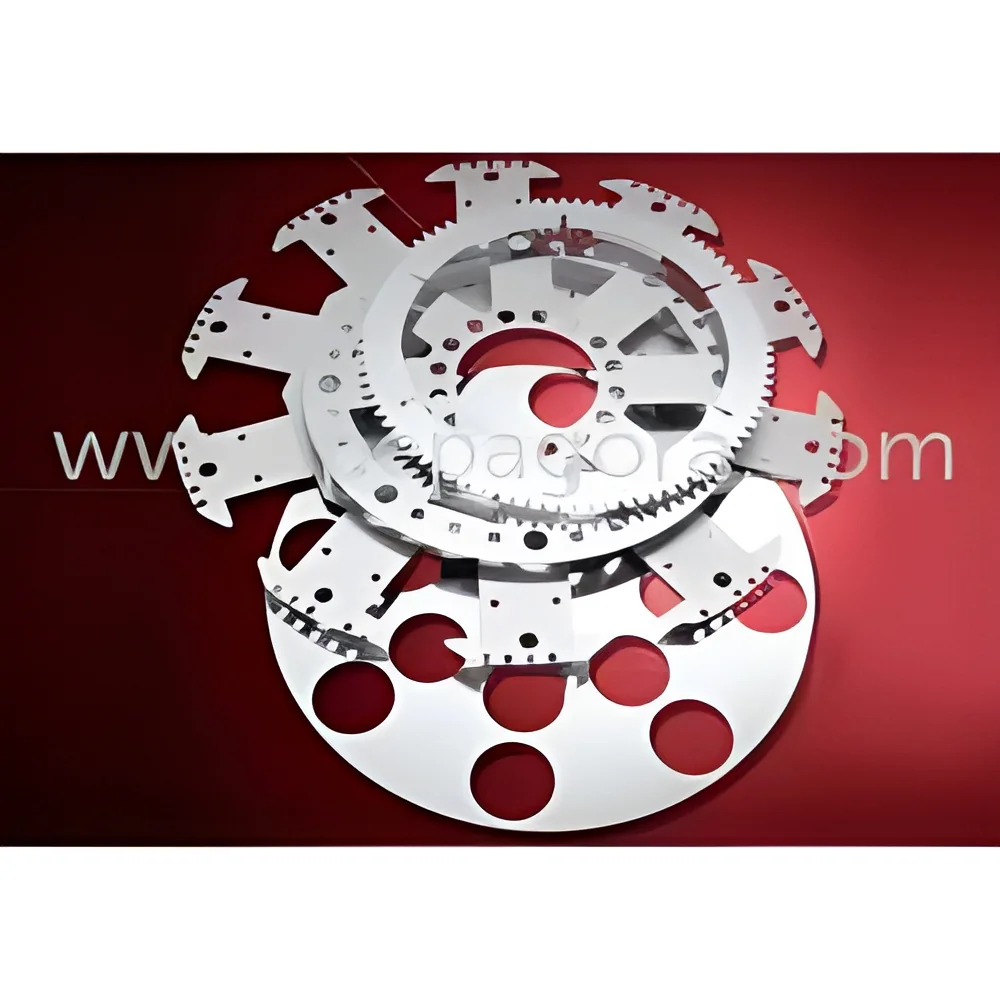
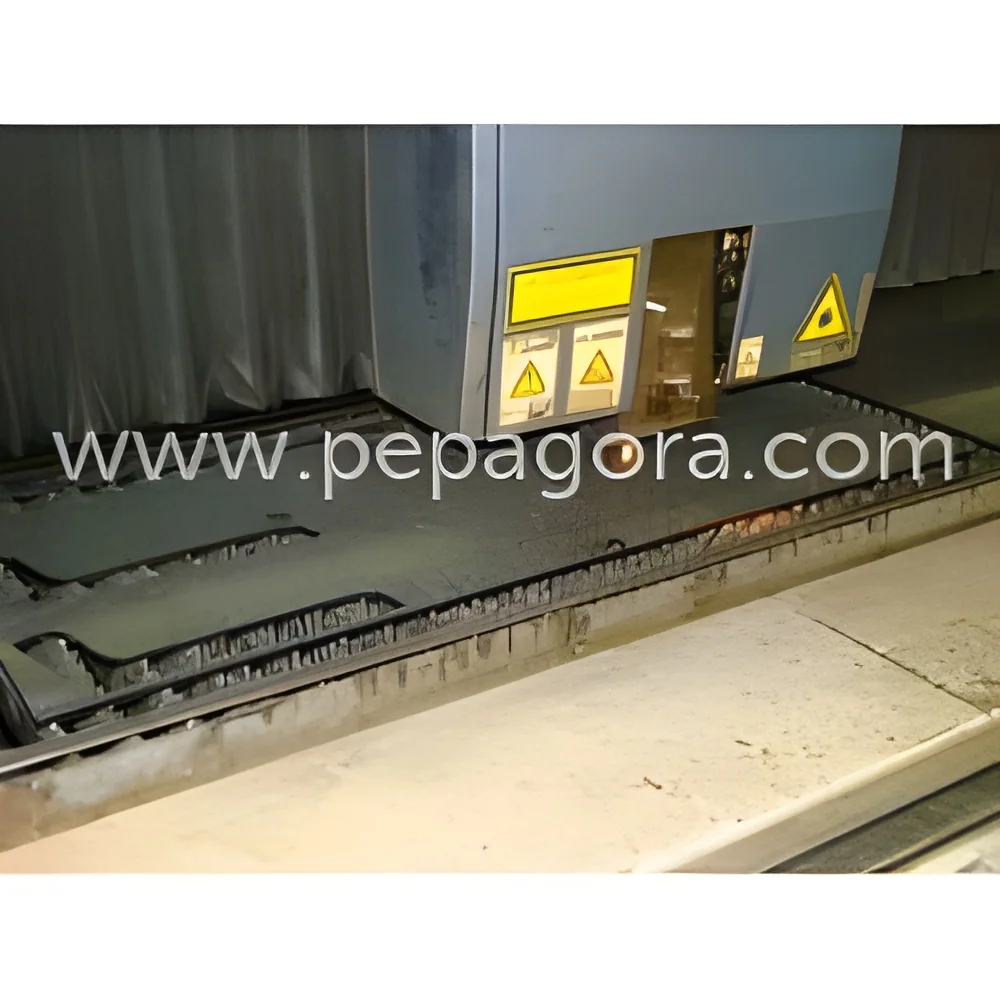
These services utilize high-powered lasers to cut materials with exceptional precision. Ideal for intricate designs, laser cutting is suitable for various sheet metals and is often used in decorative applications.
Water Jet Cutting Services
Water jet cutting employs high-pressure water streams to cut through materials. This method is perfect for thicker materials and delicate components, as it does not introduce heat that could alter material properties.
Press Brake Bending Services
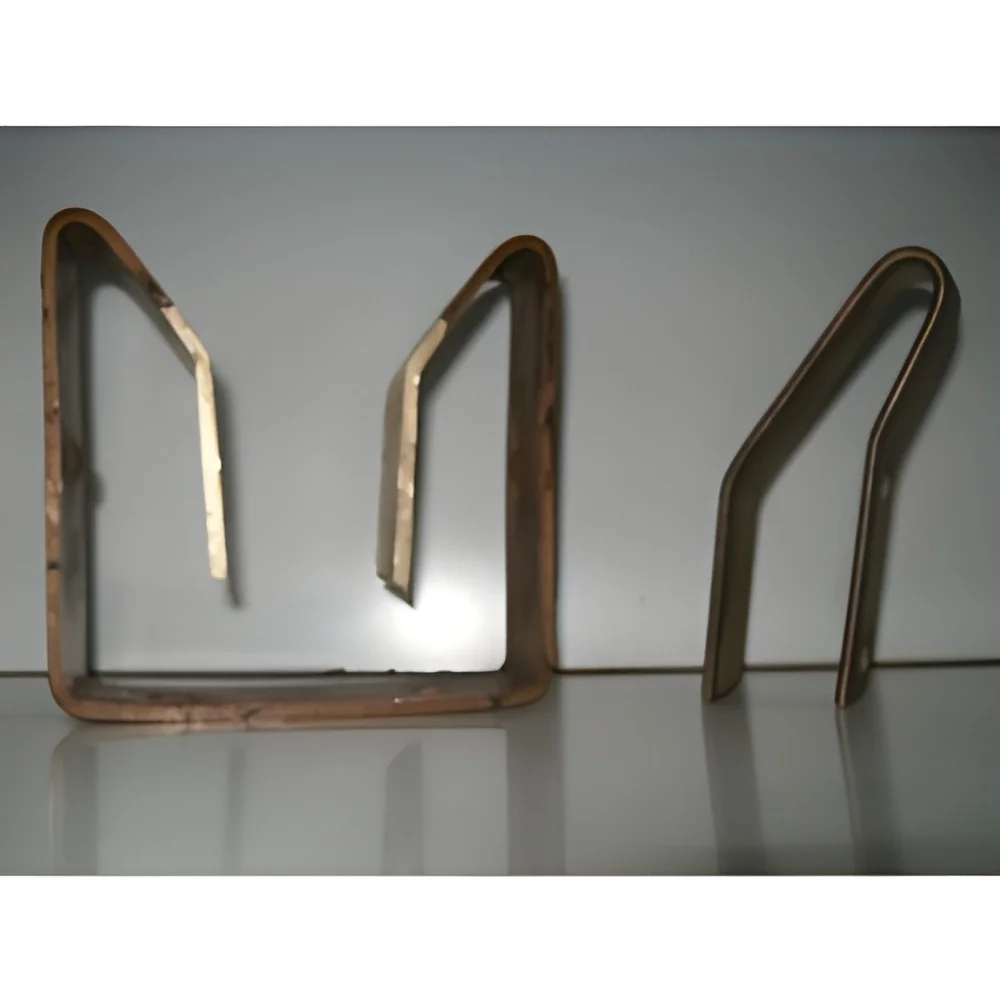
This variant focuses on bending metal sheets using a press brake. It allows for precise angle adjustments and is widely used in the manufacturing of parts that require specific bends.
Roll Bending Services
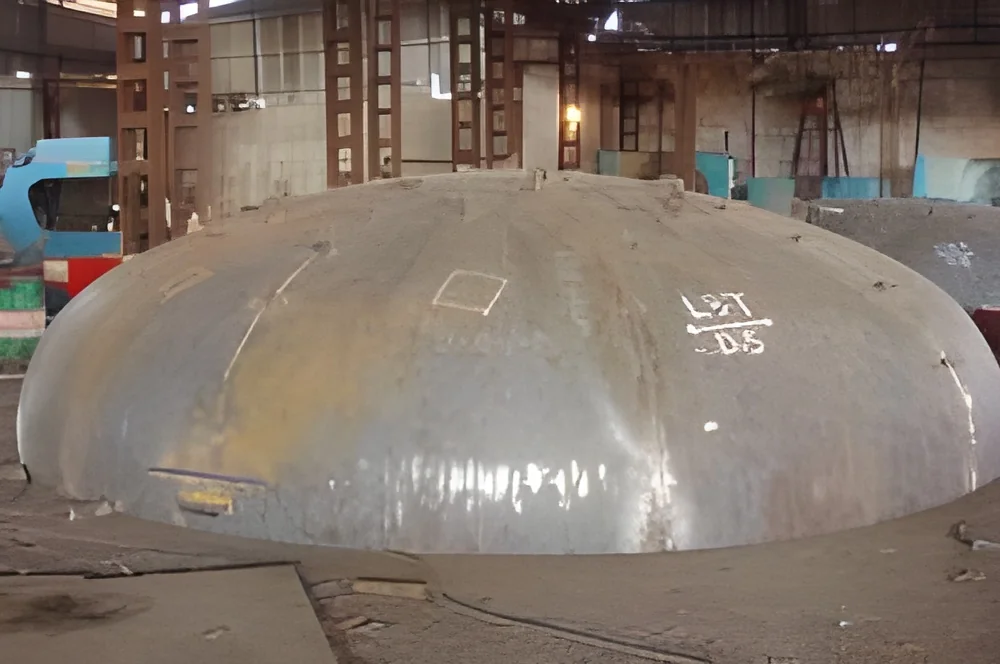
Roll bending is used for creating circular shapes and curves in metal. This technique is essential for applications in architecture and automotive design.
Benefits and Advantages
Cutting and bending services offer numerous benefits that enhance manufacturing processes and product quality.
Key benefits include:
1. Precision: These services provide high accuracy in cutting and bending, ensuring components fit perfectly in assemblies.
2. Customization: Businesses can request tailored solutions to meet specific design needs, enhancing product uniqueness.
3. Efficiency: Advanced machinery and techniques reduce production time, allowing for quicker turnaround on orders.
4. Cost-effectiveness: By outsourcing cutting and bending services, companies can lower operational costs while maintaining quality.
5. Versatility: These services can accommodate a broad range of materials and thicknesses, making them suitable for various applications.
6. Quality Assurance: Reputable providers adhere to strict quality standards, ensuring consistent performance and reliability of components.
Buying Guide for B2B Buyers
When sourcing cutting and bending services, it is crucial for buyers to consider several key factors that influence the overall quality and efficiency of the services received.
1. Quality Assessment: Evaluate the quality of the workmanship and materials used. Look for suppliers with certifications and a proven track record of reliability.
2. Supplier Verification: Conduct thorough research on potential suppliers' backgrounds. Verify their experience and customer reviews to ensure they meet industry standards.
3. Pricing and MOQ: Analyze pricing structures and minimum order quantities (MOQ). Understanding these factors helps in budgeting and aligns expectations for project scope.
4. Delivery and Lead Times: Inquire about delivery schedules and lead times. A reliable supplier should provide clear timelines to ensure timely project completion.
5. Compliance Requirements: Ensure that the selected service provider complies with relevant industry standards and regulations. This includes safety standards and environmental considerations.
Compliance and Certifications
Compliance with quality standards and certifications is critical in the cutting and bending services industry. Adhering to these standards ensures that the services meet industry expectations and deliver high-quality results.
ISO 9001 is one of the most recognized quality management standards. It establishes a framework for consistent quality in services and products, ensuring that suppliers maintain effective processes.
The CE marking indicates conformity with health, safety, and environmental protection standards for products sold within the European Economic Area. This certification assures buyers of the quality and safety of the services provided.
Safety and testing requirements are paramount, especially in industries such as aerospace and automotive, where precision and reliability are crucial. Regular inspections and testing of cutting and bending processes help maintain high standards.
Regional compliance considerations may vary based on local regulations. Buyers should be aware of these requirements to ensure that their suppliers meet necessary guidelines.
Why Source Cutting & Bending Services from Pepagora?
Pepagora provides a trusted platform for sourcing cutting and bending services, ensuring buyers gain access to high-quality solutions tailored to their needs.
Verified Supplier Network: Pepagora connects buyers with a network of verified suppliers. This ensures that businesses can trust the quality and reliability of the services offered.
Streamlined RFQ Process: The platform features a simplified request for quotation (RFQ) process. Buyers can easily submit requirements and receive competitive quotes from multiple suppliers, facilitating better decision-making.
Trade Assurance and Support: Pepagora offers trade assurance to protect buyers throughout the sourcing process. This includes support for dispute resolution and guarantees on service quality.
Regional Coverage: With a strong presence in India, GCC, and Southeast Asia, Pepagora enables buyers to source cutting and bending services from various regional suppliers, enhancing accessibility and options.



Frequently Asked Questions
What are Cutting & Bending Services?
Cutting & Bending Services refer to specialized processes used in the manufacturing and fabrication of materials, primarily metals, to achieve specific shapes and sizes. These services involve precision cutting and bending techniques that are essential in industries such as construction, automotive, and manufacturing.
What are the different types of Cutting & Bending Services?
There are various types of Cutting & Bending Services including laser cutting, plasma cutting, water jet cutting, and CNC bending. Each service employs different technologies and methods to achieve desired results, catering to specific material types and project requirements.
How do I choose the right Cutting & Bending Services?
Choosing the right Cutting & Bending Services involves assessing your project needs, material specifications, and desired outcomes. It is also important to evaluate the supplier's experience, technology, and quality certifications to ensure they can meet your requirements effectively.
What are the standard specifications for Cutting & Bending Services?
Standard specifications for Cutting & Bending Services typically include material type, thickness, tolerances, and finish requirements. These specifications may vary based on industry standards and the specific service provider, so it is crucial to discuss them in detail with your supplier.
What is the price range for Cutting & Bending Services?
The price range for Cutting & Bending Services can vary widely depending on factors such as material type, complexity of the design, and volume of the order. Generally, prices can start from a few hundred rupees for simple tasks and go up to several thousand for more complex projects.
What quality standards apply to Cutting & Bending Services?
Quality standards for Cutting & Bending Services often include compliance with ISO certifications, adherence to material specifications, and precision tolerances. It is essential to confirm that your service provider meets these standards to ensure the quality and durability of the finished product.
Where can I find Cutting & Bending Services suppliers in India?
You can find Cutting & Bending Services suppliers in India through various platforms, including B2B marketplaces like Pepagora. Additionally, industry trade shows and directories can provide a comprehensive list of qualified suppliers in your region.
Can Cutting & Bending Services be customized?
Yes, Cutting & Bending Services can be customized to meet specific project requirements. Many suppliers offer tailored solutions that accommodate unique designs, dimensions, and material specifications based on client needs.
What is the typical minimum order quantity for Cutting & Bending Services?
The typical minimum order quantity (MOQ) for Cutting & Bending Services can vary by supplier and the type of service required. Generally, MOQs may range from a single unit for prototypes to larger quantities for mass production runs.
What is the typical lead time for Cutting & Bending Services?
The typical lead time for Cutting & Bending Services depends on the complexity of the project and the supplier's workload. Generally, lead times can range from a few days for simple tasks to several weeks for more complex or large-scale projects.
Why Businesses Trust Pepagora
Thousands of companies trust Pepagora to source smarter and sell faster
Expand Your Sales Globally

Source Smarter,Grow Faster
