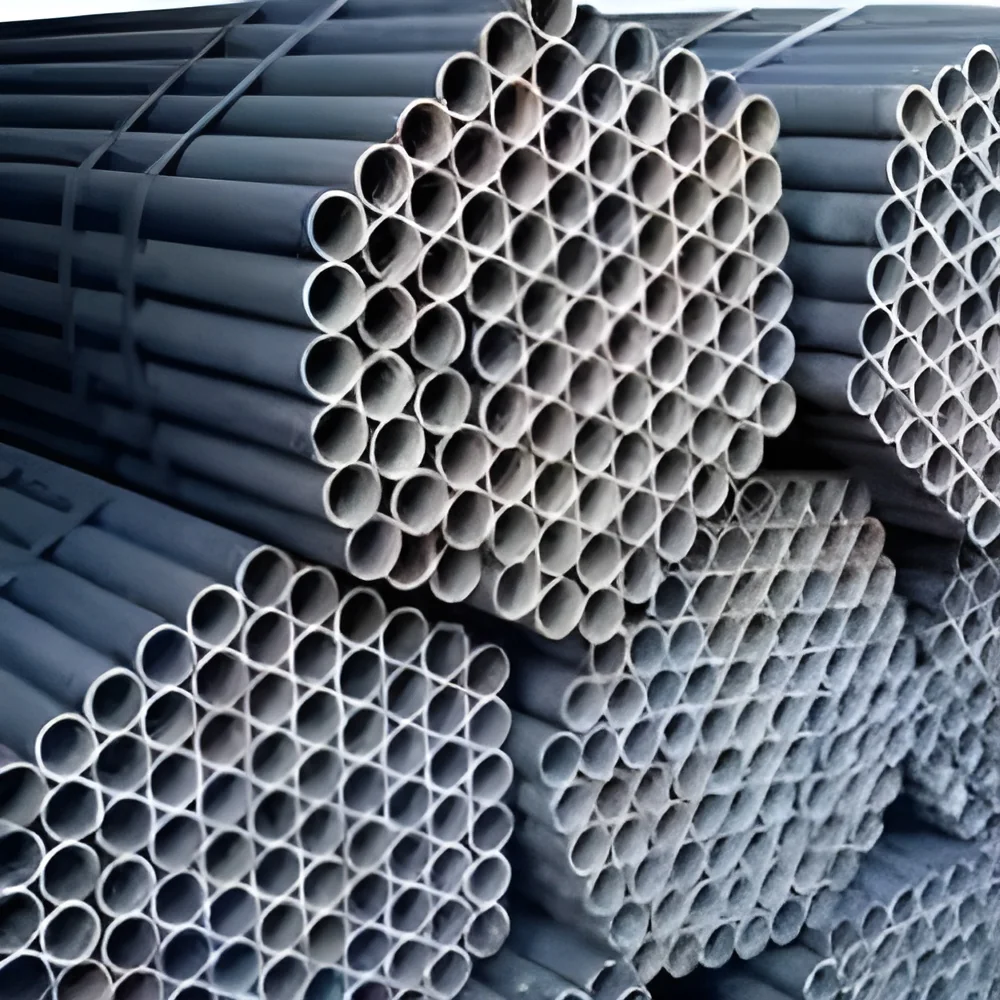
What are Steel Tubes & Hollow Sections (SHS, RHS, CHS)?
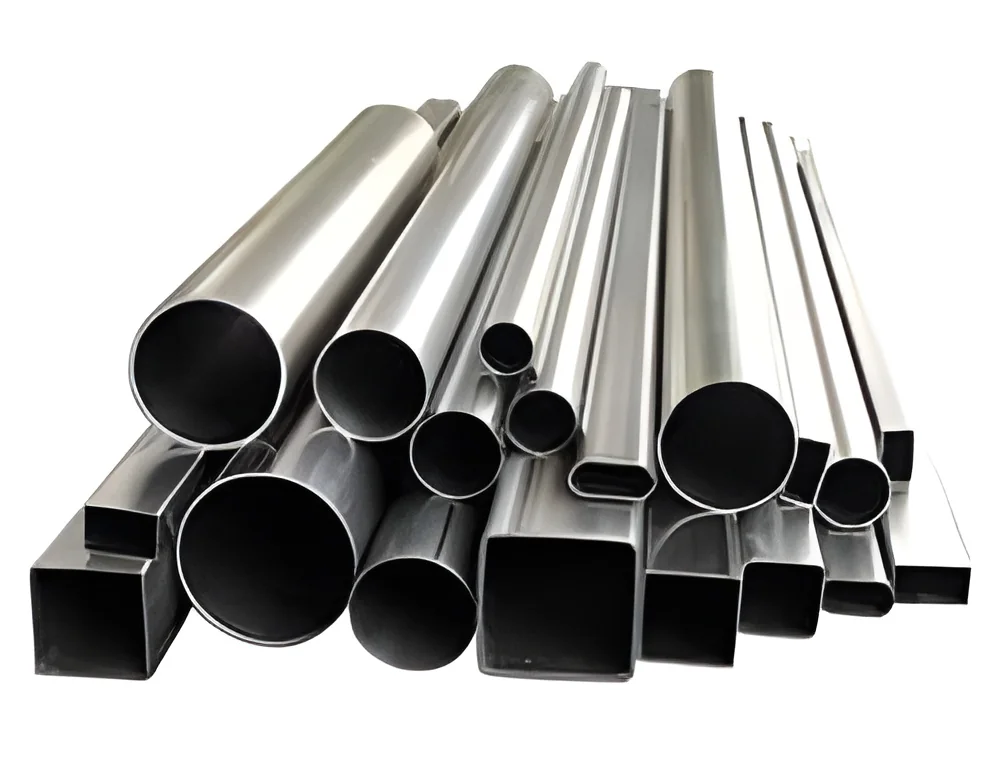
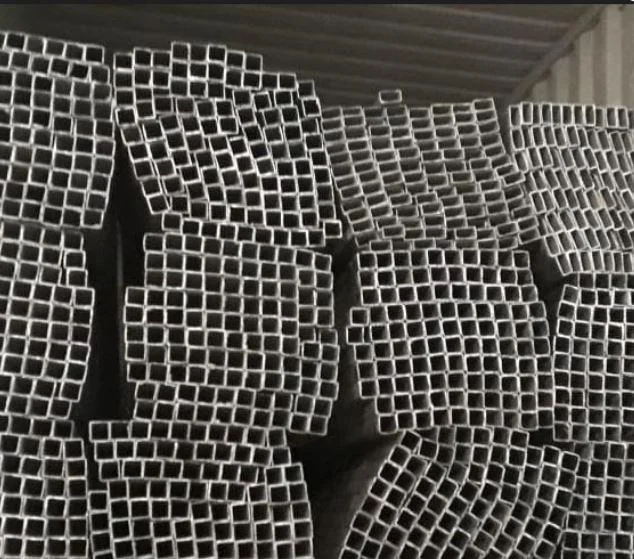
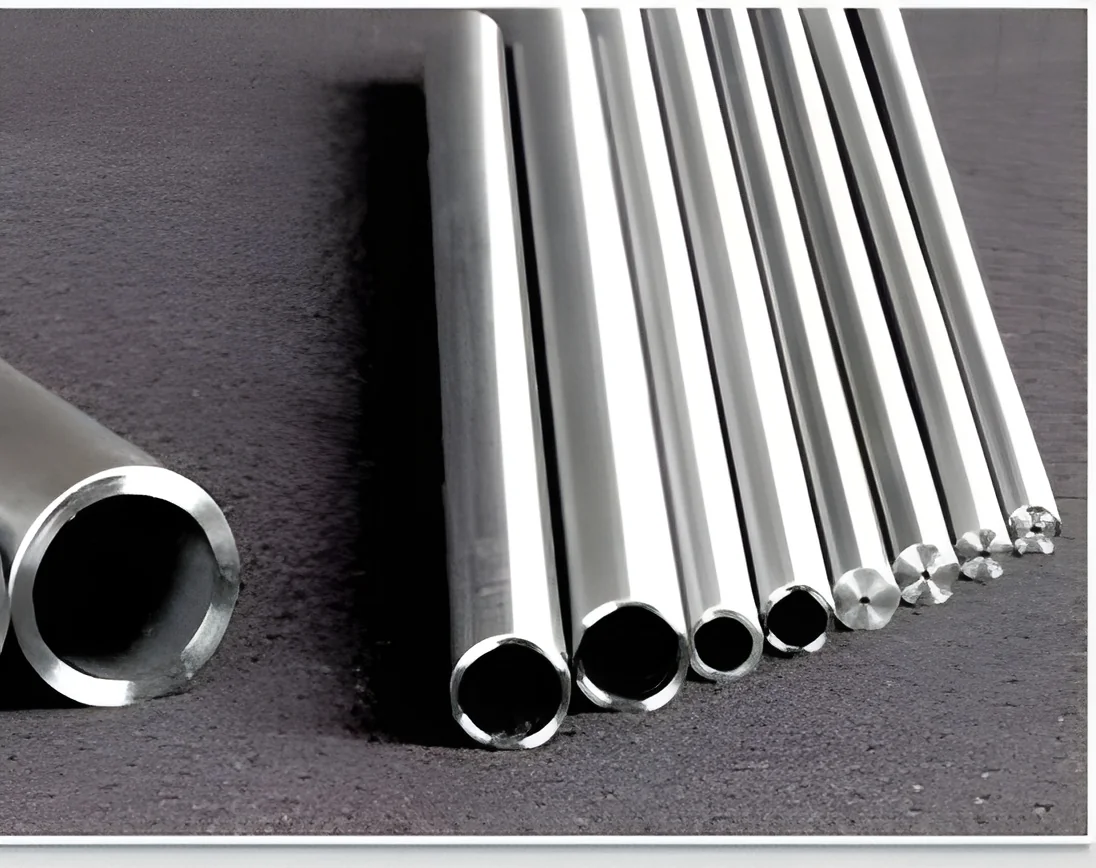
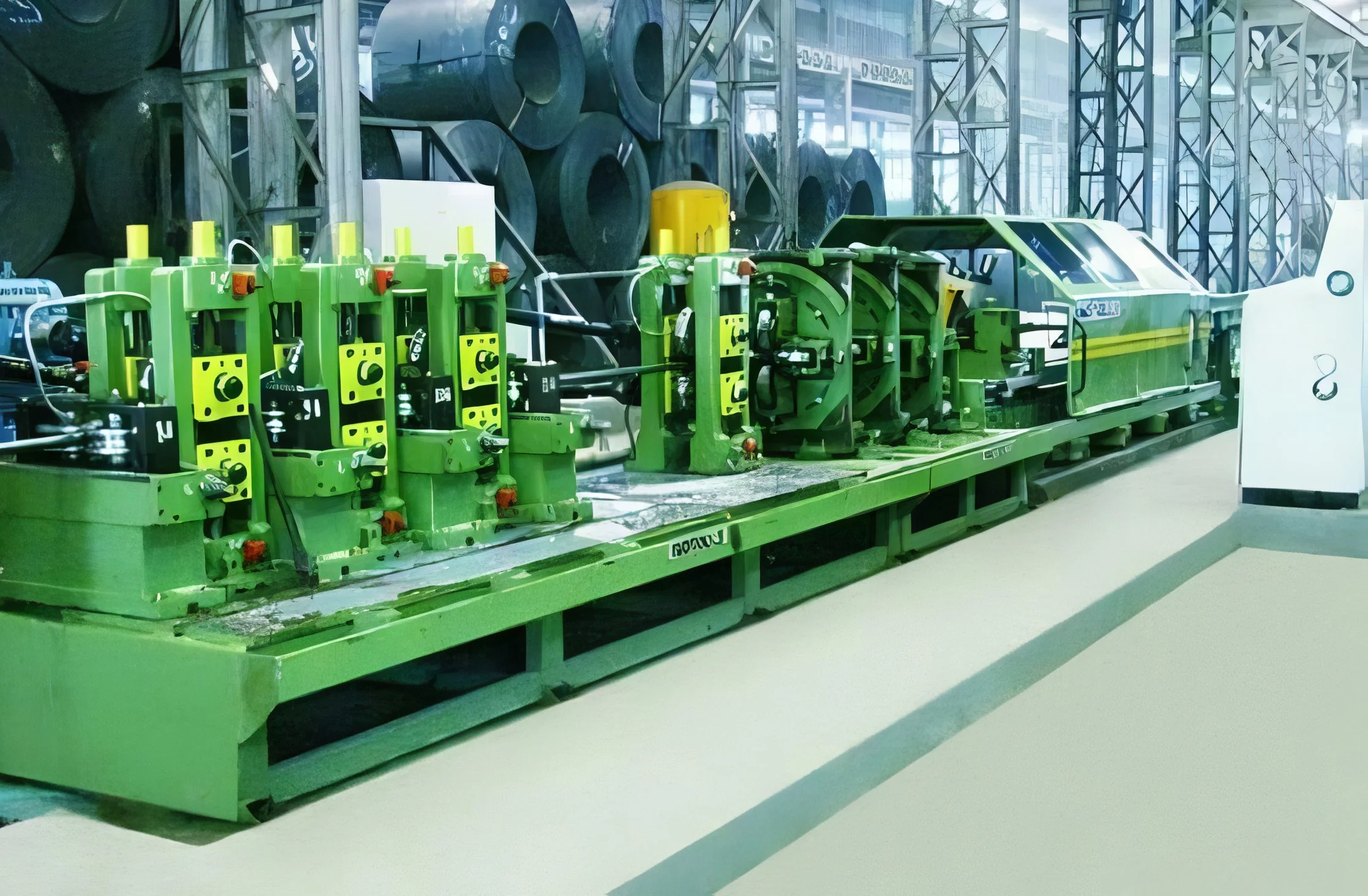
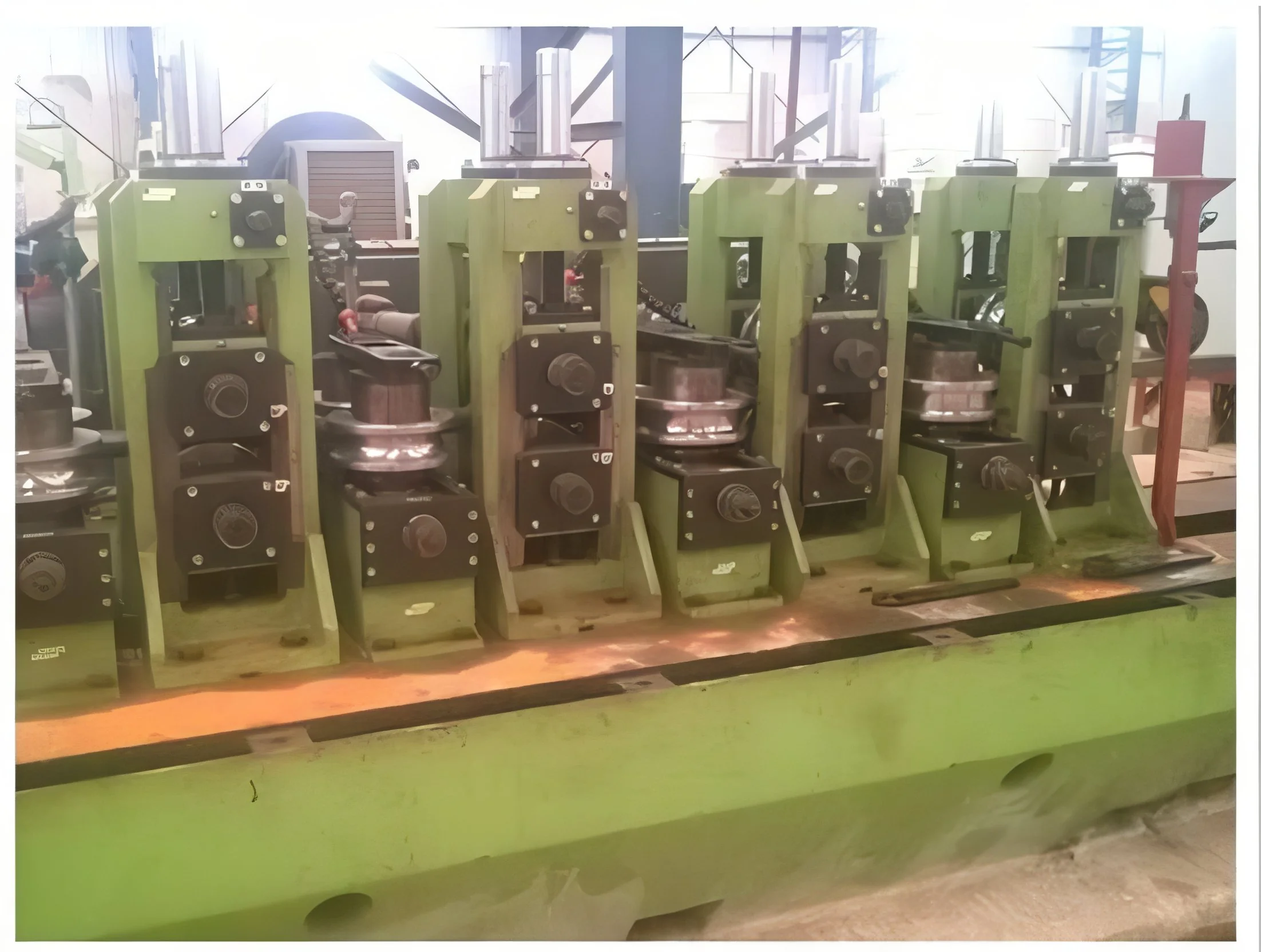
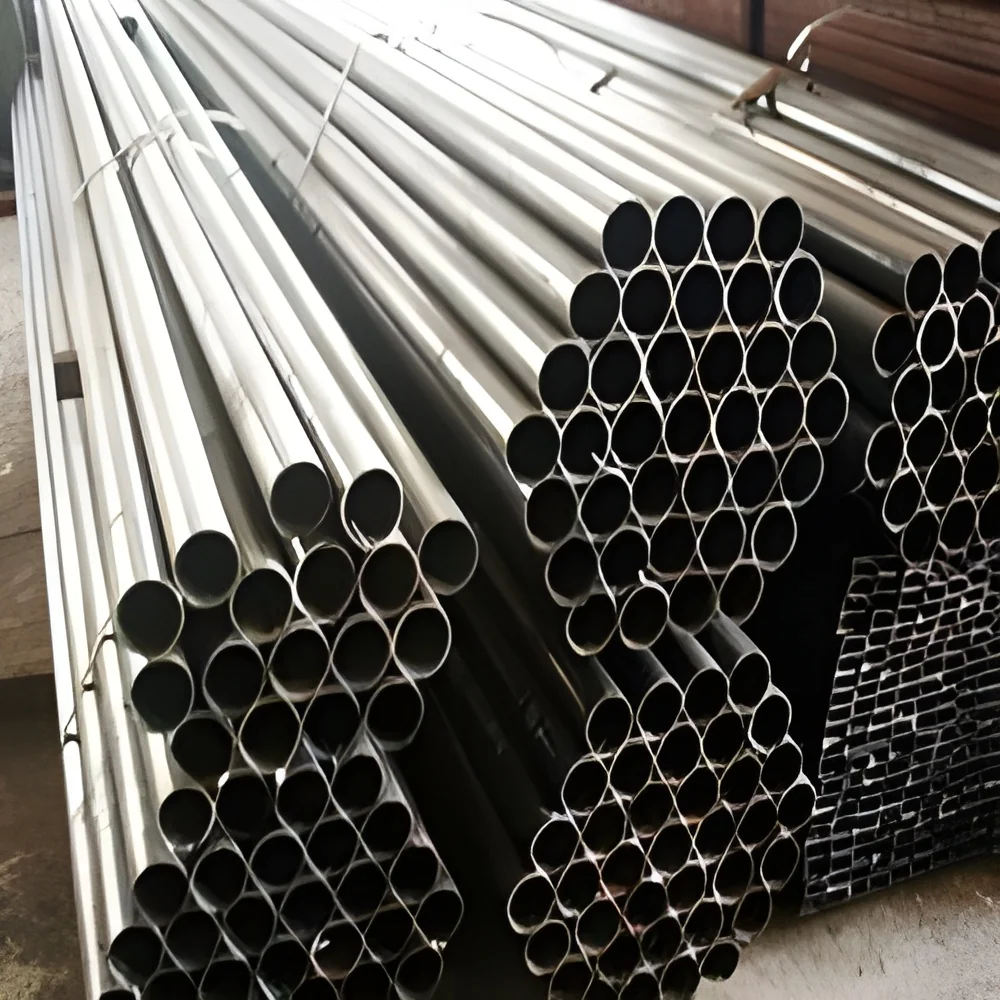
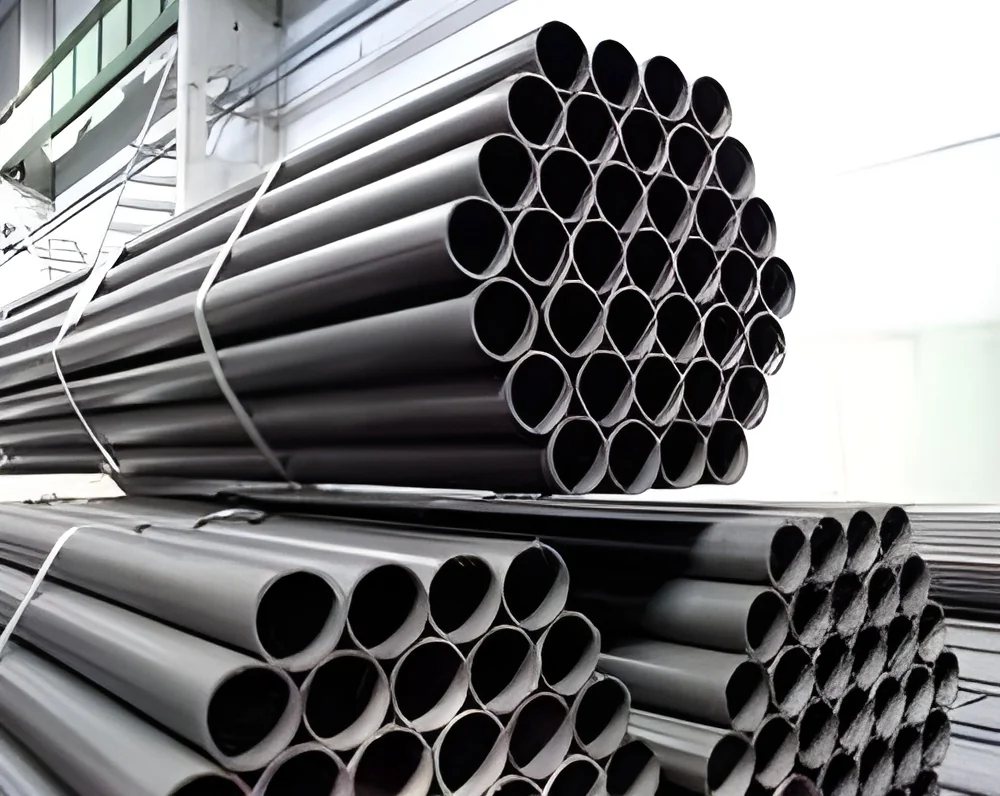
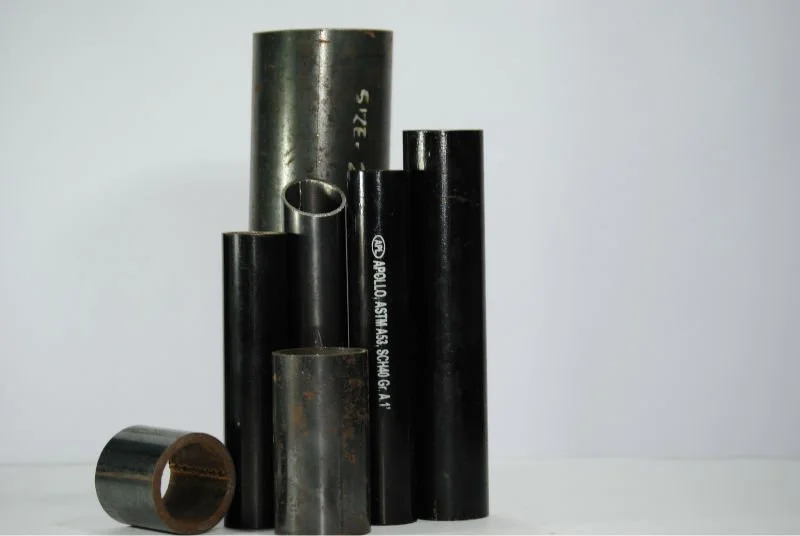
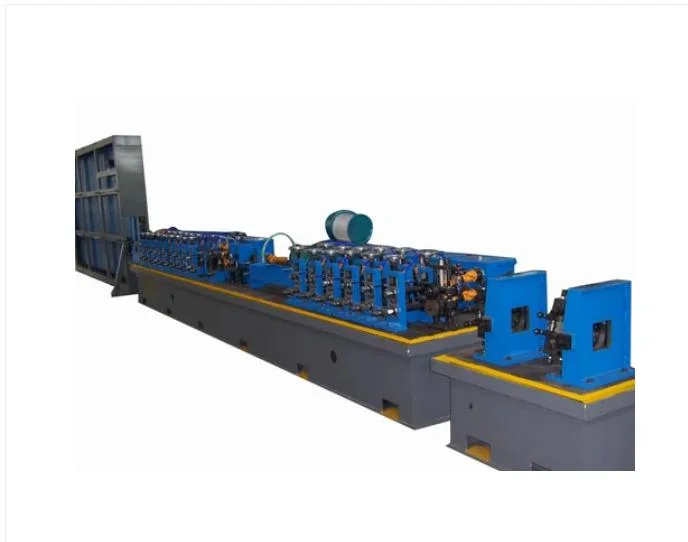
Steel tubes and hollow sections are structural steel products primarily used in construction and manufacturing. They are categorized into three main types: Square Hollow Sections (SHS), Rectangular Hollow Sections (RHS), and Circular Hollow Sections (CHS). These sections are created by rolling steel plates and welding the edges or by extruding hot steel. Their hollow nature provides high strength-to-weight ratios, making them ideal for various applications.
The primary uses of steel tubes and hollow sections include structural support in buildings, bridges, and vehicles. They are also utilized in machinery, furniture, and decorative applications. Their versatility allows for a wide range of design possibilities, while their durability ensures long-lasting performance in demanding environments. The market for these products is robust, driven by ongoing construction activities and the increasing demand for sustainable and efficient building materials.
𝗞𝗲𝘆 𝗙𝗲𝗮𝘁𝘂𝗿𝗲𝘀 𝗮𝗻𝗱 𝗦𝗽𝗲𝗰𝗶𝗳𝗶𝗰𝗮𝘁𝗶𝗼𝗻𝘀
Steel tubes and hollow sections are designed to meet specific engineering requirements. Their features can vary based on their intended application. It is important to understand their key specifications to ensure the right product is selected for any project.
Key specifications include:
1. Shape
- Types include Square, Rectangular, and Circular
- Each shape provides distinct structural advantages
2. Material Grade
- Common grades include S235, S275, and S355
- Higher grades offer improved strength and durability
3. Wall Thickness
- Available in various thickness ranges
- Thickness impacts strength, weight, and application suitability
4. Length Options
- Standard lengths range from 6 to 12 meters
- Custom lengths can often be provided upon request
5. Surface Finish
- Options include galvanized, painted, or untreated
- Surface finish affects corrosion resistance and aesthetic appeal
6. Weight
- Weight varies by shape and size
- Important for transportation and handling considerations
7. Compliance with Standards
- Must meet industry standards for safety and performance
- Often certified to ISO and CE standards
In summary, understanding these specifications is crucial for selecting appropriate steel tubes and hollow sections for specific applications.
𝗖𝗼𝗺𝗺𝗼𝗻 𝗔𝗽𝗽𝗹𝗶𝗰𝗮𝘁𝗶𝗼𝗻𝘀 𝗮𝗻𝗱 𝗨𝘀𝗲 𝗖𝗮𝘀𝗲𝘀
Steel tubes and hollow sections are utilized across a variety of industries, making them essential components in many projects.
1. Construction: Widely used in building frames, scaffolding, and support structures, providing strength and stability.
2. Automotive: Used in the manufacturing of vehicle frames and components, where lightweight yet strong materials are necessary.
3. Oil and Gas: Employed in pipelines and structural supports for rigs, designed to withstand harsh environments.
4. Furniture Manufacturing: Ideal for making modern furniture due to their aesthetic appeal and structural integrity.
5. Agriculture: Utilized in the construction of greenhouses and storage facilities, offering durability against the elements.
6. Energy: Applied in wind turbine towers and other renewable energy structures, contributing to sustainable development.
7. Infrastructure: Integral in the construction of bridges and roads, ensuring safety and longevity.
𝗣𝗿𝗼𝗱𝘂𝗰𝘁 𝗩𝗮𝗿𝗶𝗮𝗻𝘁𝘀 𝗮𝗻𝗱 𝗦𝘂𝗯𝗰𝗮𝘁𝗲𝗴𝗼𝗿𝗶𝗲𝘀
Steel tubes and hollow sections offer a diverse range of products to meet various industrial needs.
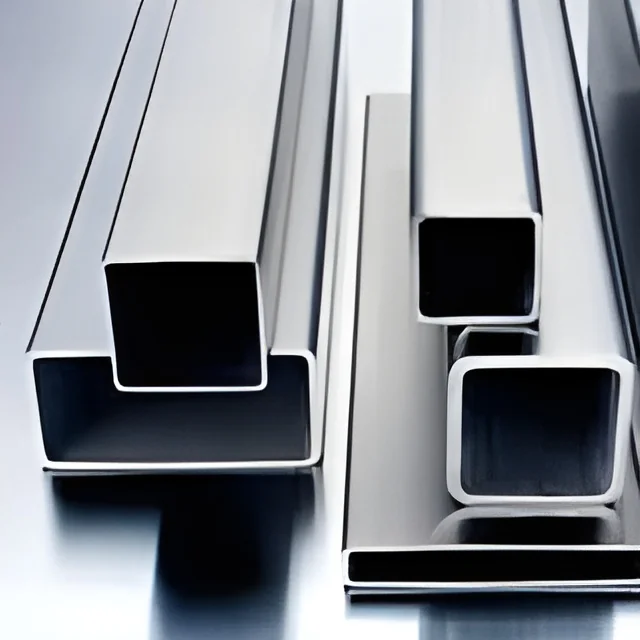
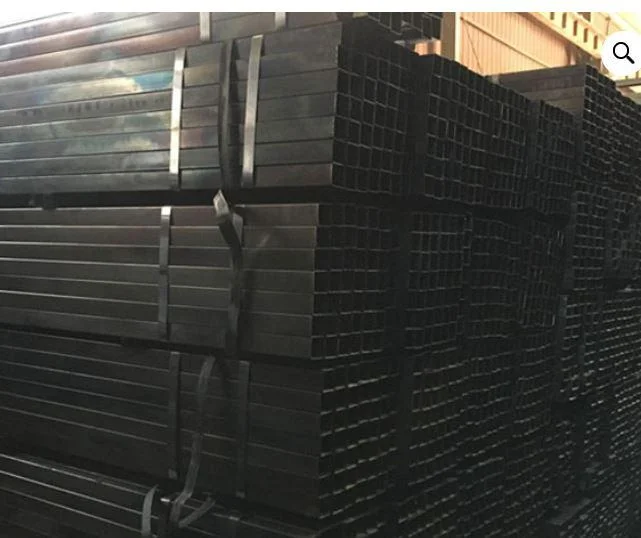
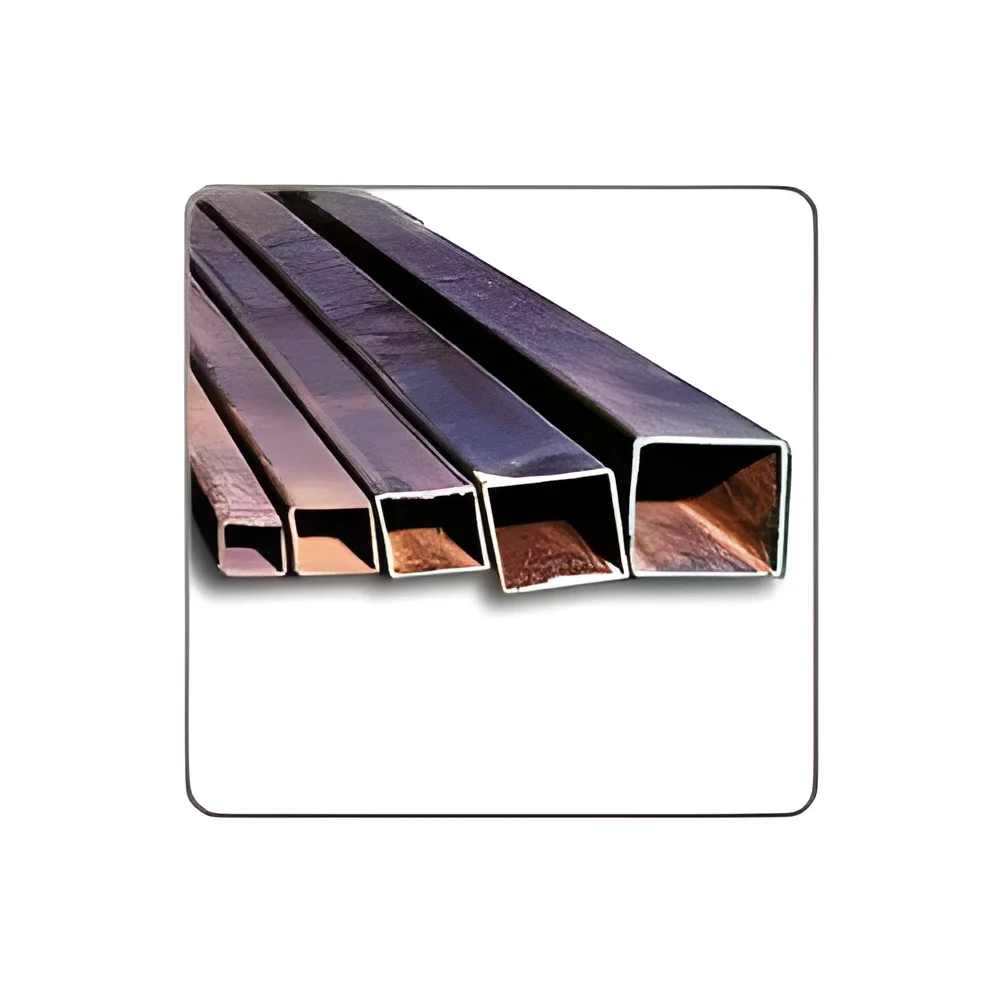
Square Hollow Sections (SHS): These sections are characterized by equal sides, providing uniform strength in all directions. They are commonly used in construction and architectural applications.
Rectangular Hollow Sections (RHS): Featuring a rectangular shape, RHS is ideal for applications requiring higher load-bearing capabilities. They are frequently used in structural and industrial applications.
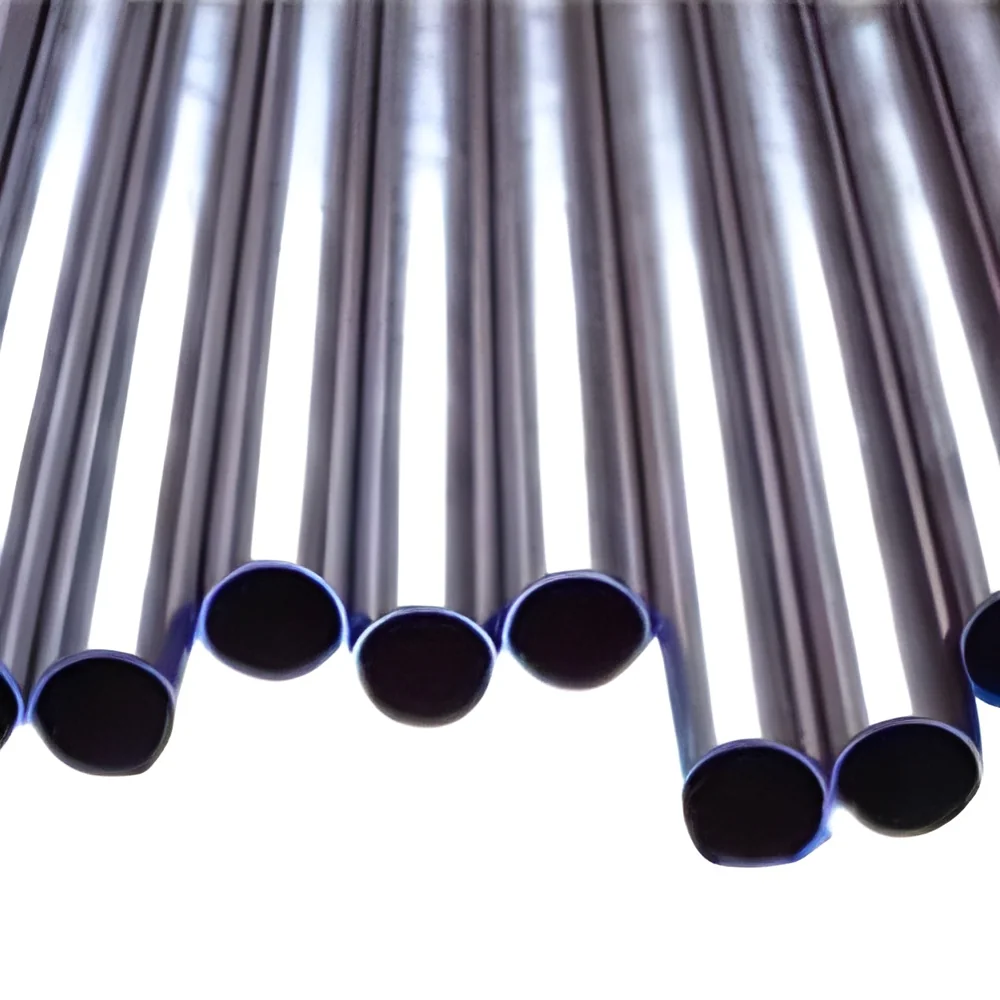
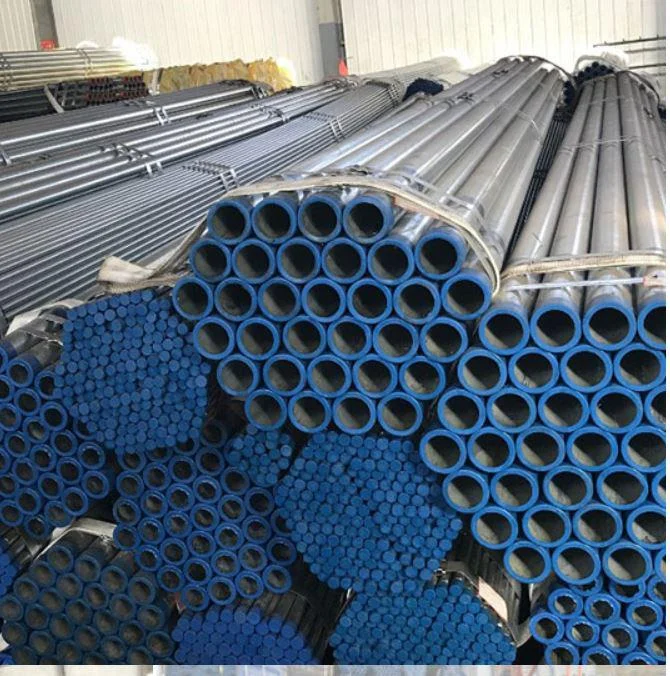
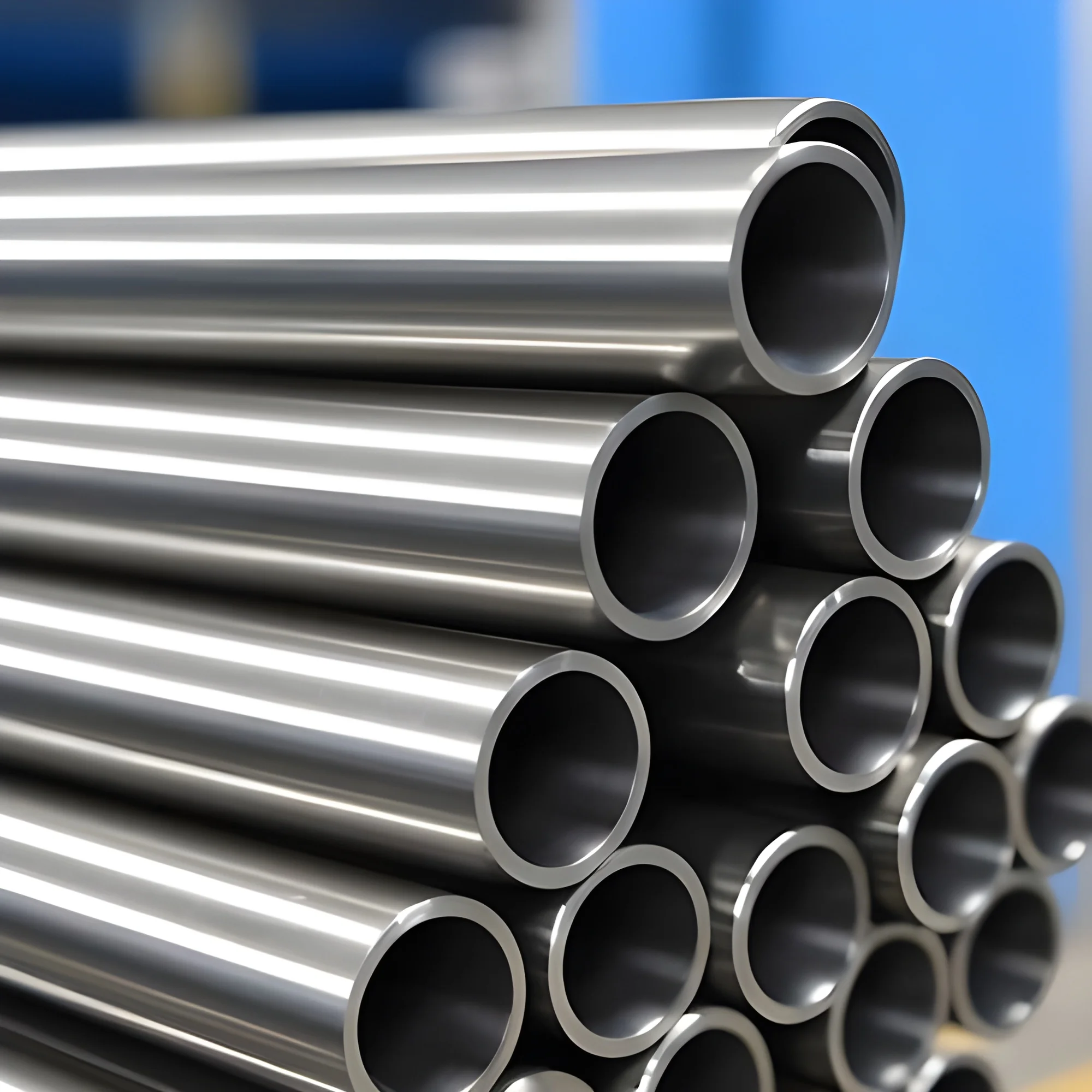
Circular Hollow Sections (CHS): Known for their smooth surface and aesthetic appeal, CHS are often used in architectural designs and structural applications where rounded edges are desired.
𝗕𝗲𝗻𝗲𝗳𝗶𝘁𝘀 𝗮𝗻𝗱 𝗔𝗱𝘃𝗮𝗻𝘁𝗮𝗴𝗲𝘀
Choosing steel tubes and hollow sections comes with numerous advantages that enhance their appeal to businesses.
1. High Strength-to-Weight Ratio: These products provide excellent strength while minimizing weight, reducing transportation costs.
2. Versatility: Available in various shapes, sizes, and finishes, they can be tailored to suit diverse applications.
3. Durability: Steel's inherent properties ensure long-lasting performance under challenging conditions, minimizing maintenance needs.
4. Cost-Effectiveness: Their structural efficiency often leads to cost savings in both material and labor during installation.
5. Aesthetic Flexibility: Various finishes allow for customization to meet design requirements and improve visual appeal.
6. Recyclability: Steel is a sustainable material, and its recyclability contributes to environmentally friendly practices.
𝗕𝘂𝘆𝗶𝗻𝗴 𝗚𝘂𝗶𝗱𝗲 𝗳𝗼𝗿 𝗕𝟮𝗕 𝗕𝘂𝘆𝗲𝗿𝘀
When sourcing steel tubes and hollow sections, it is crucial to consider several factors to ensure a successful procurement process.
1. Quality Assessment: Evaluate the quality of materials based on industry standards. Look for certifications that ensure reliability and performance.

2. Supplier Verification: Conduct thorough checks on potential suppliers. Assess their reputation, experience, and customer feedback to ensure they meet your requirements.
3. Pricing and MOQ: Understand the pricing structure and minimum order quantities. This can vary significantly between suppliers and impact overall project costs.
4. Delivery and Lead Times: Clarify logistics and expected delivery times. Timely delivery is essential to maintain project schedules.
5. Compliance Requirements: Ensure that the products meet local and international compliance standards. This can prevent legal issues and enhance project credibility.
𝗖𝗼𝗺𝗽𝗹𝗶𝗮𝗻𝗰𝗲 𝗮𝗻𝗱 𝗖𝗲𝗿𝘁𝗶𝗳𝗶𝗰𝗮𝘁𝗶𝗼𝗻𝘀
Steel tubes and hollow sections must adhere to several quality standards to ensure safety and performance. Key standards include ISO 9001, which focuses on quality management systems, and CE marking, indicating compliance with European safety regulations.
Industry certifications play a crucial role in establishing credibility. Compliance with recognized standards assures customers of the product's quality and reliability. Safety and testing requirements are also important, as they ensure products can withstand specified loads and environmental conditions.
Regional compliance considerations may vary based on local regulations. It is essential for buyers to be aware of these to avoid compliance issues that could affect project approvals.
Why Source Steel Tubes & Hollow Sections (SHS, RHS, CHS) from Pepagora?
Pepagora serves as a reliable platform for sourcing steel tubes and hollow sections, offering several advantages to B2B buyers.
Verified Supplier Network: Pepagora provides access to a network of verified suppliers. Each supplier is vetted to ensure they meet quality and reliability standards.
Streamlined RFQ Process: The platform simplifies the request for quotation process. Buyers can easily compare prices and specifications from multiple suppliers, saving time and effort.
Trade Assurance and Support: Pepagora offers buyer protection through trade assurance policies. This adds an extra layer of security for transactions, ensuring peace of mind.
Regional Coverage: With a strong presence in India, GCC countries, and Southeast Asia, Pepagora connects buyers with local suppliers, facilitating efficient procurement and logistics.
In conclusion, sourcing steel tubes and hollow sections through Pepagora ensures access to quality products, reliable suppliers, and comprehensive support, making it a preferred choice for B2B buyers.