
 IN
Structural Design & Load Testing Services
1 products available
What are Structural Design & Load Testing Services?
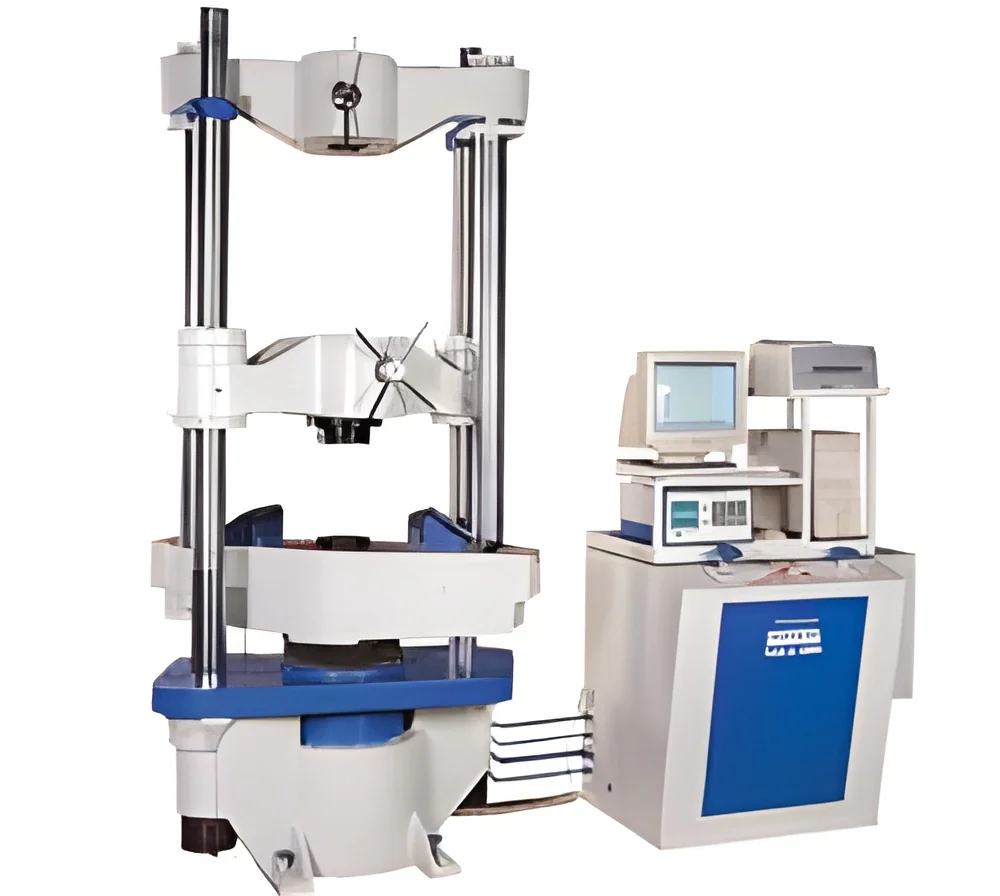
Structural Design & Load Testing Services involve the evaluation and assessment of structural integrity and load-bearing capabilities of various infrastructures. These services encompass the analysis, design, and testing of structures to ensure safety, compliance with regulations, and optimal performance. Structural design focuses on creating structures that can withstand expected loads while maintaining functionality and aesthetics. Load testing, on the other hand, involves applying loads to a structure to assess its performance under specified conditions.
These services are primarily used in construction, engineering, and manufacturing sectors. They play a crucial role in ensuring that buildings, bridges, and other infrastructures meet safety standards and can support intended loads. Businesses utilize these services to mitigate risks, avoid costly failures, and ensure compliance with local building codes. The relevance of these services is heightened in today's market, where safety and reliability are paramount due to increasing regulatory scrutiny and the evolving complexity of structural designs.
Key Features and Specifications
Structural Design & Load Testing Services offer a range of features tailored to meet industry demands. These services ensure that structures are not only designed efficiently but also tested rigorously to confirm their safety and performance.
Key specifications include:
1. Load Capacity Analysis
- Evaluation of the maximum load a structure can support
- Includes both static and dynamic loading conditions
2. Structural Integrity Assessment
- Comprehensive analysis of materials and construction methods
- Identification of potential weaknesses or failure points
3. Compliance with Codes and Standards
- Adherence to local and international building regulations
- Ensures designs meet safety and quality standards
4. Customized Design Solutions
- Tailored designs to meet specific project requirements
- Incorporation of client specifications and site conditions
5. Advanced Testing Methods
- Utilization of modern technologies for accurate testing
- Includes non-destructive testing and simulation techniques
6. Detailed Reporting and Documentation
- Comprehensive reports outlining test results and recommendations
- Documentation for compliance verification and future reference
7. Project Management Support
- Coordination of all phases of design and testing
- Ensures timely completion and adherence to budgets
In summary, these services are vital for ensuring structural safety and compliance, providing businesses with the confidence that their infrastructures can perform as intended.
Common Applications and Use Cases
Structural Design & Load Testing Services find utility across various industries.
1. Construction: These services are essential for new building projects, ensuring that designs meet safety standards and can bear expected loads.
2. Civil Engineering: In infrastructure projects such as bridges and roadways, load testing confirms the stability and safety of designs before public use.
3. Manufacturing: Factories and industrial facilities rely on these services to assess the structural integrity of their buildings to support heavy machinery and equipment.
4. Oil and Gas: Platforms and facilities in this sector require rigorous testing to ensure safety in extreme conditions.
5. Transportation: Load testing is critical for transportation structures, including airports and railways, to ensure they can handle the weight of vehicles and passengers.
6. Renewable Energy: Wind and solar installations need to be designed and tested to withstand environmental stresses.
7. Architecture: Innovative designs in architecture benefit from structural testing to ensure they can support unique shapes and materials.
Product Variants and Subcategories
Structural Design & Load Testing Services encompass a variety of offerings tailored to specific needs.
Standard Load Testing
This variant focuses on assessing the load-bearing capacity of existing structures through rigorous testing methods, ensuring compliance with safety standards.
Dynamic Load Testing
This service involves simulating real-world conditions to evaluate structural responses to dynamic forces, such as wind or seismic activity, providing a comprehensive understanding of structural performance.
Design Consultation Services
These services offer expert advice on optimal design practices, helping clients develop structures that are both efficient and compliant with regulatory standards.
Benefits and Advantages
Utilizing Structural Design & Load Testing Services offers numerous advantages for businesses.
1. Enhanced Safety: These services help identify potential structural weaknesses, reducing the risk of failures and accidents.
2. Regulatory Compliance: Ensures adherence to local and international building codes, minimizing legal and financial risks.
3. Cost Efficiency: Early identification of design flaws can lead to significant savings in repairs and modifications.
4. Improved Performance: Testing ensures that structures can handle expected loads, enhancing overall functionality.
5. Expert Insights: Access to specialized knowledge and experience in structural design and testing improves project outcomes.
6. Risk Mitigation: Comprehensive assessments and testing procedures reduce uncertainties associated with structural integrity.
Buying Guide for B2B Buyers
When sourcing Structural Design & Load Testing Services, it is crucial to consider several key factors.
1. Quality Assessment: Evaluate service providers based on their adherence to recognized quality standards and their past project successes. Look for detailed reports and case studies that demonstrate their capabilities.
2. Supplier Verification: Conduct thorough background checks on potential suppliers to ensure they have the necessary certifications and a proven track record in the industry.
3. Pricing and MOQ: Understand the cost structure of the services and inquire about minimum order quantities to ensure they align with your project budget and scale.
4. Delivery and Lead Times: Discuss timelines with suppliers to ensure that their testing and design services can be completed within your project schedule.
5. Compliance Requirements: Verify that the service provider is familiar with the regulatory landscape in your region and is capable of meeting all compliance requirements.
Compliance and Certifications
Structural Design & Load Testing Services are governed by several critical compliance and certification standards.
Relevant quality standards such as ISO 9001 ensure that service providers maintain a consistent level of quality in their processes and deliverables. This standard is a framework for implementing an effective quality management system.
Industry certifications like CE demonstrate that services comply with European safety, health, and environmental protection standards, which is crucial for businesses operating within or exporting to Europe.
Safety and testing requirements also play a vital role in these services. Compliance with regional regulations ensures that all testing methods meet safety guidelines and provide accurate results.
It is essential to consider regional compliance as requirements may vary. Staying informed about local regulations helps businesses maintain adherence and avoid potential penalties.
Why Source Structural Design & Load Testing Services from Pepagora?
Pepagora offers a trusted platform for sourcing Structural Design & Load Testing Services, providing several key advantages to businesses.
Verified Supplier Network: Pepagora ensures that all suppliers are thoroughly vetted, giving buyers confidence in the quality and reliability of the services offered. This network includes providers with proven expertise in structural design and load testing.
Streamlined RFQ Process: The platform simplifies the request for quotation process, allowing businesses to quickly and efficiently compare offerings from multiple suppliers. This transparency facilitates informed decision-making.
Trade Assurance and Support: Pepagora provides trade assurance features that protect buyers during transactions. This includes support for resolving disputes and ensuring that suppliers fulfill their commitments.
Regional Coverage: With a broad geographic reach, including India, GCC, and Southeast Asia, Pepagora connects buyers with local suppliers who understand regional market dynamics and compliance requirements. This ensures that businesses receive services tailored to their specific needs.

Frequently Asked Questions
What are Structural Design & Load Testing Services?
Structural Design & Load Testing Services involve the assessment and analysis of structures to ensure they can withstand the intended loads and stresses. These services include the design of structural components and conducting load tests to verify their performance and safety.
What are the different types of Structural Design & Load Testing Services?
The different types of Structural Design & Load Testing Services include static load testing, dynamic load testing, structural analysis, and design optimization. Each type focuses on specific aspects of structural integrity and performance under various conditions.
How do I choose the right Structural Design & Load Testing Services?
To choose the right Structural Design & Load Testing Services, consider the specific requirements of your project, including the type of structure, load conditions, and applicable regulations. It is also advisable to evaluate the experience, credentials, and past projects of potential service providers.
What are the standard specifications for Structural Design & Load Testing Services?
Standard specifications for Structural Design & Load Testing Services often include compliance with local building codes, industry standards such as IS codes in India, and guidelines from professional organizations. These specifications ensure that the designs are safe, functional, and meet regulatory requirements.
What is the price range for Structural Design & Load Testing Services?
The price range for Structural Design & Load Testing Services can vary widely depending on the complexity of the project, the type of testing required, and the service provider's expertise. Typically, costs can range from a few thousand to several lakhs of Indian Rupees.
What quality standards apply to Structural Design & Load Testing Services?
Quality standards for Structural Design & Load Testing Services include adherence to ISO standards, national building codes, and safety regulations. Ensuring compliance with these standards helps guarantee the reliability and safety of structural designs.
Where can I find Structural Design & Load Testing Services suppliers in India?
You can find Structural Design & Load Testing Services suppliers in India through online B2B marketplaces like Pepagora, industry directories, and professional networks. Additionally, attending construction and engineering trade shows can help connect you with reputable service providers.
Can Structural Design & Load Testing Services be customized?
Yes, Structural Design & Load Testing Services can often be customized to meet the specific needs of a project. Customization may involve tailoring the design parameters, testing methods, and reporting formats based on client requirements.
What is the typical minimum order quantity for Structural Design & Load Testing Services?
The typical minimum order quantity for Structural Design & Load Testing Services varies by supplier and the nature of the project. Many service providers do not have a strict MOQ, allowing clients to request services based on their specific project needs.
What is the typical lead time for Structural Design & Load Testing Services?
The typical lead time for Structural Design & Load Testing Services can range from a few weeks to several months, depending on the complexity of the project and the availability of resources. It is advisable to discuss timelines with the service provider during the initial consultation.
Why Businesses Trust Pepagora
Thousands of companies trust Pepagora to source smarter and sell faster
Expand Your Sales Globally

Source Smarter,Grow Faster
