
 IN
Gratings & Walkways
32 products available
What are Gratings & Walkways?
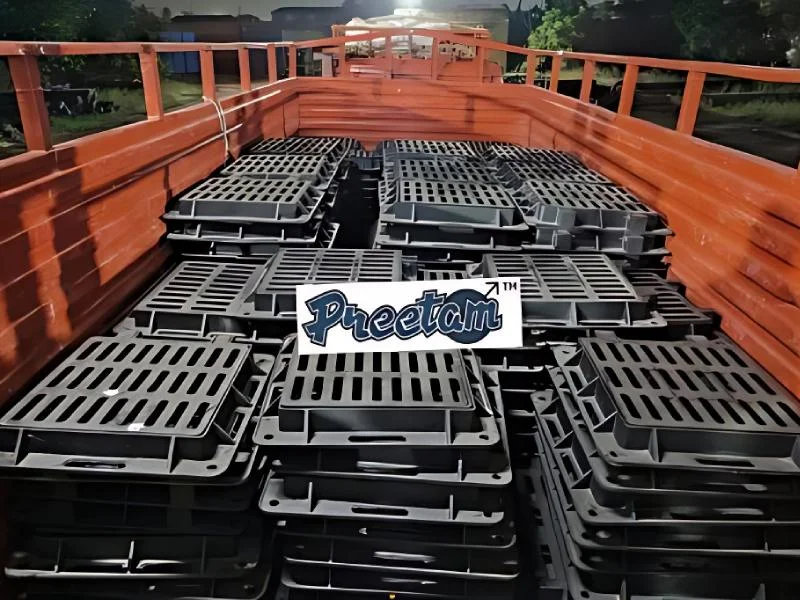
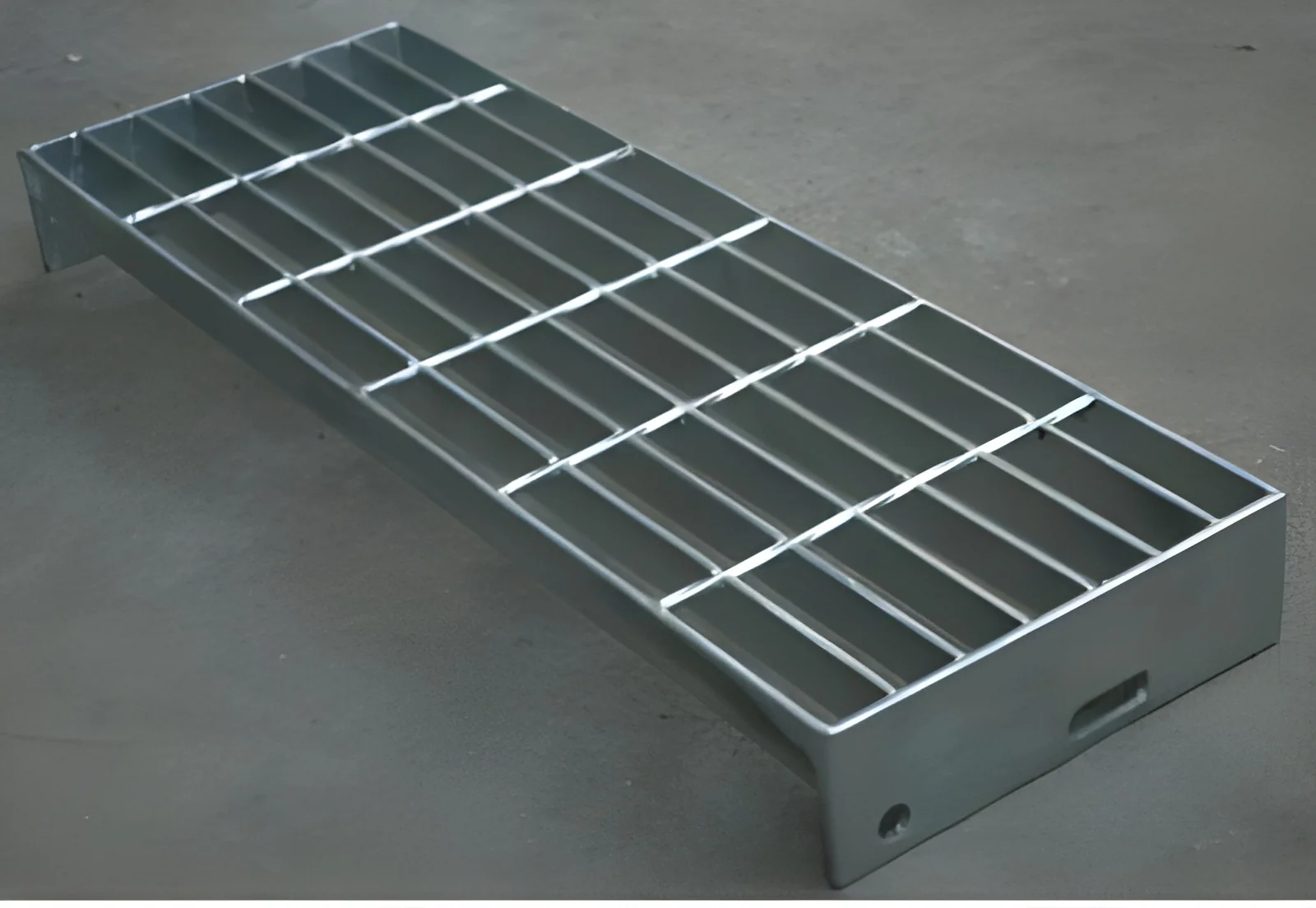
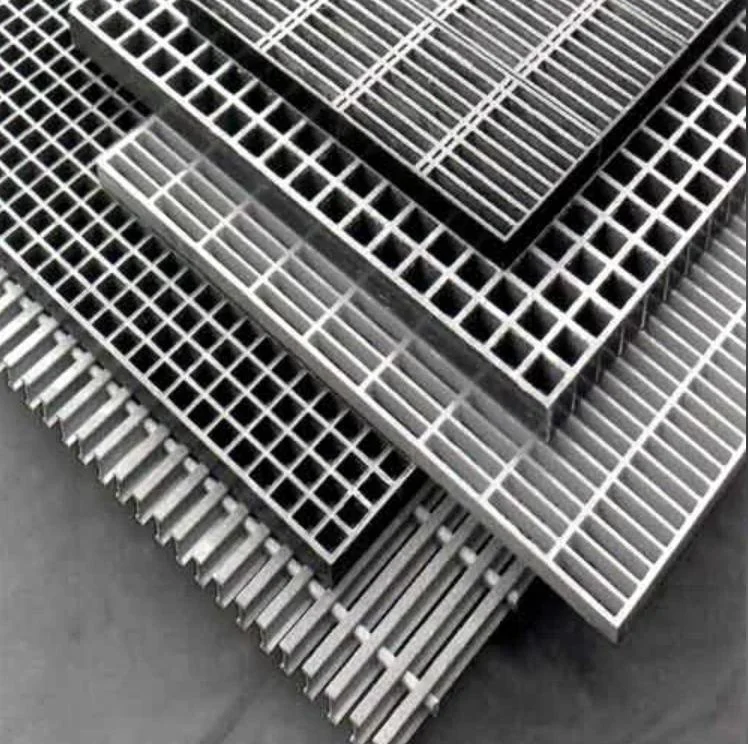
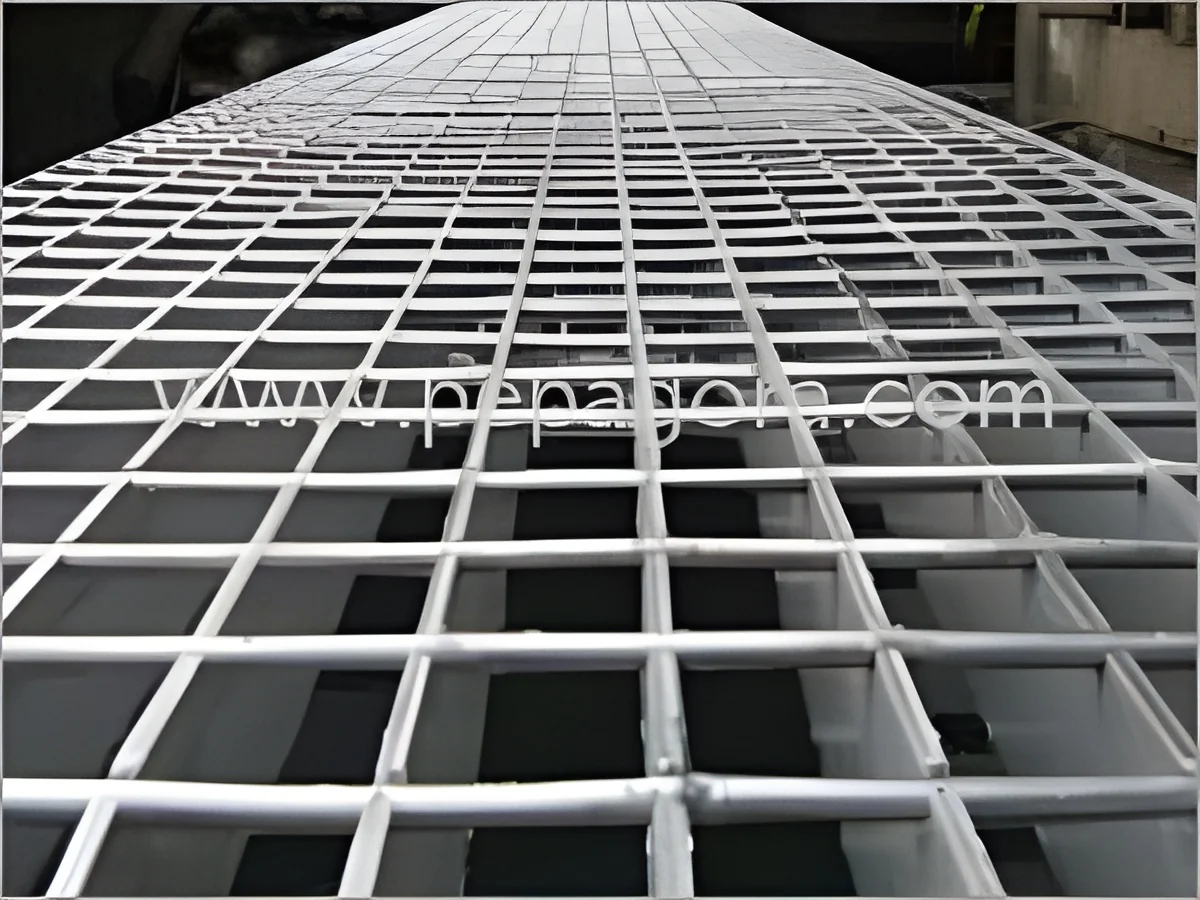
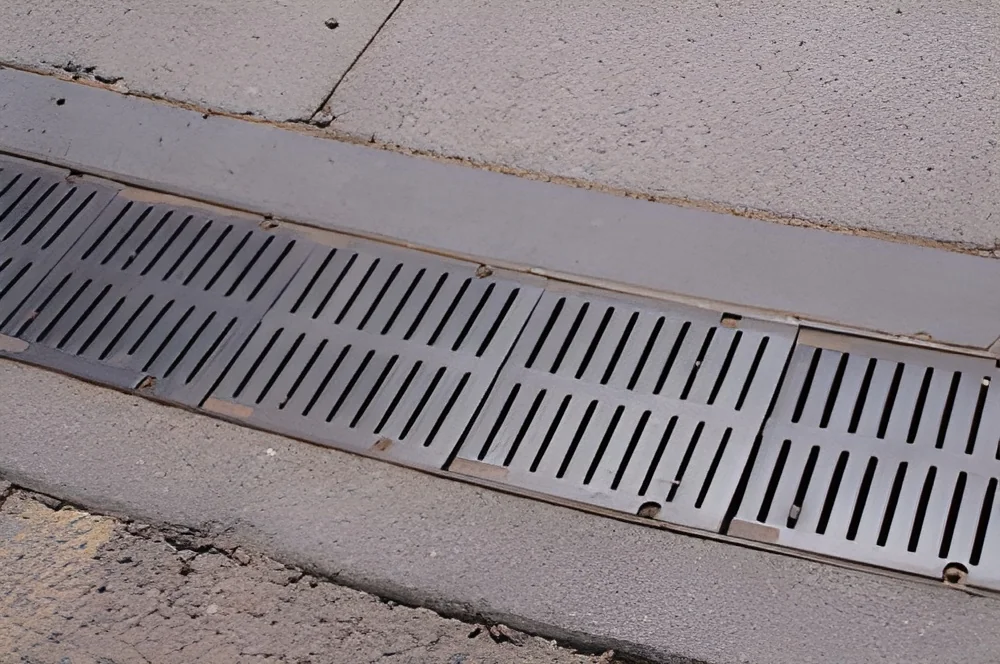
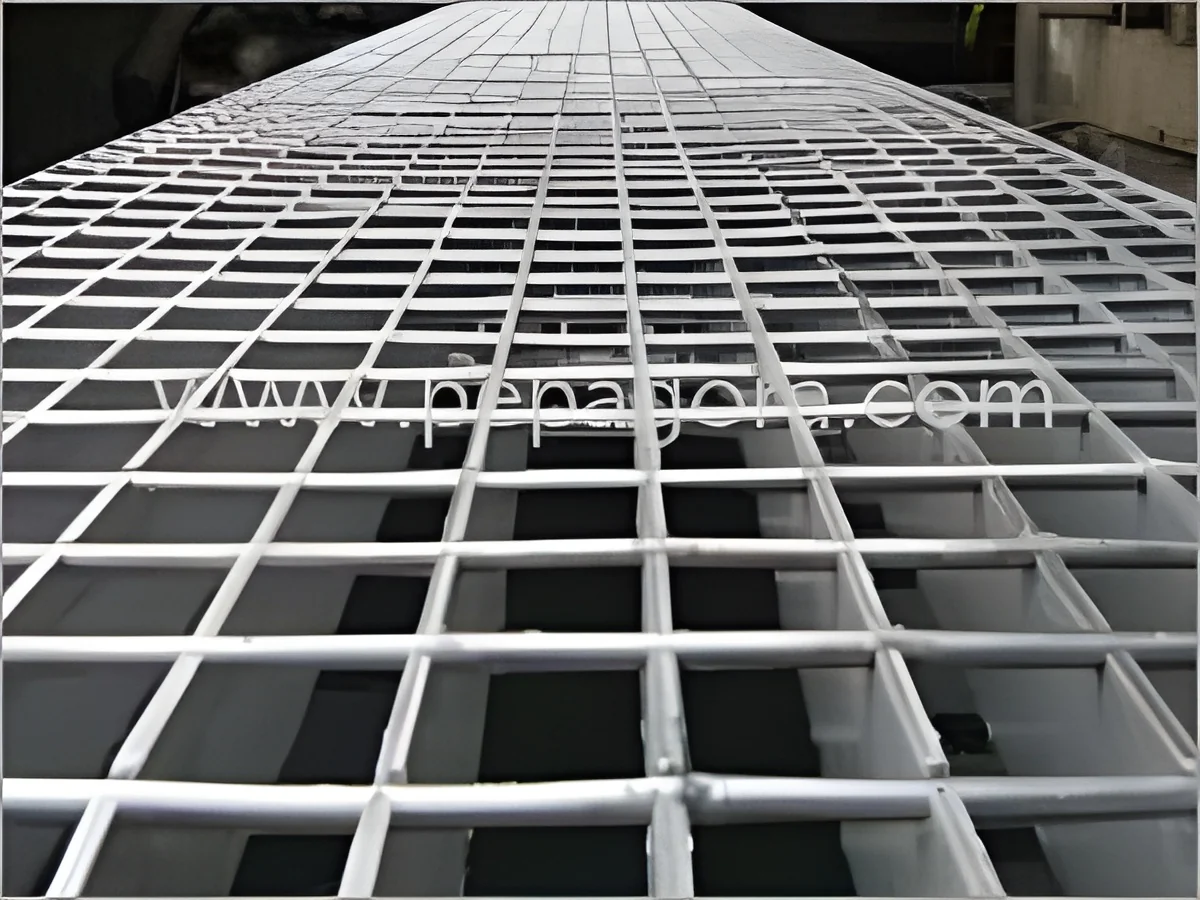
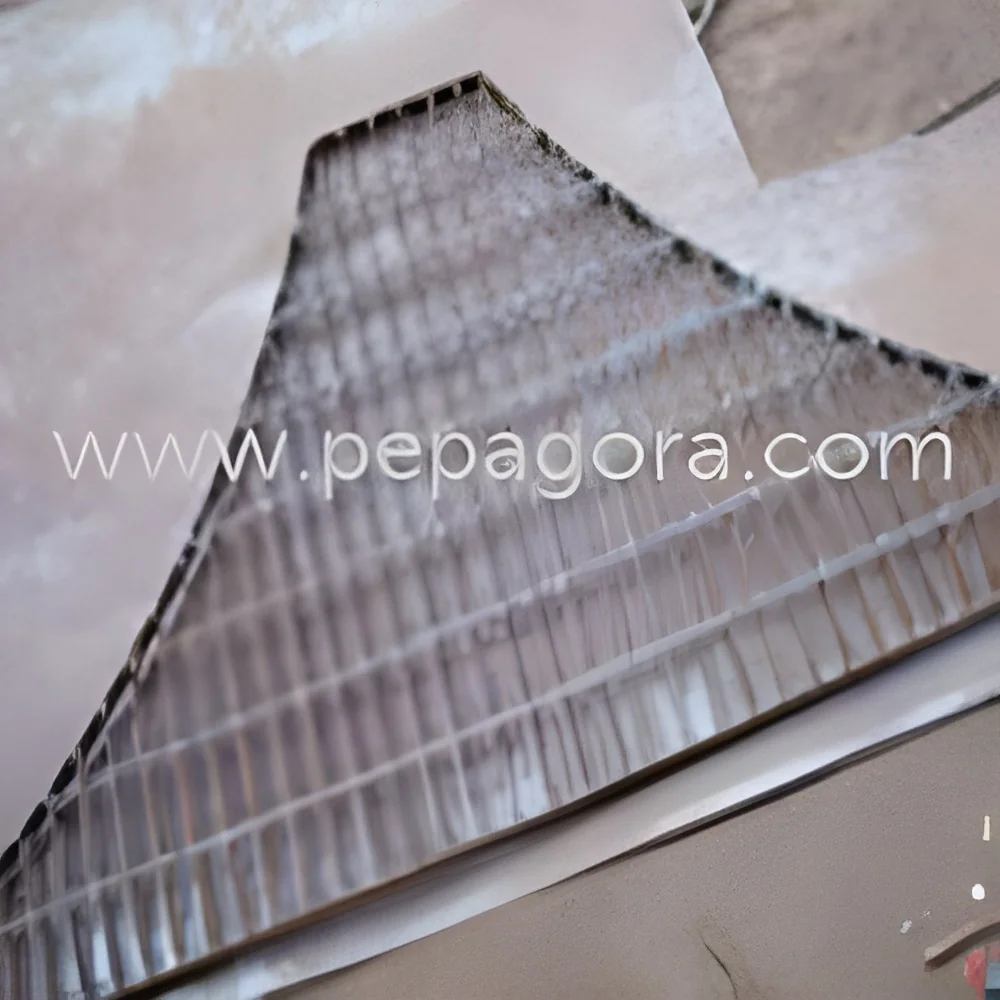
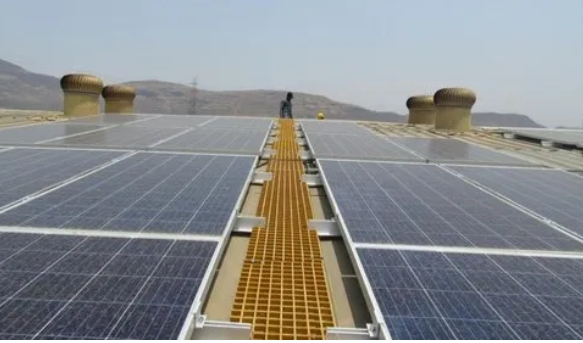
Gratings and walkways are essential components in industrial and commercial settings, designed to provide safe and stable surfaces for foot and vehicle traffic. Gratings are typically made from metal or fiberglass and consist of a series of parallel bars or slats that allow for drainage and ventilation while supporting weight. Walkways, on the other hand, are broader surfaces used for pedestrian movement, often made from similar materials and designed to ensure safety in high-traffic areas.
These products are widely used in various sectors, including manufacturing, construction, and waste management. They help create safe working environments by reducing the risk of slips and falls. Gratings are particularly beneficial in areas where liquids may be present, as they allow for easy drainage, while walkways provide necessary access to machinery and equipment in facilities.
In today’s industrial landscape, the demand for durable and reliable gratings and walkways is on the rise. Various industries require these products to ensure compliance with safety regulations and enhance operational efficiency. As businesses prioritize workplace safety and effective resource management, the market for high-quality gratings and walkways continues to grow, driven by innovations in materials and design.
Key Features and Specifications
Gratings and walkways come with a range of features that cater to diverse industrial needs. When selecting these products, it is essential to understand their specifications, which can vary based on material, design, and application.
Key specifications include:
1. Material Composition
- Common materials include steel, aluminum, and fiberglass.
- Each material offers different strength, corrosion resistance, and weight capacities.
2. Load Capacity
- Load capacities can range from light to heavy-duty, depending on application requirements.
- Specifications often indicate safe load limits for pedestrian and vehicular traffic.
3. Surface Treatment
- Gratings and walkways can be coated or treated to enhance durability.
- Options include galvanized finishes for corrosion resistance and non-slip surfaces for safety.
4. Dimensions
- Standard sizes are available, but custom dimensions can be produced to meet specific needs.
- Thickness and spacing between bars are critical for safety and functionality.
5. Compliance Standards
- Products may meet various industry standards for safety and performance.
- Compliance with local and international regulations ensures quality assurance.
6. Fire Resistance
- Certain materials may offer fire-resistant properties, essential for specific industrial applications.
- Fire-rated gratings and walkways provide additional safety in hazardous environments.
7. Environmental Resistance
- Products can be designed to withstand extreme temperatures and humidity.
- This feature is critical for outdoor applications and facilities with harsh conditions.
8. Ease of Installation
- Many gratings and walkways are designed for quick installation and minimal maintenance.
- Installation methods may vary based on the specific application and site conditions.
These features make gratings and walkways versatile solutions for a wide range of industries.
Common Applications and Use Cases
Gratings and walkways are utilized across multiple industries, each with specific applications that enhance safety and efficiency.
1. Manufacturing: In manufacturing plants, gratings and walkways provide safe access to machinery and equipment while allowing for effective drainage of spills.
2. Construction: On construction sites, these products are critical for ensuring worker safety and providing stable walking surfaces on uneven terrain.
3. Waste Management: Gratings are essential in waste management facilities, where they facilitate drainage and prevent hazardous buildup of liquids.
4. Oil and Gas: In oil and gas industries, walkways provide safe paths for workers over pipelines and processing equipment, ensuring compliance with safety regulations.
5. Food Processing: Gratings in food processing plants help maintain hygiene standards by allowing for easy cleaning and drainage of spills.
6. Chemical Manufacturing: In chemical plants, these products provide safe access while minimizing the risk of chemical exposure.
7. Water Treatment: Gratings are used in water treatment facilities to support equipment and allow for the safe movement of personnel.
Product Variants and Subcategories
Gratings and walkways come in various forms to meet specific industrial needs. Each variant offers unique characteristics that cater to different applications.
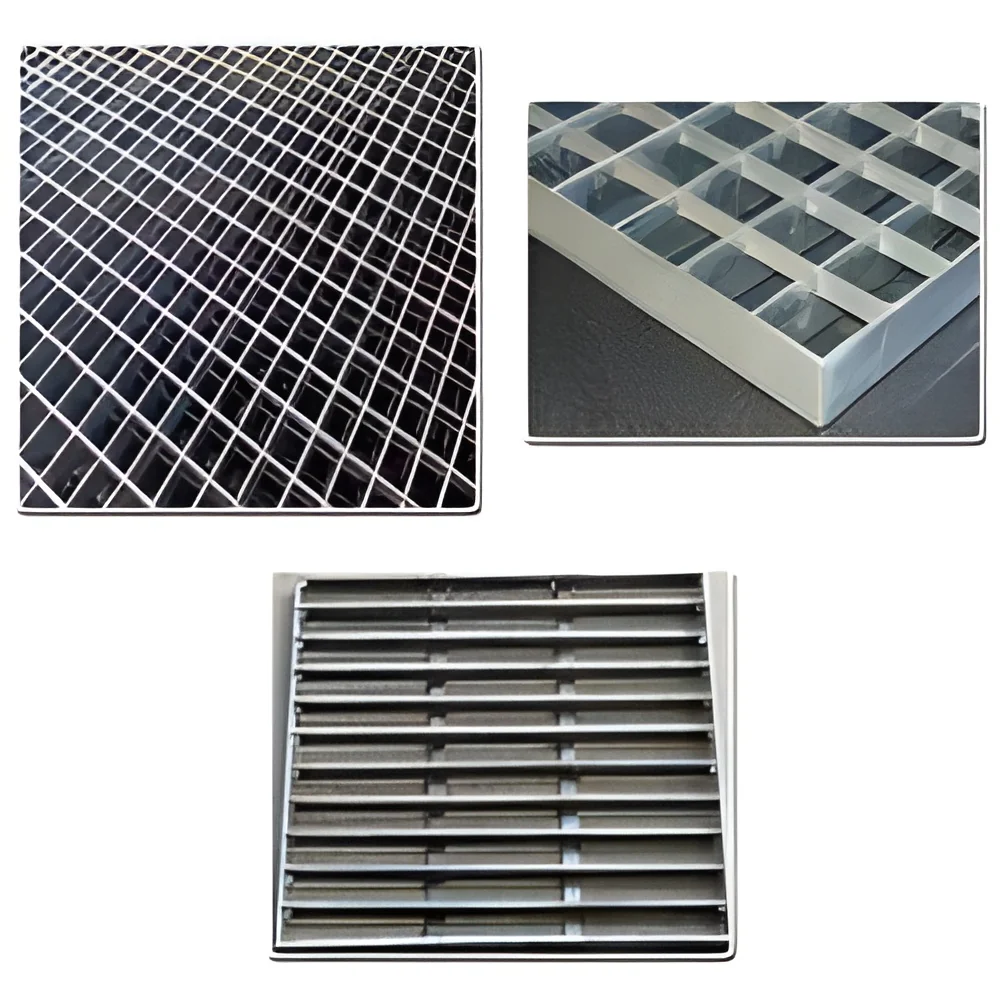
Steel Gratings: Steel gratings are known for their strength and durability. They are commonly used in heavy-duty applications and provide excellent load-bearing capabilities.
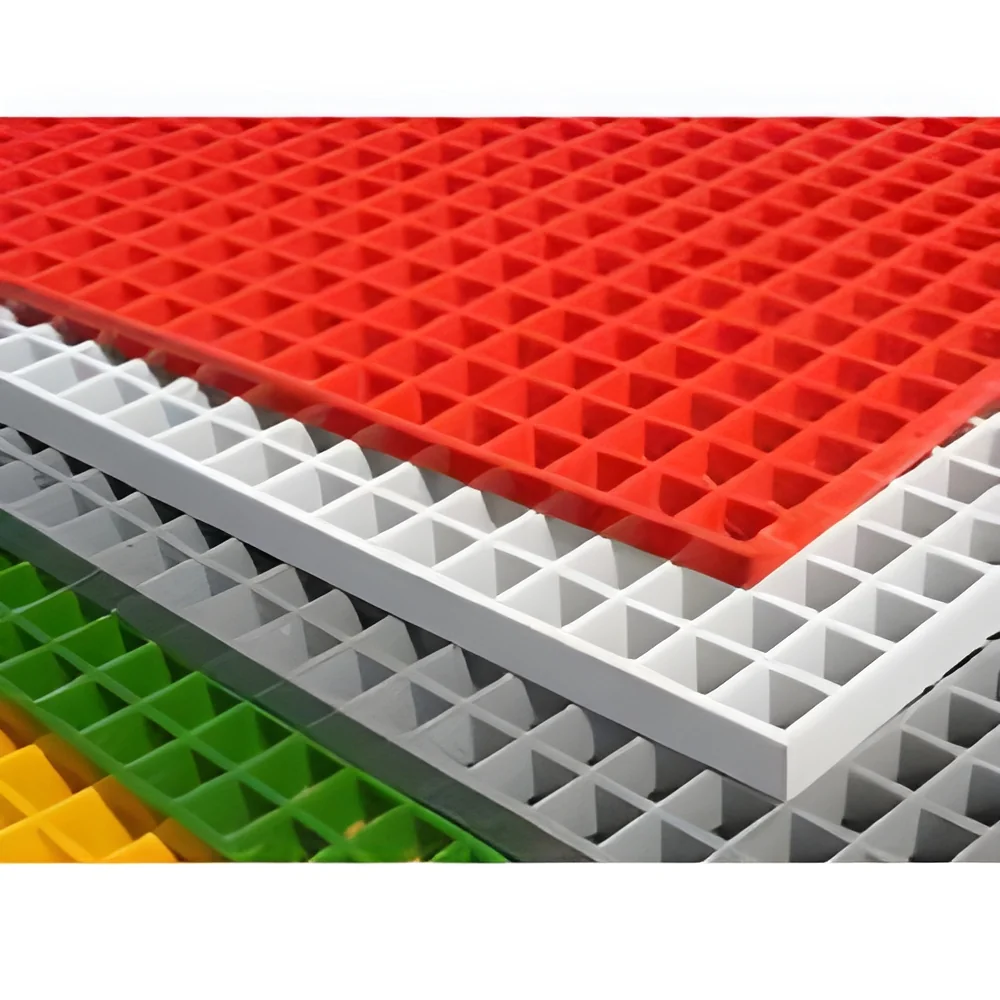
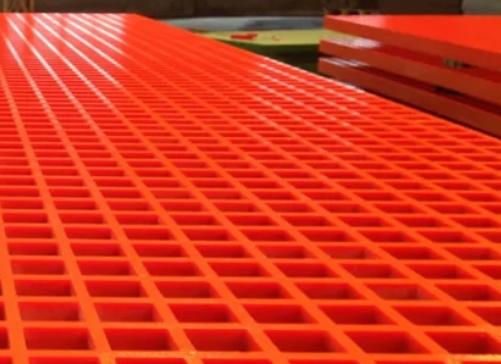
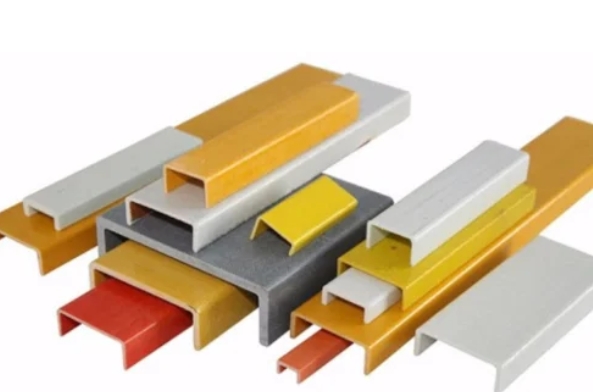
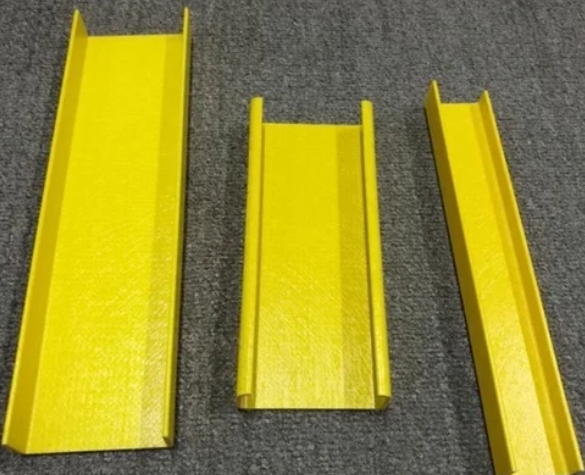
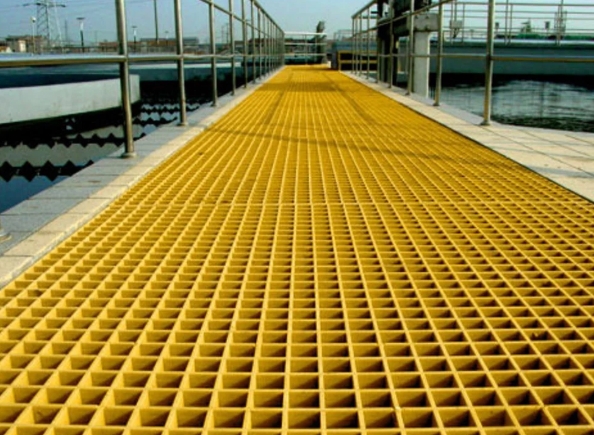
Fiberglass Gratings: Lightweight and corrosion-resistant, fiberglass gratings are ideal for environments with high moisture or chemical exposure. They are often used in waste treatment and chemical processing.
Aluminum Walkways: Aluminum walkways are lightweight and easy to install, making them suitable for temporary or permanent installations in various settings.
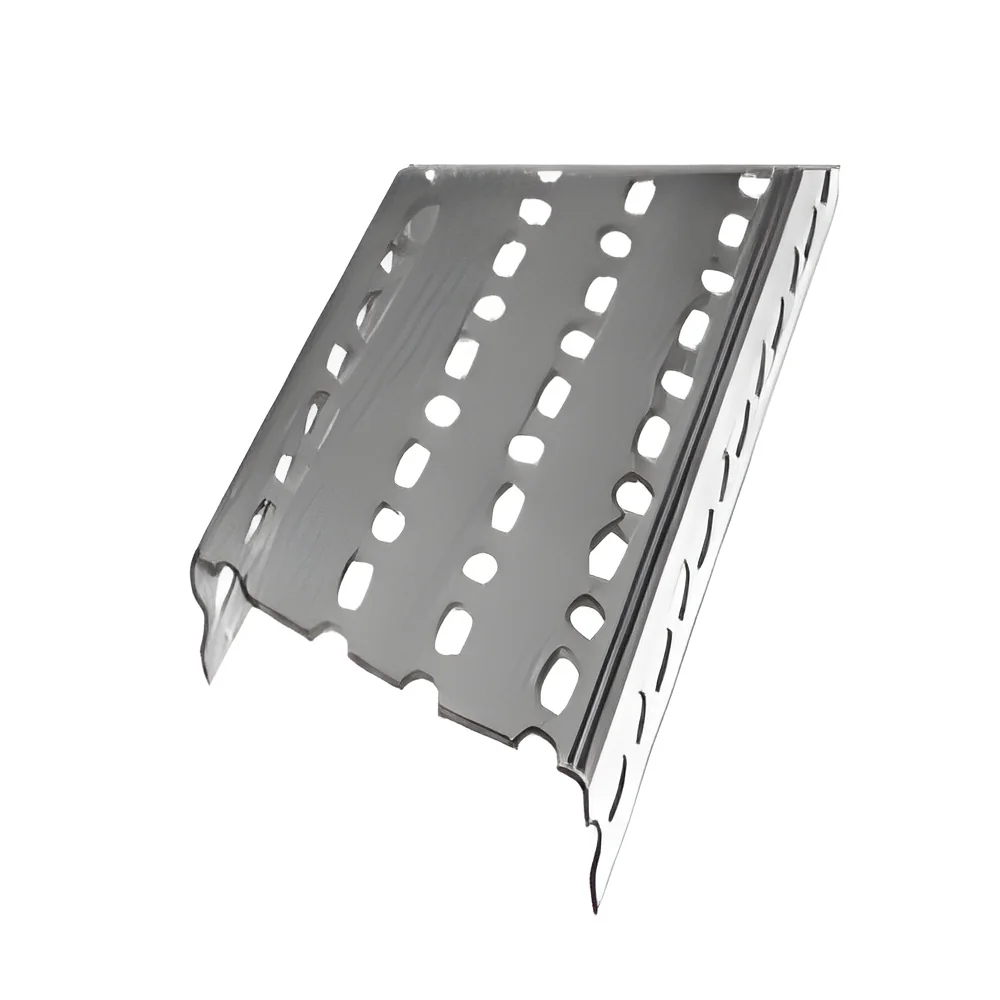
Expanded Metal Walkways: These walkways offer a slip-resistant surface and are often used in outdoor applications where drainage is necessary.
Benefits and Advantages
Gratings and walkways provide numerous benefits that enhance operational safety and efficiency.
Key benefits include:
1. Enhanced Safety: Gratings and walkways reduce the risk of slips and falls in industrial environments, promoting a safer workplace.
2. Improved Drainage: Their design allows for effective drainage, reducing the accumulation of water and hazardous liquids.
3. Durability: Made from robust materials, these products are built to withstand heavy loads and harsh conditions, ensuring longevity.
4. Customization: Many suppliers offer customization options to meet specific size and load requirements, allowing flexibility in design.
5. Compliance with Regulations: Sourcing compliant gratings and walkways ensures adherence to safety standards, minimizing liability for businesses.
6. Ease of Maintenance: Their design allows for easy cleaning and maintenance, which is crucial in industries with strict hygiene requirements.
Buying Guide for B2B Buyers
When sourcing gratings and walkways, it is essential for B2B buyers to consider several critical factors to ensure they select the right products.
1. Quality Assessment: Evaluate the materials and construction quality to ensure longevity and performance. Look for certifications that demonstrate compliance with industry standards.
2. Supplier Verification: Vet potential suppliers by reviewing their reputation, customer feedback, and experience in the industry. A reliable supplier should have a proven track record.
3. Pricing and MOQ: Understand pricing structures and minimum order quantities, as these can vary significantly between suppliers. Ensure that the cost aligns with your budget and requirements.
4. Delivery and Lead Times: Discuss logistics to ensure timely delivery of products. Confirm lead times, especially for custom orders, to avoid project delays.
5. Compliance Requirements: Make sure that the products meet all relevant safety and compliance standards for your industry, which can vary by region.
Compliance and Certifications
Gratings and walkways must adhere to various compliance and certification standards to ensure safety and quality in industrial applications.
ISO 9001 is a widely recognized quality management standard that ensures consistent product quality and customer satisfaction. Manufacturers that meet this standard demonstrate a commitment to continuous improvement and quality assurance.
In addition, CE certification indicates that products comply with European health, safety, and environmental protection standards. This certification is crucial for products sold within the European market.
Safety and testing requirements are essential for gratings and walkways, as they must endure rigorous evaluations to ensure they can handle specified loads and environmental conditions. Regular testing helps maintain compliance and safety.
Regional compliance considerations are also vital, as different countries may have specific regulations regarding materials and safety standards. Understanding these requirements is essential for businesses operating in multiple regions.
Why Source Gratings & Walkways from Pepagora?
Pepagora provides a trusted platform for sourcing gratings and walkways, offering several key advantages that cater to B2B buyers.
Verified Supplier Network: Pepagora connects buyers with a network of verified suppliers. This reduces the risk of sourcing from untrustworthy manufacturers and ensures that products meet quality standards.
Streamlined RFQ Process: The request for quotation (RFQ) process on Pepagora is designed to be efficient. Buyers can easily submit their specifications and receive competitive quotes from multiple suppliers.
Trade Assurance and Support: Pepagora offers trade assurance, providing buyers with protection during transactions. This support gives buyers peace of mind when sourcing critical industrial products.
Regional Coverage: With a strong presence in India, the GCC, and Southeast Asia, Pepagora ensures that buyers can access a wide range of products and suppliers across these regions, simplifying the sourcing process.


Frequently Asked Questions
What are Gratings & Walkways?
Gratings & Walkways are structural components used in various industrial and commercial applications to provide safe and efficient access over surfaces and to allow for drainage. They are typically made from materials like metal, fiberglass, or plastic and are designed to bear weight while minimizing the risk of slipping.
What are the different types of Gratings & Walkways?
The main types of Gratings & Walkways include steel grating, fiberglass grating, and aluminum grating. Each type has unique characteristics suited for different environments, such as corrosion resistance in chemical plants or slip resistance in wet areas.
How do I choose the right Gratings & Walkways?
To choose the right Gratings & Walkways, consider factors such as load-bearing capacity, material type, environmental conditions, and slip resistance. It's also important to assess the specific application and any regulatory requirements that may apply.
What are the standard specifications for Gratings & Walkways?
Standard specifications for Gratings & Walkways typically include load capacity, material thickness, spacing of bars, and overall dimensions. Compliance with industry standards such as ASTM or ISO may also be necessary, depending on the application.
What is the price range for Gratings & Walkways?
The price range for Gratings & Walkways can vary widely based on factors such as material type, size, and design complexity. On average, prices may range from a few hundred to several thousand rupees per square meter.
What quality standards apply to Gratings & Walkways?
Quality standards for Gratings & Walkways may include compliance with ASTM A36 for steel products or ISO 9001 for manufacturing processes. Ensuring that products meet these standards is crucial for safety and performance.
Where can I find Gratings & Walkways suppliers in India?
You can find Gratings & Walkways suppliers in India through online B2B marketplaces, trade directories, and industry trade shows. Websites like Pepagora.com offer a comprehensive listing of manufacturers and suppliers.
Can Gratings & Walkways be customized?
Yes, Gratings & Walkways can be customized according to specific requirements such as dimensions, material choices, and load capacities. Many manufacturers offer tailored solutions to meet unique application needs.
What is the typical minimum order quantity for Gratings & Walkways?
The typical minimum order quantity (MOQ) for Gratings & Walkways can vary by manufacturer, but it generally ranges from 10 to 100 square meters. It's advisable to check with individual suppliers for their specific MOQs.
What is the typical lead time for Gratings & Walkways?
The typical lead time for Gratings & Walkways depends on factors such as order size, customization requirements, and manufacturer capacity. Generally, lead times can range from 2 to 6 weeks.
Why Businesses Trust Pepagora
Thousands of companies trust Pepagora to source smarter and sell faster
Expand Your Sales Globally

Source Smarter,Grow Faster
