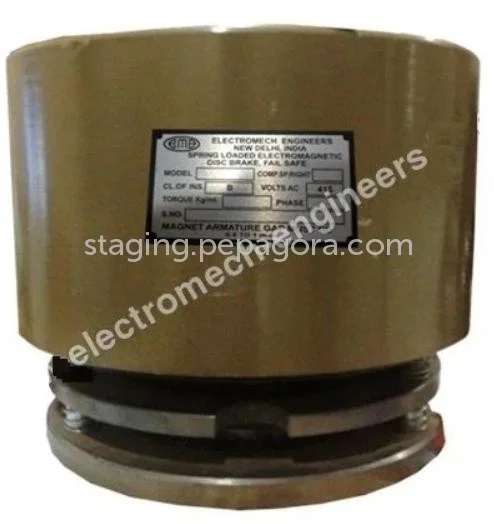
𝗪𝗵𝗮𝘁 𝗮𝗿𝗲 𝗪𝗲𝗮𝗿 & 𝗧𝗲𝗮𝗿 𝗖𝗼𝗺𝗽𝗼𝗻𝗲𝗻𝘁𝘀?
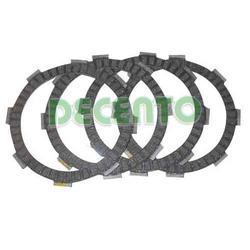
Wear and tear components refer to parts and materials that experience gradual deterioration due to regular use and environmental factors. These components are essential in various machinery and equipment, serving as replaceable elements that ensure operational efficiency. Over time, wear and tear can impact performance, leading to increased maintenance costs and potential downtime if not addressed promptly.
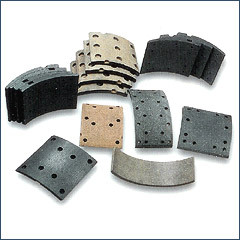
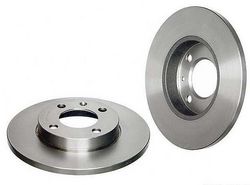
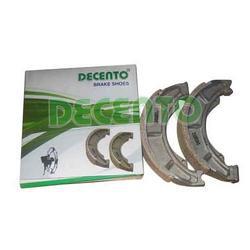
These components find primary applications in industries such as manufacturing, automotive, and construction. In manufacturing, for instance, they can include bearings, seals, and gaskets, which are critical for machinery operation. In the automotive sector, wear and tear components like brake pads and tires are vital for vehicle safety and performance. The relevance of these components in maintaining productivity and operational readiness makes them a significant focus for businesses across multiple sectors, highlighting the need for reliable sourcing and quality assurance.
𝗞𝗲𝘆 𝗙𝗲𝗮𝘁𝘂𝗿𝗲𝘀 𝗮𝗻𝗱 𝗦𝗽𝗲𝗰𝗶𝗳𝗶𝗰𝗮𝘁𝗶𝗼𝗻𝘀
Wear and tear components are characterized by several key features that contribute to their functionality and durability. Understanding these specifications is essential for selecting the right components for specific applications.
Key specifications include:
1. Material Composition
- Typically made from metals, plastics, or composites
- Must withstand various environmental conditions
2. Dimensional Accuracy
- Critical for proper fit and function
- Must adhere to specified tolerances and measurements
3. Load Capacity
- Indicates maximum load the component can handle
- Varies based on application and industry requirements
4. Operating Temperature Range
- Specifies the temperature limits for reliable performance
- Essential for components used in extreme environments
5. Humidity Resistance
- Ability to perform effectively in high humidity conditions
- Important for components exposed to moisture
6. Compliance Standards
- Must meet relevant industry and safety standards
- Certifications like CE for quality assurance
7. Replacement Frequency
- Typical lifespan and recommended replacement intervals
- Influences maintenance schedules and cost management
8. Cost Factors
- Price variations based on material, complexity, and supplier
- Consideration for budget planning and sourcing decisions
In summary, understanding these specifications helps businesses select the right wear and tear components that meet their specific operational needs.
𝗖𝗼𝗺𝗺𝗼𝗻 𝗔𝗽𝗽𝗹𝗶𝗰𝗮𝘁𝗶𝗼𝗻𝘀 𝗮𝗻𝗱 𝗨𝘀𝗲 𝗖𝗮𝘀𝗲𝘀
Wear and tear components are utilized across a wide range of industries, each with unique applications.
1. Manufacturing: These components are critical in machinery, including bearings, seals, and conveyor belts, ensuring smooth operation and minimizing downtime.
2. Automotive: Components like brake pads, tires, and filters are essential for vehicle safety and efficiency, requiring regular replacement to maintain performance.
3. Construction: Equipment such as excavators and cranes rely on wear and tear components like hydraulic seals and tracks, which must be monitored and replaced as needed.
4. Aerospace: Components like turbine blades and landing gear parts are subject to significant wear, necessitating strict quality controls and regular maintenance.
5. Agriculture: Machinery used in farming requires durable components such as belts and chains to handle heavy loads and harsh conditions.
6. HVAC: Wear and tear components in heating, ventilation, and air conditioning systems include filters and fan belts, which need regular inspections and replacements.
7. Mining: Equipment used in mining relies on high-performance components that can withstand extreme conditions, making reliable sourcing critical.
𝗣𝗿𝗼𝗱𝘂𝗰𝘁 𝗩𝗮𝗿𝗶𝗮𝗻𝘁𝘀 𝗮𝗻𝗱 𝗦𝘂𝗯𝗰𝗮𝘁𝗲𝗴𝗼𝗿𝗶𝗲𝘀
Wear and tear components can vary significantly based on their application and environmental conditions. This diversity allows businesses to select the most suitable options for their needs.
Standard Wear Components
These include basic components such as seals, gaskets, and bearings, designed for general applications across various industries. They are often made from common materials that balance cost and durability.
High-Performance Components
These components are engineered for extreme conditions, such as high temperatures or corrosive environments. They often feature advanced materials and coatings to enhance lifespan and performance.
Custom Components
Some businesses require tailor-made solutions to meet specific operational challenges. Custom components can be designed to fit unique machinery requirements or to enhance performance in specialized applications.
𝗕𝗲𝗻𝗲𝗳𝗶𝘁𝘀 𝗮𝗻𝗱 𝗔𝗱𝘃𝗮𝗻𝘁𝗮𝗴𝗲𝘀
Sourcing wear and tear components offers numerous benefits that can enhance operational efficiency and reduce costs.
1. Cost Efficiency: Regular replacement of wear and tear components can prevent costly breakdowns and maintenance issues, ultimately saving money.
2. Enhanced Performance: High-quality components improve machinery efficiency, leading to better productivity and reduced energy consumption.
3. Increased Safety: Using reliable wear and tear components enhances the safety of equipment and personnel, reducing the risk of accidents and injuries.
4. Extended Equipment Life: Quality components can prolong the lifespan of machinery, maximizing the return on investment.
5. Simplified Maintenance: Standardized components make it easier to manage inventory and streamline maintenance processes.
6. Improved Compliance: Sourcing from reputable suppliers ensures components meet industry standards and regulations, minimizing compliance risks.
𝗕𝘂𝘆𝗶𝗻𝗴 𝗚𝘂𝗶𝗱𝗲 𝗳𝗼𝗿 𝗕𝟮𝗕 𝗕𝘂𝘆𝗲𝗿𝘀
When sourcing wear and tear components, businesses should consider several important factors to ensure they make informed purchasing decisions.
1. Quality Assessment: Evaluate the quality of materials and manufacturing processes used for the components. Look for suppliers who provide certifications and quality assurance documentation.
2. Supplier Verification: Vet suppliers to ensure they have a solid reputation and a history of delivering reliable products. Check customer reviews and industry references.
3. Pricing and MOQ: Understand the pricing structure and minimum order quantity requirements. Compare prices among suppliers to ensure competitive rates while considering quality.
4. Delivery and Lead Times: Assess the supplier's ability to meet delivery schedules. Timely delivery is crucial to maintaining operational efficiency.
5. Compliance Requirements: Ensure that components meet relevant industry regulations and standards. This includes certifications like CE, which indicate adherence to quality and safety benchmarks.
𝗖𝗼𝗺𝗽𝗹𝗶𝗮𝗻𝗰𝗲 𝗮𝗻𝗱 𝗖𝗲𝗿𝘁𝗶𝗳𝗶𝗰𝗮𝘁𝗶𝗼𝗻𝘀
Wear and tear components must adhere to various quality standards and certifications to ensure their reliability and safety in industrial applications.
ISO 9001 is a widely recognized standard that focuses on quality management systems. Compliance with this standard indicates that manufacturers follow stringent quality control processes, assuring buyers of the reliability of their components.
In addition to ISO 9001, other relevant certifications may include HACCP for food-related industries and GDP for good distribution practices. Industry-specific certifications ensure that components meet the unique requirements of specific sectors, enhancing trust among B2B buyers.
Safety and testing requirements are also critical. Components should undergo rigorous testing to ensure they can withstand operational stresses and environmental factors. This includes assessments for load capacity, durability, and performance under different conditions.
Regional compliance considerations may vary based on local regulations. Buyers should ensure that suppliers are aware of and comply with the specific standards that apply to their operational regions.
𝗪𝗵𝘆 𝗦𝗼𝘂𝗿𝗰𝗲 𝗪𝗲𝗮𝗿 & 𝗧𝗲𝗮𝗿 𝗖𝗼𝗺𝗽𝗼𝗻𝗲𝗻𝘁𝘀 𝗳𝗿𝗼𝗺 𝗣𝗲𝗽𝗮𝗴𝗼𝗿𝗮?
Pepagora offers a trusted platform for sourcing wear and tear components, providing several key advantages to B2B buyers.
Verified Supplier Network: Pepagora maintains a network of verified suppliers who have undergone rigorous vetting processes. This ensures that buyers can access high-quality components from reputable manufacturers.
Streamlined RFQ Process: The platform's request for quotation system simplifies the sourcing process. Buyers can easily request quotes from multiple suppliers, allowing for informed decision-making based on price and quality.
Trade Assurance and Support: Pepagora provides trade assurance, protecting buyers throughout the transaction process. This includes support for resolving disputes and ensuring that products meet the agreed specifications.
Regional Coverage: With a strong presence in India, the GCC, and Southeast Asia, Pepagora offers extensive geographic coverage. This makes it easier for buyers in these regions to find reliable sources for their wear and tear components.
By choosing Pepagora, businesses can enhance their sourcing strategy and ensure they have access to the best wear and tear components available in the market.

 IN
IN
 India
India