
 IN
Rippers, Augers, Grapples
6 products available
What are Rippers, Augers, Grapples?
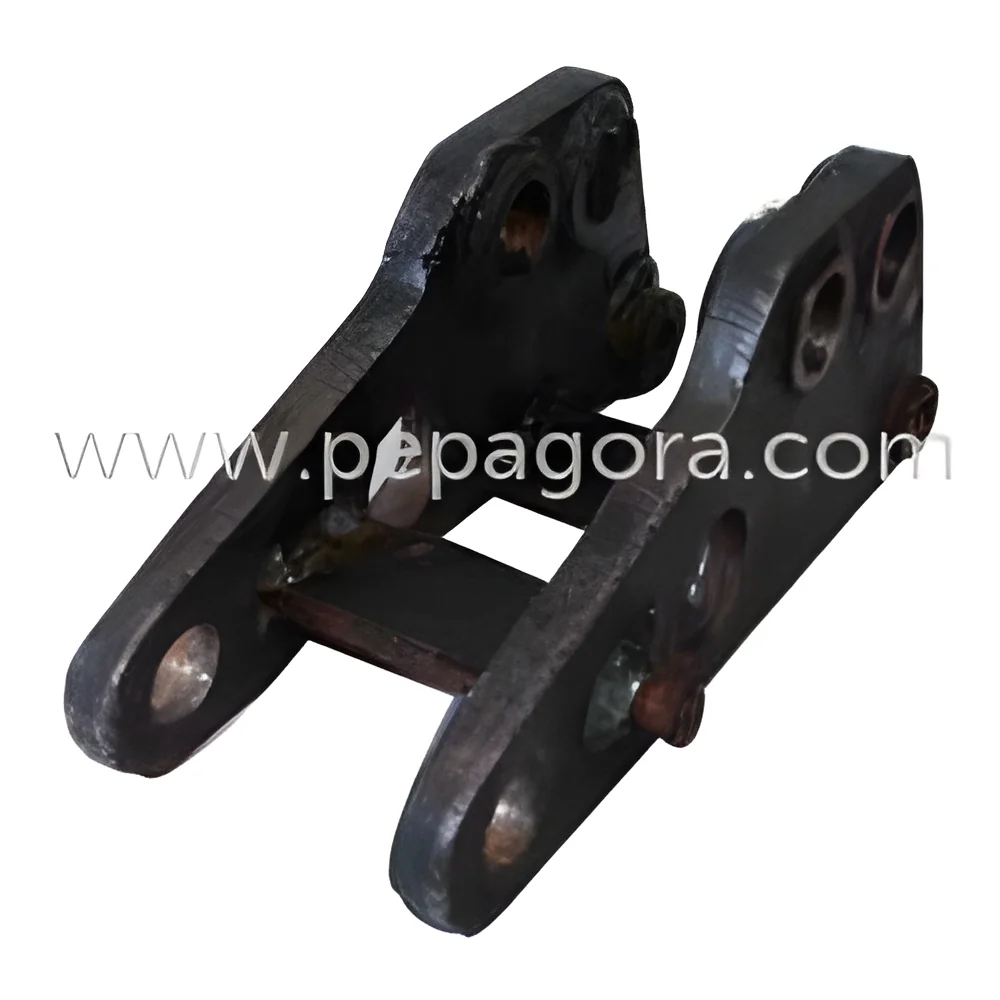
Rippers, augers, and grapples are essential tools used in various industrial applications. Rippers are heavy-duty attachments designed to break up hard ground or materials, typically utilized in construction and mining. Augers are helical tools used for drilling holes in soil or other materials, making them invaluable in agriculture, construction, and geological exploration. Grapples are mechanical devices that grasp and lift materials, often used in logging, waste management, and construction.
These tools serve a wide range of purposes across several industries. Rippers are primarily employed in earthmoving and excavation projects, where breaking through tough terrain is necessary. Augers find their applications in drilling for foundations, planting, or even in oil and gas exploration. Grapples are crucial in handling materials efficiently, whether it be logs in forestry or debris on construction sites. The relevance of these tools continues to grow as industries seek to improve efficiency and productivity.
In today's market, the demand for efficient and reliable earthmoving and material handling equipment is on the rise. Companies are continually looking for high-quality tools that can withstand harsh conditions and deliver superior performance. This growing need ensures that rippers, augers, and grapples remain integral components of industrial operations.
Key Features and Specifications
Rippers, augers, and grapples come with various features and specifications tailored to meet diverse operational needs. Understanding these specifications is crucial for selecting the right tool for specific applications.
Key specifications include:
1. Material Quality
- Typically made from high-strength steel or alloys
- Offers durability and resistance to wear
2. Diameter (for Augers)
- Commonly ranges from 2 inches to 36 inches
- Adaptable for different drilling tasks
3. Working Depth (for Augers)
- Varies based on application, generally from 3 feet to over 10 feet
- Important for foundation and agricultural work
4. Load Capacity (for Grapples)
- Capable of handling loads ranging from 1,000 lbs to 10,000 lbs
- Ensures safe material handling in various conditions
5. Ripper Tooth Configuration
- Available in single or multiple tooth configurations
- Affects performance based on soil conditions
6. Hydraulic Compatibility
- Typically designed for standard hydraulic systems
- Enhances versatility across different machinery
7. Weight and Dimensions
- Varies based on size and model, affecting transportability
- Critical for matching with equipment specifications
8. Safety Features
- Equipped with safety locks and guards
- Ensures safe operation in all work environments
In summary, understanding the key features and specifications of rippers, augers, and grapples is essential for making informed purchasing decisions that align with operational requirements.
Common Applications and Use Cases
Rippers, augers, and grapples serve various industries, adapting to specific tasks and operational needs.
1. Construction: Rippers are used for breaking ground and preparing sites for foundations. Augers assist in drilling holes for posts and footings, while grapples help in moving heavy materials.
2. Agriculture: Augers are widely used for planting seeds and creating holes for irrigation systems. Rippers help in breaking up compacted soil to improve crop yields.
3. Mining: Rippers are essential for excavating hard materials. Augers may be used for exploratory drilling, and grapples facilitate the handling of mined resources.
4. Forestry: Grapples are crucial for lifting and transporting logs, while rippers can be used to clear land. Augers may assist in planting new trees or drilling for research purposes.
5. Waste Management: Grapples are utilized for loading and unloading debris. Rippers can assist in breaking down waste materials for processing.
6. Oil and Gas: Augers are employed in drilling operations, while grapples may be used in managing equipment and materials on site.
7. Landscaping: Rippers are helpful in land preparation, while augers assist in planting trees and shrubs.
Product Variants and Subcategories
Rippers, augers, and grapples come in various models and configurations to suit different applications and machinery.
Standard Ripper
This variant features a single heavy-duty tooth designed for breaking tough ground. It is ideal for construction and mining applications where soil disruption is required.
Heavy-Duty Auger
This type boasts a larger diameter and longer length, suitable for deep drilling applications in construction and agriculture. It is designed for durability and efficiency in hard soil.
Hydraulic Grapple
Designed for use with hydraulic excavators, this grapple variant provides superior lifting and maneuverability. It is commonly used in logging and waste management industries.
Mini Auger
A compact version perfect for smaller projects, such as residential landscaping and gardening. It provides precision and ease of use in tight spaces.
Benefits and Advantages
Rippers, augers, and grapples offer numerous benefits that enhance operational efficiency and effectiveness.
1. Increased Productivity: These tools enable faster completion of tasks, reducing overall project timelines.
2. Versatility: They can be adapted for various applications across different industries, making them a valuable investment.
3. Enhanced Safety: Modern designs include safety features that minimize the risk of accidents during operation.
4. Durability: Constructed from high-quality materials, they withstand harsh conditions and prolonged use.
5. Cost-Effectiveness: Efficient operation reduces labor costs and enhances return on investment over time.
6. Improved Precision: Tools like augers provide accurate drilling and placement, ensuring high-quality results.
Buying Guide for B2B Buyers
When sourcing rippers, augers, and grapples, it is essential to consider specific factors to ensure the right fit for your operations.
1. Quality Assessment: Evaluate tools based on material quality and construction standards. Look for products designed to withstand heavy use and harsh environments.
2. Supplier Verification: Vet suppliers for reliability and reputation in the industry. Check for customer reviews and request references if necessary.
3. Pricing and MOQ: Understand the price range for different models and be aware of minimum order quantities. Consider bulk purchasing for cost savings.
4. Delivery and Lead Times: Inquire about delivery options and lead times to ensure timely access to products for projects.
5. Compliance Requirements: Confirm that products meet relevant industry standards and regulatory requirements to avoid compliance issues.
Compliance and Certifications
Rippers, augers, and grapples must adhere to specific quality standards and industry certifications to ensure safety and reliability. One of the most recognized standards is ISO 9001, which ensures that products meet customer and regulatory requirements consistently.
In addition to ISO standards, many products may carry CE certification, indicating compliance with European safety standards. This certification is crucial for companies operating in regions that demand strict adherence to safety regulations.
Safety and testing requirements are paramount to ensure that these tools can perform under rigorous conditions without posing risks to operators. Additionally, regional compliance considerations may vary, so it is important for buyers to understand the specific regulations applicable to their geographic area.
Why Source Rippers, Augers, Grapples from Pepagora?
Pepagora provides a trusted platform for sourcing rippers, augers, and grapples, offering several key advantages that benefit B2B buyers.
Verified Supplier Network: Pepagora connects buyers with a network of verified suppliers, ensuring that all products meet high-quality standards. This verification process enhances trust and reliability in sourcing.
Streamlined RFQ Process: The platform simplifies the request for quotation process, allowing buyers to easily compare prices and specifications from multiple suppliers. This efficiency helps in making informed purchasing decisions quickly.
Trade Assurance and Support: Pepagora offers buyer protection through trade assurance policies, ensuring that transactions are secure and that buyers receive the products as promised. This support fosters confidence in the purchasing process.
Regional Coverage: With a strong presence in India, GCC, and Southeast Asia, Pepagora caters to a diverse range of markets. This geographic reach allows buyers to access suppliers that are best suited to their regional needs, enhancing accessibility and convenience.


Frequently Asked Questions
What are Rippers, Augers, Grapples?
Rippers, augers, and grapples are specialized earth-moving and construction tools used in various applications. Rippers are designed to break up hard ground, augers are used for drilling holes in the earth, and grapples are utilized for handling and moving materials.
What are the different types of Rippers, Augers, Grapples?
There are several types of rippers, including single shank and multi-shank rippers, each suited for different soil conditions. Augers vary in size and type, including hand-held, truck-mounted, and hydraulic augers. Grapples come in different designs, such as log grapples, scrap grapples, and industrial grapples, to cater to specific tasks.
How do I choose the right Rippers, Augers, Grapples?
Choosing the right rippers, augers, and grapples depends on the specific application and the nature of the material being handled. Factors to consider include the type of soil, the size and depth of the holes required, and the weight capacity needed for material handling.
What are the standard specifications for Rippers, Augers, Grapples?
Standard specifications for rippers, augers, and grapples include dimensions, weight, material construction, and compatibility with machinery. Additionally, hydraulic pressure ratings and operational speed are critical specifications that should be reviewed.
What is the price range for Rippers, Augers, Grapples?
The price range for rippers, augers, and grapples varies significantly based on type, size, and manufacturer. Generally, smaller handheld augers may start around a few thousand rupees, while larger, industrial-grade equipment can cost several lakhs.
What quality standards apply to Rippers, Augers, Grapples?
Quality standards for rippers, augers, and grapples typically include compliance with ISO and other industry-specific certifications. These standards ensure the tools are manufactured with durable materials and are capable of performing under specified conditions.
Where can I find Rippers, Augers, Grapples suppliers in India?
You can find rippers, augers, and grapples suppliers in India through online B2B marketplaces like Pepagora, trade shows, and industry directories. It's advisable to check supplier reviews and product catalogs to ensure quality and reliability.
Can Rippers, Augers, Grapples be customized?
Yes, many manufacturers offer customization options for rippers, augers, and grapples to meet specific operational needs. Customizations may include alterations in size, material, and design features to better suit particular applications.
What is the typical minimum order quantity for Rippers, Augers, Grapples?
The typical minimum order quantity (MOQ) for rippers, augers, and grapples can vary by supplier and product type. Generally, the MOQ may range from one unit for specialized tools to several units for bulk orders.
What is the typical lead time for Rippers, Augers, Grapples?
The typical lead time for rippers, augers, and grapples varies based on the supplier and product availability. Standard lead times can range from a few days to several weeks, especially for custom orders.
Why Businesses Trust Pepagora
Thousands of companies trust Pepagora to source smarter and sell faster
Expand Your Sales Globally

Source Smarter,Grow Faster
