
 IN
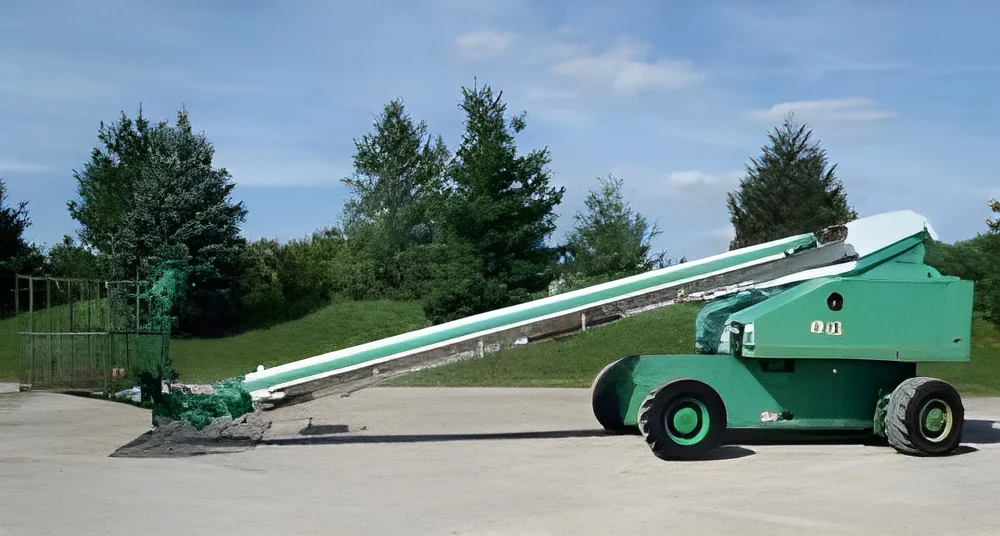
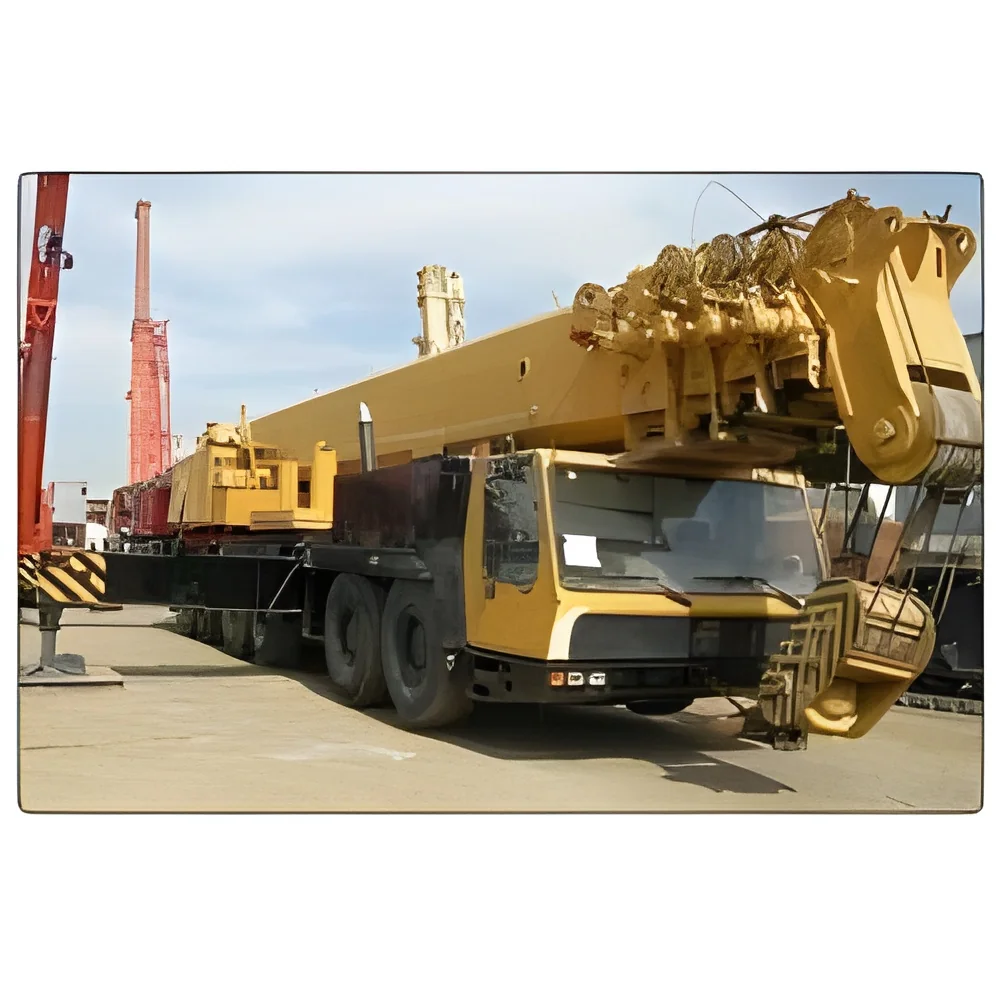
Mobile Cranes (Hydraulic, All-Terrain)
3 products available
Key Features and Specifications
Mobile cranes come equipped with several features that enhance their performance and usability. Their specifications vary based on design, capacity, and intended applications.
Key specifications include:
1. Lifting Capacity
- Typically ranges from 10 tons to over 1,200 tons
- Determines the maximum weight the crane can safely lift
2. Boom Length
- Can range from 30 meters to 80 meters or more
- Affects the crane's reach and ability to lift materials at height
3. Engine Power
- Often between 150 kW to 600 kW
- Provides the necessary power for hydraulic operations
4. Travel Speed
- Usually between 20 km/h to 80 km/h
- Indicates how fast the crane can move on the road
5. Stability Features
- Include outriggers and counterweights
- Ensure safety during lifting operations
6. Control System
- Can include remote control and automated features
- Enhances precision and operator comfort
7. Tires and Traction
- Designed for all-terrain with high-quality rubber tires
- Ensures effective movement on various surfaces
8. Safety Features
- May include load limiters and anti-collision systems
- Essential for compliance with safety regulations
These specifications highlight the versatility and performance of mobile cranes, making them suitable for various lifting tasks.
Common Applications and Use Cases
Mobile cranes serve a wide range of industries, showcasing their adaptability and functionality.
1. Construction: Used for lifting heavy materials, such as steel beams and precast concrete, during building projects. They facilitate the construction of high-rise buildings and bridges.
2. Oil and Gas: Essential for positioning drilling equipment and transporting materials at remote sites. Their ability to navigate difficult terrains is crucial in this sector.
3. Mining: Employed to lift and relocate heavy machinery and equipment within mines. They support operations by moving materials efficiently.
4. Logistics: Used in warehouses and distribution centers for unloading and loading heavy goods. Their mobility allows for quick repositioning.
5. Infrastructure: Vital for road and rail construction projects, where they help set up large structures like bridges and overpasses.
6. Event Management: Utilized for setting up stages and large displays in outdoor venues. They provide the necessary lifting power for intricate setups.
7. Renewable Energy: Important in the construction and maintenance of wind turbines, where heavy components must be lifted into place.
Product Variants and Subcategories
Mobile cranes come in various designs to cater to specific operational needs. Each variant offers unique features tailored for different applications.
Hydraulic Mobile Cranes: These cranes use hydraulic systems to lift heavy loads efficiently. They are ideal for construction sites due to their high lifting capacities and versatility.
All-Terrain Cranes: Designed for both on-road and off-road use, these cranes can operate in challenging environments. Their robust build and advanced features make them essential for projects in remote locations.
City Cranes: Compact and designed for urban environments, city cranes are ideal for tight spaces. They offer excellent maneuverability while providing substantial lifting power.
Crawler Cranes: Equipped with tracks instead of wheels, these cranes provide stability and are suitable for uneven ground. They are commonly used in heavy construction and mining applications.
Benefits and Advantages
Mobile cranes offer several advantages that enhance operational efficiency and safety.
1. Versatility: Can be used across multiple industries for various lifting tasks, reducing the need for specialized equipment.
2. High Lifting Capacity: Capable of handling heavy loads, which increases productivity on construction and logistics sites.
3. Mobility: Their design allows for easy transport between job sites, saving time and operational costs.
4. Advanced Safety Features: Equipped with load limiters and stabilization systems, ensuring safe operations even under challenging conditions.
5. Operator Comfort: Many models feature ergonomic controls and automated systems, enhancing user experience and reducing fatigue.
6. Efficient Setup: Quick to deploy and operate, allowing projects to progress without significant delays.
Buying Guide for B2B Buyers
When sourcing Mobile Cranes (Hydraulic, All-Terrain), it is essential to consider several critical factors to make an informed purchase.
1. Quality Assessment: Evaluate the crane's build quality and materials used. Look for reputable manufacturers that adhere to industry standards and quality assurance processes.
2. Supplier Verification: Vet suppliers by checking their credentials, customer reviews, and past projects. A reliable supplier should provide references and have a good track record.
3. Pricing and MOQ: Understand the price range for the cranes and inquire about minimum order quantities. Compare costs from different suppliers to ensure competitive pricing.
4. Delivery and Lead Times: Confirm expected delivery schedules and lead times. Ensure that the supplier can meet your timeline requirements.
5. Compliance Requirements: Ensure that the cranes meet relevant industry regulations and safety standards. Check for certifications that validate their compliance.
Compliance and Certifications
Mobile cranes must adhere to specific quality and safety standards to ensure reliable operation. Common certifications include UL and CE, which indicate compliance with safety regulations in various markets.
Quality standards such as ISO 9001 ensure that manufacturers maintain consistent quality in their production processes. These standards are crucial for ensuring the reliability and safety of mobile cranes.
Safety and testing requirements are critical to prevent accidents and ensure operator safety. Regular inspections and adherence to regulatory guidelines help maintain operational integrity.
Regional compliance considerations may vary, so it is essential to understand local regulations that govern crane operations and safety. This ensures that businesses avoid legal issues while maintaining high safety standards.
Why Source Mobile Cranes (Hydraulic, All-Terrain) from Pepagora?
Pepagora provides a trusted platform for sourcing Mobile Cranes (Hydraulic, All-Terrain) with several key advantages.
Verified Supplier Network: Pepagora connects buyers with a network of verified suppliers, ensuring that all listed products meet high-quality standards. This reduces the risk of sourcing from unreliable manufacturers.
Streamlined RFQ Process: The request for quotation process is simplified, allowing buyers to quickly obtain competitive pricing from multiple suppliers. This efficiency helps businesses make informed purchasing decisions.
Trade Assurance and Support: Pepagora offers buyer protection through trade assurance, ensuring that transactions are secure. Buyers can feel confident in their investments knowing they have support throughout the process.
Regional Coverage: With a strong presence in India, the GCC, and Southeast Asia, Pepagora provides extensive geographic reach. This allows businesses to source cranes that meet their specific regional needs and operational requirements.

Frequently Asked Questions
What are Mobile Cranes (Hydraulic, All-Terrain)?
Mobile Cranes (Hydraulic, All-Terrain) are versatile lifting machines designed to handle heavy loads in various terrains. They combine advanced hydraulic systems with robust chassis, allowing for mobility across different surfaces, including rough and uneven ground.
What are the different types of Mobile Cranes (Hydraulic, All-Terrain)?
The primary types of Mobile Cranes (Hydraulic, All-Terrain) include rough terrain cranes, all-terrain cranes, and truck-mounted cranes. Each type is tailored for specific applications, with varying capacities and features suited for diverse working conditions.
How do I choose the right Mobile Cranes (Hydraulic, All-Terrain)?
Choosing the right Mobile Crane involves assessing the load capacity, range of motion, and the terrain where it will be used. Additionally, consider factors such as the height of the lift, boom length, and any specific job requirements.
What are the standard specifications for Mobile Cranes (Hydraulic, All-Terrain)?
Standard specifications for Mobile Cranes (Hydraulic, All-Terrain) typically include load capacity, boom length, maximum height, and working radius. Other important specifications may involve the type of hydraulic system, weight, and dimensions of the crane.
What is the price range for Mobile Cranes (Hydraulic, All-Terrain)?
The price range for Mobile Cranes (Hydraulic, All-Terrain) can vary widely based on factors such as capacity, brand, and features. Generally, prices can range from several lakhs to crores of Indian Rupees, depending on the specifications.
What quality standards apply to Mobile Cranes (Hydraulic, All-Terrain)?
Mobile Cranes (Hydraulic, All-Terrain) must comply with various quality standards, including IS (Indian Standards) and international standards such as ISO. These standards ensure safety, performance, and reliability in lifting operations.
Where can I find Mobile Cranes (Hydraulic, All-Terrain) suppliers in India?
Mobile Cranes (Hydraulic, All-Terrain) suppliers can be found through online B2B marketplaces, industry trade shows, and specialized equipment dealers. Platforms like Pepagora provide a comprehensive listing of manufacturers and suppliers in India.
Can Mobile Cranes (Hydraulic, All-Terrain) be customized?
Yes, Mobile Cranes (Hydraulic, All-Terrain) can often be customized to meet specific operational needs. Customization may include alterations in boom length, additional features, or specialized attachments tailored for unique applications.
What is the typical minimum order quantity for Mobile Cranes (Hydraulic, All-Terrain)?
The typical minimum order quantity (MOQ) for Mobile Cranes (Hydraulic, All-Terrain) varies by manufacturer but is often set at one unit. Some suppliers may have different policies depending on the customization and specifications required.
What is the typical lead time for Mobile Cranes (Hydraulic, All-Terrain)?
The typical lead time for Mobile Cranes (Hydraulic, All-Terrain) can range from a few weeks to several months, depending on stock availability and manufacturing requirements. Custom orders may take longer due to specific modifications.
Why Businesses Trust Pepagora
Thousands of companies trust Pepagora to source smarter and sell faster
Expand Your Sales Globally

Source Smarter,Grow Faster
