What are Mini Cranes for Confined Spaces?
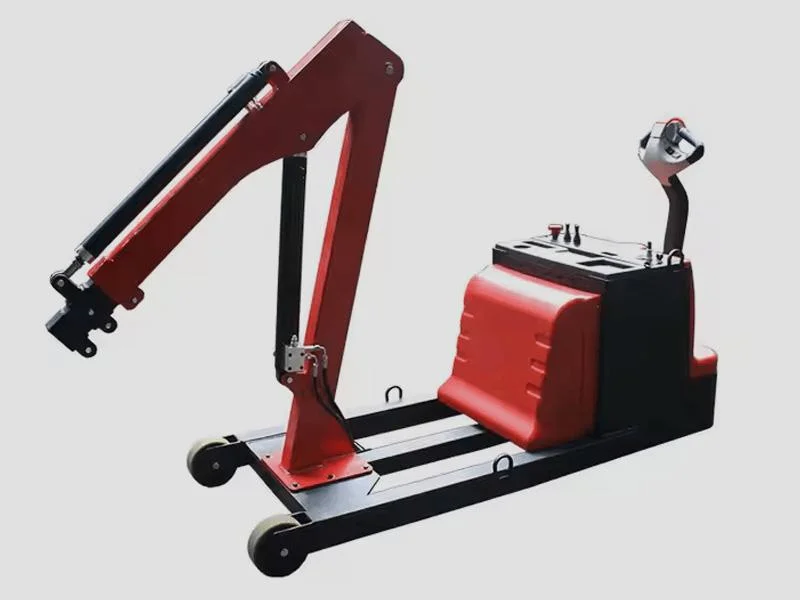
Mini cranes for confined spaces are compact lifting devices designed to operate in tight or restricted areas where larger cranes cannot function effectively. These cranes are engineered to provide precise lifting capabilities in limited environments, making them invaluable in various applications across multiple industries. Their design often incorporates features that enhance maneuverability and stability, allowing them to perform tasks that require careful positioning and control.
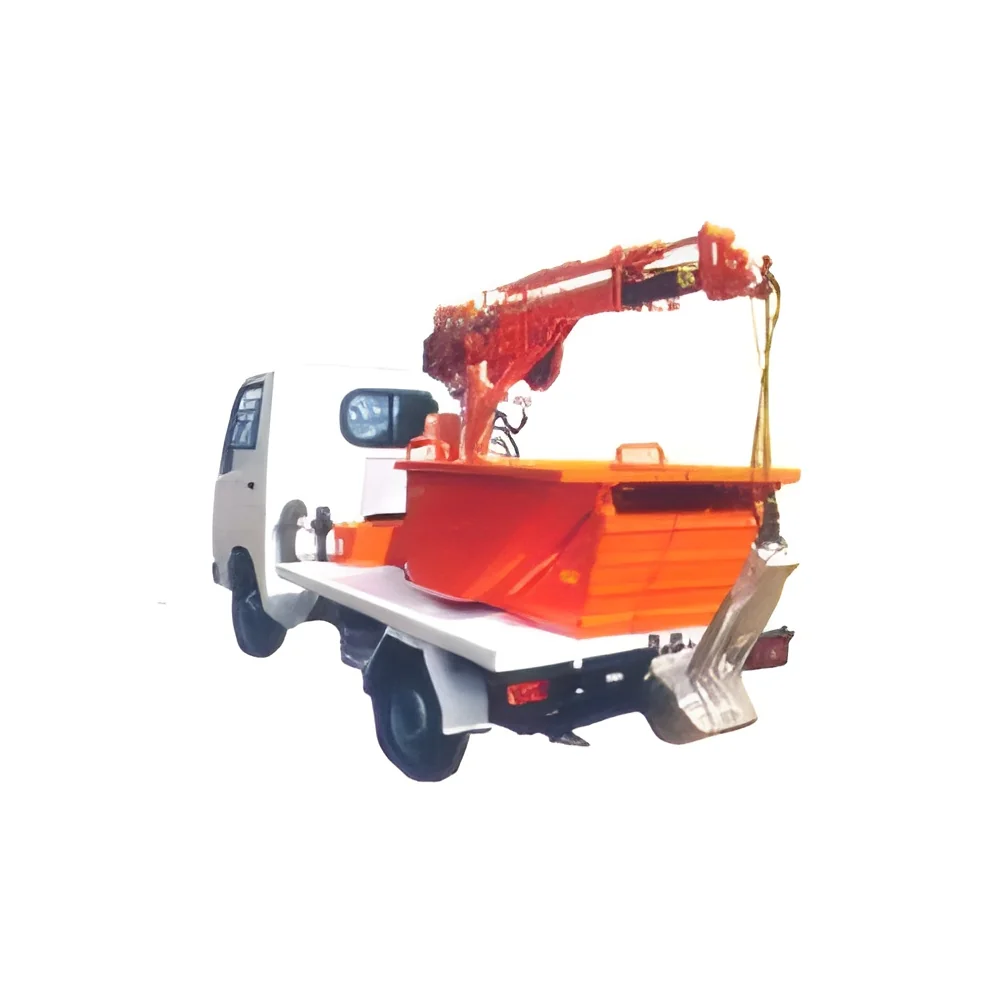
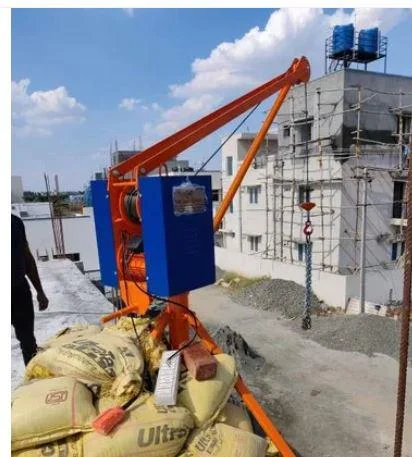
These cranes are primarily used in construction, maintenance, and industrial settings where space constraints are a significant challenge. Common applications include lifting heavy materials into buildings, handling equipment in factories, and executing repairs in hard-to-reach locations. Their relevance is underscored by the growing demand for efficient, safe, and versatile lifting equipment in sectors such as construction, manufacturing, and logistics.
Key Features and Specifications
Mini cranes for confined spaces come with various features tailored to meet the demands of limited working environments. Understanding these specifications is crucial for selecting the right equipment for your needs.
Key specifications include:
1. Load Capacity
- Typically ranges from 1 to 5 tons
- Ideal for handling smaller loads effectively
2. Compact Design
- Dimensions often less than 1 meter in width
- Facilitates access to narrow spaces
3. Lifting Height
- Varies from 2 to 4 meters
- Suitable for indoor and outdoor applications
4. Weight
- Generally lightweight for easy transport
- Allows for easy relocation between job sites
5. Power Source
- Options include electric and hydraulic models
- Ensures versatility in different environments
6. Safety Features
- Equipped with overload protection systems
- Includes emergency stop functions
7. Mobility
- Often features swivel wheels for easy maneuverability
- Compact footprint enhances movement in tight spaces
8. Operating Controls
- User-friendly control systems for precise operation
- Can include remote control options for added convenience
In summary, the specifications of mini cranes for confined spaces highlight their adaptability and efficiency, making them essential tools for various industrial applications.
Common Applications and Use Cases
Mini cranes for confined spaces are utilized across many industries, each with specific applications that demonstrate their versatility.
1. Construction: In construction sites, mini cranes are used to lift materials into buildings, especially in urban settings where space is limited.
2. Manufacturing: In factories, these cranes facilitate the movement of equipment and components in tight assembly lines, enhancing productivity.
3. Warehousing: Mini cranes can help move pallets and boxes in storage areas where larger equipment cannot operate efficiently.
4. Maintenance: For maintenance tasks, mini cranes provide access to hard-to-reach areas, such as HVAC systems or roof repairs.
5. Shipbuilding: In shipyards, they assist in lifting components onto vessels where space is constrained and precision is critical.
6. Elevators: Mini cranes are employed in elevator installation and repair, enabling technicians to work in confined shafts safely.
7. Event Setup: In event management, they help set up stages and equipment in venues with limited access.
Product Variants and Subcategories
The diversity of mini cranes for confined spaces allows businesses to choose equipment tailored to their specific operational needs.
Electric Mini Cranes
These cranes operate on electric power, making them ideal for indoor use where emissions need to be minimized. They are typically quieter and easier to control for precise operations.
Hydraulic Mini Cranes
Hydraulic models are known for their lifting power and efficiency. They are well-suited for heavy-duty tasks and can handle larger loads compared to their electric counterparts.
Manual Mini Cranes
These cranes require operator input for lifting and maneuvering. They are often lighter and more portable, making them suitable for small-scale jobs and DIY projects.
Benefits and Advantages
Mini cranes for confined spaces offer several advantages that enhance operational efficiency and safety.
1. Space Efficiency: Their compact design allows for operation in tight areas, maximizing available space for other activities.
2. Enhanced Safety: Equipped with safety features, they minimize the risk of accidents during lifting operations, providing peace of mind for operators.
3. Versatility: With various models and configurations, these cranes can adapt to different tasks across multiple industries.
4. Cost-Effective: Their ability to perform multiple functions reduces the need for additional lifting equipment, saving money in the long run.
5. Improved Productivity: Mini cranes enable faster material handling, speeding up project timelines and increasing overall productivity.
6. Ease of Use: User-friendly controls and designs allow operators to quickly learn how to operate the cranes, reducing training time.
Buying Guide for B2B Buyers
When sourcing mini cranes for confined spaces, several factors are crucial for making an informed decision.
1. Quality Assessment: Evaluate the build quality and materials used in the cranes. Look for features that enhance durability and reliability during operations.
2. Supplier Verification: Ensure that suppliers have a good reputation and provide verifiable references from previous clients to confirm their reliability.
3. Pricing and MOQ: Assess the cost of the cranes and inquire about minimum order quantities. This helps in budgeting and ensures you meet your operational needs.
4. Delivery and Lead Times: Discuss logistics with suppliers to understand the expected delivery times and any potential delays, ensuring timely project execution.
5. Compliance Requirements: Verify that the cranes meet relevant industry standards and regulations to ensure safety and performance standards are upheld.
Compliance and Certifications
Mini cranes for confined spaces must adhere to various quality standards and regulations to ensure safety and performance.
ISO 9001 is a widely recognized standard that indicates a commitment to quality management systems. Compliance with this standard assures buyers of the reliability and quality of the cranes.
CE certification is crucial for products sold in European markets, indicating that the equipment meets safety, health, and environmental protection standards.
Additionally, safety and testing requirements must be followed to ensure that the cranes can operate safely in confined spaces. Manufacturers should conduct rigorous testing to confirm compliance with these regulations.
Regional compliance considerations may vary, so it is essential to understand local regulations and standards applicable to the regions where the cranes will be used.
Why Source Mini Cranes for Confined Spaces from Pepagora?
Pepagora offers a trusted platform for sourcing mini cranes for confined spaces, presenting several key advantages for buyers.
Verified Supplier Network: Pepagora connects buyers with a network of verified suppliers, ensuring that all listed products meet high-quality standards and comply with relevant regulations.
Streamlined RFQ Process: The quotation system simplifies the procurement process, allowing buyers to request and receive quotes from multiple suppliers quickly, thus saving time and effort.
Trade Assurance and Support: Buyers benefit from trade assurance services that protect their purchases, providing additional security in transactions and ensuring satisfaction with orders.
Regional Coverage: Pepagora has a strong presence in India, the GCC, and Southeast Asia, making it easy for buyers in these regions to access quality mini cranes tailored to their specific needs.

 IN
IN