
 IN
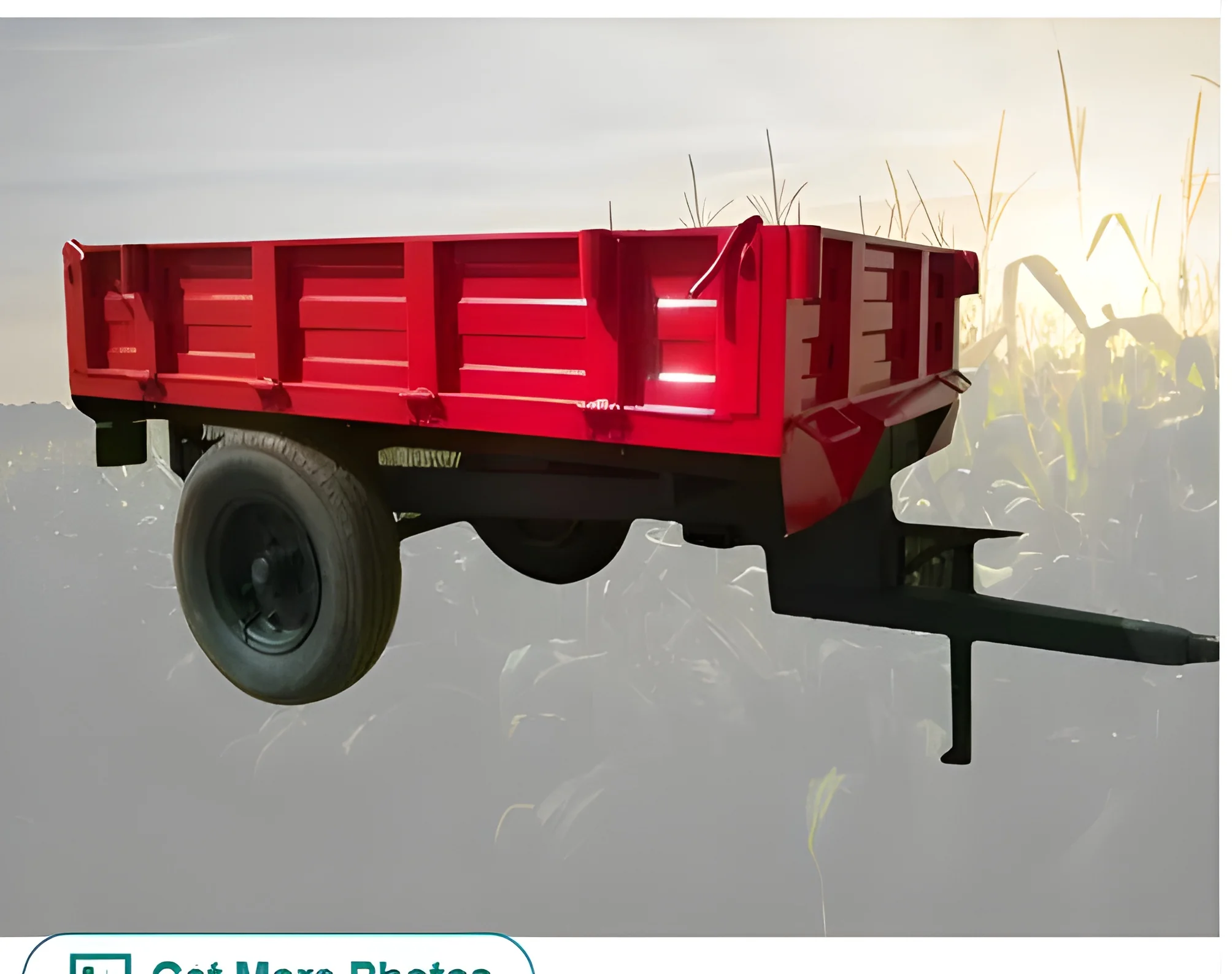
Tractor Trailers
1 products available
What are Tractor Trailers?
Tractor trailers, also known as semi-trailers or articulated trucks, are large vehicles designed for transporting goods over long distances. These vehicles consist of a tractor unit that provides the power and a trailer that carries the cargo. The tractor connects to the trailer through a fifth wheel coupling, allowing for greater flexibility and maneuverability on the road.
These vehicles are primarily used in freight transportation, logistics, and distribution sectors. They are essential for moving a wide range of goods, including raw materials, finished products, and heavy machinery. Businesses rely on tractor trailers to ensure timely deliveries, manage supply chains efficiently, and maintain competitive advantages in their respective markets. The increasing demand for e-commerce and global trade has further solidified their relevance in the transportation industry.
In the current market, tractor trailers play a crucial role in supply chain management and logistics. The growth of industries such as retail, manufacturing, and agriculture has driven the need for efficient transportation solutions. As regulations evolve and environmental concerns rise, advancements in tractor trailer technology are expected to enhance performance, safety, and sustainability.
Key Features and Specifications
Tractor trailers are equipped with several key features that enhance their functionality and efficiency. Their design and specifications cater to a diverse range of transportation needs, making them indispensable in the logistics industry.
Key specifications include:
1. Cargo Capacity
- Typically ranges from 20,000 to 45,000 pounds depending on the trailer type.
- Allows for the transport of various goods, from bulk materials to large machinery.
2. Dimensions
- Standard lengths range from 28 to 53 feet.
- Widths generally do not exceed 8.5 feet to comply with road regulations.
3. Engine Power
- Most tractor units feature engines with power ratings between 300 to 600 horsepower.
- Ensures efficient performance during long hauls and heavy loads.
4. Fuel Efficiency
- Many modern models achieve between 6 to 10 miles per gallon.
- Advances in aerodynamics and engine technology contribute to improved fuel economy.
5. Braking Systems
- Equipped with air brake systems that provide reliable stopping power.
- Some models include anti-lock braking systems (ABS) for added safety.
6. Trailer Types
- Options include dry van, flatbed, refrigerated, and tanker trailers.
- Each type is designed for specific cargo and operational demands.
7. Safety Features
- Common features include lane departure warning systems and collision avoidance technology.
- Enhances driver safety and reduces accident risks.
8. Regulatory Compliance
- Must meet safety and emissions standards set by regional authorities.
- Certification such as CE reflects adherence to quality and safety regulations.
In summary, understanding the key features and specifications of tractor trailers is essential for businesses looking to optimize their logistics and transportation strategies.
Common Applications and Use Cases
Tractor trailers serve various industries due to their versatility and capacity for transporting different types of goods.
1. Retail: Tractor trailers are used to transport consumer products from distribution centers to retail outlets. They enable timely deliveries to meet consumer demand.
2. Construction: In the construction industry, tractor trailers transport heavy machinery, building materials, and equipment to job sites, facilitating project completion.
3. Agriculture: Farmers and agricultural businesses utilize tractor trailers to move large quantities of crops and livestock products to markets and processing facilities.
4. Food and Beverage: Refrigerated tractor trailers are essential for transporting perishable goods, ensuring they remain fresh during transit.
5. Manufacturing: These vehicles move raw materials to factories and deliver finished products to distributors, playing a vital role in production processes.
6. Automotive: In the automotive industry, tractor trailers transport vehicles from manufacturing plants to dealerships, ensuring timely availability for consumers.
7. Chemical: Specialized tanker trailers are used to transport hazardous materials safely, adhering to strict safety regulations.
Product Variants and Subcategories
Tractor trailers come in a variety of forms to cater to specific transportation needs. Each variant is designed with unique features that enhance functionality.
Flatbed Trailers
Flatbed trailers are open and have no sides or roof, allowing for easy loading and unloading of heavy or oversized cargo. They are ideal for transporting construction materials, machinery, and other large items.
Refrigerated Trailers
These trailers maintain specific temperature controls for transporting perishable goods. They are widely used in the food and beverage industry to ensure products remain fresh during transit.
Dry Van Trailers
Dry van trailers are enclosed, providing protection from weather conditions. They are commonly used for transporting non-perishable goods, making them a popular choice for general freight.
Tanker Trailers
Tanker trailers are designed for transporting liquids, including chemicals, fuels, and food-grade products. They are equipped with safety features to prevent leaks and spills during transport.
Benefits and Advantages
Investing in tractor trailers offers numerous advantages for businesses involved in logistics and transportation.
1. Increased Efficiency: Tractor trailers can carry large loads, reducing the number of trips needed for deliveries and enhancing operational efficiency.
2. Flexibility: With various trailer types available, businesses can choose the right solution based on their specific cargo needs and industry requirements.
3. Cost-Effectiveness: By optimizing load capacity and fuel efficiency, tractor trailers help reduce transportation costs over time.
4. Enhanced Safety: Modern tractor trailers are equipped with advanced safety features that help minimize accidents and ensure compliance with safety regulations.
5. Durability: Built to withstand harsh conditions, tractor trailers are designed for long-term use, providing a reliable transportation solution.
6. Improved Delivery Times: Faster transport capabilities enable businesses to meet tight delivery schedules, enhancing customer satisfaction.
Buying Guide for B2B Buyers
When sourcing tractor trailers, B2B buyers should consider several critical factors to ensure they make informed purchasing decisions.
1. Quality Assessment: Evaluate the build quality and material of the tractor trailer. Look for industry certifications and reviews to gauge reliability and performance.
2. Supplier Verification: Vet suppliers for their reputation, reliability, and history of delivering quality products. Request references and check their compliance with industry standards.
3. Pricing and MOQ: Understand the price range for different types of tractor trailers and inquire about minimum order quantities, as these can vary significantly based on the supplier.
4. Delivery and Lead Times: Discuss logistics with suppliers to determine delivery schedules and lead times. Ensure they align with your operational needs.
5. Compliance Requirements: Familiarize yourself with regional regulatory requirements for tractor trailers, including safety standards and emissions regulations. Ensure the trailers comply with these standards.
Compliance and Certifications
Tractor trailers must adhere to several compliance standards and certifications to ensure safety and quality in operations. Relevant quality standards include ISO 9001, which outlines requirements for a quality management system. Adhering to these standards helps ensure that manufacturers consistently produce high-quality products.
Industry certifications, such as CE marking, indicate that the product meets specific health, safety, and environmental protection standards. This is crucial for gaining market acceptance in various regions.
Safety and testing requirements are essential in the manufacturing process. Tractor trailers undergo rigorous testing to ensure they can handle various loads and withstand different driving conditions. Regional compliance considerations also play a significant role, as different areas may have specific regulations governing vehicle dimensions, emissions, and safety features.
Why Source Tractor Trailers from Pepagora?
Pepagora provides a trusted platform for sourcing tractor trailers with several key advantages for businesses.
Verified Supplier Network: Pepagora connects buyers with a network of verified suppliers. This ensures that businesses can trust the quality and reliability of the products they are sourcing.
Streamlined RFQ Process: The platform simplifies the request for quotation process, allowing businesses to quickly receive and compare quotes from multiple suppliers. This saves time and helps in making informed purchasing decisions.
Trade Assurance and Support: Pepagora offers trade assurance programs that protect buyers throughout the purchasing process. This includes support for resolving disputes and ensuring that transactions are secure.
Regional Coverage: With a strong presence in India, the GCC, and Southeast Asia, Pepagora enables businesses to source tractor trailers from various regions, accommodating diverse logistics needs and operational requirements.

Frequently Asked Questions
What are Tractor Trailers?
Tractor trailers, often referred to as semi-trailers, are large vehicles designed for transporting goods and cargo. They consist of a tractor unit that provides the power and a trailer that carries the load. These vehicles are commonly used in logistics and transportation industries due to their efficiency in long-haul deliveries.
What are the different types of Tractor Trailers?
There are several types of tractor trailers, including flatbed trailers, enclosed trailers, refrigerated trailers, and tank trailers. Each type is designed for specific purposes, such as transporting bulk materials, perishables, or hazardous substances. Understanding the type of cargo you plan to transport is crucial in selecting the appropriate trailer.
How do I choose the right Tractor Trailers?
Choosing the right tractor trailer involves considering factors such as load capacity, trailer type, and compatibility with your tractor unit. Additionally, you should assess the specific needs of your business, including the types of goods you transport and the distances involved. Consulting with suppliers and reviewing specifications can help you make an informed decision.
What are the standard specifications for Tractor Trailers?
Standard specifications for tractor trailers include dimensions, weight capacity, and material construction. Common dimensions for trailers are 40 to 53 feet in length, while weight capacities generally range from 20,000 to 80,000 pounds, depending on the trailer type. It's essential to review specifications that align with your transport requirements.
What is the price range for Tractor Trailers?
The price range for tractor trailers can vary significantly based on factors such as size, type, and manufacturer. Generally, prices can start from around INR 5 lakhs and can go up to INR 30 lakhs or more for specialized models. It's advisable to compare various suppliers to find a solution that fits your budget.
What quality standards apply to Tractor Trailers?
Tractor trailers must adhere to specific quality standards set by industry regulations, such as the Bureau of Indian Standards (BIS). These standards ensure safety, durability, and performance, covering aspects like structural integrity, braking systems, and load capacity. Selecting a trailer that meets these standards is essential for operational safety.
Where can I find Tractor Trailers suppliers in India?
You can find tractor trailers suppliers in India through online B2B marketplaces, trade shows, and industry directories. Websites like Pepagora.com list various manufacturers and suppliers, allowing you to compare products and prices. Networking within the transportation industry can also help identify reputable suppliers.
Can Tractor Trailers be customized?
Yes, many manufacturers offer customization options for tractor trailers to meet specific business needs. Customizations can include modifications to size, load capacity, and additional features such as refrigeration units or specialized cargo holds. Discussing your requirements with suppliers can help you explore available customization options.
What is the typical minimum order quantity for Tractor Trailers?
The typical minimum order quantity (MOQ) for tractor trailers can vary by supplier and the type of trailer ordered. Generally, MOQs can range from one unit to several units for bulk orders. It's important to check with individual suppliers for their specific policies regarding MOQs.
What is the typical lead time for Tractor Trailers?
The lead time for tractor trailers can vary based on factors such as customization, manufacturing schedules, and supplier location. Typically, lead times can range from a few weeks to several months. It is advisable to confirm lead times with suppliers during the purchasing process to ensure timely delivery.
Why Businesses Trust Pepagora
Thousands of companies trust Pepagora to source smarter and sell faster
Expand Your Sales Globally

Source Smarter,Grow Faster
