
 IN
Undercarriage Parts
5 products available
What are Undercarriage Parts?
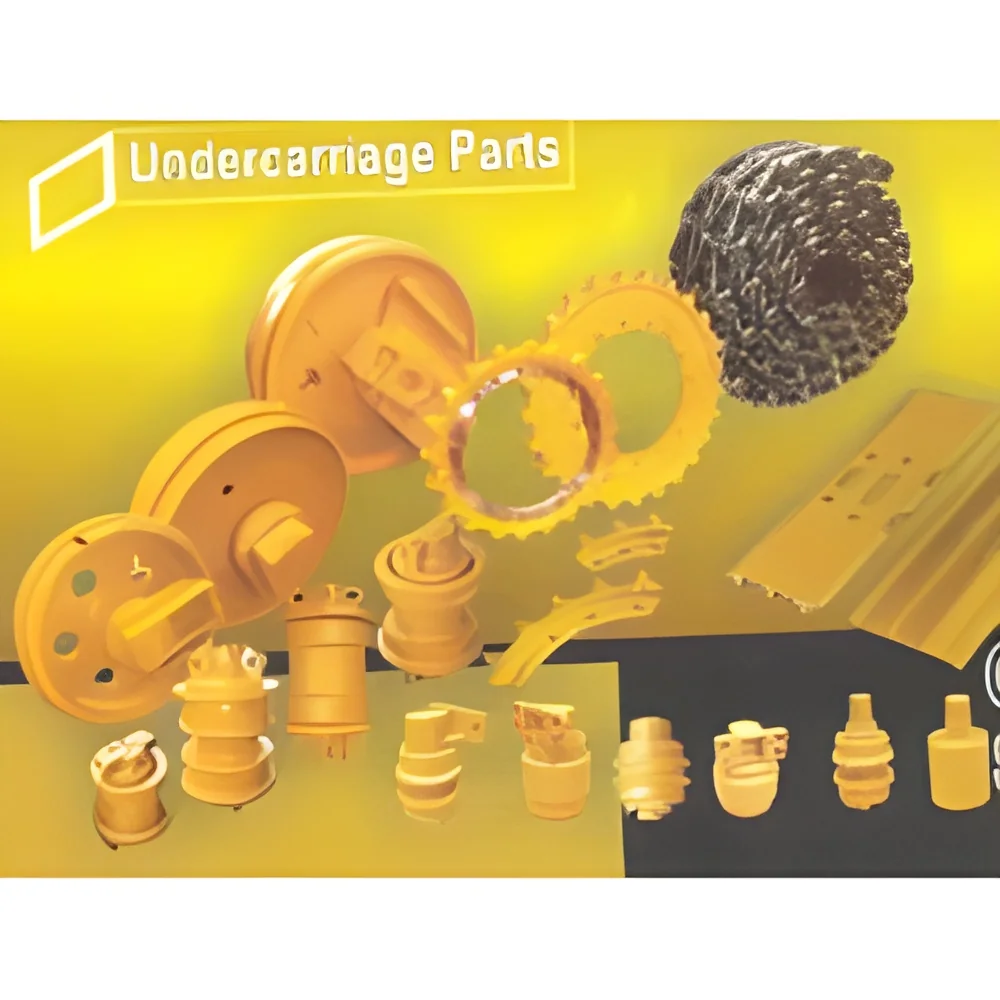
Undercarriage parts are essential components of heavy machinery, particularly in construction and mining equipment. These parts include various elements such as tracks, rollers, idlers, and sprockets that support the overall functionality and mobility of the machines. They provide stability and traction on different terrains, allowing machinery to operate efficiently. The durability of undercarriage parts is crucial as they are subjected to constant wear and tear during operation.
These parts are primarily used in industries such as construction, mining, and agriculture. In construction, undercarriage components enable excavators and bulldozers to navigate rough terrains. In mining, they facilitate the movement of heavy equipment across challenging landscapes. The performance of undercarriage parts directly impacts the productivity and safety of operations, making them a critical aspect of machinery maintenance. As the demand for construction and mining activities continues to grow globally, the market for high-quality undercarriage parts remains robust.
Key Features and Specifications
Undercarriage parts come with a range of features and specifications designed to enhance performance and durability. Understanding these specifications helps businesses choose the right components for their equipment.
Key specifications include:
1. Material Quality
- High-strength steel or composite materials are commonly used.
- This ensures resilience against abrasion and impact.
2. Weight Capacity
- Each undercarriage part is designed to support a specific weight range.
- Specifications typically vary from lighter machinery to heavy-duty applications.
3. Compatibility
- Parts are often made to fit specific models of machinery.
- Ensures optimal performance and reduces installation issues.
4. Wear Resistance
- Features such as hardened surfaces or specialized coatings enhance longevity.
- Helps minimize the frequency of replacements.
5. Maintenance Requirements
- Some parts are designed for easy maintenance to reduce downtime.
- Features may include greasing points or modular designs.
6. Temperature Tolerance
- Parts can operate effectively under varying temperature conditions.
- Specifications should indicate operating temperature ranges.
7. Certification Standards
- Compliance with industry standards, such as CE marking.
- Ensures safety and quality assurance.
8. Customization Options
- Manufacturers often offer customization based on specific needs.
- Businesses can request tailored solutions for unique applications.
In summary, understanding the key features and specifications of undercarriage parts is vital for making informed purchasing decisions that enhance the performance and longevity of heavy machinery.
Common Applications and Use Cases
Undercarriage parts serve a variety of industries, each with specific applications that highlight their importance.
1. Construction: In construction, undercarriage parts are crucial for excavators and bulldozers, aiding in tasks such as grading, digging, and moving materials.
2. Mining: In the mining sector, undercarriage components support heavy mining trucks and loaders, allowing them to traverse rugged terrains while carrying substantial loads.
3. Agriculture: Tractors and harvesters rely on durable undercarriage parts to navigate fields and perform essential farming tasks efficiently.
4. Forestry: Logging equipment utilizes undercarriage parts to move across uneven forest ground, ensuring stability and traction while transporting logs.
5. Waste Management: Bulldozers and compactors in waste management depend on robust undercarriages to operate effectively in landfill conditions.
6. Military: Heavy military vehicles require specialized undercarriage parts to maintain mobility in diverse terrains during operations.
7. Rail Transport: Some rail maintenance equipment uses undercarriage parts to support operations on tracks, ensuring safe and efficient movement.
Product Variants and Subcategories
Undercarriage parts come in various types, allowing businesses to select components tailored to their specific machinery needs.
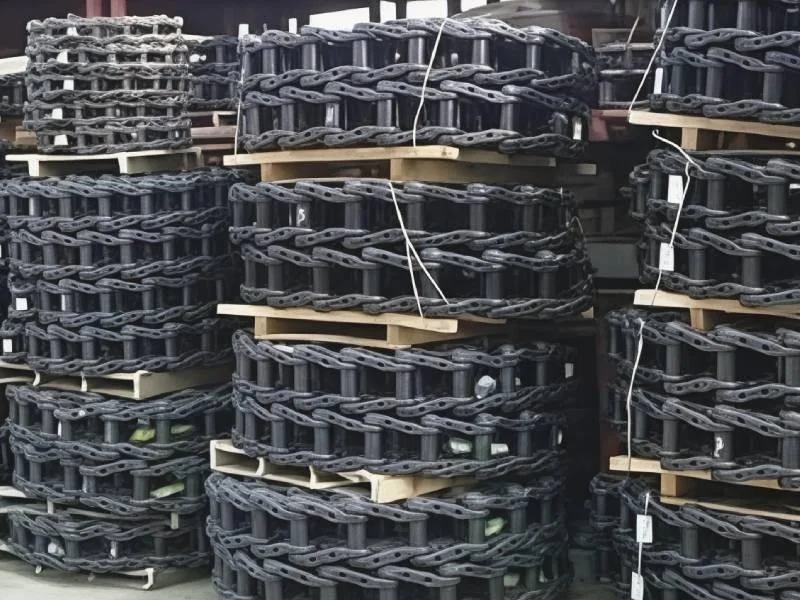
Track Chains: Track chains are integral to crawler machines, providing traction and support. They are built to withstand heavy loads and harsh conditions.
Rollers: Rollers play a critical role in supporting the weight of heavy machinery. They reduce friction and wear on tracks, enhancing overall performance.
Idlers: Idlers guide the track and maintain tension. They are designed for durability and are often made from high-strength materials to resist wear.
Sprockets: Sprockets are key components that engage with the track chain. They are designed to withstand high torque and provide reliable power transfer.
Benefits and Advantages
Sourcing high-quality undercarriage parts offers significant benefits to businesses operating heavy machinery.
1. Increased Durability: Quality undercarriage parts are designed to last longer, reducing the frequency of replacements and maintenance.
2. Enhanced Performance: Properly functioning undercarriage components improve the overall efficiency and productivity of machinery.
3. Cost Savings: Investing in durable parts can lead to lower operational costs due to reduced downtime and repair needs.
4. Improved Safety: Reliable undercarriage parts help ensure the safety of operators by maintaining machine stability and performance.
5. Customization Options: Many suppliers offer customized solutions to meet specific operational needs, providing tailored performance.
6. Compliance Assurance: Sourcing from reputable suppliers ensures that parts meet industry standards and regulations, enhancing safety and quality.
Buying Guide for B2B Buyers
When sourcing undercarriage parts, businesses should consider several critical factors to ensure they select the right components.
1. Quality Assessment: Evaluate the quality of materials and construction. Look for certifications that indicate adherence to industry standards.
2. Supplier Verification: Vet suppliers to ensure they have a strong reputation for reliability and quality. Check references and customer feedback.
3. Pricing and MOQ: Understand pricing structures and minimum order quantities. This can impact budgeting and inventory management.
4. Delivery and Lead Times: Consider logistics and how quickly suppliers can deliver the parts. Timely delivery is essential for maintaining operations.
5. Compliance Requirements: Ensure that the undercarriage parts comply with relevant regulations and safety standards in your region.
Compliance and Certifications
Compliance with industry standards is crucial for the reliability and safety of undercarriage parts. Many manufacturers adhere to standards such as ISO 9001, ensuring quality management throughout the production process. Certifications such as CE indicate that products meet European safety and environmental requirements.
Safety and testing requirements are also paramount, as undercarriage components must withstand rigorous use in various conditions. Companies should ensure that their suppliers conduct thorough testing and provide documentation for compliance.
Regional compliance considerations vary, so organizations must be aware of local regulations governing machinery and parts. Ensuring that undercarriage parts meet these requirements can prevent legal issues and enhance operational safety.
Why Source Undercarriage Parts from Pepagora?
Pepagora provides a trusted platform for sourcing undercarriage parts, offering several key advantages to businesses.
Verified Supplier Network: Pepagora connects buyers with a network of verified suppliers, ensuring quality and reliability. Each supplier undergoes a thorough vetting process to guarantee standards.
Streamlined RFQ Process: The request for quotation (RFQ) system simplifies sourcing, allowing buyers to compare offers from multiple suppliers quickly. This efficiency helps businesses secure the best deals.
Trade Assurance and Support: Pepagora offers buyer protection and support throughout the purchasing process. This assurance enhances confidence in transactions and builds long-term relationships.
Regional Coverage: With a strong presence in regions like India, GCC, and Southeast Asia, Pepagora ensures that businesses can access quality undercarriage parts regardless of location. This geographic reach facilitates efficient supply chain management.
In summary, sourcing undercarriage parts from Pepagora combines quality assurance, supplier reliability, and regional access, making it a valuable choice for businesses in need of these essential components.

Frequently Asked Questions
What are Undercarriage Parts?
Undercarriage parts are components that support the weight and provide mobility to heavy machinery, especially in construction and mining equipment. These parts include tracks, rollers, idlers, and sprockets, which work together to ensure the efficient operation of machinery.
What are the different types of Undercarriage Parts?
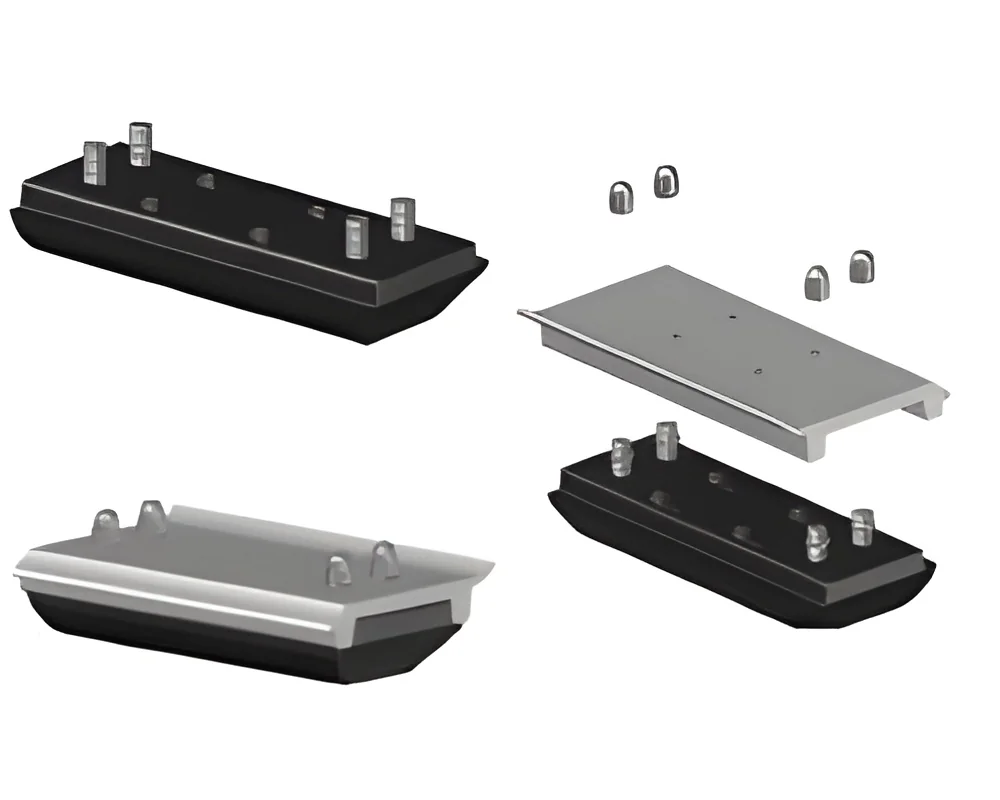
The different types of undercarriage parts include tracks, track rollers, idlers, sprockets, and shoes. Each of these components plays a specific role in the overall functionality and durability of the machinery, contributing to its performance on various terrains.
How do I choose the right Undercarriage Parts?
Choosing the right undercarriage parts involves considering factors such as compatibility with your machinery model, the type of work being performed, and the operating conditions. It’s essential to consult with manufacturers or suppliers to ensure that you select parts that meet your specific needs.
What are the standard specifications for Undercarriage Parts?
Standard specifications for undercarriage parts typically include dimensions, weight capacity, material composition, and design features. These specifications may vary depending on the machinery type and manufacturer, so it is important to refer to the equipment's manual or the supplier's guidelines.
What is the price range for Undercarriage Parts?
The price range for undercarriage parts can vary widely based on the type of part, manufacturer, and quality. Generally, prices can start from a few thousand Indian Rupees and can go up to several lakhs for high-quality or specialized components.
What quality standards apply to Undercarriage Parts?
Quality standards for undercarriage parts often include compliance with ISO certifications and adherence to specific manufacturing guidelines set by machinery manufacturers. These standards ensure reliability, durability, and performance under various operating conditions.
Where can I find Undercarriage Parts suppliers in India?
You can find undercarriage parts suppliers in India through B2B marketplaces, industrial trade shows, and online directories. Platforms like Pepagora.com provide a comprehensive list of manufacturers and suppliers, making it easier to compare options.
Can Undercarriage Parts be customized?
Yes, many manufacturers offer customization options for undercarriage parts to meet specific requirements or unique machinery configurations. It is advisable to discuss your needs with suppliers to explore available customization possibilities.
What is the typical minimum order quantity for Undercarriage Parts?
The typical minimum order quantity (MOQ) for undercarriage parts varies by supplier and part type, but it generally ranges from 1 to 50 units. It is best to check with the supplier for their specific MOQ policies.
What is the typical lead time for Undercarriage Parts?
The typical lead time for undercarriage parts can range from a few days to several weeks, depending on the supplier, availability of parts, and customization requirements. It is recommended to confirm lead times with the supplier before placing an order.
Why Businesses Trust Pepagora
Thousands of companies trust Pepagora to source smarter and sell faster
Expand Your Sales Globally

Source Smarter,Grow Faster
