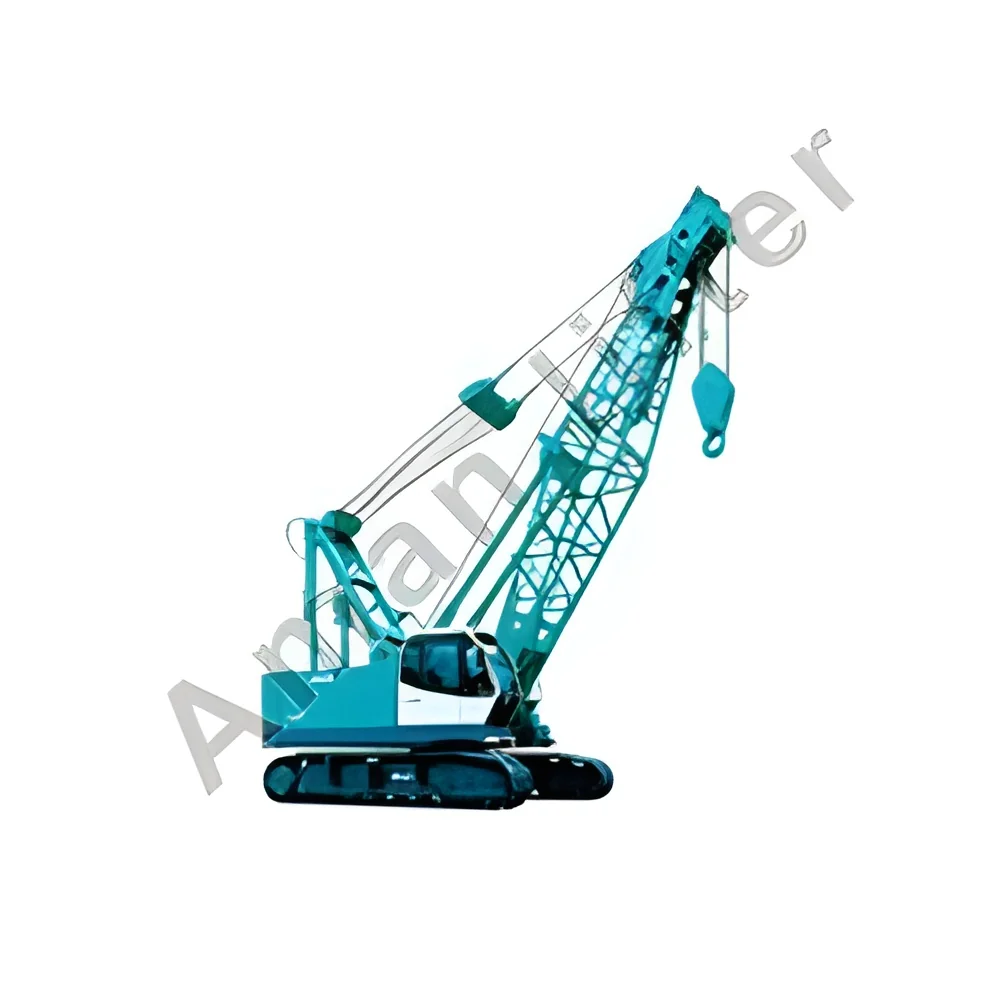
What are Crawler Cranes?
Crawler cranes are heavy-duty machines designed for lifting and moving large loads in various construction and industrial environments. They are characterized by their unique undercarriage system, which consists of tracks that provide stability and mobility on uneven terrain. Unlike wheeled cranes, crawler cranes can operate in challenging conditions such as soft ground or steep inclines, making them suitable for a wide range of applications.
These cranes are primarily used in construction, mining, and infrastructure projects. They excel in tasks that require heavy lifting, such as erecting steel structures, placing large precast components, and performing site preparation. Crawler cranes are also utilized in salvage operations and heavy equipment relocation. Their ability to handle substantial weights and navigate difficult terrains makes them indispensable in various sectors of the industrial market.
The relevance of crawler cranes in today’s market is significant, as many construction projects demand high-capacity lifting solutions. With ongoing urbanization and infrastructure development globally, the demand for crawler cranes continues to grow. This growth is driven by the need for efficient and versatile equipment that can adapt to diverse job site requirements.
Key Features and Specifications
Crawler cranes are equipped with a variety of features designed to enhance performance, safety, and operational efficiency. Understanding these specifications is crucial for selecting the right crane for specific applications.
Key specifications include:
1. Lifting Capacity
- Ranges from 50 tons to over 3,000 tons
- Determines the maximum weight the crane can lift safely
2. Boom Length
- Typically ranges from 30 meters to over 100 meters
- Affects the reach and height at which loads can be lifted
3. Operating Radius
- Varies depending on the crane model
- Determines how far the crane can extend its boom while lifting
4. Weight and Dimensions
- Overall weight can vary significantly
- Dimensions impact transportation and site setup
5. Track Width
- Width ranges typically from 2 to 4 meters
- Affects the crane's stability on different surfaces
6. Engine Power
- Power ranges from 100 HP to over 1,000 HP
- Influences the crane's operational efficiency and speed
7. Control System
- May include hydraulic or electronic controls
- Impacts precision and ease of operation
8. Safety Features
- Includes load moment indicators and emergency stop systems
- Ensures safe operation under various conditions
In summary, crawler cranes are sophisticated machines that combine power, versatility, and safety features. Their specifications must align with project requirements to ensure optimal performance.
Common Applications and Use Cases
Crawler cranes are utilized across various industries due to their versatility and lifting capacity.
1. Construction: In construction projects, crawler cranes are essential for erecting buildings, bridges, and other structures. They can lift heavy materials like steel beams and precast concrete.
2. Mining: In the mining sector, these cranes are used for equipment installation and maintenance. Their ability to operate in rugged terrains makes them ideal for mining sites.
3. Oil and Gas: Crawler cranes play a crucial role in the oil and gas industry for setting up rigs and transporting heavy equipment.
4. Infrastructure: They are often used in infrastructure projects such as road and rail construction, where heavy lifting is required.
5. Shipbuilding: Crawler cranes assist in the assembly of large ship components, allowing for efficient lifting and placement in shipyards.
6. Demolition: In demolition projects, crawler cranes are used to safely dismantle large structures, handling heavy debris and materials.
7. Wind Energy: These cranes are vital for erecting wind turbines, transporting and lifting components to significant heights.
Product Variants and Subcategories
Crawler cranes are available in various configurations to meet diverse operational needs. Each variant offers unique features suited for specific applications.
Standard Crawler Cranes
These are the most common type of crawler cranes, designed for general lifting tasks in construction and industrial applications. They typically have adjustable booms for varying reach and lifting capacities.
Heavy-Lift Crawler Cranes
These cranes are specialized for extremely heavy lifting tasks, often exceeding 1,000 tons. They are used in industries like shipbuilding and heavy construction where maximum capacity is essential.
Telescopic Crawler Cranes
Telescopic models feature extendable booms, providing flexibility in height and reach. They are ideal for projects requiring variable lifting heights without the need for multiple cranes.
Benefits and Advantages
Choosing crawler cranes provides numerous advantages for businesses.
1. High Stability: The crawler tracks offer superior stability on uneven surfaces, reducing the risk of tipping during operation.
2. Versatility: These cranes can be used in various applications, making them suitable for multiple industries.
3. High Lifting Capacity: Crawler cranes can handle substantial weights, allowing for the transportation of large materials.
4. Adaptability: Their ability to navigate rough terrain makes them ideal for challenging job sites.
5. Improved Safety Features: Many models come equipped with advanced safety mechanisms to ensure safe operation.
6. Cost-Effectiveness: Investing in a crawler crane can lead to long-term savings due to their durability and efficiency in heavy lifting tasks.
Buying Guide for B2B Buyers
When sourcing crawler cranes, several factors must be considered to ensure the right choice for your business needs.
1. Quality Assessment: It's essential to evaluate the quality of the cranes, including the materials used and the manufacturing process. Look for certifications that indicate compliance with industry standards.
2. Supplier Verification: Vetting suppliers is crucial for ensuring reliability. Check their reputation, experience, and customer reviews to make informed decisions.
3. Pricing and MOQ: Understand the pricing structure and minimum order quantities to determine the financial feasibility of your purchase.
4. Delivery and Lead Times: Consider logistics, including delivery times and transportation costs, to minimize downtime on your projects.
5. Compliance Requirements: Familiarize yourself with regulatory standards that apply to crawler cranes in your region to avoid legal complications.
Compliance and Certifications
Compliance and certifications are essential aspects of crawler cranes, ensuring safety and quality in operations.
Crawler cranes must adhere to relevant quality standards, including ISO 9001, which focuses on quality management systems. Compliance with industry certifications, such as CE marking, indicates that the cranes meet European safety and environmental standards.
Safety and testing requirements also play a critical role in the manufacturing and operational processes of crawler cranes. Regular inspections and certifications ensure that cranes are safe for use and capable of performing under the required conditions.
Additionally, regional compliance considerations may vary, so it is vital to be informed about specific regulations that apply in different geographical locations. This ensures that the cranes are not only effective but also legally compliant.
Why Source Crawler Cranes from Pepagora?
Pepagora provides a trusted platform for sourcing crawler cranes with several key advantages that benefit B2B buyers.
Verified Supplier Network: Pepagora connects buyers with a network of verified suppliers, ensuring that all listed products meet high-quality standards and are sourced from reputable manufacturers. This verification process builds trust and reliability in the purchasing decision.
Streamlined RFQ Process: The platform facilitates an easy request for quotation (RFQ) process, allowing buyers to quickly compare prices and specifications from multiple suppliers. This efficiency helps businesses find the best deals suited to their needs.
Trade Assurance and Support: Buyers benefit from trade assurance services that protect transactions and provide support throughout the buying process. This includes assistance with logistics, payment, and after-sales service.
Regional Coverage: Pepagora’s geographic reach extends across India, the GCC, and Southeast Asia, making it a suitable choice for businesses operating in these regions. This regional focus allows for better understanding and compliance with local market conditions and regulations.

 IN
IN