
 IN
Warehouse Safety Shoes
3 products available
What are Warehouse Safety Shoes?
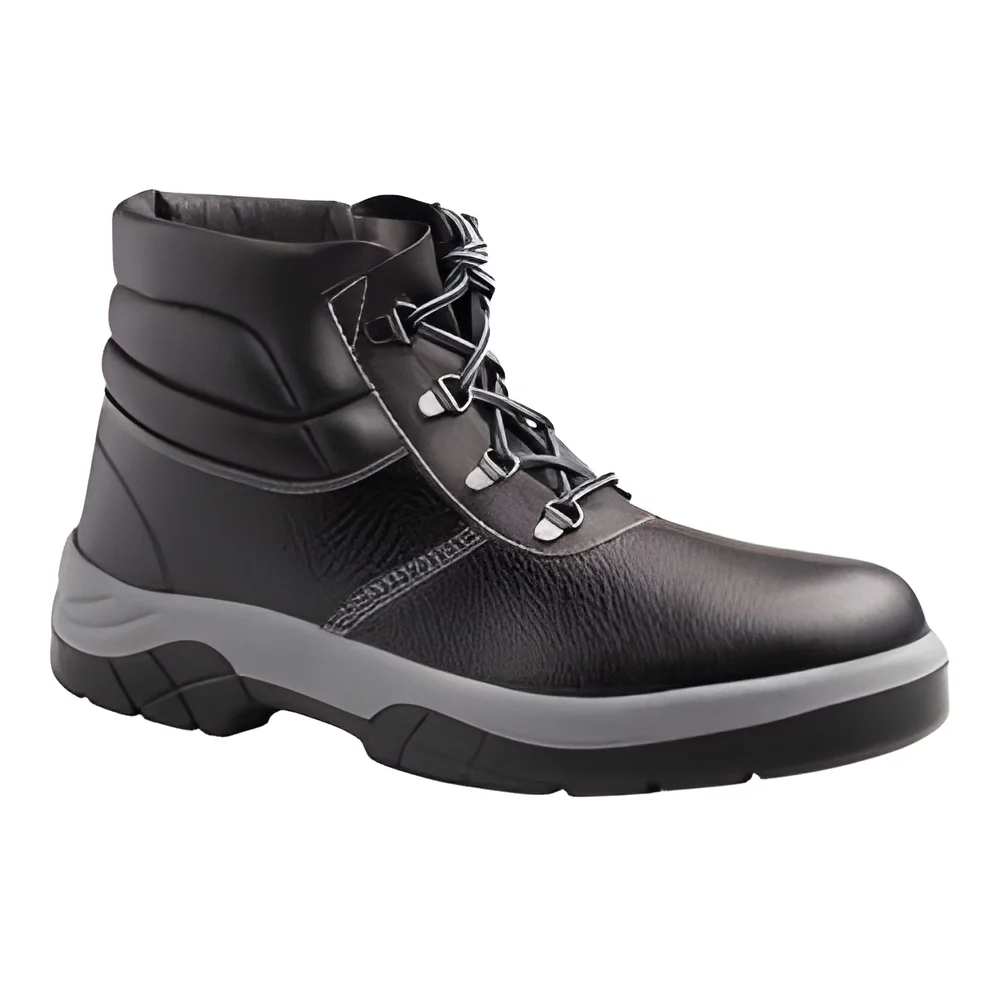
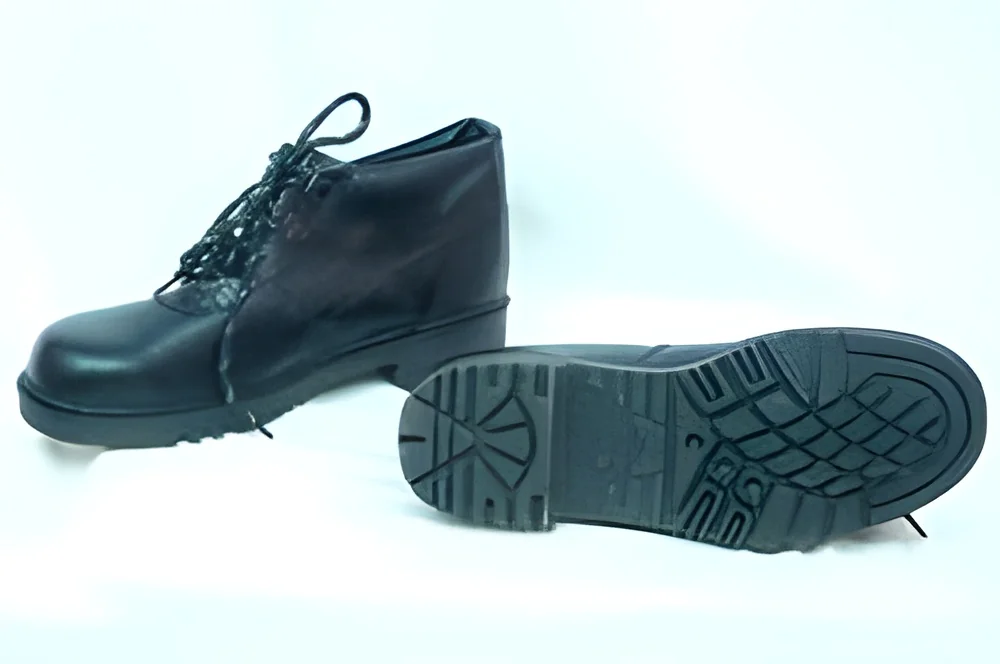
Warehouse safety shoes are specially designed footwear that provides protection and support for workers in warehouse and industrial environments. These shoes are built to withstand various hazards such as heavy objects, sharp tools, and slippery surfaces. They typically feature reinforced toes, slip-resistant soles, and other safety elements to ensure the wearer's safety while performing their duties.
These shoes are essential for employees involved in activities such as material handling, inventory management, and logistics. They are commonly used in warehouses, manufacturing facilities, and distribution centers where workers are exposed to potential foot injuries. The relevance of warehouse safety shoes in the current market is underscored by the increasing emphasis on workplace safety regulations and the growing awareness of employee well-being. As industries expand and evolve, the demand for reliable safety footwear continues to rise.
Key Features and Specifications
Warehouse safety shoes come with a variety of features that enhance protection, comfort, and durability. Selecting the right pair is crucial for ensuring employee safety and productivity. The following specifications are important when considering warehouse safety shoes.
Key specifications include:
1. Toe Protection
- Steel or composite toe caps provide protection against heavy impacts and compression.
- Meets or exceeds safety standards such as ASTM F2413.
2. Slip Resistance
- Outsoles designed with tread patterns to provide grip on wet and oily surfaces.
- Rated for slip resistance based on ASTM testing methods.
3. Electrical Hazard Protection
- Insulating properties to protect against electrical shocks.
- Suitable for use in environments where incidental contact with electrical circuits is possible.
4. Comfort Features
- Cushioned insoles and padded collars for enhanced comfort during long wear.
- Breathable materials to manage moisture and temperature.
5. Durability
- Constructed from high-quality materials such as leather or synthetic fabrics.
- Resistant to abrasions and wear from daily use.
6. Weight
- Lightweight designs to reduce fatigue during extended wear.
- Typically weigh between 1 to 3 pounds per pair, depending on construction.
7. Waterproofing
- Waterproof membranes to keep feet dry in wet conditions.
- Ideal for outdoor warehousing or distribution tasks.
8. Compliance
- CE certified for meeting European safety standards.
- Adheres to local and regional safety regulations.
In summary, understanding the key features and specifications of warehouse safety shoes will help businesses make informed purchasing decisions that prioritize employee safety and comfort.
Common Applications and Use Cases
Warehouse safety shoes are utilized across various industries where foot protection is essential.
1. Logistics: Employees in logistics often operate heavy machinery and handle packages. Safety shoes with reinforced toes and slip-resistant soles are crucial in preventing injuries.
2. Manufacturing: In manufacturing settings, workers are exposed to heavy equipment and sharp objects. Safety shoes protect against falling items and cuts.
3. Retail Warehousing: Retail warehouse staff frequently move stock and manage inventory. Comfortable safety shoes help reduce fatigue during long shifts.
4. Construction: While primarily used in warehouses, safety shoes are also beneficial in construction sites where workers face similar hazards.
5. Food Processing: In food processing plants, safety shoes must be slip-resistant and easily cleaned to meet hygiene standards.
6. Transportation: Workers in transportation facilities benefit from safety shoes that provide stability and protection while loading and unloading vehicles.
7. Pharmaceuticals: Employees in pharmaceutical warehouses need shoes that provide slip resistance and protection from spills.
Product Variants and Subcategories
Warehouse safety shoes come in a variety of designs to cater to different work environments and preferences.
Steel Toe Shoes: These shoes feature a steel toe cap that protects against heavy impacts. They are ideal for environments where workers are at risk of dropping heavy items.
Composite Toe Shoes: Made from non-metal materials, these shoes provide a lighter alternative to steel toe options. They are suitable for electrical hazard environments due to their non-conductive properties.
Slip-On Safety Shoes: These shoes offer convenience and quick wear for employees who need to frequently take their footwear on and off. They maintain essential safety features while being easy to wear.
Waterproof Safety Shoes: Designed for wet environments, these shoes keep feet dry without compromising on safety standards. They are ideal for outdoor warehouses or food processing facilities.
Benefits and Advantages
Investing in warehouse safety shoes offers numerous benefits to both employees and employers.
1. Enhanced Safety: Safety shoes reduce the risk of foot injuries, leading to a safer work environment for employees.
2. Improved Comfort: Many safety shoes are designed with cushioning and support features, which help workers stay comfortable during long shifts.
3. Increased Productivity: When employees feel safe and comfortable, their productivity often improves, benefiting overall business performance.
4. Compliance with Regulations: Using certified safety footwear ensures compliance with workplace safety regulations, reducing legal liabilities.
5. Long-Term Cost Savings: High-quality safety shoes may have a higher upfront cost but can lead to savings by reducing workplace injuries and associated costs.
6. Employee Satisfaction: Providing safety footwear shows employees that their well-being is valued, leading to higher morale and retention rates.
Buying Guide for B2B Buyers
When sourcing warehouse safety shoes, it is crucial to consider several factors to ensure the best fit for your workforce and operational needs.
1. Quality Assessment: Evaluate the quality of materials and construction. Look for shoes that meet industry standards for durability and safety.
2. Supplier Verification: Vet potential suppliers for reliability and quality. Check for certifications and customer reviews to ensure they deliver on their promises.
3. Pricing and MOQ: Understand the pricing structure and minimum order quantities. Ensure the cost aligns with your budget while meeting safety requirements.
4. Delivery and Lead Times: Assess the supplier's ability to meet delivery timelines. Consider lead times when planning to ensure timely availability of safety shoes.
5. Compliance Requirements: Verify that the shoes meet relevant safety standards and regulations in your region. This is essential for maintaining workplace safety and meeting legal obligations.
Compliance and Certifications
Compliance and certifications are critical in ensuring that warehouse safety shoes meet safety and quality standards. Relevant quality standards, such as ISO 9001, ensure that products are manufactured to meet consistent quality benchmarks. Certifications like CE indicate that the safety shoes comply with European health, safety, and environmental protection standards.
Safety and testing requirements are vital for validating the performance of safety shoes. They must undergo rigorous testing to verify that they provide adequate protection against hazards. Regional compliance considerations may vary, so it is essential to check local regulations and standards that apply to safety footwear.
Why Source Warehouse Safety Shoes from Pepagora?
Pepagora offers a trusted platform for sourcing warehouse safety shoes, providing businesses with several key advantages.
Verified Supplier Network: Pepagora connects buyers with a network of verified suppliers who meet quality standards. This ensures that businesses receive reliable products that enhance workplace safety.
Streamlined RFQ Process: The platform features an efficient request for quotation process, allowing buyers to easily compare offers from different suppliers. This transparency helps in making informed purchasing decisions.
Trade Assurance and Support: Pepagora provides buyer protection through trade assurance, ensuring that transactions are secure and that support is available throughout the purchasing process.
Regional Coverage: With a strong presence in India, the GCC, and Southeast Asia, Pepagora facilitates sourcing for businesses across a wide geographic area, making it easier to find the right safety footwear for diverse operational needs.


 India
 India
 India
Frequently Asked Questions
What are Warehouse Safety Shoes?
Warehouse safety shoes are specialized footwear designed to protect the feet of workers in warehouse environments. They are built to withstand heavy loads, provide slip resistance, and offer protection against various workplace hazards.
What are the different types of Warehouse Safety Shoes?
There are several types of warehouse safety shoes, including steel-toed boots, composite-toed shoes, slip-resistant shoes, and waterproof options. Each type caters to specific safety needs and working conditions in a warehouse setting.
How do I choose the right Warehouse Safety Shoes?
To choose the right warehouse safety shoes, consider the specific hazards in your work environment, the shoe's protective features, and the required comfort level for long hours of wear. It's also important to ensure the proper fit to avoid discomfort and injuries.
What are the standard specifications for Warehouse Safety Shoes?
Standard specifications for warehouse safety shoes often include features such as steel or composite toe caps, slip-resistant soles, electrical hazard protection, and puncture-resistant materials. Compliance with safety standards such as ASTM or ISO may also be required.
What is the price range for Warehouse Safety Shoes?
The price range for warehouse safety shoes can vary widely based on brand, materials, and features, typically ranging from INR 1,500 to INR 5,000. Higher-end models with advanced protective features may cost more.
What quality standards apply to Warehouse Safety Shoes?
Warehouse safety shoes must adhere to quality standards such as ASTM F2413 in the U.S. or IS 15298 in India, which outline requirements for impact resistance, compression resistance, and slip resistance. These standards ensure that the shoes provide adequate protection for workers.
Where can I find Warehouse Safety Shoes suppliers in India?
You can find warehouse safety shoes suppliers in India through online B2B marketplaces like Pepagora, trade shows, and industrial supply companies. It's advisable to check supplier reviews and product certifications for quality assurance.
Can Warehouse Safety Shoes be customized?
Yes, many manufacturers offer customization options for warehouse safety shoes, including personalized branding, specific color choices, and tailored sizes. It's best to inquire with suppliers about available customization services.
What is the typical minimum order quantity for Warehouse Safety Shoes?
The typical minimum order quantity (MOQ) for warehouse safety shoes can vary by supplier, but it generally ranges from 10 to 50 pairs. It's advisable to confirm the MOQ with the specific manufacturer or supplier you are considering.
What is the typical lead time for Warehouse Safety Shoes?
The typical lead time for warehouse safety shoes can range from 2 to 6 weeks, depending on factors such as order size, customization requests, and supplier production schedules. Always check with the supplier for the most accurate delivery timeline.
Why Businesses Trust Pepagora
Thousands of companies trust Pepagora to source smarter and sell faster
Expand Your Sales Globally

Source Smarter,Grow Faster
