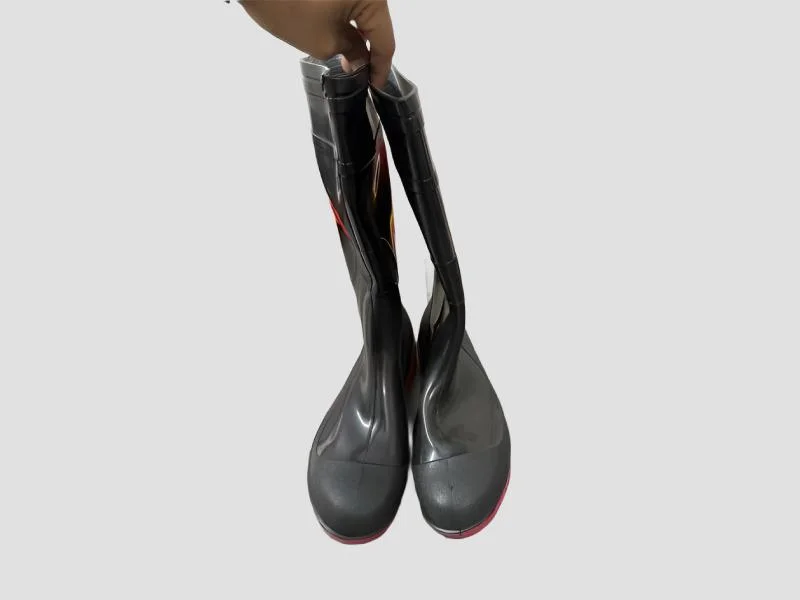
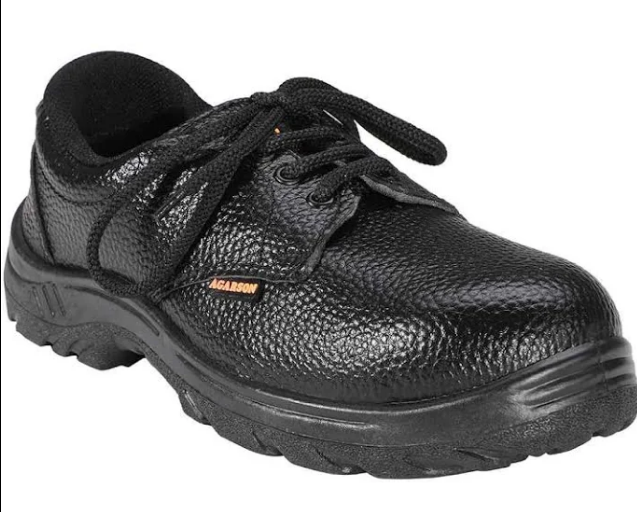
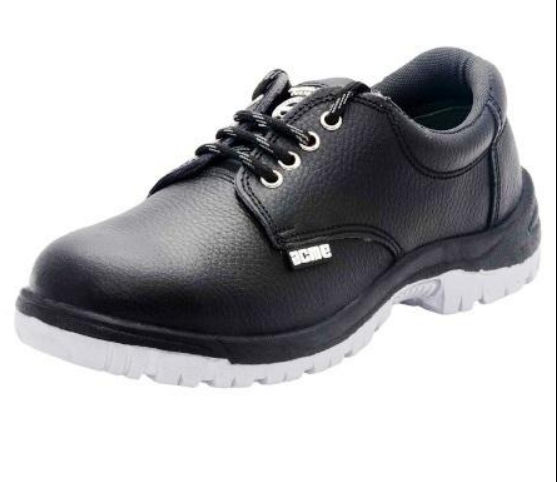
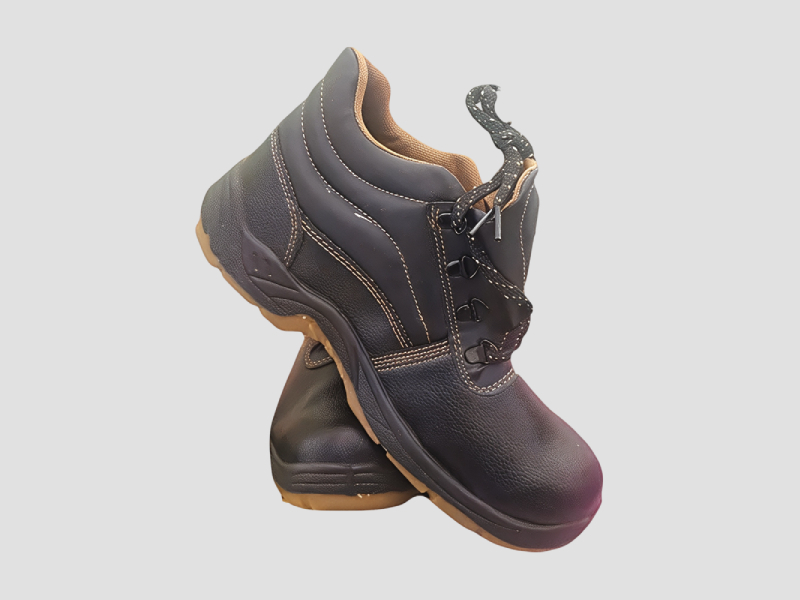
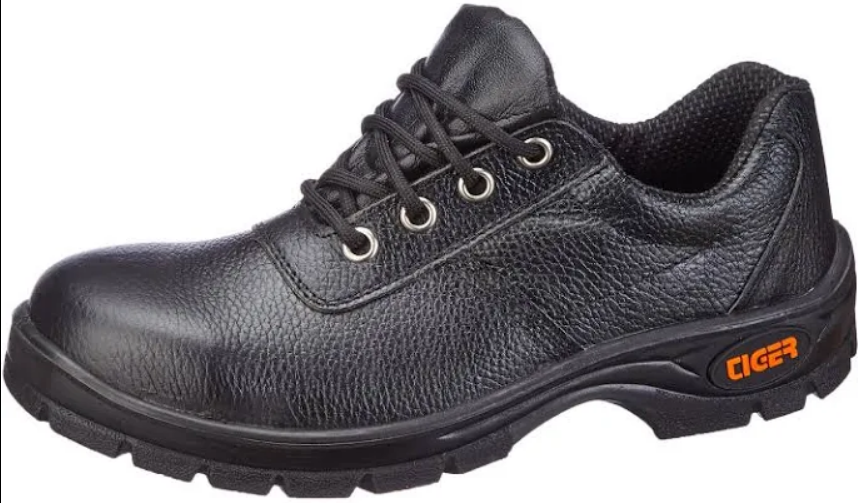
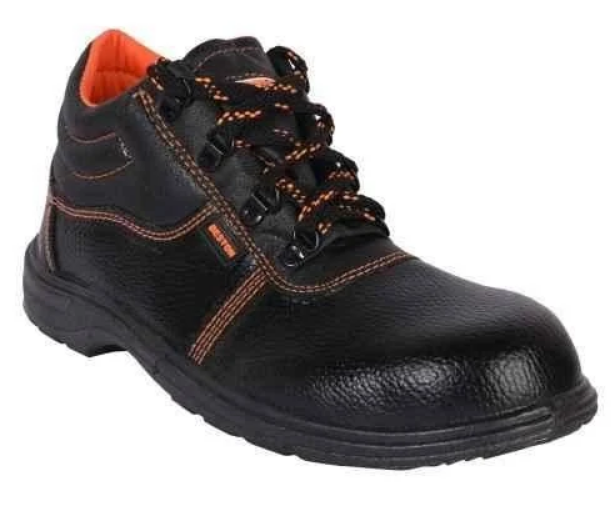
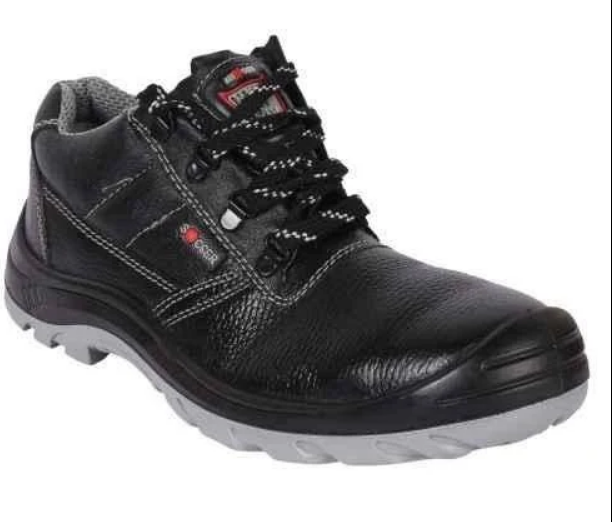
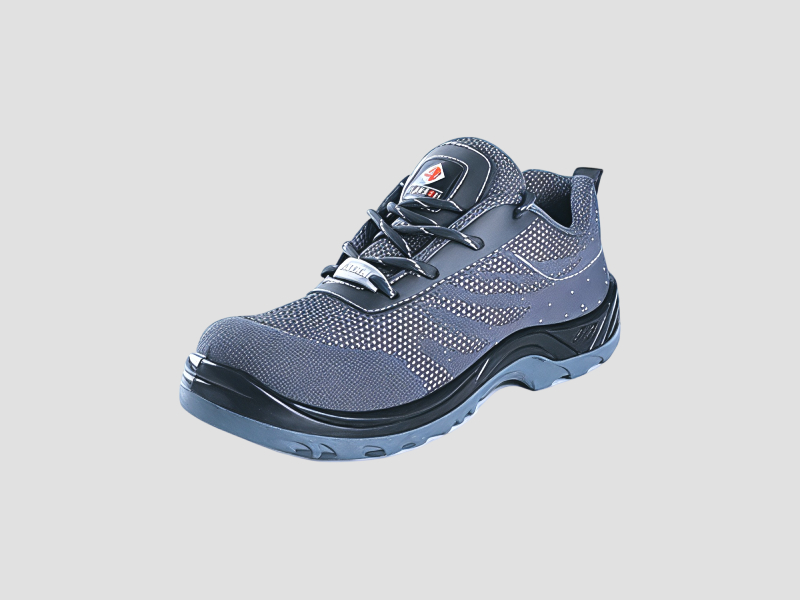
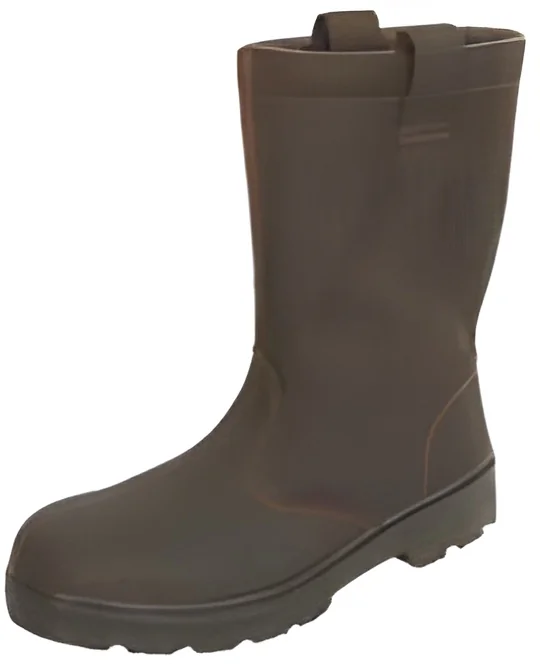
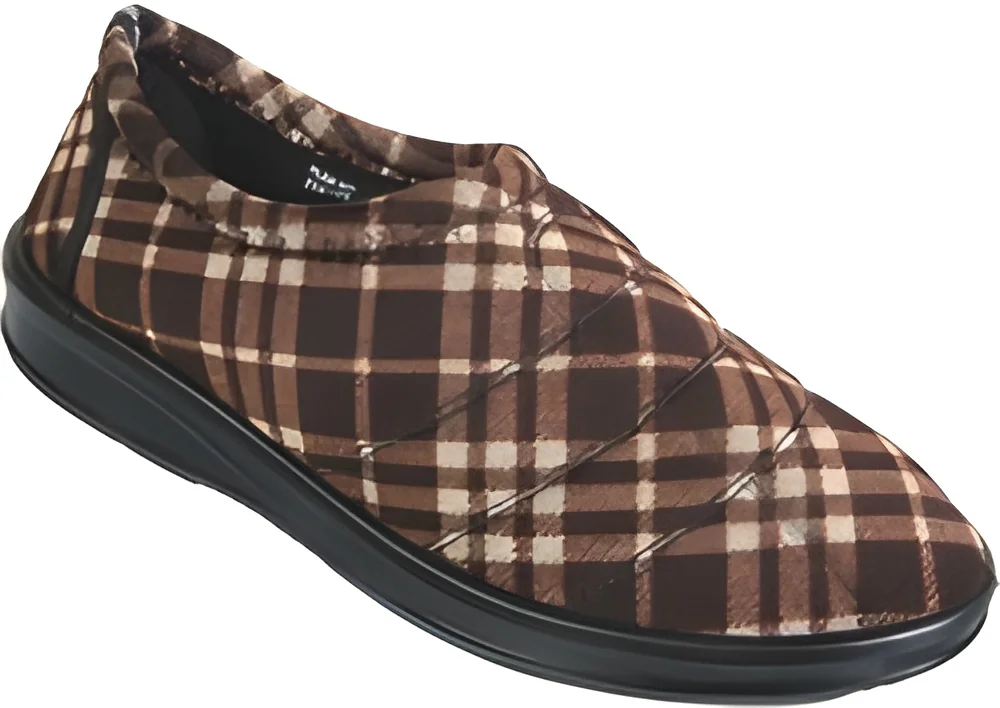
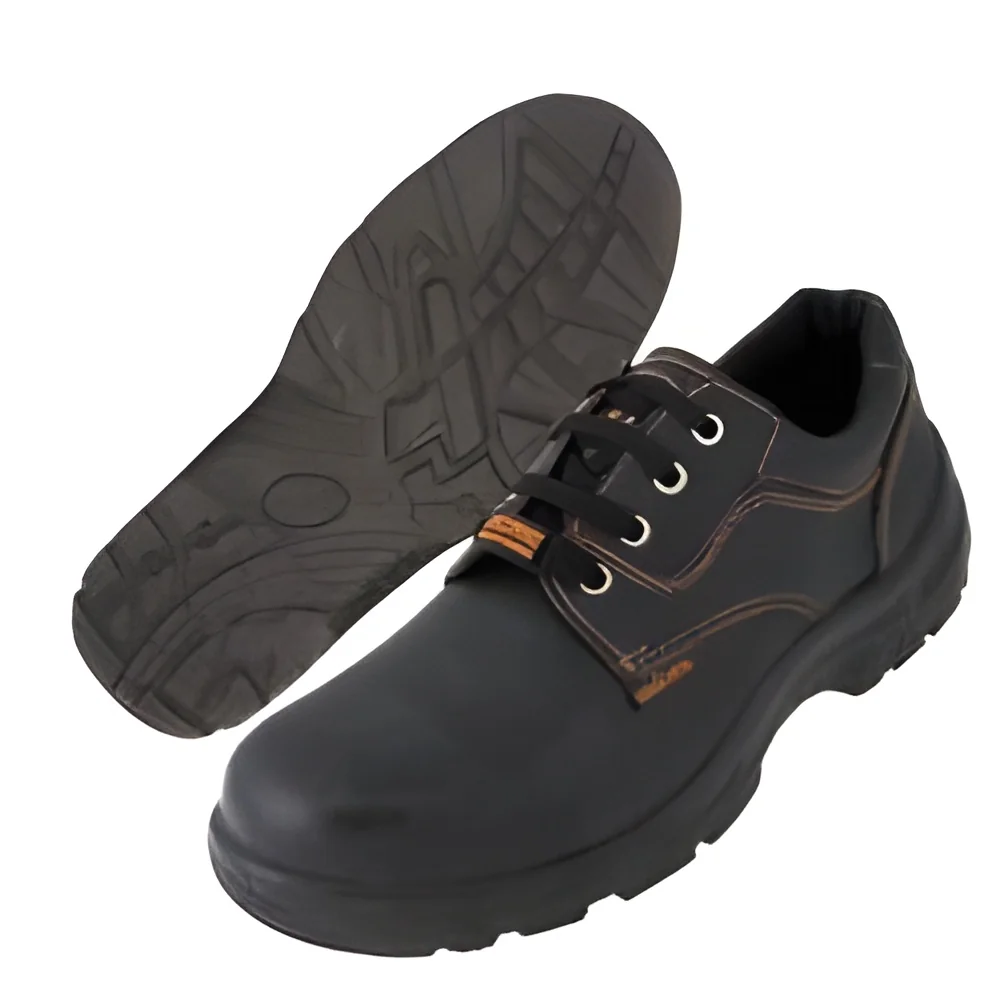
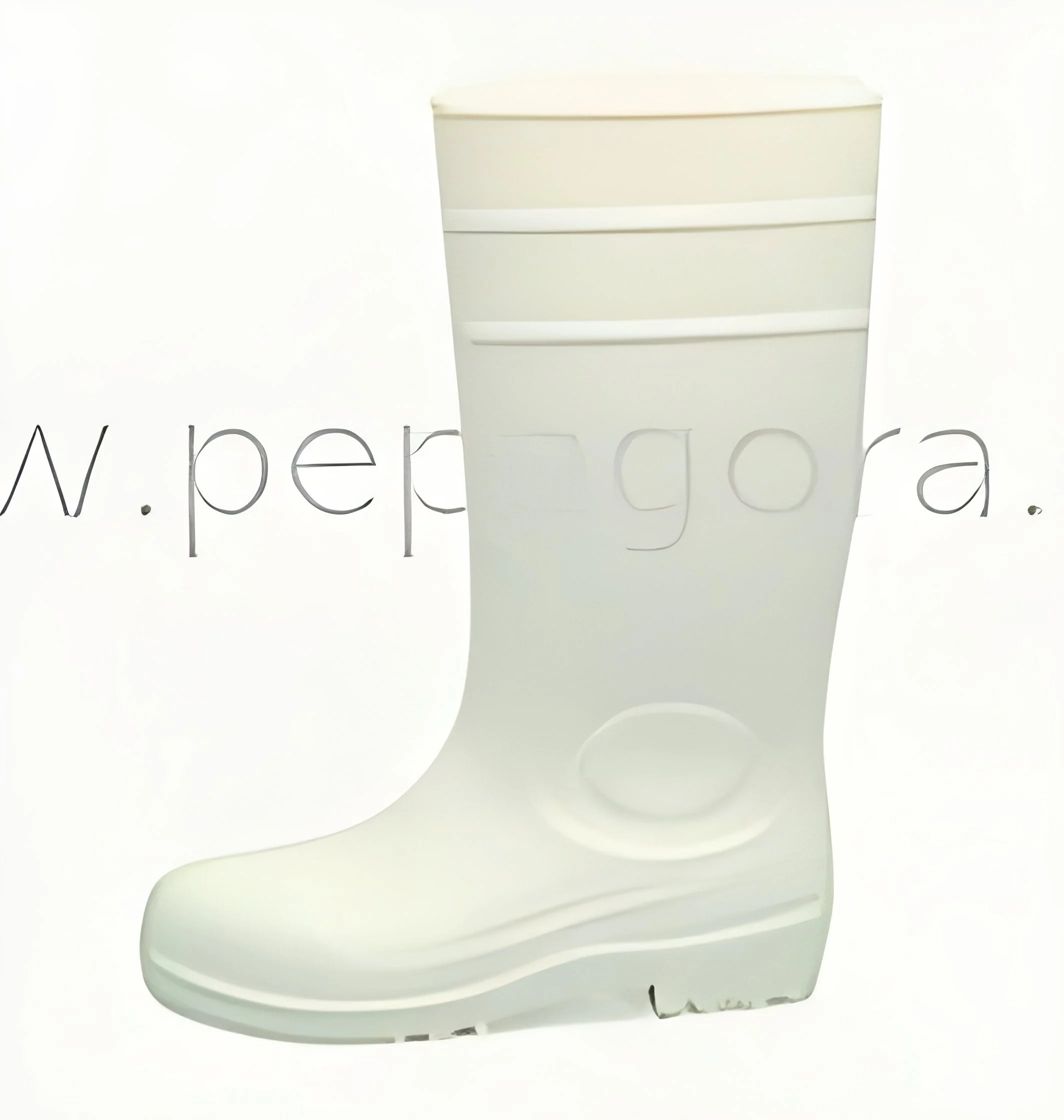
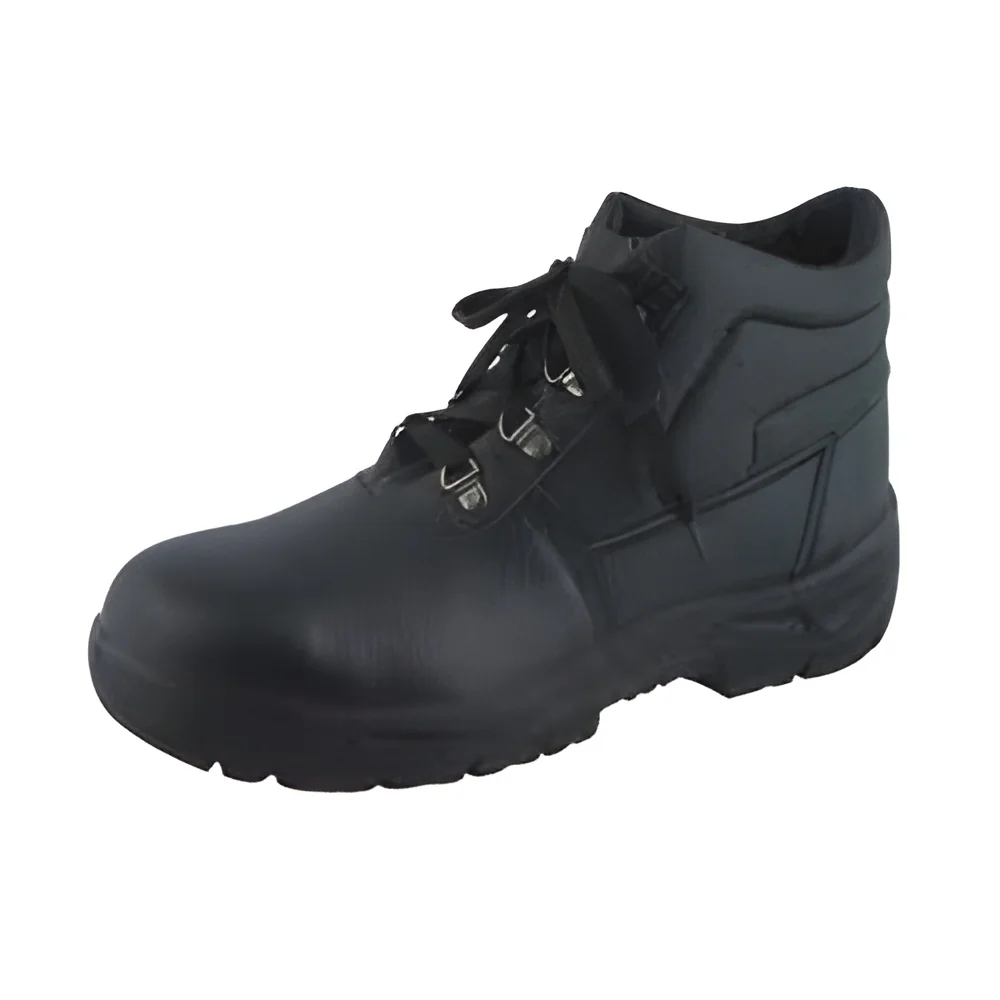
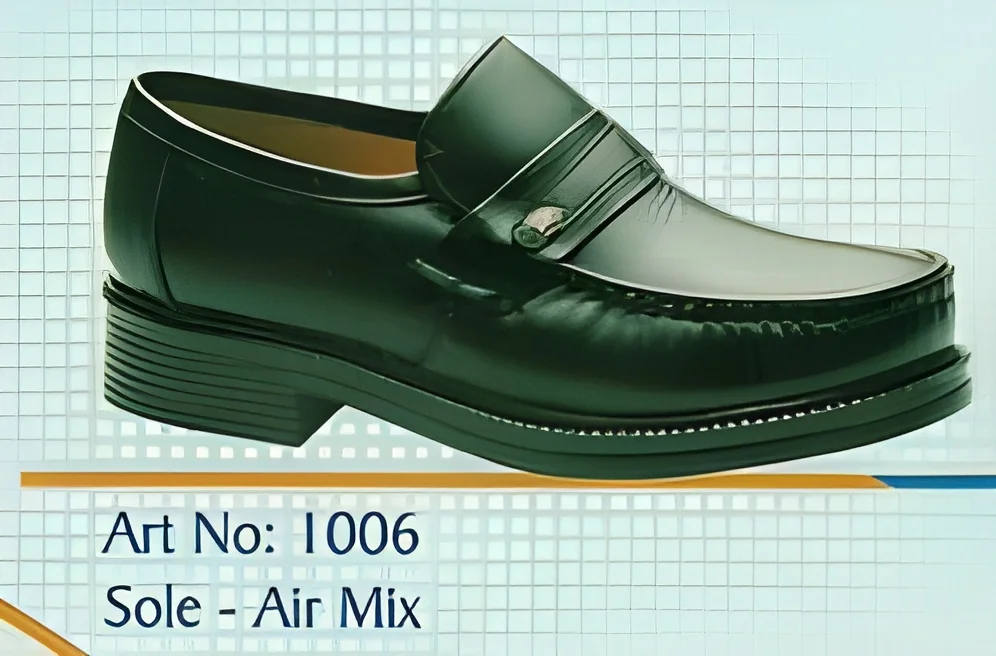
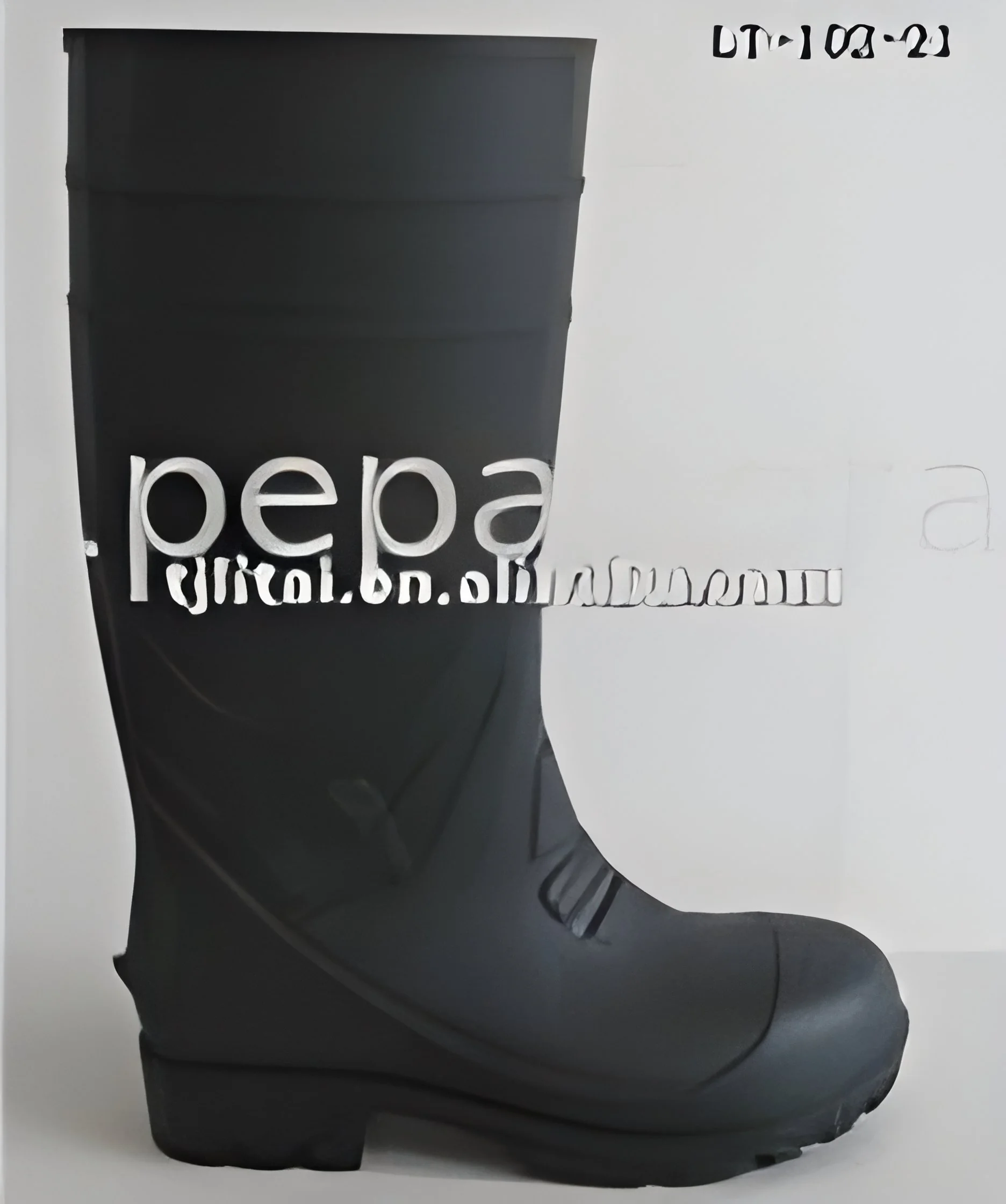
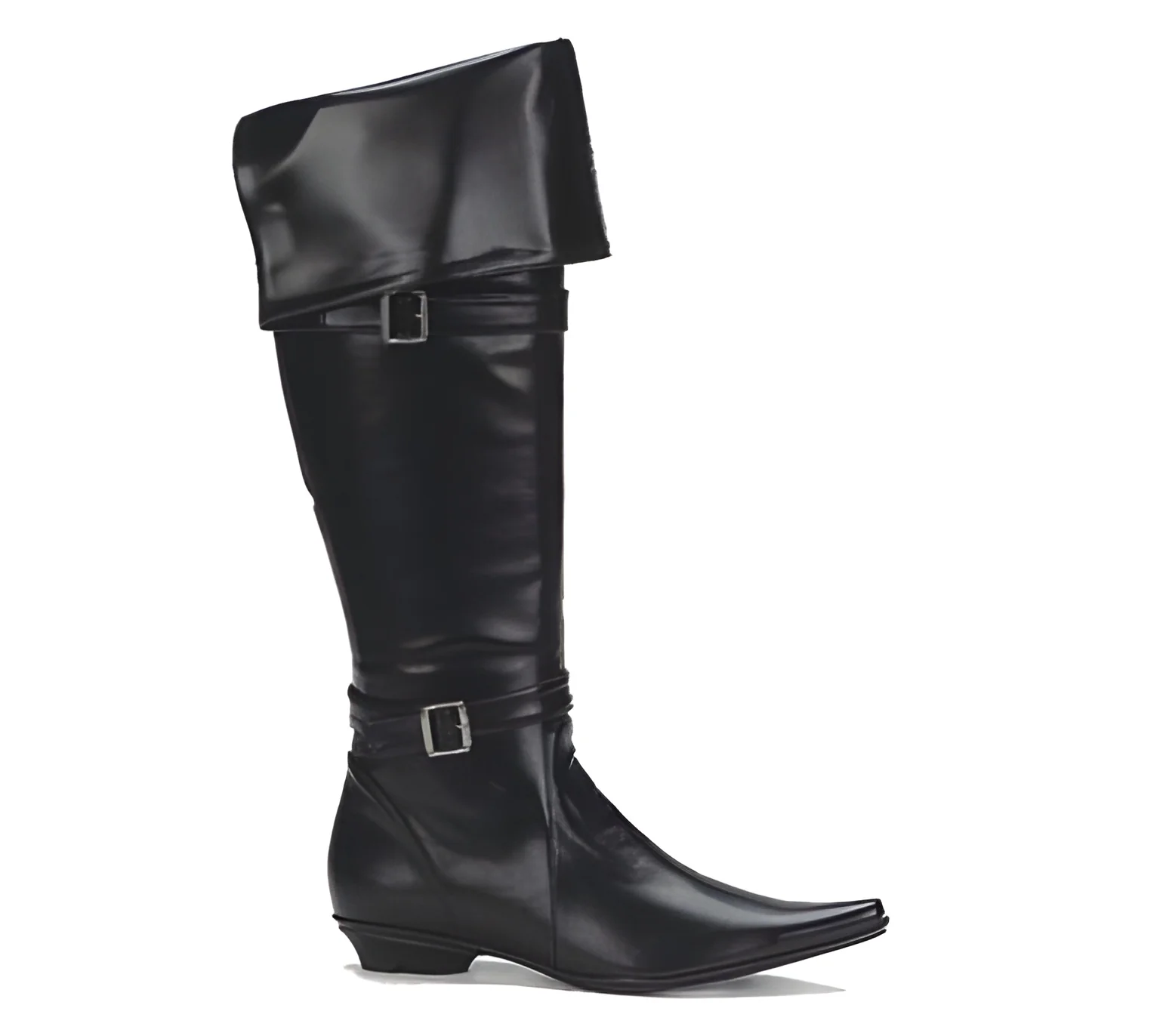
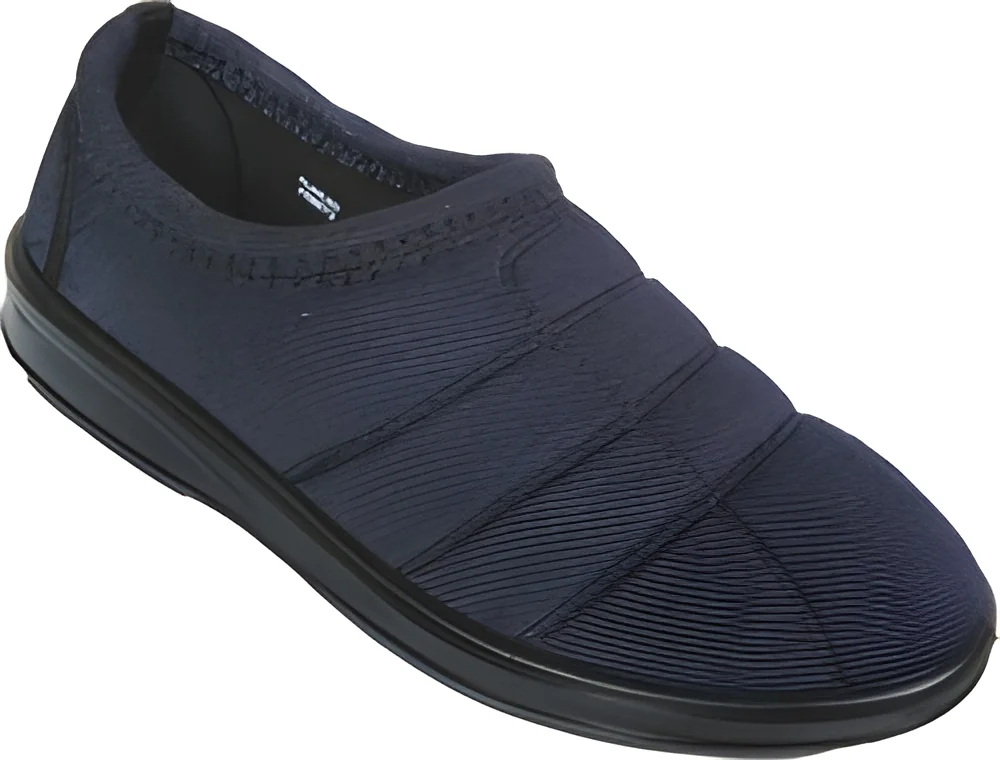
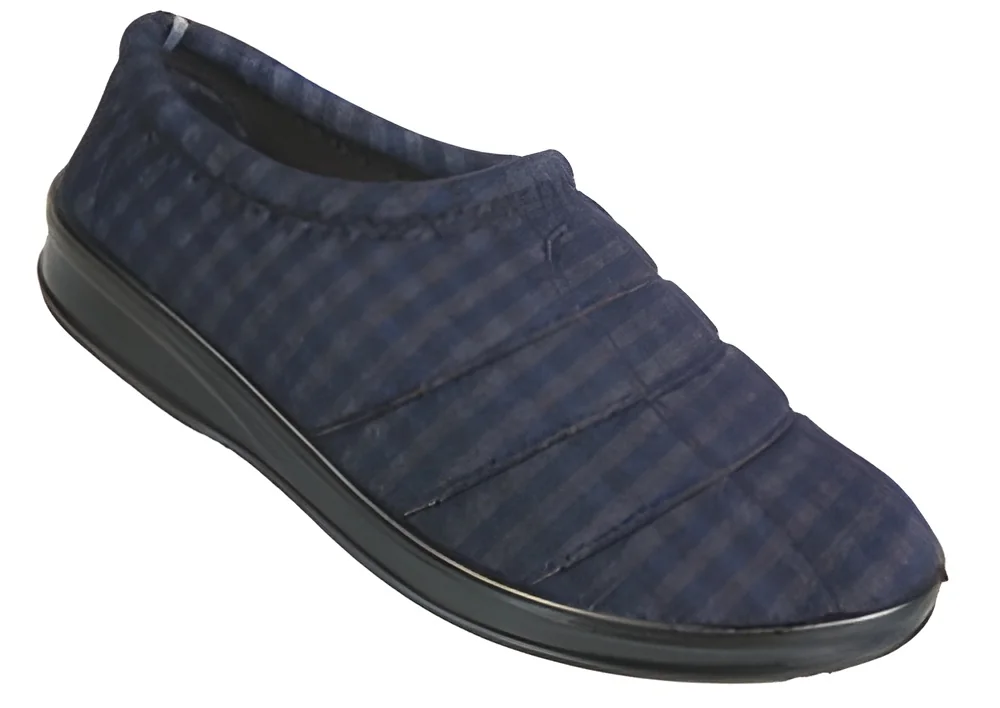
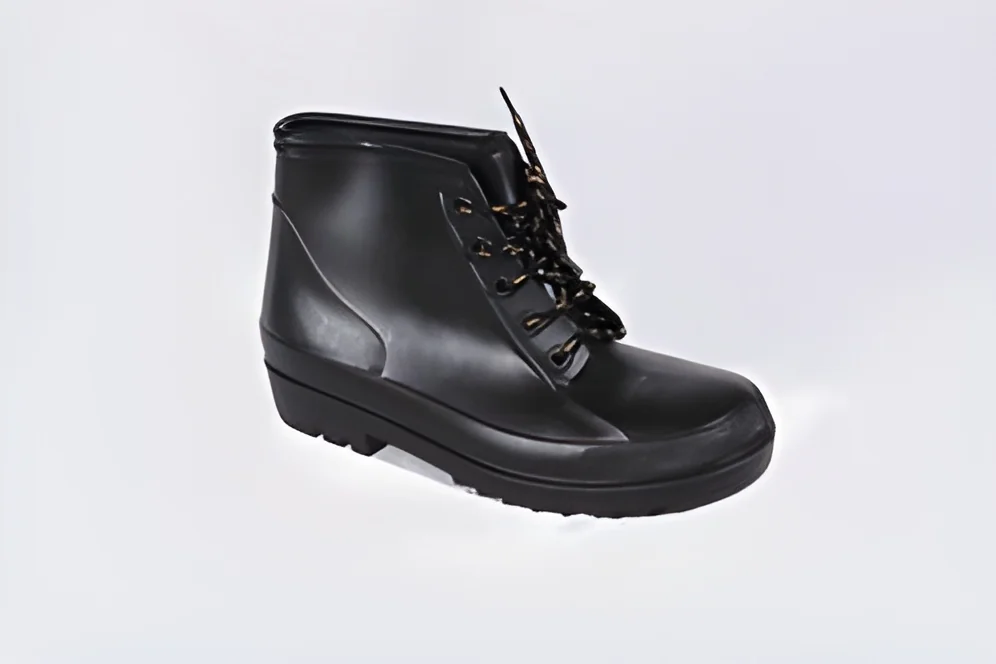
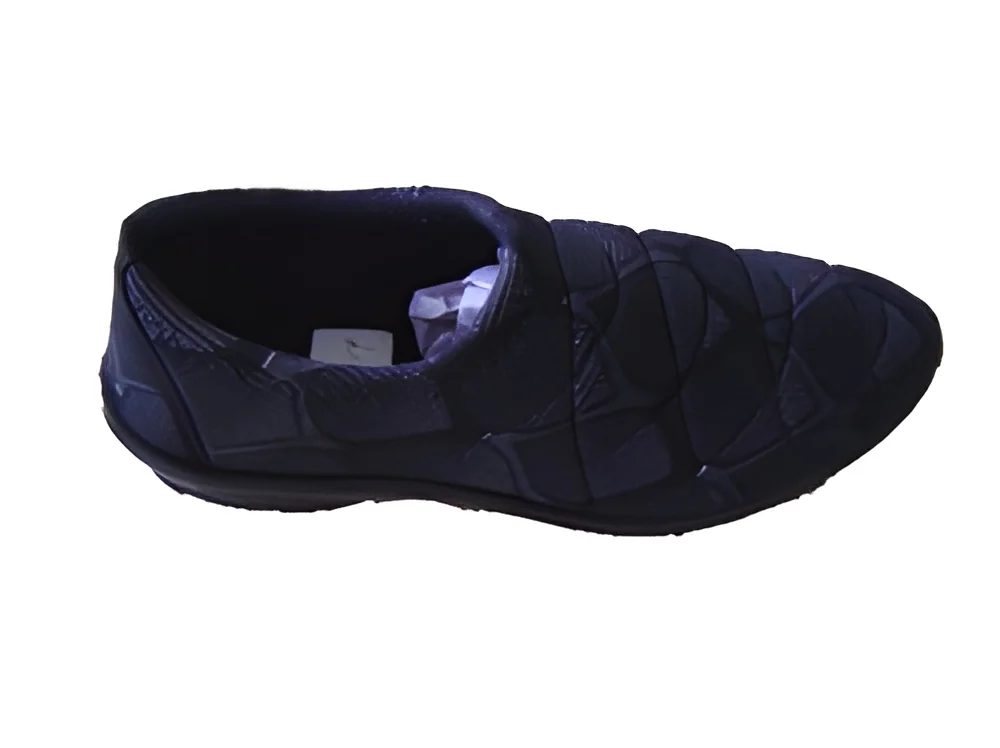
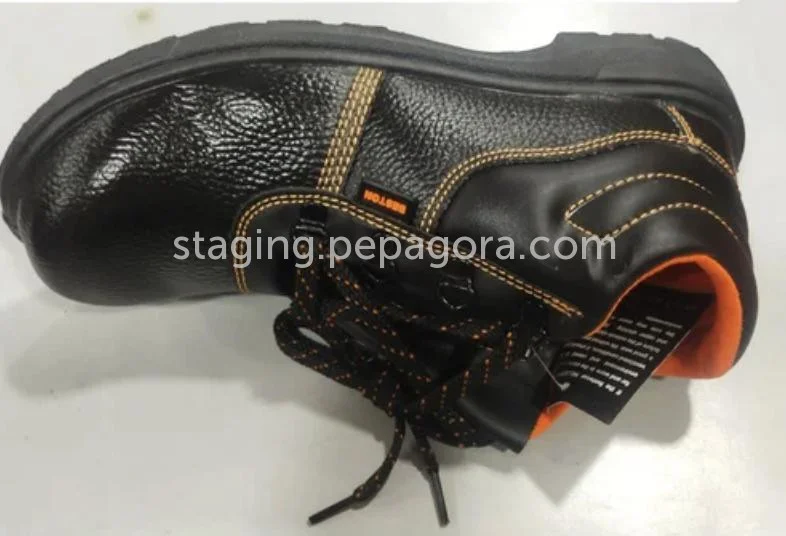
𝗪𝗵𝗮𝘁 𝗮𝗿𝗲 𝗦𝗮𝗳𝗲𝘁𝘆 𝗙𝗼𝗼𝘁𝘄𝗲𝗮𝗿 / 𝗜𝗻𝗱𝘂𝘀𝘁𝗿𝗶𝗮𝗹 𝗦𝗵𝗼𝗲𝘀?
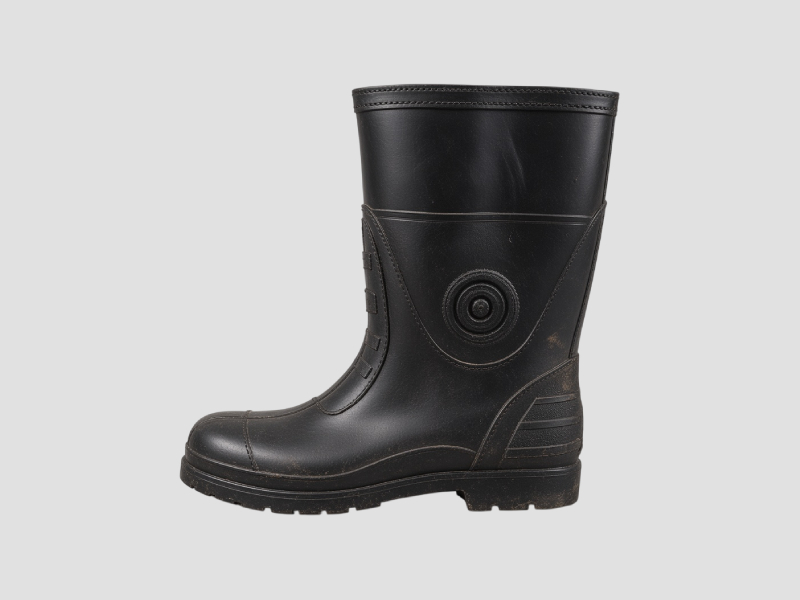
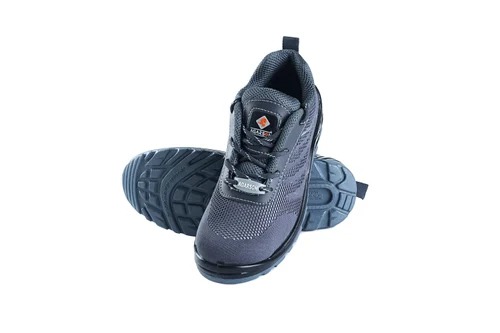
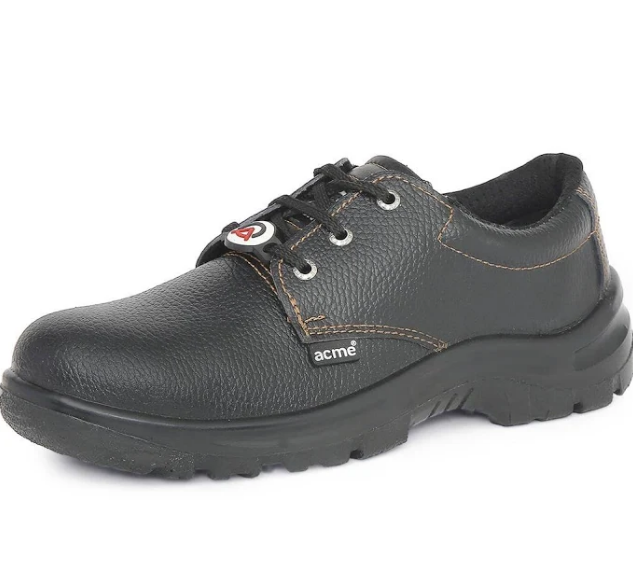
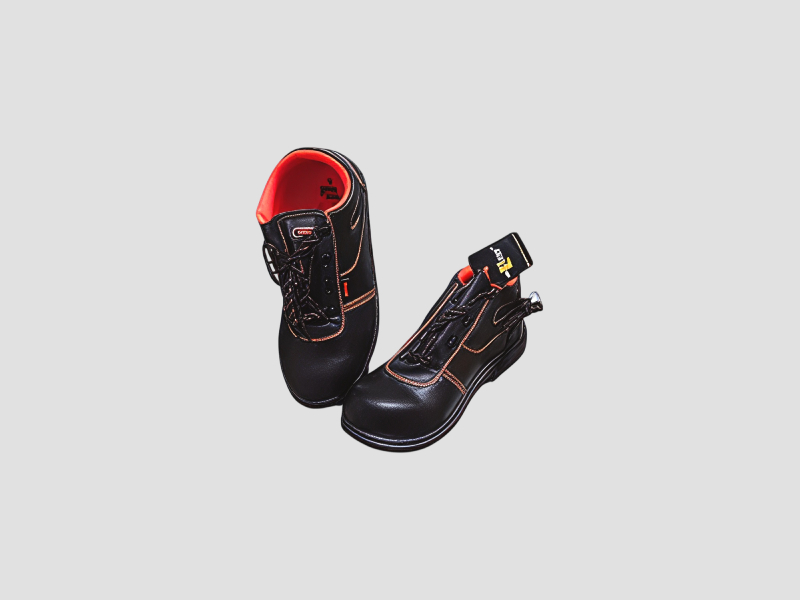
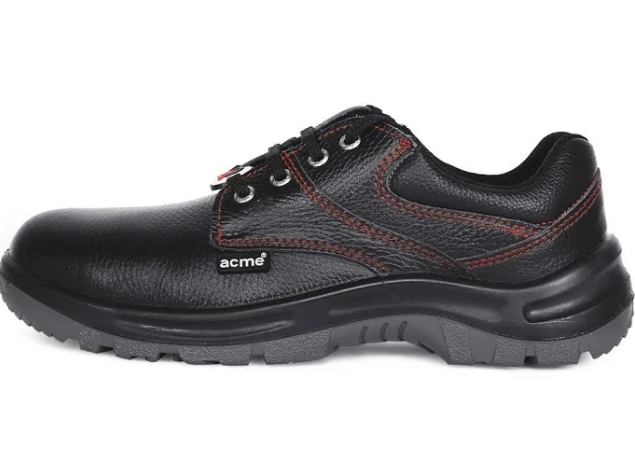
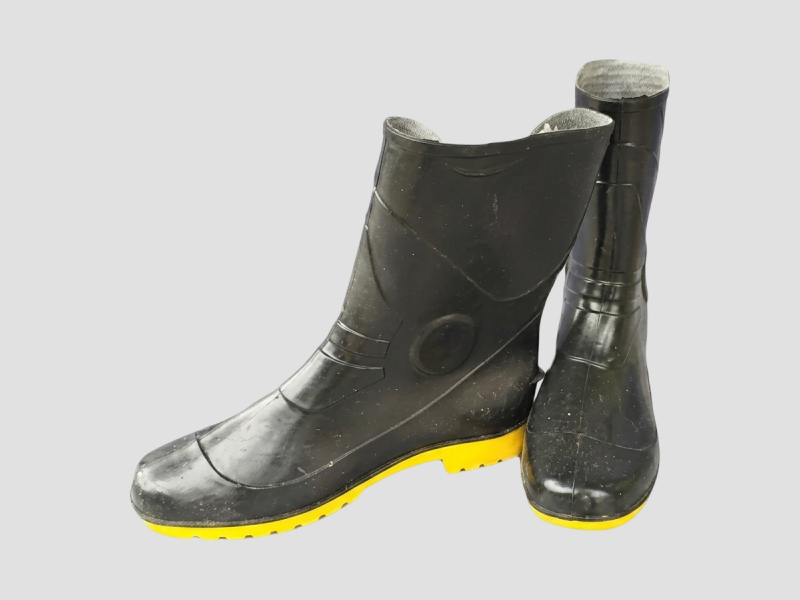
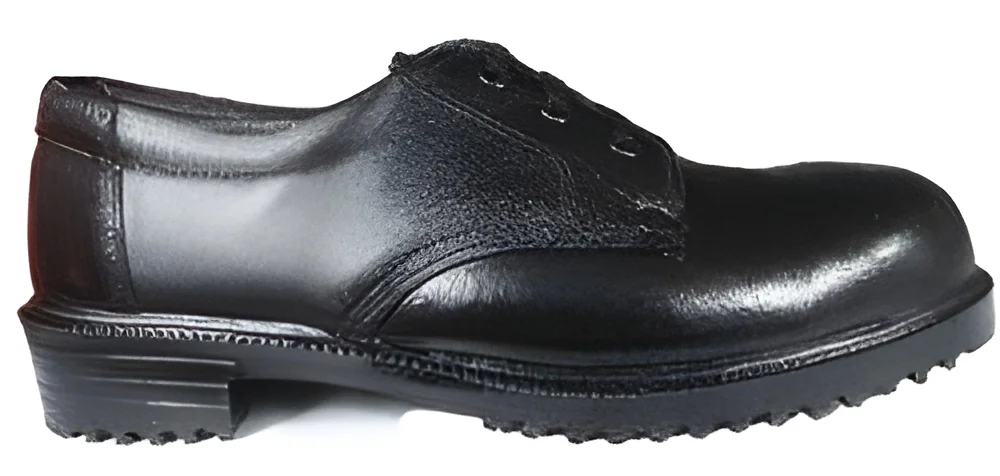
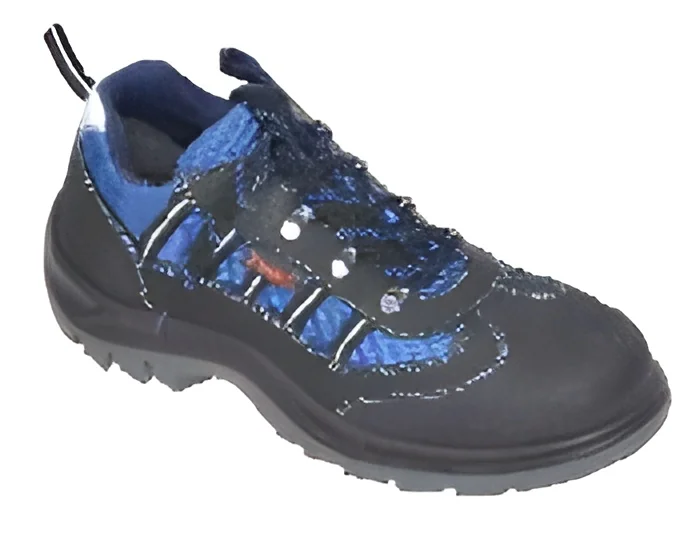
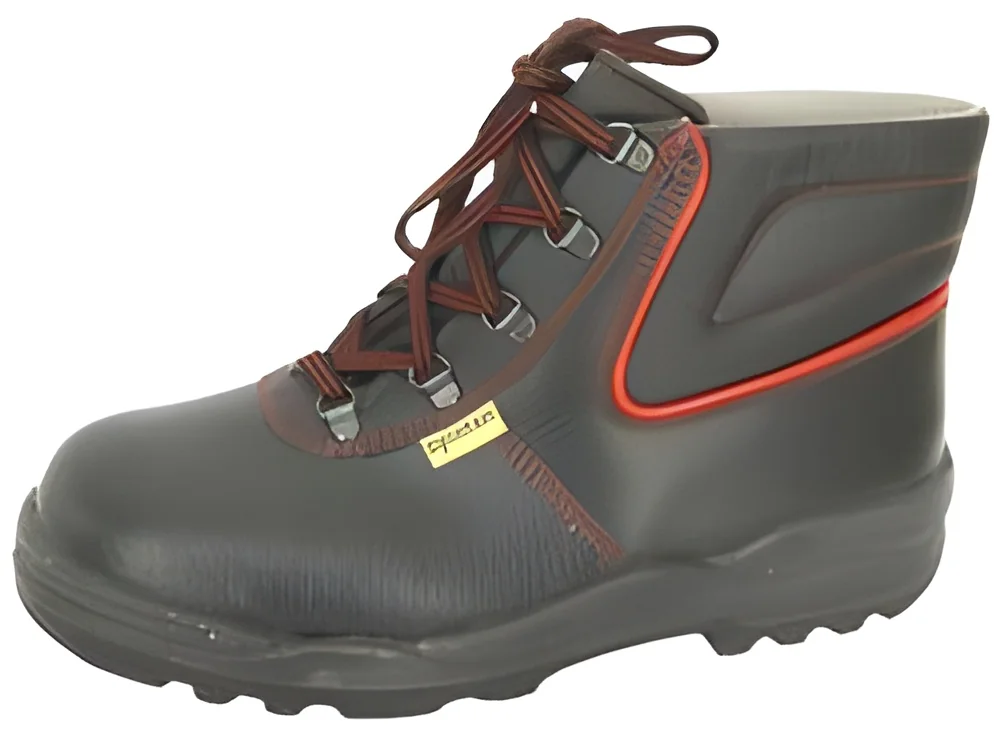
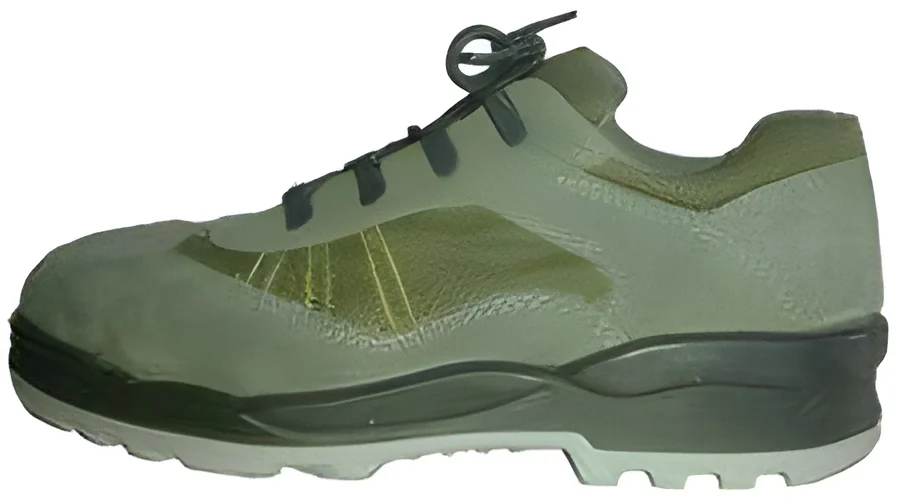
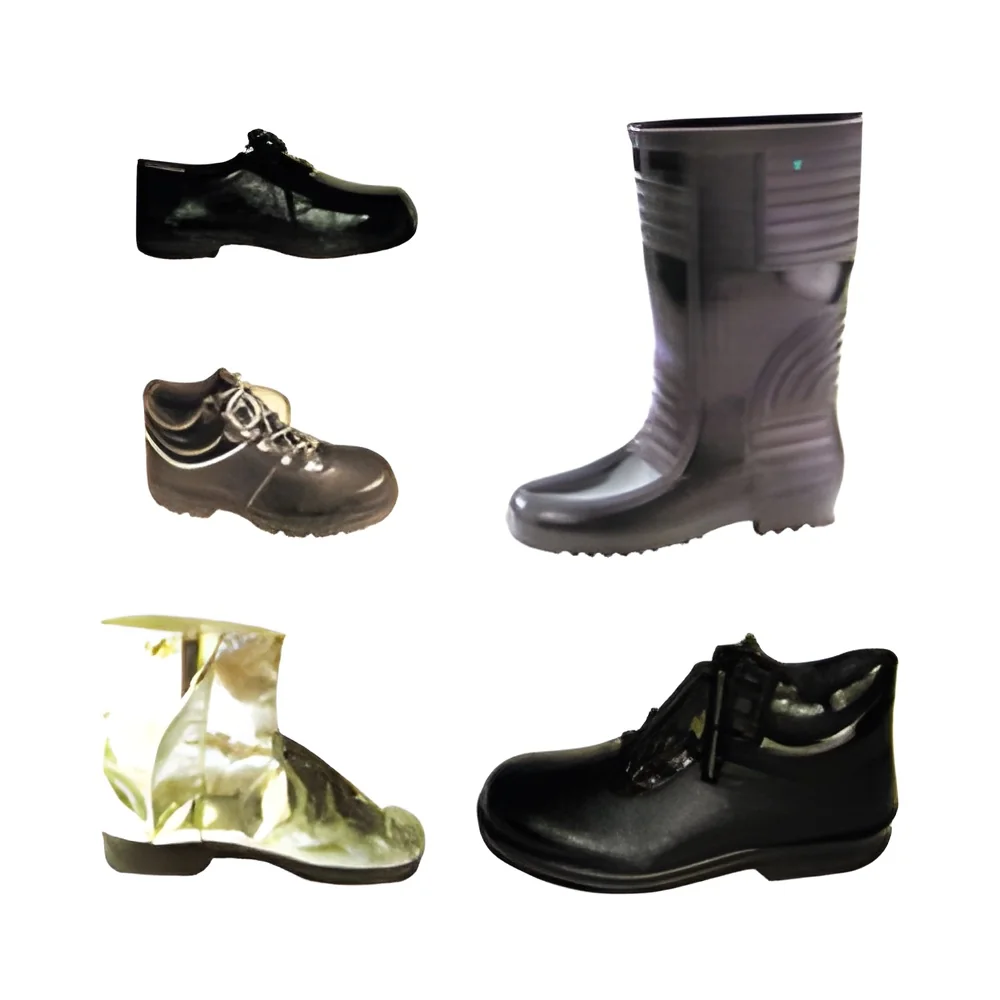
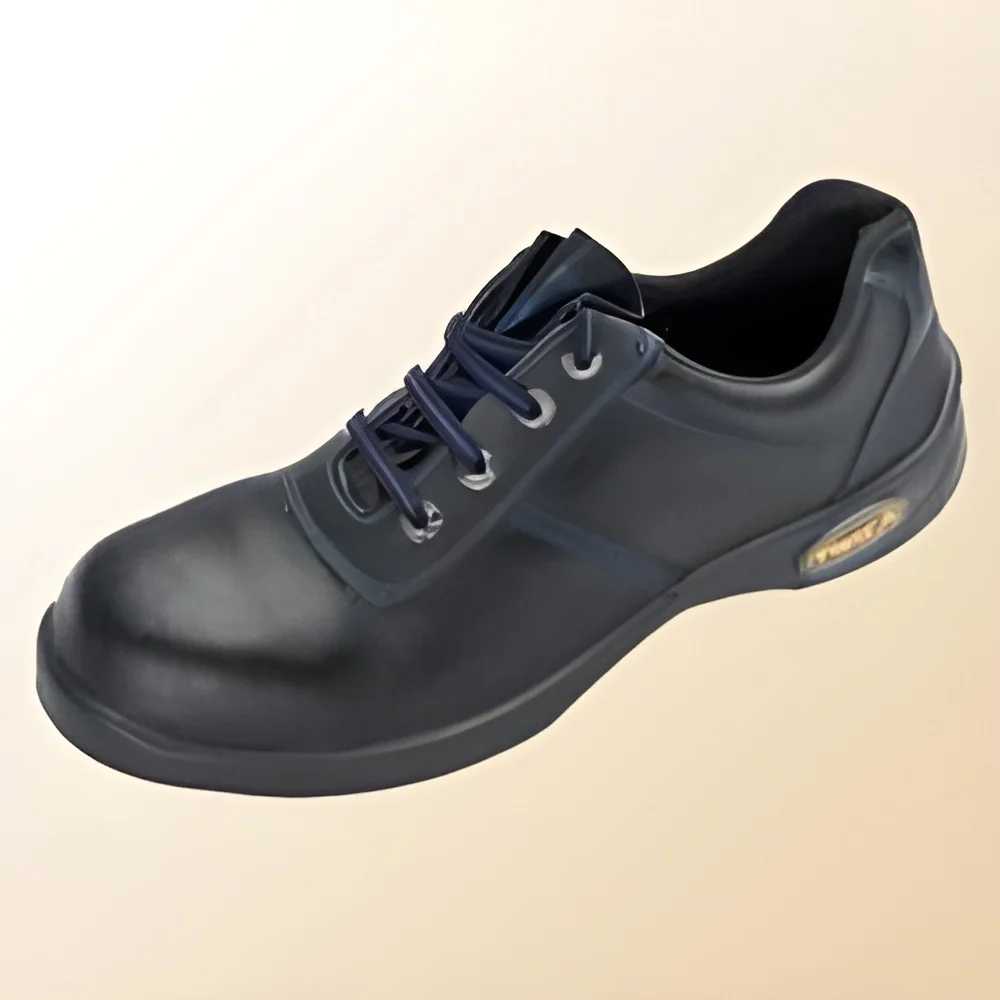
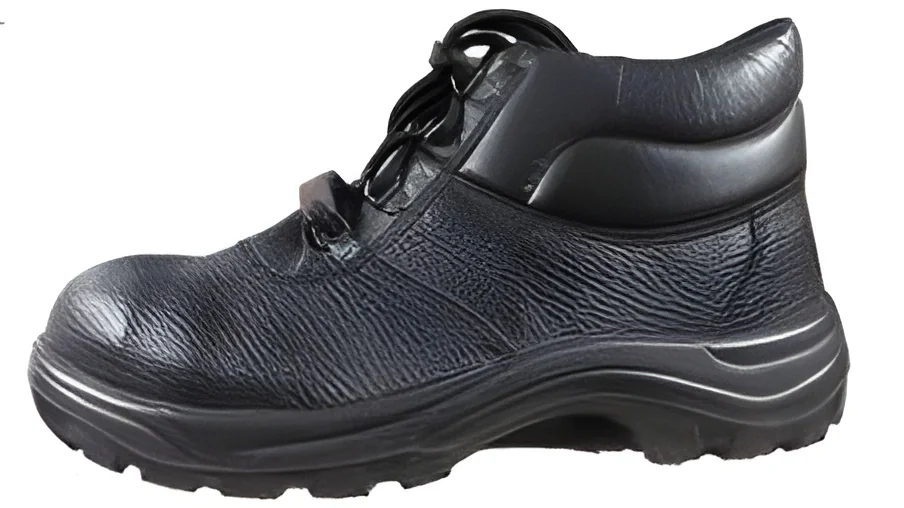
Safety footwear, also known as industrial shoes, is designed to provide protection and comfort in various working environments. These shoes are built with safety features that meet specific industry standards, ensuring the wearer is safeguarded against potential hazards. Common features include reinforced toes, slip-resistant soles, and puncture-resistant materials. The design of safety footwear also emphasizes comfort for long hours on the job, making them an essential component of personal protective equipment.
The primary uses of safety footwear span a wide range of industries, including construction, manufacturing, warehousing, and logistics. In these sectors, workers often face risks such as heavy falling objects, sharp materials, and slippery surfaces. Safety footwear is crucial in these environments, reducing the chances of injuries and enhancing overall workplace safety. The market for safety shoes is expanding, driven by increasing safety regulations and a growing awareness of occupational hazards.
As industries evolve, the demand for innovative safety footwear continues to rise. Manufacturers are integrating advanced technologies and materials to improve performance and comfort. This makes safety footwear not just a requirement, but also a vital investment in employee well-being and productivity.
𝗞𝗲𝘆 𝗙𝗲𝗮𝘁𝘂𝗿𝗲𝘀 𝗮𝗻𝗱 𝗦𝗽𝗲𝗰𝗶𝗳𝗶𝗰𝗮𝘁𝗶𝗼𝗻𝘀
Safety footwear comes with a variety of features and specifications tailored to meet diverse workplace needs. It is essential for businesses to understand these specifications to ensure they choose the right footwear for their workforce.
Key specifications include:
1. Impact Resistance
- Designed to withstand heavy impacts
- Typically rated with a compression rating (e.g., ASTM F2413)
2. Slip Resistance
- Features specially designed soles for enhanced grip
- Tested for slip resistance on various surfaces
3. Puncture Resistance
- Made with materials that protect against sharp objects
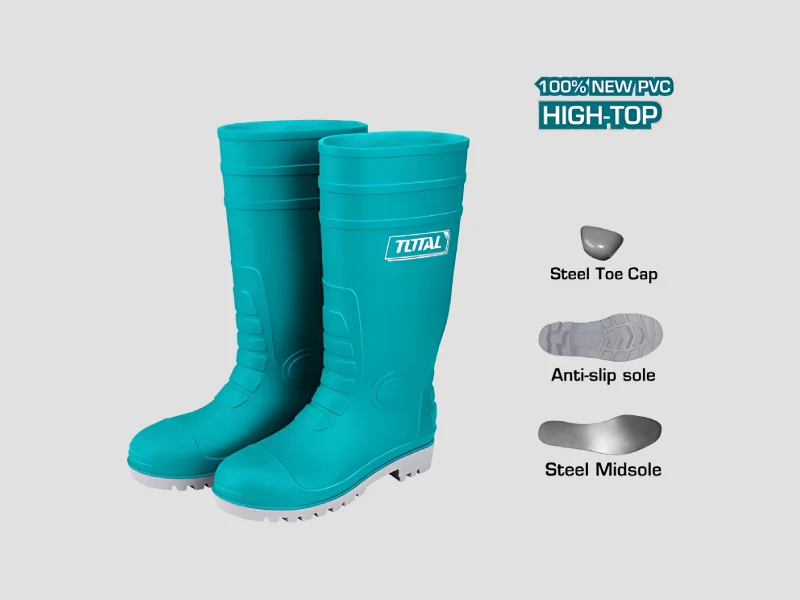
- Often includes a steel or composite midsole
4. Water Resistance
- Protects feet from water and moisture
- Ideal for wet working environments
5. Electrical Hazard Protection
- Provides insulation against electrical currents
- Rated for specific voltage levels
6. Breathability
- Incorporates moisture-wicking materials
- Allows for air circulation to keep feet dry
7. Weight
- Lightweight designs reduce fatigue during long shifts
- Options available based on material and construction
8. Customization Options
- Potential for branding or unique requirements
- Adaptable designs for specific workplace needs
In summary, understanding the features and specifications of safety footwear helps businesses make informed decisions that enhance safety and comfort for their employees.
𝗖𝗼𝗺𝗺𝗼𝗻 𝗔𝗽𝗽𝗹𝗶𝗰𝗮𝘁𝗶𝗼𝗻𝘀 𝗮𝗻𝗱 𝗨𝘀𝗲 𝗖𝗮𝘀𝗲𝘀
Safety footwear is utilized across various industries, each with unique applications.
1. Construction: Workers in construction sites face numerous hazards, including heavy equipment and rough terrain. Safety footwear protects against falling objects and sharp debris.
2. Manufacturing: In manufacturing facilities, safety shoes guard against heavy machinery and potential chemical spills, ensuring worker safety on the production floor.
3. Warehousing: Warehouse staff navigate busy environments with forklifts and stacking equipment. Safety footwear with slip-resistant soles prevents falls and injuries.
4. Agriculture: Agricultural workers encounter uneven terrain and hazardous materials. Safety footwear provides protection against sharp tools and slippery surfaces.
5. Oil and Gas: Employees in this industry face exposure to chemicals and heavy machinery. Specialized safety footwear offers necessary protection and durability.
6. Healthcare: In healthcare settings, footwear needs to be both protective and comfortable. Safety shoes designed for healthcare workers provide support while preventing slips.
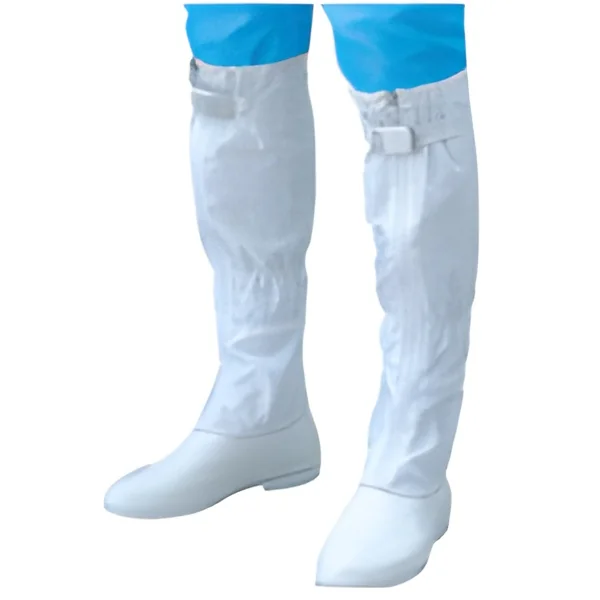
7. Food Processing: Safety footwear in food processing areas must be non-slip and easy to clean, protecting workers from spills and contamination.
𝗣𝗿𝗼𝗱𝘂𝗰𝘁 𝗩𝗮𝗿𝗶𝗮𝗻𝘁𝘀 𝗮𝗻𝗱 𝗦𝘂𝗯𝗰𝗮𝘁𝗲𝗴𝗼𝗿𝗶𝗲𝘀
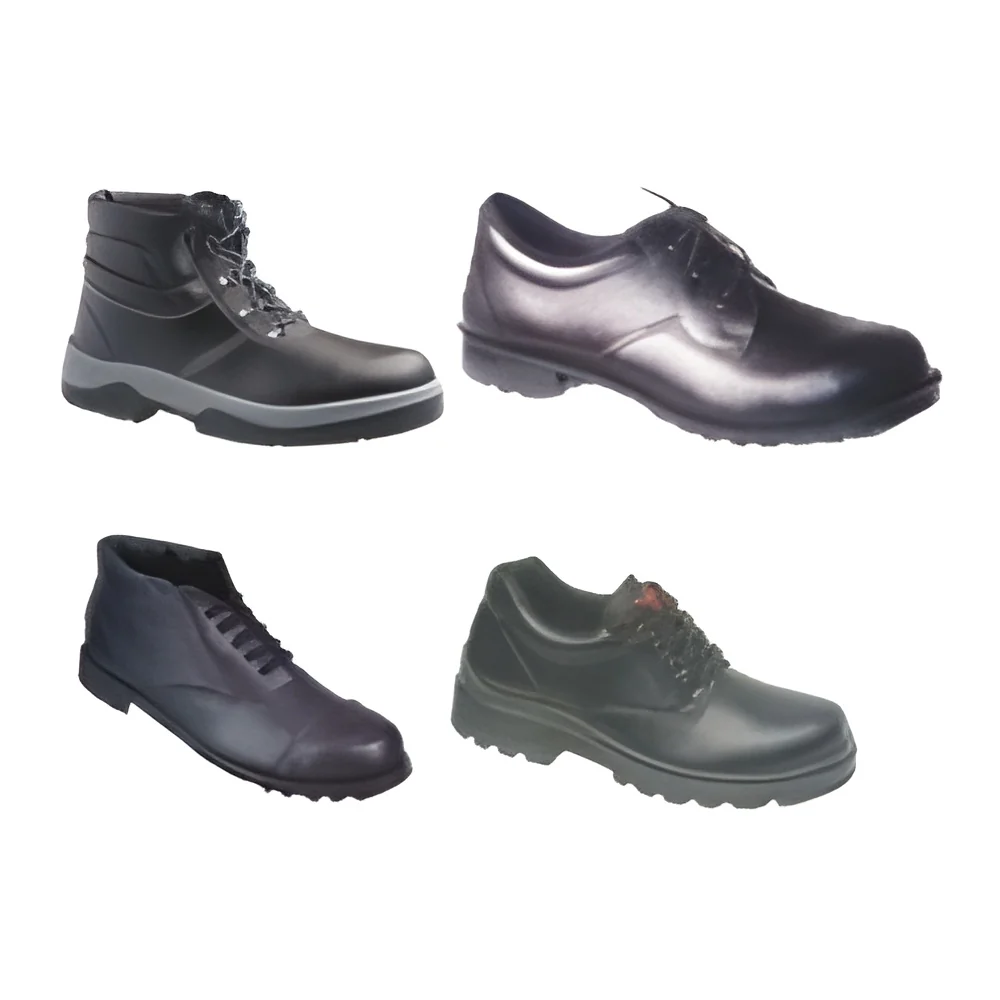
Safety footwear is available in various styles and designs to meet specific industry needs.
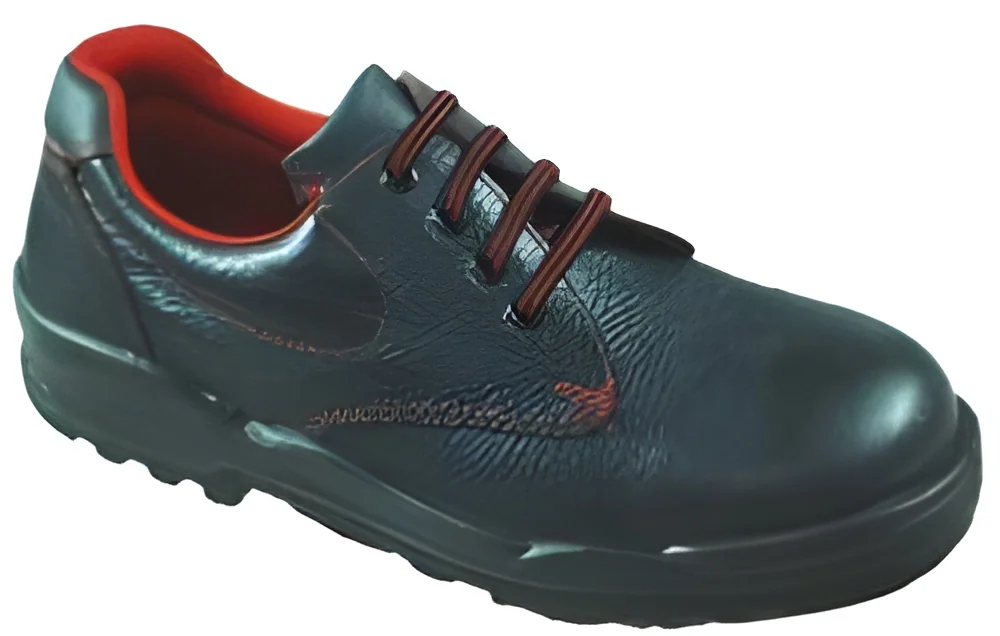
Steel Toe Boots: These boots feature a steel reinforcement at the toe area, providing maximum protection against heavy impacts. They are commonly used in construction and manufacturing settings.
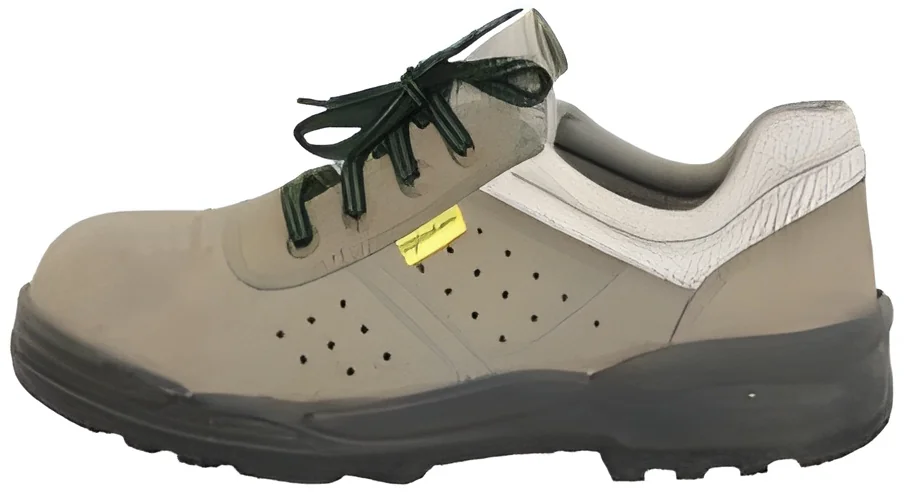
Composite Toe Shoes: Made with lightweight materials, composite toe shoes offer protection without the weight of steel. They are suitable for jobs requiring comfort and flexibility.
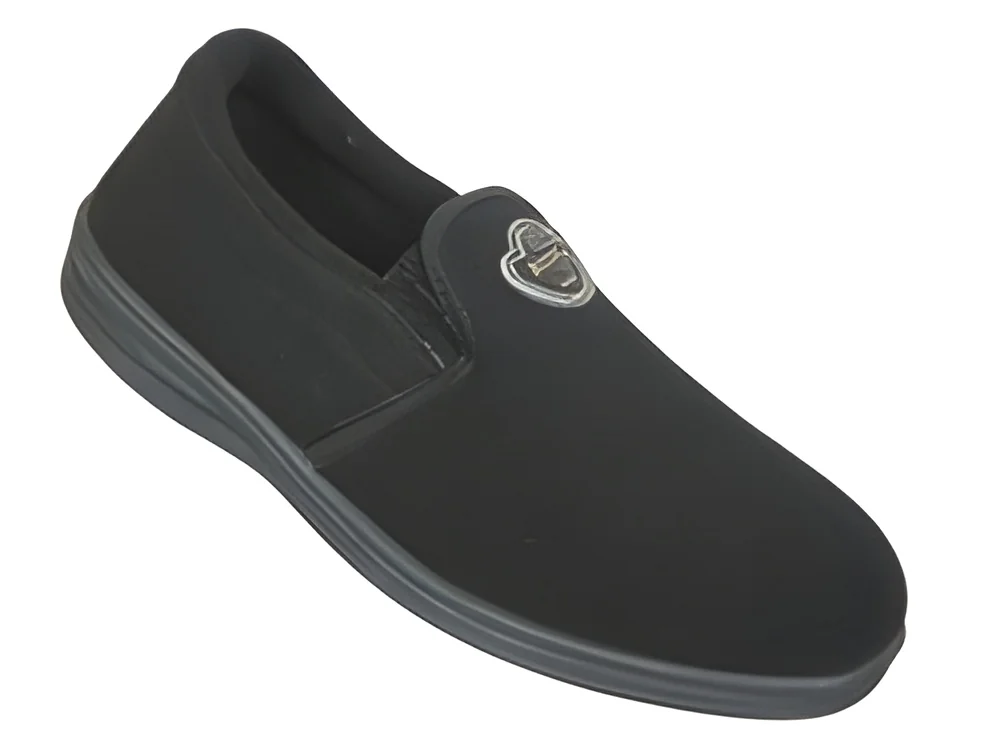
Slip-On Safety Shoes: Designed for ease of use, slip-on safety shoes provide quick access and are ideal for environments where workers frequently change footwear.
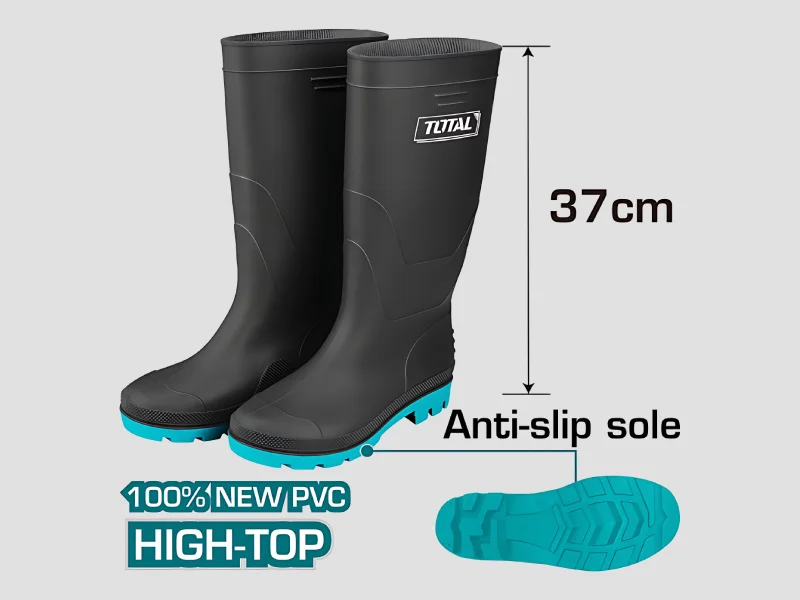
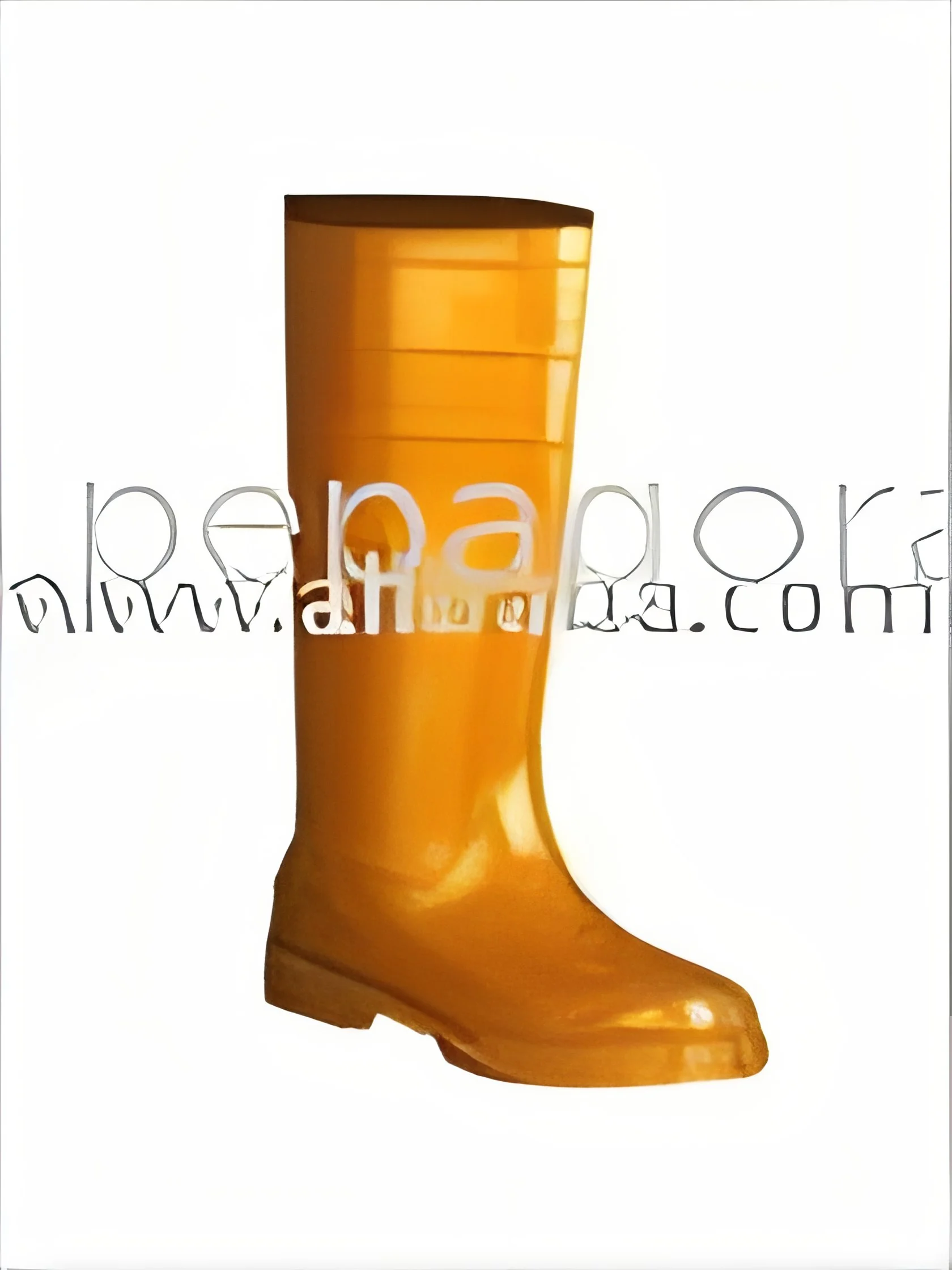
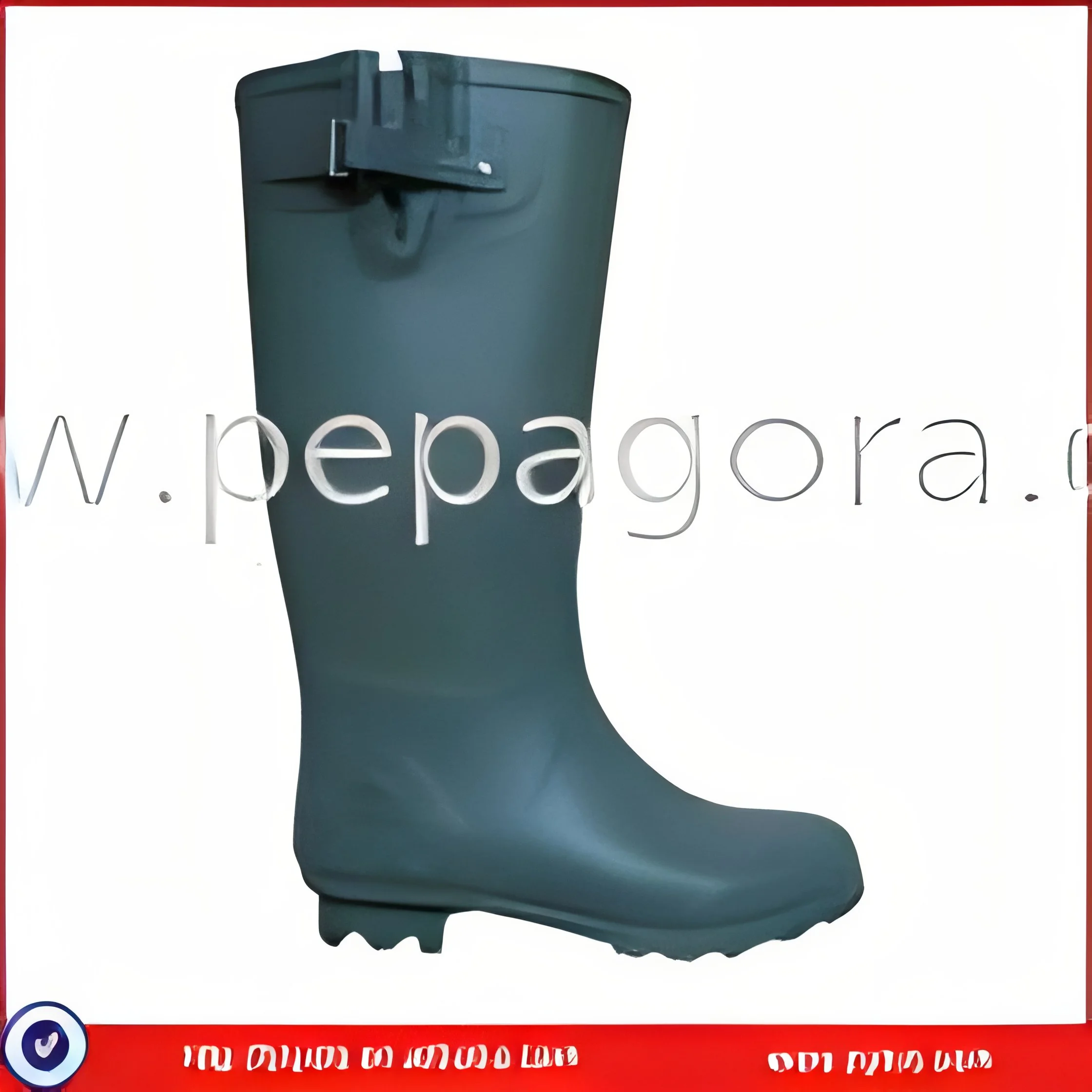
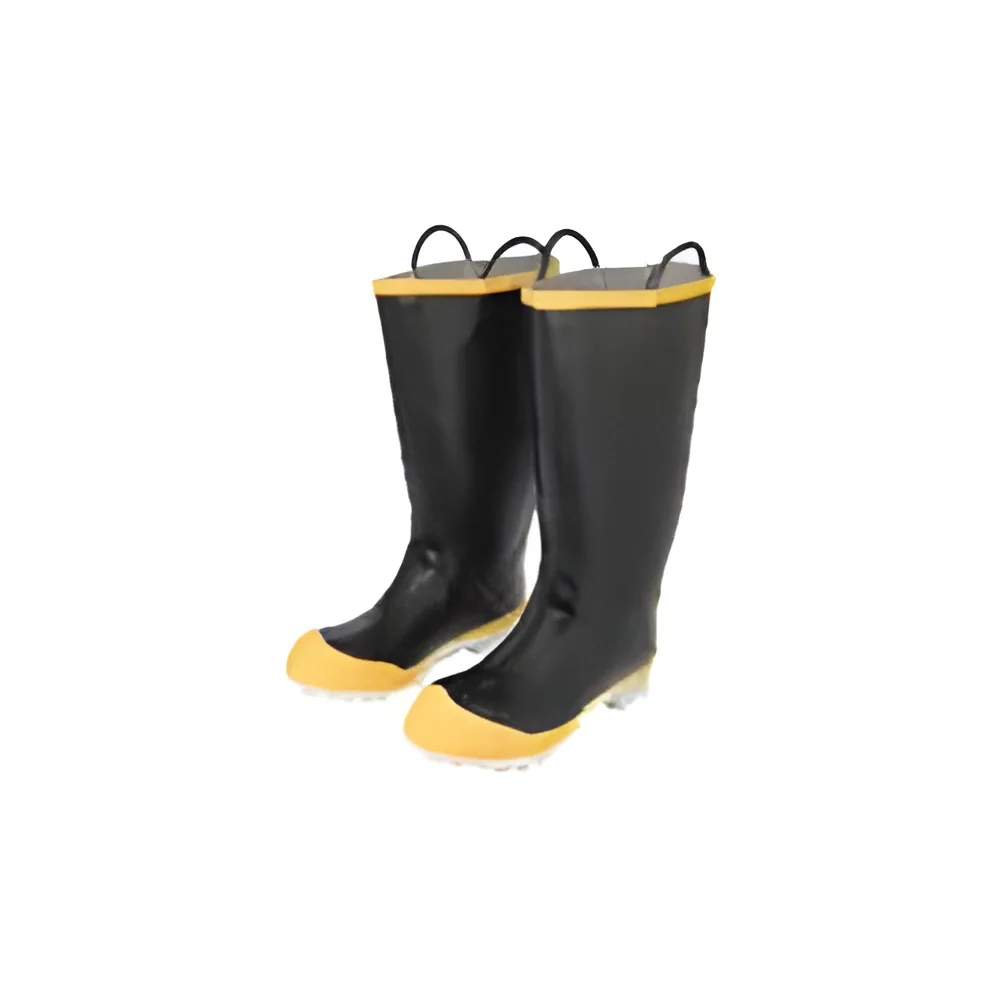
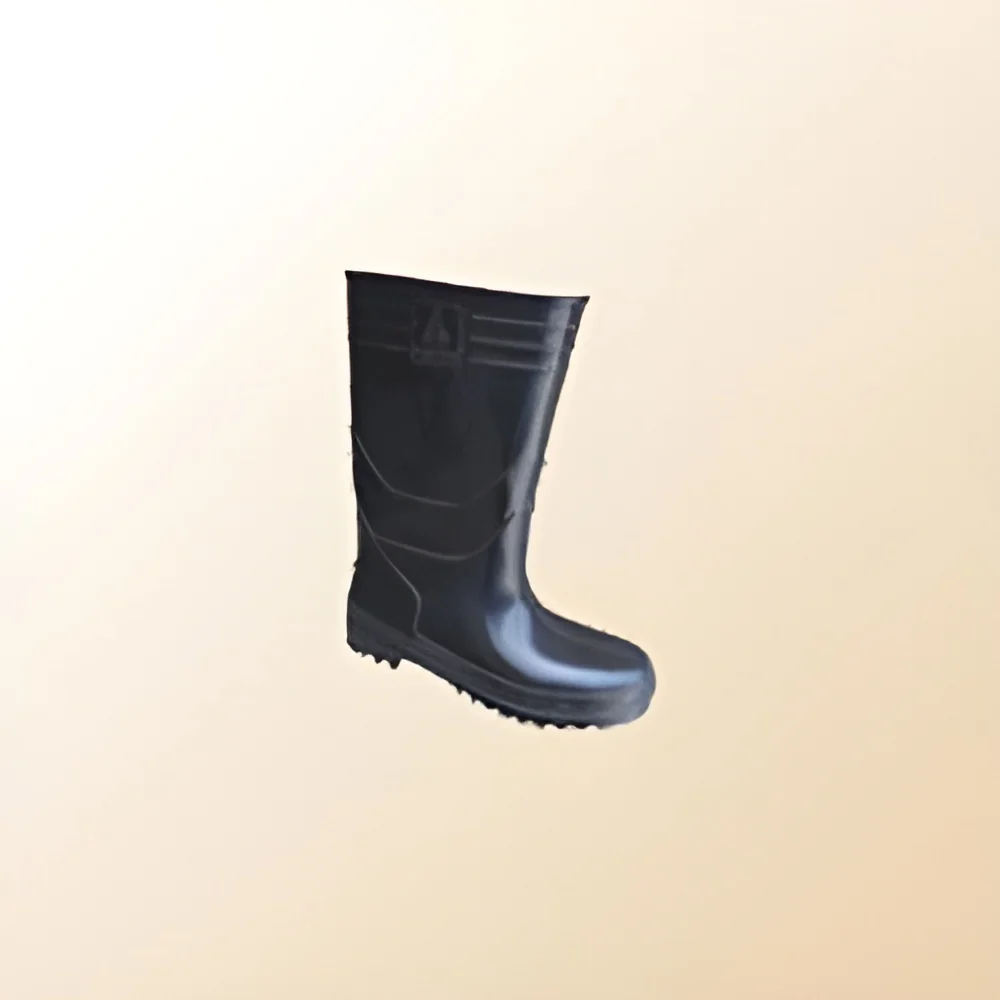
Waterproof Safety Boots: These boots are designed to keep feet dry in wet conditions. They are essential for workers in agriculture and outdoor construction.
𝗕𝗲𝗻𝗲𝗳𝗶𝘁𝘀 𝗮𝗻𝗱 𝗔𝗱𝘃𝗮𝗻𝘁𝗮𝗴𝗲𝘀
Investing in safety footwear offers numerous advantages for businesses.
1. Enhanced Safety: Safety footwear significantly reduces the risk of injuries from falls, slips, and impacts, creating a safer work environment.
2. Improved Productivity: Comfortable and protective footwear allows employees to focus on their tasks without the distraction of discomfort or injury.
3. Compliance with Regulations: Using safety footwear helps companies comply with local and international safety regulations, reducing legal risks.
4. Long-term Cost Savings: Preventing workplace injuries through proper footwear can lead to lower insurance premiums and reduced compensation claims.
5. Employee Morale: Providing high-quality safety footwear demonstrates a commitment to employee well-being, boosting morale and retention.
6. Versatility: Safety footwear comes in various styles to suit different industries, ensuring that all workers have access to appropriate protection.
𝗕𝘂𝘆𝗶𝗻𝗴 𝗚𝘂𝗶𝗱𝗲 𝗳𝗼𝗿 𝗕𝟮𝗕 𝗕𝘂𝘆𝗲𝗿𝘀
When sourcing safety footwear, B2B buyers should consider several important factors to ensure they make the right choice.
1. Quality Assessment: Evaluate the materials and construction of the footwear to ensure durability and safety. Look for products that meet recognized safety standards.
2. Supplier Verification: Vet potential suppliers by checking their reputation, reviews, and certifications. A reliable supplier will provide consistent quality and service.
3. Pricing and MOQ: Understand the price range for safety footwear and the minimum order quantity (MOQ) required by suppliers. This helps in budgeting and planning purchases.
4. Delivery and Lead Times: Inquire about delivery timelines and lead times. Ensuring timely delivery is crucial for maintaining inventory and meeting employee needs.
5. Compliance Requirements: Familiarize yourself with relevant safety regulations and ensure the footwear meets necessary compliance standards for your industry.
𝗖𝗼𝗺𝗽𝗹𝗶𝗮𝗻𝗰𝗲 𝗮𝗻𝗱 𝗖𝗲𝗿𝘁𝗶𝗳𝗶𝗰𝗮𝘁𝗶𝗼𝗻𝘀
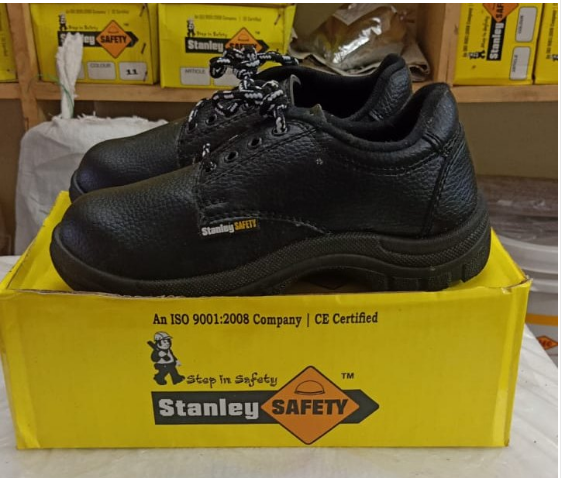
Safety footwear must adhere to several quality standards and certifications to ensure effectiveness and reliability. One of the most recognized standards is ISO 9001, which focuses on quality management systems. This certification ensures that manufacturers meet consistent quality control measures.
Additionally, CE certification indicates that the footwear meets European Union safety standards. This is particularly important for businesses operating in or exporting to regions with stringent safety regulations.
Safety and testing requirements for footwear typically include assessments for impact resistance, slip resistance, and puncture resistance. These tests ensure that the footwear can withstand the hazards present in various working environments.
Regional compliance considerations must also be taken into account. Different countries may have specific regulations regarding safety footwear, and businesses should ensure their products comply with local laws.
𝗪𝗵𝘆 𝗦𝗼𝘂𝗿𝗰𝗲 𝗦𝗮𝗳𝗲𝘁𝘆 𝗙𝗼𝗼𝘁𝘄𝗲𝗮𝗿 / 𝗜𝗻𝗱𝘂𝘀𝘁𝗿𝗶𝗮𝗹 𝗦𝗵𝗼𝗲𝘀 𝗳𝗿𝗼𝗺 𝗣𝗲𝗽𝗮𝗴𝗼𝗿𝗮?
Pepagora offers a trusted platform for sourcing safety footwear and industrial shoes, combining reliability with a range of advantages for B2B buyers.
Verified Supplier Network: Pepagora connects buyers with a network of verified suppliers, ensuring that all products meet industry standards for quality and safety. This reduces the risk associated with sourcing from unverified sources.
Streamlined RFQ Process: Pepagora simplifies the request for quotation (RFQ) process, allowing buyers to easily compare offers from multiple suppliers. This transparency aids in making informed purchasing decisions.
Trade Assurance and Support: Buyers benefit from trade assurance, which provides protection during transactions. Pepagora supports its users by addressing any concerns and ensuring satisfaction with purchases.
Regional Coverage: With a wide geographic reach across India, the GCC, and Southeast Asia, Pepagora allows businesses to access quality safety footwear tailored to their regional needs. This coverage ensures that buyers can find reliable sources no matter their location.

 IN
IN