
 IN
Industrial Work Boots
4 products available
What are Industrial Work Boots?
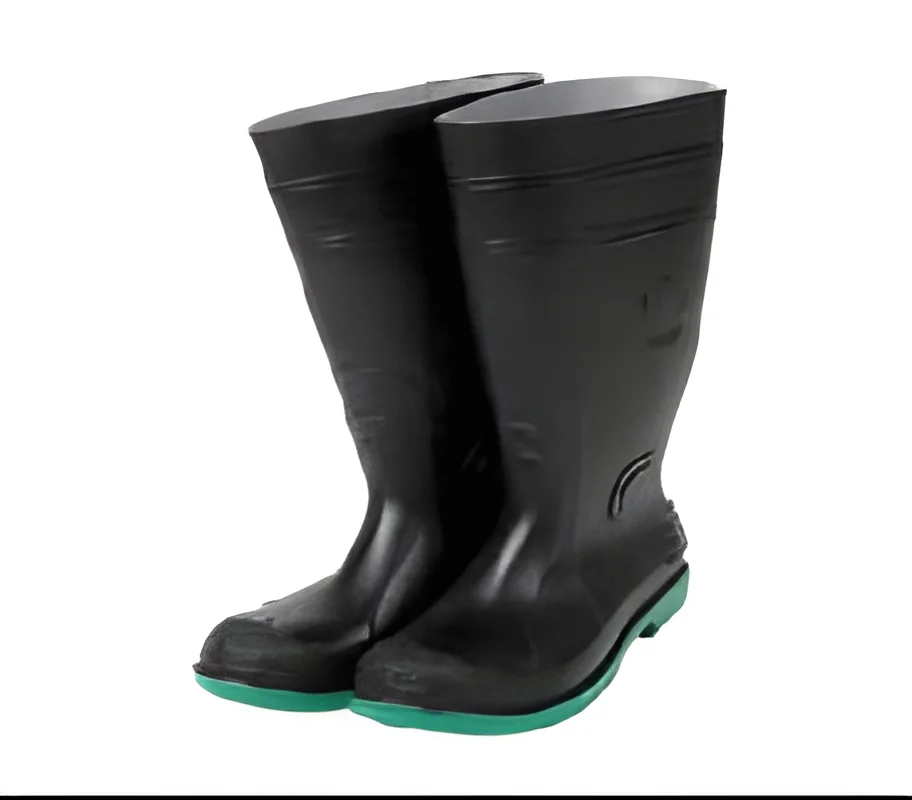
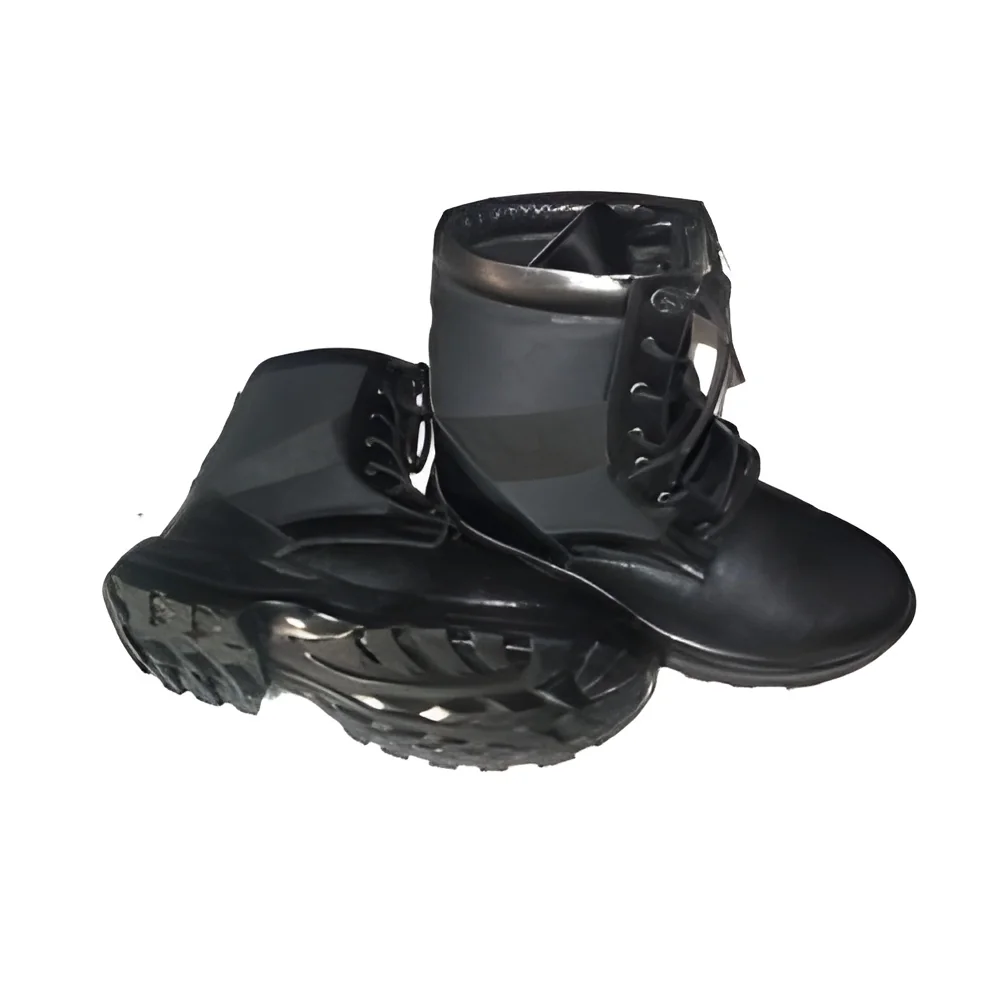
Industrial work boots are specialized footwear designed to protect workers' feet in demanding environments. These boots are constructed with durable materials that offer safety features such as steel toes, slip resistance, and puncture protection. Their design varies to accommodate different industrial needs, ensuring that workers can perform their tasks while minimizing the risk of injury.
These boots are primarily used in industries such as construction, manufacturing, warehousing, and logistics, where foot protection is essential. Workers in these sectors face hazards like heavy machinery, sharp objects, and slippery surfaces. By providing adequate protection, industrial work boots help businesses maintain safety standards and protect employees from potential accidents.
In a market driven by safety regulations and the need for durable footwear, industrial work boots are increasingly relevant. With the rise of workplace safety awareness and stringent compliance requirements, companies are investing in high-quality work boots to enhance employee safety and productivity. The demand for innovative designs and advanced materials continues to grow, reflecting the dynamic nature of the industrial footwear market.
Key Features and Specifications
Industrial work boots come with a range of features designed to ensure safety, comfort, and durability. Understanding these specifications is crucial for selecting the right pair for your needs.
Key specifications include:
1. Safety Toe Protection
- Steel or composite toe caps to protect against impact and compression
- Meets safety standards such as ASTM F2413
2. Slip Resistance
- Outsoles designed for superior grip on slippery surfaces
- Tested against various slip resistance standards
3. Puncture Resistance
- Midsole materials that prevent sharp objects from penetrating the sole
- Often rated to comply with ASTM or similar standards
4. Waterproofing
- Materials and technologies that keep feet dry in wet conditions
- Ideal for outdoor or wet environments
5. Electrical Hazard Protection
- Insulating properties to protect against electrical shocks
- Meets ASTM standards for electrical hazard safety
6. Comfort Features
- Cushioned insoles and padded collars for all-day comfort
- Moisture-wicking linings to keep feet dry
7. Breathability
- Materials that allow air circulation to reduce heat buildup
- Enhances comfort during long hours of wear
8. Weight
- Lightweight designs that reduce fatigue without compromising safety
- Important for workers who are on their feet all day
In summary, selecting industrial work boots with the right features is essential for ensuring worker safety and comfort in hazardous environments.
Common Applications and Use Cases
Industrial work boots are versatile and suitable for various industries where foot protection is a priority.
1. Construction: Workers face heavy materials and tools, making sturdy boots essential for preventing injuries.
2. Manufacturing: In factories, workers may be exposed to machinery and materials that could cause foot injuries if not properly protected.
3. Warehousing: Employees often navigate large spaces with heavy equipment, requiring boots that provide stability and protection against slips.
4. Logistics: Workers in shipping and receiving deal with pallets and forklifts, making slip-resistant and durable footwear vital.
5. Oil and Gas: In this sector, employees often work in rough terrains and hazardous conditions, necessitating specialized protective footwear.
6. Mining: Miners are exposed to extreme conditions and heavy machinery, making protective boots critical for safety.
7. Agriculture: Workers face uneven terrain and potential injuries from equipment, highlighting the need for robust footwear.
Product Variants and Subcategories
Industrial work boots come in various styles to accommodate different needs and preferences.
Steel Toe Boots: These boots feature reinforced steel caps that provide maximum protection against heavy impacts. They are ideal for construction and manufacturing environments.
Composite Toe Boots: Made from lightweight materials, these boots offer similar protection to steel toe options but are more comfortable for extended wear. They are suitable for workers in industries requiring electrical hazard protection.
Waterproof Boots: Designed for wet environments, these boots keep feet dry while providing essential safety features. They are commonly used in agriculture and outdoor construction.
Insulated Boots: These boots are designed to protect against cold temperatures, making them suitable for workers in refrigeration or cold storage industries.
Benefits and Advantages
Investing in quality industrial work boots offers numerous advantages for businesses and employees alike.
1. Enhanced Safety: Industrial work boots provide crucial protection against workplace hazards, reducing the risk of injuries.
2. Improved Comfort: Many boots come equipped with comfort features, allowing workers to remain productive without discomfort.
3. Increased Durability: High-quality materials ensure that boots withstand harsh environments, resulting in longer wear and less frequent replacements.
4. Compliance Assurance: Wearing certified safety footwear helps businesses meet regulatory requirements and maintain safety standards.
5. Versatile Applications: With various styles available, businesses can find boots tailored to specific industry needs.
6. Employee Satisfaction: Providing quality footwear contributes to higher employee morale and job satisfaction, fostering a positive work environment.
Buying Guide for B2B Buyers
When sourcing industrial work boots, several factors should be considered to ensure the best choice for your business needs.
1. Quality Assessment: Look for boots made from durable materials and those that meet safety standards. Consider product reviews and feedback from other businesses to gauge quality.
2. Supplier Verification: Vet potential suppliers by checking their reputation, certifications, and past performance to ensure reliability and quality.
3. Pricing and MOQ: Understand the pricing structure and minimum order quantities (MOQ) to ensure that purchasing aligns with your budget and business needs.
4. Delivery and Lead Times: Consider logistics and the supplier's ability to meet your delivery requirements, as timely receipt of footwear is essential for workforce efficiency.
5. Compliance Requirements: Ensure that the boots comply with relevant industry safety standards and regulations to maintain a safe work environment.
Compliance and Certifications
Industrial work boots must adhere to various quality standards and certifications to ensure safety and reliability in the workplace. Key standards include ISO 9001, which focuses on quality management systems, and CE marking, which indicates compliance with European safety regulations.
Safety testing requirements are crucial for boots to ensure they meet performance standards for impact resistance, slip resistance, and puncture protection. Businesses should also be aware of regional compliance considerations, as different countries may have specific regulations governing workplace safety footwear. Ensuring that work boots meet these compliance requirements is essential for protecting employees and avoiding potential legal issues.
Why Source Industrial Work Boots from Pepagora?
Pepagora offers a reliable platform for sourcing industrial work boots, providing several distinct advantages for businesses.
Verified Supplier Network: Pepagora connects buyers with a network of verified suppliers, ensuring that businesses receive quality products from reputable manufacturers.
Streamlined RFQ Process: The platform simplifies the request for quotation (RFQ) process, allowing buyers to easily compare offers and find the best solutions for their needs.
Trade Assurance and Support: With trade assurance measures in place, Pepagora protects buyers by providing support throughout the purchasing process, ensuring a secure transaction.
Regional Coverage: Pepagora has a broad geographic reach, serving buyers in India, the GCC, and Southeast Asia, making it easy to find suitable industrial work boots in varying markets.
By choosing Pepagora, businesses can confidently source industrial work boots that meet their safety and operational requirements.

Frequently Asked Questions
What are Industrial Work Boots?
Industrial Work Boots are specialized footwear designed to provide safety and protection in various industrial settings. They are typically made with durable materials and include features such as steel toes, slip resistance, and waterproofing to ensure worker safety.
What are the different types of Industrial Work Boots?
There are several types of Industrial Work Boots, including steel-toe boots, composite-toe boots, waterproof boots, slip-resistant boots, and electrical hazard boots. Each type is designed to meet specific safety requirements and work environments.
How do I choose the right Industrial Work Boots?
Choosing the right Industrial Work Boots involves considering factors such as the specific hazards of your workplace, the fit and comfort of the boots, and the required safety features. It's important to assess your needs and consult with suppliers if necessary.
What are the standard specifications for Industrial Work Boots?
Standard specifications for Industrial Work Boots often include compliance with safety standards such as ASTM or ISO certifications. Key specifications may cover impact resistance, slip resistance, electrical hazard protection, and waterproofing.
What is the price range for Industrial Work Boots?
The price range for Industrial Work Boots can vary significantly based on brand, materials, and features. Generally, you can expect to pay anywhere from INR 1,500 to INR 10,000 or more, depending on the specifications and quality.
What quality standards apply to Industrial Work Boots?
Quality standards for Industrial Work Boots include compliance with safety regulations set by organizations such as ASTM International and the Bureau of Indian Standards (BIS). These standards ensure that the boots provide adequate protection against workplace hazards.
Where can I find Industrial Work Boots suppliers in India?
You can find Industrial Work Boots suppliers in India through online B2B marketplaces like Pepagora.com, trade directories, and industry exhibitions. It's advisable to research suppliers and check their ratings and reviews before making a purchase.
Can Industrial Work Boots be customized?
Yes, many manufacturers offer customization options for Industrial Work Boots. Customization may include personalized sizes, colors, and additional features to meet specific workplace requirements.
What is the typical minimum order quantity for Industrial Work Boots?
The typical minimum order quantity (MOQ) for Industrial Work Boots can vary by manufacturer and supplier. Generally, MOQs can range from a few pairs to several dozen, depending on the vendor's policies.
What is the typical lead time for Industrial Work Boots?
The typical lead time for Industrial Work Boots can vary depending on the supplier and whether the boots are in stock or require customization. Generally, you can expect a lead time of 2 to 6 weeks for delivery.
Why Businesses Trust Pepagora
Thousands of companies trust Pepagora to source smarter and sell faster
Expand Your Sales Globally

Source Smarter,Grow Faster
