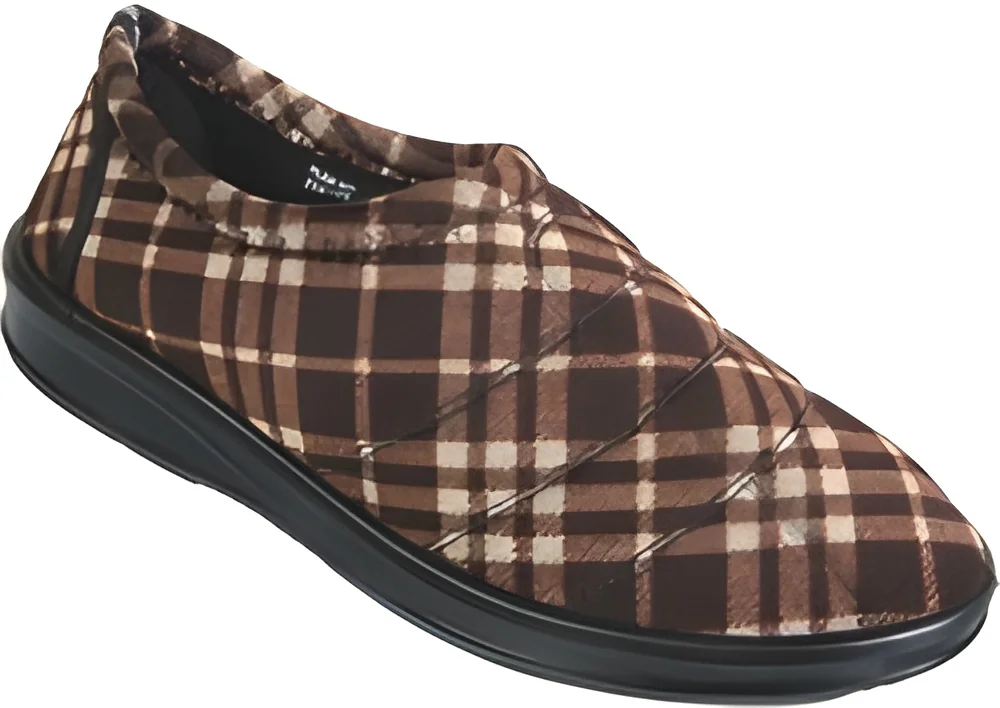
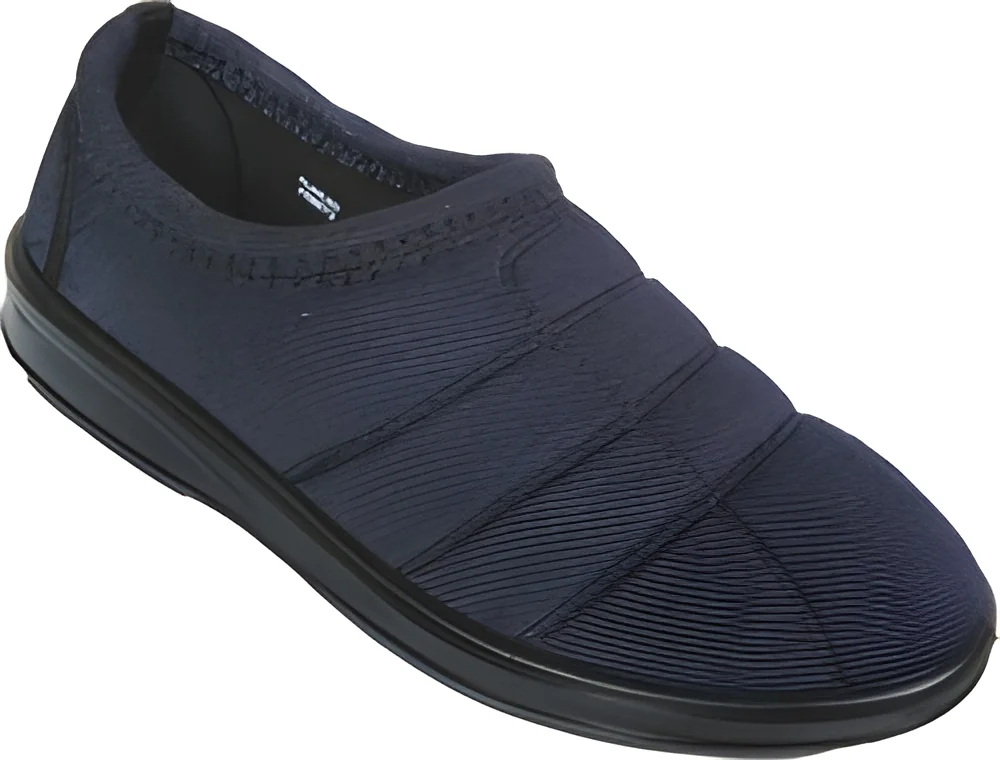
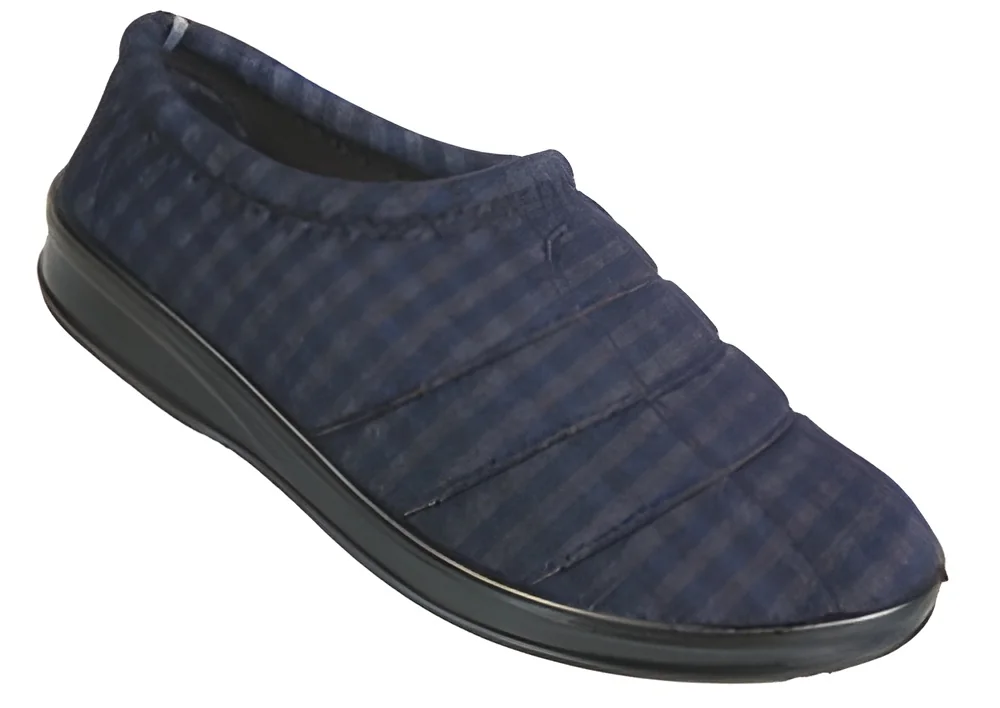
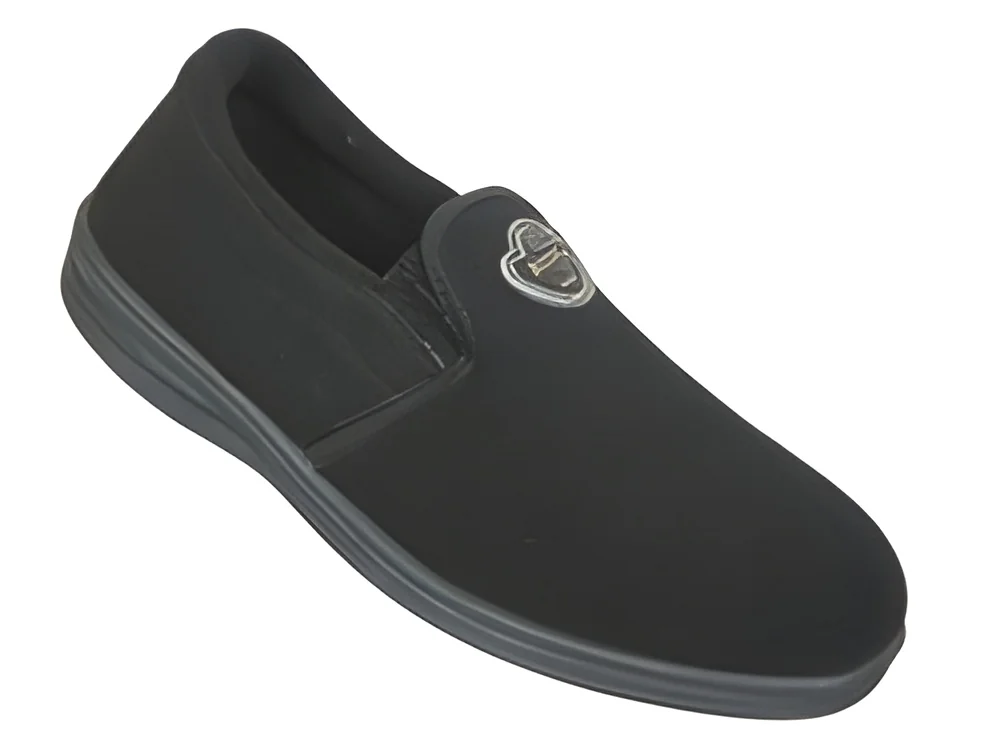
What are Cold Weather Work Boots?
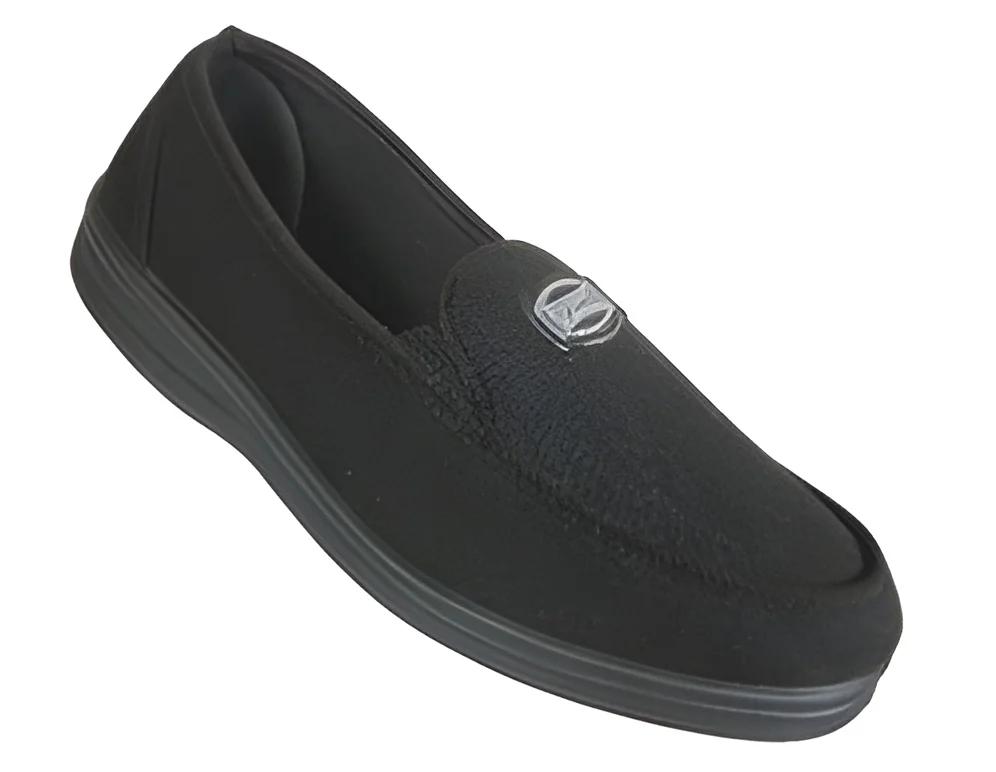
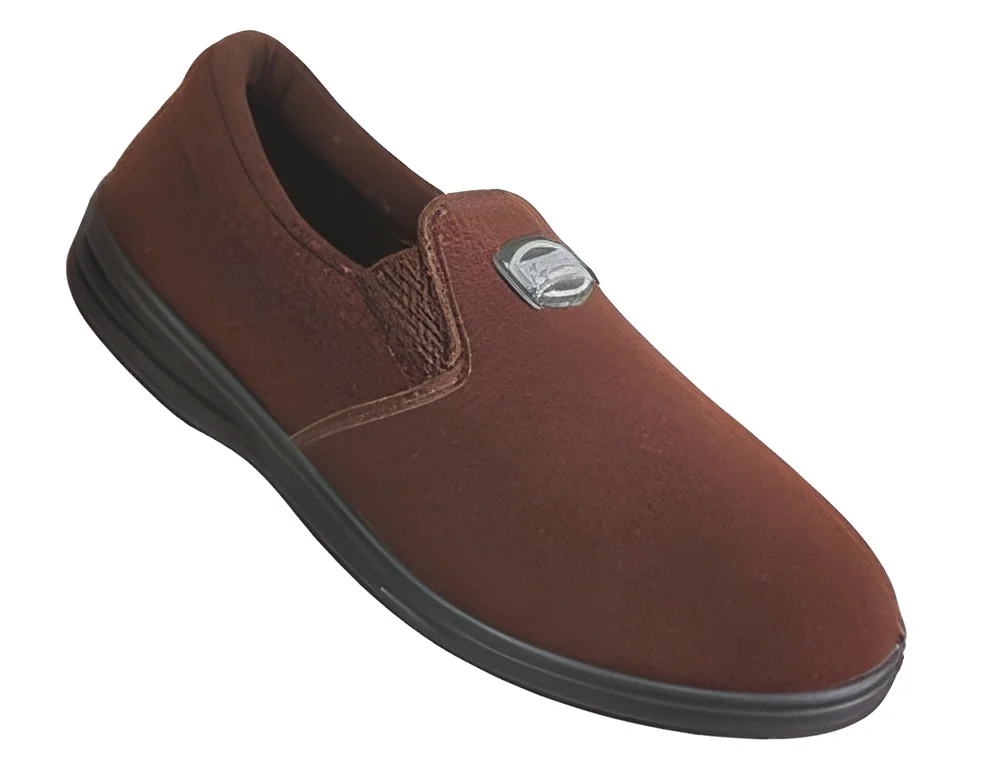
Cold weather work boots are specialized footwear designed to provide protection and comfort in cold, wet, and icy conditions. These boots are typically constructed from durable materials that offer insulation, waterproofing, and slip resistance. Their primary purpose is to keep the feet warm and dry while ensuring safety and mobility in challenging work environments.
These boots are commonly used by professionals in various sectors, including construction, outdoor maintenance, and logistics. Workers in regions with harsh winter climates rely on these boots to perform their tasks safely without compromising comfort. Industries such as agriculture, forestry, and oil and gas also benefit from cold weather work boots, as these environments often expose employees to extreme temperatures and hazardous conditions.
As global temperatures fluctuate and extreme weather events become more common, the demand for cold weather work boots continues to grow. Companies are increasingly focusing on providing reliable and high-quality footwear solutions that meet the needs of their workforce. The market for these boots is competitive, with a variety of brands and models available to cater to specific industry requirements.
Key Features and Specifications
Cold weather work boots come with a variety of features and specifications that make them suitable for harsh conditions. Understanding these specifications is essential for selecting the right pair for your needs.
Key specifications include:
1. Insulation Type
- Common insulation materials include Thinsulate and wool.
- Provides warmth in temperatures as low as -40°F.
2. Waterproofing
- Many boots feature a waterproof membrane or treated leather.
- Ensures feet stay dry in wet conditions.
3. Slip Resistance
- Outsoles designed with specialized tread patterns.
- Provides traction on icy or slippery surfaces.
4. Safety Toe Options
- Available in steel, composite, or aluminum toe configurations.
- Protects feet from heavy falling objects.
5. Height
- Available in various heights, from ankle to knee.
- Higher boots offer additional protection against snow and water.
6. Breathability
- Some models include breathable linings to prevent moisture buildup.
- Enhances comfort during prolonged wear.
7. Weight
- Lightweight options available for ease of movement.
- Heavier boots may offer more durability and protection.
8. Customization Options
- Many brands offer customizable features for fit and comfort.
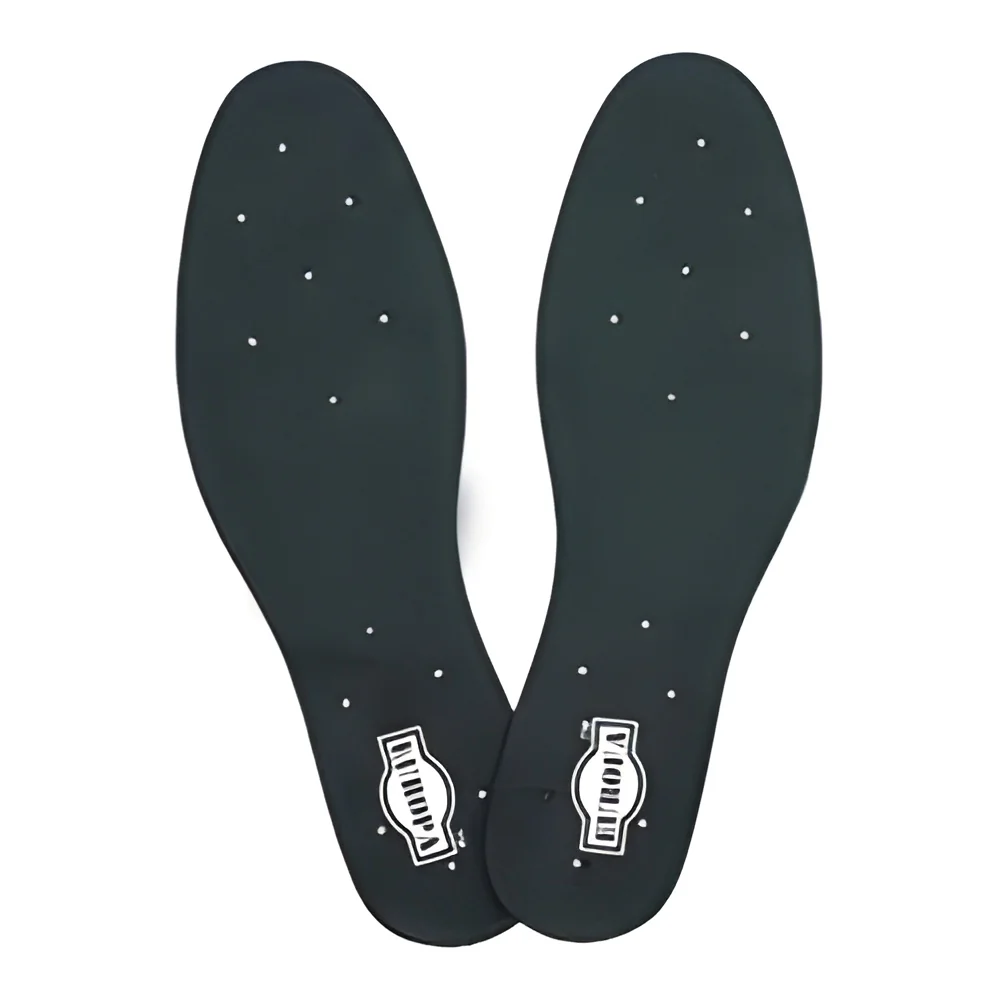
- Options may include removable insoles and adjustable lacing systems.
In summary, cold weather work boots are equipped with essential features that address the challenges of working in cold climates, ensuring safety and comfort for users.
Common Applications and Use Cases
Cold weather work boots are essential in various industries where employees are exposed to low temperatures and harsh conditions.
1. Construction: Workers on construction sites in winter rely on these boots to maintain safety and comfort while working in snow and ice.
2. Agriculture: Farmers and agricultural workers use cold weather boots to protect their feet during outdoor tasks, such as livestock management and crop harvesting.
3. Forestry: Forestry workers often operate in remote and cold areas, making insulated and waterproof boots vital for their safety and productivity.
4. Oil and Gas: Personnel working in the oil and gas sector frequently face extreme weather conditions, necessitating durable and insulated footwear for outdoor jobs.
5. Transportation and Logistics: Delivery drivers and warehouse workers require cold weather boots to navigate icy conditions while ensuring stability and safety.
6. Emergency Services: First responders in cold regions utilize these boots for their protective features when dealing with emergencies during winter storms.
7. Outdoor Recreation: Guides and outdoor enthusiasts also depend on cold weather work boots during winter activities such as hiking and skiing.
Product Variants and Subcategories
Cold weather work boots come in various styles and features to suit different applications and preferences.
Insulated Work Boots
These boots are designed with thick insulation layers to provide maximum warmth in extreme cold. They are perfect for outdoor workers who spend long hours in frigid conditions.
Waterproof Work Boots
Constructed with waterproof materials, these boots keep feet dry during wet weather or while working in snow. They are ideal for jobs in agriculture and construction.
Steel Toe Work Boots
These models include reinforced steel toe caps to protect against heavy impacts. They are commonly used in construction and industrial sectors where foot safety is crucial.
Lightweight Work Boots
These boots are designed for comfort and ease of movement while still providing necessary insulation and waterproofing. They are suitable for workers who need to be agile on the job.
Benefits and Advantages
Cold weather work boots offer numerous advantages for professionals working in winter conditions.
1. Enhanced Safety: The protective features, such as safety toes and slip-resistant soles, significantly reduce the risk of workplace injuries.
2. Improved Comfort: Insulated and breathable materials help maintain foot temperature and comfort, allowing workers to perform tasks without distraction.
3. Increased Productivity: When workers are comfortable and safe, they can focus better on their jobs, leading to improved efficiency.
4. Versatility: These boots are suitable for various industries, making them a versatile solution for businesses with diverse operational needs.
5. Durability: Built with high-quality materials, cold weather work boots are designed to withstand harsh conditions and provide long-lasting use.
6. Custom Fit: Many models offer adjustable features to ensure a secure and comfortable fit, catering to different foot shapes and sizes.
Buying Guide for B2B Buyers
When sourcing cold weather work boots, it is crucial for B2B buyers to consider several factors to ensure they make an informed purchase.
1. Quality Assessment: Evaluate the materials and construction methods used in the boots. Look for reputable brands with a history of producing durable and reliable footwear.
2. Supplier Verification: Research potential suppliers to ensure they have a good reputation and meet industry standards. Check for customer reviews and ask for references.
3. Pricing and MOQ: Understand the pricing structure and minimum order quantities (MOQ) to determine budget and feasibility for bulk purchases.
4. Delivery and Lead Times: Confirm the supplier's ability to meet delivery schedules. Inquire about lead times to ensure timely availability of products.
5. Compliance Requirements: Ensure that the boots meet any necessary safety and compliance regulations for your industry. This includes certifications like CE and adherence to local safety standards.
Compliance and Certifications
Cold weather work boots must comply with various quality standards and certifications to ensure safety and reliability.
Relevant quality standards include ISO 9001, which focuses on quality management systems, ensuring consistent product quality. HACCP and GDP may also apply in industries handling food and pharmaceuticals, where footwear hygiene and safety are paramount.
Industry certifications like CE indicate that the product meets European safety, health, and environmental protection standards. This is particularly important for businesses operating in Europe.
Safety testing requirements often include assessments for slip resistance, waterproofing, and insulation effectiveness. Each model should undergo rigorous testing to verify that it meets the claimed specifications.
Regional compliance considerations may vary, so it is essential to be aware of local regulations regarding safety standards and certifications in the areas where the boots will be used.
Why Source Cold Weather Work Boots from Pepagora?
Pepagora offers a trusted platform for sourcing cold weather work boots with several key advantages that benefit B2B buyers.
Verified Supplier Network: Pepagora connects buyers with a network of verified suppliers, ensuring that only reputable manufacturers are available. This helps buyers make informed decisions based on reliability and quality.
Streamlined RFQ Process: The platform features a simplified Request for Quotation (RFQ) process that allows buyers to easily compare prices and features from multiple suppliers, saving time and effort.
Trade Assurance and Support: Pepagora provides trade assurance, protecting buyers from potential issues with orders. This support fosters confidence in the sourcing process.
Regional Coverage: With a strong presence in India, the GCC, and Southeast Asia, Pepagora covers a wide geographic area, making it easier for businesses to find suitable cold weather work boots for their workforce, no matter where they are located.

 IN
IN