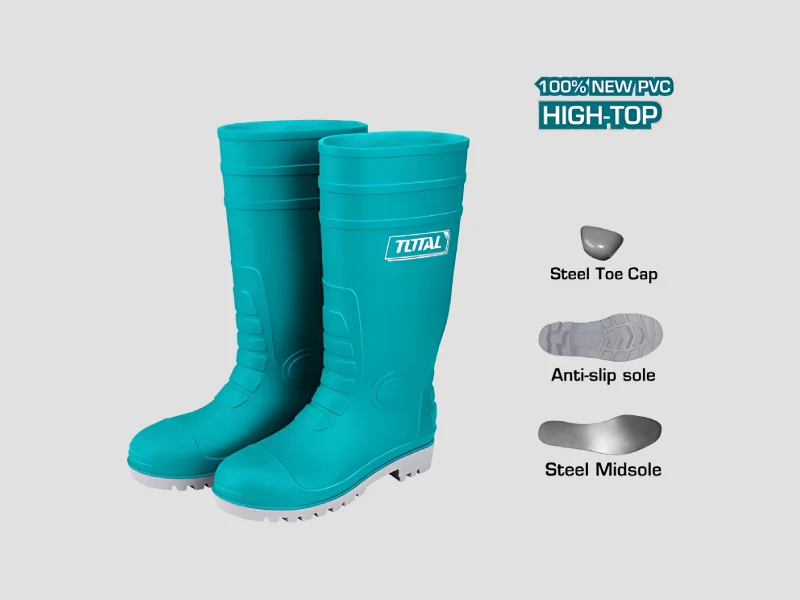
What are Puncture Resistant Safety Footwear?
Puncture resistant safety footwear is specialized footwear designed to protect the feet from sharp objects that can penetrate the sole, such as nails, glass, and other hazardous materials. These shoes are constructed with reinforced materials that provide a barrier against puncture injuries. The footwear is typically used in environments where the risk of foot injuries is heightened due to the presence of sharp debris or heavy machinery.
These safety shoes are essential in various industries, including construction, manufacturing, and warehousing, where workers are exposed to potential hazards on a daily basis. Their primary purpose is to enhance safety and reduce the risk of injury, thus promoting a safer working environment. The increasing focus on workplace safety and compliance with health regulations has driven the demand for puncture resistant safety footwear in the market.
The relevance of puncture resistant safety footwear in today's industrial landscape cannot be overstated. With a growing emphasis on worker safety, businesses are increasingly investing in protective gear to prevent injuries and ensure compliance with safety standards. This trend is reflected in the expanding market for safety footwear, as more companies recognize the importance of equipping their workforce with the right protection.
Key Features and Specifications
Puncture resistant safety footwear comes with a range of features designed to ensure maximum protection and comfort for the wearer. These specifications are critical in determining the effectiveness and suitability of the footwear for specific industrial applications.
Key specifications include:
1. Puncture Resistance Rating
- This specification indicates the level of resistance against puncture hazards.
- Typically measured in accordance with industry standards to ensure effectiveness.
2. Toe Protection
- Many models feature reinforced toe caps made of steel or composite materials.
- This provides protection against heavy objects that may fall on the foot.
3. Slip Resistance
- The outsole design is engineered to provide grip on various surfaces.
- Important for reducing the risk of slips and falls in hazardous environments.
4. Material Composition
- Footwear is often made from durable, high-quality materials such as leather or synthetic fabrics.
- Enhances longevity and performance under tough conditions.
5. Breathability
- Many designs incorporate breathable linings to enhance comfort.
- Helps to regulate temperature and moisture inside the shoe.
6. Electrical Hazard Protection
- Some safety footwear is designed to protect against electrical hazards.
- Essential for workers in environments where they may come into contact with live wires.
7. Compliance with Safety Standards
- Footwear often meets various national and international safety standards.
- Ensures that the product is reliable and adheres to regulatory requirements.
8. Weight
- Lightweight designs are available to reduce fatigue during prolonged wear.
- Balances protection with comfort for the user.
These specifications are crucial for ensuring that safety footwear meets the demands of different working environments while providing adequate protection.
Common Applications and Use Cases
Puncture resistant safety footwear is utilized across several industries, each with specific applications that highlight the importance of this protective gear.
1. Construction: In construction sites, workers are frequently exposed to sharp objects and heavy materials. Puncture resistant footwear minimizes the risk of foot injuries from falling debris and sharp tools.
2. Manufacturing: In manufacturing environments, employees often work with heavy machinery and materials. Safety footwear protects against sharp objects on the ground and potential hazards from machinery.
3. Warehousing: Workers in warehouses navigate through areas where sharp items may be present, such as broken pallets or metal components. Puncture resistant shoes provide essential protection against foot injuries.
4. Agriculture: In agricultural settings, workers may encounter sharp tools and uneven terrain. Puncture resistant footwear helps safeguard against accidental punctures while working in the field.
5. Logistics: In logistics and shipping, employees handle heavy items and equipment. Safety footwear protects against potential foot injuries during loading and unloading activities.
6. Maintenance: Maintenance personnel often work in environments where sharp objects are common. Puncture resistant footwear ensures safety while performing repairs or maintenance tasks.
7. Mining: In the mining industry, workers face numerous hazards, including sharp rocks and heavy machinery. Puncture resistant footwear is crucial for minimizing injuries in such high-risk environments.
Product Variants and Subcategories
Puncture resistant safety footwear is available in various designs to cater to different needs and preferences within the industrial sector.
Work Boots
These boots provide ankle support and are ideal for construction and heavy-duty applications. They often feature reinforced toes and slip-resistant soles.
Safety Sneakers
Safety sneakers offer a more casual look while still providing essential protection. They are suitable for less hazardous environments where comfort is a priority.
Hi-Top Safety Shoes
Hi-top models provide additional ankle support and protection, making them suitable for environments where stability is crucial.
Low-Cut Safety Shoes
These shoes offer a lightweight option for environments with lower risks. They provide comfort while still meeting puncture resistance standards.
Benefits and Advantages
Puncture resistant safety footwear offers numerous advantages that contribute to a safer working environment.
Key benefits include:
1. Enhanced Protection: These shoes significantly reduce the risk of foot injuries from sharp objects, ensuring worker safety.
2. Compliance with Regulations: Investing in safety footwear helps businesses meet industry safety standards and regulations, reducing liability.
3. Improved Comfort: Many designs prioritize comfort features, allowing workers to remain on their feet for extended periods without discomfort.
4. Durability: Made from high-quality materials, puncture resistant footwear is built to withstand harsh working conditions, offering long-term use.
5. Versatility: Available in various styles, these shoes can be suited for different industrial applications, making them a flexible choice for businesses.
6. Increased Productivity: When workers feel safe and comfortable, their productivity tends to improve, benefiting the overall performance of the business.
Buying Guide for B2B Buyers
When sourcing puncture resistant safety footwear for your organization, several factors should be taken into account to ensure that you make an informed decision.
1. Quality Assessment: Evaluate the materials and construction quality of the footwear. Look for shoes that meet or exceed industry standards for puncture resistance and safety.
2. Supplier Verification: Conduct thorough checks on potential suppliers to ensure they are reputable and have a history of providing quality products. Verify their certifications and customer feedback.
3. Pricing and MOQ: Consider the pricing structure and the minimum order quantity (MOQ) that suppliers require. Ensure that the pricing aligns with your budget while factoring in the quality of the footwear.
4. Delivery and Lead Times: Inquire about the supplier's delivery schedules and lead times to ensure that you receive the footwear when needed. Timely delivery is crucial for maintaining workplace safety.
5. Compliance Requirements: Ensure that the footwear you choose complies with relevant safety regulations and standards specific to your industry. This may include certifications such as CE or others applicable in your region.
Compliance and Certifications
Puncture resistant safety footwear must adhere to several quality standards and certifications to ensure safety and reliability for users.
Relevant quality standards include ISO 9001, which outlines the requirements for a quality management system. Compliance with this standard ensures that the manufacturing processes meet high-quality benchmarks.
Industry certifications such as CE mark signify that the footwear meets European safety standards. This certification is essential for manufacturers looking to sell their products in Europe and assures users of the footwear's safety features.
Safety and testing requirements are critical components of the footwear's design. Manufacturers must conduct rigorous testing to ensure that their products provide adequate puncture resistance and meet other safety criteria.
Regional compliance considerations may vary depending on local regulations. It is important for businesses to be aware of and comply with these requirements when sourcing safety footwear.
Why Source Puncture Resistant Safety Footwear from Pepagora?
Pepagora provides a trusted platform for sourcing puncture resistant safety footwear, offering several key advantages that benefit B2B buyers.
Verified Supplier Network: Pepagora connects buyers with a network of verified suppliers who meet stringent quality and safety standards. This ensures that businesses can trust the products they are purchasing.
Streamlined RFQ Process: The platform allows for an efficient Request for Quotation (RFQ) process, enabling buyers to quickly obtain pricing and product details from multiple suppliers, saving time and effort.
Trade Assurance and Support: Buyers are protected through Pepagora's trade assurance program, which offers support and guarantees related to the quality and delivery of the sourced products. This builds confidence in the purchasing process.
Regional Coverage: Pepagora extends its reach across various regions, including India, GCC, and Southeast Asia. This geographic coverage allows businesses to access quality safety footwear tailored to their specific market needs.

 IN
IN