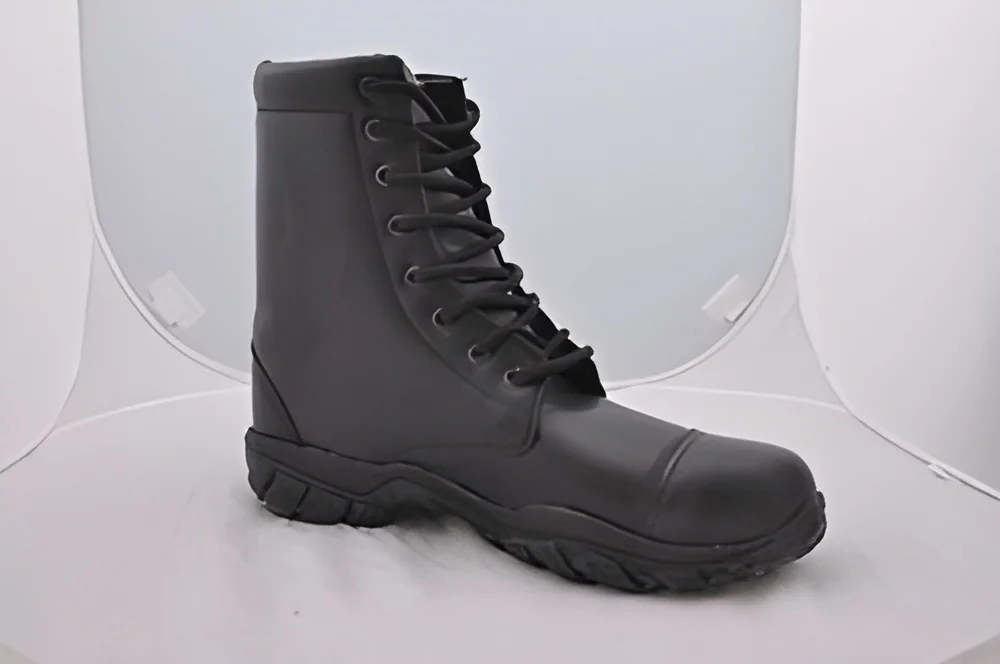
What are Composite Toe Safety Shoes?
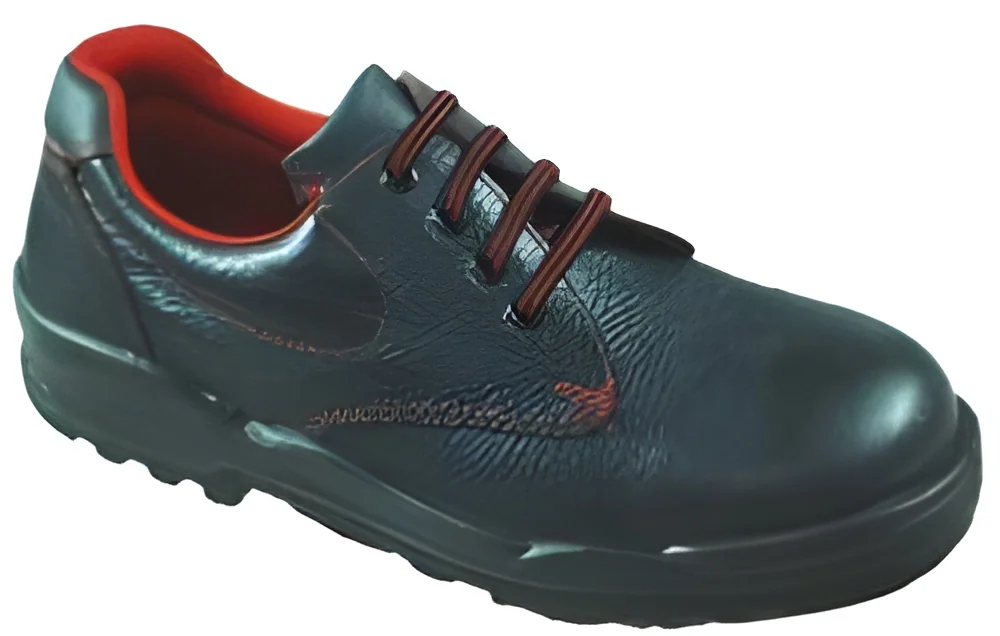
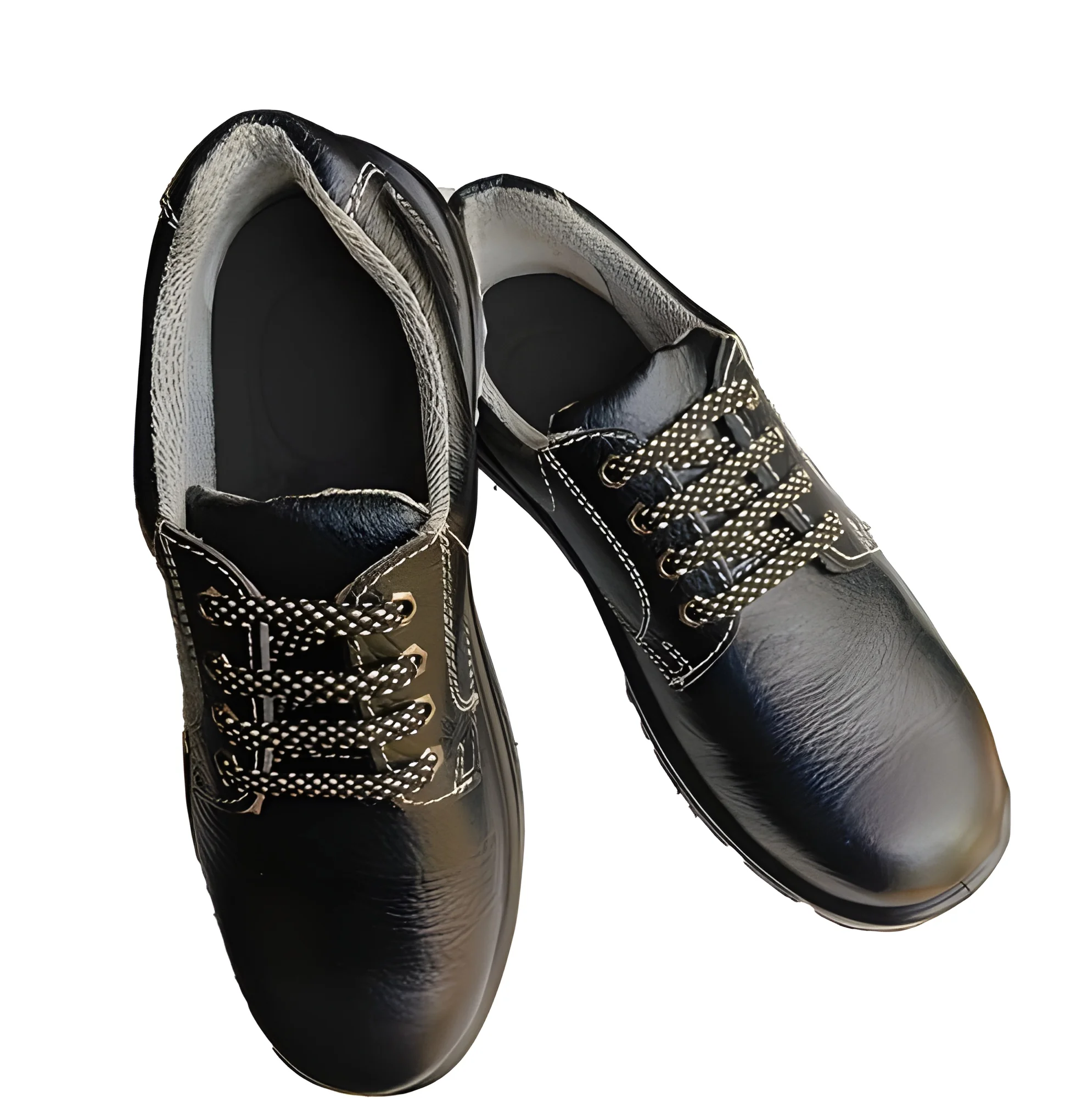
Composite toe safety shoes are a type of footwear designed to protect the feet in hazardous work environments. Unlike traditional steel-toed shoes, composite toe shoes utilize materials such as plastic, carbon fiber, or Kevlar to provide a lightweight yet durable protective barrier. This makes them an excellent choice for workers who require both safety and comfort during long hours on the job.
These shoes are primarily used in industries where foot protection is essential, including construction, manufacturing, warehousing, and logistics. The composite toe provides a high level of protection against impact and compression without the added weight of metal. Workers in these environments benefit from wearing composite toe safety shoes as they combine safety features with comfort, allowing for better mobility and reduced fatigue.
The demand for composite toe safety shoes continues to rise as safety regulations become more stringent across various industries. This trend is driven by the need to minimize workplace injuries and comply with safety standards. As a result, many businesses are investing in high-quality protective footwear to ensure the well-being of their employees.
Key Features and Specifications
Composite toe safety shoes come equipped with several key features that enhance their performance and safety. These specifications are crucial for B2B buyers when considering the right footwear for their workforce.
Key specifications include:
1. Toe Protection
- Composite material that meets or exceeds ASTM safety standards for impact and compression.
- Lightweight design for comfort without sacrificing protection.
2. Slip Resistance
- Outsole made from rubber or other materials designed to provide excellent traction on various surfaces.
- Enhanced grip reduces the risk of slips and falls in wet or oily conditions.
3. Electrical Hazard Protection
- Shoes designed to provide insulation against electrical hazards, suitable for working in environments with exposed wires or electrical equipment.
- Meets specific ASTM standards for electrical hazard safety.
4. Water Resistance
- Materials that repel water, keeping feet dry in wet conditions.
- Suitable for outdoor work environments.
5. Breathability
- Mesh linings or ventilation features that promote airflow to keep feet cool and comfortable.
- Reduces moisture buildup and odor.
6. Lightweight Construction
- Designed to be lighter than traditional steel-toed shoes, improving comfort for long hours of wear.
- Reduces fatigue associated with heavy footwear.
7. Custom Fit Options
- Availability of different sizes and widths to ensure a proper fit for all workers.
- Some models may offer adjustable features for enhanced comfort.
8. Shock Absorption
- Cushioning technologies in the sole that absorb impact, providing comfort during prolonged standing or walking.
- Helps to reduce strain on the feet and joints.
In summary, composite toe safety shoes offer a combination of essential protective features and comfort, making them suitable for a wide range of industrial applications.
Common Applications and Use Cases
Composite toe safety shoes are versatile and designed for various industries where foot protection is a priority.
1. Construction: In construction sites, workers are exposed to heavy materials and machinery. Composite toe shoes protect against falling objects while ensuring comfort during extended hours.
2. Manufacturing: Workers in manufacturing facilities often encounter hazardous conditions. Composite toe safety shoes provide the necessary protection from machinery and equipment.
3. Warehousing: Employees in warehouses frequently handle heavy goods. These shoes offer impact resistance and slip resistance, ensuring safety while moving items.
4. Logistics: In logistics and transportation, workers often work in fast-paced environments. Composite toe safety shoes provide the needed safety features without compromising on mobility.
5. Automotive: In automotive repair shops, workers face risks from heavy tools and equipment. Composite toe shoes protect against potential injuries while maintaining comfort.
6. Food Industry: Employees in food processing plants benefit from water-resistant and slip-resistant features, which are crucial in maintaining safety and hygiene.
7. Electrical Work: Electricians require footwear that provides insulation against electrical hazards. Composite toe shoes meet these safety standards while offering comfort.
Product Variants and Subcategories
Composite toe safety shoes come in various styles and designs to cater to different needs and preferences.
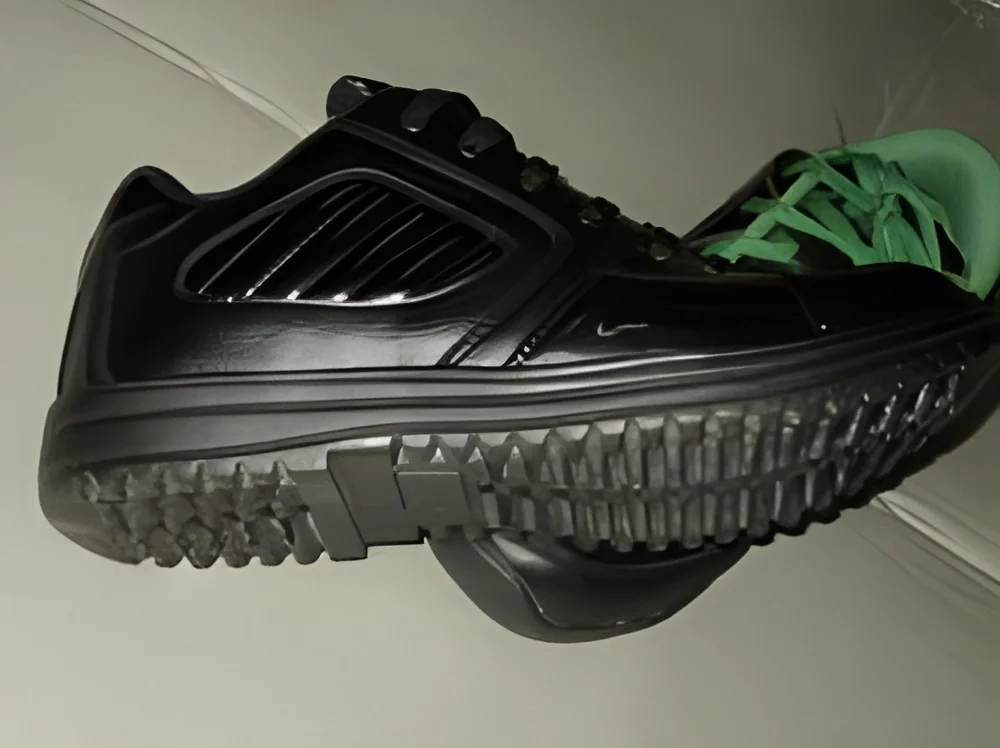
Athletic Style Composite Toe Shoes: These shoes combine the aesthetics of athletic footwear with safety features. They provide a modern look while ensuring comfort and protection, making them ideal for workers who prefer a sportier design.
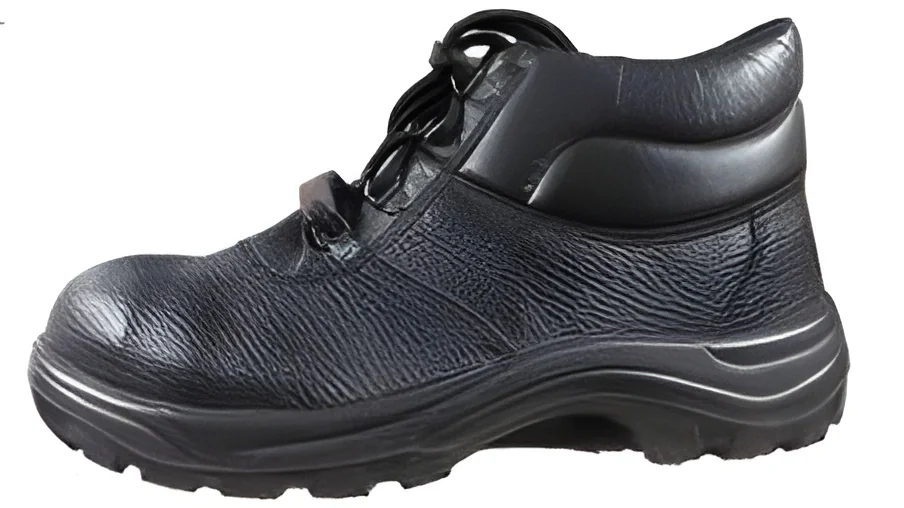
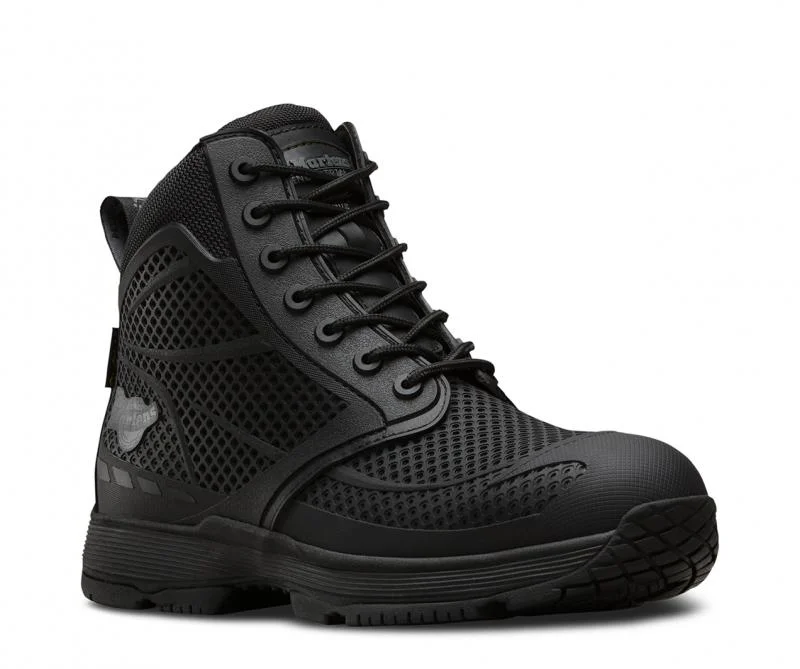
Boot Style Composite Toe Shoes: Designed for heavy-duty environments, these boots offer ankle support and additional protection. They are suitable for construction and outdoor work where extra stability is necessary.
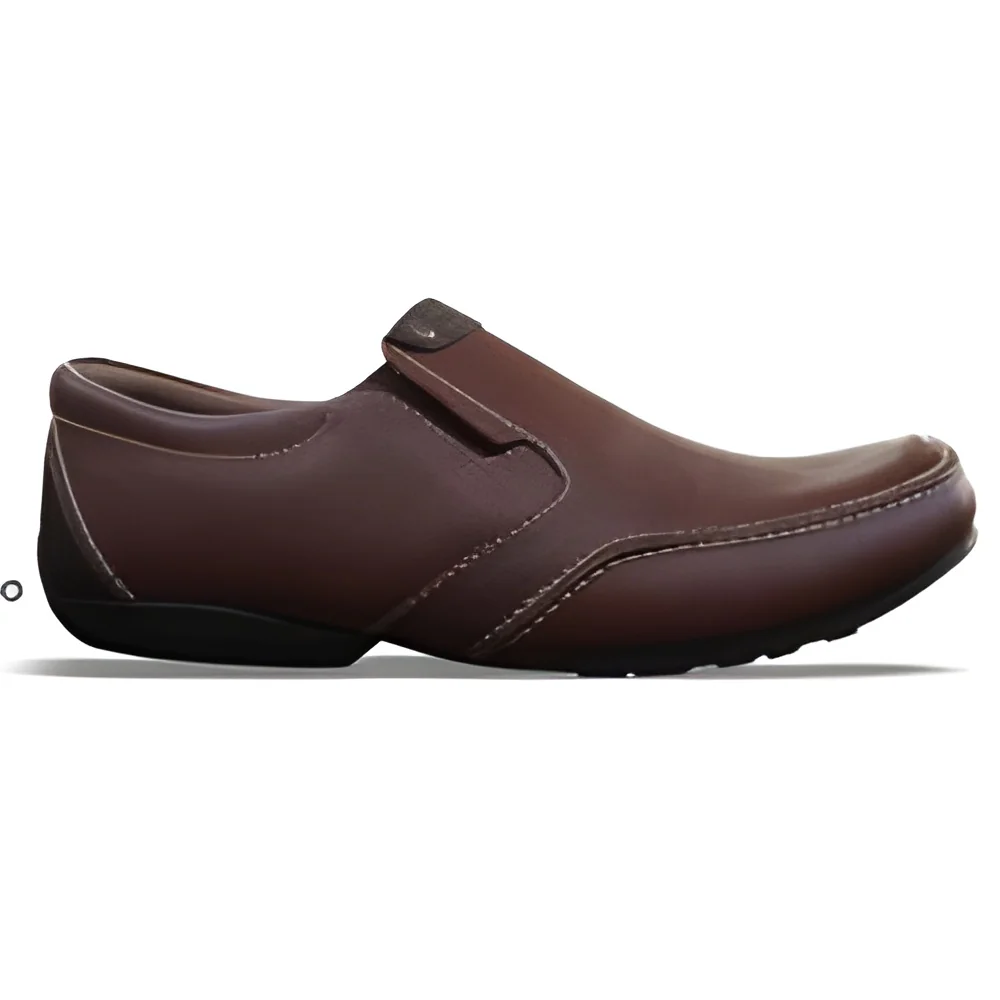
Slip-On Composite Toe Shoes: These shoes provide convenience and quick access while maintaining safety features. They are perfect for environments where employees need to frequently take their shoes on and off.
Waterproof Composite Toe Shoes: Specifically designed for wet conditions, these shoes ensure that feet remain dry while providing the same level of protection as standard composite toe shoes.
Benefits and Advantages
Investing in composite toe safety shoes offers numerous benefits for both employers and workers.
1. Enhanced Safety: Composite toe shoes provide superior protection against impacts and compression, reducing the risk of foot injuries in hazardous environments.
2. Lightweight Comfort: Compared to steel-toed alternatives, composite toe shoes are lighter, making them more comfortable for extended wear.
3. Versatile Use: These shoes are suitable for various industries, making them a practical choice for businesses with diverse work environments.
4. Improved Mobility: The lightweight design allows for better movement, which is essential for workers who are frequently on the go.
5. Compliance with Safety Standards: Composite toe shoes typically meet or exceed industry safety regulations, ensuring that businesses remain compliant with workplace safety laws.
6. Cost-Effectiveness: Investing in high-quality safety shoes can reduce workplace injuries and associated costs, ultimately benefiting the company's bottom line.
Buying Guide for B2B Buyers
When sourcing composite toe safety shoes, there are several factors to consider to ensure you make the right choice for your workforce.
1. Quality Assessment: Look for shoes that meet ASTM safety standards. Check for durability and materials used to ensure long-lasting performance.
2. Supplier Verification: Vet potential suppliers by examining their reputation, certifications, and product reviews to ensure reliability and quality.
3. Pricing and MOQ: Consider the price range and minimum order quantities. Ensure that the products fit within your budget while meeting safety requirements.
4. Delivery and Lead Times: Assess the supplier's logistics capabilities to ensure timely delivery of orders, especially when outfitting a large workforce.
5. Compliance Requirements: Be aware of any regulatory requirements specific to your industry to ensure the safety shoes comply with necessary standards.
Compliance and Certifications
Composite toe safety shoes are subject to various compliance standards and certifications to ensure they meet safety and quality expectations.
Relevant quality standards, such as ISO 9001, ensure that manufacturing processes adhere to high-quality management principles. This certification guarantees that products are consistently produced to meet customer requirements.
Industry certifications, such as CE marking, indicate that the shoes comply with European safety standards. This is particularly important for businesses operating in or exporting to Europe.
Safety and testing requirements ensure that composite toe shoes can withstand specific impact and compression tests, providing a level of assurance for users.
Regional compliance considerations may vary, so it is essential to understand the regulations applicable in your specific market or industry.
Why Source Composite Toe Safety Shoes from Pepagora?
Pepagora offers a trusted platform for sourcing composite toe safety shoes, providing several key advantages for B2B buyers.
Verified Supplier Network: Pepagora connects buyers with a network of verified suppliers, ensuring that you source quality products from reputable manufacturers. This reduces the risk of substandard purchases.
Streamlined RFQ Process: The request for quotation (RFQ) process allows buyers to easily compare prices and features from various suppliers, facilitating informed decision-making.
Trade Assurance and Support: Pepagora provides buyer protection through trade assurance, ensuring that your transactions are secure. Support is available to assist you with any concerns during the purchasing process.
Regional Coverage: With a broad geographic reach covering India, the GCC, and Southeast Asia, Pepagora ensures that you have access to suppliers that can meet your sourcing needs in diverse locations.

 IN
IN