What are Rubber Safety Boots?
Rubber safety boots are protective footwear made from durable rubber materials, designed to safeguard the feet from hazards encountered in various industrial and commercial settings. These boots typically feature waterproof properties, providing protection against wet conditions while also offering resistance to a variety of chemicals, oils, and other substances. Their robust construction ensures that they can withstand heavy use in demanding environments.
These boots are primarily used in industries such as construction, agriculture, and manufacturing, where workers are exposed to wet and hazardous conditions. They are essential for ensuring safety and comfort, allowing employees to perform their tasks without the risk of injury from slips, falls, or exposure to harmful materials. The relevance of rubber safety boots extends across multiple sectors, as they play a critical role in workplace safety and compliance with health regulations.
In today's market, the demand for rubber safety boots continues to grow as businesses prioritize employee safety and adhere to strict regulatory standards. The increasing focus on workplace safety has led to innovations in design and materials, ensuring that rubber safety boots not only meet safety requirements but also provide comfort and durability for everyday use.
Key Features and Specifications
Rubber safety boots come equipped with a range of features designed to enhance safety and comfort in industrial environments. Understanding these features is essential for making informed purchasing decisions.
Key specifications include:
1. Waterproof Material
- Made from high-quality rubber to prevent water ingress
- Ideal for use in wet conditions
2. Chemical Resistance
- Designed to withstand exposure to various chemicals and oils
- Provides safety in environments where spills may occur
3. Slip-Resistant Sole
- Features a tread pattern that enhances traction on slippery surfaces
- Reduces the risk of slips and falls
4. Steel Toe Cap
- Offers protection against impact and compression injuries
- Meets industry safety standards for toe protection
5. Electrical Hazard Protection
- Provides insulation against electrical hazards
- Essential for workers in electrical environments
6. Puncture-Resistant Midsole
- Protects the feet from sharp objects on the ground
- Ensures safety in construction and industrial sites
7. Comfort Lining
- Incorporates moisture-wicking materials to keep feet dry
- Enhances comfort during prolonged wear
8. Easy to Clean
- Smooth rubber surface allows for quick and easy cleaning
- Maintains hygiene in demanding work environments
In summary, rubber safety boots are designed with multiple features that cater to the safety, comfort, and performance needs of workers across various industries.
Common Applications and Use Cases
Rubber safety boots are versatile and find applications across a wide range of industries, making them a crucial part of personal protective equipment.
1. Construction: In construction sites, workers face exposure to heavy machinery, falling objects, and wet conditions. Rubber safety boots protect against these hazards while providing support and stability.
2. Agriculture: Farmers and agricultural workers often work in muddy and wet environments. Rubber boots keep their feet dry and safe from harmful chemicals used in farming practices.
3. Manufacturing: In manufacturing facilities, workers may encounter spills and slippery floors. Rubber safety boots with slip-resistant soles provide necessary traction and protection.
4. Oil and Gas: Employees in the oil and gas sector deal with hazardous materials and often work in wet conditions. Rubber boots offer chemical resistance and protection from spills.
5. Food Processing: In food processing plants, rubber safety boots are essential for maintaining hygiene and preventing contamination, while also providing water resistance.
6. Fisheries: Workers in the fishing industry require waterproof footwear to stay dry while handling fish and working in wet environments.
7. Waste Management: Personnel in waste management handle potentially hazardous materials and require robust boots that can withstand exposure to various contaminants.
Product Variants and Subcategories
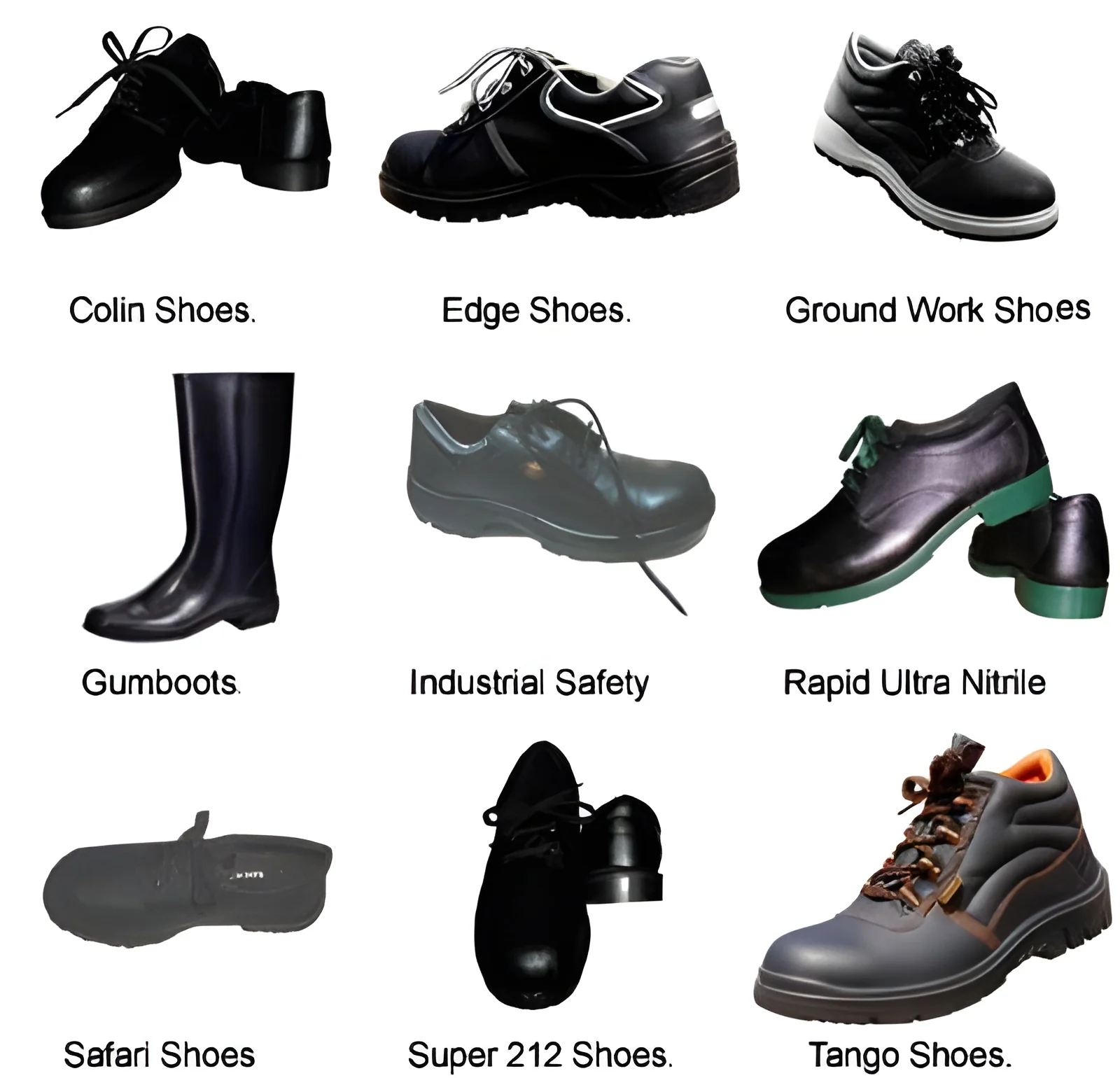
Rubber safety boots come in various designs to meet the specific needs of different industries and applications.
Industrial Rubber Boots
These boots are designed for heavy-duty use in industrial environments. They typically feature steel toe caps and slip-resistant soles, making them suitable for construction and manufacturing.
Agricultural Rubber Boots
Tailored for farmers and agricultural workers, these boots provide excellent waterproof protection and are often designed with features like reinforced soles for enhanced durability in muddy conditions.
Food Grade Rubber Boots
Specifically designed for use in food processing and handling, these boots are made from materials that comply with hygiene standards, ensuring safety in food-related applications.
Benefits and Advantages
Rubber safety boots offer numerous benefits that contribute to workplace safety and employee well-being.
1. Enhanced Safety: The primary advantage is the protection they offer against various workplace hazards, including slips, impacts, and chemical exposure.
2. Comfort and Support: Many rubber safety boots feature ergonomic designs that provide comfort during long hours of wear, reducing fatigue for workers.
3. Durability: Constructed from high-quality materials, these boots are designed to withstand tough conditions, ensuring longevity and reducing replacement costs.
4. Easy Maintenance: The smooth rubber surface allows for easy cleaning, helping to maintain hygiene in workplaces that require high standards of cleanliness.
5. Versatile Use: Suitable for a wide range of industries, rubber safety boots are a versatile solution for various applications, making them a valuable investment for businesses.
6. Compliance with Standards: Many rubber safety boots are designed to meet industry safety standards, ensuring that businesses adhere to regulations and improve workplace safety.
Buying Guide for B2B Buyers
When sourcing rubber safety boots, several factors should be taken into account to ensure that you select the right product for your needs.
1. Quality Assessment: Evaluate the materials used in the boots, including the type of rubber and additional features such as slip resistance and toe protection. High-quality boots will offer better durability and safety.
2. Supplier Verification: It is essential to vet suppliers to ensure they provide reliable products. Check for certifications, customer reviews, and past performance to ensure trustworthiness.
3. Pricing and MOQ: Understand the pricing structure and minimum order quantities (MOQ) required by suppliers. Compare prices while ensuring that quality is not compromised for lower costs.
4. Delivery and Lead Times: Inquire about delivery options and lead times to ensure that you receive your orders promptly, especially if you have urgent requirements for safety footwear.
5. Compliance Requirements: Verify that the rubber safety boots meet relevant safety standards and regulations applicable to your industry. Compliance ensures both safety and legal protection.
Compliance and Certifications
Rubber safety boots must meet certain quality and safety standards to ensure they provide adequate protection in various working environments. One relevant quality standard is ISO 9001, which focuses on quality management systems, ensuring that products are consistently manufactured to meet customer requirements.
Additionally, industry certifications such as CE (Conformité Européenne) indicate that the boots comply with European health, safety, and environmental protection standards. These certifications are critical in assuring buyers of the product's safety and reliability.
Safety and testing requirements for rubber safety boots may include assessments for slip resistance, chemical resistance, and impact protection. It is also essential to consider regional compliance, as different regions may have specific regulations governing the safety and performance of protective footwear.
Why Source Rubber Safety Boots from Pepagora?
Pepagora offers a trusted platform for sourcing rubber safety boots, providing several key advantages to B2B buyers.
Verified Supplier Network: The platform connects buyers with verified suppliers who have undergone a thorough vetting process. This ensures that buyers can trust the quality of the products they purchase.
Streamlined RFQ Process: Pepagora simplifies the quotation process, allowing buyers to request quotes from multiple suppliers easily. This efficiency saves time and helps in making informed purchasing decisions.
Trade Assurance and Support: Buyers are protected through trade assurance policies that guarantee the quality and timely delivery of products. Pepagora provides support to resolve any issues that may arise during the purchasing process.
Regional Coverage: With a broad geographic reach in regions like India, the GCC, and Southeast Asia, Pepagora facilitates sourcing rubber safety boots from a diverse range of suppliers, ensuring accessibility and convenience for businesses looking to purchase these essential safety products.

 IN
IN