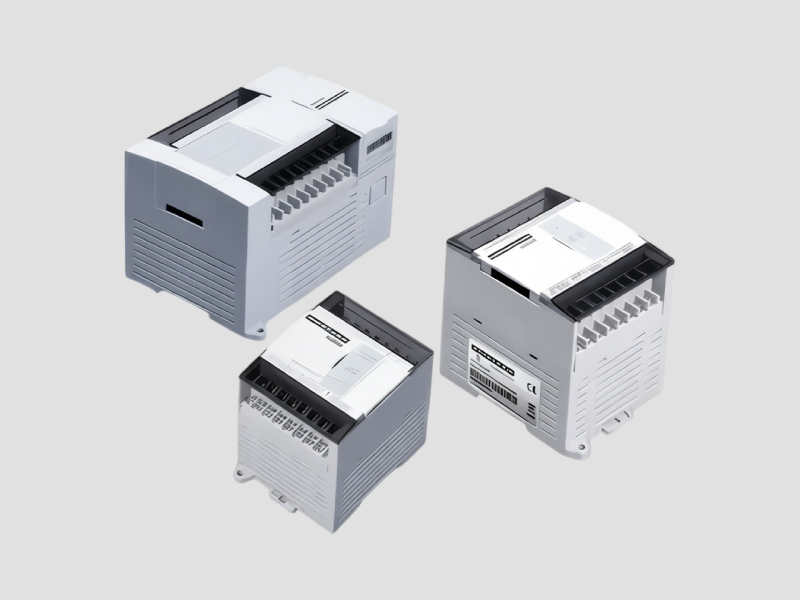
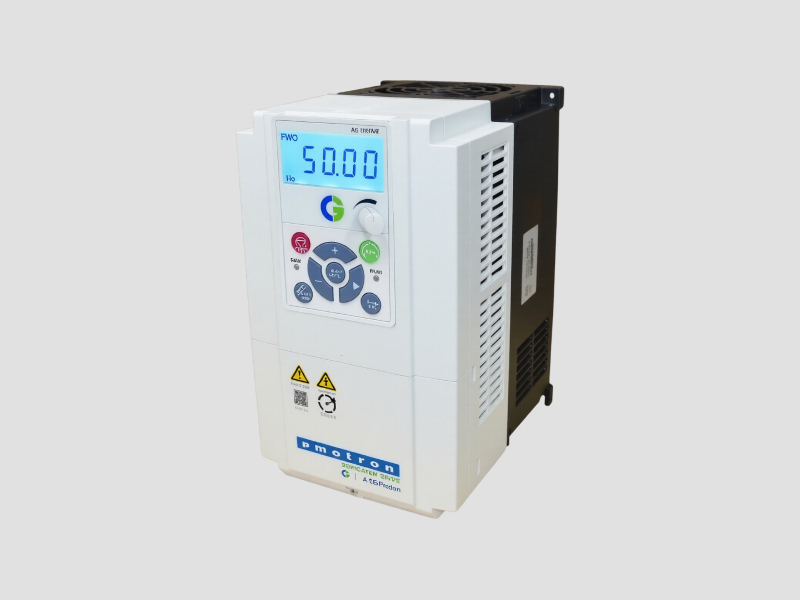
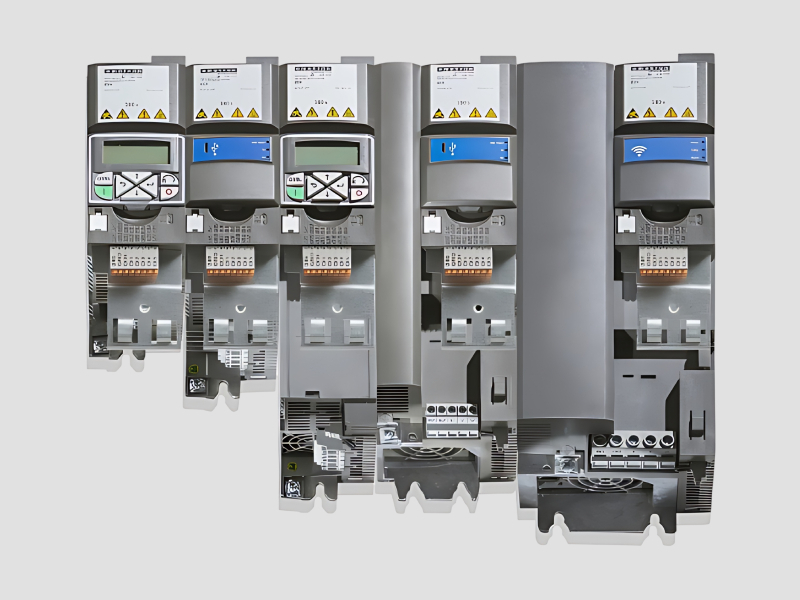
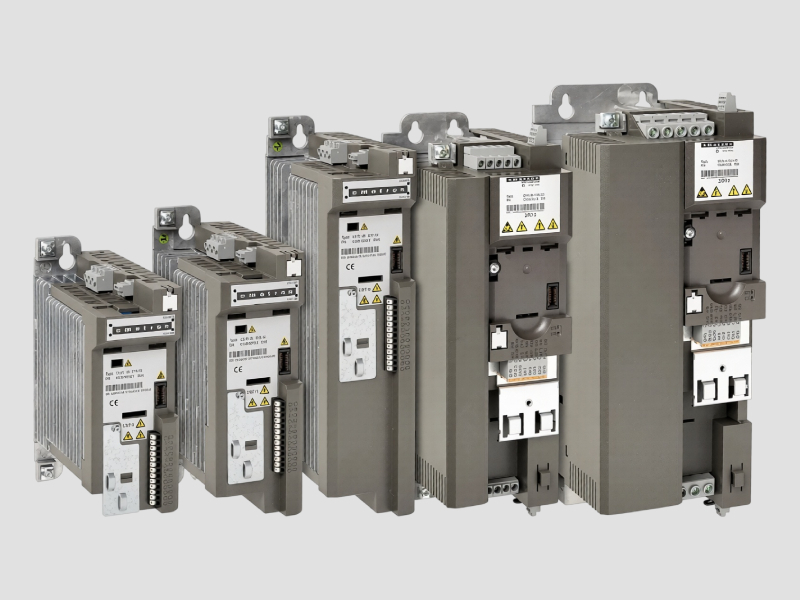
What are Variable Frequency Drives (VFDs)?
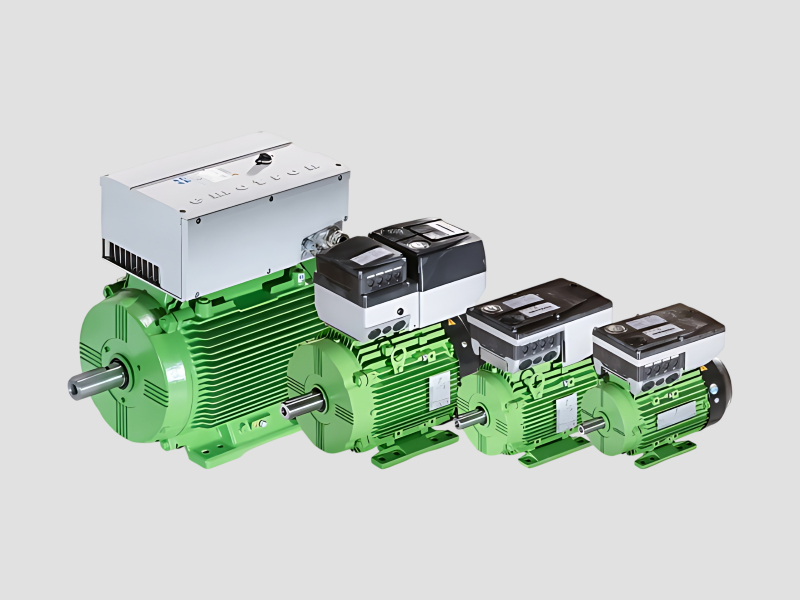
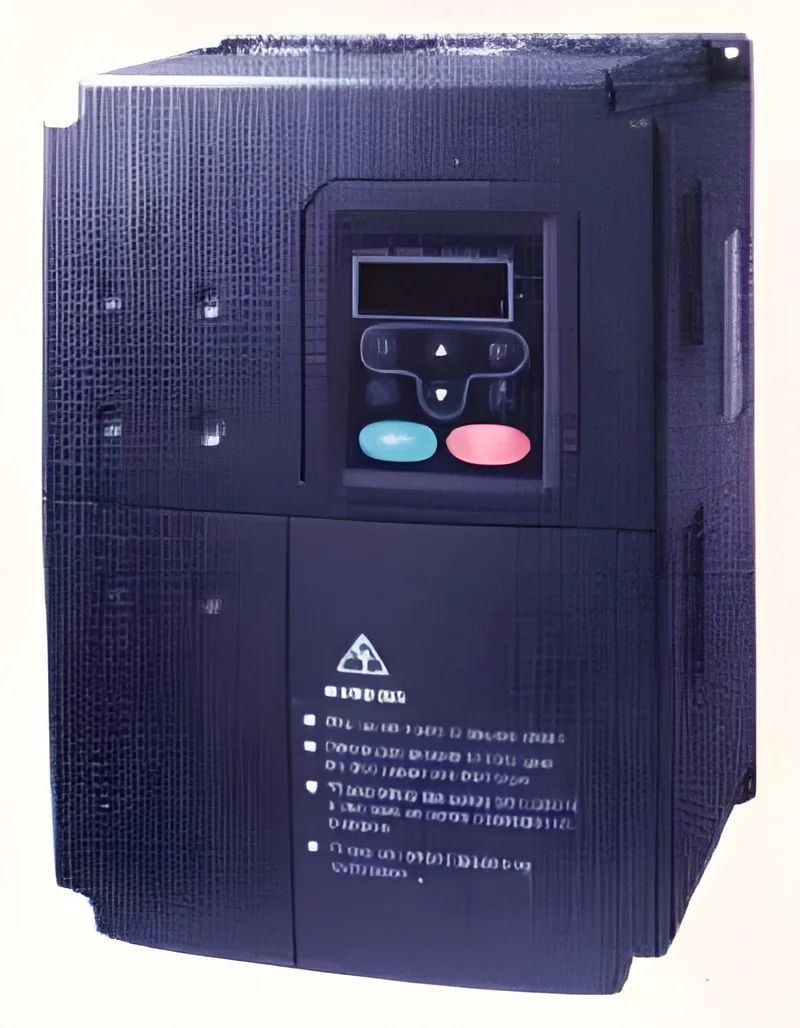
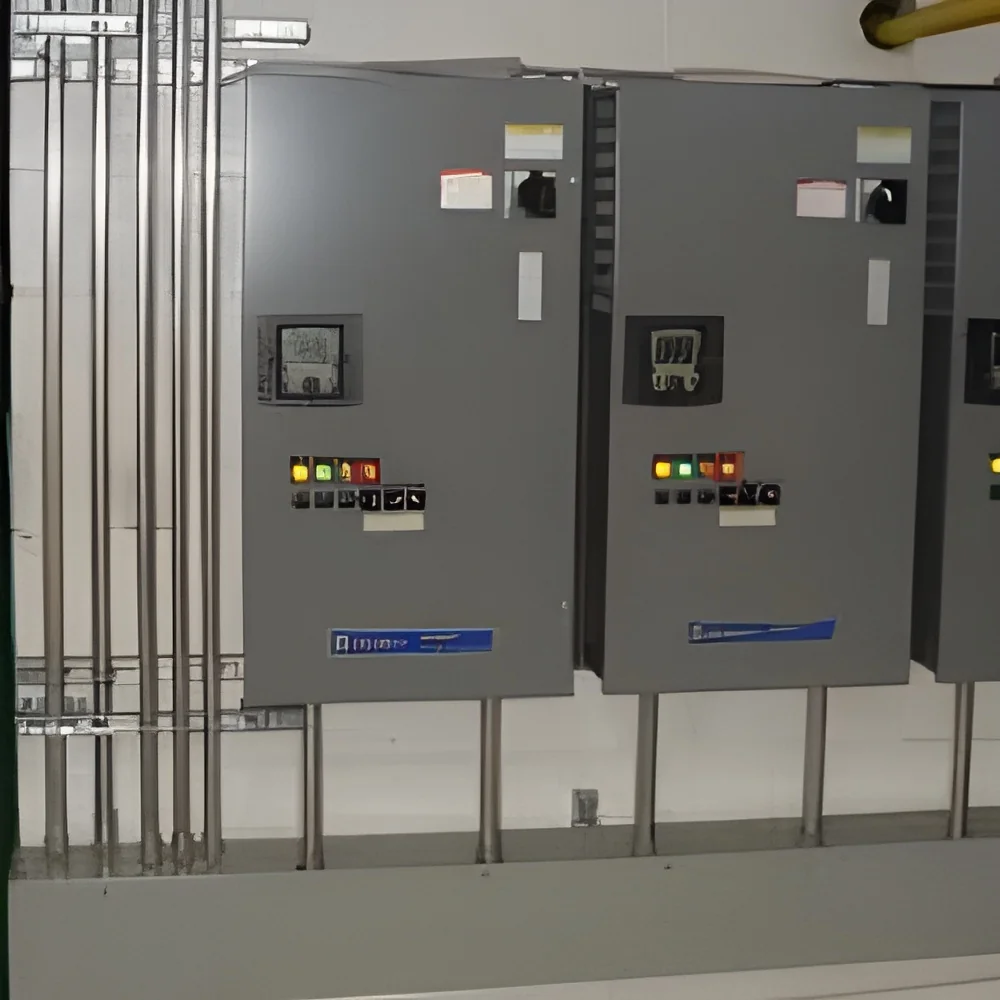
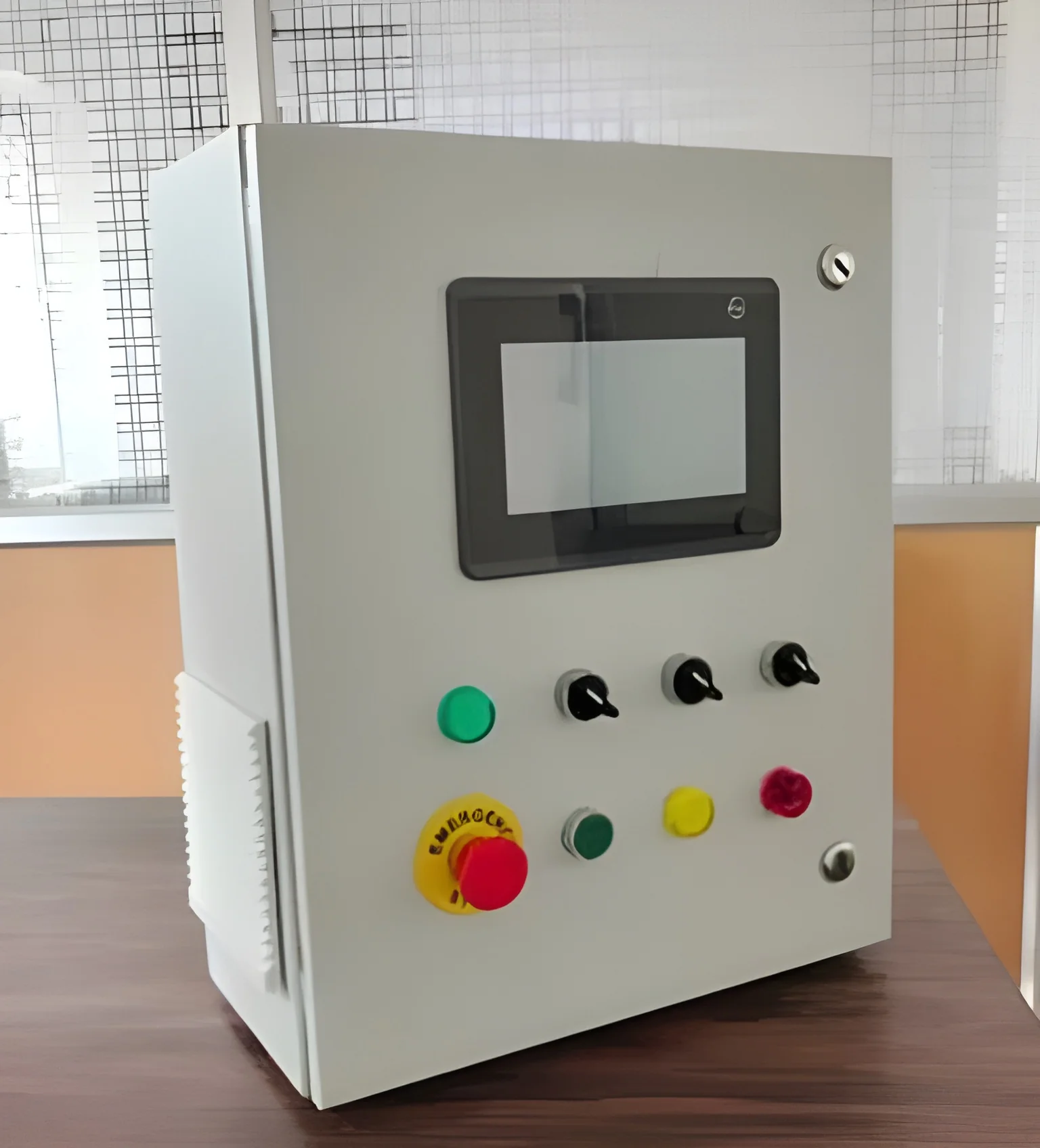
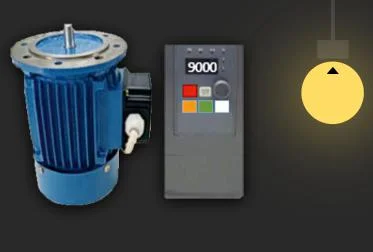
Variable Frequency Drives (VFDs) are electronic devices that control the speed and torque of electric motors by varying the frequency and voltage supplied to them. They enable precise management of motor performance, allowing for energy savings and enhanced operational efficiency. VFDs convert the fixed frequency of the power supply into a variable frequency that can be adjusted as needed. This capability is crucial for applications requiring different speeds or loads.
VFDs are commonly used across various industries, including manufacturing, HVAC, water treatment, and more. Businesses utilize these drives to optimize processes, reduce energy consumption, and improve the overall performance of their equipment. The growing focus on energy efficiency and cost reduction in industrial operations has made VFDs increasingly relevant in today's market, contributing to a significant rise in their adoption.
𝗞𝗲𝘆 𝗙𝗲𝗮𝘁𝘂𝗿𝗲𝘀 𝗮𝗻𝗱 𝗦𝗽𝗲𝗰𝗶𝗳𝗶𝗰𝗮𝘁𝗶𝗼𝗻𝘀
Variable Frequency Drives come equipped with several key features that enhance their functionality and performance. These features cater to the diverse needs of industries that require motor control solutions.
Key specifications include:
1. Control Method
- This refers to how the VFD regulates motor speed and torque.
- Common methods include scalar control and vector control.
2. Input Voltage Range
- Specifies the range of input voltages the VFD can accept.
- Typically ranges from 200V to 690V depending on the model.
3. Output Frequency Range
- Indicates the frequency output range of the drive.
- Common ranges are from 0 to 400 Hz.
4. Motor Power Rating
- Defines the maximum power that the VFD can handle.
- Usually ranges from fractional horsepower to several hundred horsepower.
5. Protection Features
- Includes over-voltage, under-voltage, and short-circuit protection.
- Ensures the longevity and reliability of the VFD.
6. Communication Protocols
- Describes the types of communication interfaces available.
- Typical protocols include Modbus, Profibus, and Ethernet.
7. User Interface
- Refers to the control panel and display features.
- Often includes digital displays and programmable settings.
8. Efficiency Ratings
- Measures the energy efficiency of the VFD.
- High-efficiency drives can significantly reduce operational costs.
In summary, VFDs offer a wide range of specifications designed to meet varying industrial needs. Understanding these features is essential for selecting the right drive for specific applications.
𝗖𝗼𝗺𝗺𝗼𝗻 𝗔𝗽𝗽𝗹𝗶𝗰𝗮𝘁𝗶𝗼𝗻𝘀 𝗮𝗻𝗱 𝗨𝘀𝗲 𝗖𝗮𝘀𝗲𝘀
Variable Frequency Drives are utilized in numerous industries, showcasing their versatility and effectiveness in various applications.
1. Manufacturing: VFDs are integral in controlling conveyor belts and automated machinery, allowing for variable speed adjustments that enhance productivity.
2. HVAC: In heating, ventilation, and air conditioning systems, VFDs optimize fan and pump speeds, leading to substantial energy savings and improved comfort.
3. Water Treatment: VFDs help manage the flow and pressure of water in treatment plants, ensuring consistent operation while minimizing energy costs.
4. Food and Beverage: They are used in processes like mixing, pumping, and packaging, where precise control over motor speed is critical.
5. Mining: VFDs control pumps and conveyors in mining operations, contributing to efficient resource extraction and processing.
6. Textile: In the textile industry, VFDs regulate the speed of weaving and knitting machines, enhancing fabric quality and production rates.
7. Oil and Gas: They are employed in drilling and extraction processes, where variable speed control is essential for equipment performance.
𝗣𝗿𝗼𝗱𝘂𝗰𝘁 𝗩𝗮𝗿𝗶𝗮𝗻𝘁𝘀 𝗮𝗻𝗱 𝗦𝘂𝗯𝗰𝗮𝘁𝗲𝗴𝗼𝗿𝗶𝗲𝘀
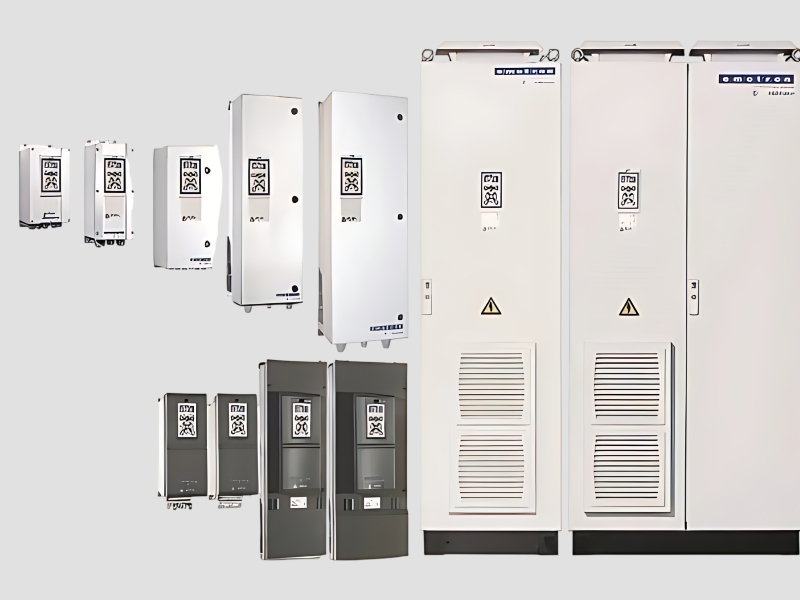
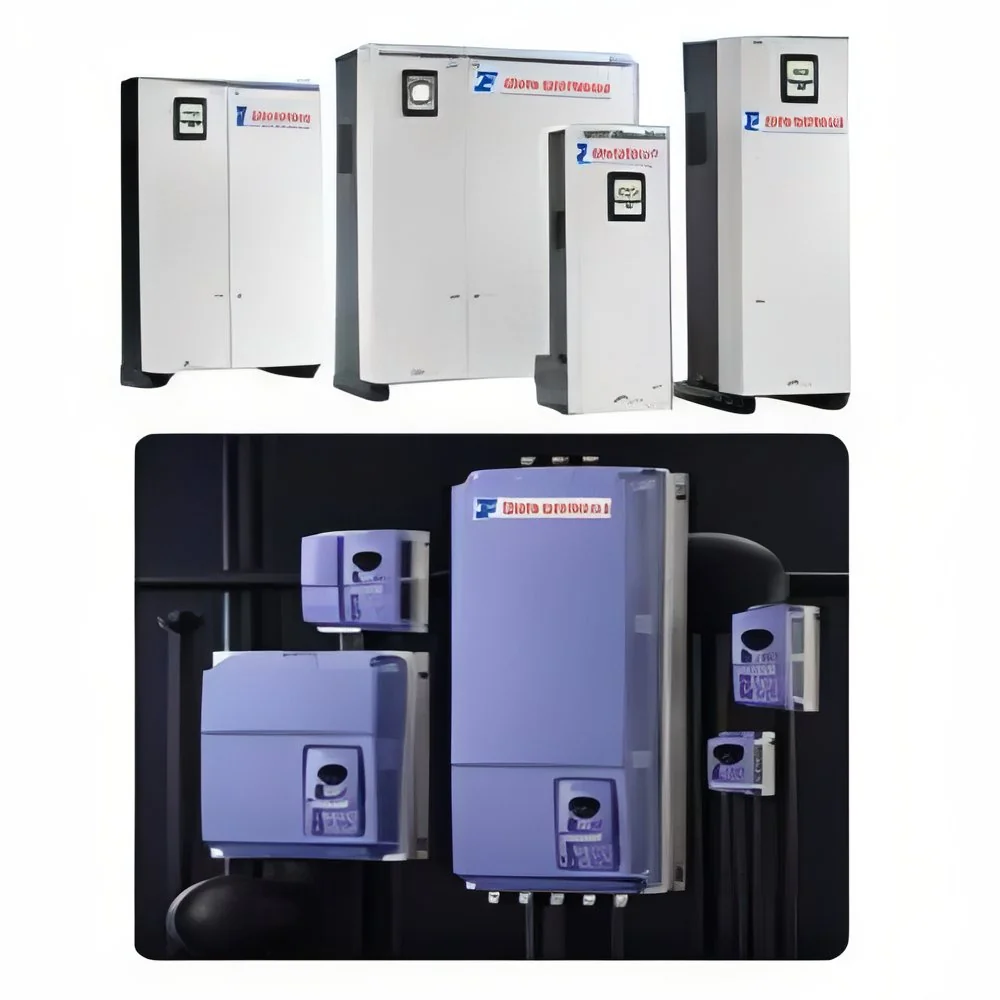
Variable Frequency Drives come in diverse variants to address specific operational needs across industries.
Standard VFDs
These are the most common types used in various applications, equipped with basic functionalities for speed and torque control.
High-Performance VFDs
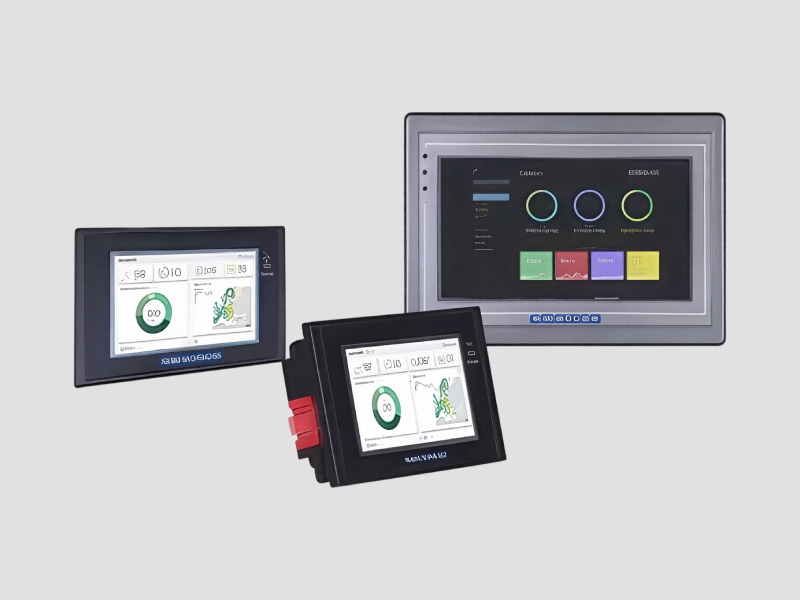
These variants offer advanced features such as enhanced control algorithms and communication options, suitable for demanding applications like robotics and precision machinery.
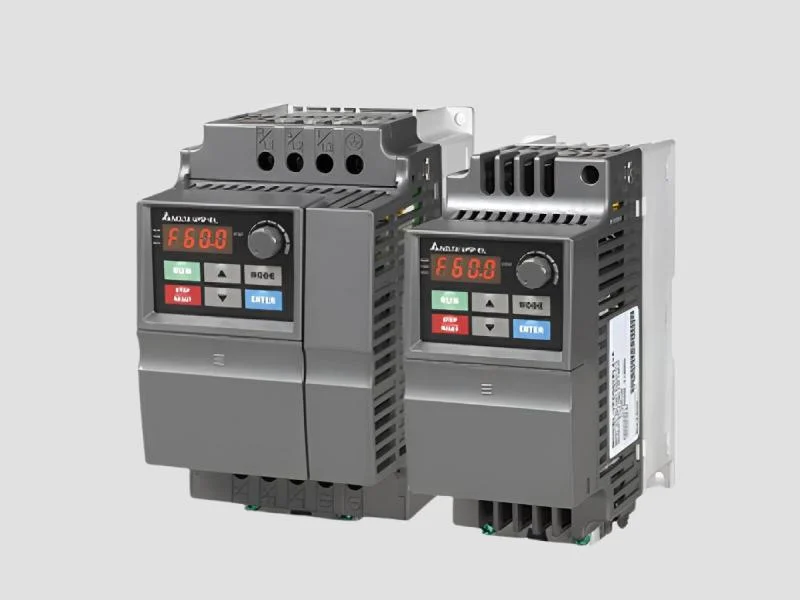
Compact VFDs
Designed for limited space, compact VFDs provide essential motor control in tight environments without sacrificing performance.
Multi-Drive Systems
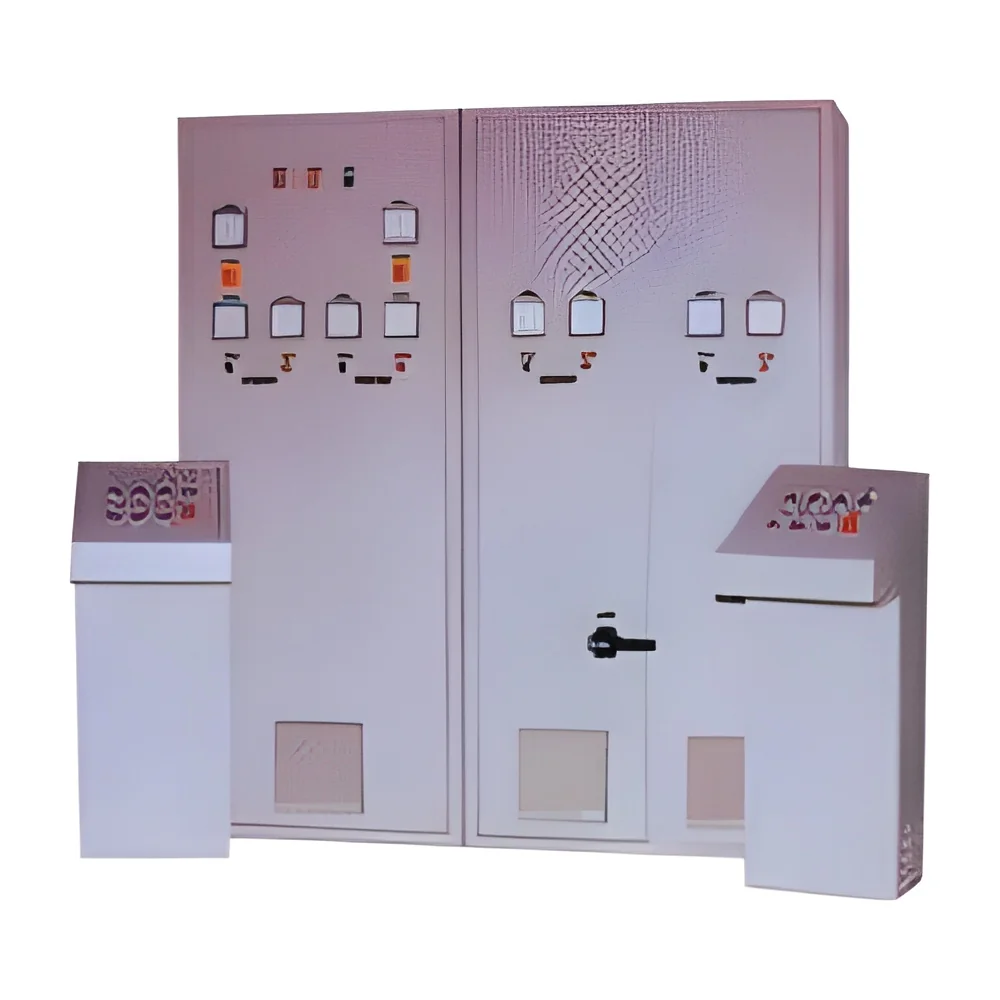
These systems allow multiple motors to be controlled by a single VFD, optimizing floor space and reducing costs in large installations.
𝗕𝗲𝗻𝗲𝗳𝗶𝘁𝘀 𝗮𝗻𝗱 𝗔𝗱𝘃𝗮𝗻𝘁𝗮𝗴𝗲𝘀
The implementation of Variable Frequency Drives offers numerous benefits to businesses aiming to improve their operations.
Key benefits include:
1. Energy Savings: By adjusting motor speed according to demand, VFDs significantly reduce energy consumption, leading to lower utility bills.
2. Improved Process Control: VFDs allow for precise control of motor speed and torque, enhancing overall process efficiency and product quality.
3. Extended Equipment Life: By minimizing mechanical stress on motors and connected equipment, VFDs contribute to longer operational lifespans.
4. Reduced Maintenance Costs: With smoother operation and fewer mechanical failures, VFDs lower maintenance needs and associated costs.
5. Enhanced Flexibility: VFDs can be easily programmed to meet changing operational requirements, providing adaptability in various applications.
6. Lower Noise Levels: By controlling motor speeds more effectively, VFDs can reduce noise levels in industrial settings, improving the working environment.
𝗕𝘂𝘆𝗶𝗻𝗴 𝗚𝘂𝗶𝗱𝗲 𝗳𝗼𝗿 𝗕𝟮𝗕 𝗕𝘂𝘆𝗲𝗿𝘀
When sourcing Variable Frequency Drives (VFDs), several critical factors need to be considered to ensure a suitable purchase.
1. Quality Assessment: Evaluate the quality of VFDs based on industry standards and customer reviews. Quality assurance certifications can provide insights into the product's reliability.
2. Supplier Verification: Vet suppliers by checking their reputation, customer feedback, and history in the industry. A reliable supplier is crucial for ongoing support and service.
3. Pricing and MOQ: Understand the pricing structure and minimum order quantities (MOQ) required by suppliers. This helps in budgeting and forecasting expenses.
4. Delivery and Lead Times: Clarify delivery options and lead times to avoid disruptions in operations. Ensure that suppliers can meet your required timelines.
5. Compliance Requirements: Ensure that the VFDs meet relevant regulatory and safety standards for your industry. Compliance with local and international regulations is essential.
𝗖𝗼𝗺𝗽𝗹𝗶𝗮𝗻𝗰𝗲 𝗮𝗻𝗱 𝗖𝗲𝗿𝘁𝗶𝗳𝗶𝗰𝗮𝘁𝗶𝗼𝗻𝘀
Compliance with industry standards and certifications is paramount for Variable Frequency Drives to ensure safety and reliability.
ISO 9001 is a widely recognized quality management standard that ensures products meet customer requirements and regulatory demands. Manufacturers of VFDs often adhere to this standard to maintain high quality.
The CE marking indicates compliance with European safety, health, and environmental protection standards. This certification is crucial for VFDs sold in European markets, assuring buyers of their adherence to safety regulations.
Safety and testing requirements for VFDs encompass rigorous evaluations to ensure they operate safely under various conditions. This includes electrical safety testing to minimize risks of failure or hazards during operation.
Regional compliance considerations may vary, so it is essential for buyers to verify that VFDs conform to the specific regulations applicable in their geographical area. This ensures that the product is suitable for use in local industries.
Why Source Variable Frequency Drives (VFDs) from Pepagora?
Pepagora provides a trusted platform for sourcing Variable Frequency Drives (VFDs) with several key advantages that cater to B2B buyers.
Verified Supplier Network: Pepagora connects buyers with a network of verified suppliers, ensuring that all listed products meet industry standards for quality and reliability. This reduces the risk associated with sourcing.
Streamlined RFQ Process: The platform features a simplified Request for Quotation (RFQ) process, allowing buyers to quickly obtain quotes from multiple suppliers. This efficiency saves time and enhances decision-making.
Trade Assurance and Support: Pepagora offers trade assurance, providing safeguards for buyers throughout the purchasing process. This includes support in case of disputes or issues with suppliers.
Regional Coverage: With a focus on regions such as India, GCC, and Southeast Asia, Pepagora ensures that buyers have access to a wide range of VFD options, catering to diverse industrial needs across these markets.

 IN
IN