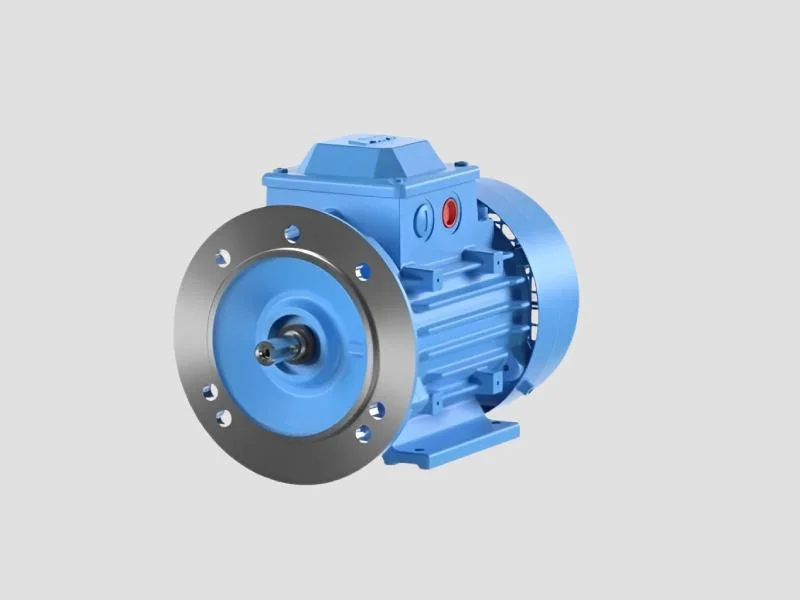
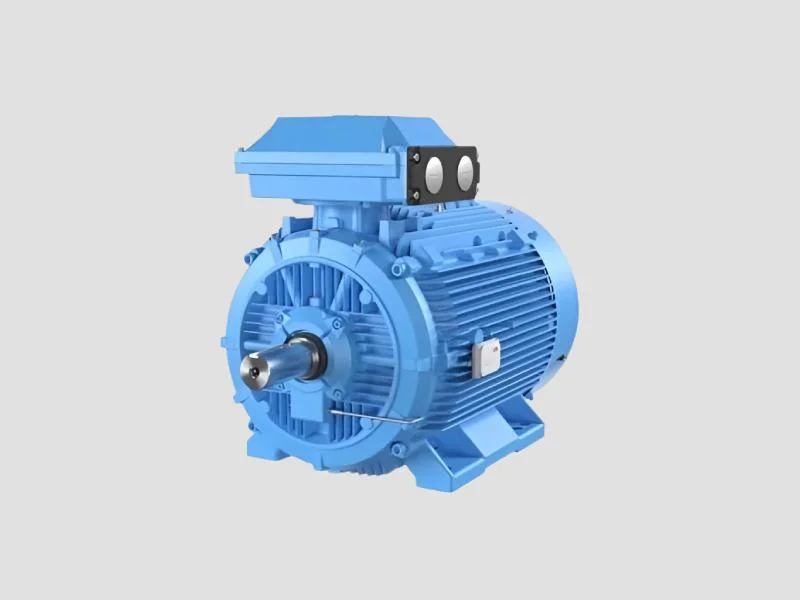
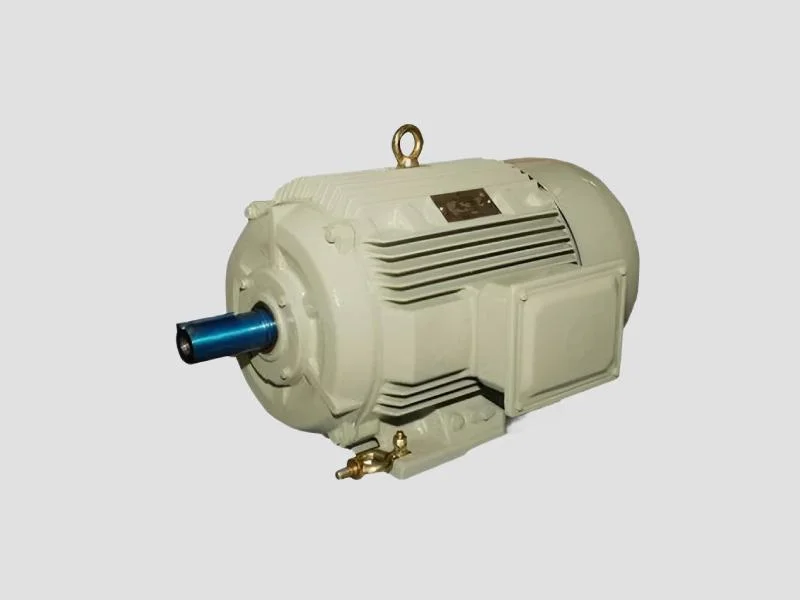
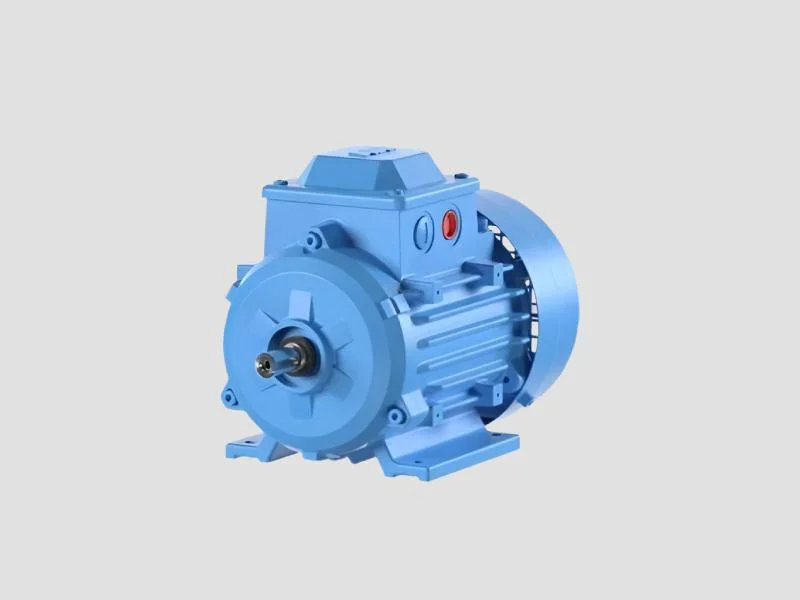
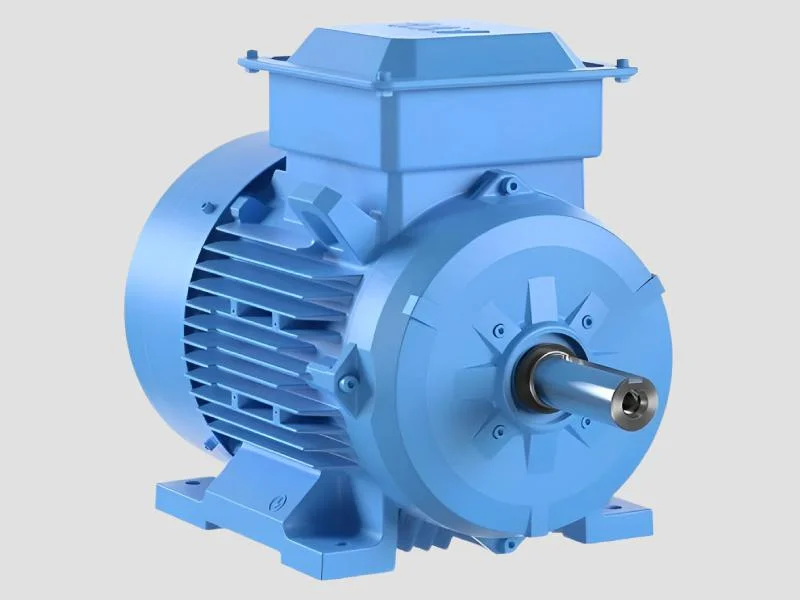
What are Energy Efficient Motors?
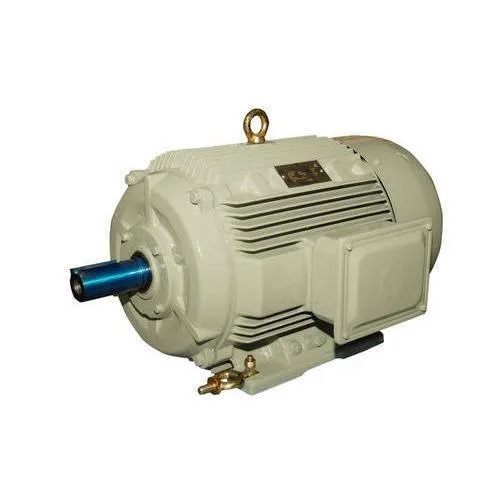
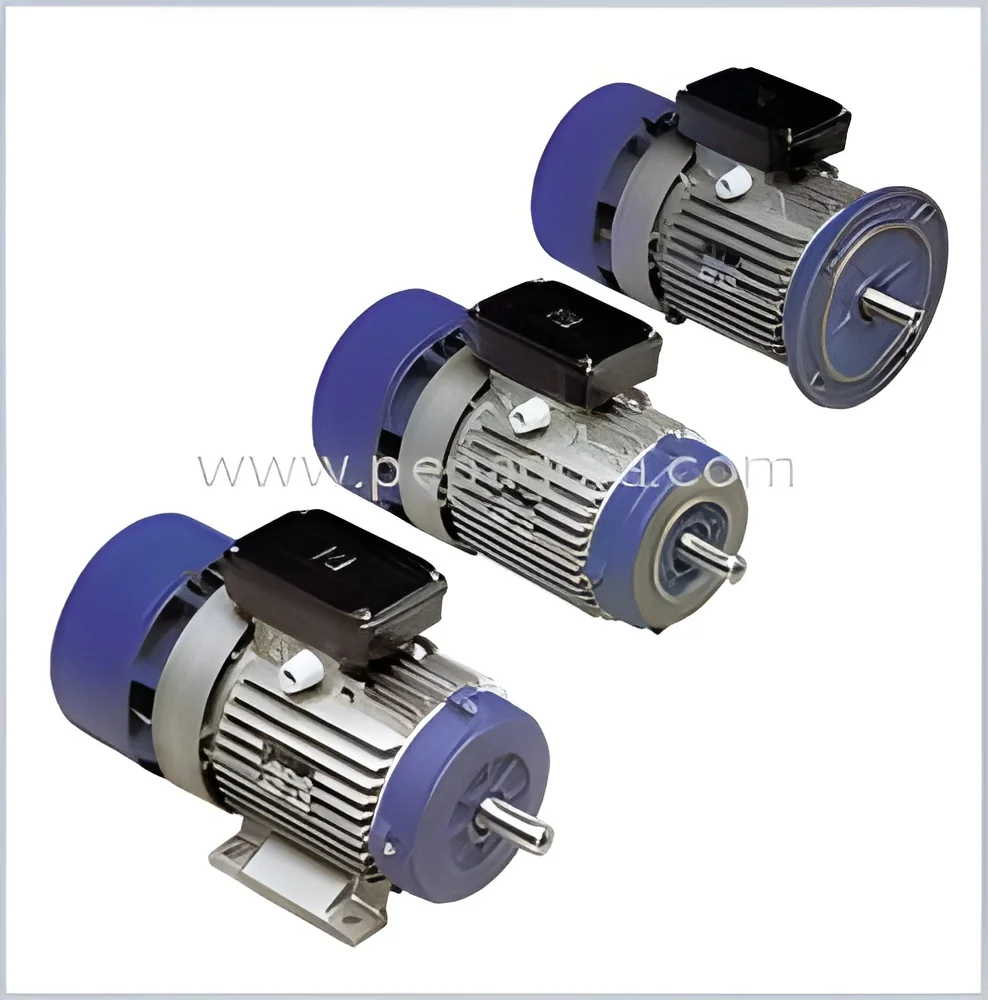
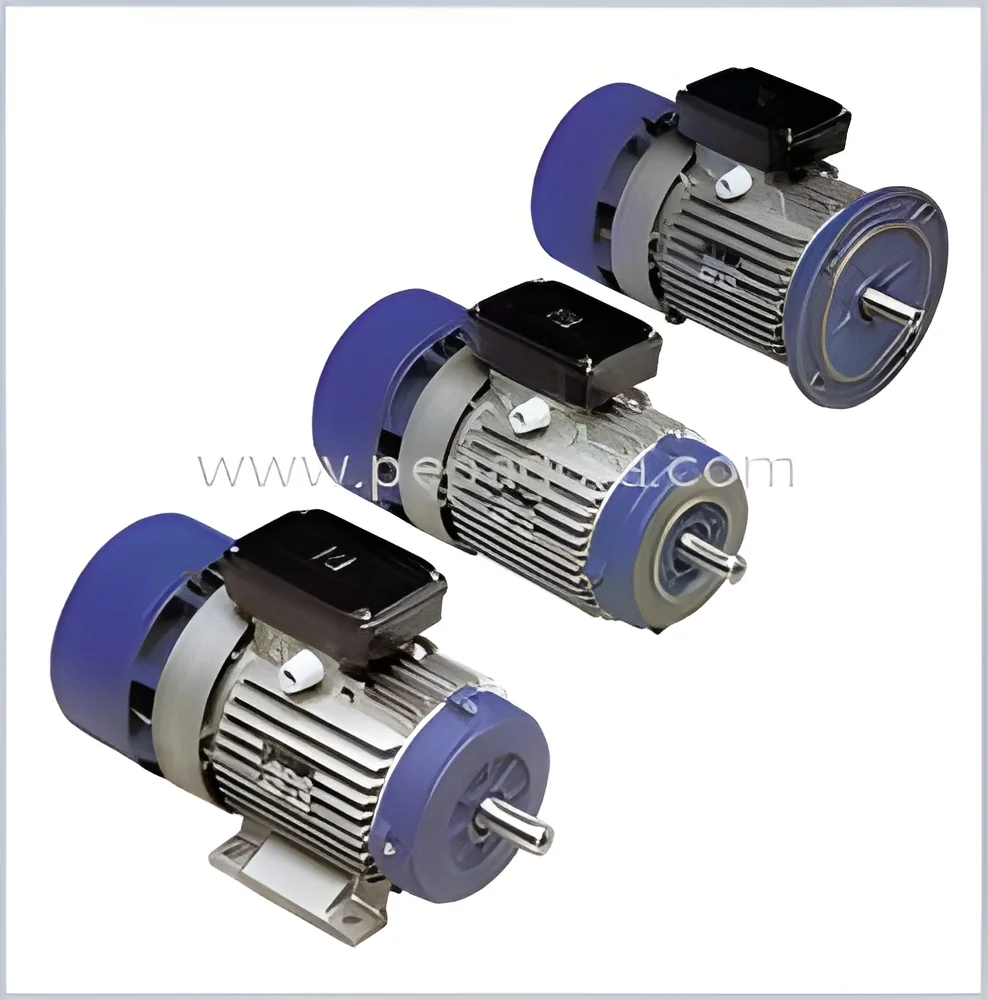
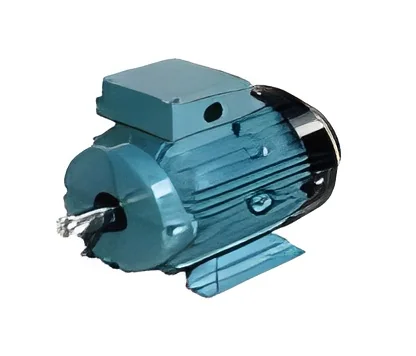
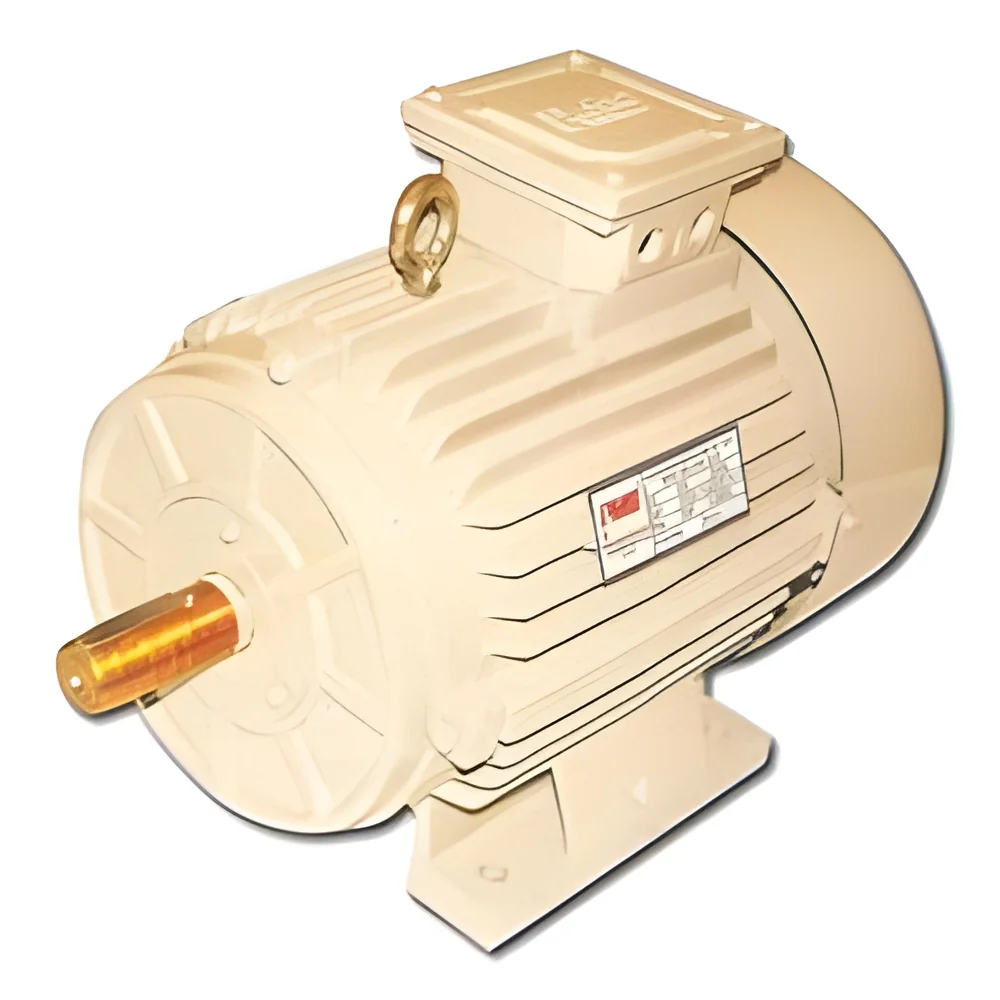
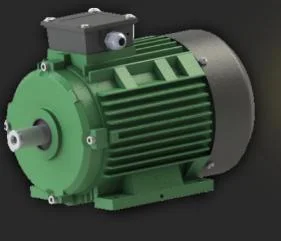
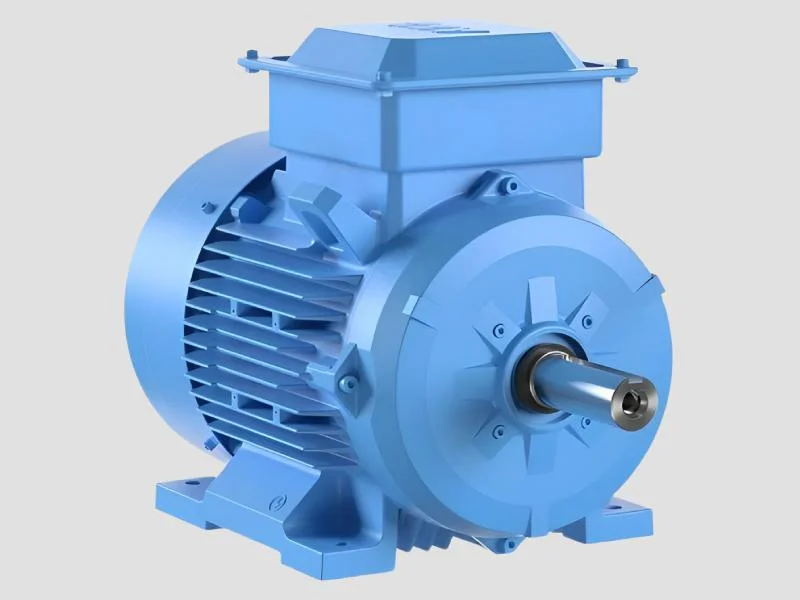
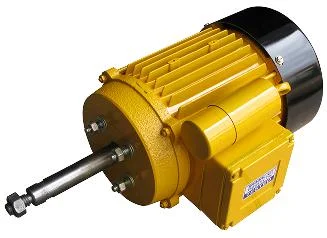
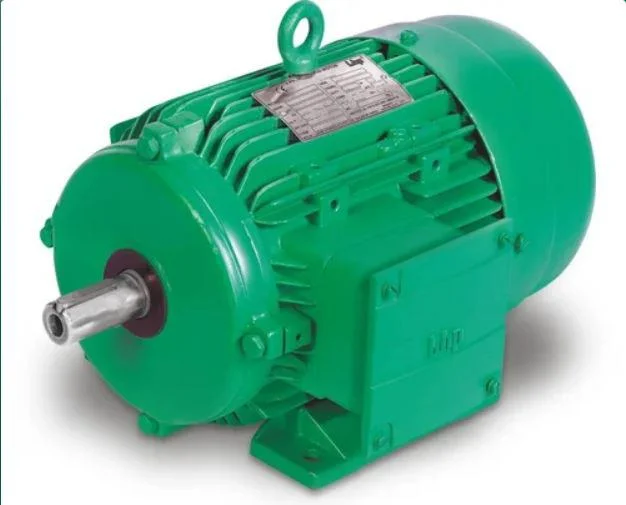
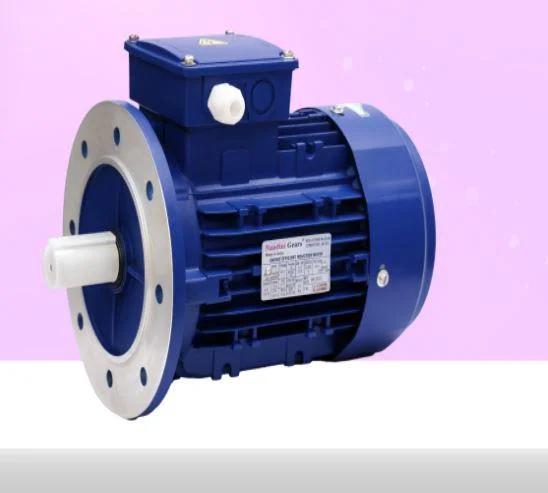
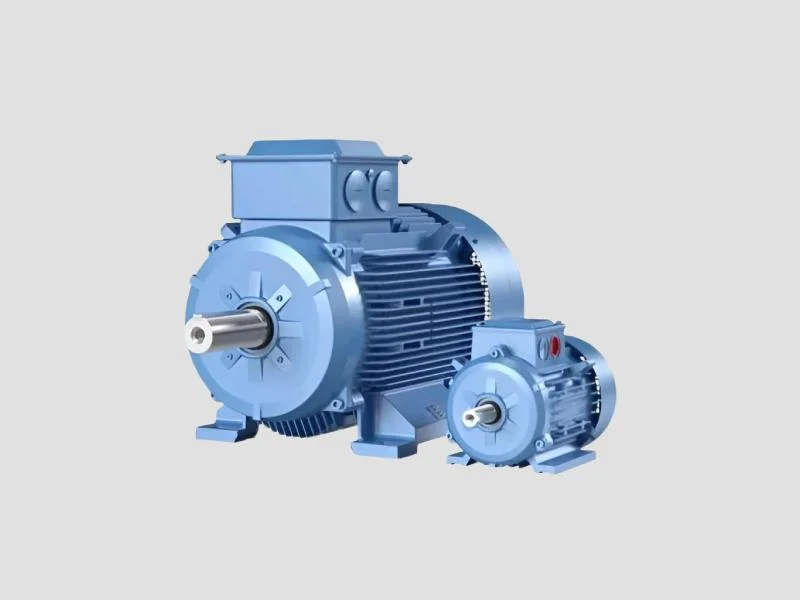
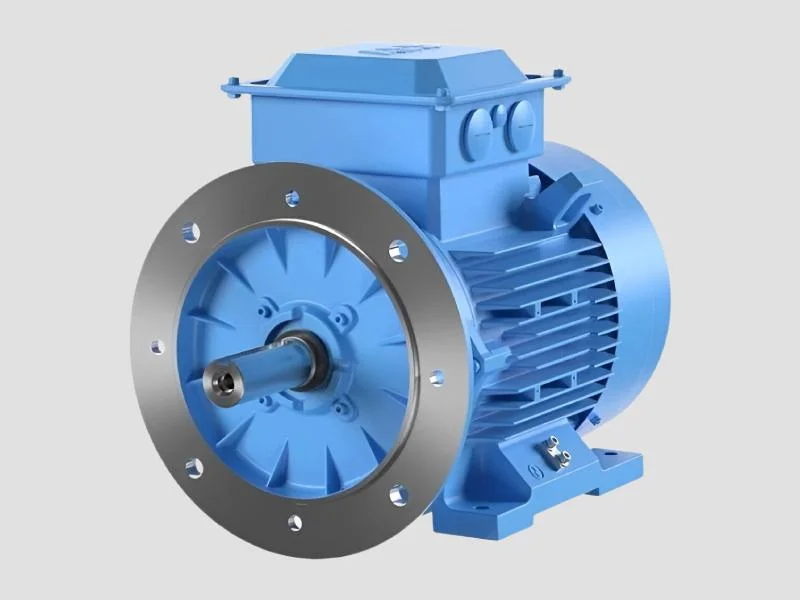
Energy efficient motors are specialized electric motors designed to minimize energy consumption while maintaining optimal performance. These motors employ advanced technology and innovative designs to reduce energy losses, thus providing significant savings on electricity costs. By utilizing high-quality materials and efficient construction methods, energy efficient motors contribute to a more sustainable approach in industrial applications.
These motors find extensive use across various sectors, including manufacturing, HVAC, and water treatment. They are particularly relevant in applications where continuous operation is required, as they can operate effectively while consuming less power. Businesses adopting energy efficient motors not only benefit from reduced operational costs but also enhance their sustainability initiatives, aligning with global efforts to reduce carbon footprints. The growing demand for energy efficient solutions in the market reflects the increasing awareness of energy conservation and environmental responsibilities among industries.
Key Features and Specifications
Energy efficient motors come equipped with a range of features that enhance their performance and reliability. These features help businesses achieve their energy-saving goals while ensuring high efficiency.
Key specifications include:
1. Efficiency Ratings
- Energy efficient motors typically have efficiency ratings of 85% to 95%.
- These ratings indicate the percentage of electrical energy converted into mechanical energy.
2. Power Factor
- A higher power factor (above 0.9) signifies better energy usage.
- This reduces energy losses in the system.
3. Voltage Range
- Available in various voltage ratings, commonly between 230V to 460V.
- This flexibility allows for compatibility with different power systems.
4. Speed Options
- Available in single-speed and variable-speed options.
- Variable-speed models offer better control and energy savings in dynamic applications.
5. Operating Temperature
- Standard operating temperature ranges are usually from -20°C to 40°C.
- This ensures reliability under various environmental conditions.
6. Noise Levels
- Designed to operate at lower noise levels, typically below 70 dB.
- This is essential for applications in noise-sensitive environments.
7. Maintenance Requirements
- Generally require less maintenance due to robust construction and materials.
- This results in reduced downtime and lower operational costs.
8. Material Construction
- Often made from high-grade steel and copper for durability.
- This enhances the longevity and performance of the motor.
In summary, energy efficient motors provide a combination of high efficiency, versatility, and reduced operational costs, making them an excellent choice for a wide range of industrial applications.
Common Applications and Use Cases
Energy efficient motors are utilized across multiple industries, showcasing their versatility and importance in various applications.
1. Manufacturing: In manufacturing, these motors drive conveyors, pumps, and compressors, contributing to significant energy savings and improved operational efficiency.
2. HVAC: In heating, ventilation, and air conditioning systems, energy efficient motors control fans and blowers, enhancing energy conservation while maintaining optimal indoor climate conditions.
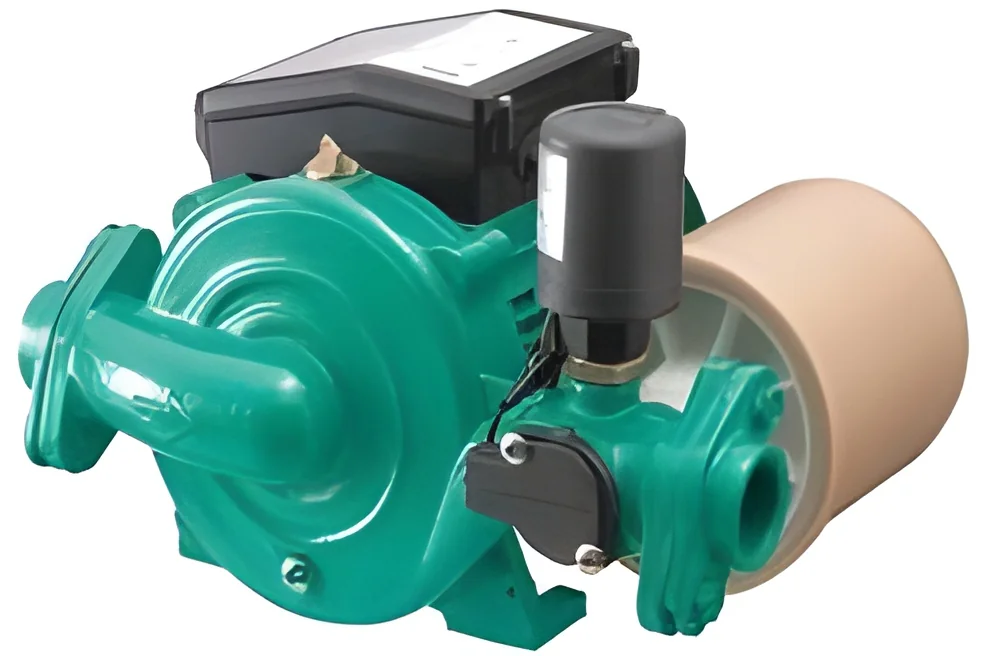
3. Water Treatment: In water treatment facilities, these motors power pumps and mixers, ensuring efficient water flow and treatment processes while minimizing energy consumption.
4. Agriculture: In agricultural applications, energy efficient motors are used in irrigation systems and grain handling, supporting sustainable practices and reducing operating costs.
5. Mining: For mining operations, these motors are essential in powering equipment such as conveyors and crushers, improving energy efficiency in demanding environments.
6. Food Processing: In food processing plants, they are used in mixers, blenders, and grinders, ensuring energy efficiency while meeting strict hygiene standards.
7. Textile Industry: In the textile sector, energy efficient motors drive looms and sewing machines, enhancing productivity and reducing energy costs.
Product Variants and Subcategories
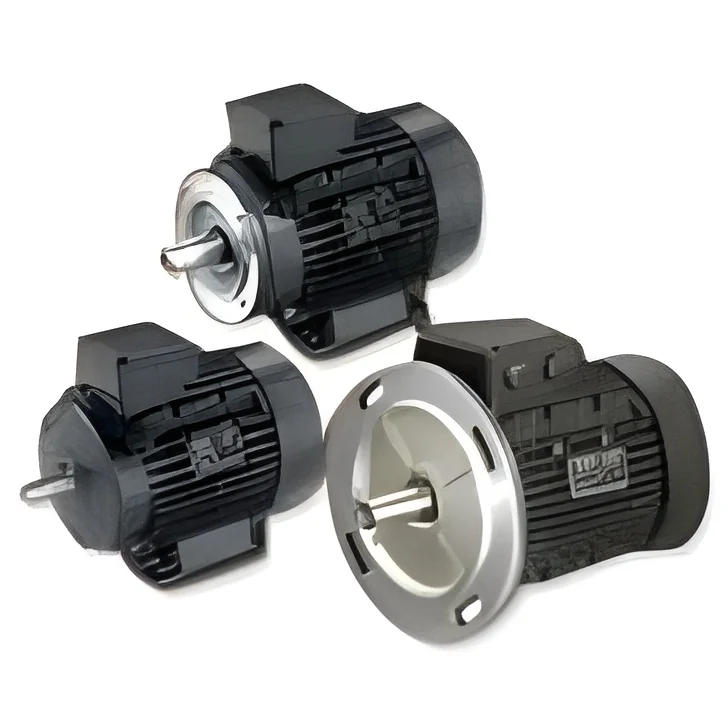
Energy efficient motors come in various forms, catering to specific application needs and industry requirements. Their diverse designs allow businesses to choose the right motor for their operations.
Variable Speed Motors
These motors offer adjustable speed settings, making them ideal for applications requiring precise control. They help optimize energy use by running only at necessary speeds.
Single Phase Motors
Designed for smaller applications, single-phase motors are often used in residential and light commercial settings. They provide reliable performance at lower power levels.
Three Phase Motors
Ideal for larger industrial applications, three-phase motors deliver higher efficiency and power output. They are commonly found in heavy machinery and large-scale operations.
Benefits and Advantages
Energy efficient motors provide numerous benefits that positively impact both operational efficiency and cost savings.
Key benefits include:
1. Cost Savings: The primary advantage is significant reduction in energy costs, translating into lower utility bills for businesses.
2. Environmental Impact: By using less energy, these motors help reduce greenhouse gas emissions, contributing to corporate sustainability goals.
3. Increased Reliability: Energy efficient motors are built to last, often requiring less maintenance and reducing downtime.
4. Enhanced Performance: These motors provide consistent performance, ensuring that machinery operates smoothly and efficiently.
5. Regulatory Compliance: Utilizing energy efficient motors can help businesses meet stringent energy regulations and standards.
6. Improved Work Environment: Lower noise levels contribute to a better work environment, enhancing employee comfort and productivity.
Buying Guide for B2B Buyers
When sourcing energy efficient motors, several critical factors should be considered to ensure optimal purchasing decisions.
1. Quality Assessment: Evaluate the quality of the motors based on manufacturer reputation, performance ratings, and user reviews. High-quality motors yield better durability and efficiency.
2. Supplier Verification: Conduct thorough checks on suppliers to confirm their credibility and reliability. Look for certifications and customer references to ensure trustworthy partnerships.
3. Pricing and MOQ: Understand the pricing structure and minimum order quantities. Compare quotes from multiple suppliers to ensure competitive pricing without compromising quality.
4. Delivery and Lead Times: Assess the supplier's delivery capabilities and lead times. Timely delivery is crucial for maintaining production schedules, especially in large projects.
5. Compliance Requirements: Ensure that the motors meet relevant regulatory and safety standards, such as CE certification. This is critical for both operational safety and legal compliance.
Compliance and Certifications
Energy efficient motors must adhere to various industry standards and certifications to ensure quality and safety.
ISO 9001 is a widely recognized quality management standard that ensures manufacturers maintain consistent quality in their production processes. Compliance with this standard can enhance customer satisfaction and trust.
CE certification indicates that the product meets European safety, health, and environmental protection standards. This certification is essential for companies looking to export products to European markets.
Safety and testing requirements vary by region but typically include performance testing under specified conditions to ensure reliability and efficiency. Manufacturers should conduct these tests to validate their products.
Additionally, regional compliance considerations may include adherence to local energy efficiency regulations and environmental guidelines. Understanding these requirements is crucial for businesses operating in multiple jurisdictions.
Why Source Energy Efficient Motors from Pepagora?
Pepagora offers a reliable platform for sourcing energy efficient motors, equipped with several key advantages that facilitate seamless procurement.
Verified Supplier Network: Pepagora connects buyers with a network of verified suppliers, ensuring that businesses source high-quality motors from trusted manufacturers. This reduces the risk associated with procurement.
Streamlined RFQ Process: The request for quotation (RFQ) process on Pepagora is designed to be efficient and user-friendly. Buyers can quickly receive quotes from multiple suppliers, comparing options to find the best fit for their needs.
Trade Assurance and Support: Pepagora provides trade assurance and support to buyers, ensuring protection against potential issues during transactions. This fosters a secure purchasing environment.
Regional Coverage: With a strong presence in India, the GCC, and Southeast Asia, Pepagora offers extensive regional coverage. This allows businesses to access energy efficient motors tailored to their specific market needs while benefiting from local supplier knowledge and support.

 IN
IN