
 IN
Pump Motors
3 products available
What are Pump Motors?
Pump motors are essential components that drive the operation of various types of pumps. These motors convert electrical energy into mechanical energy, enabling pumps to move fluids in a variety of applications. They can be found in a range of sizes and configurations, designed to meet specific operational needs in different settings. The efficiency and reliability of pump motors are critical for ensuring optimal performance in fluid transfer systems.
These motors are widely utilized across various industries, including water treatment, agriculture, chemical processing, and manufacturing. They are integral to systems that require the movement of liquids, such as irrigation systems, industrial machinery, and HVAC applications. As industries continue to evolve, the demand for high-quality, efficient pump motors is increasing, driven by the need for sustainable operations and reduced energy consumption.
Key Features and Specifications
Pump motors come with a range of features and specifications that cater to diverse applications. Understanding these specifications can help businesses identify the right motor for their needs.
Key specifications include:
1. Motor Type
- AC or DC options are available.
- AC motors are commonly used for continuous operation, while DC motors offer variable speed capabilities.
2. Power Rating
- Typically ranges from fractional horsepower to several hundred horsepower.
- Critical for matching motor performance to the pump requirements.
3. Voltage
- Available in various voltages, often 230V or 460V, depending on the application.
- Voltage selection impacts motor compatibility with existing systems.
4. Efficiency Rating
- Motors are classified into efficiency classes, often ranging from IE1 to IE5.
- Higher efficiency ratings lead to reduced operational costs.
5. Protection Class
- Different IP ratings provide information on dust and water resistance.
- Important for applications in harsh environments.
6. Speed
- Commonly available in fixed or variable speed options.
- Variable speed motors allow for greater control over fluid flow.
7. Thermal Protection
- Many motors include built-in thermal overload protection.
- This feature prevents overheating and prolongs motor life.
8. Mounting Options
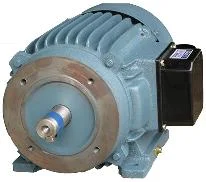
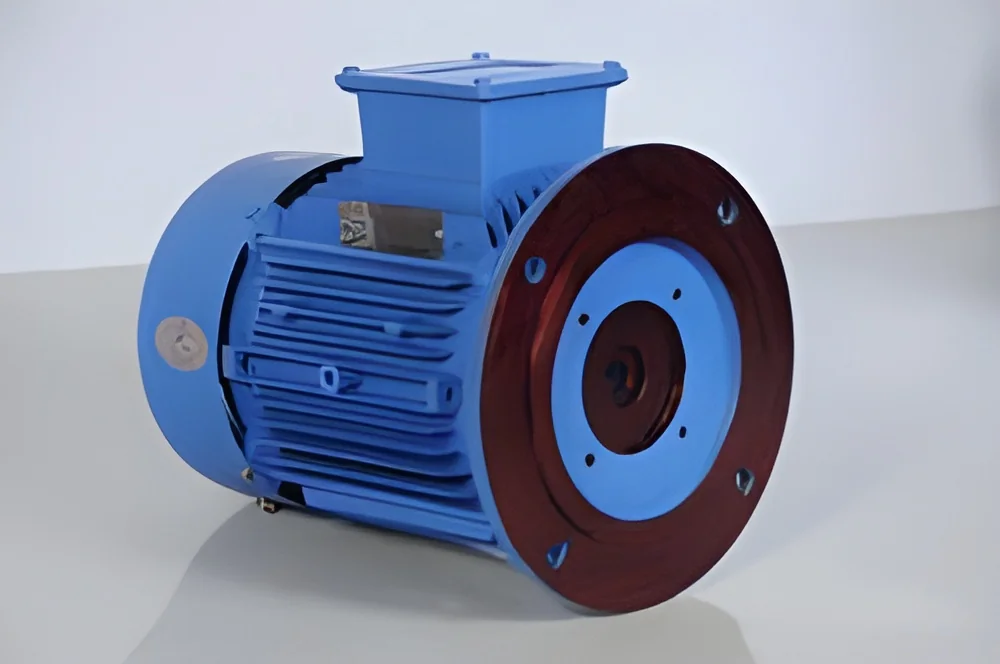
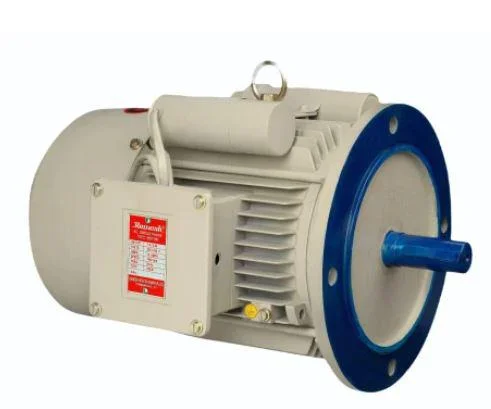
- Various mounting configurations are available, such as foot-mounted or flange-mounted.
- Choice of mounting impacts installation flexibility.
In summary, selecting the right pump motor involves understanding these specifications to ensure optimal compatibility and performance.
Common Applications and Use Cases
Pump motors are versatile and serve various industries effectively.
1. Water Treatment: These motors are used in filtration systems and pumping stations to ensure clean water supply and wastewater management.
2. Agriculture: In irrigation systems, pump motors help in transporting water to crops, enhancing agricultural productivity.
3. Chemical Processing: Pump motors facilitate the movement of chemicals in manufacturing processes, ensuring safety and efficiency.
4. Oil and Gas: They are essential in transferring oil and gas products through pipelines, contributing to energy distribution.
5. HVAC Systems: Pump motors are vital in heating, ventilation, and air conditioning systems, ensuring proper fluid circulation.
6. Food and Beverage: In this industry, pump motors are used to handle liquids and maintain hygiene standards in processing.
7. Pharmaceuticals: These motors assist in the precise movement of fluids in drug production and testing processes.
Product Variants and Subcategories
Pump motors vary widely to meet distinct operational requirements.
Standard Electric Pump Motors:
These are the most common type, designed for general-purpose applications. They feature robust construction and are available in various power ratings.
Submersible Pump Motors:
Designed for underwater applications, these motors can operate submerged in fluids. They are typically used in wells and boreholes.
Horizontal and Vertical Pump Motors:
These motors are designed for specific pump orientations. Horizontal motors are suitable for many pump types, while vertical motors are ideal for applications requiring vertical installation.
Variable Speed Pump Motors:
These motors offer adjustable speed settings, allowing for greater control over the flow rate. They are particularly useful in systems where fluid demand fluctuates.
Benefits and Advantages
Investing in quality pump motors offers numerous advantages.
1. Energy Efficiency: High-efficiency motors reduce energy consumption, leading to lower operational costs and a smaller carbon footprint.
2. Reliability: Durable construction and advanced features ensure consistent performance, minimizing downtime.
3. Versatility: A wide range of motor sizes and configurations allows for use in various applications, enhancing operational flexibility.
4. Reduced Maintenance: Many modern pump motors are designed for low maintenance, saving time and resources.
5. Enhanced Control: Features like variable speed settings provide greater control over fluid movement, improving process efficiency.
6. Regulatory Compliance: Sourcing compliant motors ensures adherence to industry standards, enhancing safety and reliability.
Buying Guide for B2B Buyers
When sourcing pump motors, several factors should be considered to ensure the right selection.
1. Quality Assessment: Evaluate the quality of the pump motors by checking certifications and performance history. Look for motors that meet international standards to guarantee reliability.
2. Supplier Verification: Vet suppliers for their reputation and track record in the industry. Reliable suppliers often provide customer references and clear product information.
3. Pricing and MOQ: Understand pricing structures and minimum order quantities (MOQ). Comparing quotes from multiple suppliers helps in making informed purchasing decisions.
4. Delivery and Lead Times: Consider logistics and delivery times when placing orders. Ensure that the supplier can meet your project deadlines.
5. Compliance Requirements: Be aware of any regulatory compliance requirements relevant to your industry. This may include safety standards and environmental regulations.
Compliance and Certifications
Compliance and certifications play a vital role in ensuring the quality and safety of pump motors.
Many pump motors adhere to international quality standards such as ISO 9001, which focuses on quality management systems. This certification ensures that manufacturers maintain high-quality production processes.
Additionally, CE certification indicates that the product meets European safety, health, and environmental protection standards. This is particularly relevant for businesses operating in or exporting to Europe.
Safety and testing requirements are also crucial. Motors must undergo rigorous testing to ensure they can operate safely under various conditions.
Regional compliance considerations may vary, so it is important for buyers to be aware of the specific regulations that apply to their location and industry.
Why Source Pump Motors from Pepagora?
Pepagora provides a trusted platform for sourcing pump motors with several key advantages.
Verified Supplier Network: Pepagora connects buyers with a network of verified suppliers. This network ensures that businesses can source high-quality products with confidence.
Streamlined RFQ Process: The platform features a simplified request for quotation (RFQ) process, enabling buyers to receive competitive quotes efficiently. This transparency helps in making informed purchasing decisions.
Trade Assurance and Support: Pepagora offers buyer protection through trade assurance policies. This ensures that businesses are supported throughout their purchasing journey, providing peace of mind.
Regional Coverage: With a broad reach across India, the GCC, and Southeast Asia, Pepagora facilitates sourcing for a diverse range of industries. This regional focus allows businesses to tap into local markets effectively.

Frequently Asked Questions
What are Pump Motors?
Pump motors are electric devices designed to drive pumps, enabling the movement of fluids. They convert electrical energy into mechanical energy, which is then used to operate various types of pumps for applications in industries such as agriculture, manufacturing, and water treatment.
What are the different types of Pump Motors?
There are several types of pump motors, including AC motors, DC motors, and submersible motors. Each type serves specific applications, with AC motors being common for surface pumps and DC motors often used for portable or variable-speed applications.
How do I choose the right Pump Motors?
Selecting the right pump motor involves considering factors such as the specific application, required flow rate, and the type of fluid being pumped. Additionally, you should assess the motor's power rating, efficiency, and compatibility with the pump it will drive.
What are the standard specifications for Pump Motors?
Standard specifications for pump motors typically include power rating (measured in horsepower or kilowatts), voltage, phase, and efficiency class. Other important specifications may include dimensions, weight, and protection ratings, which indicate the motor's resistance to environmental factors.
What is the price range for Pump Motors?
The price range for pump motors can vary widely based on factors such as type, size, and manufacturer. Generally, you can expect prices to start from a few thousand Indian Rupees for small motors and go up to several lakhs for high-capacity or specialized models.
What quality standards apply to Pump Motors?
Pump motors are subject to various quality standards, including ISO certification and IEC standards for electrical equipment. Compliance with these standards ensures reliability, efficiency, and safety in operation, which is crucial for industrial applications.
Where can I find Pump Motors suppliers in India?
You can find pump motors suppliers in India through online B2B marketplaces like Pepagora, industry trade shows, and local directories. These platforms provide a comprehensive list of manufacturers and distributors, allowing you to compare products and services.
Can Pump Motors be customized?
Yes, many manufacturers offer customization options for pump motors to meet specific requirements. Customizations may include adjustments in size, power ratings, and features tailored to particular industrial applications.
What is the typical minimum order quantity for Pump Motors?
The typical minimum order quantity (MOQ) for pump motors varies by supplier but often ranges from 1 to 10 units for standard models. For customized or specialized motors, the MOQ may be higher due to production considerations.
What is the typical lead time for Pump Motors?
The typical lead time for pump motors can range from a few days to several weeks, depending on factors such as the type of motor, availability of stock, and whether customization is required. It is advisable to check with suppliers for specific timelines.
Why Businesses Trust Pepagora
Thousands of companies trust Pepagora to source smarter and sell faster
Expand Your Sales Globally

Source Smarter,Grow Faster
