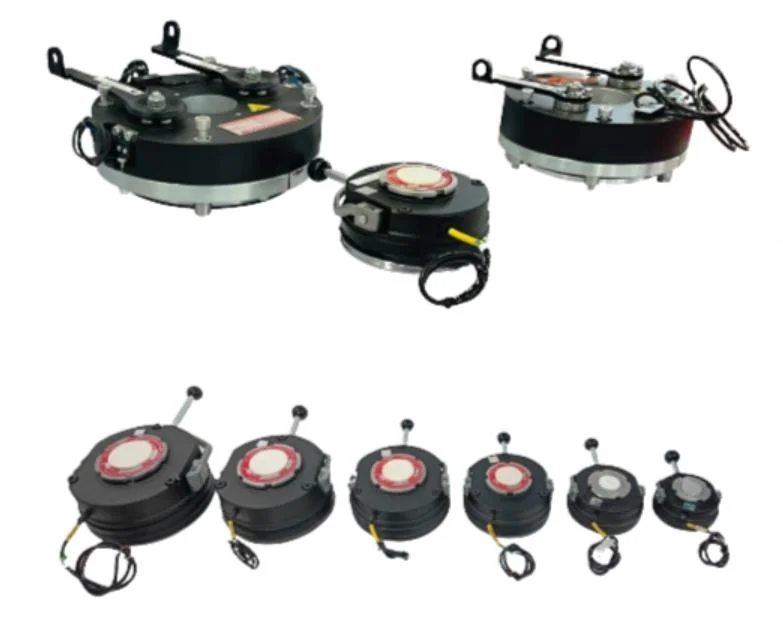
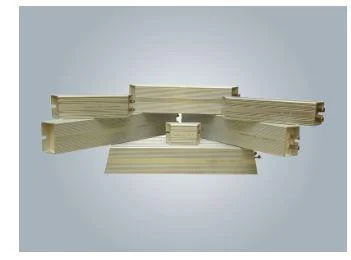
What are Elevator Motors?
Elevator motors are critical components in vertical transportation systems, designed to drive the movement of elevators. These motors convert electrical energy into mechanical power, enabling elevators to ascend and descend smoothly and efficiently. They are engineered to offer high torque and speed control while ensuring energy efficiency. The performance of elevator motors is vital for the overall system's reliability and safety.
These motors find extensive applications in various sectors, including commercial buildings, residential complexes, and industrial facilities. They are essential for transporting people and goods vertically, which is crucial in urban environments where space is limited. Elevator motors are also integral to modern high-rise construction, catering to the growing demand for efficient and reliable vertical transportation solutions.
The elevator motor market is experiencing steady growth due to urbanization and the expansion of infrastructure projects. As more buildings incorporate advanced elevator systems, the relevance of high-quality elevator motors increases. Manufacturers are focusing on innovation and energy efficiency, aligning with global sustainability trends. This competitive landscape underscores the importance of selecting the right elevator motor for specific applications.
Key Features and Specifications
Elevator motors come with a variety of features and specifications that enhance their performance and reliability. Understanding these specifications is crucial for businesses when selecting the appropriate motor for their elevator systems.
Key specifications include:
1. Power Rating
- Typically measured in horsepower (HP) or kilowatts (KW)
- Common ranges from 5 HP to 100 HP
2. Speed
- Measured in revolutions per minute (RPM)
- Standard speeds range from 150 RPM to 1800 RPM
3. Voltage
- Operating voltage options from 230V to 460V
- Availability of single-phase and three-phase configurations
4. Efficiency Class
- Generally classified under IE1 to IE4 efficiency ratings
- Higher efficiency classes minimize energy consumption
5. Control System
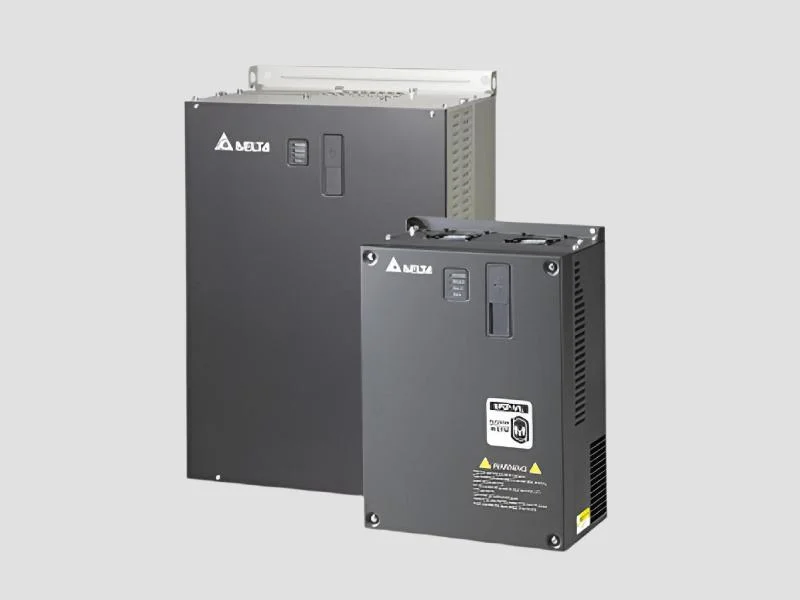
- Types include variable frequency drives (VFD) and direct-on-line (DOL) starters
- VFDs facilitate smooth acceleration and deceleration
6. Brake Type
- Common types include electromagnetic and mechanical brakes
- Essential for safety and emergency stop functions
7. Thermal Protection
- Built-in thermal overload protection to prevent overheating
- Ensures longevity and reliable operation
8. Noise Level
- Measured in decibels (dB)
- Generally ranges from 60 dB to 75 dB during operation
In summary, selecting elevator motors with the appropriate features and specifications is essential for ensuring optimal performance and safety in elevator systems.
Common Applications and Use Cases
Elevator motors are versatile components used in various industries and applications. Their ability to provide reliable vertical transportation makes them indispensable in several sectors.
1. Commercial Buildings: Elevators in office buildings rely on robust motors to handle high traffic volumes efficiently, ensuring smooth operation during peak hours.
2. Residential Complexes: In apartment buildings, elevator motors facilitate easy access to different floors, enhancing convenience for residents.
3. Industrial Facilities: Factories and warehouses utilize elevators for transporting goods and materials, with motors designed to handle heavy loads.
4. Hospitals: Elevators in medical facilities are critical for moving patients and equipment quickly and safely, requiring reliable motor systems.
5. Airports: Baggage handling systems often depend on elevator motors to transport luggage between different levels, ensuring timely delivery.
6. Hotels: Elevators in hotels enhance guest experience by providing efficient transport to various amenities within the building.
7. Shopping Malls: In retail environments, elevator motors support the movement of shoppers and goods, improving overall accessibility.
Product Variants and Subcategories
Elevator motors come in various types to meet specific operational needs. This diversity ensures that businesses can find the right motor for their applications.
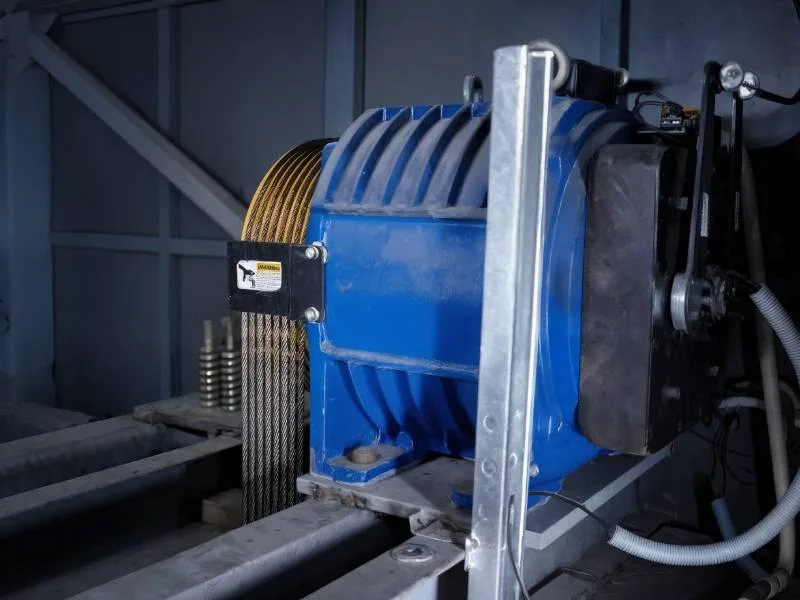
Gearless Elevator Motors: These motors are characterized by their direct drive mechanism, eliminating the need for a gearbox. They offer higher efficiency and are commonly used in high-rise buildings due to their ability to provide smooth and quiet operation.
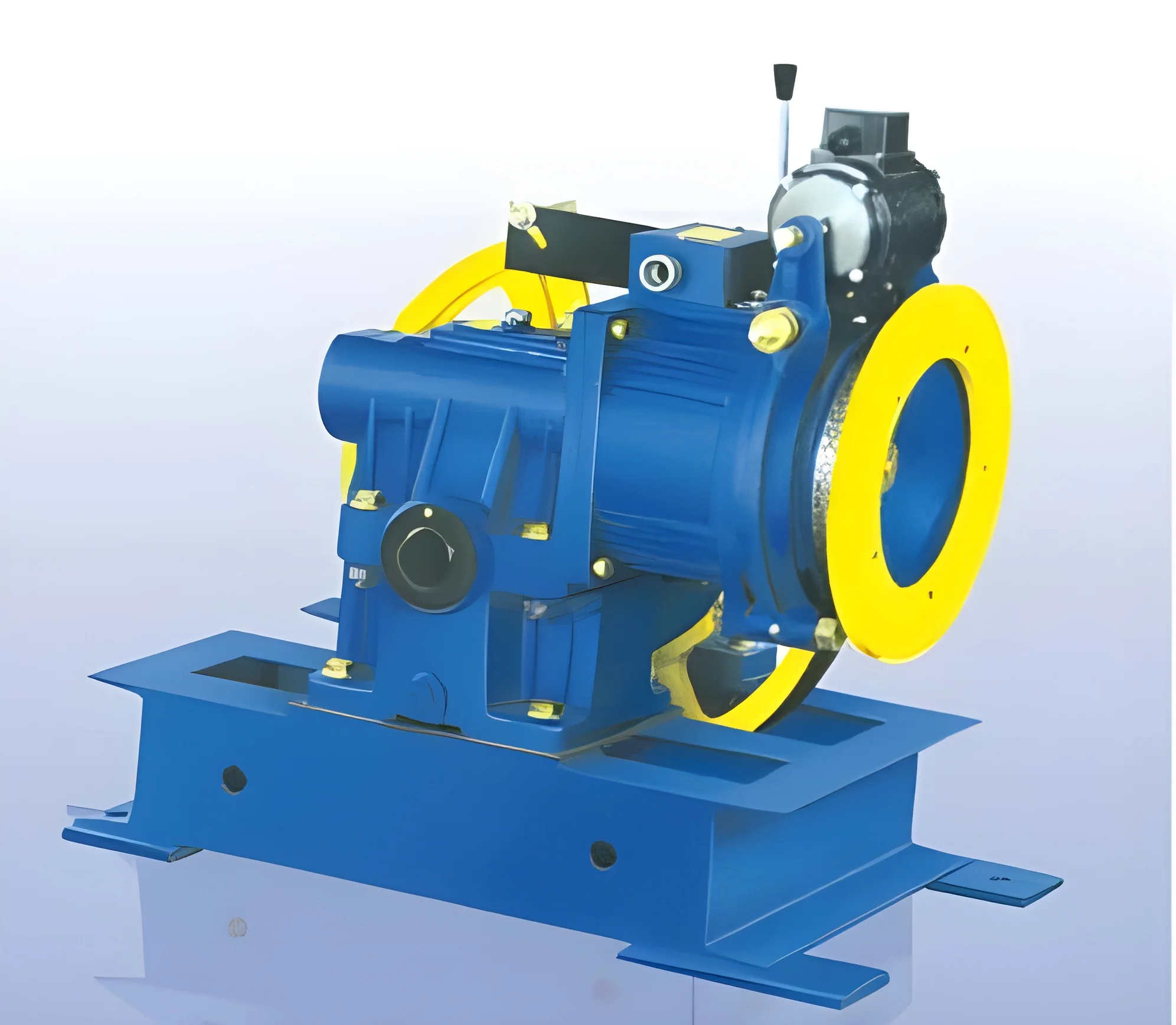
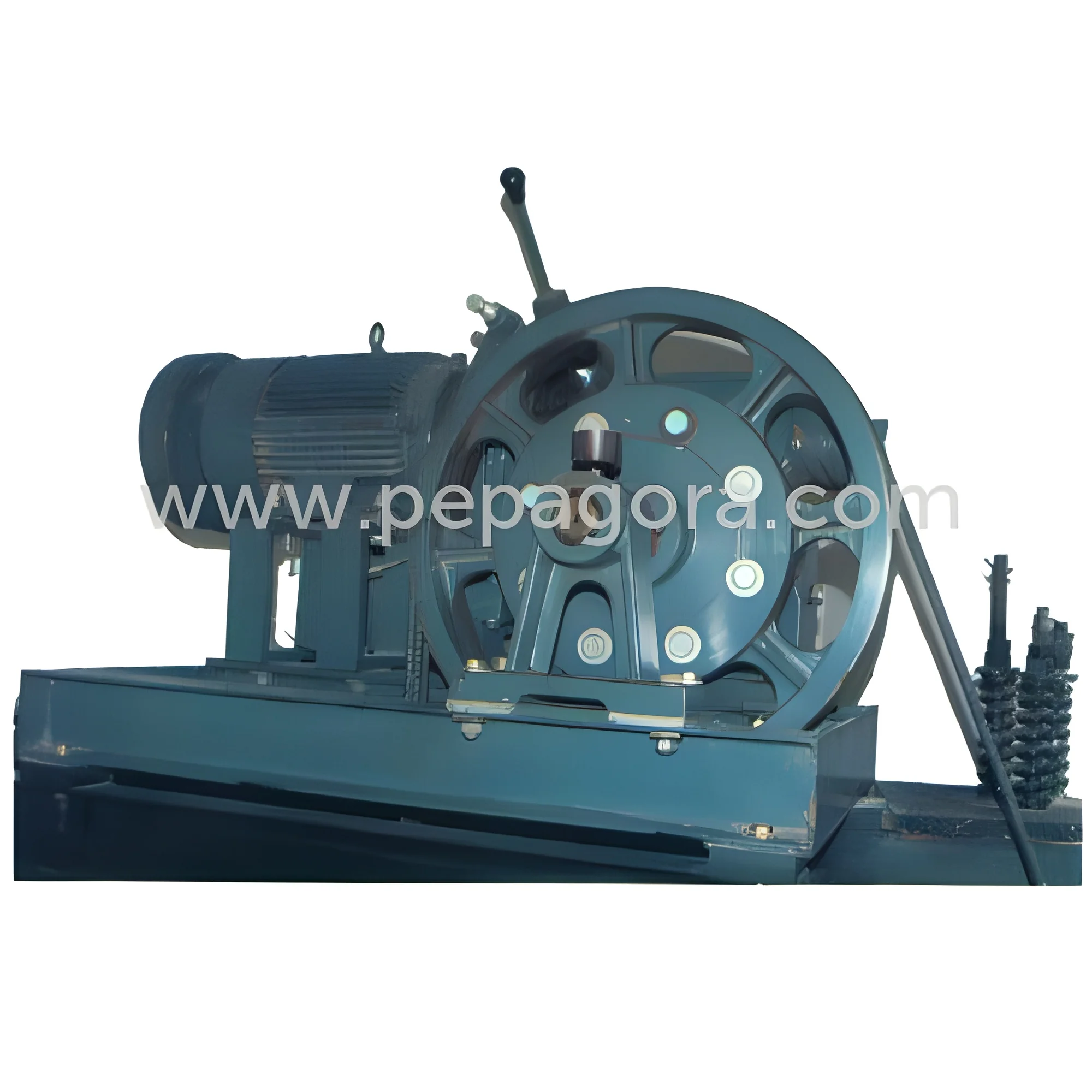
Geared Elevator Motors: These motors employ a gearbox to increase torque and reduce the speed of the motor. They are suitable for low to mid-rise buildings, providing reliable performance at a lower cost.
Permanent Magnet Synchronous Motors: Known for their high efficiency and compact design, these motors use permanent magnets for power generation. They are ideal for energy-efficient elevator systems.
AC Induction Motors: These are widely used for their simplicity and durability. They are suitable for various applications, from residential to commercial elevators.
DC Motors: Less common in modern applications, DC motors offer excellent torque characteristics and are suitable for smaller, low-speed elevators.
Benefits and Advantages
Choosing the right elevator motor can significantly impact operational efficiency and safety. Key benefits include:
1. Energy Efficiency: High-efficiency motors reduce energy consumption, resulting in lower operating costs and a smaller carbon footprint.
2. Reliability: Quality elevator motors are built to withstand heavy usage and provide reliable performance over time, minimizing maintenance needs.
3. Smooth Operation: Advanced motor technology ensures that elevators operate smoothly, enhancing user experience and safety.
4. Safety Features: Many motors come equipped with safety mechanisms, such as thermal protection and emergency brakes, ensuring safe operation.
5. Customization Options: Many manufacturers offer customizable motors to fit specific requirements, providing flexibility for unique applications.
6. Reduced Noise Levels: Modern elevator motors are designed to operate quietly, contributing to a more pleasant environment in buildings.
Buying Guide for B2B Buyers
When sourcing elevator motors, businesses should consider several critical factors to ensure they make informed purchasing decisions.
1. Quality Assessment: Buyers should evaluate the quality of the motors by reviewing certifications and manufacturing standards. Look for ISO certifications to confirm reliability and performance.
2. Supplier Verification: It is essential to vet suppliers to ensure they have a good reputation and can provide quality products consistently. Checking reviews and past performance can help in this process.
3. Pricing and MOQ: Understanding the pricing structure and minimum order quantities (MOQ) is crucial for budgeting. Buyers should compare prices across different suppliers for the best value.
4. Delivery and Lead Times: Establishing clear expectations regarding delivery timelines is important to avoid project delays. Buyers should inquire about lead times upfront.
5. Compliance Requirements: Ensure that the selected motors comply with local and international regulations, including safety and environmental standards, to avoid compliance issues.
Compliance and Certifications
Elevator motors must adhere to various quality standards and certifications, ensuring their reliability and safety. ISO 9001 is a key quality management standard that applies to many manufacturers, indicating a commitment to consistent quality and improvement.
In addition, CE certification is crucial for products sold within the European Union, demonstrating compliance with safety and health regulations. Compliance with these standards helps ensure that elevator motors meet stringent performance criteria.
Safety and testing requirements are also paramount. Motors should undergo rigorous testing to verify their performance under various conditions, including load and environmental stress.
Regional compliance considerations should not be overlooked. Different regions may have specific regulations governing the manufacturing and operation of elevator motors. Buyers should be aware of these requirements to ensure their systems are compliant.
Why Source Elevator Motors from Pepagora?
Pepagora is a trusted platform for sourcing elevator motors, offering several key advantages for B2B buyers.
Verified Supplier Network: Pepagora connects businesses with a network of verified suppliers. Each supplier undergoes thorough background checks, ensuring they meet quality and reliability standards.
Streamlined RFQ Process: The platform simplifies the request-for-quotation process, allowing buyers to easily compare offers from multiple suppliers. This efficiency saves time and facilitates better decision-making.
Trade Assurance and Support: Pepagora provides valuable buyer protection through trade assurance. This support helps mitigate risks associated with transactions, ensuring buyers can purchase with confidence.
Regional Coverage: Pepagora’s geographic reach spans India, the GCC, and Southeast Asia. This extensive coverage ensures that businesses can find suitable suppliers that meet their specific regional needs.
By choosing Pepagora, businesses can access a comprehensive and reliable solution for their elevator motor sourcing needs.

 IN
IN