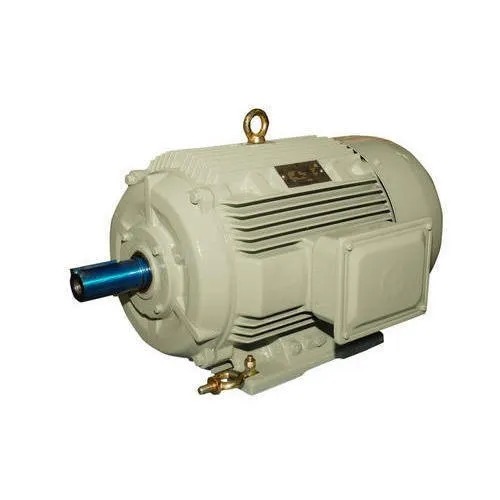
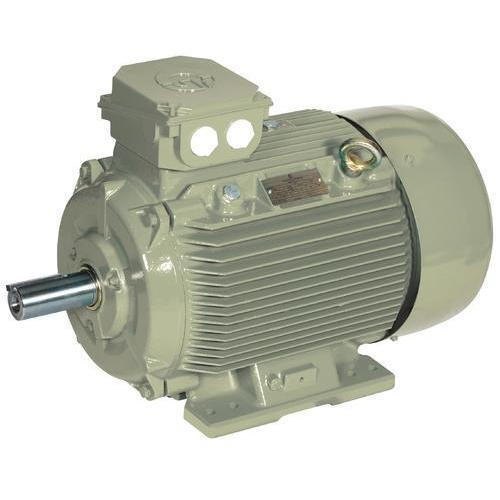
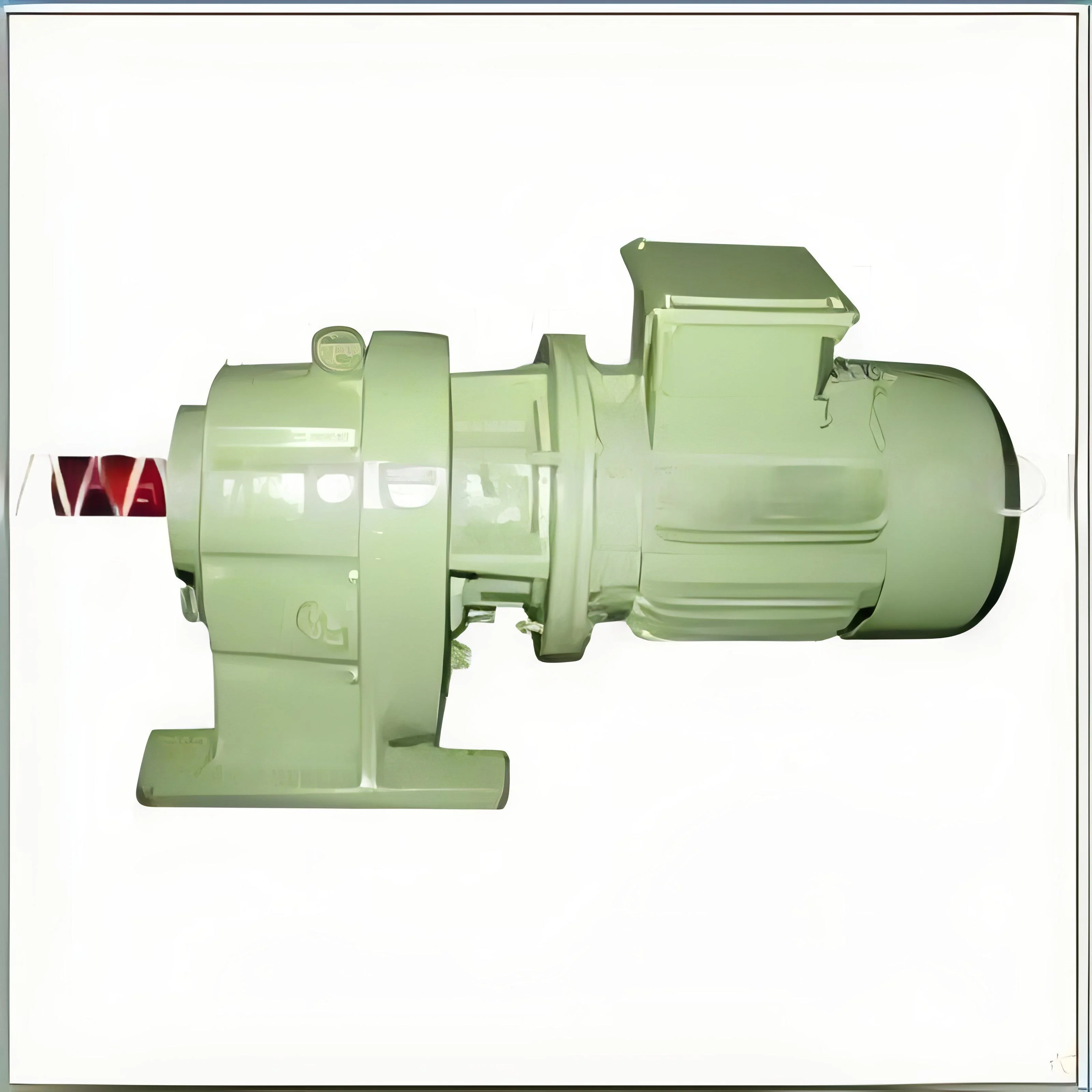
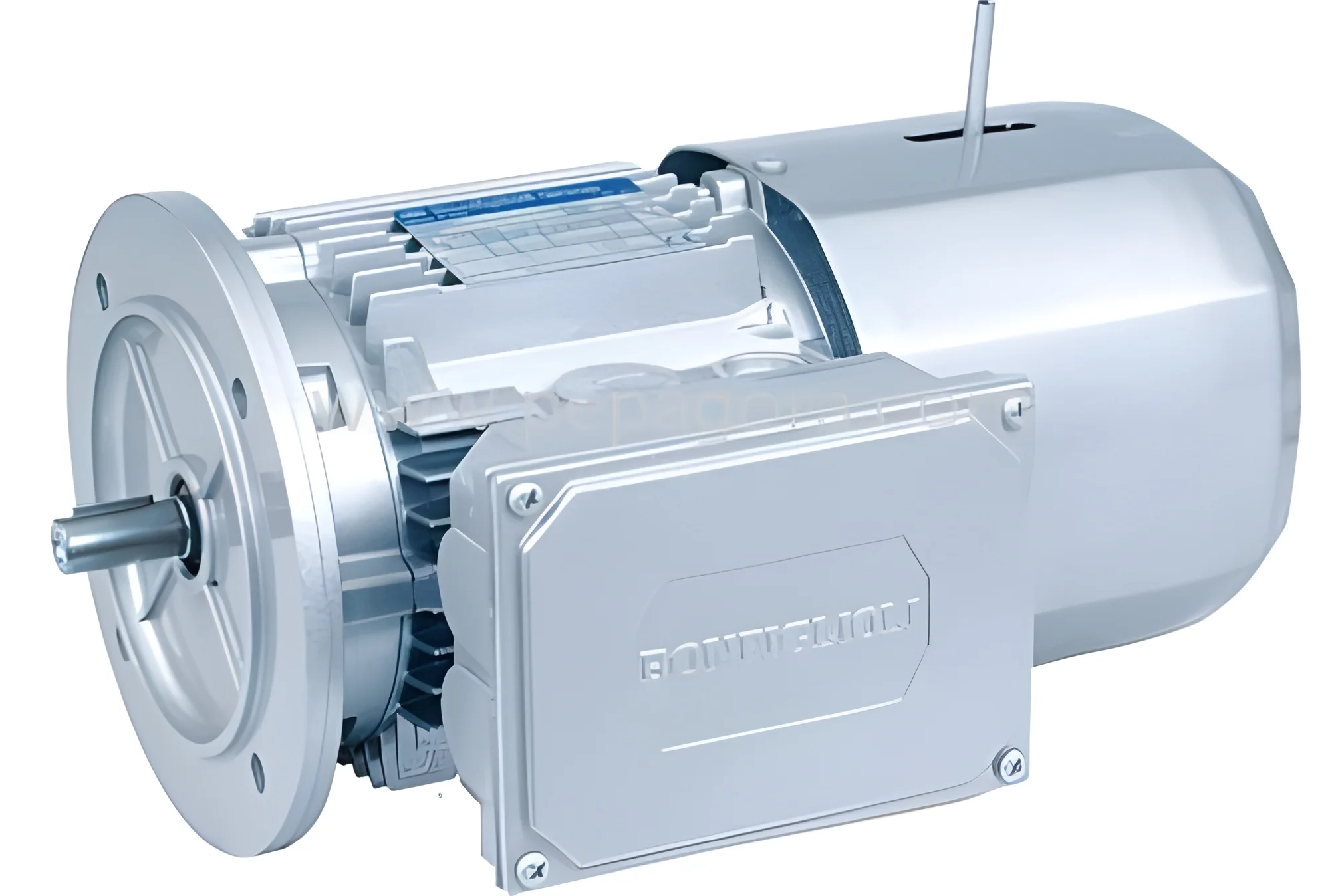
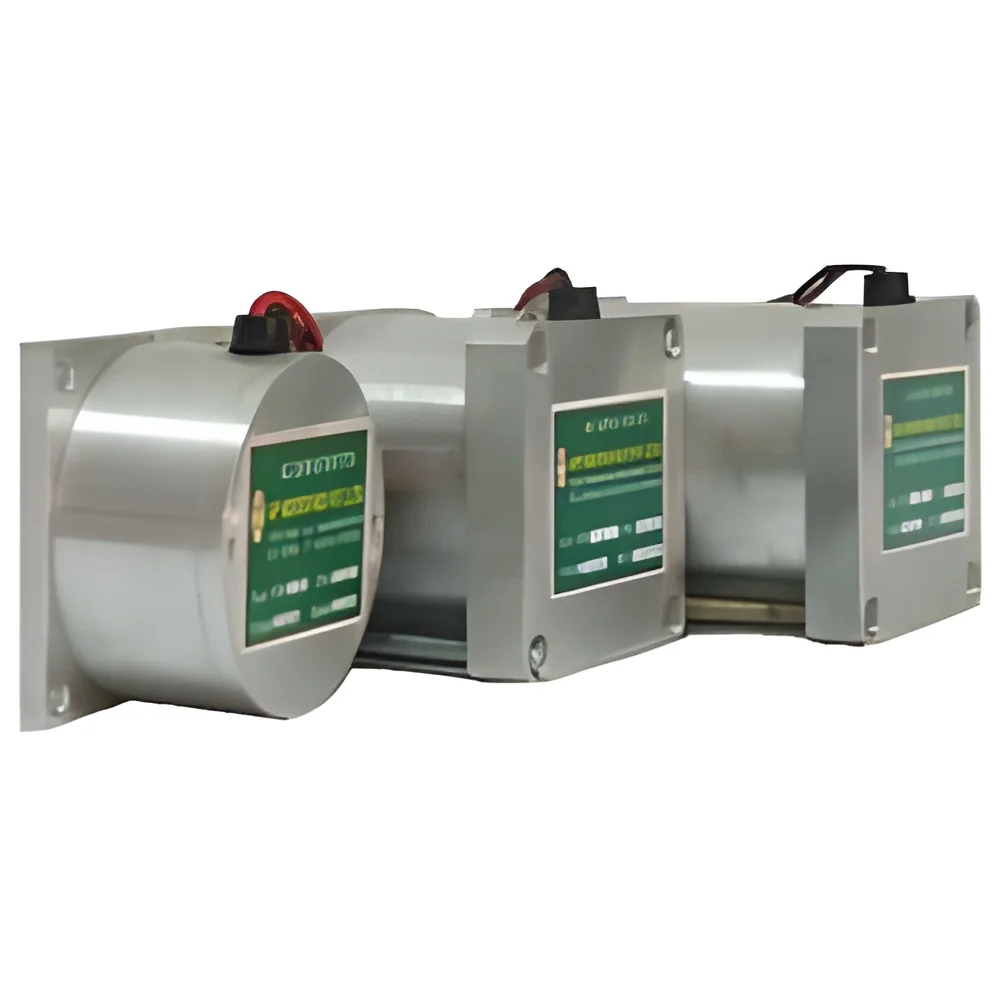
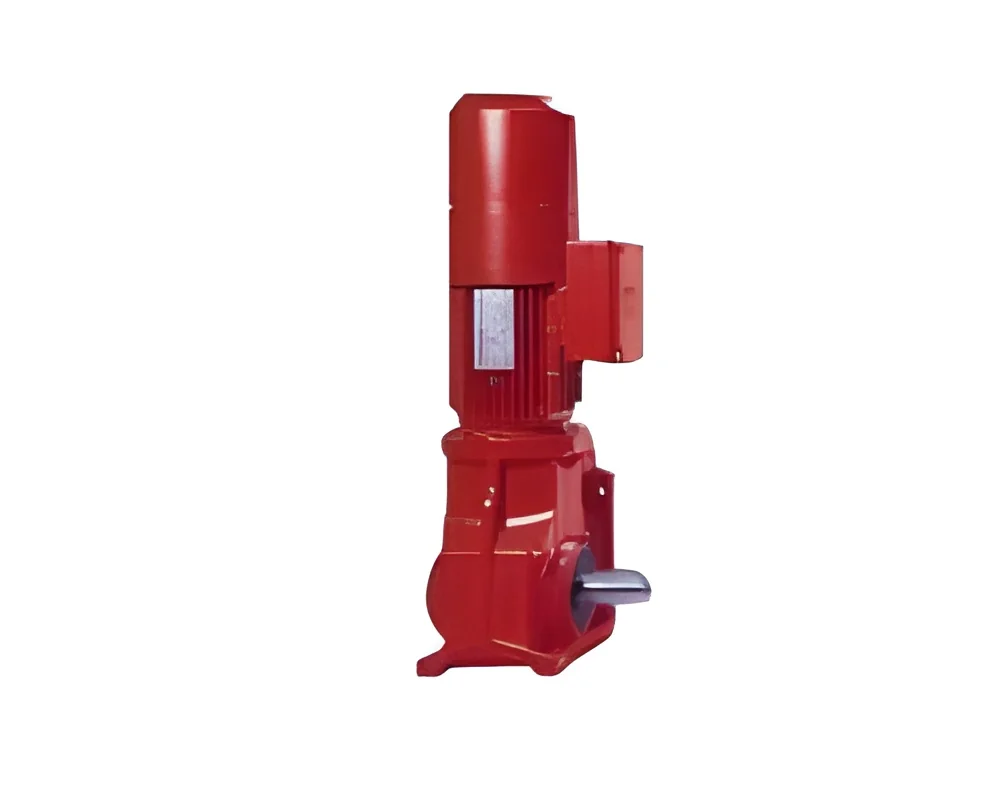
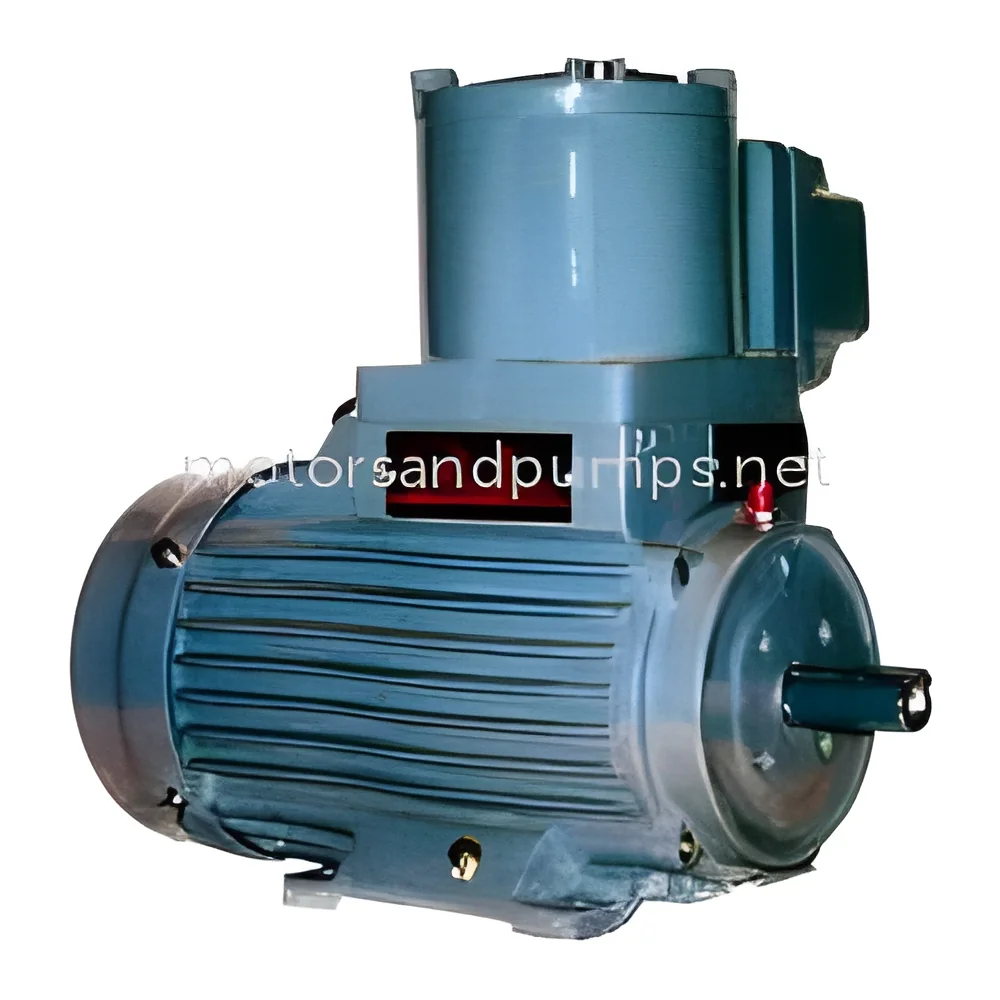
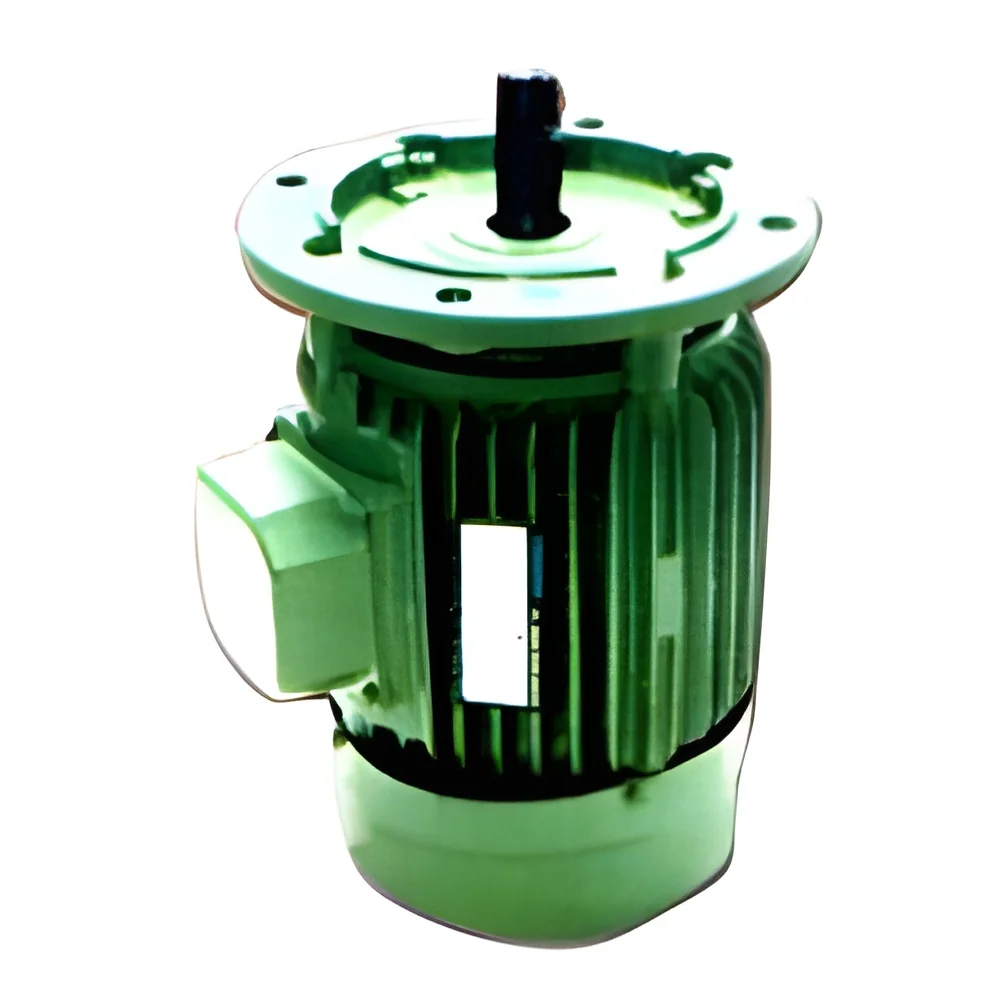
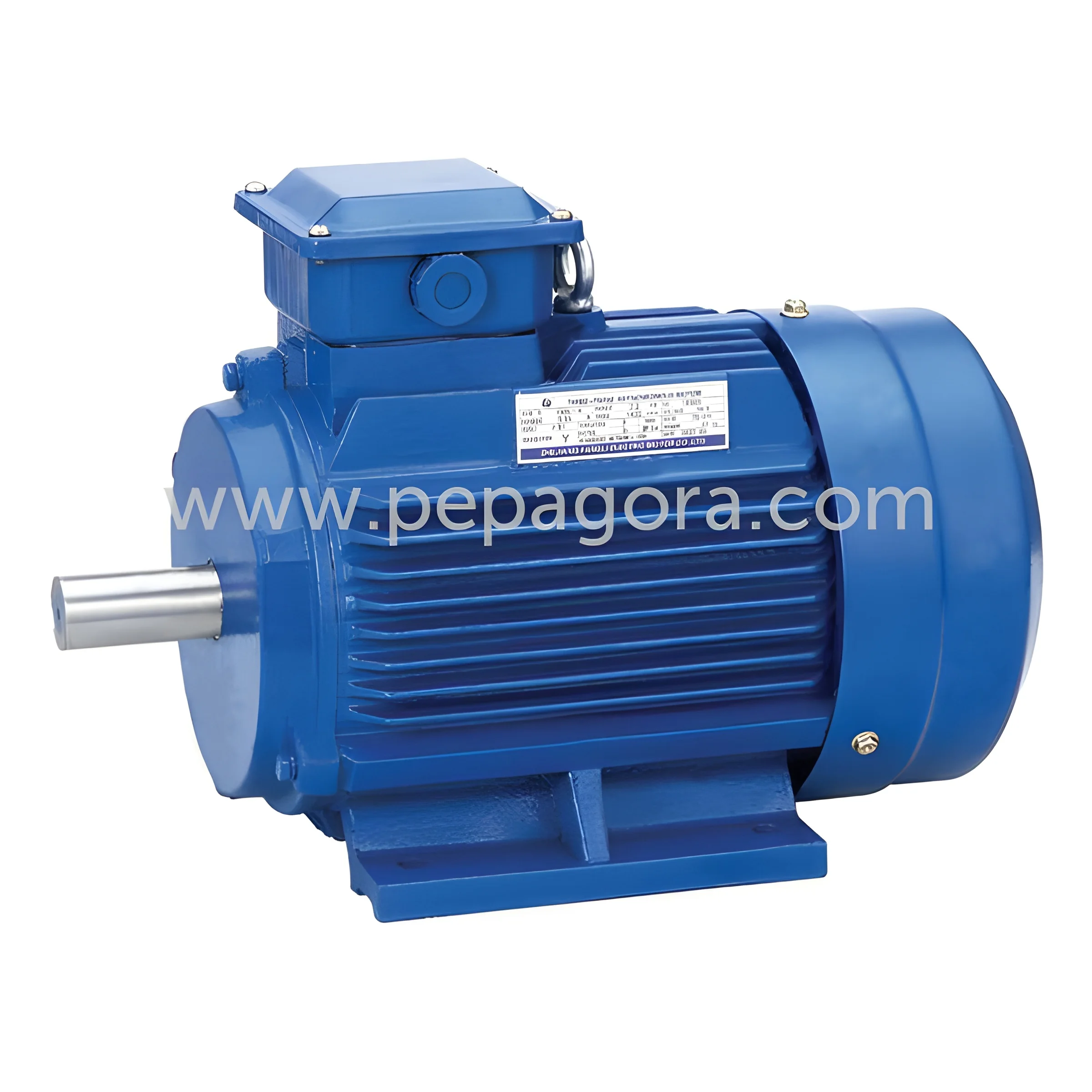
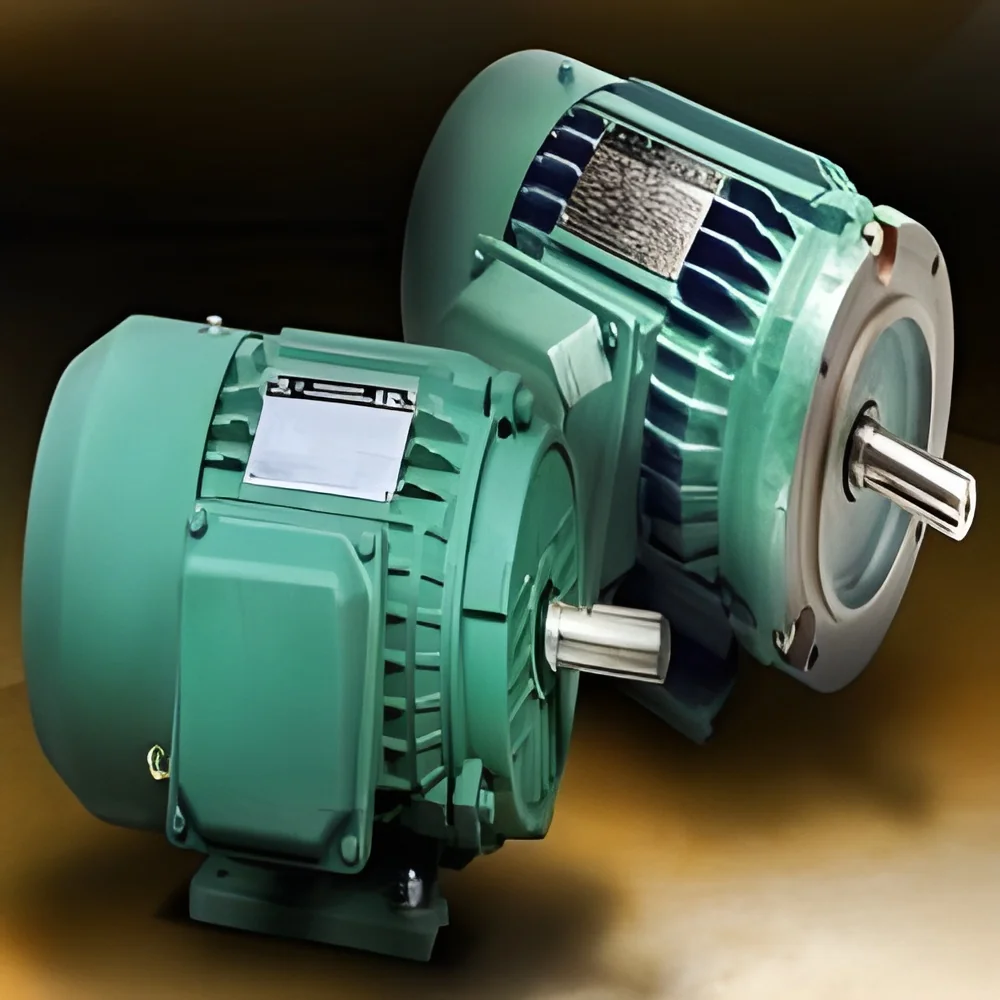
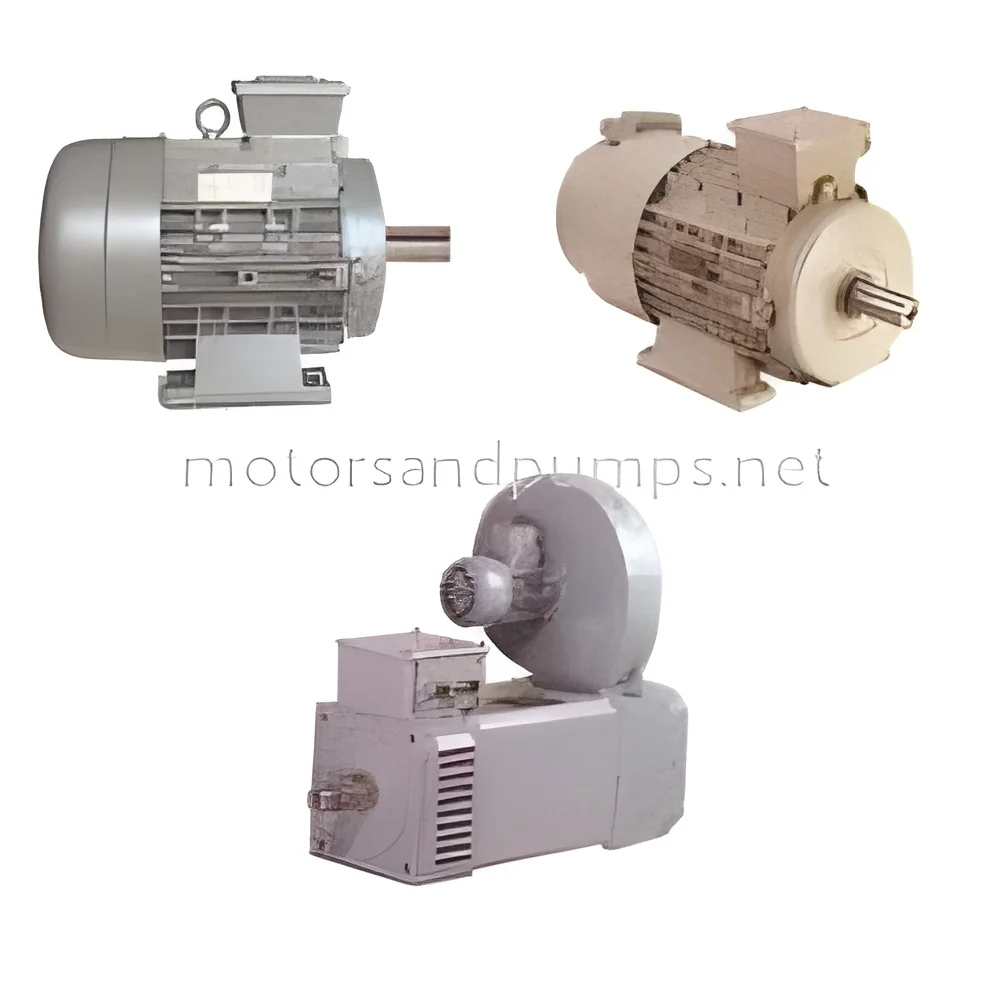
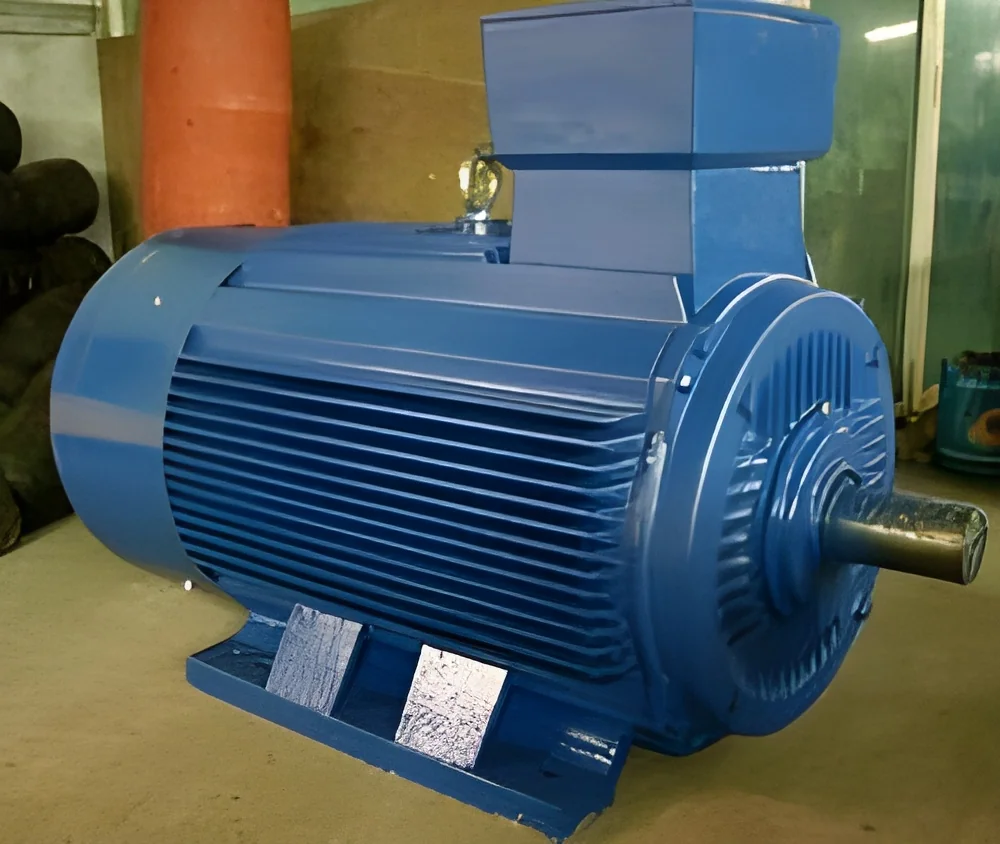
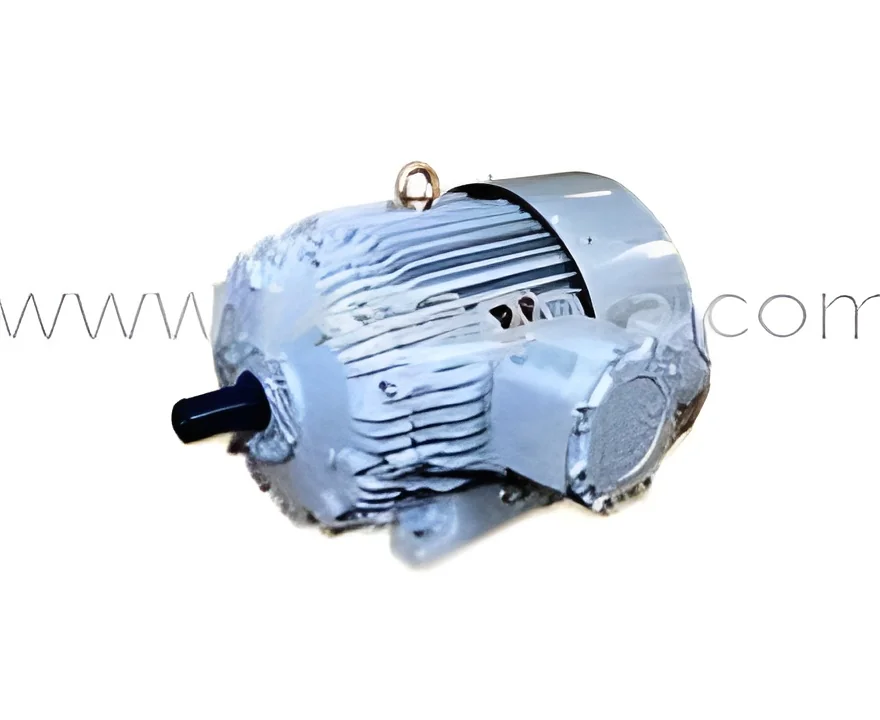
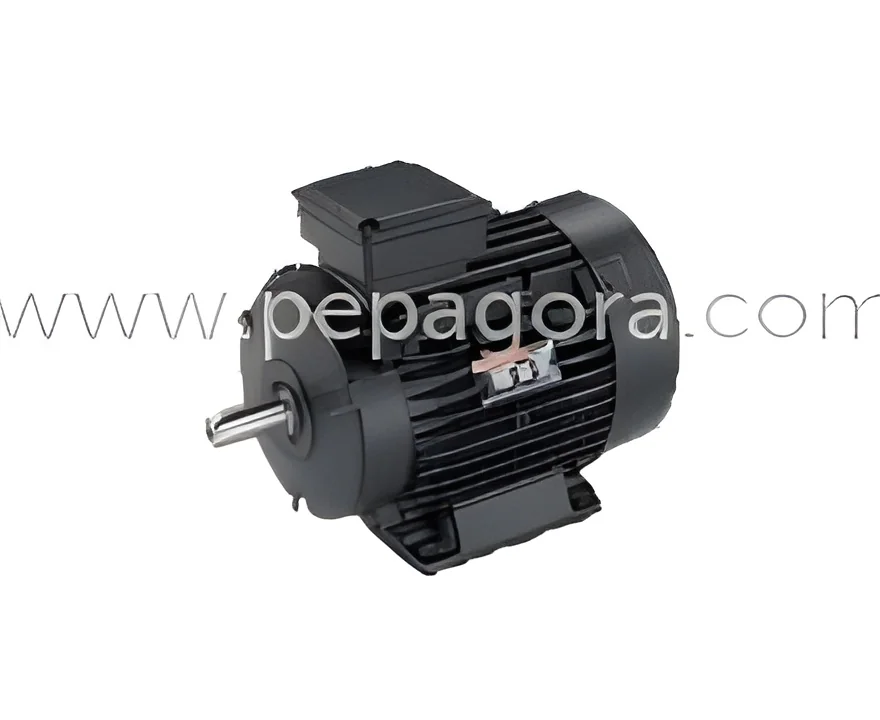
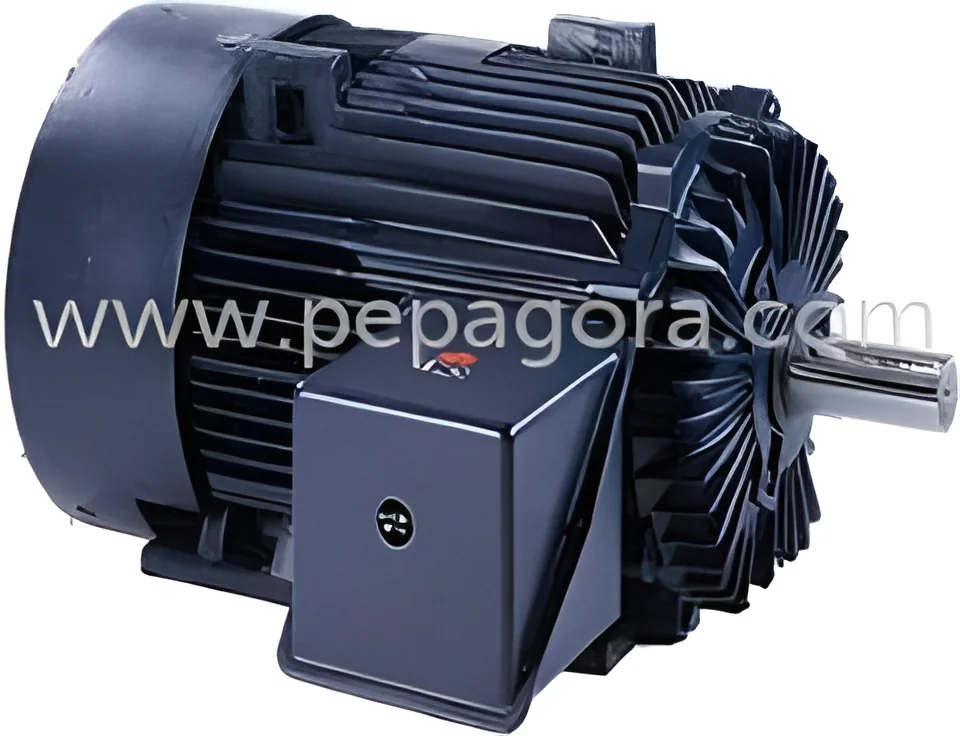
Key Features and Specifications
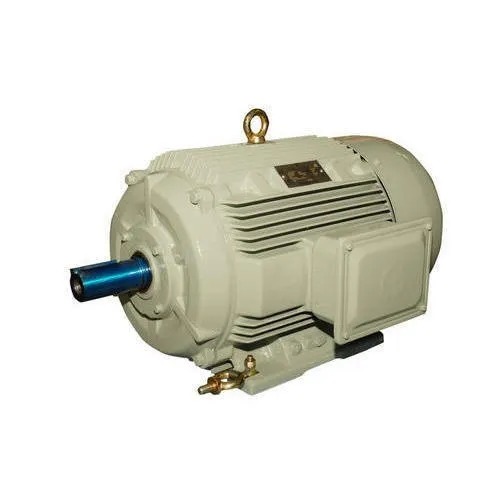
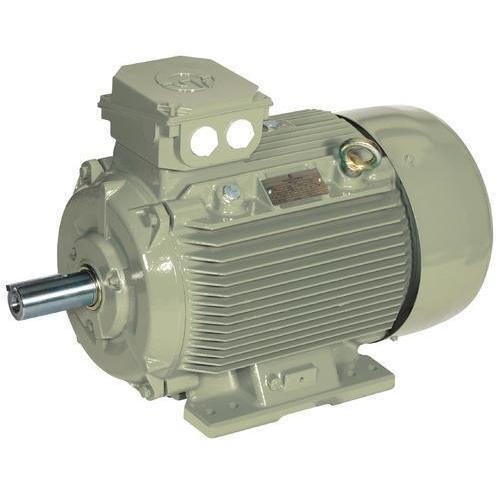
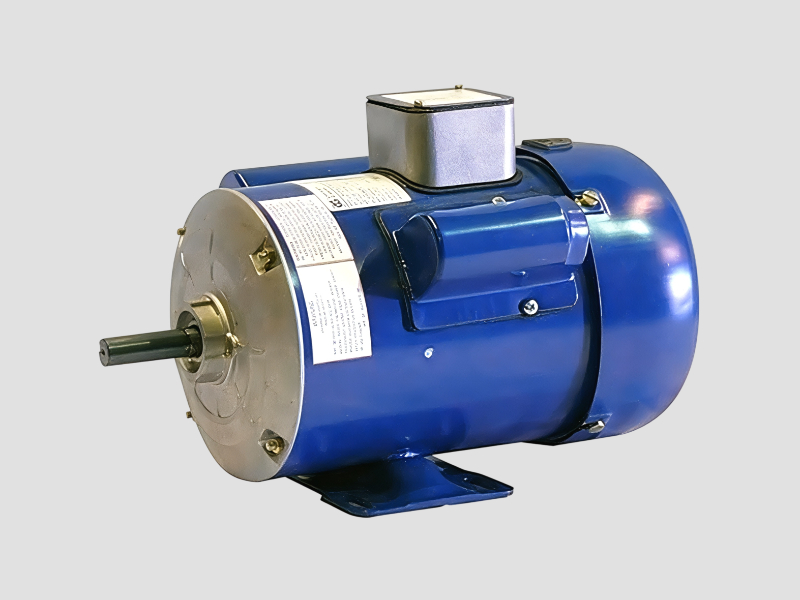
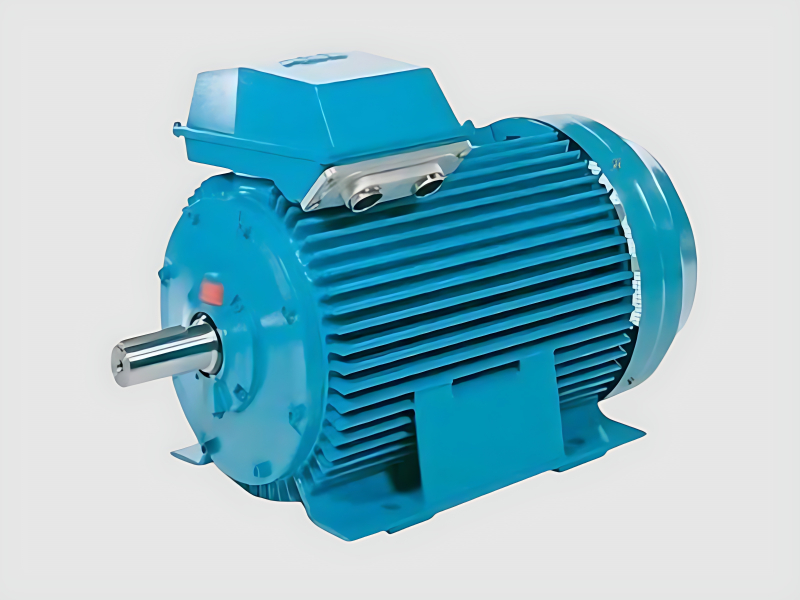
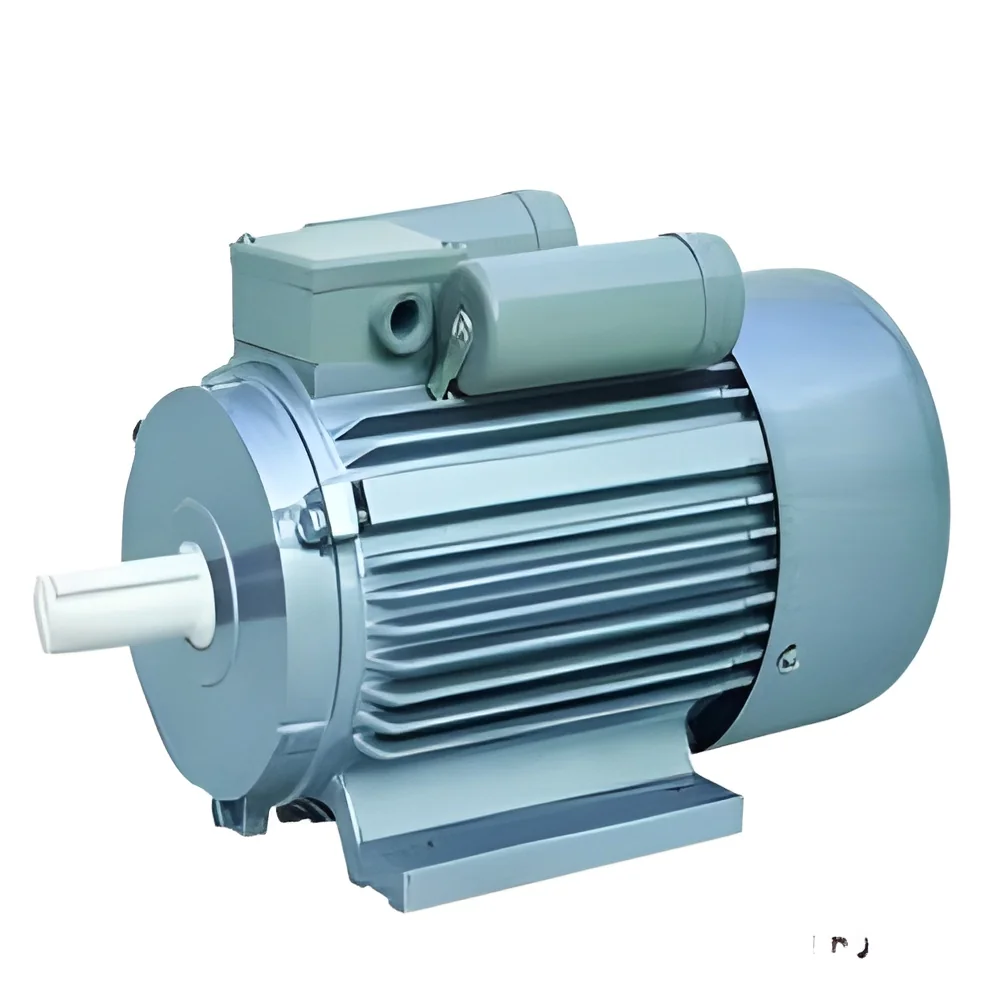
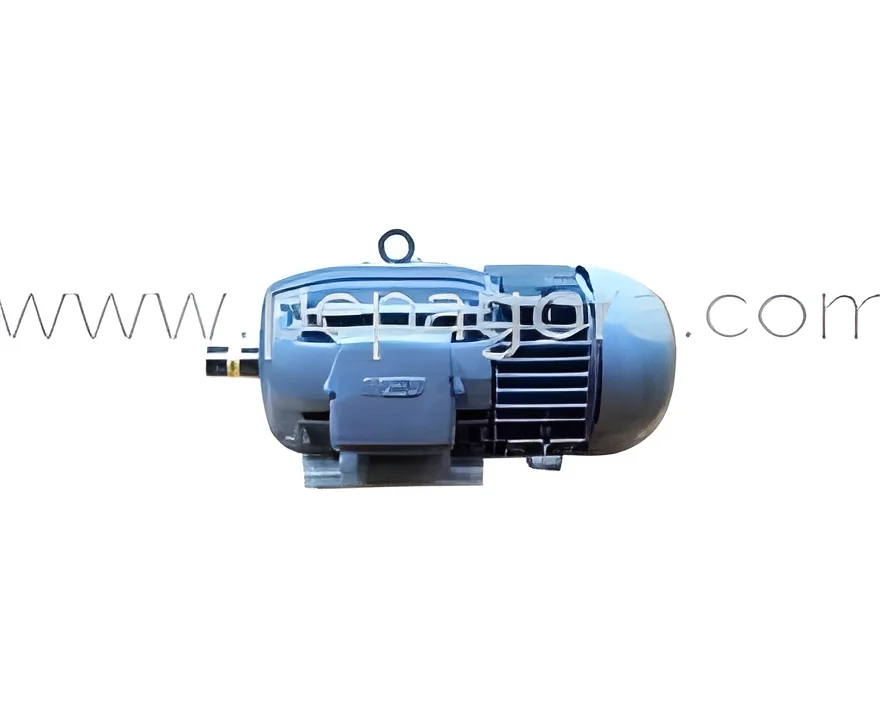
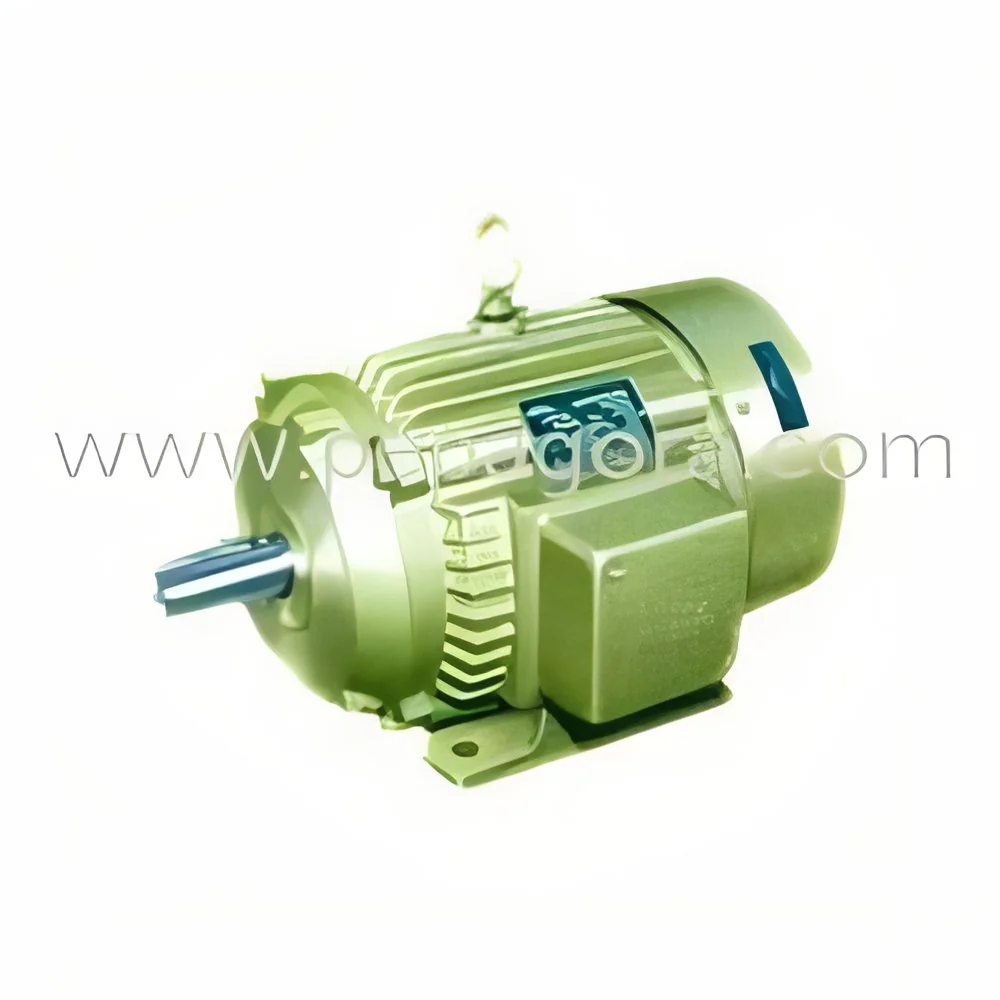
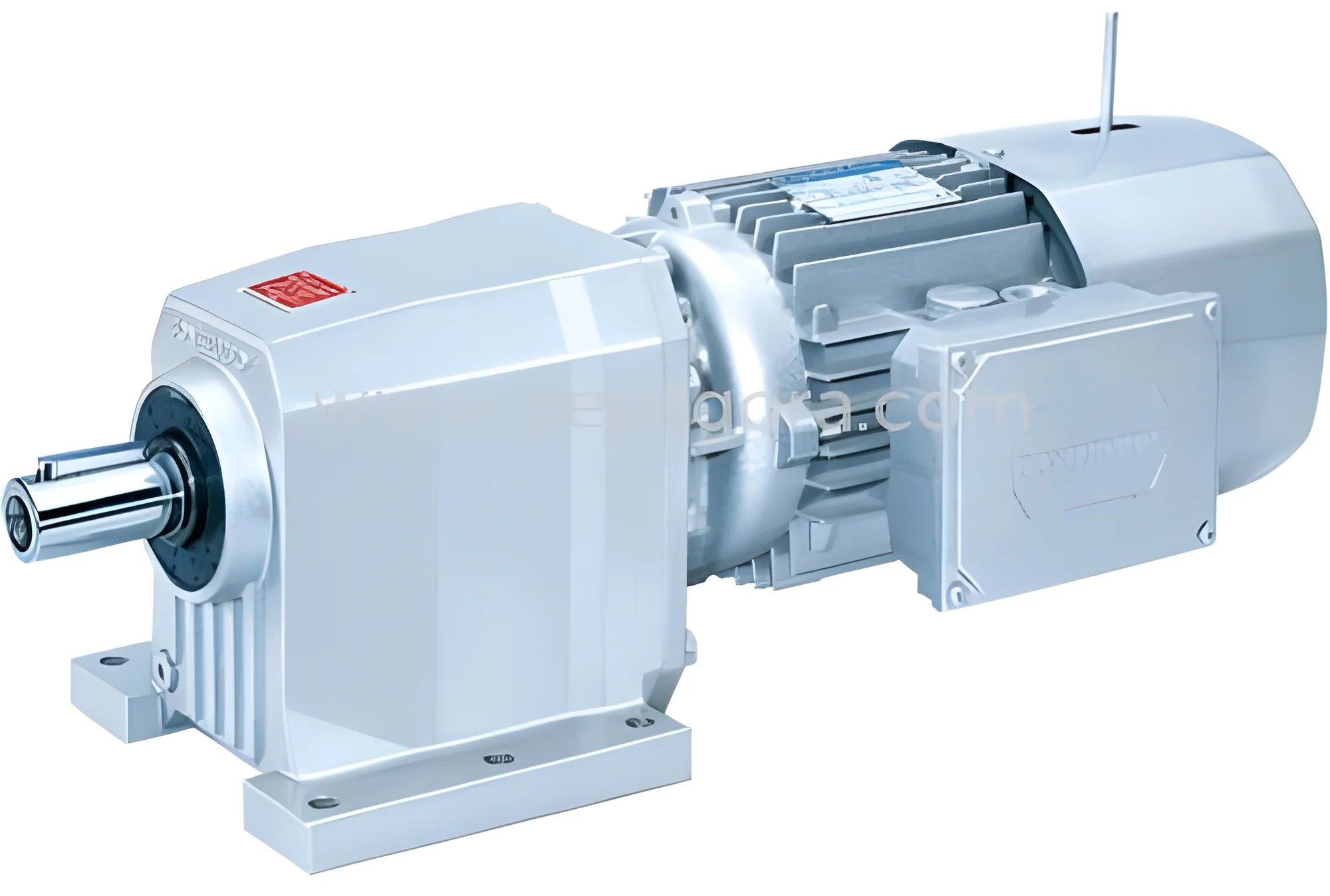
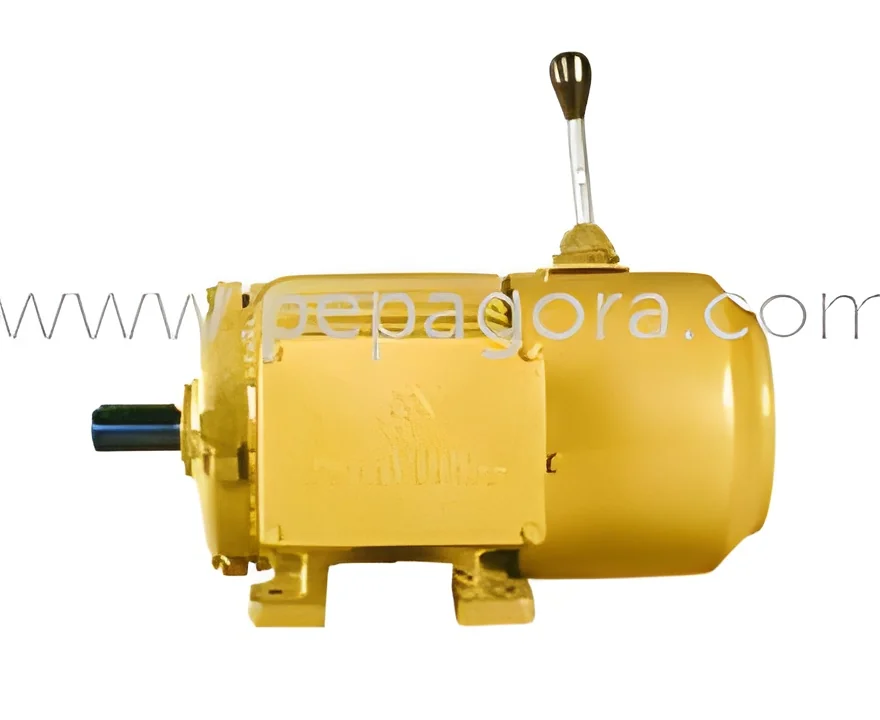
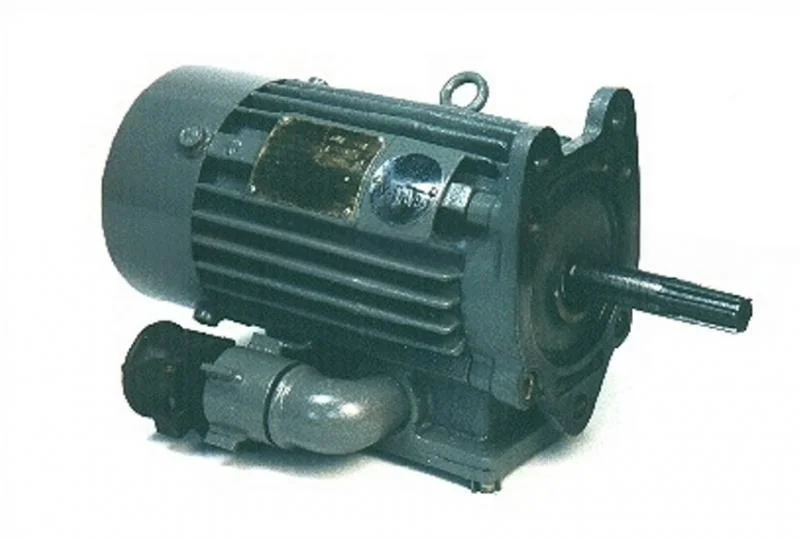
AC motors are characterized by several key features and specifications that define their performance and suitability for specific applications. Understanding these specifications is crucial for selecting the right motor for your needs.
Key specifications include:
1. Power Rating
- Available in various power ratings to suit different applications.
- Typically ranges from fractional horsepower to several hundred horsepower.
2. Voltage Rating
- Designed to operate at different voltage levels.
- Common voltage ratings include 120V, 240V, and 480V for single-phase and three-phase applications.
3. Efficiency Class
- Rated according to efficiency standards to minimize energy consumption.
- Classes include IE1, IE2, IE3, and IE4, with IE4 being the most efficient.
4. Speed
- Varies based on the application requirements.
- Common speeds include 1500 RPM and 3000 RPM for standard motors.
5. Frame Size
- Available in various frame sizes to accommodate different installations.
- Frame sizes correlate with motor power ratings and mounting configurations.
6. Enclosure Type
- Different enclosure types offer protection against environmental factors.
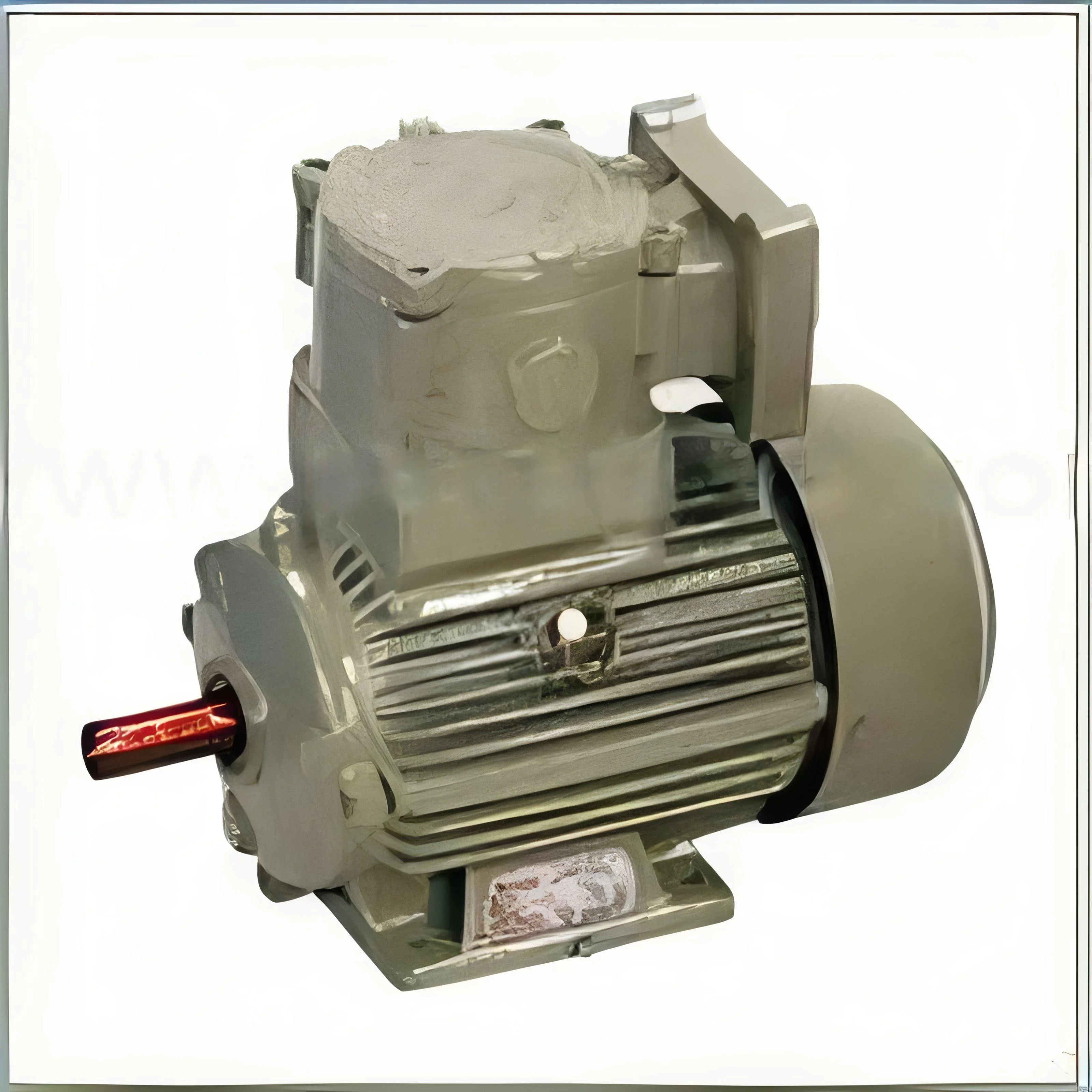
- Types include open drip-proof, totally enclosed fan-cooled, and explosion-proof.
7. Starting Method
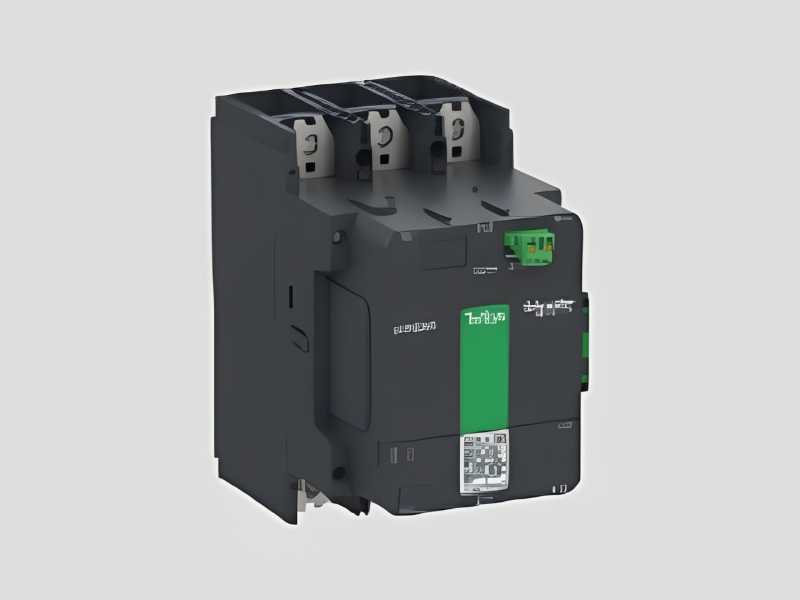
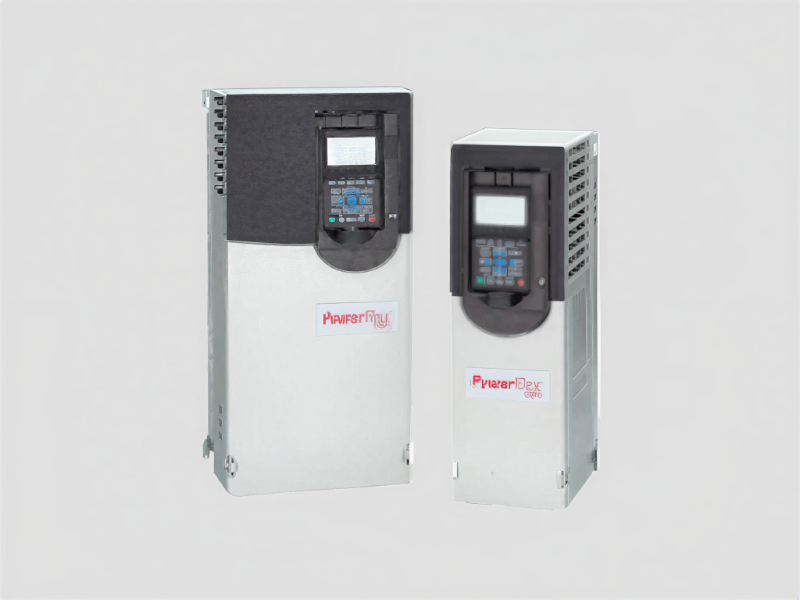
- Can include direct-on-line, star-delta, or soft start options.
- Choosing the right starting method affects motor performance and lifespan.
8. Service Factor
- Indicates the motor's ability to handle overload conditions.
- Common service factors range from 1.0 to 1.5.
In summary, understanding these key features and specifications is essential for selecting the right AC motor for your specific business needs.
Common Applications and Use Cases
AC motors are widely utilized across various industries due to their versatility and reliability.
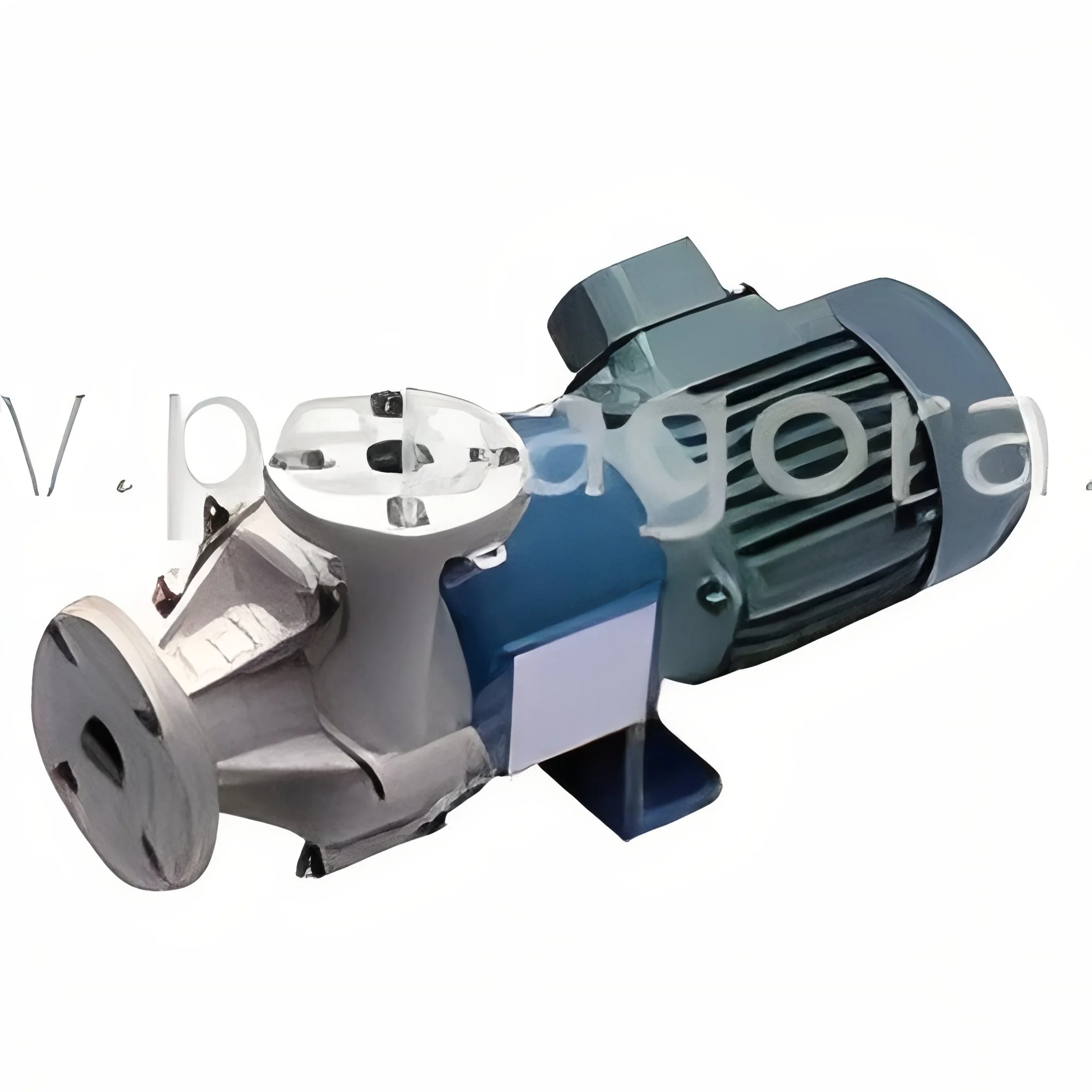
1. Manufacturing: Used to power conveyor belts, pumps, and compressors in production lines, enhancing operational efficiency.
2. HVAC: Essential for driving fans, blowers, and chillers in heating, ventilation, and air conditioning systems, ensuring optimal climate control.
3. Agriculture: Employed in irrigation systems, grain handling equipment, and dairy operations, improving productivity in the agricultural sector.
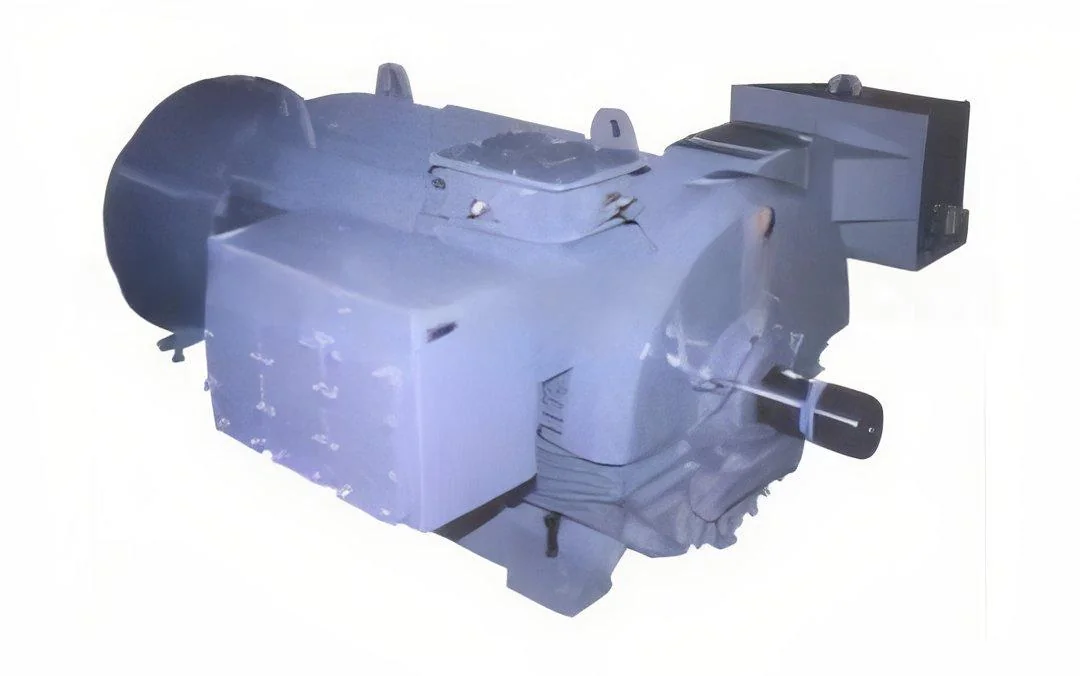
4. Mining: Utilized in heavy machinery such as drills, conveyors, and crushers, supporting the extraction and processing of minerals.
5. Water Treatment: Powers pumps and mixers in water and wastewater treatment facilities, crucial for maintaining environmental standards.
6. Textile Industry: Drives looms and other machinery, enhancing production capabilities in textile manufacturing.
7. Food Processing: Used in various equipment, including mixers and conveyors, ensuring efficient food production and packaging.
Product Variants and Subcategories
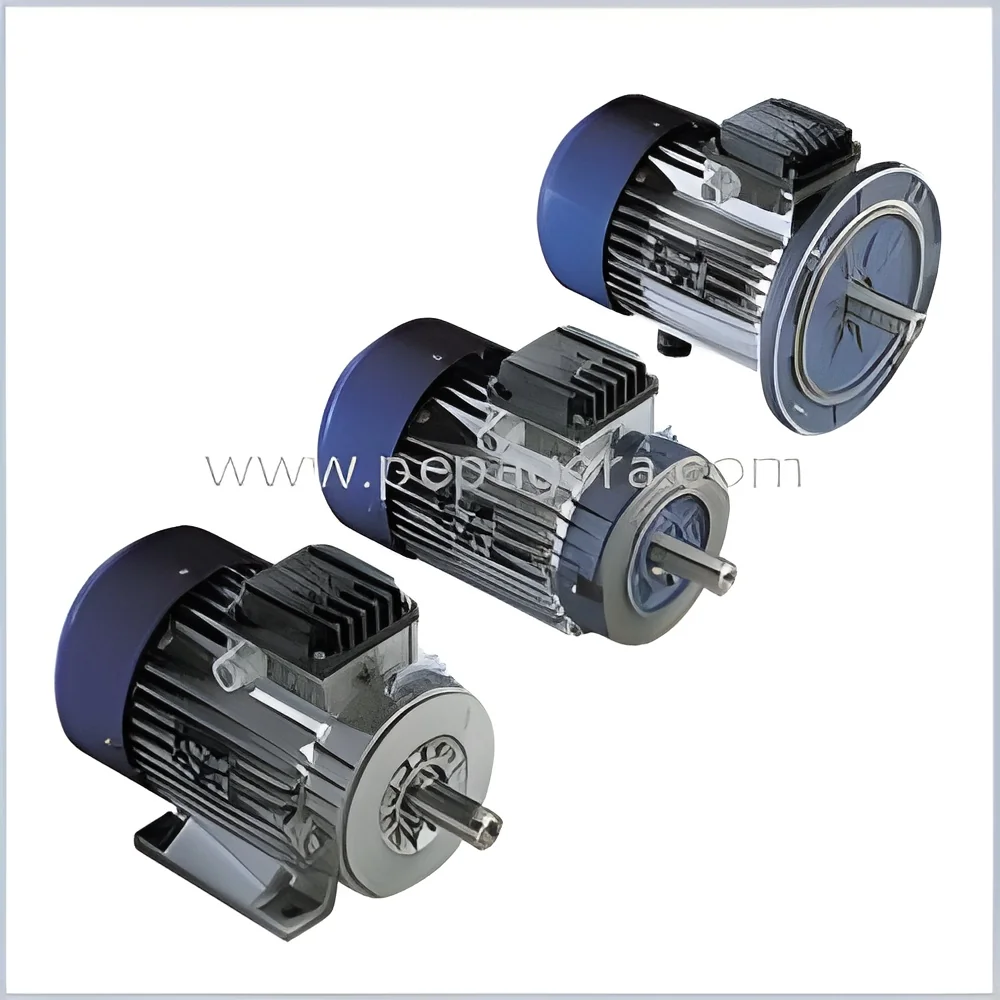
AC motors are available in different variants to cater to diverse operational needs.
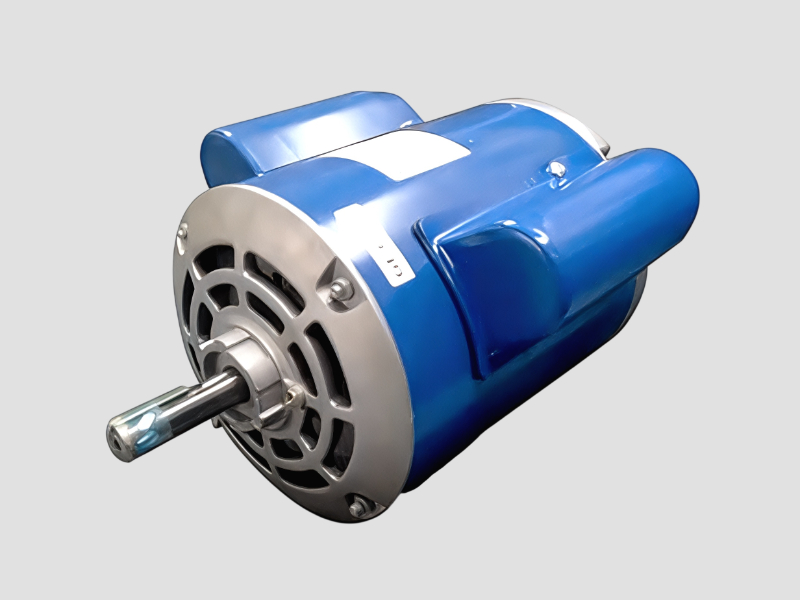
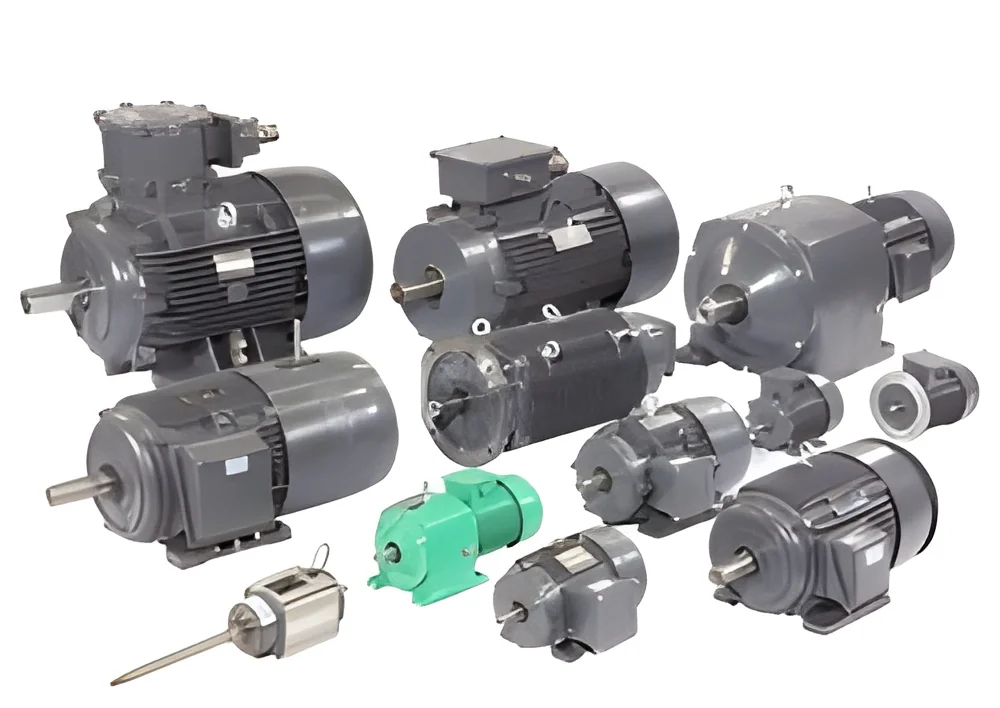
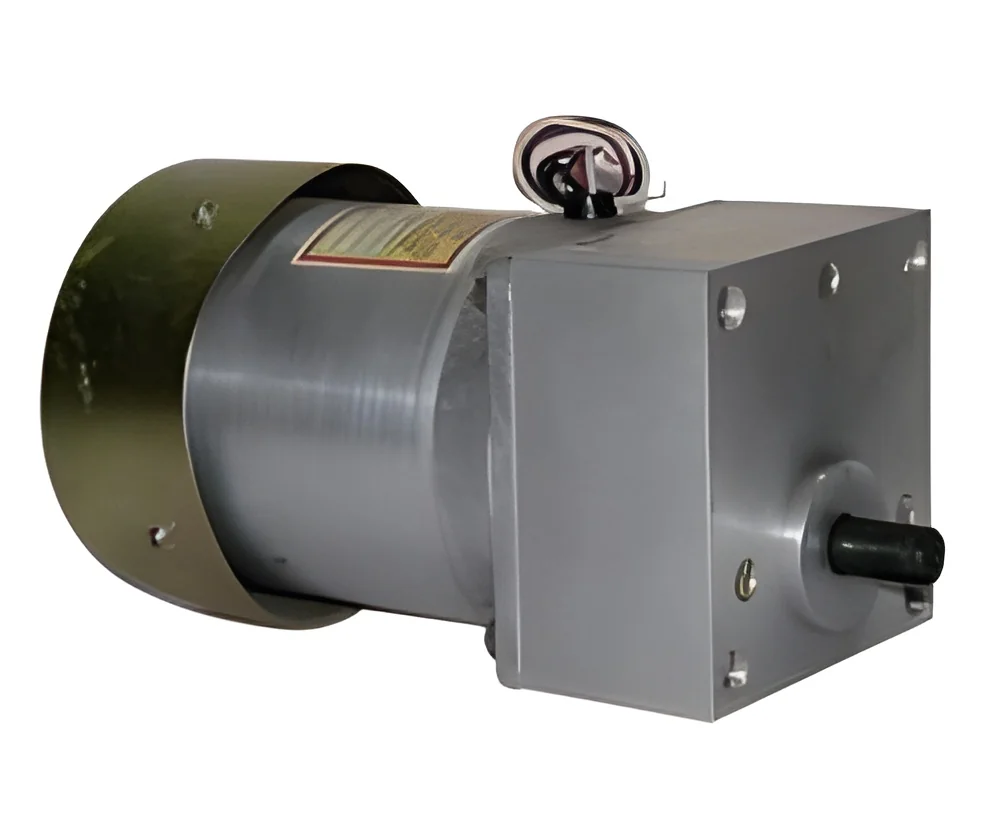
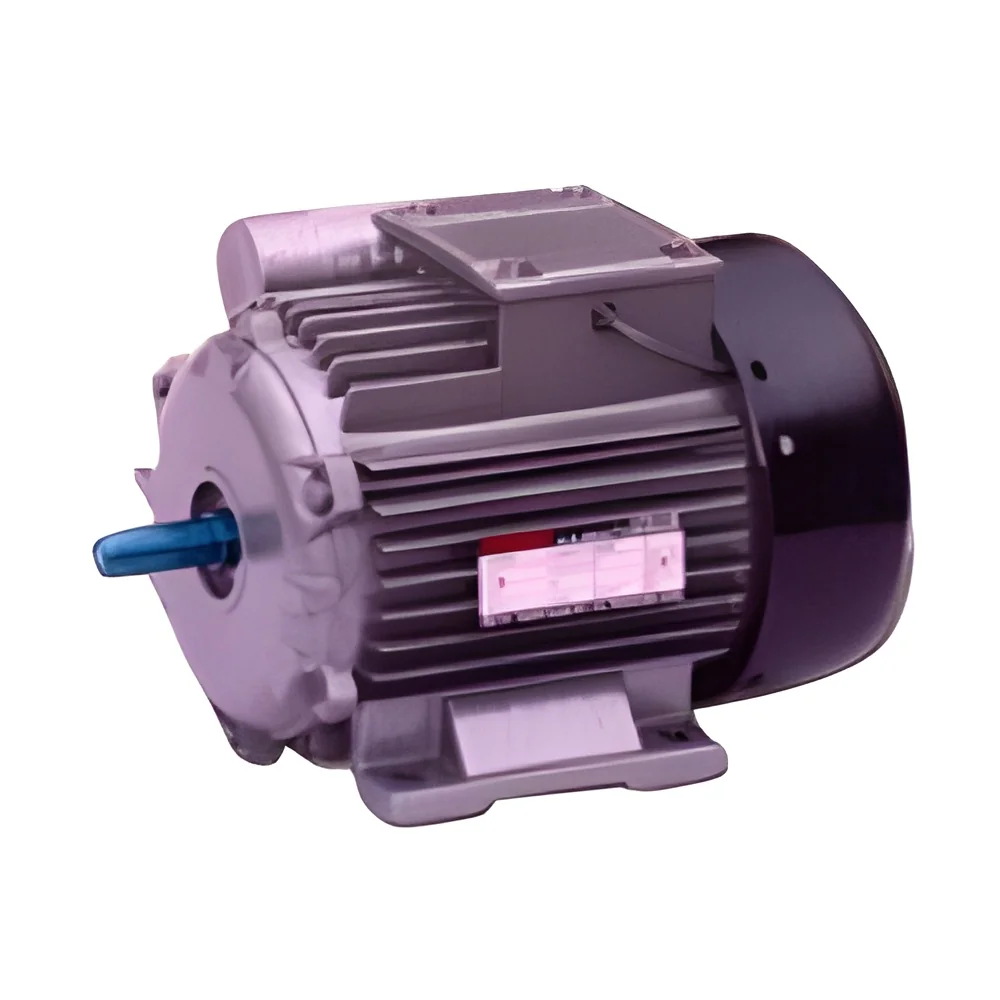
Single-phase AC Motors: These motors are typically used for small-scale applications, such as household appliances and light industrial equipment. They are easy to install and operate on standard electrical outlets.
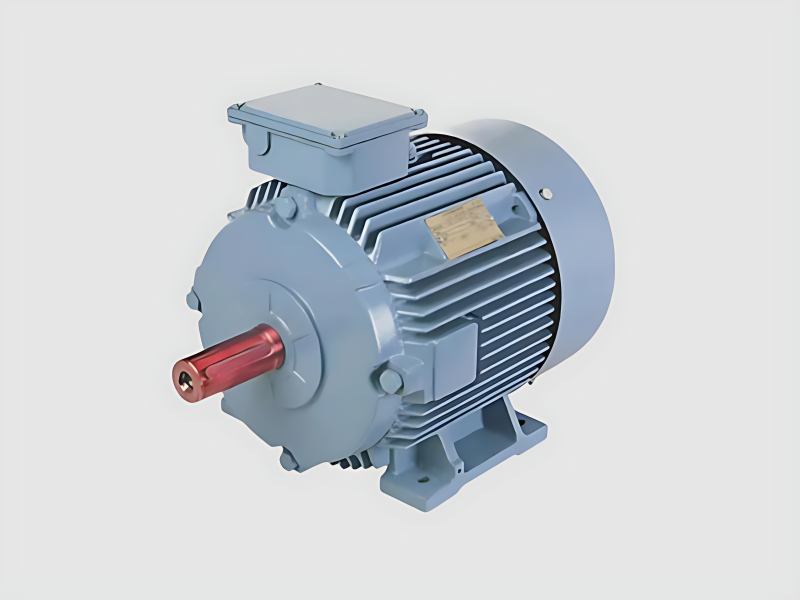
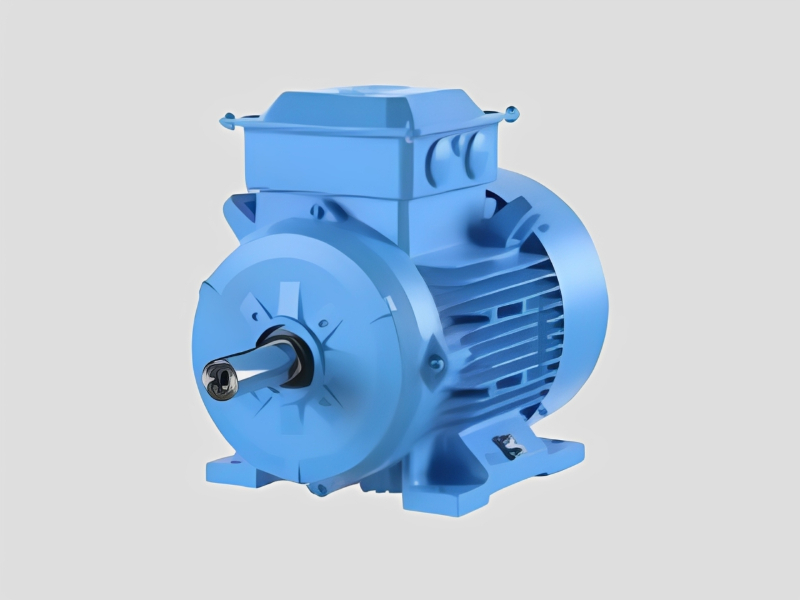
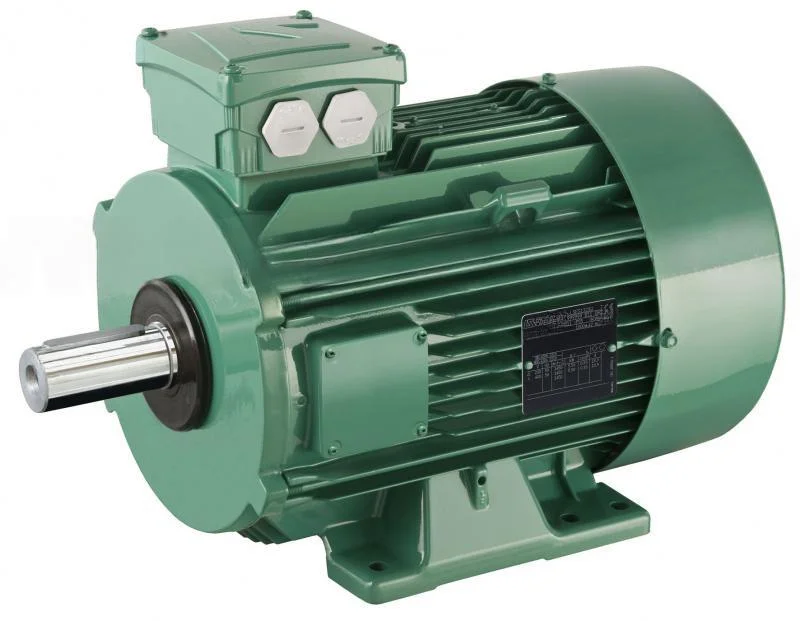
Three-phase AC Motors: Designed for industrial and commercial applications, these motors offer higher efficiency and power output. They are commonly used in heavy machinery and large-scale manufacturing processes.
Benefits and Advantages
AC motors provide numerous advantages that make them a preferred choice for businesses.
Key benefits include:
1. High Efficiency: AC motors are designed to operate at high efficiency, reducing energy consumption and operating costs.
2. Durability: Built to withstand demanding conditions, AC motors have a long operational lifespan with minimal maintenance requirements.
3. Versatility: Available in various sizes and configurations, AC motors can be used in a wide range of applications across multiple industries.
4. Ease of Maintenance: With fewer moving parts compared to other motor types, AC motors require less frequent maintenance, saving time and resources.
5. Cost-Effectiveness: The initial investment in AC motors is often justified by their longevity and low operating costs.
6. Reliability: Known for their consistent performance, AC motors provide dependable operation even under challenging conditions.
Buying Guide for B2B Buyers
When sourcing AC Motors (Single & Three Phase), it is important to consider several key factors to ensure a successful purchase.
1. Quality Assessment: Evaluate the quality of motors by checking for compliance with relevant standards and certifications. Look for motors that meet or exceed industry benchmarks for performance and durability.
2. Supplier Verification: Vet suppliers by reviewing their reputation, experience, and customer feedback. A reliable supplier should have a proven track record in delivering quality products on time.
3. Pricing and MOQ: Understand the pricing structure and minimum order quantities required by suppliers. This will help in budgeting and determining the feasibility of your purchase.
4. Delivery and Lead Times: Assess the logistics and delivery timelines. Ensure that the supplier can meet your deadlines to avoid disruptions in your operations.
5. Compliance Requirements: Familiarize yourself with any regulatory requirements specific to your industry. Ensure that the motors comply with local and international standards for safety and performance.
Compliance and Certifications
Compliance with industry standards and certifications is critical for AC motors. These standards ensure that motors are safe, efficient, and reliable for use in various applications.
Relevant quality standards such as ISO 9001 demonstrate a commitment to quality management systems. Additionally, compliance with CE certification indicates that the motors meet European safety and health requirements.
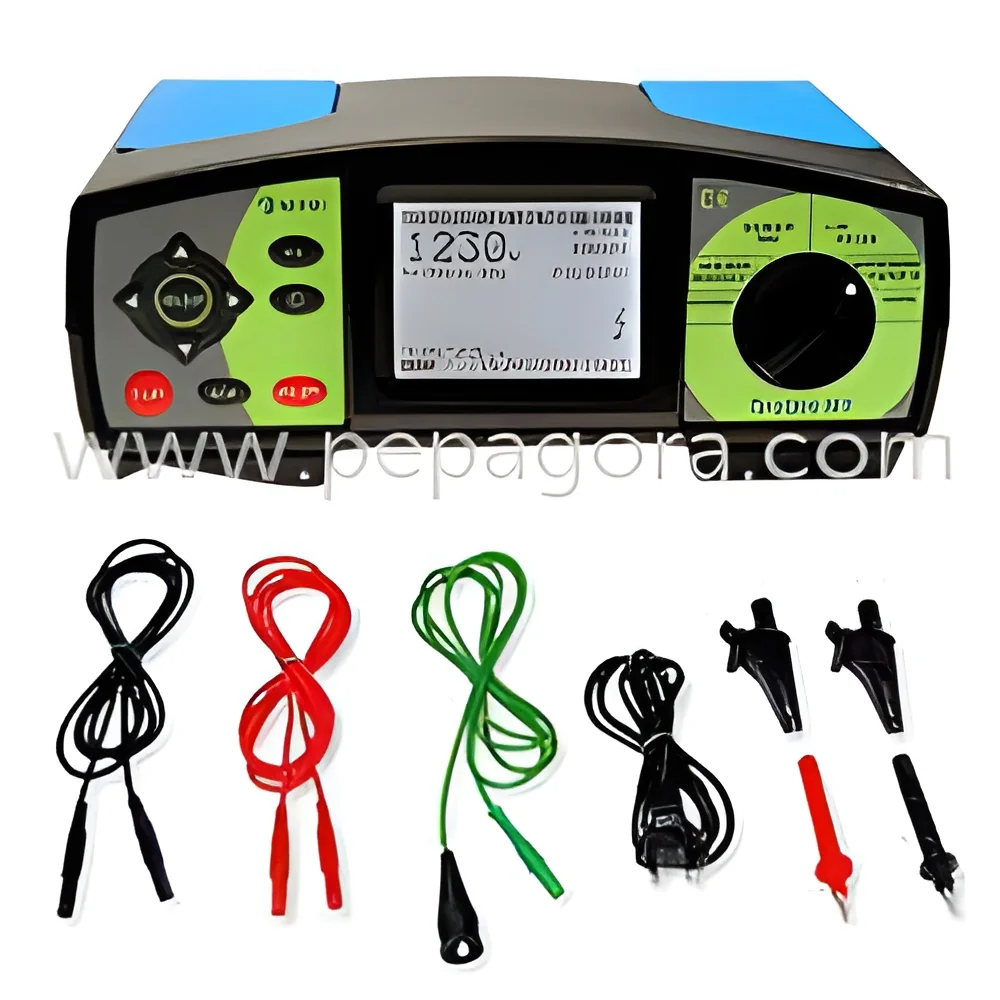
Safety and testing requirements are also paramount. Motors should undergo rigorous testing to ensure they can operate safely under specified conditions. This includes thermal and electrical testing to verify performance.
Regional compliance considerations may vary. It is essential to be aware of local regulations regarding electrical equipment to ensure that your motors meet all necessary criteria for safe operation.
Why Source AC Motors (Single & Three Phase) from Pepagora?
Pepagora offers a trusted platform for sourcing AC Motors (Single & Three Phase) with several key advantages for B2B buyers.
Verified Supplier Network: Our platform features a network of verified suppliers, ensuring that buyers have access to reputable manufacturers and distributors. This reduces the risk associated with sourcing and guarantees product quality.
Streamlined RFQ Process: Our request for quotation (RFQ) system simplifies the procurement process. Buyers can easily compare offers from multiple suppliers, facilitating informed decision-making.
Trade Assurance and Support: Pepagora provides trade assurance to protect buyers throughout the transaction. Our support team is available to assist with any concerns or queries, ensuring a smooth purchasing experience.
Regional Coverage: With a focus on major markets such as India, the GCC, and Southeast Asia, Pepagora ensures that buyers can find suitable suppliers within their region. This geographic reach enhances accessibility and efficiency in the procurement process.

 IN
IN