IN
IN₹
Apparel & Fashion
Loading subcategories...
View More
Description
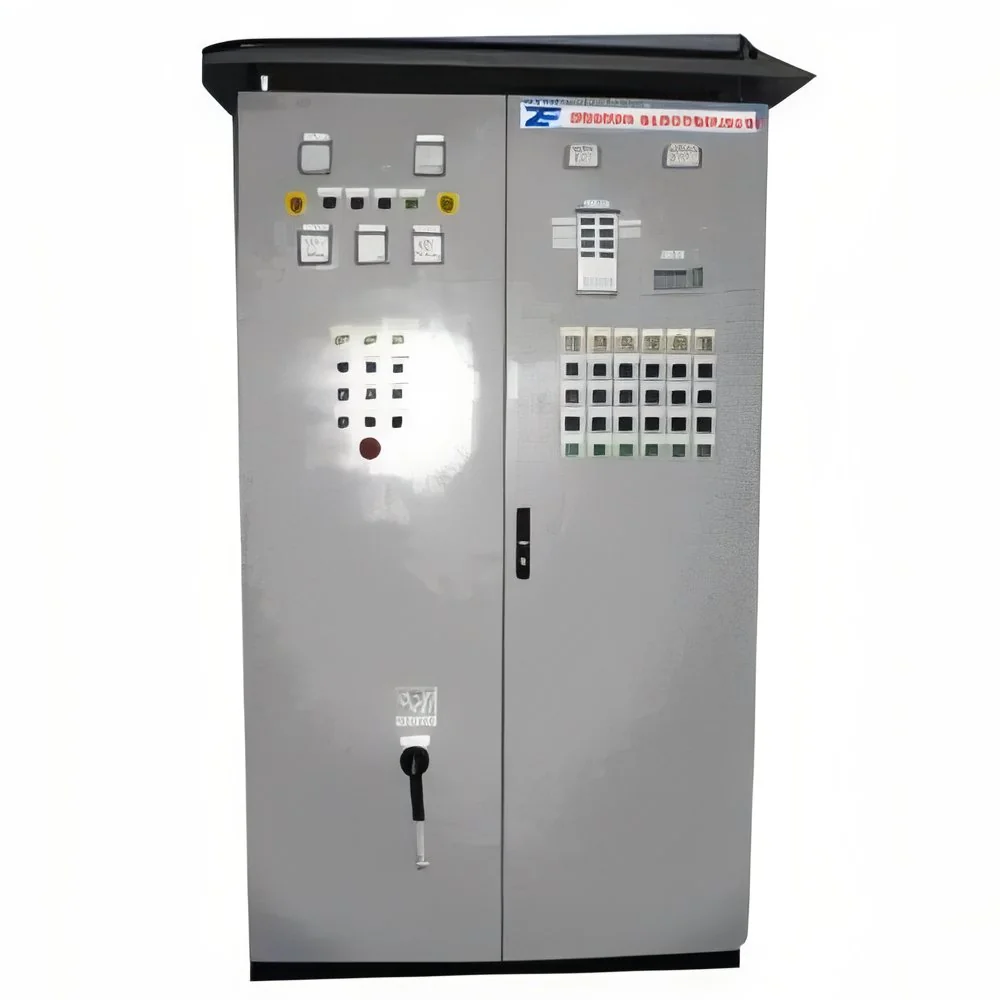
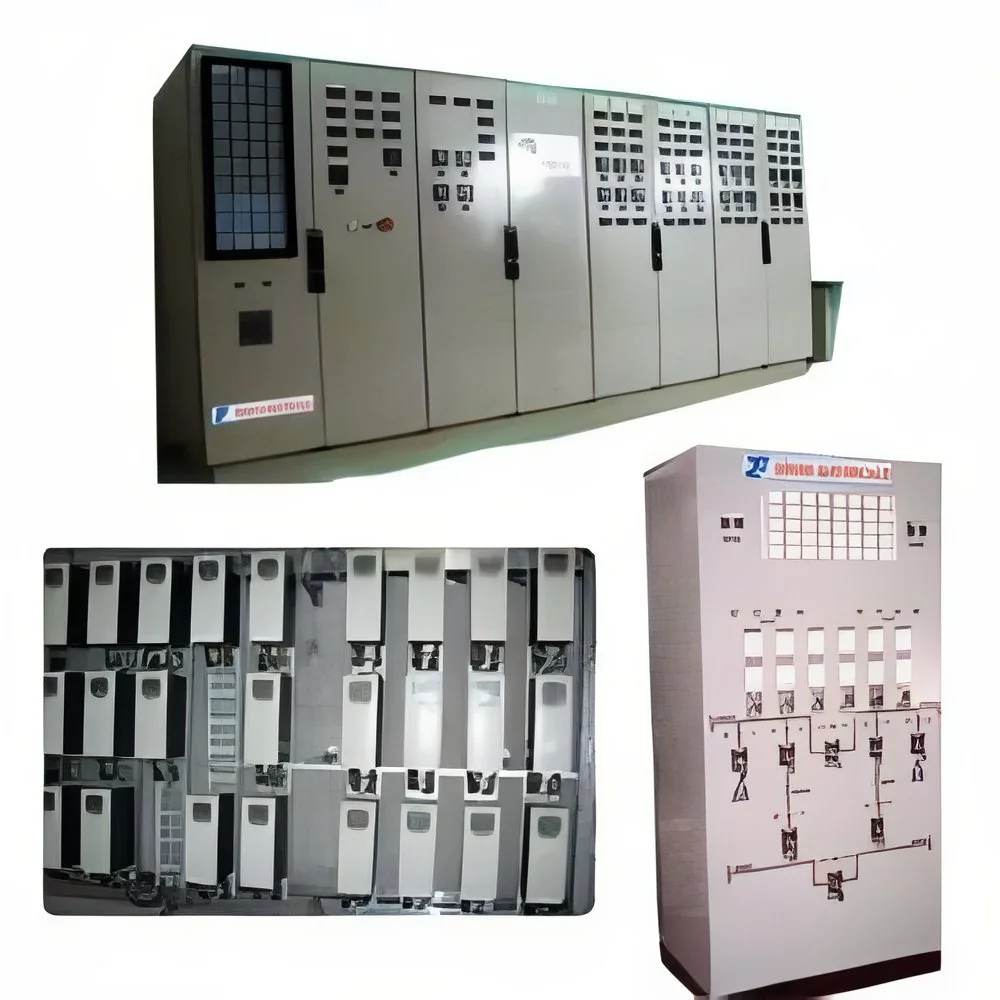
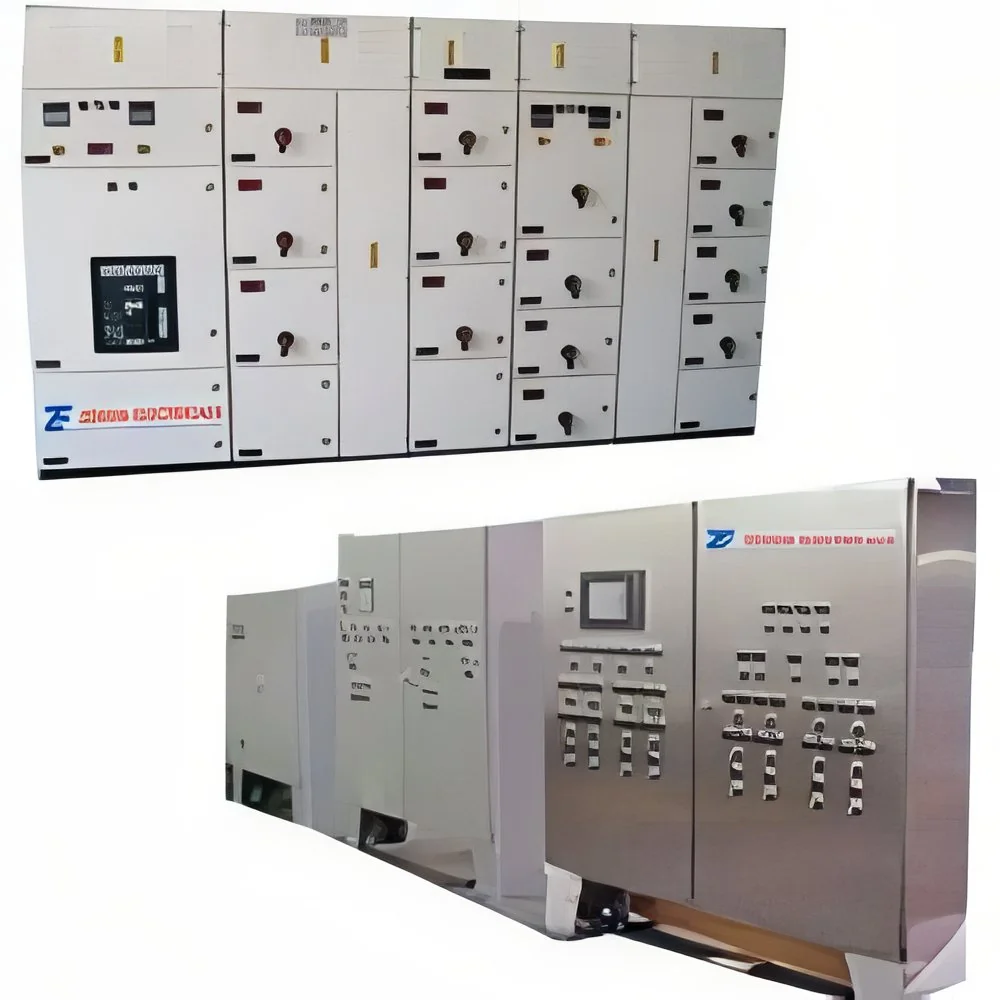
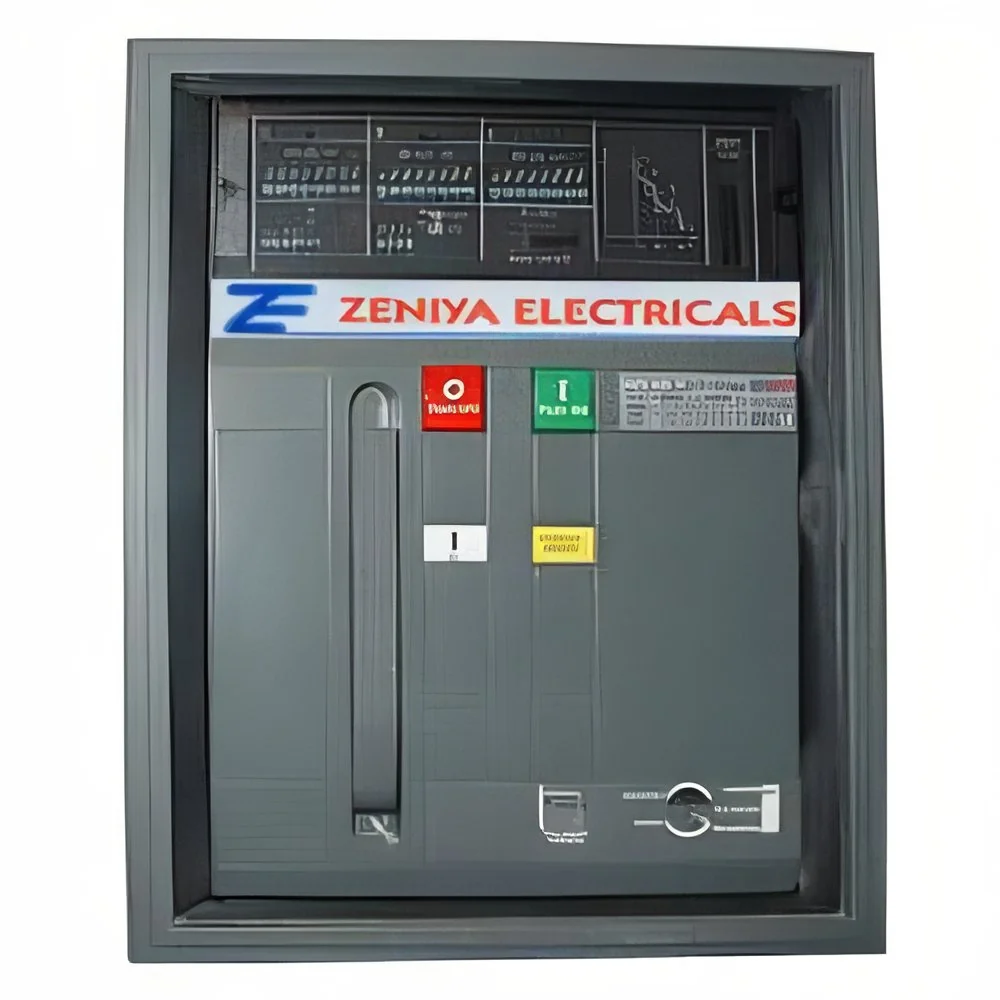
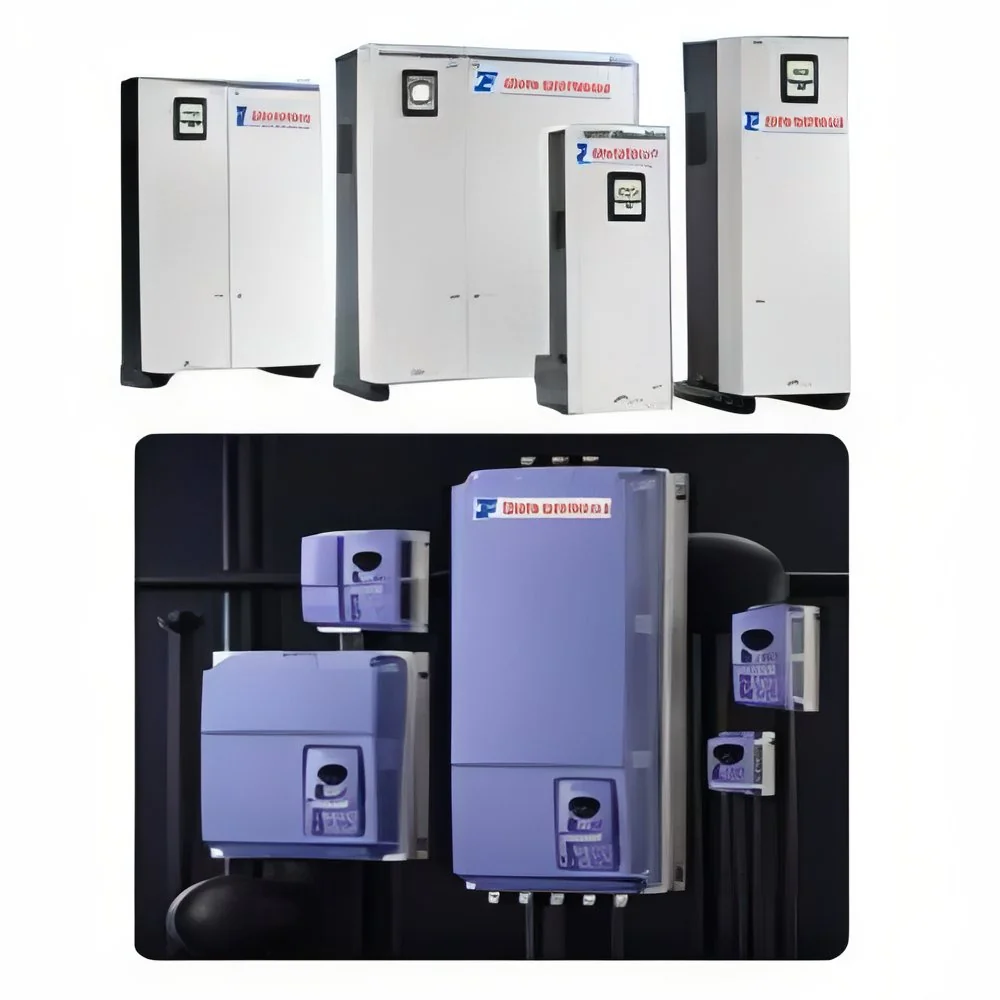
Industrial AC/DC variable speed drives are sophisticated control units designed to precisely manage the speed and torque of electric motors. By adjusting the frequency and voltage supplied to AC motors or the voltage to DC motors, these drives enable optimal motor performance tailored to specific application demands. This precise control translates directly into enhanced operational efficiency, reduced energy consumption, and extended equipment life. Engineered with durability in mind, they feature robust construction suitable for challenging industrial environments, ensuring reliable performance where consistent operation is critical. Their design prioritizes both functionality and integration ease, making them a fundamental component for modern industrial automation and energy management strategies.

These drives serve as vital components across a wide spectrum of industries. In manufacturing, they are indispensable for controlling conveyor systems, machine tools, mixers, and extrude...
Industrial AC/DC variable speed drives are sophisticated control units designed to precisely manage the speed and torque of electric motors. By adjusting the frequency and voltage supplied to AC motors or the voltage to DC motors, these drives enable optimal motor performance tailored to specific application demands. This precise control translates directly into enhanced operational efficiency, reduced energy consumption, and extended equipment life. Engineered with durability in mind, they feature robust construction suitable for challenging industrial environments, ensuring reliable performance where consistent operation is critical. Their design prioritizes both functionality and integration ease, making them a fundamental component for modern industrial automation and energy management strategies.

These drives serve as vital components across a wide spectrum of industries. In manufacturing, they are indispensable for controlling conveyor systems, machine tools, mixers, and extruders, allowing for precise speed adjustments that improve product quality and throughput. The HVAC sector relies on them to optimize the operation of fans, pumps, and compressors in commercial buildings, achieving substantial energy savings while maintaining comfort levels. Water and wastewater treatment plants use them for precise pump control, managing flow rates and pressure efficiently. Additionally, industries such as food and beverage processing, textiles, plastics, and material handling integrate these drives to achieve variable speed requirements, ensure process consistency, and reduce mechanical wear on critical machinery.

The business value of implementing these variable speed drives is substantial and multi-faceted. Their primary advantage lies in dramatic energy savings, often reducing motor energy consumption by 20% to 60%, which lowers operational costs and improves sustainability metrics. This reliability minimizes unplanned downtime, protecting production schedules and revenue. The drives also reduce mechanical stress on motors, belts, and gears, leading to less frequent repairs and longer asset lifespans, thereby lowering the total cost of ownership. For system integrators and operators, the precise control enhances process repeatability and product quality. Their proven durability and consistent performance under variable loads make them a trustworthy, long-term investment for serious buyers focused on operational excellence and cost-effective automation solutions.

Key Features:
- Precise speed and torque control for AC and DC motors through advanced frequency and voltage regulation.
- Robust industrial-grade construction designed for reliable operation in demanding environments.
- Energy-saving algorithms and efficient power conversion to minimize electricity consumption.
- Broad compatibility with various motor types and standard industrial communication protocols.
- User-friendly interface for parameter setting, monitoring, and integration into control systems.

Benefits:
- Significant reduction in energy costs through optimized motor operation and reduced power waste.
- Extended operational life of motors and driven equipment by minimizing mechanical stress and wear.
- Enhanced process control and consistency, leading to improved output quality and reduced waste.
- Lower maintenance requirements and reduced downtime, increasing overall equipment effectiveness.
- Flexible application across diverse industries and machinery, providing a versatile automation solution.
Specifications
| Additional Information | |
|---|---|
| Country of Origin | India |
| Customisable | No |
Application
These industrial AC/DC variable speed drives provide precise control over motor speed and torque, enabling significant energy savings and improved process efficiency. Their robust design ensures reliable operation in demanding environments, from manufacturing floors to commercial facilities, reducing mechanical stress on connected equipment and extending overall system lifespan. They are engineered for straightforward integration with various motor types and existing industrial control systems, offering flexibility for diverse operational requirements.
Manufacturers and facility operators utilize these drives to optimize performance across critical applications. The technology allows for smooth acceleration and deceleration, maintaining consistent output quality while adapting to variable load conditions. This versatility makes them suitable for complex automation sequences, precise material handling, and systems where operational parameters frequently change, providing a reliable solution for maintaining productivity and reducing energy costs in continuous operations.
- Regulating conveyor belt speeds in packaging and material handling facilities for precise product flow.
- Controlling fan and pump motors in commercial HVAC systems to optimize climate control and energy use.
- Managing spindle speeds and feed rates in CNC machining and manufacturing production lines.
- Adjusting pump operations in water treatment and irrigation systems for accurate flow and pressure management.
- Governing motor speeds in textile, printing, and processing machinery for consistent output quality.
Trade Details
| Available Stock | In Stock |
| Sample Availability | No |
Payment Terms
| Payment Terms |
|
Company Profile
Zeniya Electricals, Rajasthan
 Rajasthan, India
Rajasthan, IndiaElectronics & Electrical•Manufacturer•Distributor / Wholesaler
Factory Details
Factory SizeBelow 1000 sqm
Annual Production Capacity0
Main Markets
South Asia
Industrial AC/DC Variable Speed Drives For Motor Control And Energy Savings
Industrial AC/DC variable speed drives from premium manufacturers deliver precise motor control and significant energy savings for automation, HVAC, and machinery applications. Built for reliability and performance.
Min. Order Quantity: 1 piece
Shipping
Shipping fee and delivery date to be negotiated. Contact supplier now for more details.
Zeniya Electricals
 Rajasthan, India
Rajasthan, IndiaElectronics & ElectricalManufacturer