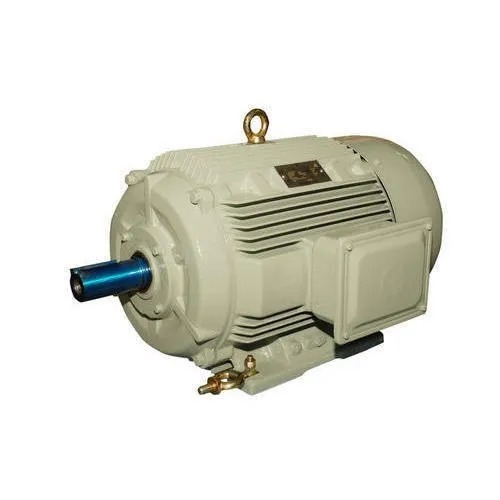
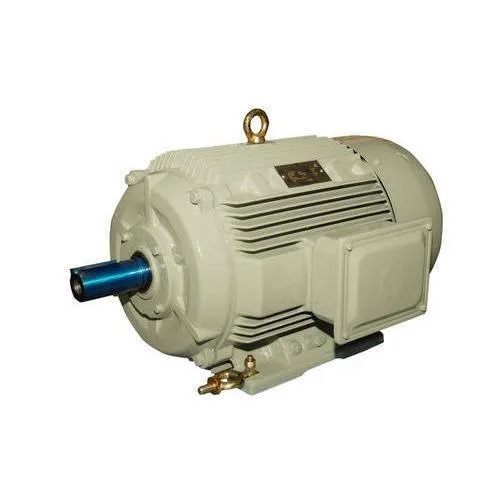
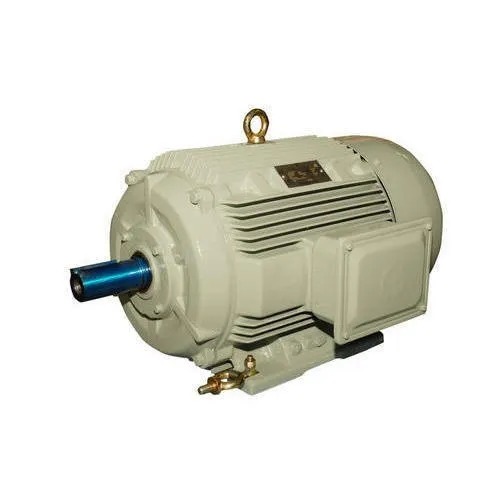
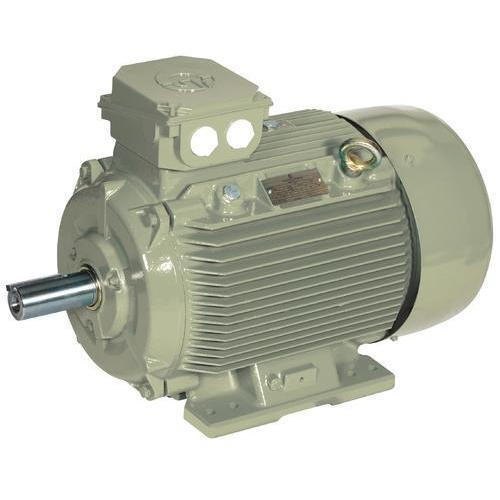
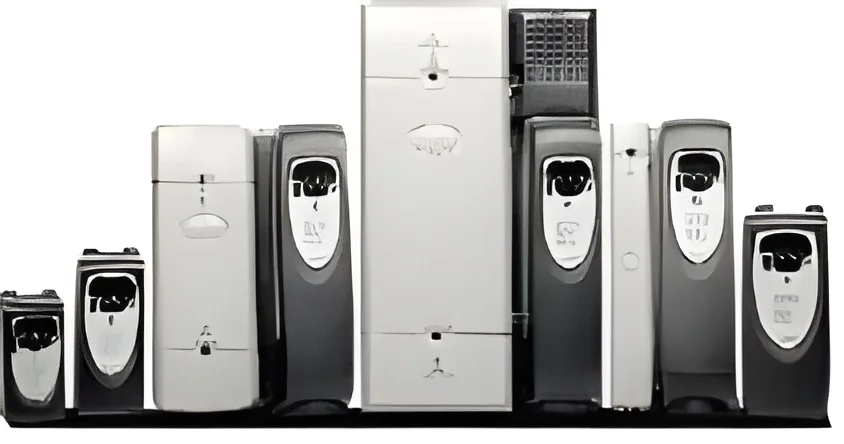
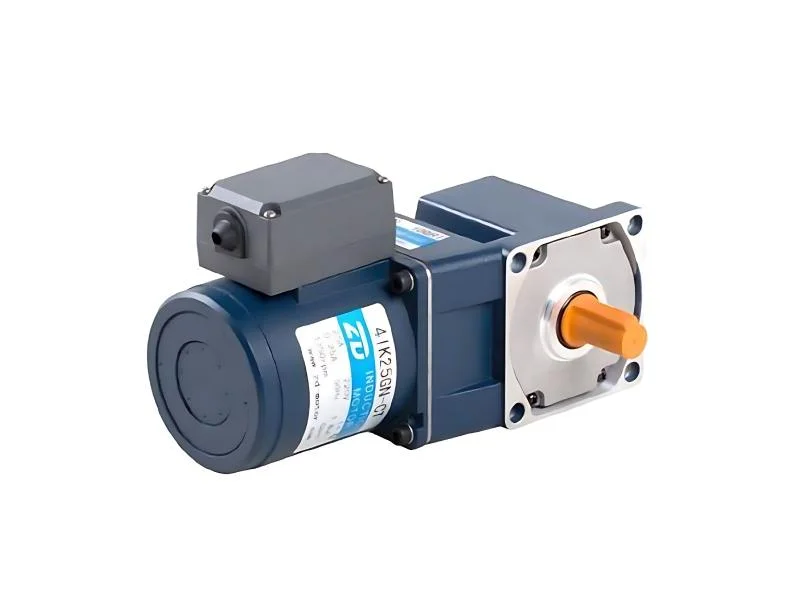
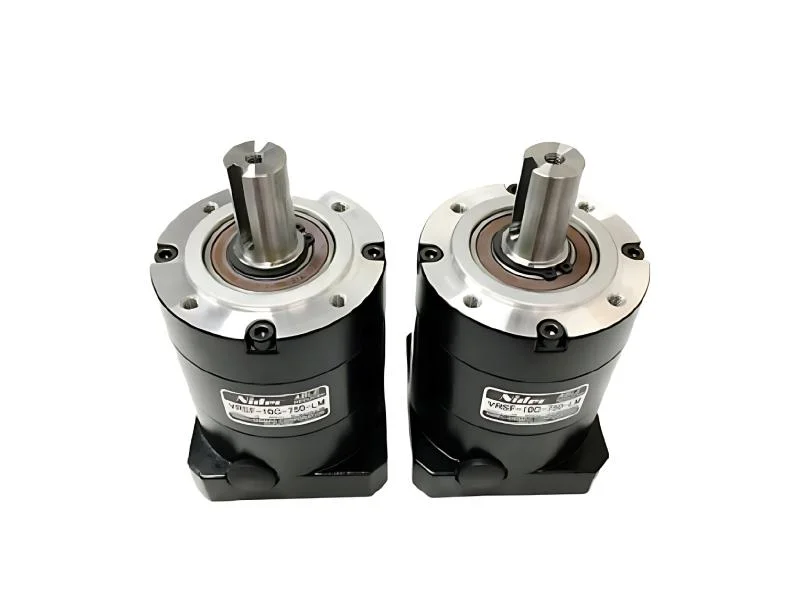
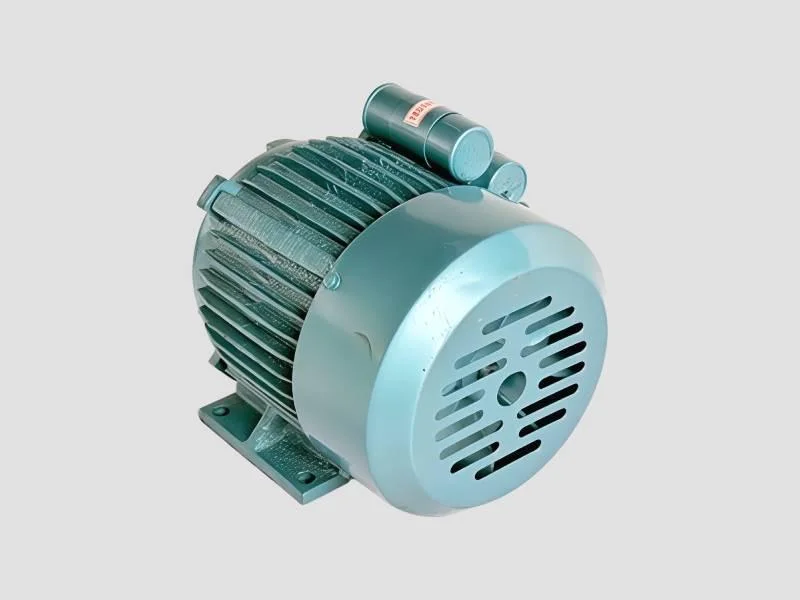
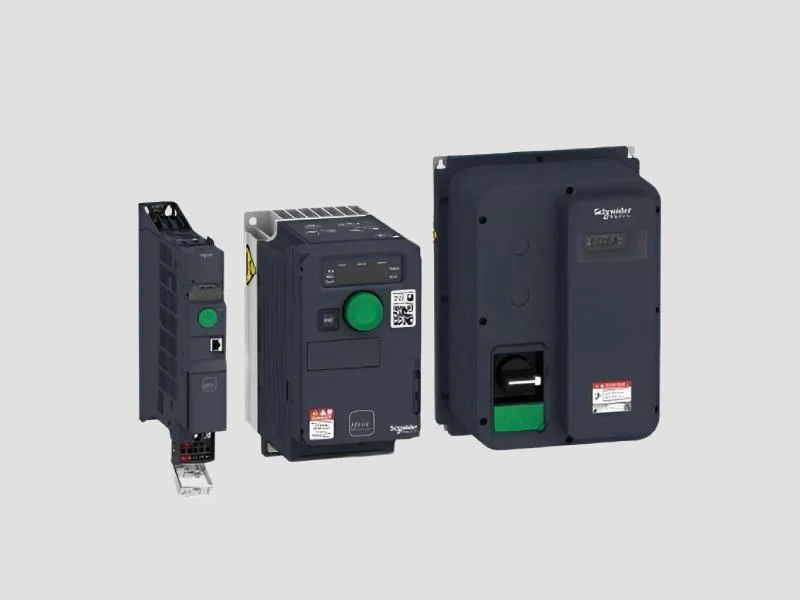
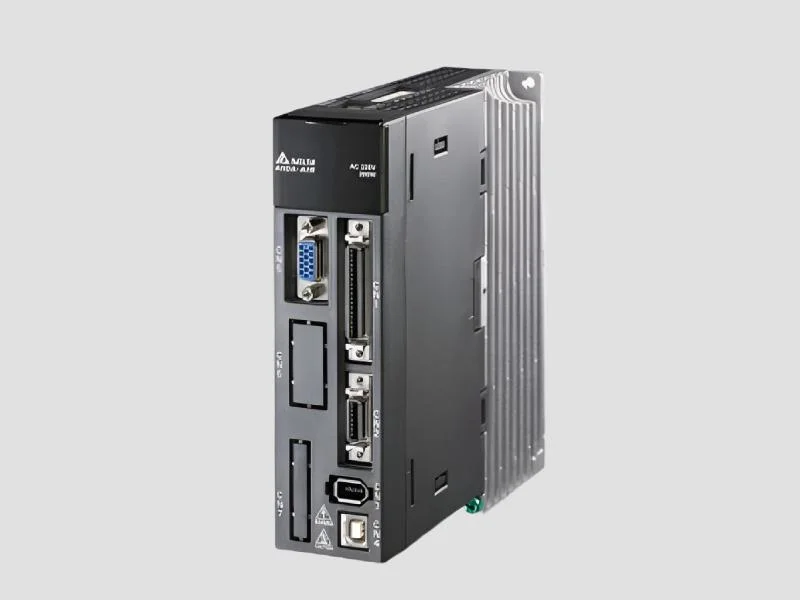
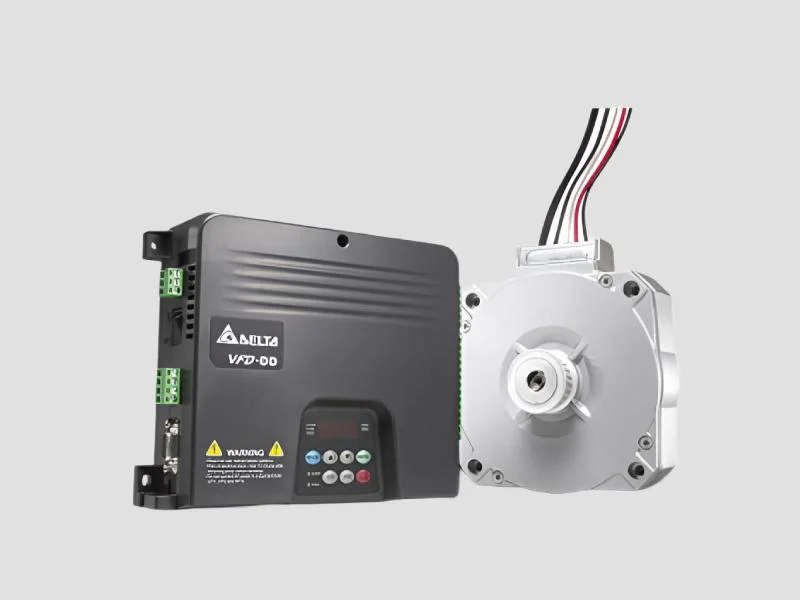
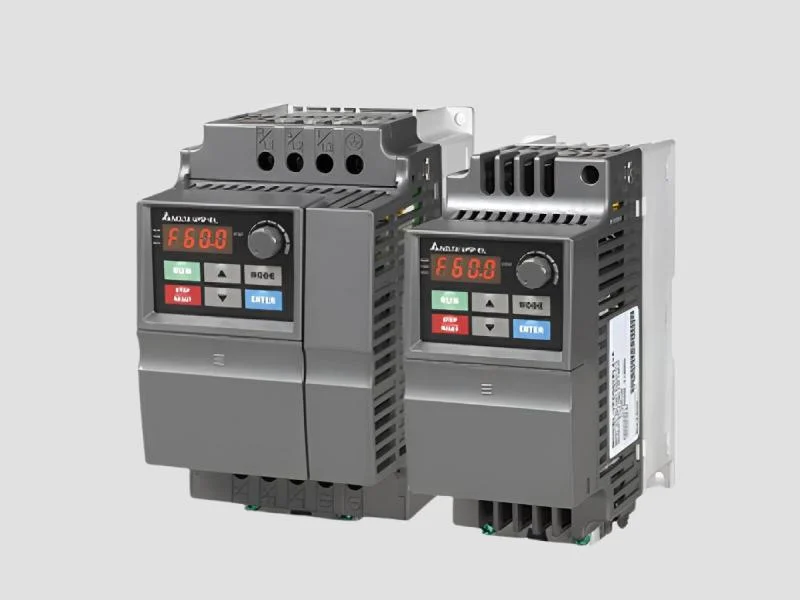
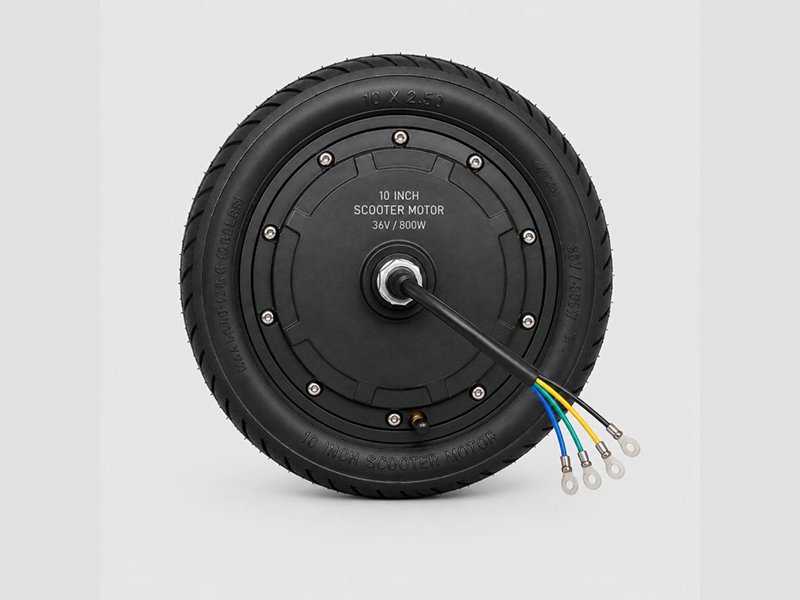
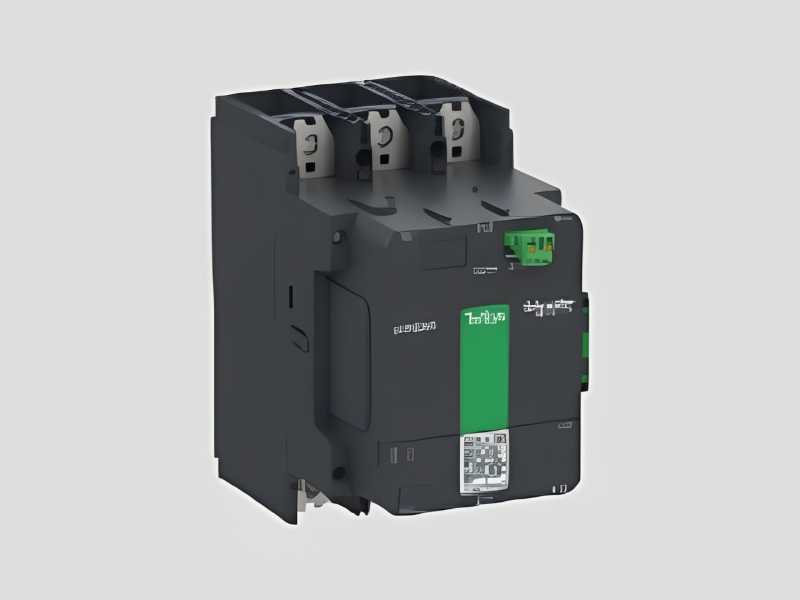
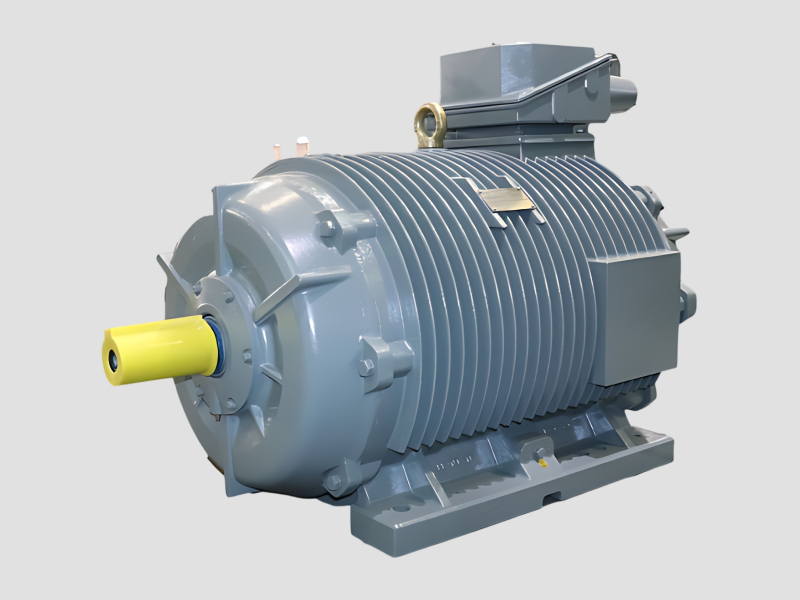
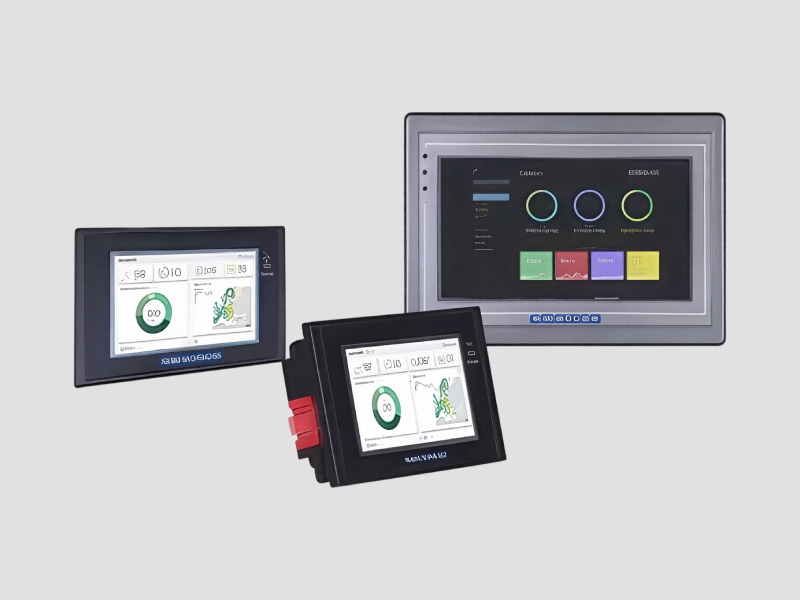
𝗪𝗵𝗮𝘁 𝗮𝗿𝗲 𝗠𝗼𝘁𝗼𝗿𝘀 & 𝗗𝗿𝗶𝘃𝗲𝘀?
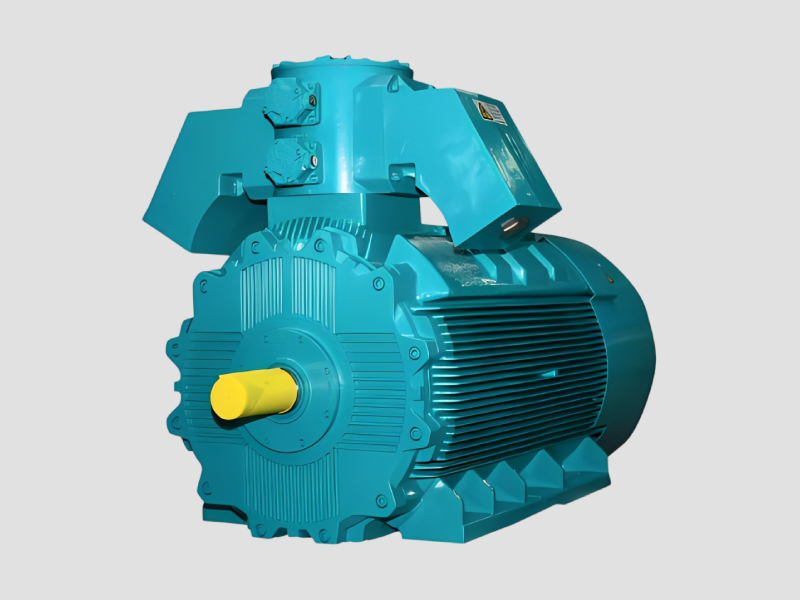
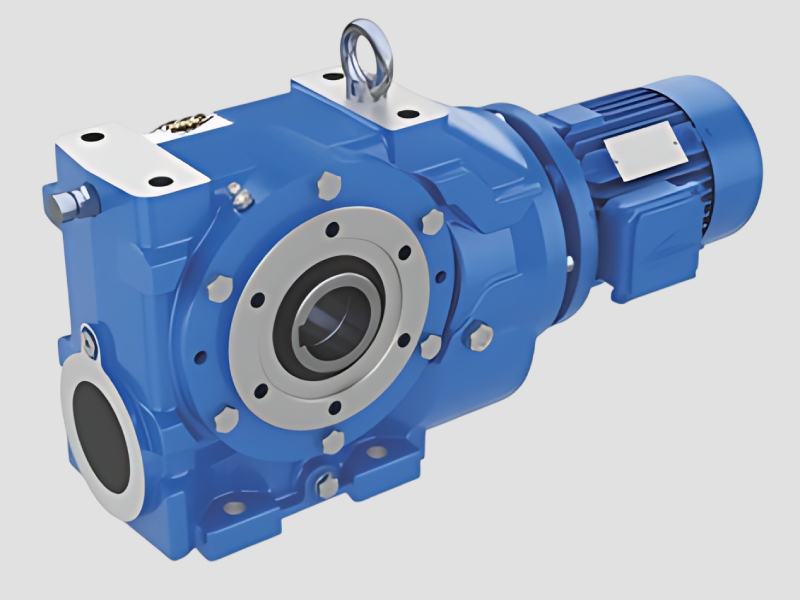
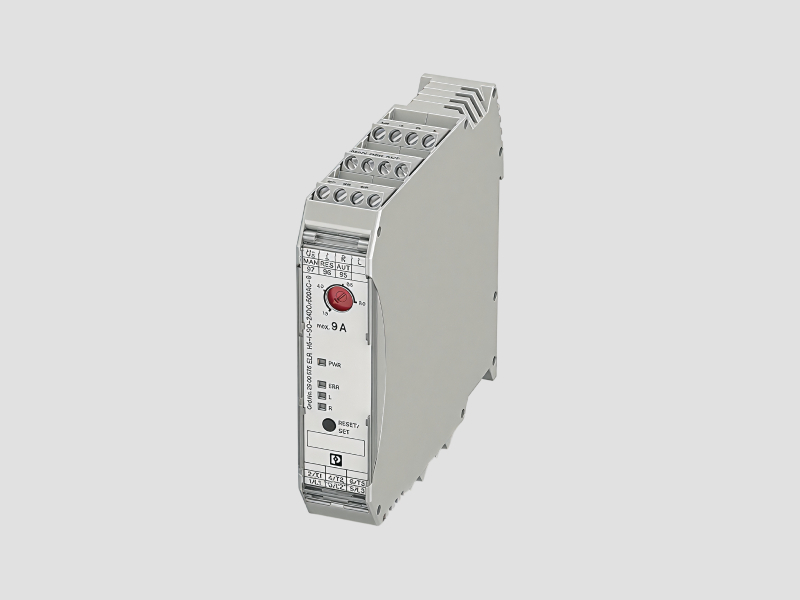
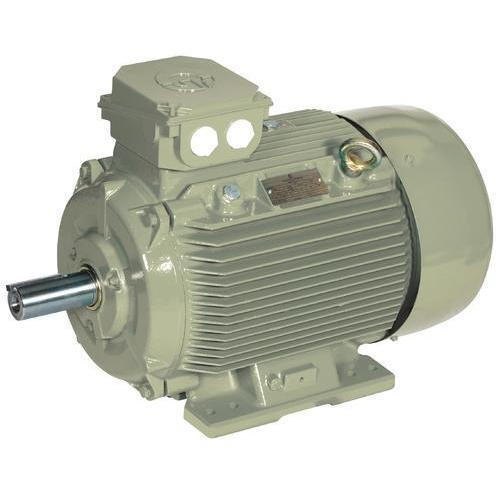
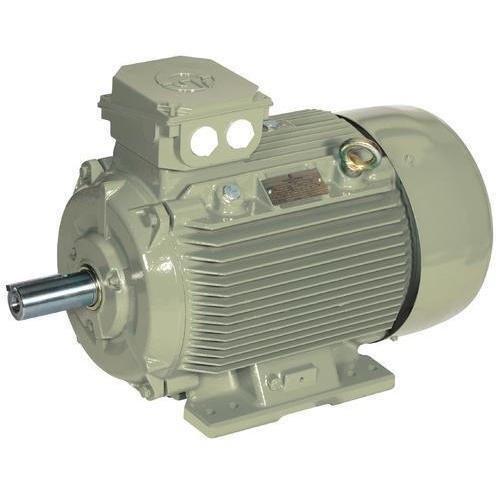
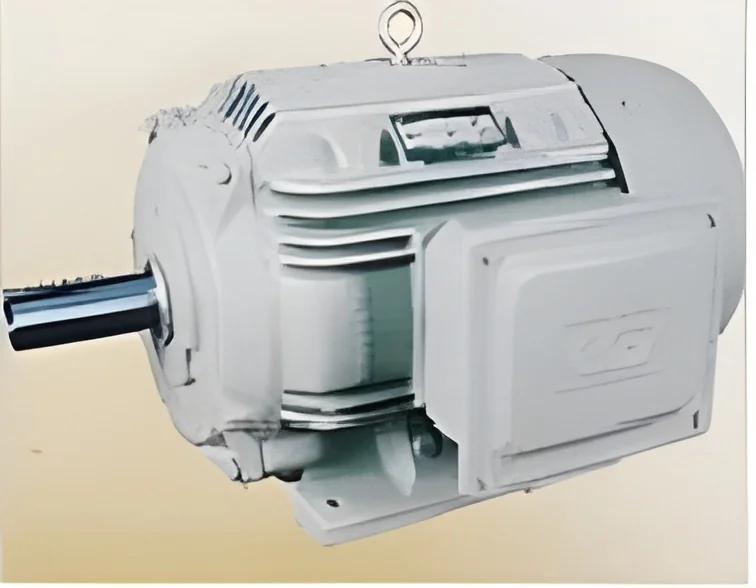
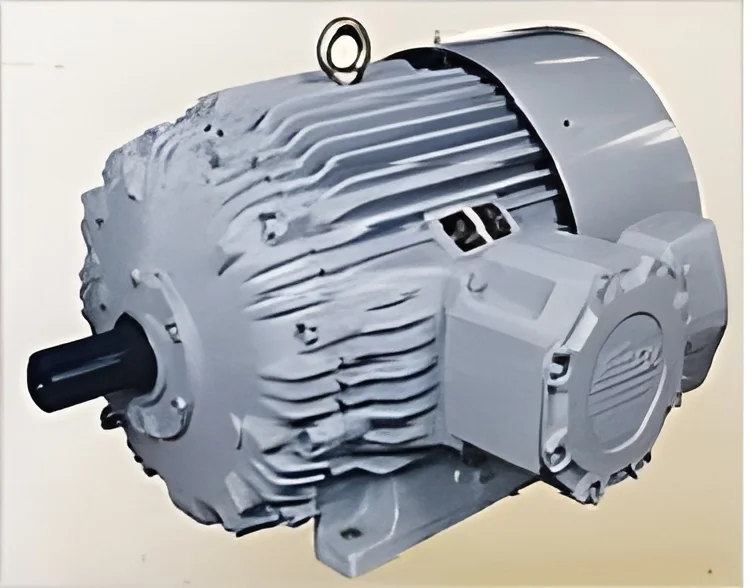
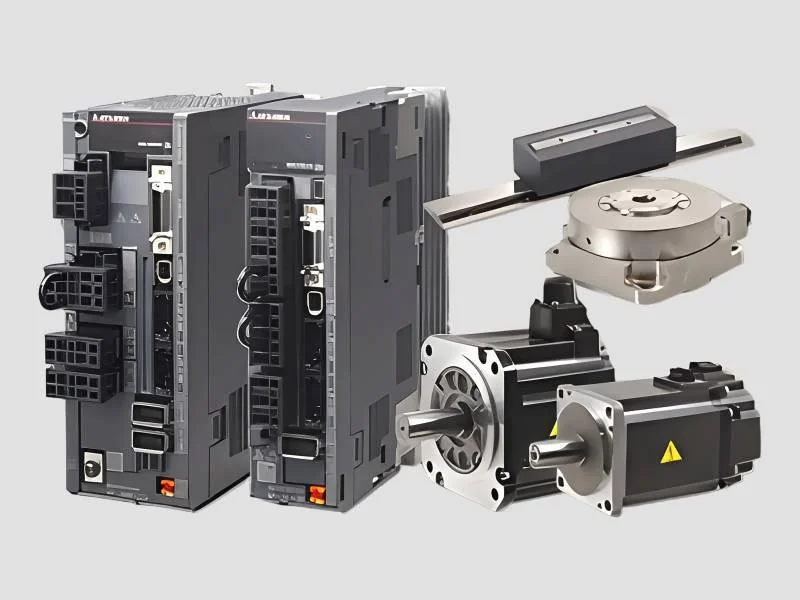
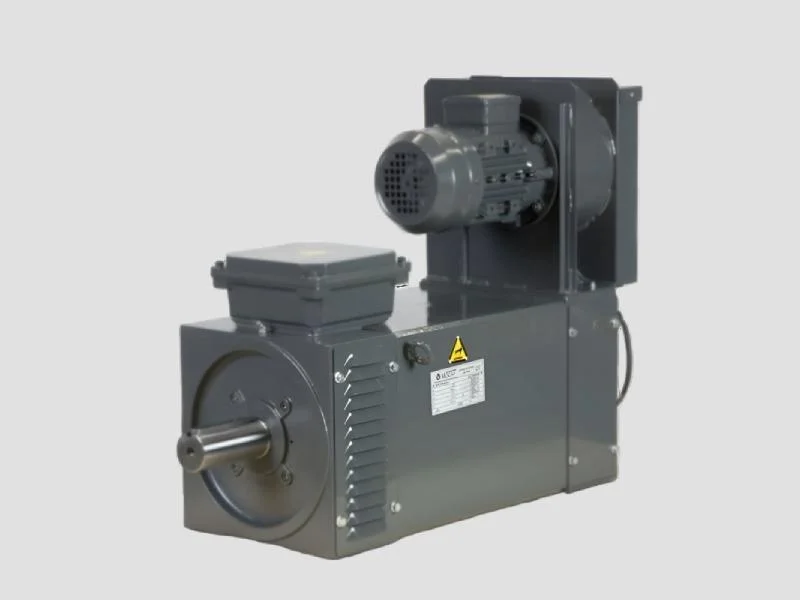
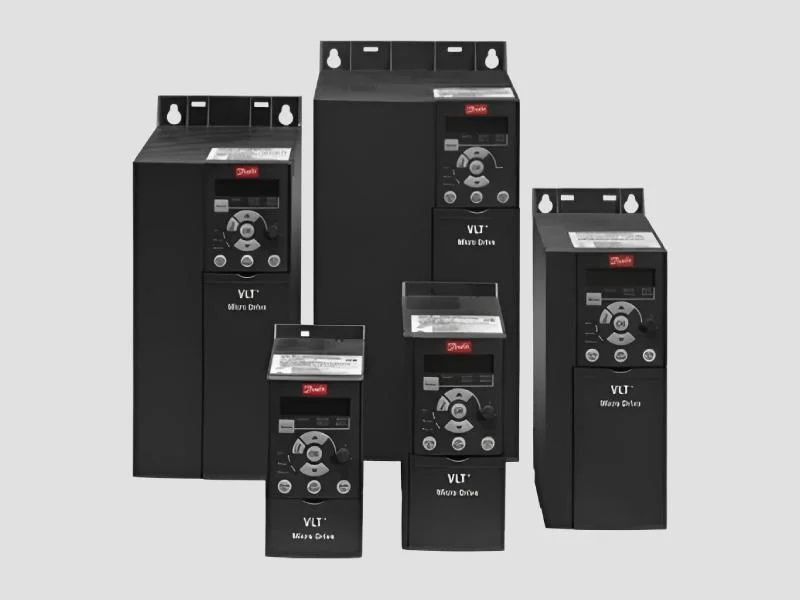
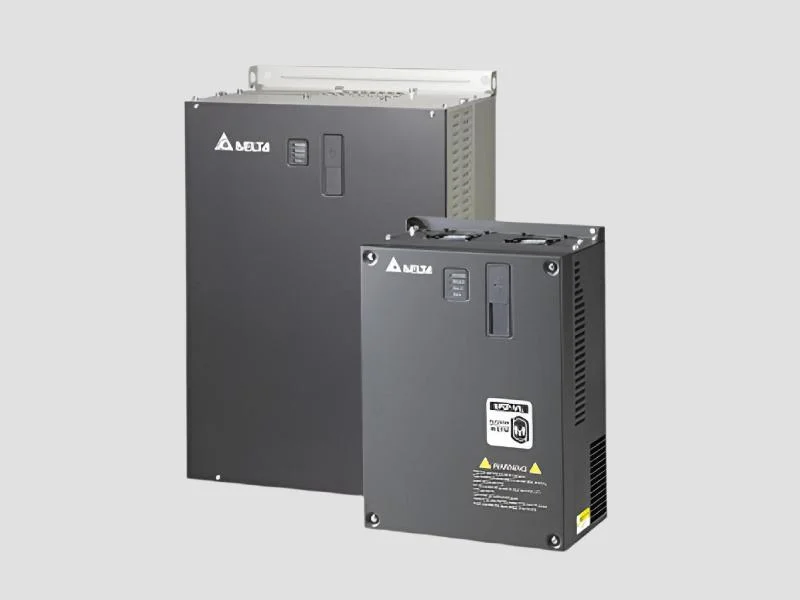
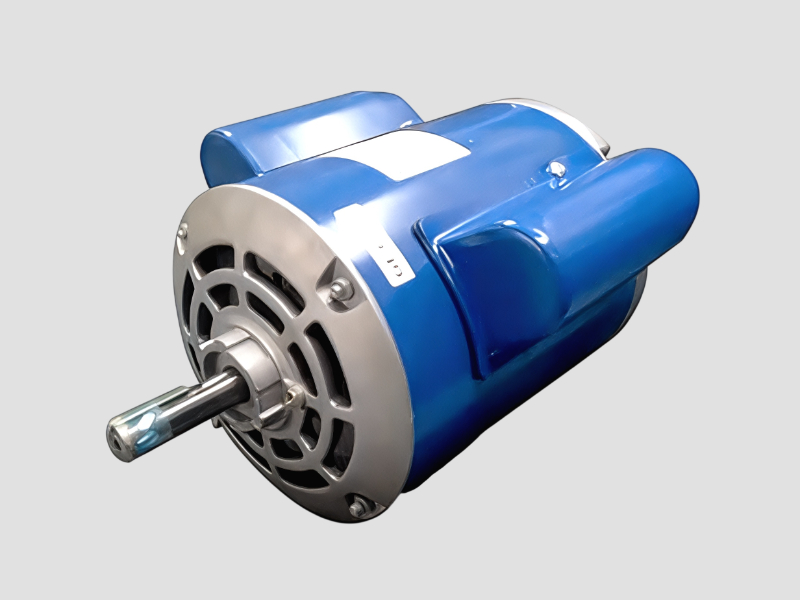
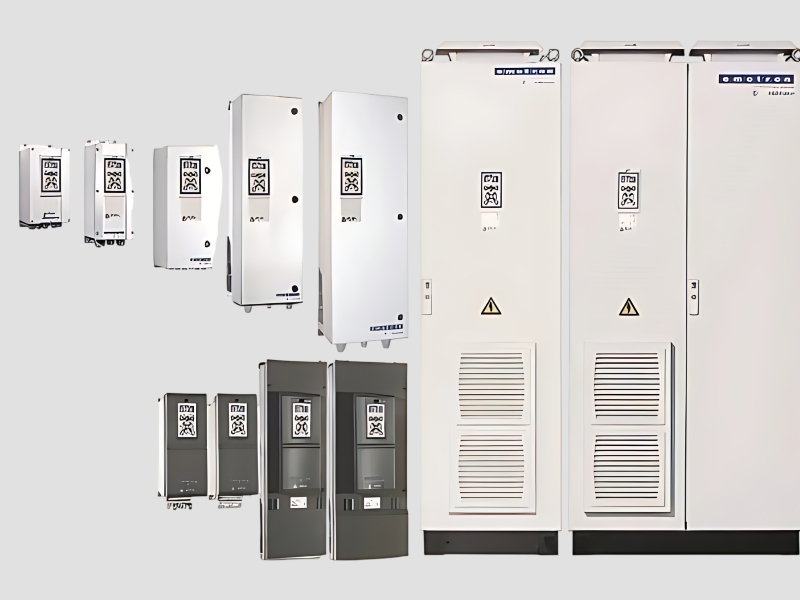
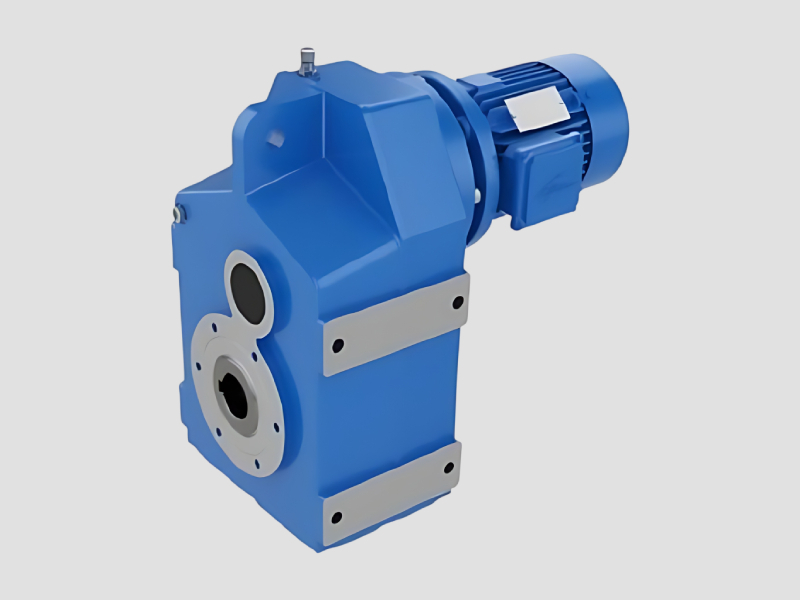
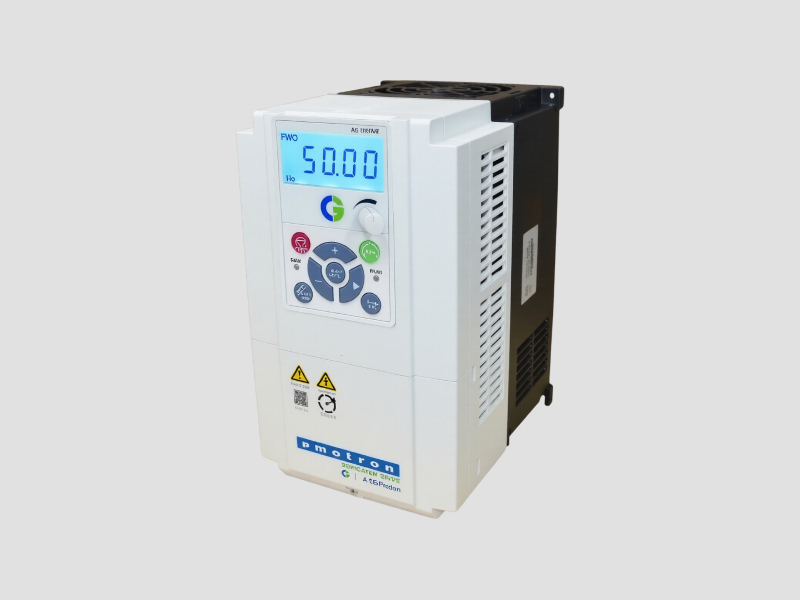
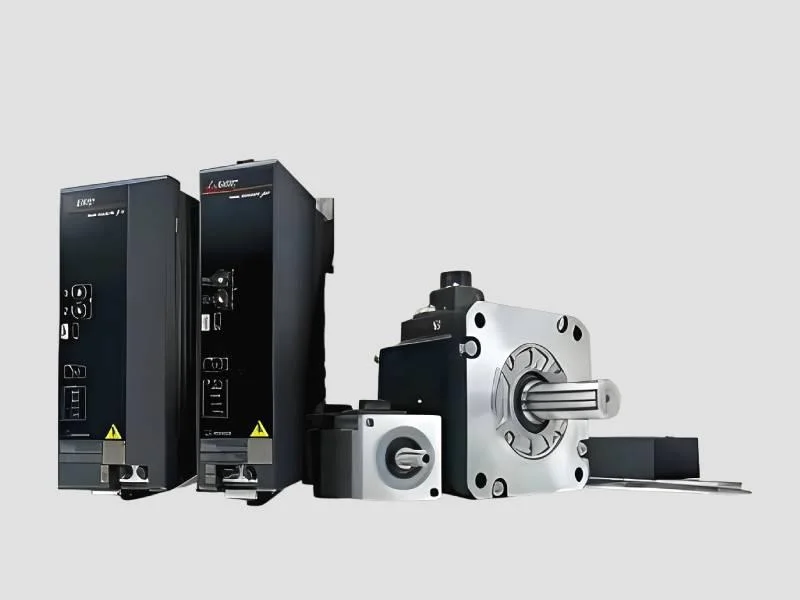
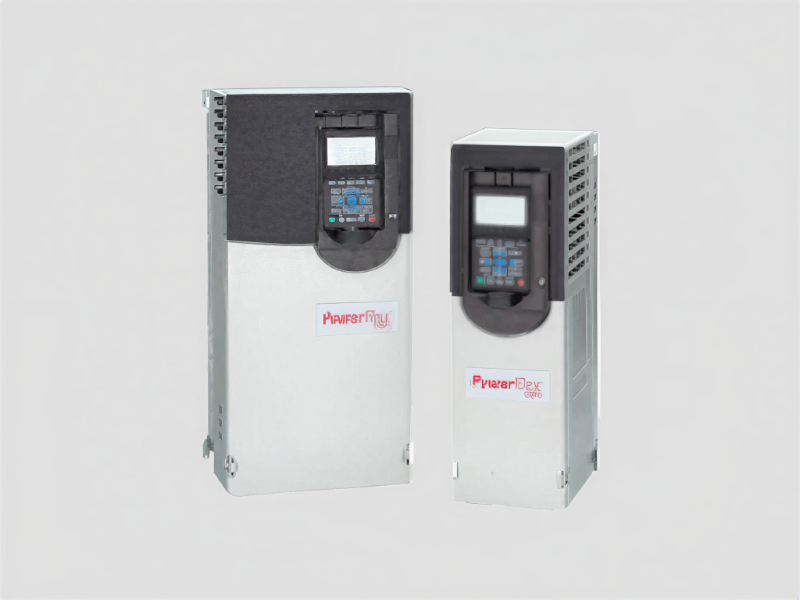
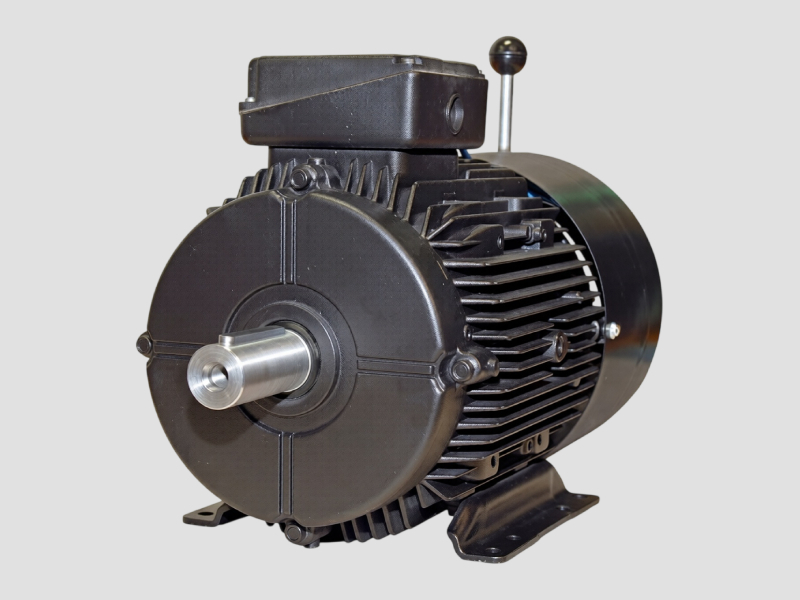
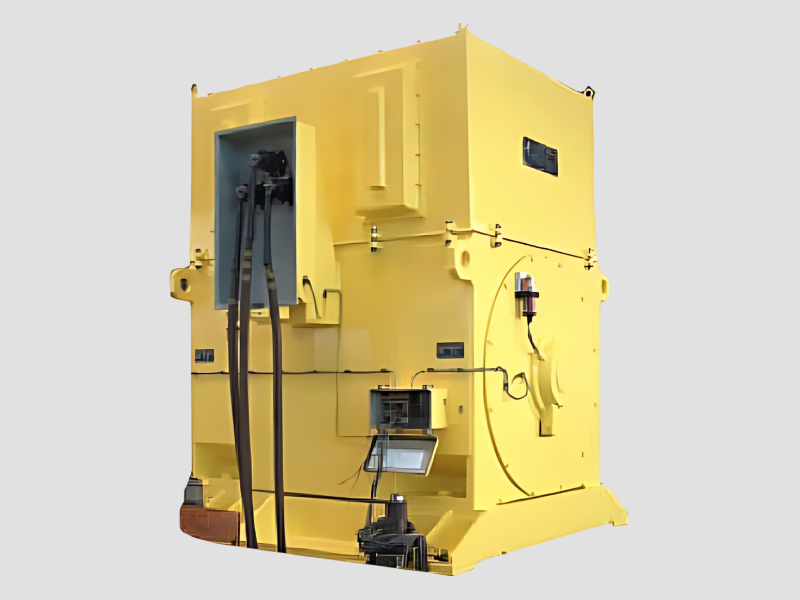
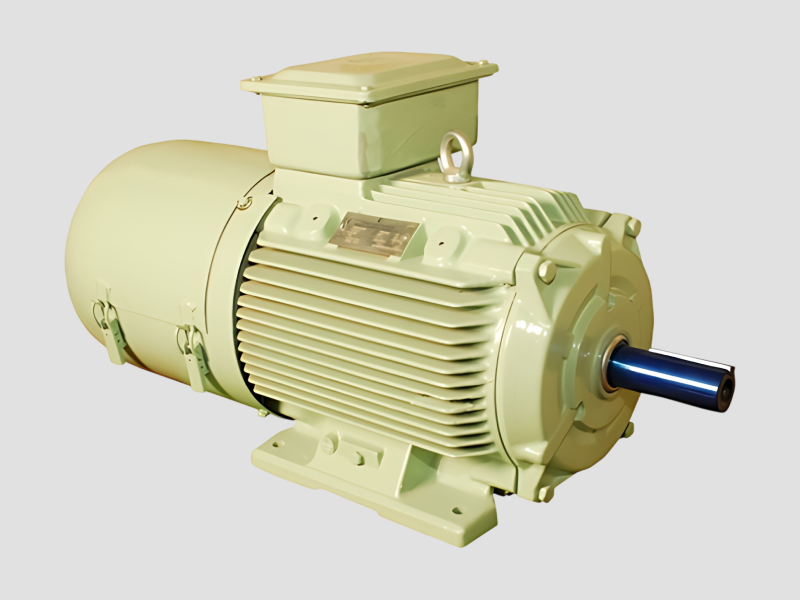
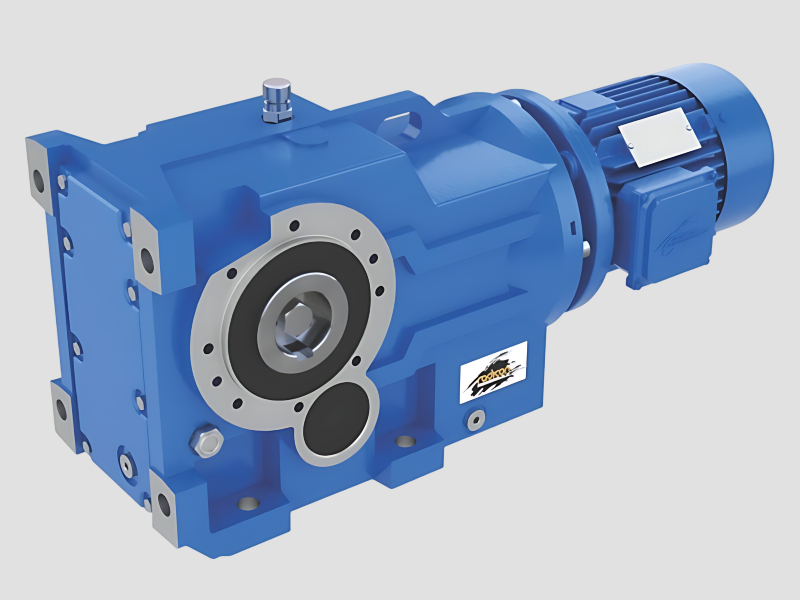
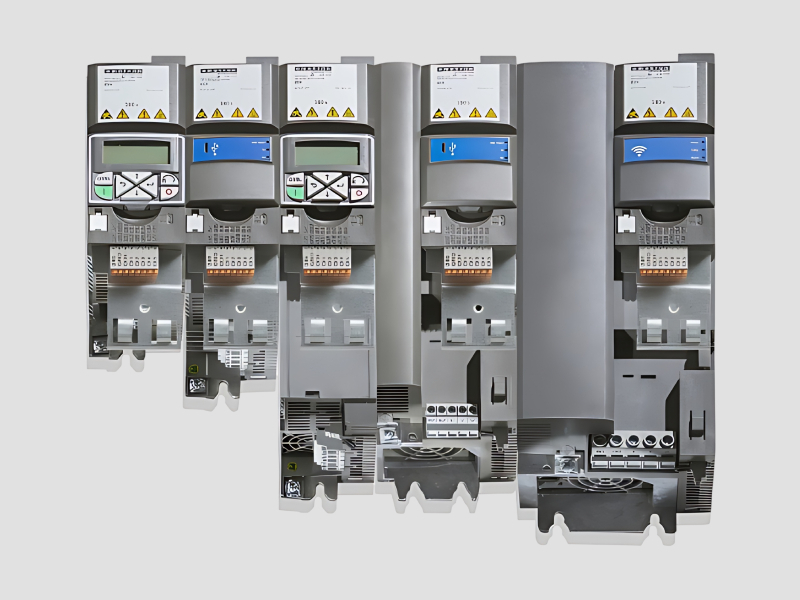
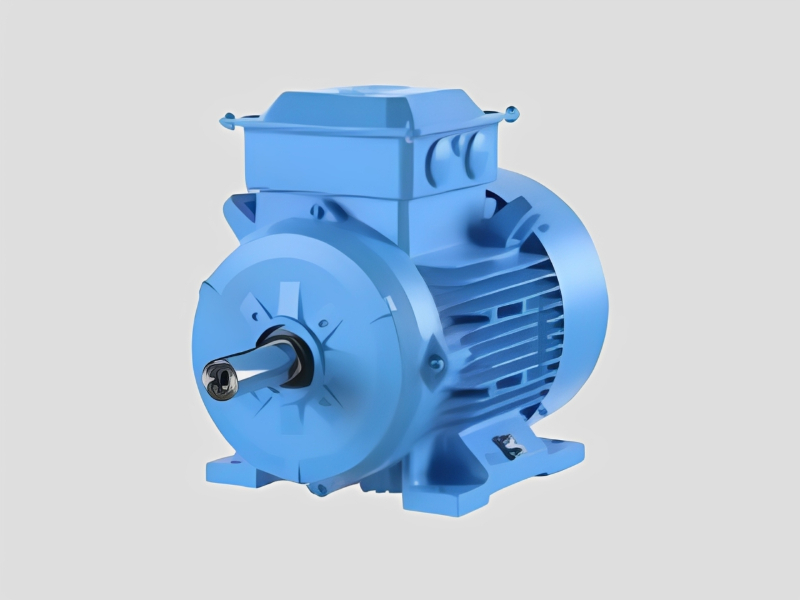
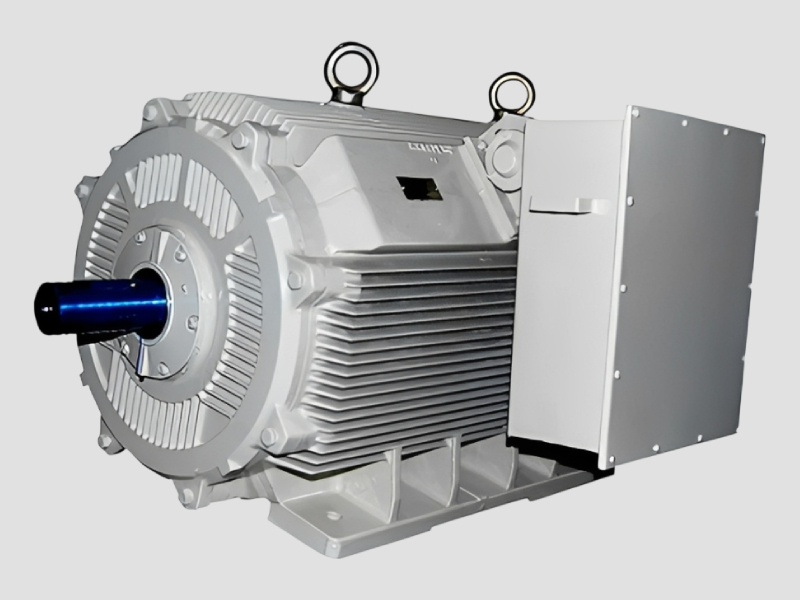
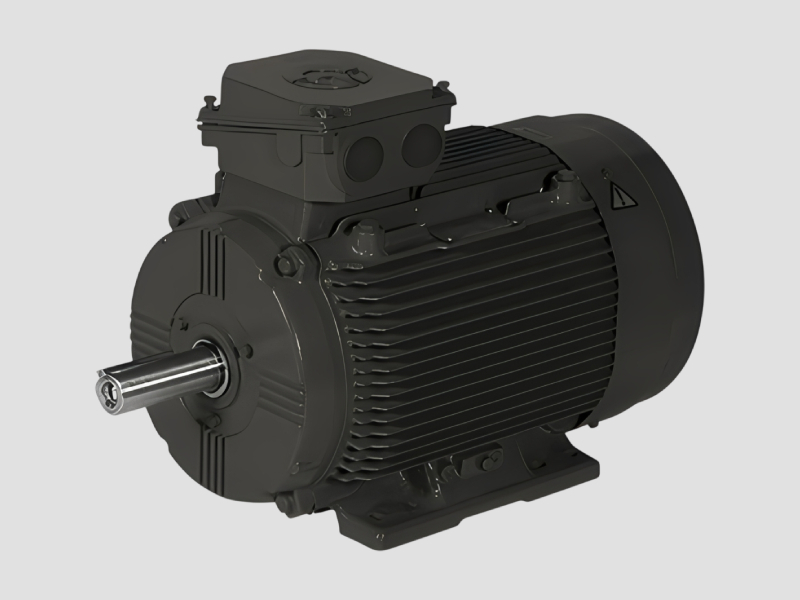
Motors and drives are essential components in the machinery and manufacturing sectors. Motors convert electrical energy into mechanical energy, enabling movement and operation of various equipment. Drives, on the other hand, control the speed, torque, and direction of the motors, making them integral to the performance of industrial processes. Together, they form a vital part of automation systems, ensuring efficient operation across diverse applications.
These components are widely used in industries such as manufacturing, robotics, automotive, and HVAC systems. They play a crucial role in driving machinery, conveyor systems, pumps, and fans, among others. By optimizing performance and energy consumption, motors and drives contribute significantly to operational efficiency and productivity. The market for these products has been growing steadily, driven by advancements in technology and the increasing demand for automation in various sectors.
In the context of industry relevance, the demand for energy-efficient motors and drives has increased due to global sustainability initiatives. Companies are now focusing on reducing energy consumption and lowering operational costs. This trend has led to innovations in motor and drive technology, enhancing their capabilities and applications in modern industrial setups.
𝗞𝗲𝘆 𝗙𝗲𝗮𝘁𝘂𝗿𝗲𝘀 𝗮𝗻𝗱 𝗦𝗽𝗲𝗰𝗶𝗳𝗶𝗰𝗮𝘁𝗶𝗼𝗻𝘀
Motors and drives come with a range of features that enhance their functionality. Understanding these specifications is crucial for selecting the right components for specific applications.
Key specifications include:
1. Power Rating
- Indicates the output power of the motor
- Typically measured in horsepower (HP) or kilowatts (kW)
2. Voltage Supply
- Refers to the electrical voltage required to operate the motor
- Commonly ranges from 120V to 480V
3. Speed Range
- Defines the operational speed of the motor
- Measured in revolutions per minute (RPM)
4. Efficiency Class
- Indicates the energy efficiency of the motor
- Classified according to international standards (e.g., IE2, IE3)
5. Torque Characteristics
- Describes the motor's torque output
- Measured in Newton-meters (Nm)
6. Control Method
- Refers to the type of drive control used (e.g., variable frequency drive, servo drive)
7. Enclosure Type
- Indicates the motor's protection against environmental factors
- Common types include open, closed, and explosion-proof
8. Operating Temperature Range
- Specifies the temperature limits for safe operation
- Typically ranges from -20°C to 60°C
These specifications are critical for ensuring that motors and drives meet the operational demands of various applications.
𝗖𝗼𝗺𝗺𝗼𝗻 𝗔𝗽𝗽𝗹𝗶𝗰𝗮𝘁𝗶𝗼𝗻𝘀 𝗮𝗻𝗱 𝗨𝘀𝗲 𝗖𝗮𝘀𝗲𝘀
Motors and drives are utilized across various industries, each with unique requirements and applications.
1. Manufacturing: Motors and drives are used in automated assembly lines, robotic arms, and conveyor systems to enhance production efficiency.
2. Automotive: In this sector, they drive electric vehicles, pumps, and fans, ensuring optimal performance and energy efficiency.
3. HVAC: Motors and drives are integral in heating, ventilation, and air conditioning systems, controlling airflow and temperature regulation.
4. Water Treatment: They are used in pumps and mixers, facilitating efficient water processing and distribution.
5. Agriculture: Motors and drives power irrigation systems and machinery, improving agricultural productivity.
6. Mining: They drive conveyors and drilling equipment, optimizing operations in harsh environments.
7. Food Processing: Motors and drives are essential in processing equipment, ensuring consistent quality and safety.
𝗣𝗿𝗼𝗱𝘂𝗰𝘁 𝗩𝗮𝗿𝗶𝗮𝗻𝘁𝘀 𝗮𝗻𝗱 𝗦𝘂𝗯𝗰𝗮𝘁𝗲𝗴𝗼𝗿𝗶𝗲𝘀
Motors and drives come in diverse forms to cater to different needs. This variety allows businesses to choose components that best fit their operational requirements.
AC Motors
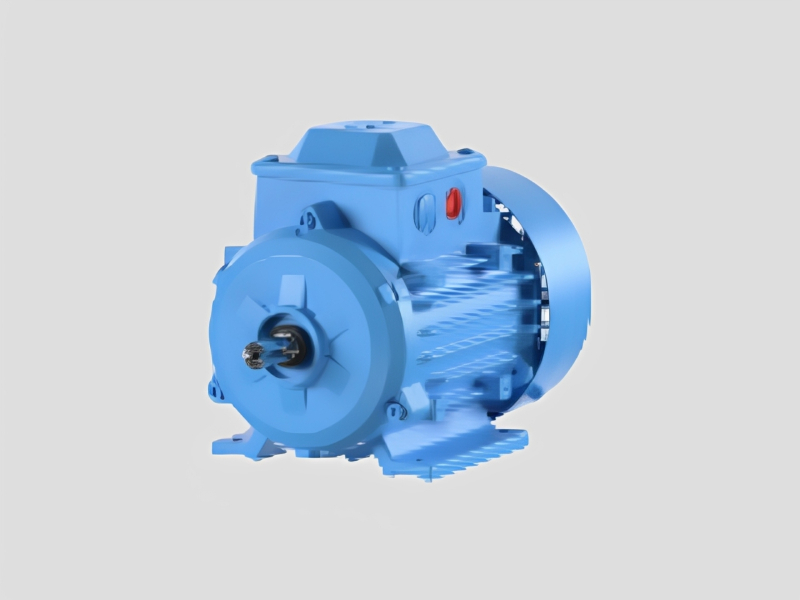
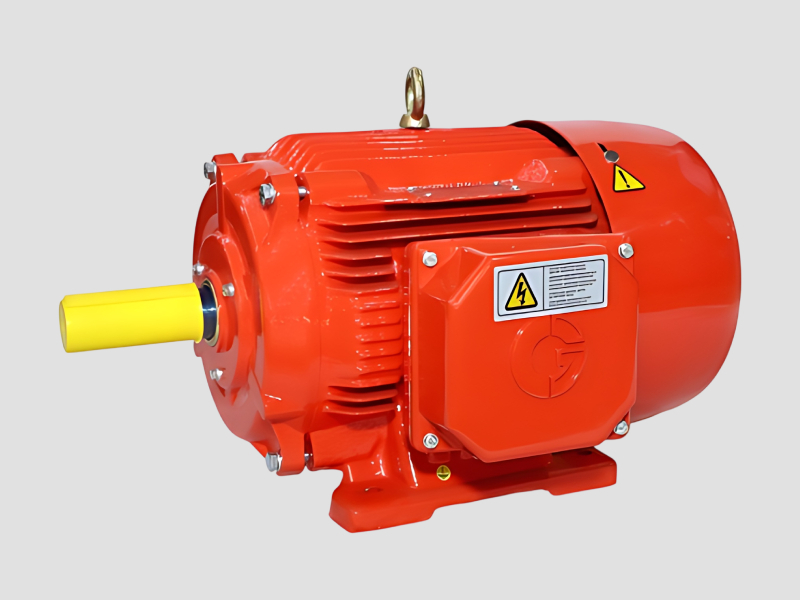
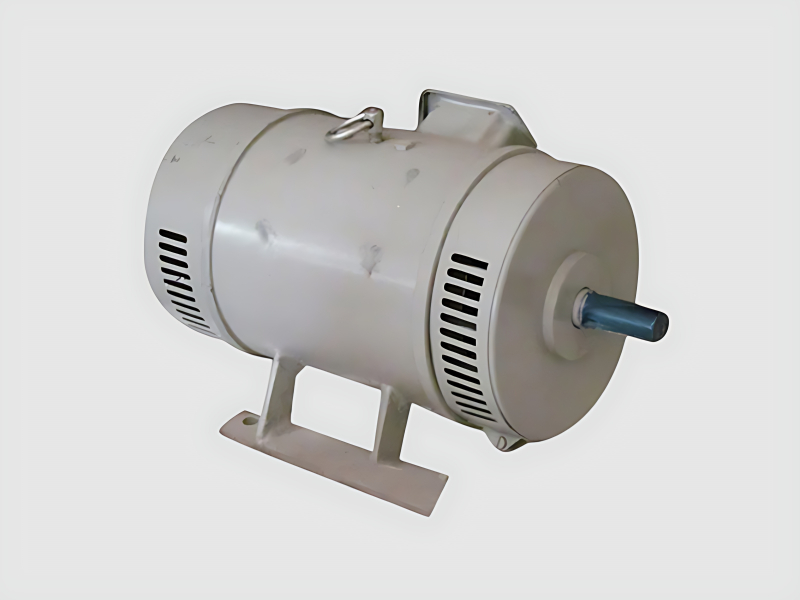
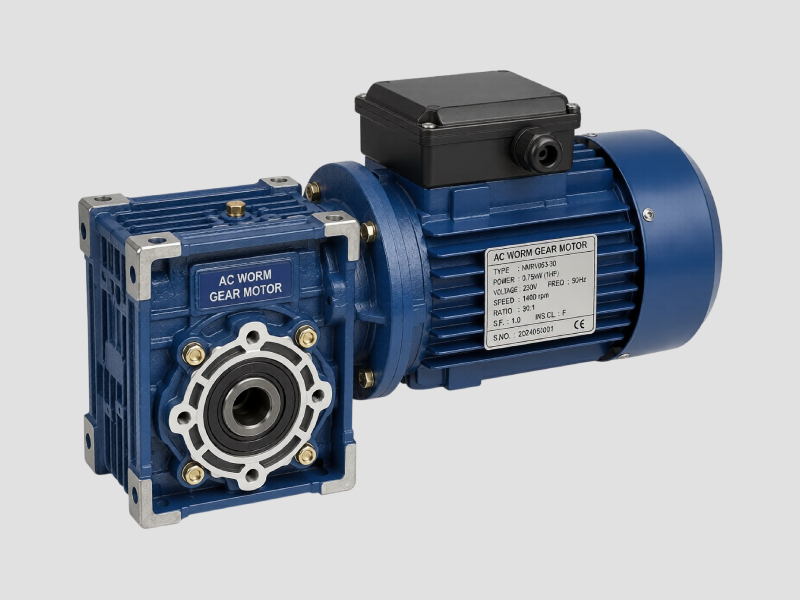
These motors are commonly used in various industrial applications due to their reliability and efficiency. They are ideal for continuous operation and are widely used in production lines and HVAC systems.
DC Motors
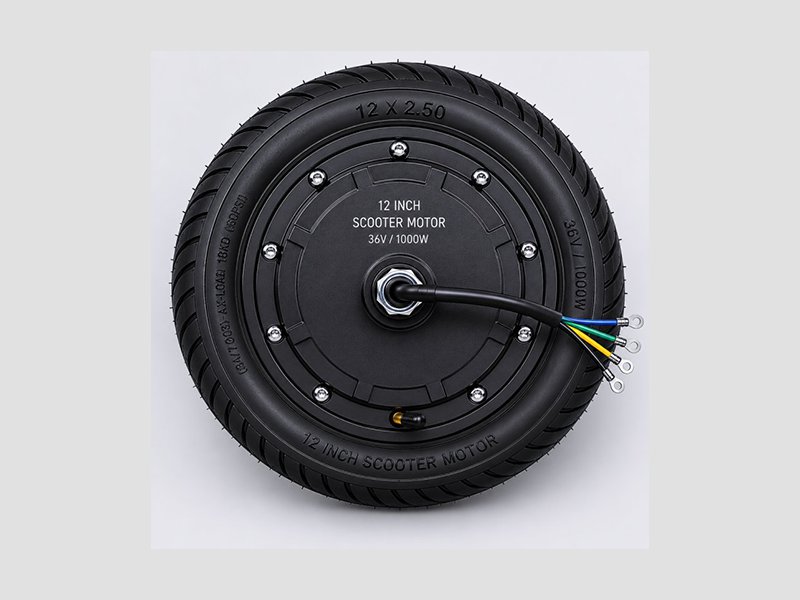
These motors are preferred in applications requiring precise control and high torque at low speeds. They are commonly found in robotics and automotive applications.
Servo Motors
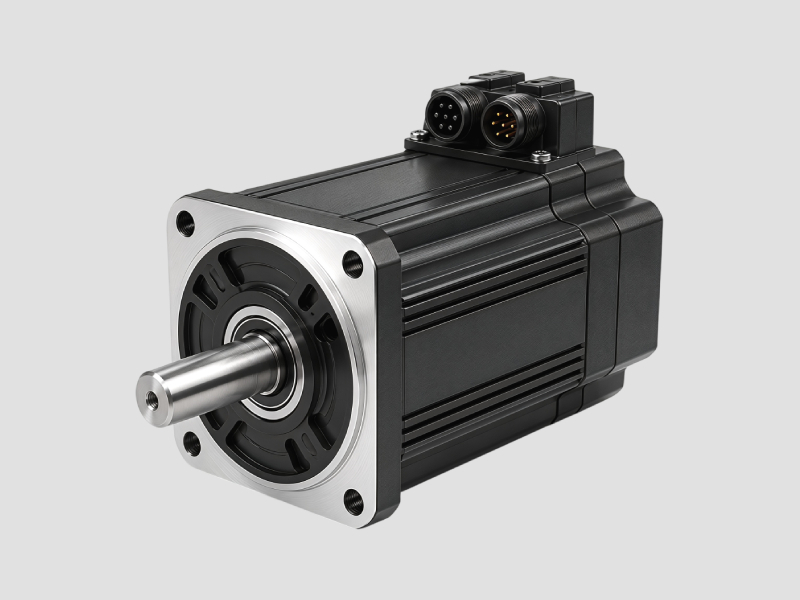
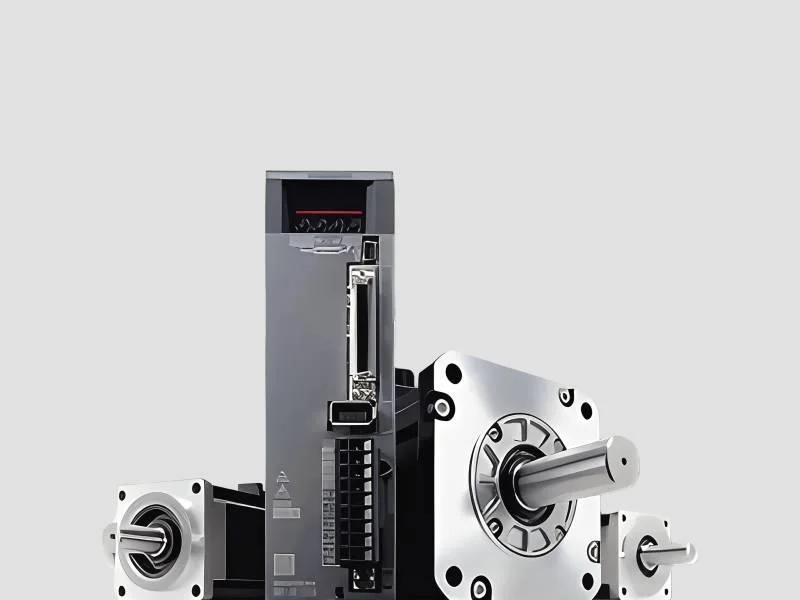
Servo motors provide high precision and feedback control, making them suitable for applications in robotics and CNC machinery.
Stepper Motors
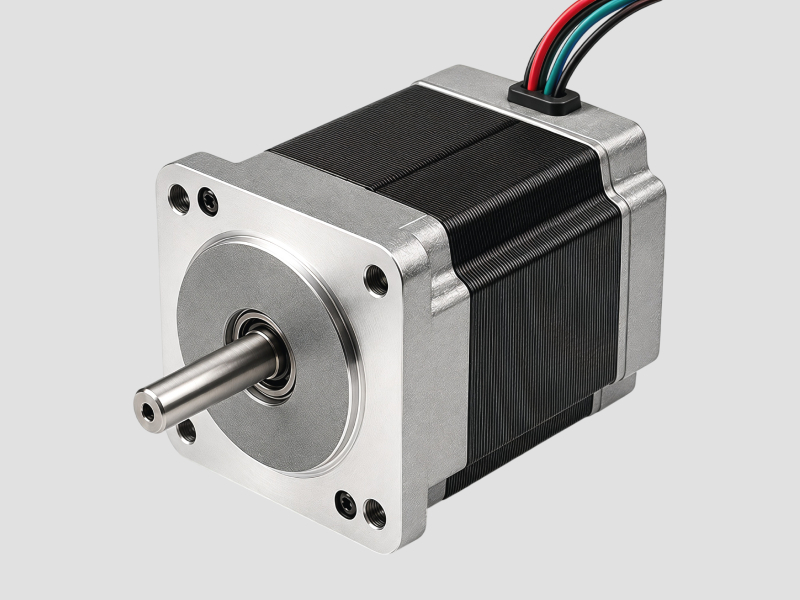
These motors are designed for applications that require precise positioning, such as 3D printing and automated machinery.
𝗕𝗲𝗻𝗲𝗳𝗶𝘁𝘀 𝗮𝗻𝗱 𝗔𝗱𝘃𝗮𝗻𝘁𝗮𝗴𝗲𝘀
Understanding the benefits of motors and drives is essential for B2B buyers looking to enhance their operations.
Key benefits include:
1. Energy Efficiency: Modern motors and drives are designed to consume less energy, leading to significant cost savings.
2. Improved Control: Drives provide precise control over motor speed and torque, enhancing operational performance.
3. Reliability: High-quality motors and drives are built for durability, reducing maintenance costs and downtime.
4. Versatility: They can be used in a wide range of applications across different industries, making them adaptable to various operational needs.
5. Enhanced Performance: Advanced technologies in motors and drives improve overall equipment effectiveness and productivity.
6. Reduced Noise Levels: Newer designs often feature quieter operation, contributing to a better working environment.
𝗕𝘂𝘆𝗶𝗻𝗴 𝗚𝘂𝗶𝗱𝗲 𝗳𝗼𝗿 𝗕𝟮𝗕 𝗕𝘂𝘆𝗲𝗿𝘀
When sourcing motors and drives, B2B buyers should consider several critical factors to ensure they make informed decisions.
1. Quality Assessment: Buyers should evaluate the quality of motors and drives based on performance metrics and industry standards. Checking for certifications can also help determine reliability.
2. Supplier Verification: It is important to vet suppliers thoroughly to ensure they have a track record of delivering quality products and reliable service.
3. Pricing and MOQ: Understanding pricing structures and minimum order quantities can help buyers negotiate better deals and manage budgets effectively.
4. Delivery and Lead Times: Buyers should inquire about delivery schedules and lead times to ensure timely availability of products for their operations.
5. Compliance Requirements: Adhering to industry regulations and standards is crucial. Buyers should ensure that products meet necessary compliance requirements to avoid legal issues.
𝗖𝗼𝗺𝗽𝗹𝗶𝗮𝗻𝗰𝗲 𝗮𝗻𝗱 𝗖𝗲𝗿𝘁𝗶𝗳𝗶𝗰𝗮𝘁𝗶𝗼𝗻𝘀
Compliance with quality standards is essential for motors and drives in ensuring safety and performance. Relevant standards include ISO 9001, which focuses on quality management systems, and CE certification, indicating compliance with European safety, health, and environmental protection standards.
Additionally, motors and drives must meet safety and testing requirements to ensure reliable operation. This includes thorough testing for durability and performance across various operational conditions. Buyers should also consider regional compliance requirements, as these can vary significantly based on local regulations.
𝗪𝗵𝘆 𝗦𝗼𝘂𝗿𝗰𝗲 𝗠𝗼𝘁𝗼𝗿𝘀 & 𝗗𝗿𝗶𝘃𝗲𝘀 𝗳𝗿𝗼𝗺 𝗣𝗲𝗽𝗮𝗴𝗼𝗿𝗮?
Pepagora offers a trusted platform for sourcing motors and drives, providing several key advantages to B2B buyers.
Verified Supplier Network: Pepagora connects buyers with a network of verified suppliers who meet quality and reliability standards. This ensures that buyers can source products with confidence.
Streamlined RFQ Process: The platform features a streamlined request for quotation (RFQ) process, allowing buyers to easily compare prices and options from multiple suppliers, saving time and effort.
Trade Assurance and Support: Pepagora provides trade assurance to protect buyers against potential issues. Their dedicated support team is available to assist throughout the sourcing process.
Regional Coverage: With a strong presence in India, the GCC, and Southeast Asia, Pepagora offers extensive regional coverage, making it easier for businesses to find local suppliers and facilitate logistics.

 IN
IN