
 IN
Track Chains & Pads
4 products available
What are Track Chains & Pads?
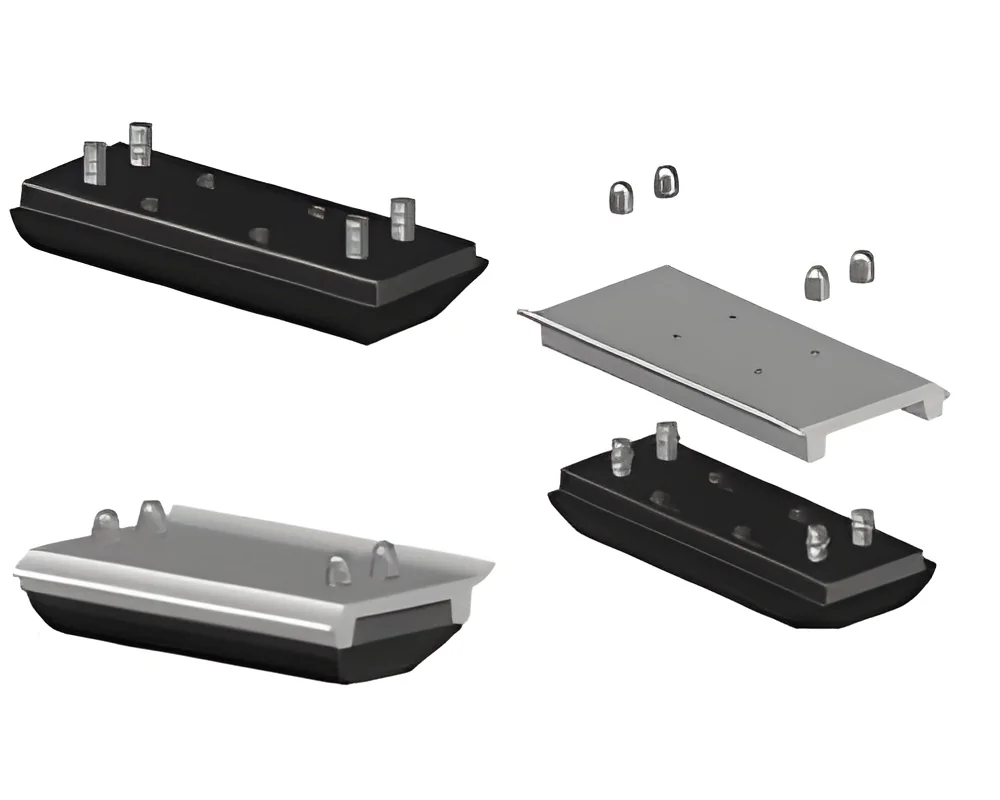
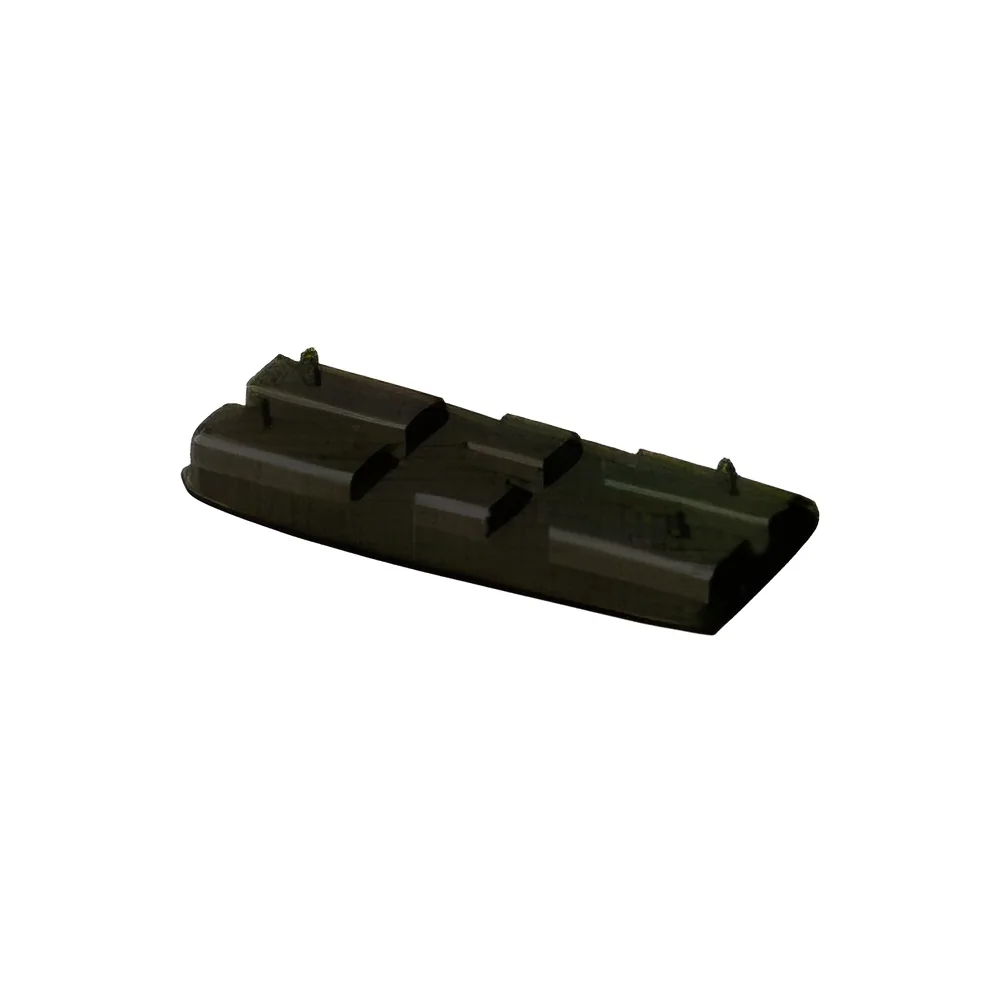
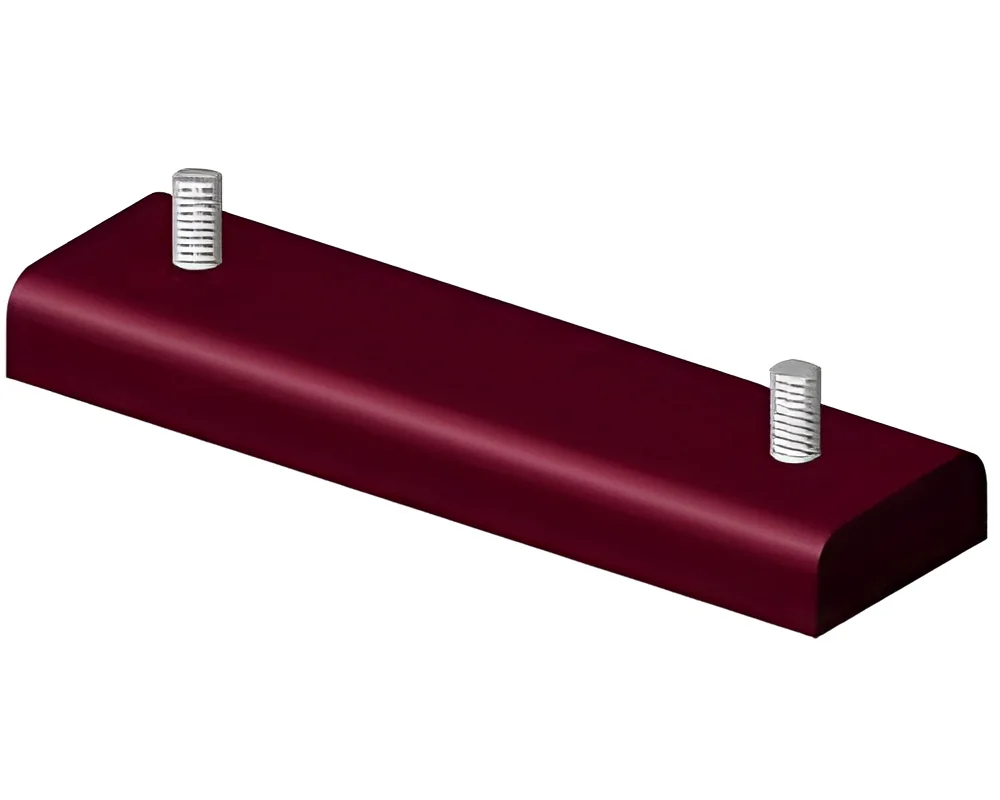
Track chains and pads are essential components used in various heavy machinery and equipment, particularly in construction and agriculture. Track chains are metal links that provide traction, allowing equipment to move smoothly over uneven terrain. Pads, on the other hand, are attached to the chains and serve as a protective element that enhances grip and stability while reducing wear on the ground surface. Together, these components ensure efficient operation and mobility for tracked vehicles.
These products are primarily utilized in industries such as construction, mining, and forestry, where heavy machinery like excavators, bulldozers, and tracked vehicles are prevalent. Their robust design allows them to withstand harsh conditions, making them indispensable in applications that require reliable movement over challenging terrains. The demand for track chains and pads is closely linked to the overall growth of the construction and heavy equipment sectors, as businesses seek durable and efficient solutions to enhance productivity.
As the market evolves, advancements in materials and engineering techniques have led to improved designs and functionalities in track chains and pads. This has resulted in better performance, longer lifespan, and increased efficiency, making these products vital for companies looking to optimize their operational capabilities. Understanding the significance of track chains and pads helps businesses make informed purchasing decisions that align with their operational needs.
Key Features and Specifications
Track chains and pads come with a range of features designed to enhance performance and durability. When selecting these components, understanding their specifications is crucial for ensuring compatibility and effectiveness in specific applications.
Key specifications include:
1. Material Composition
- Typically made from high-strength steel for durability
- Resistant to wear and tear in harsh environments
2. Weight Capacity
- Designed to support heavy loads, ensuring stability
- Various capacities are available, depending on the application
3. Track Width
- Standard widths vary to suit different machinery types
- Wider tracks provide better ground contact and stability
4. Pad Design
- Various designs available, including rubber and steel options
- Some pads feature specific textures for enhanced traction
5. Link Configuration
- Different link arrangements can affect flexibility and strength
- Configuration options cater to specific machinery requirements
6. Joint Type
- Various joint designs available to ensure secure connections
- Some joints allow for easier installation and maintenance
7. Temperature Resistance
- Capable of operating in extreme temperatures
- Specific ranges may vary based on materials used
8. Compliance Standards
- Many products meet industry safety and quality standards
- Certifications such as CE ensure adherence to regulations
In summary, understanding these specifications helps businesses choose the right track chains and pads for their equipment, ensuring optimal performance and durability in demanding environments.
Common Applications and Use Cases
Track chains and pads are utilized across multiple industries, showcasing their versatility and importance in heavy machinery.
1. Construction: In construction, track chains and pads are essential for excavators and bulldozers that navigate rough terrains. These components enhance mobility and stability, improving work efficiency on job sites.
2. Mining: Mining operations rely on tracked machinery for transporting materials. Track chains and pads provide the necessary traction and durability to withstand the challenging conditions found in mining environments.
3. Forestry: In forestry applications, specialized tracked vehicles utilize these components to access remote areas. The design of track chains and pads minimizes ground disturbance while providing the necessary support for heavy loads.
4. Agriculture: Agricultural machinery, such as tractors and harvesters, often use track chains and pads to enhance performance in muddy or uneven fields. This ensures efficient operations during planting and harvesting seasons.
5. Military: Military vehicles equipped with track chains and pads are designed for maneuverability in diverse terrains. Their robust construction allows them to perform in harsh conditions while maintaining stability.
6. Recycling: In recycling plants, tracked machinery requires reliable track chains and pads to handle heavy materials. These components contribute to the efficient processing of recyclable materials.
7. Landscaping: Landscaping equipment often uses track chains and pads to navigate soft ground without causing damage. This is particularly important when working in sensitive environments.
Product Variants and Subcategories
Track chains and pads offer a variety of options to meet different operational needs. Understanding these variants can help businesses select the most suitable components for their machinery.
Rubber Track Pads
Rubber track pads are designed for use in sensitive environments, such as urban areas or landscaping projects. Their softer material reduces ground damage and noise while providing adequate traction for tracked vehicles.
Steel Track Pads
Steel track pads are ideal for heavy-duty applications, including construction and mining. Their robust construction offers superior durability and resistance to wear, making them suitable for demanding environments.
Modular Track Chains
Modular track chains consist of interchangeable links, allowing for easy adjustments and repairs. This flexibility makes them popular in industries where machinery configurations change frequently.
Heavy-Duty Track Chains
Heavy-duty track chains are engineered for maximum strength and load capacity. These chains are essential for large excavators and bulldozers operating in extreme conditions.
Benefits and Advantages
Sourcing quality track chains and pads provides several advantages to businesses. Understanding these benefits can help companies make informed purchasing decisions.
Key benefits include:
1. Enhanced Performance: High-quality track chains and pads improve the efficiency and performance of heavy machinery, ensuring optimal operation.
2. Increased Durability: Robust materials and construction methods extend the lifespan of track chains and pads, reducing the frequency of replacements.
3. Improved Stability: Properly designed track pads enhance stability, allowing machinery to navigate uneven terrains with ease.
4. Reduced Maintenance: Durable components require less frequent maintenance, leading to lower operational costs and increased productivity.
5. Versatile Applications: Track chains and pads can be used across various industries, making them a versatile investment for businesses.
6. Safety Assurance: Quality track chains and pads meet safety standards, providing peace of mind for operators and reducing the risk of accidents.
Buying Guide for B2B Buyers
When sourcing track chains and pads, B2B buyers should consider several factors to ensure they make the right choices for their operations.
1. Quality Assessment: Evaluate the material quality and construction methods of track chains and pads. Look for certifications that indicate compliance with industry standards.
2. Supplier Verification: Vet potential suppliers thoroughly to ensure they have a reliable track record. Check for reviews, testimonials, and industry reputation.
3. Pricing and MOQ: Understand the pricing structures and minimum order quantities (MOQ) to align purchases with budget constraints and operational needs.
4. Delivery and Lead Times: Assess the supplier's ability to meet delivery timelines. Efficient logistics are crucial for maintaining project schedules.
5. Compliance Requirements: Ensure that the selected products meet all necessary regulatory and compliance standards in the relevant regions to avoid legal issues.
Compliance and Certifications
Compliance and certifications are critical aspects of track chains and pads, ensuring that products meet industry standards for quality and safety. Many manufacturers adhere to quality standards such as ISO 9001, which outlines requirements for a quality management system. This certification demonstrates a commitment to consistent quality in manufacturing processes.
In addition to ISO standards, track chains and pads may also carry industry-specific certifications such as CE, indicating conformity with European safety regulations. These certifications assure buyers that the products have undergone rigorous testing and meet safety requirements.
Safety and testing requirements vary by region, and manufacturers must comply with local regulations. This is particularly important for businesses operating in multiple countries, as compliance ensures that products are suitable for use in different environments. Understanding these compliance requirements is essential for B2B buyers to ensure they source reliable and safe products.
Why Source Track Chains & Pads from Pepagora?
Pepagora serves as a trusted platform for sourcing track chains and pads, providing several key advantages to B2B buyers.
Verified Supplier Network: Pepagora maintains a comprehensive network of verified suppliers, ensuring that businesses have access to high-quality products from reputable manufacturers. This verification process helps buyers make informed choices while reducing the risks associated with sourcing.
Streamlined RFQ Process: The Request for Quotation (RFQ) process on Pepagora is designed to be efficient and user-friendly. Buyers can easily submit their requirements and receive competitive quotations from multiple suppliers, enabling them to compare options and make the best decisions.
Trade Assurance and Support: Pepagora offers trade assurance programs that protect buyers throughout the purchasing process. This includes support for resolving disputes and ensuring that products meet agreed-upon specifications.
Regional Coverage: With a strong presence in regions such as India, the GCC, and Southeast Asia, Pepagora provides extensive geographic coverage. This allows businesses to source track chains and pads from suppliers that understand local market needs and regulations, facilitating smoother transactions.


Frequently Asked Questions
What are Track Chains & Pads?
Track chains and pads are essential components used in heavy machinery, particularly in excavators and bulldozers. They provide traction and support while ensuring smooth movement over various terrains, thereby enhancing the overall efficiency of the equipment.
What are the different types of Track Chains & Pads?
There are several types of track chains and pads, including rubber tracks, steel tracks, and composite tracks. Each type is designed for specific applications, with variations in durability, weight, and traction capabilities.
How do I choose the right Track Chains & Pads?
Choosing the right track chains and pads involves considering the type of machinery, the working environment, and the specific operational requirements. It's important to match the track specifications with the manufacturer's recommendations to ensure optimal performance.
What are the standard specifications for Track Chains & Pads?
Standard specifications for track chains and pads include dimensions such as width, pitch, and length, along with material composition and load capacity. These specifications may vary based on the manufacturer and the intended use of the tracks.
What is the price range for Track Chains & Pads?
The price range for track chains and pads can vary widely based on the type, material, and manufacturer. Typically, prices may start from a few thousand rupees and can go up to several lakhs for specialized or heavy-duty options.
What quality standards apply to Track Chains & Pads?
Quality standards for track chains and pads generally include compliance with ISO and ASTM certifications. These standards ensure that the products meet specific performance and safety criteria, thus enhancing reliability and longevity.
Where can I find Track Chains & Pads suppliers in India?
Track chains and pads suppliers can be found through various channels, including online B2B marketplaces like Pepagora, industry trade shows, and local machinery dealers. Conducting online research and comparing supplier offerings can help identify the best options.
Can Track Chains & Pads be customized?
Yes, many manufacturers offer customization options for track chains and pads to meet specific requirements. Customization may include alterations in size, material, or design features to better suit unique applications.
What is the typical minimum order quantity for Track Chains & Pads?
The typical minimum order quantity (MOQ) for track chains and pads can vary by supplier, but it generally ranges from 10 to 100 units. It is advisable to confirm the MOQ with the supplier before placing an order.
What is the typical lead time for Track Chains & Pads?
The typical lead time for track chains and pads can range from 2 to 6 weeks, depending on the supplier, order size, and customization requirements. It is recommended to check with the supplier for specific timelines to plan accordingly.
Why Businesses Trust Pepagora
Thousands of companies trust Pepagora to source smarter and sell faster
Expand Your Sales Globally

Source Smarter,Grow Faster
