
 IN
TMT Bars (Fe 415, Fe 500, Fe 550)
45 products available
Key Features and Specifications
TMT Bars are designed to meet specific engineering needs, ensuring reliability and safety in construction. Understanding their key features and specifications is crucial for selecting the appropriate type for your project.
Key specifications include:
1. Yield Strength
- Refers to the maximum stress that can be applied without permanent deformation.
- Ranges: Fe 415 (415 MPa), Fe 500 (500 MPa), Fe 550 (550 MPa)
2. Ductility
- Measures the ability of the material to deform under tensile stress.
- Typically high, allowing bars to withstand bending and twisting.
3. Elongation Percentage
- Indicates the extent to which the bar can stretch before failing.
- Generally ranges from 14% to 20% depending on the grade.
4. Chemical Composition
- Includes elements like carbon, manganese, silicon, and others.
- Ensures balance between strength and ductility.
5. Surface Quality
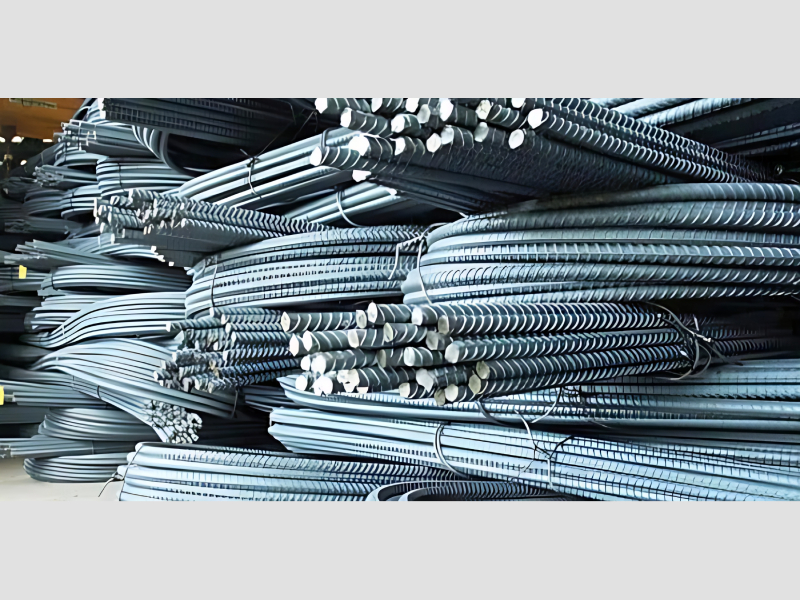
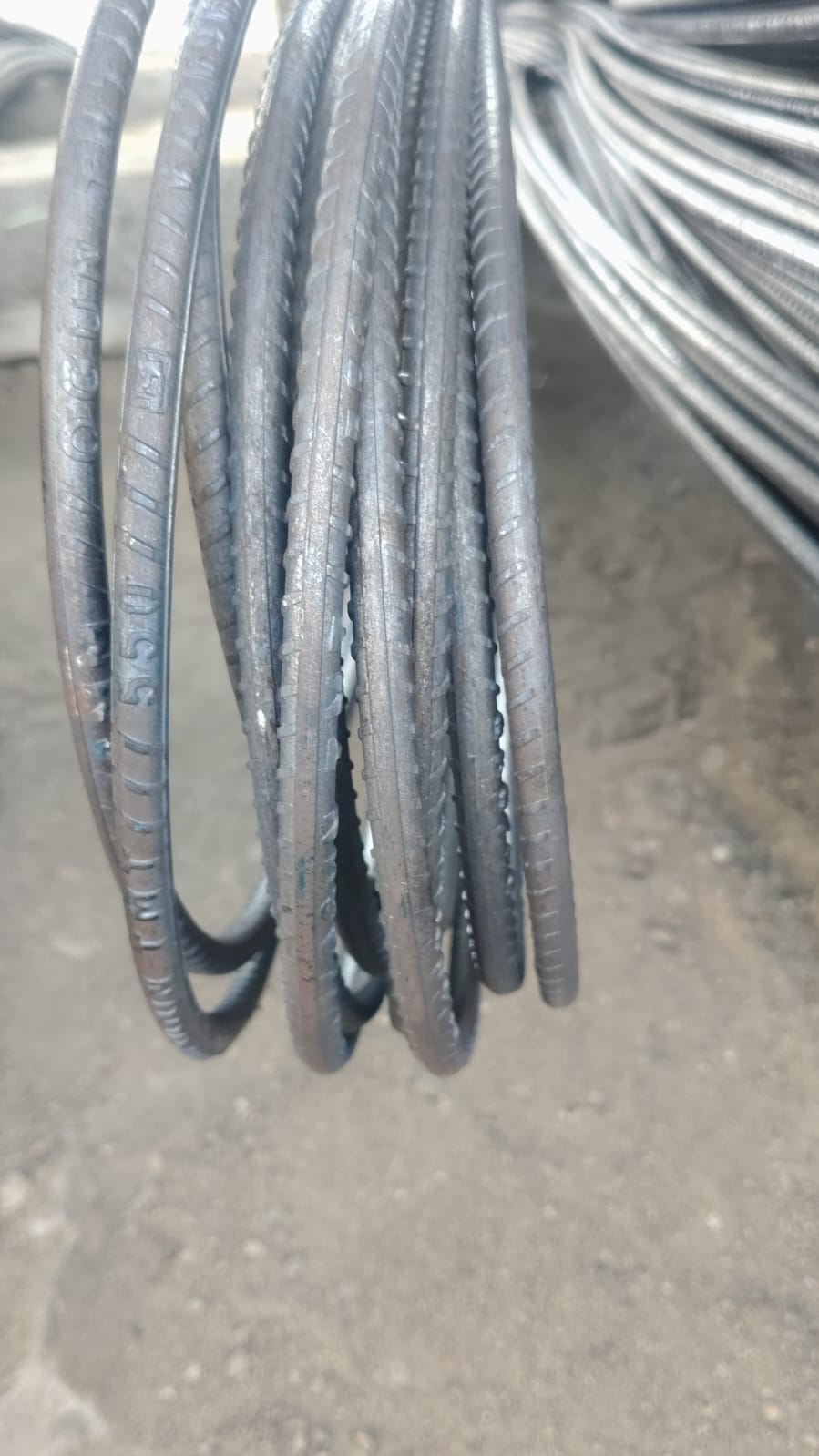
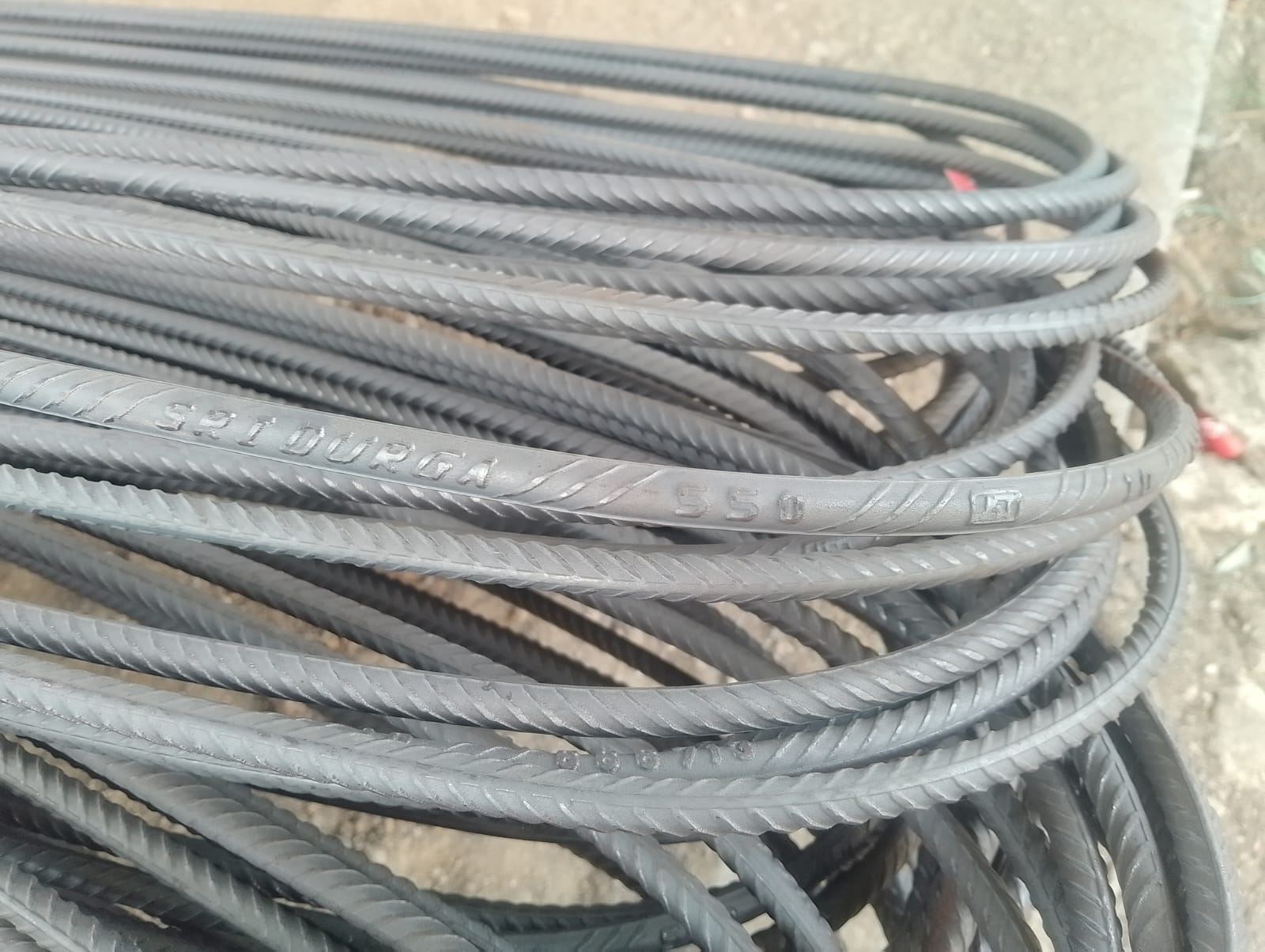
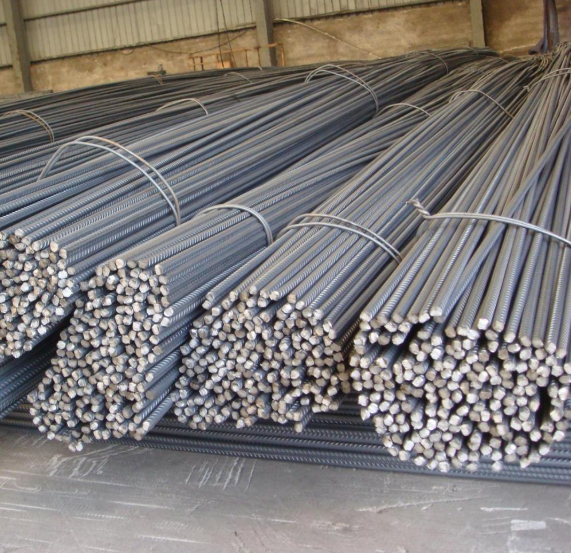
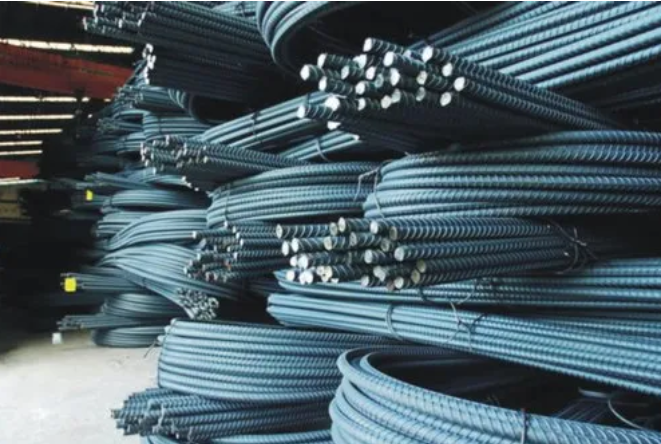
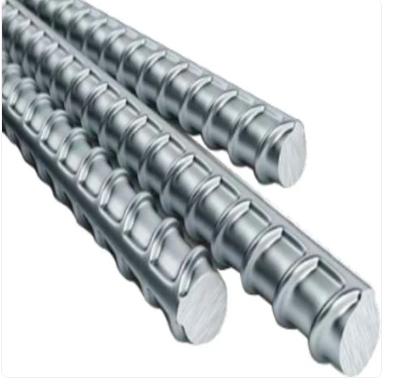
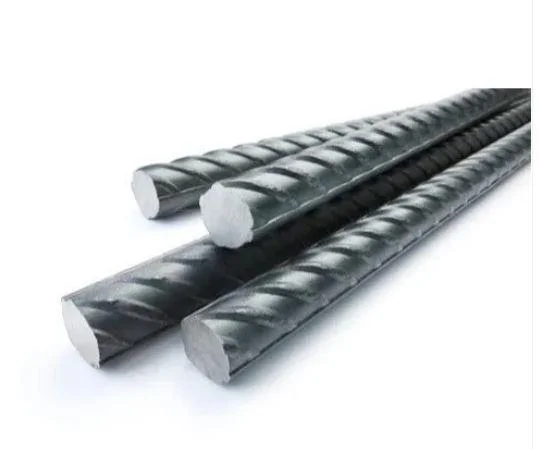
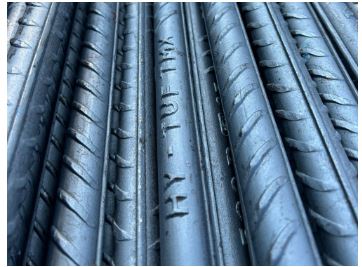
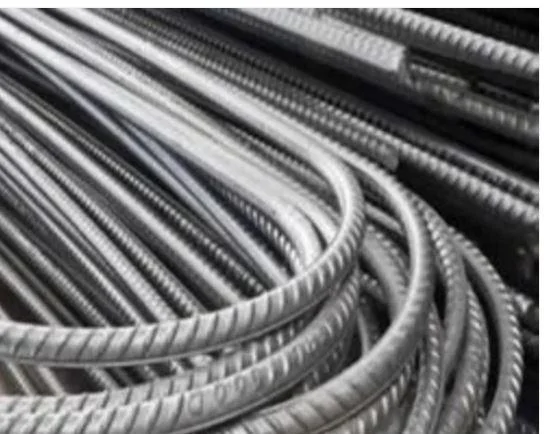
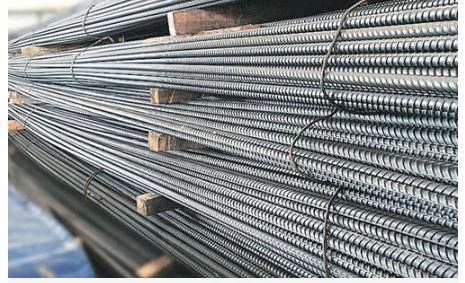
- TMT bars have a ribbed surface for better bonding with concrete.
- Helps in improving the overall strength of reinforced concrete structures.
6. Corrosion Resistance
- Treatment process enhances resistance to rust.
- Essential for structures exposed to moisture and harsh environments.
7. Diameter Range
- Common diameters range from 8mm to 40mm.
- Allows for a variety of applications in construction.
8. Compliance Standards
- Manufactured according to national and international standards.
- Ensures reliability and quality in construction applications.
These specifications help in determining the suitable TMT bar for various construction projects.
Common Applications and Use Cases
TMT Bars find extensive applications across multiple industries, making them versatile materials for various construction needs.
1. Construction Industry: TMT Bars are primarily used for reinforcing concrete in buildings, bridges, and roads, providing the necessary strength and durability.
2. Infrastructure Development: They play a critical role in the construction of dams, tunnels, and airports, where structural integrity is paramount.
3. Residential Projects: TMT Bars are essential in residential buildings, ensuring safety and longevity in homes and apartments.
4. Industrial Structures: Used in factories and warehouses, they help in erecting robust frameworks capable of bearing heavy loads.
5. Precast Structures: TMT Bars are also used in precast concrete products, which are manufactured off-site and assembled on location.
6. Earthquake-Resilient Structures: Their high ductility makes them suitable for buildings in seismic zones, enhancing safety during earthquakes.
7. High-rise Buildings: TMT Bars provide the necessary tensile strength required for the construction of tall buildings.
Product Variants and Subcategories
TMT Bars are available in various grades, catering to different structural requirements. This diversity allows builders to select the most appropriate type for their projects.
Fe 415
Fe 415 TMT Bars are known for their excellent tensile strength and ductility. They are commonly used in residential and light commercial constructions, offering a balance of performance and cost-effectiveness.
Fe 500
Fe 500 TMT Bars provide higher yield strength compared to Fe 415, making them suitable for medium to heavy construction projects. Their enhanced strength makes them ideal for structures that require additional support against heavy loads.
Fe 550
Fe 550 TMT Bars are designed for high-performance applications. Their superior strength and ductility make them suitable for high-rise buildings and infrastructure projects that must withstand extreme conditions.
Benefits and Advantages
Choosing TMT Bars for construction offers various benefits, enhancing both safety and efficiency in projects.
1. High Strength: TMT Bars provide exceptional tensile strength, making structures more resilient to loads.
2. Enhanced Ductility: They can bend without breaking, which is crucial for absorbing shocks and stresses.
3. Corrosion Resistance: The treatment process improves their durability, extending the lifespan of structures.
4. Improved Bonding: The ribbed surface enhances adhesion with concrete, resulting in stronger composite materials.
5. Cost-Effectiveness: TMT Bars offer a good balance between price and performance, making them a budget-friendly option for builders.
6. Versatility: Available in various grades and sizes, they can be used in diverse structural applications.
Buying Guide for B2B Buyers
When sourcing TMT Bars (Fe 415, Fe 500, Fe 550), it is essential to consider several critical factors to ensure you make an informed purchase.
1. Quality Assessment: Evaluate the quality of TMT Bars by reviewing certifications and standards compliance. Ensure that the bars meet the necessary specifications for your project.
2. Supplier Verification: Vet suppliers by checking their reputation, previous projects, and customer feedback. A reliable supplier is crucial for ensuring consistent quality.
3. Pricing and MOQ: Understand the pricing structure and minimum order quantities. Compare prices among different suppliers to find the best deal without compromising quality.
4. Delivery and Lead Times: Consider the logistics involved in shipping and delivery. Ensure that suppliers can meet your project timelines.
5. Compliance Requirements: Be aware of local regulations and compliance needs related to construction materials. Ensure the TMT Bars meet these requirements for safety and quality.
Compliance and Certifications
TMT Bars must adhere to various quality standards and certifications to ensure their reliability in construction. Some of the relevant standards include ISO 9001, which ensures quality management systems are in place.
Additionally, the CE certification signifies that the products meet European safety and performance standards. Compliance with these standards is vital for gaining trust and ensuring safety in construction projects.
Safety and testing requirements are also critical. TMT Bars undergo rigorous testing to verify their strength, ductility, and resistance to corrosion. This testing ensures that they perform as expected under various conditions.
Regional compliance considerations may vary, so it is essential to be informed about local building codes and regulations to ensure that the selected TMT Bars are compliant.
Why Source TMT Bars (Fe 415, Fe 500, Fe 550) from Pepagora?
Pepagora provides a trusted platform for sourcing TMT Bars (Fe 415, Fe 500, Fe 550) with several key advantages.
Verified Supplier Network: Pepagora connects buyers with a network of verified suppliers, ensuring that you can source high-quality products with confidence. The verification process helps eliminate risks associated with untrustworthy suppliers.
Streamlined RFQ Process: The Request for Quotation (RFQ) process on Pepagora is designed to be user-friendly. Buyers can easily submit their requirements and receive competitive quotes from multiple suppliers, simplifying the procurement process.
Trade Assurance and Support: Pepagora offers trade assurance, providing buyers with protection against potential issues in transactions. This support ensures a smoother purchasing experience, enhancing buyer confidence.
Regional Coverage: With a strong presence in India, the GCC, and Southeast Asia, Pepagora's platform offers extensive geographic reach. This allows buyers to access a wide range of TMT Bar suppliers, catering to different regional needs and preferences.








 India
 India


 India
 India
 India
 India

 India
 India
Frequently Asked Questions
What are TMT Bars (Fe 415, Fe 500, Fe 550)?
TMT Bars, or Thermo-Mechanically Treated Bars, are high-strength reinforcement bars used in construction. The 'Fe' in their designation stands for 'Ferrum,' which is Latin for iron, while the numbers indicate the yield strength of the bars in megapascals (MPa).
What are the different types of TMT Bars (Fe 415, Fe 500, Fe 550)?
TMT Bars are categorized based on their yield strength: Fe 415, Fe 500, and Fe 550. Fe 415 has a yield strength of 415 MPa, Fe 500 offers a higher strength of 500 MPa, and Fe 550 provides even greater strength at 550 MPa, making them suitable for various construction needs.
How do I choose the right TMT Bars (Fe 415, Fe 500, Fe 550)?
Choosing the right TMT Bars involves considering the structural requirements of your construction project, such as load-bearing capacity and seismic performance. Additionally, factors like environmental conditions and budget should also influence your decision.
What are the standard specifications for TMT Bars (Fe 415, Fe 500, Fe 550)?
The standard specifications for TMT Bars include parameters like yield strength, elongation, and chemical composition. Typically, they conform to IS 1786:2008 standards, which outline the mechanical properties and testing methods for these bars.
What is the price range for TMT Bars (Fe 415, Fe 500, Fe 550)?
The price of TMT Bars can vary significantly based on factors such as market demand, quality, and local availability. Generally, prices can range from INR 40 to INR 70 per kilogram, depending on the type and specifications.
What quality standards apply to TMT Bars (Fe 415, Fe 500, Fe 550)?
TMT Bars must adhere to quality standards set by the Bureau of Indian Standards (BIS), specifically IS 1786:2008. These standards ensure that the bars meet essential performance criteria, such as tensile strength and ductility.
Where can I find TMT Bars (Fe 415, Fe 500, Fe 550) suppliers in India?
TMT Bars suppliers can be found through various channels, including online B2B marketplaces like Pepagora, local construction material suppliers, and manufacturers. It is advisable to check reviews and ratings to ensure quality and reliability.
Can TMT Bars (Fe 415, Fe 500, Fe 550) be customized?
Yes, TMT Bars can be customized based on specific project requirements, such as length and diameter. However, customization may depend on the supplier's capabilities and order volume.
What is the typical minimum order quantity for TMT Bars (Fe 415, Fe 500, Fe 550)?
The minimum order quantity (MOQ) for TMT Bars often varies by supplier but typically ranges from 2 to 5 tons. It is advisable to confirm the MOQ with the specific supplier you intend to order from.
What is the typical lead time for TMT Bars (Fe 415, Fe 500, Fe 550)?
The lead time for TMT Bars can vary based on the supplier and order size but is generally between 7 to 14 days. Factors such as stock availability and customization requests can also affect the delivery schedule.
Why Businesses Trust Pepagora
Thousands of companies trust Pepagora to source smarter and sell faster
Expand Your Sales Globally

Source Smarter,Grow Faster
