Key Features and Specifications
Thermistors offer a range of features and specifications that make them suitable for diverse applications. Understanding these specifications is crucial for selecting the right thermistor for specific needs.
Key specifications include:
1. Temperature Coefficient
- Indicates the change in resistance per degree Celsius.
- Typical ranges for NTC thermistors are between -40°C to 125°C, while PTC thermistors often operate in ranges of 0°C to 85°C.
2. Resistance Value
- The nominal resistance at a specific temperature, usually at 25°C.
- Common values range from 1 kΩ to 100 kΩ for NTC and higher for PTC types.
3. Tolerance
- The allowable variation in resistance from the specified value.
- A typical tolerance range is from ±1% to ±5%.
4. Power Rating
- The maximum power the thermistor can handle without damage.
- Common ratings include 0.1 W, 0.25 W, and 0.5 W.
5. Thermal Time Constant
- The time it takes for the thermistor to respond to temperature changes.
- Typical values range from 1 to 5 seconds.
6. Operating Voltage
- The maximum voltage the thermistor can safely operate at.
- Generally, this is around 30V for most thermistors.
7. Response Time
- The speed at which a thermistor can detect a change in temperature.
- Typical response times can range from milliseconds to seconds.
8. Package Type
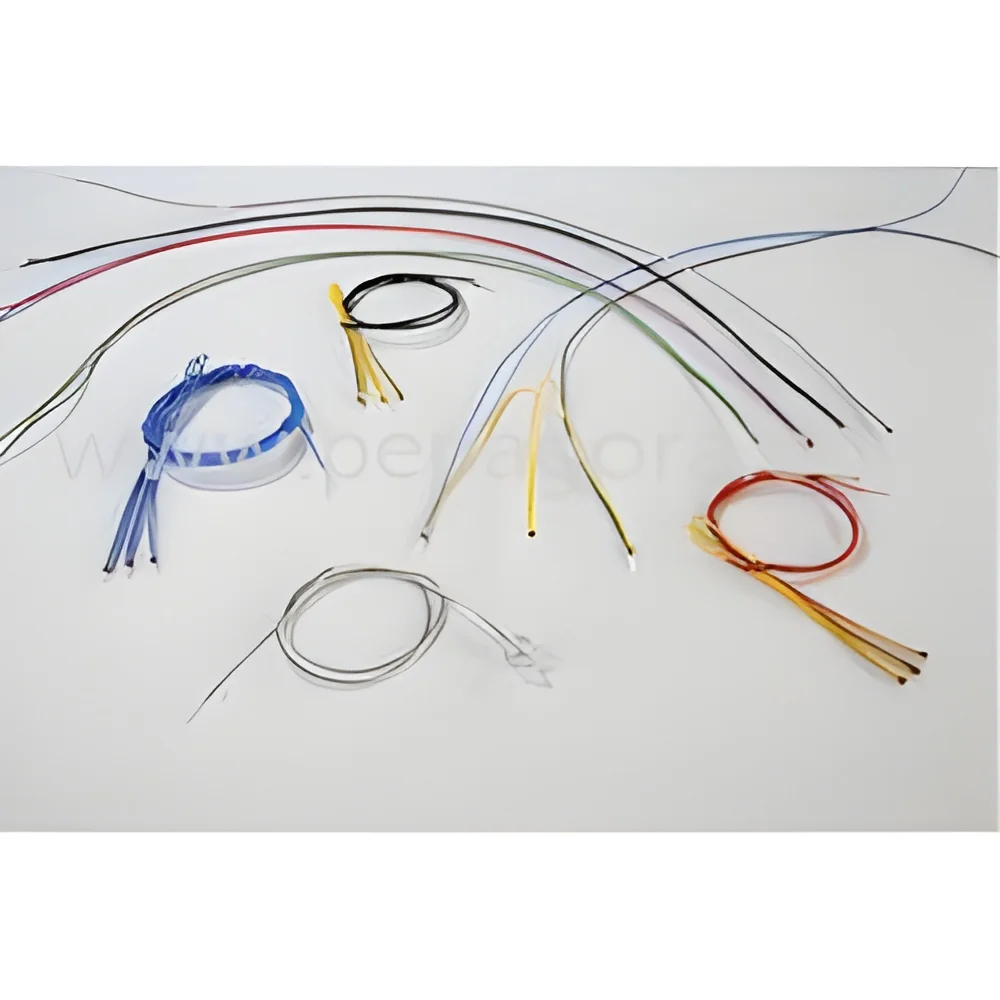
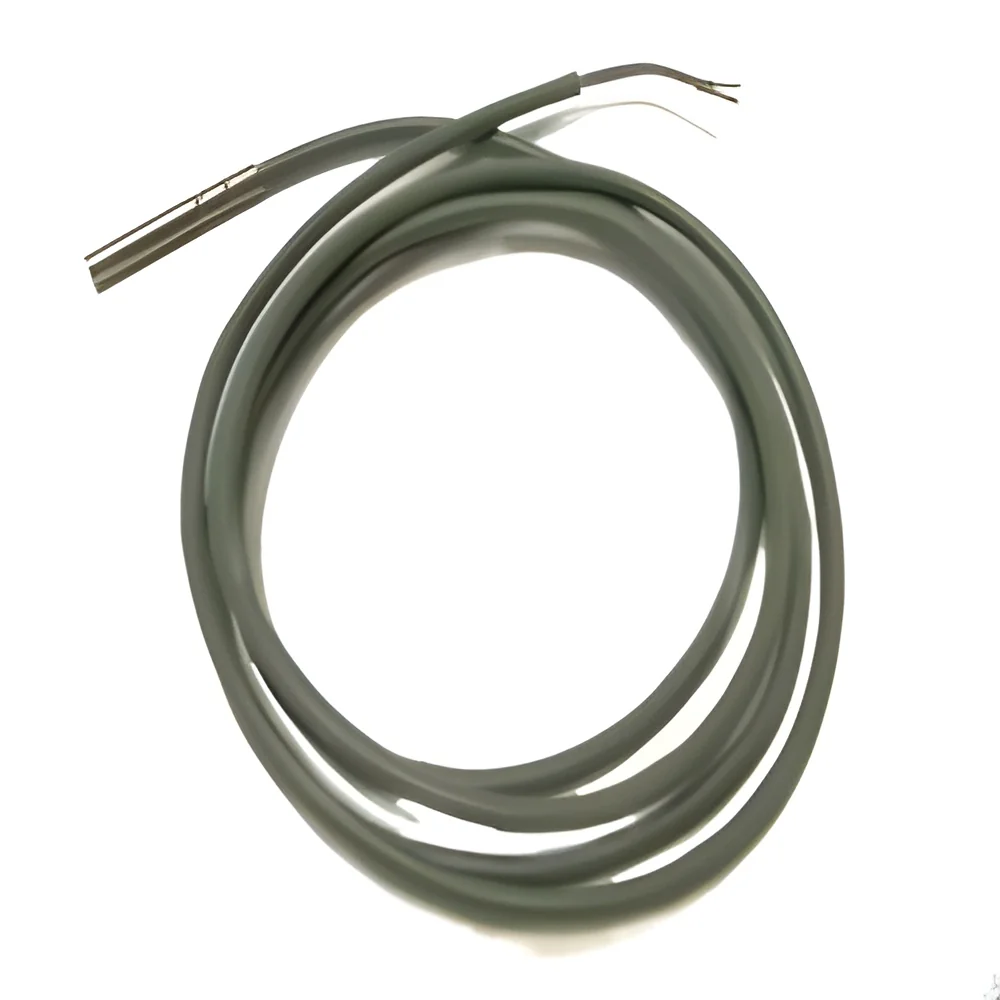
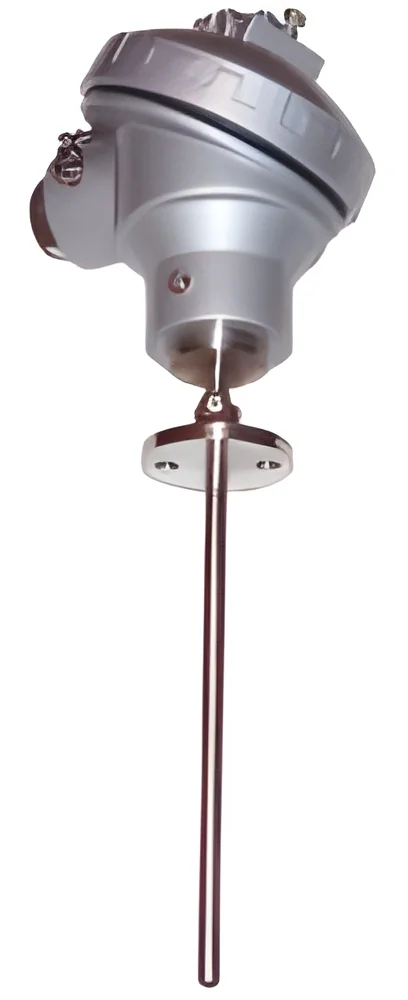
- The physical form of the thermistor, such as bead, disk, or surface mount.
- Different applications may require different package types.
In summary, selecting the appropriate thermistor involves considering these key specifications to ensure optimal performance in intended applications.
Common Applications and Use Cases
Thermistors are utilized across various industries due to their accuracy and reliability in temperature measurement.
1. Automotive: In vehicles, NTC thermistors are used for engine temperature monitoring and climate control systems to ensure optimal performance and comfort.
2. Healthcare: Thermistors play a vital role in medical devices, such as patient monitors and thermometers, providing accurate temperature readings critical for patient care.
3. HVAC: In heating, ventilation, and air conditioning systems, thermistors help regulate and control temperature, improving energy efficiency.
4. Consumer Electronics: Thermistors are used in appliances like refrigerators and ovens to monitor and control temperature for safety and efficiency.
5. Industrial Equipment: In manufacturing processes, thermistors help monitor equipment temperature to prevent overheating and ensure operational safety.
6. Renewable Energy Systems: Thermistors are used in solar inverters and battery management systems to monitor temperatures, enhancing performance and safety.
7. Home Automation: Smart home devices often incorporate thermistors for temperature sensing, allowing for automated climate control.
Product Variants and Subcategories
Thermistors come in various forms to cater to different application needs.
NTC Thermistors
NTC thermistors are designed for precise temperature measurement and are widely used in automotive and medical applications. They provide high sensitivity and accuracy, making them ideal for temperature sensing in circuits.
PTC Thermistors
PTC thermistors are primarily used for overcurrent protection and self-regulating heating applications. They can limit current flow when a certain temperature threshold is reached, ensuring safety in electronic circuits.
Benefits and Advantages
Thermistors provide numerous advantages that enhance their value in various applications.
1. High Sensitivity: Thermistors offer high sensitivity to temperature changes, allowing for precise measurements.
2. Fast Response Times: These components can quickly react to temperature variations, making them suitable for real-time monitoring applications.
3. Wide Temperature Range: Thermistors can operate effectively across a broad temperature range, catering to diverse environmental conditions.
4. Cost-Effectiveness: Compared to other temperature sensors, thermistors are generally more affordable, reducing overall system costs.
5. Compact Size: Their small form factor makes them easy to integrate into various devices and systems.
6. Reliability: Thermistors are known for their durability and reliability, which is crucial for critical applications.
Buying Guide for B2B Buyers
When sourcing Thermistors (NTC, PTC), several factors should be considered to ensure the right choice.
1. Quality Assessment: Evaluate the quality of thermistors by reviewing manufacturer certifications and product testing standards. Look for compliance with international quality standards.
2. Supplier Verification: It is important to vet suppliers for reliability and reputation. Check references, customer reviews, and industry standing before making a purchase.
3. Pricing and MOQ: Consider the price range and minimum order quantities. Compare multiple suppliers to find competitive pricing while ensuring quality standards are met.
4. Delivery and Lead Times: Assess the supplier's delivery capabilities and lead times. Timely delivery is critical for maintaining production schedules.
5. Compliance Requirements: Ensure that thermistors meet relevant regulatory and compliance standards specific to your industry, such as CE certification for electronics.
Compliance and Certifications
Thermistors must meet various quality and safety standards to ensure their reliability in applications. ISO 9001 is a widely recognized quality management standard that ensures manufacturers maintain effective quality control processes. Additionally, certifications such as CE demonstrate compliance with European safety regulations, allowing products to be marketed within the European Union.
Testing requirements often include thermal cycling, humidity exposure, and electrical performance tests to validate the integrity and performance of thermistors under various conditions. Moreover, manufacturers should consider regional compliance, as different areas may have specific regulations regarding electronic components.
Why Source Thermistors (NTC, PTC) from Pepagora?
Pepagora offers a trusted platform for sourcing Thermistors (NTC, PTC), providing several key advantages to B2B buyers.
Verified Supplier Network: Pepagora has established a network of verified suppliers, ensuring that buyers receive high-quality products from reputable manufacturers. This network helps mitigate risks associated with sourcing components.
Streamlined RFQ Process: The platform simplifies the request for quotation (RFQ) process, allowing buyers to easily compare offerings from multiple suppliers. This efficiency saves time and enhances decision-making.
Trade Assurance and Support: Pepagora provides trade assurance, offering buyer protection through secure payment options and support throughout the purchasing process. This instills confidence in transactions.
Regional Coverage: With a strong presence in India, the GCC, and Southeast Asia, Pepagora facilitates access to thermistors across diverse markets, catering to the needs of businesses looking to source components globally.

 IN
IN
 India
India