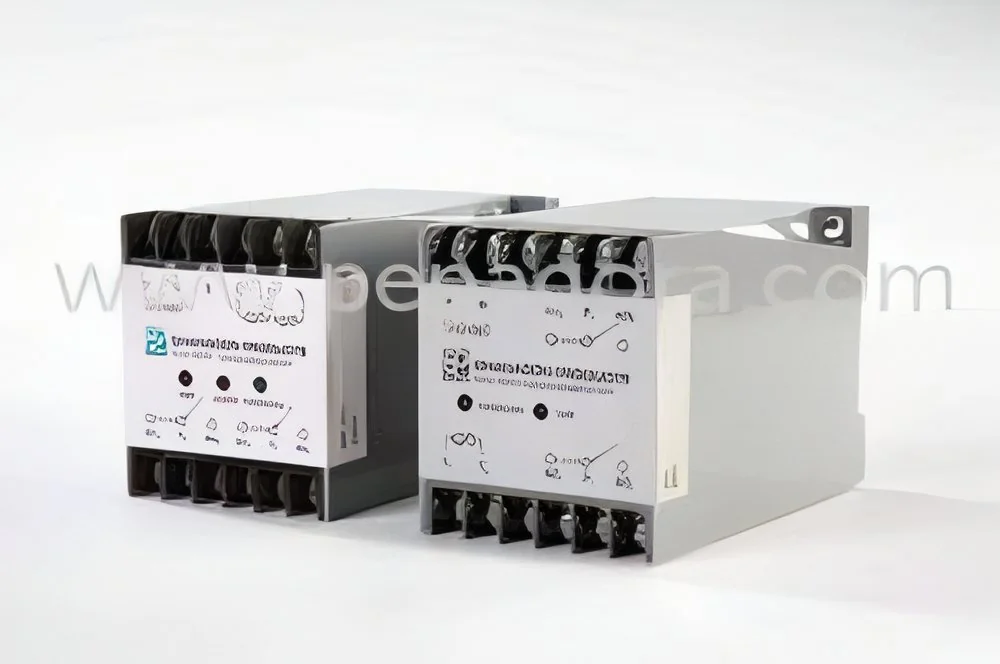
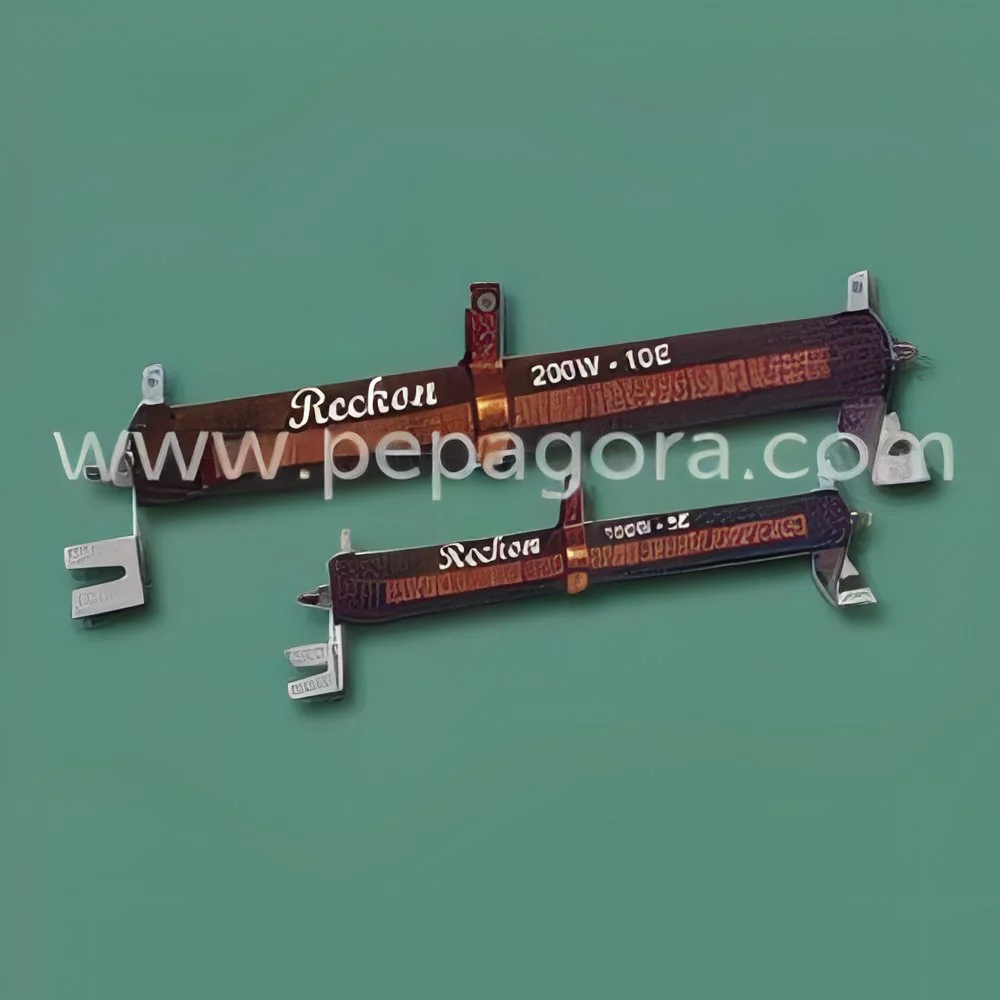
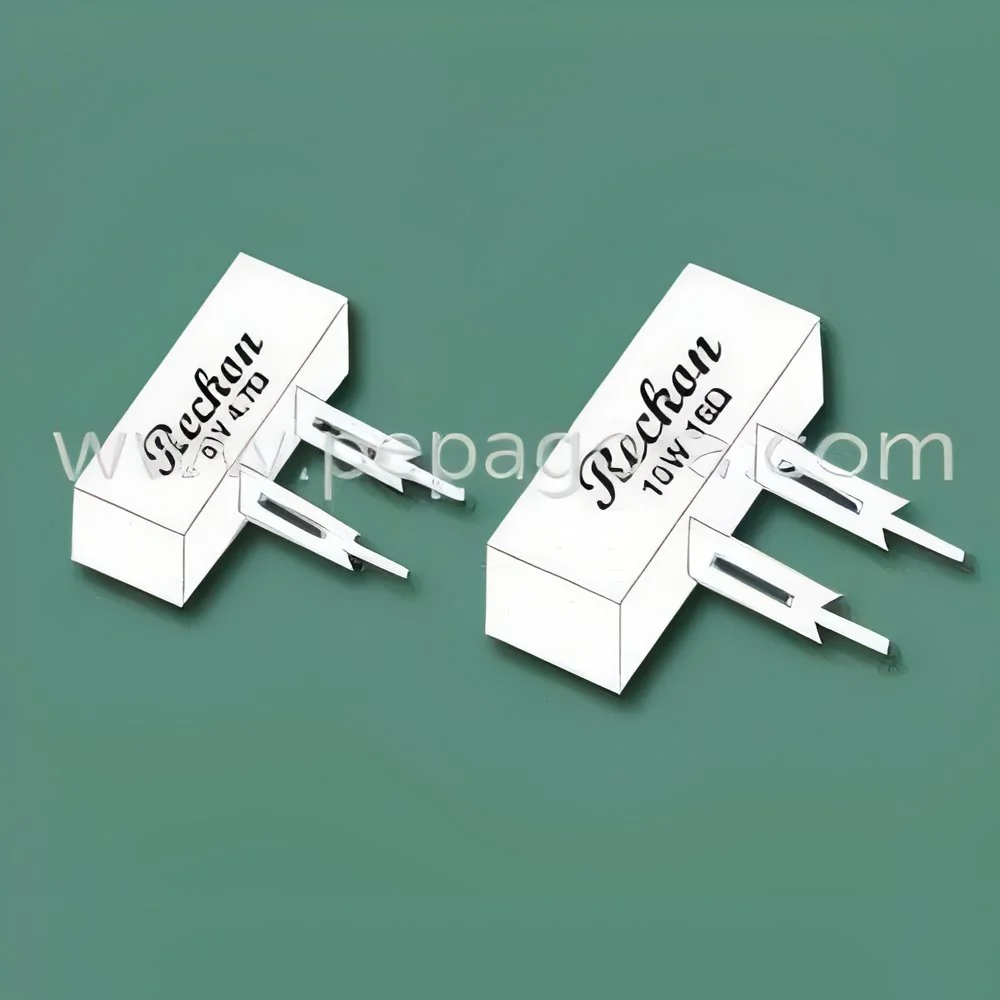
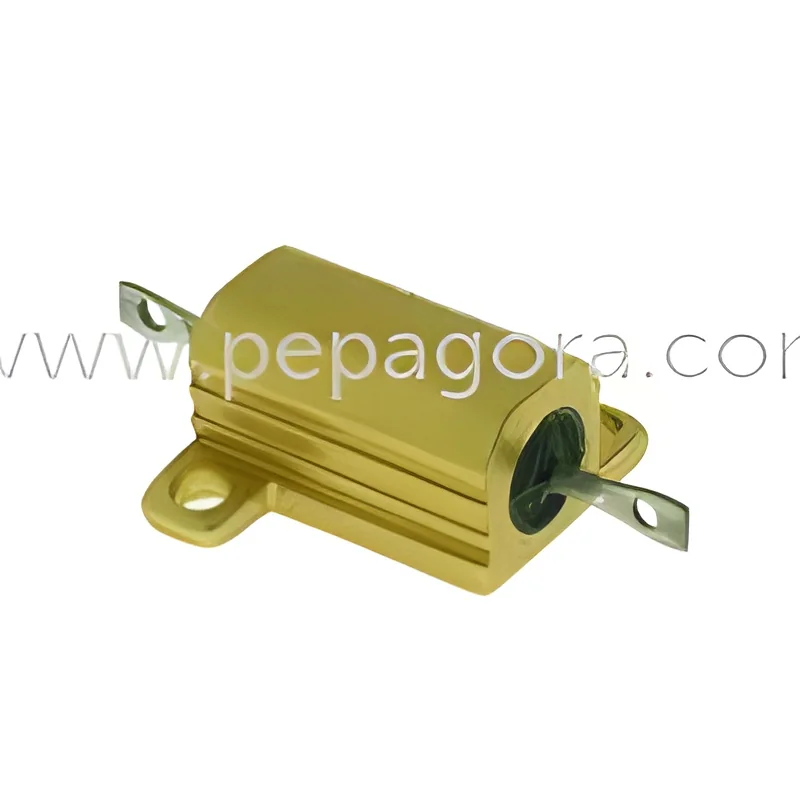
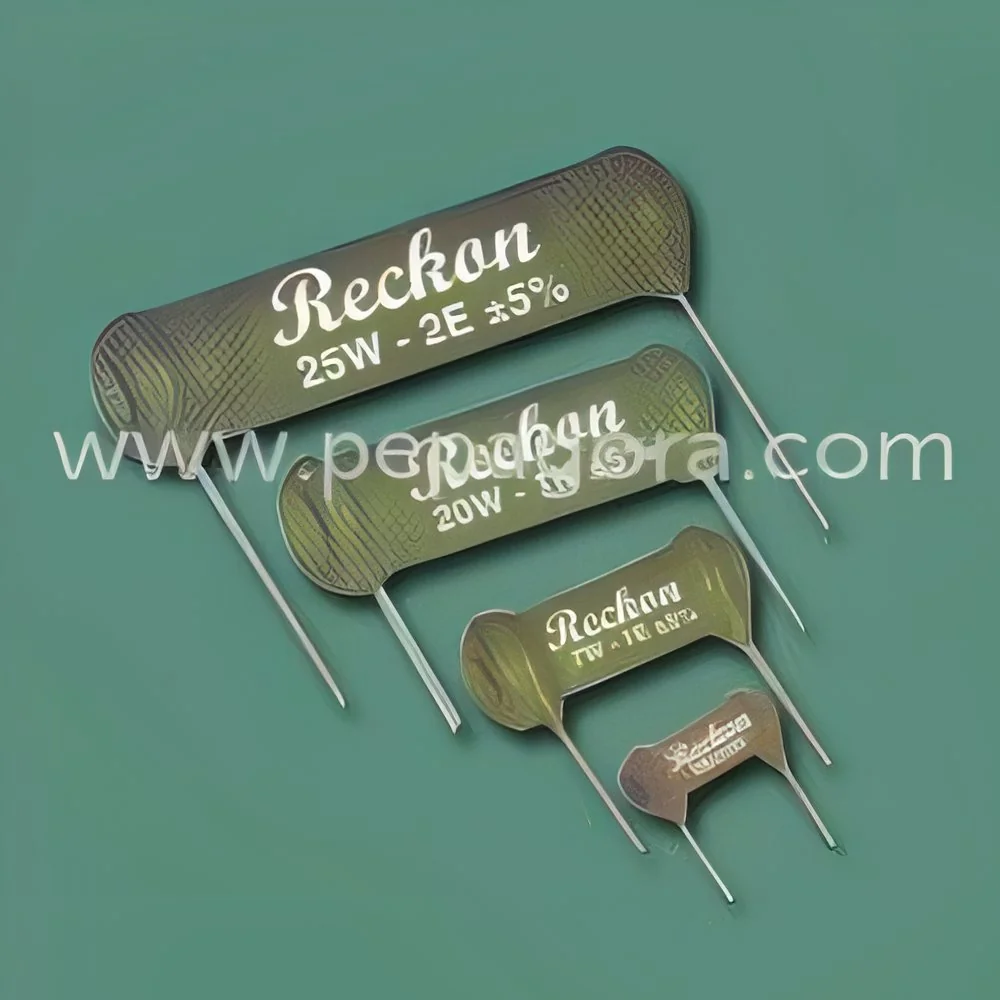
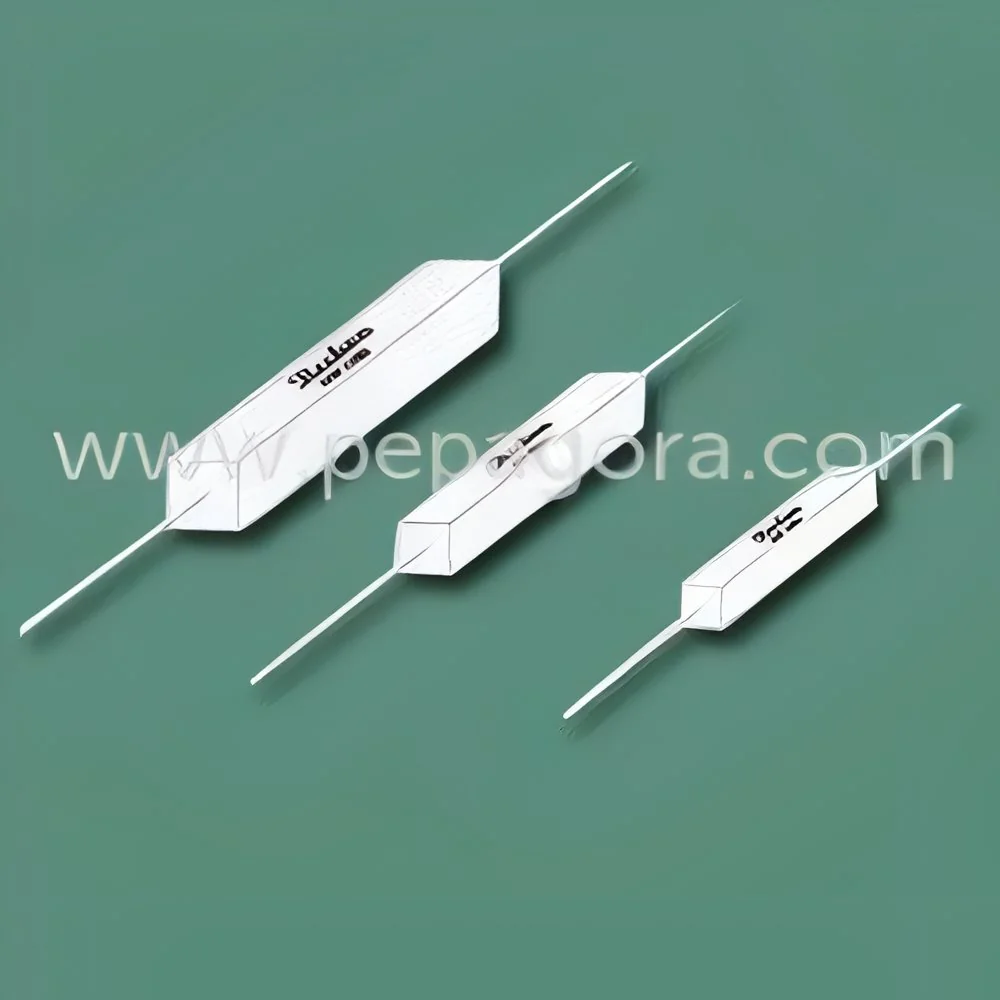
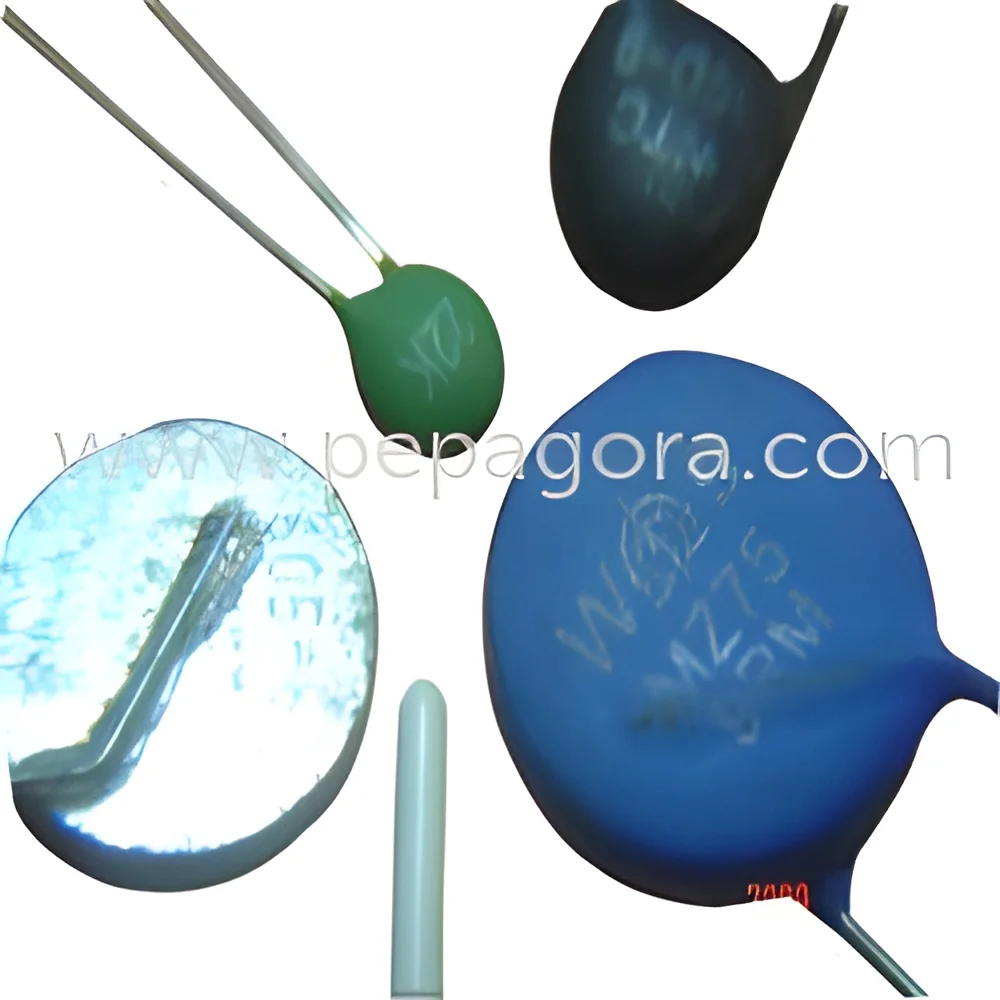
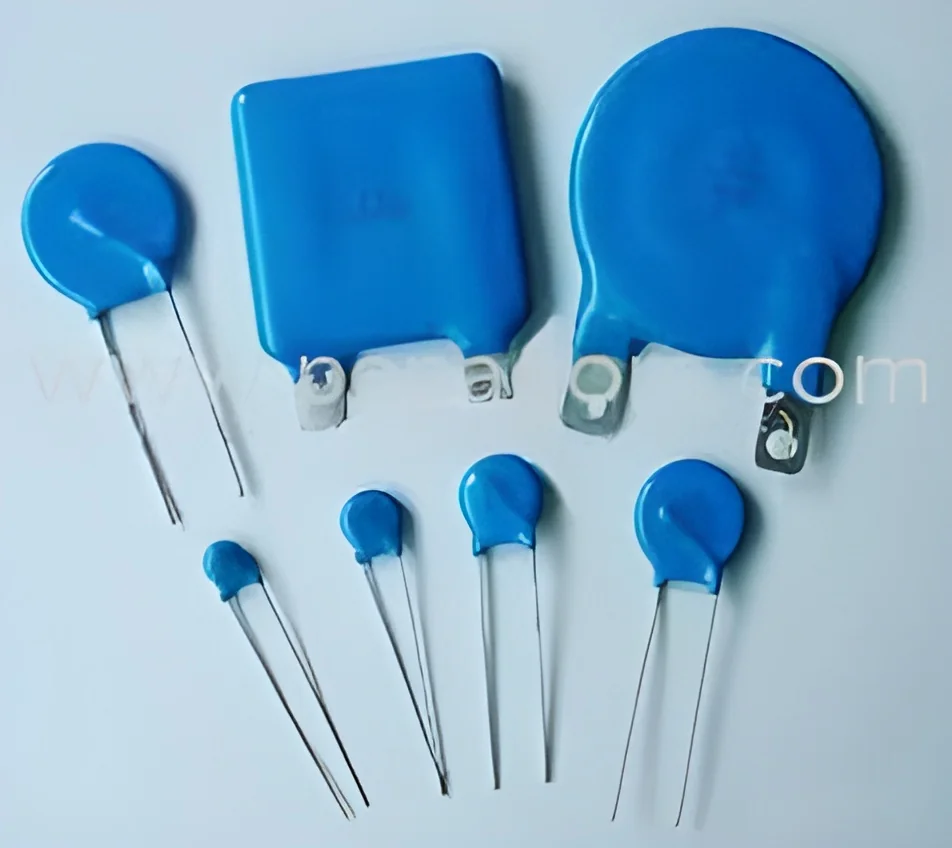
Key Features and Specifications
Variable resistors come with several key features and specifications that define their performance and suitability for different applications. Understanding these specifications is crucial for selecting the right component for your needs.
Key specifications include:
1. Resistance Range
- The range of resistance that the component can provide.
- Typically measured in ohms (Ω), varying from a fraction of an ohm to several megaohms.
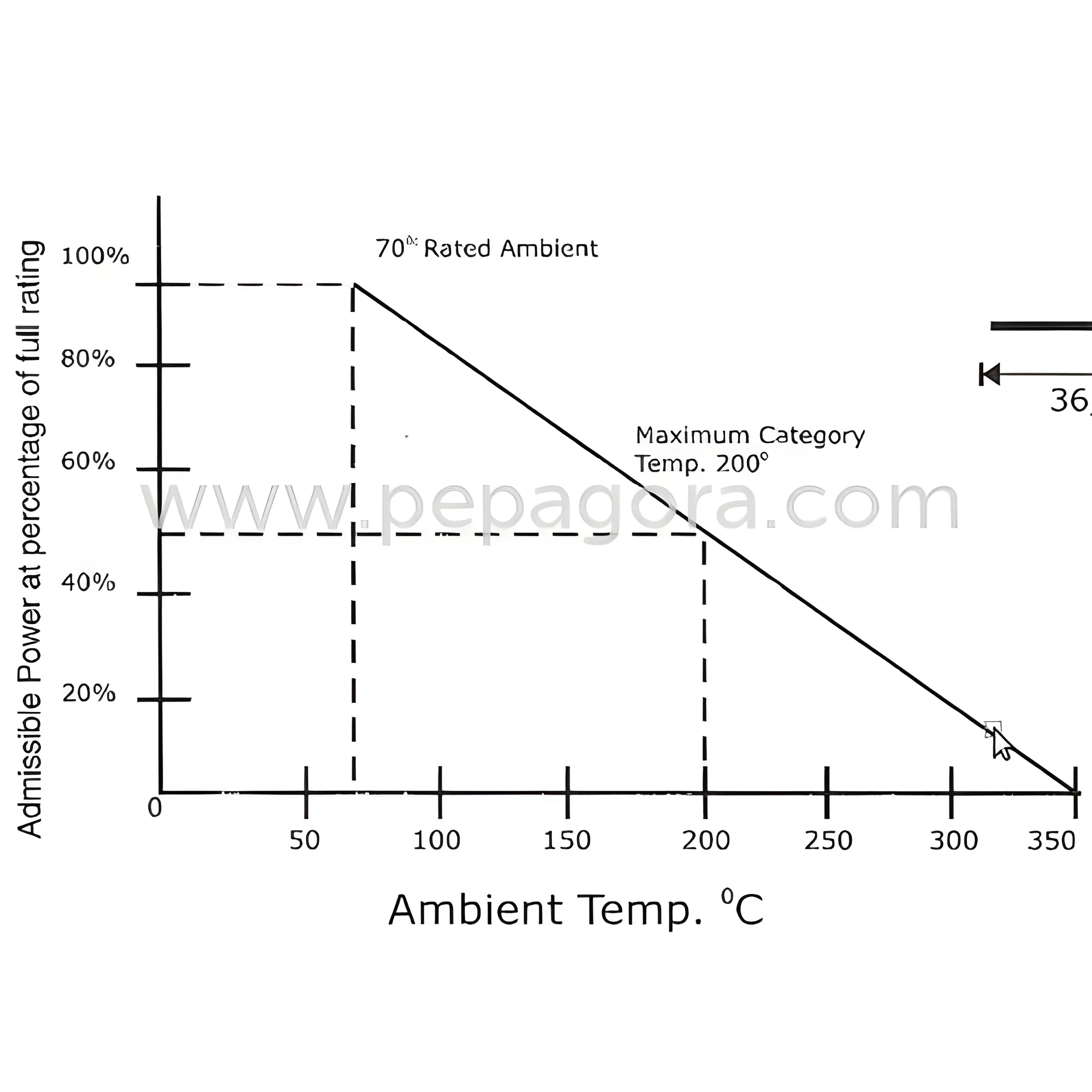
2. Power Rating
- The maximum power the resistor can handle without overheating.
- Measured in watts (W), often ranging from 0.1 W to several hundred watts.
3. Taper Type
- Indicates how the resistance changes as the knob is adjusted.
- Common types include linear and logarithmic tapers.
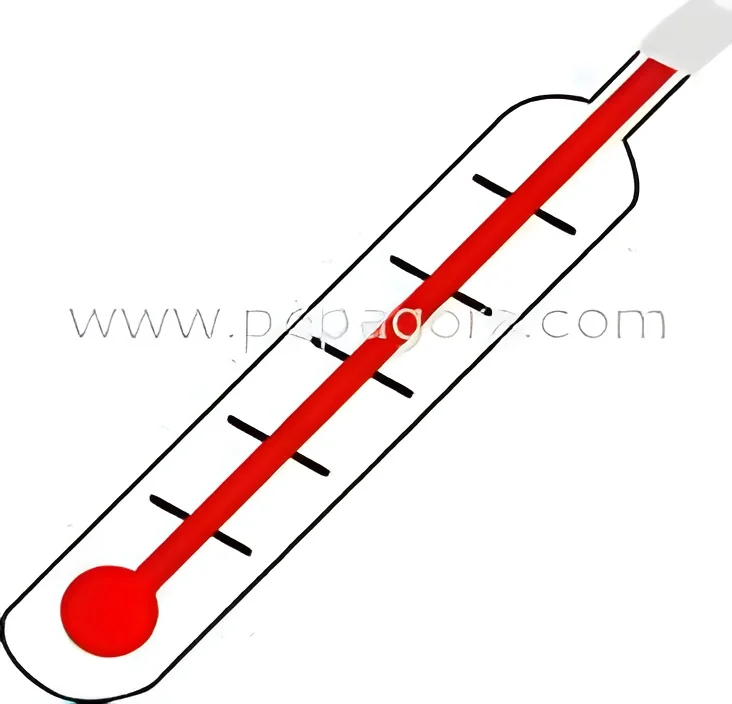
4. Temperature Coefficient
- The change in resistance with temperature.
- Expressed in parts per million per degree Celsius (ppm/°C).
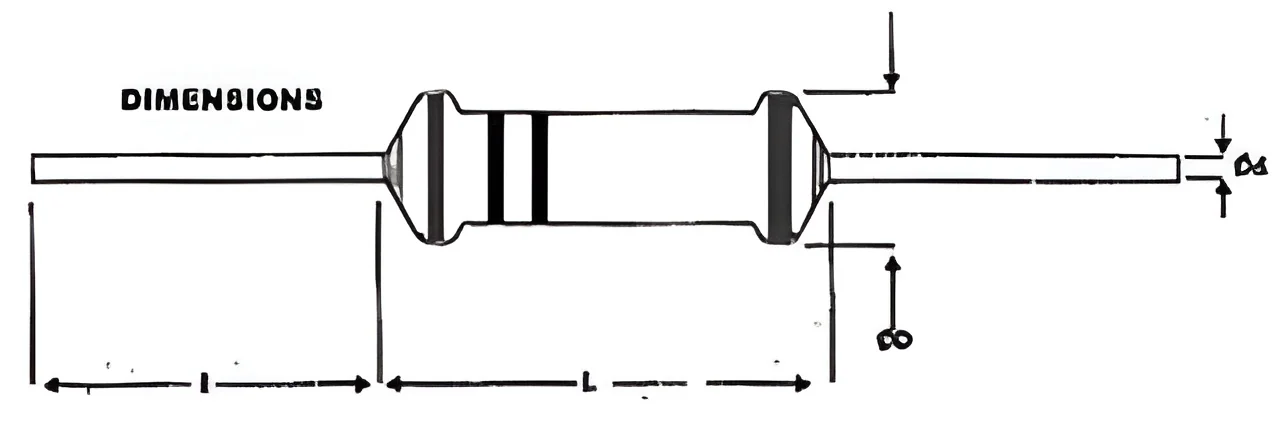
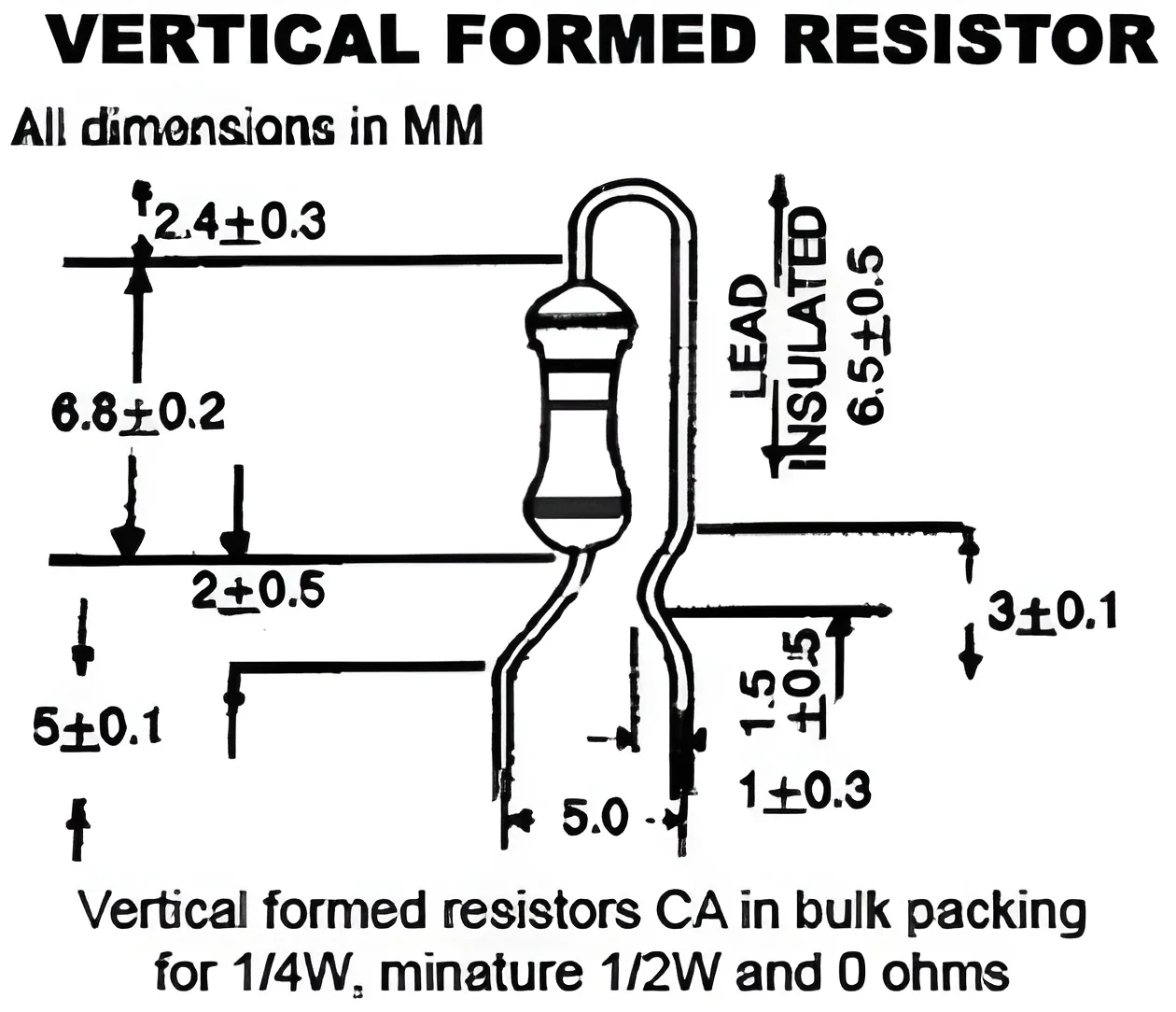
5. Physical Size
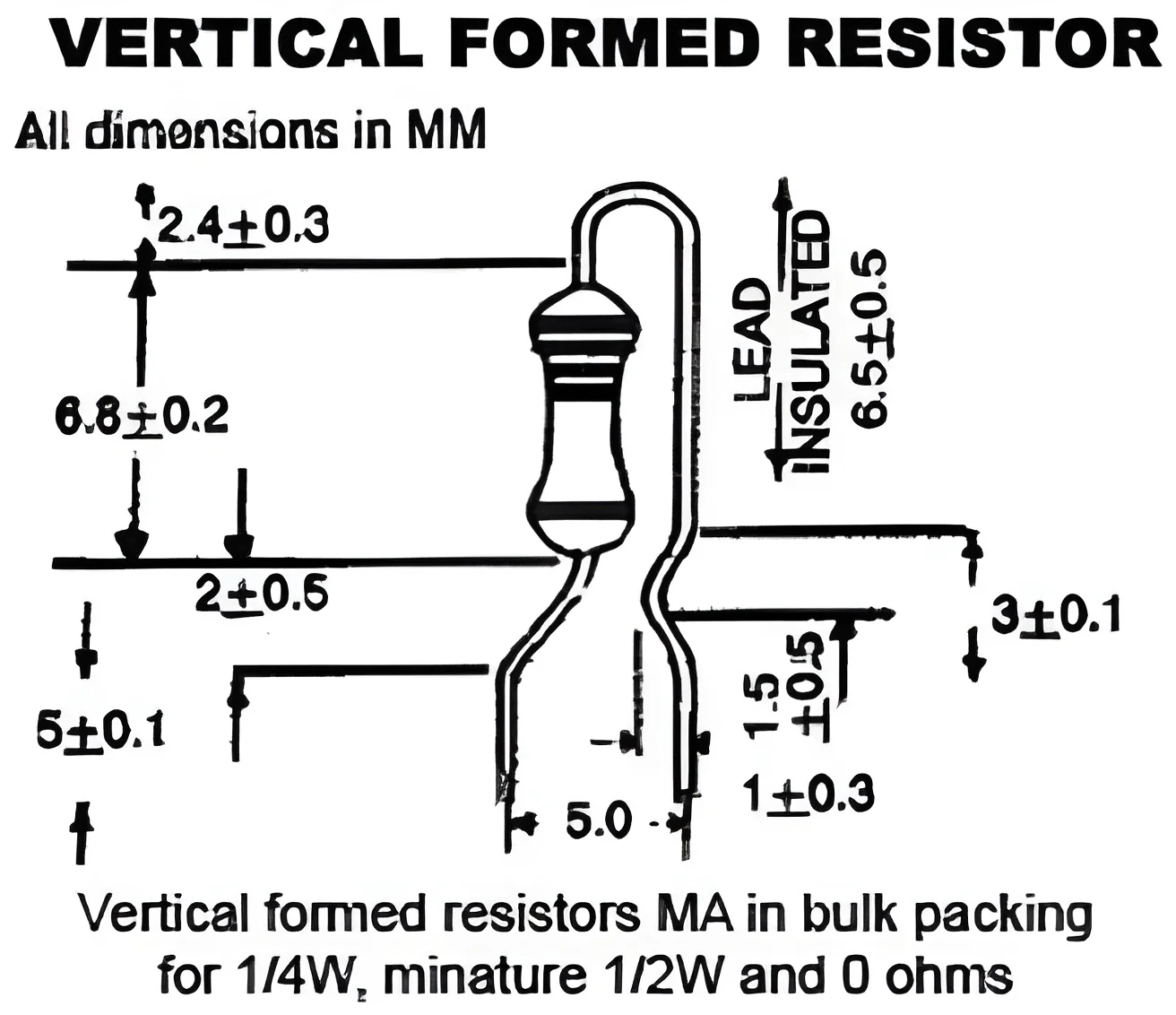
- The dimensions of the resistor, affecting its integration into devices.
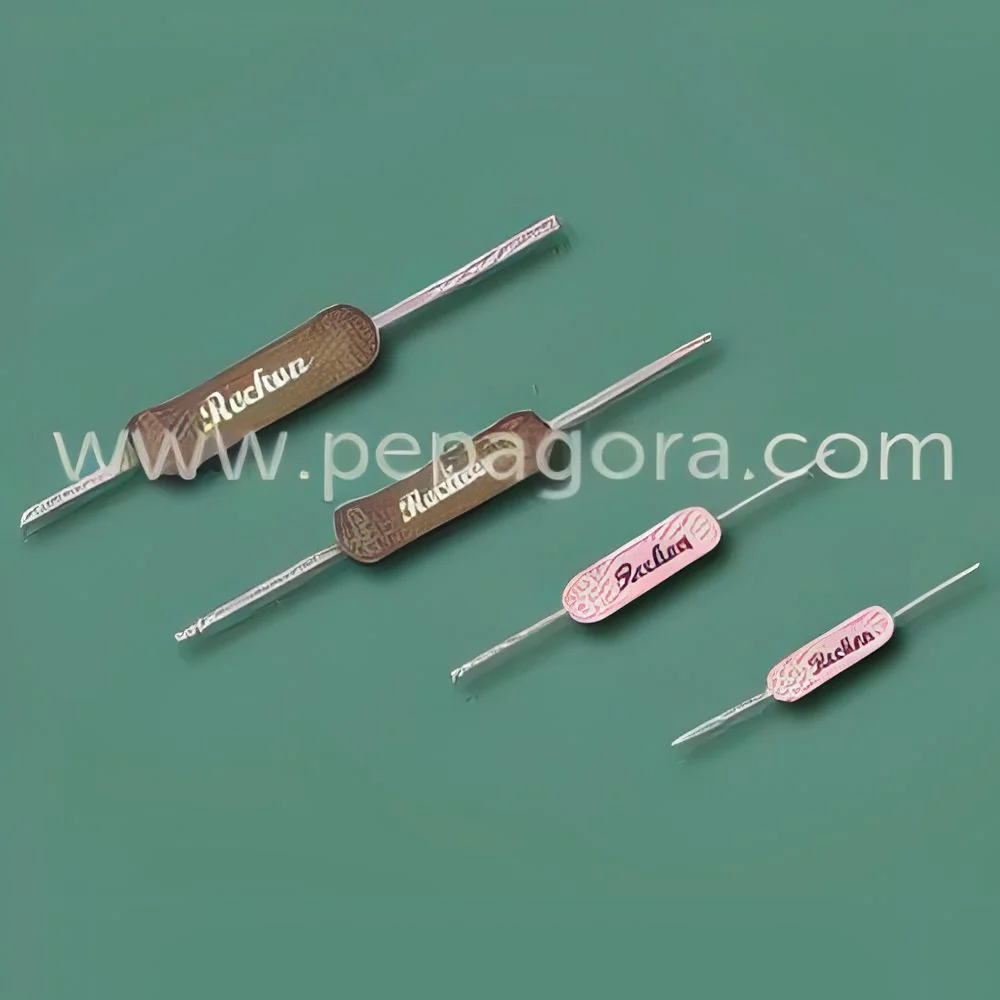
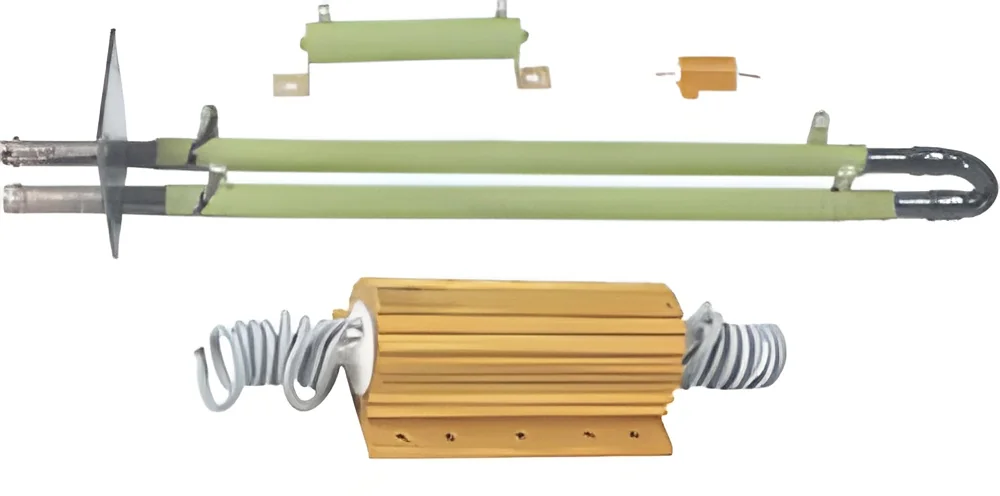
- Variants include through-hole and surface mount types.
6. Voltage Rating
- The maximum voltage that can be applied across the resistor.
- Typically defined in volts (V), varying based on the application.
7. Lifespan and Reliability
- Expected operational lifespan and durability under specific conditions.
- Often rated in cycles or hours of operation.
8. Compliance Standards
- Adherence to industry standards for quality and safety.
- Common certifications include CE marking for compliance.
In summary, understanding these specifications enables B2B buyers to select the most appropriate variable resistors for their specific applications and ensure optimal performance.
Common Applications and Use Cases
Variable resistors are versatile components used across various industries, serving a multitude of applications.
1. Automotive Industry: Potentiometers are commonly used in vehicle control systems, such as throttle position sensors and dashboard dimmers, allowing for precise adjustments in performance.
2. Telecommunications: In communication devices, these resistors help in signal processing and controlling audio levels, ensuring clear transmission and reception.
3. Consumer Electronics: Devices like televisions and audio systems utilize potentiometers for volume control, providing users with an intuitive interface for adjusting sound levels.
4. Industrial Automation: Rheostats are employed in heavy machinery to control motor speeds and manage lighting systems, enhancing operational efficiency.
5. Medical Equipment: Variable resistors are used in medical devices for calibrating outputs and ensuring accurate readings in diagnostic tools.
6. Home Appliances: Many household devices, such as fans and heaters, use variable resistors to regulate speed and temperature settings, improving user comfort.
7. Renewable Energy Systems: In solar inverters and wind turbines, they help in optimizing energy output by adjusting electrical parameters as needed.
Product Variants and Subcategories
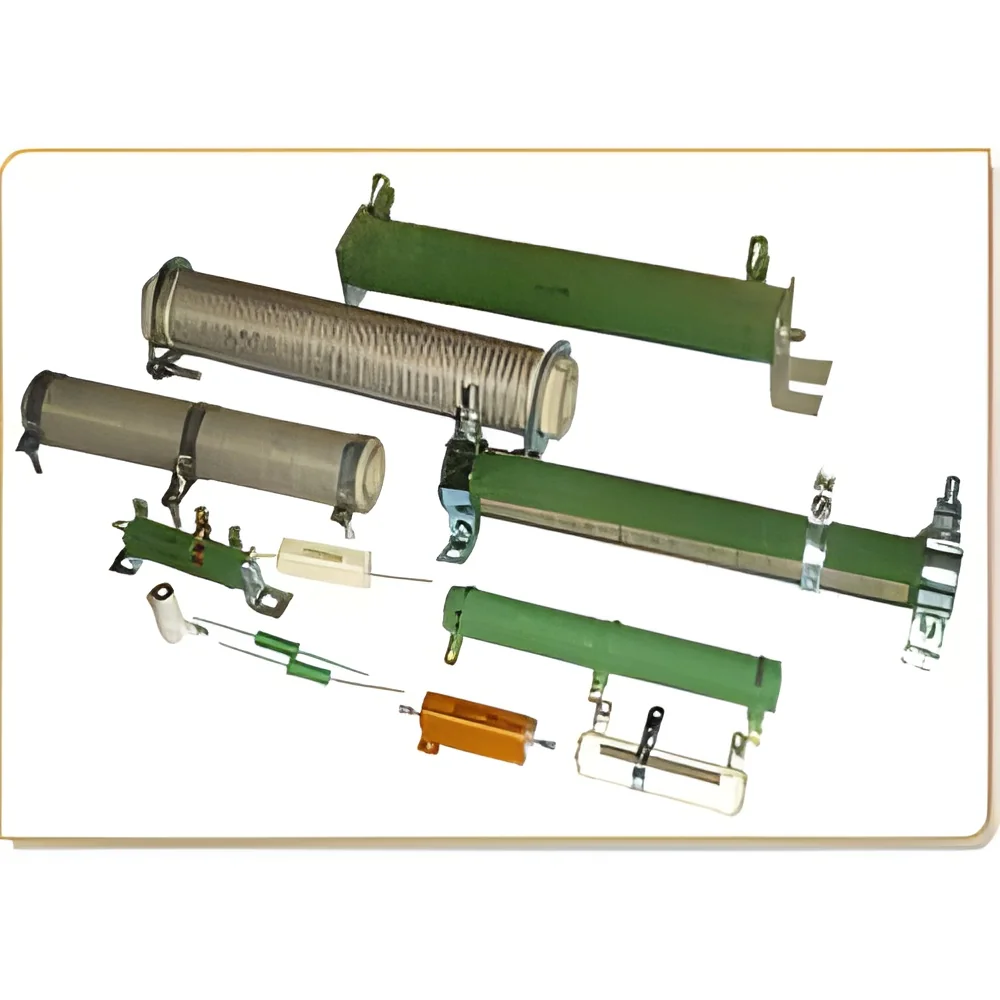
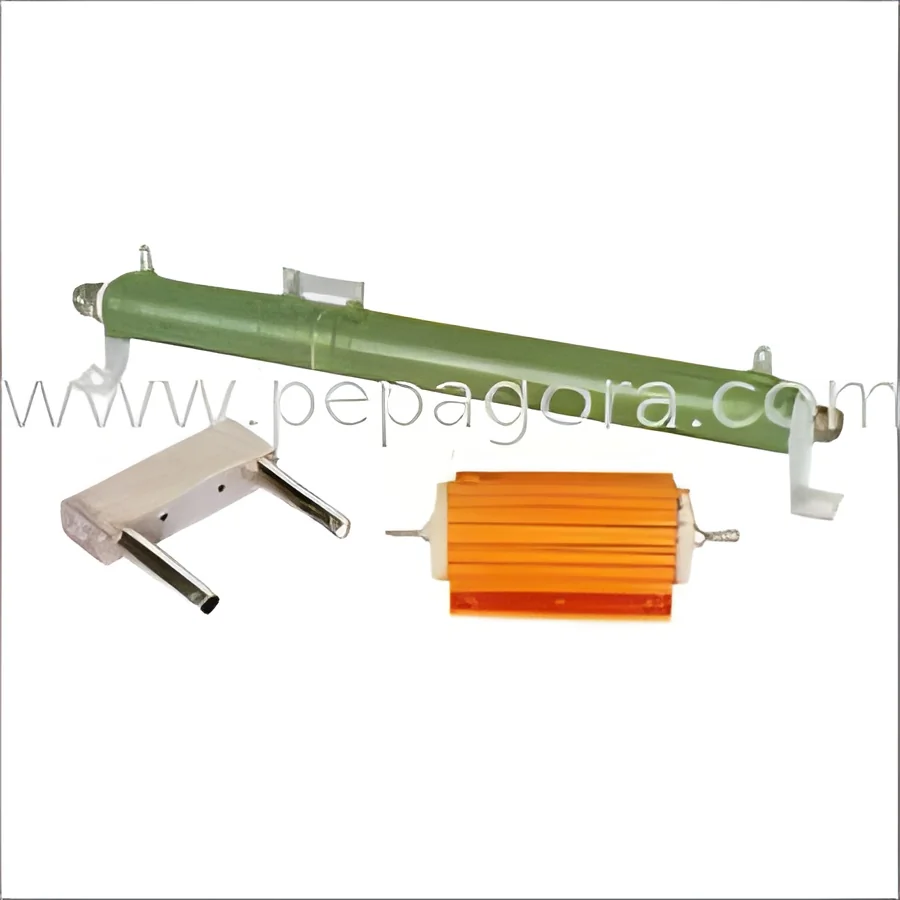
Variable resistors come in various forms, each designed to meet specific requirements in different applications.
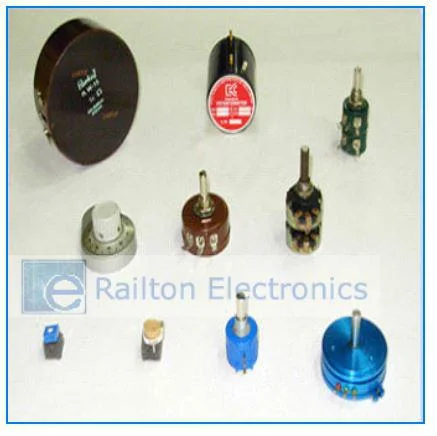
Potentiometers
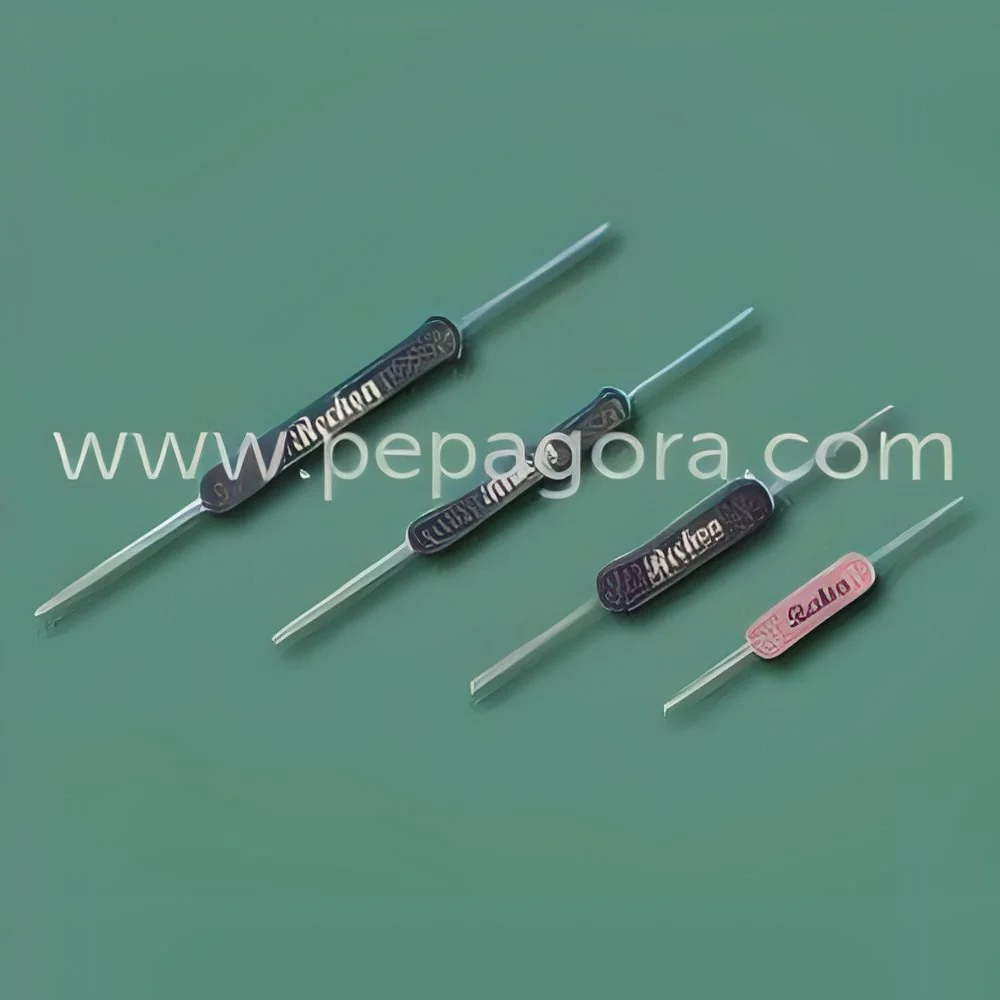
These are widely used in applications requiring voltage control. Potentiometers offer precise adjustments and can be found in audio equipment, control panels, and instrumentation. Their ability to provide fine-tuning makes them ideal for user-interactive devices.
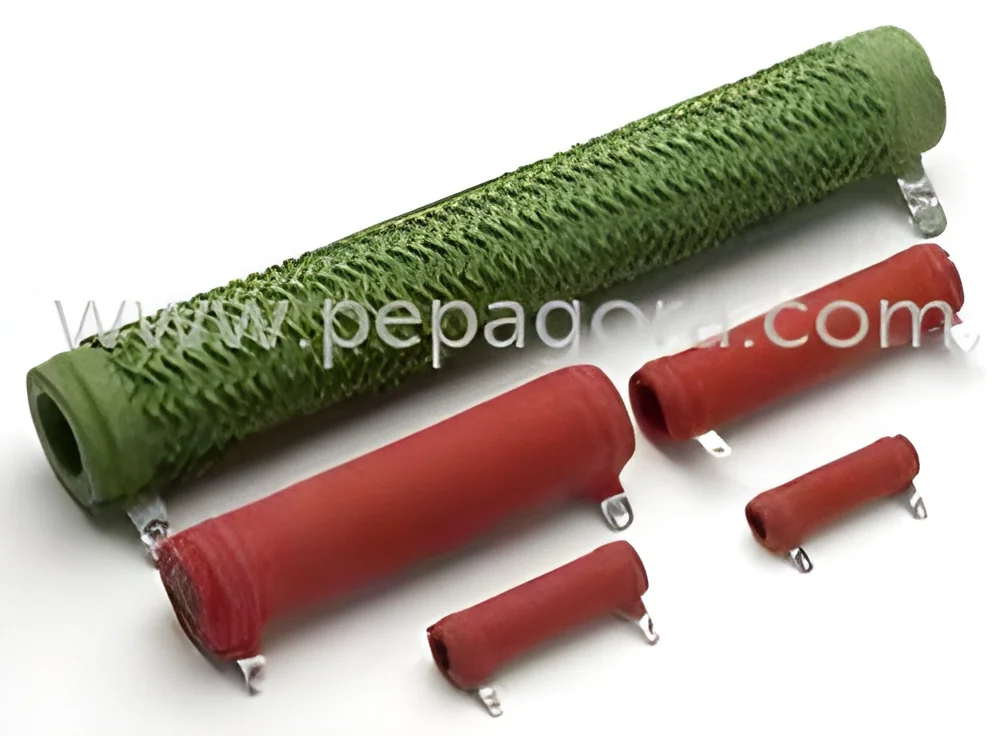
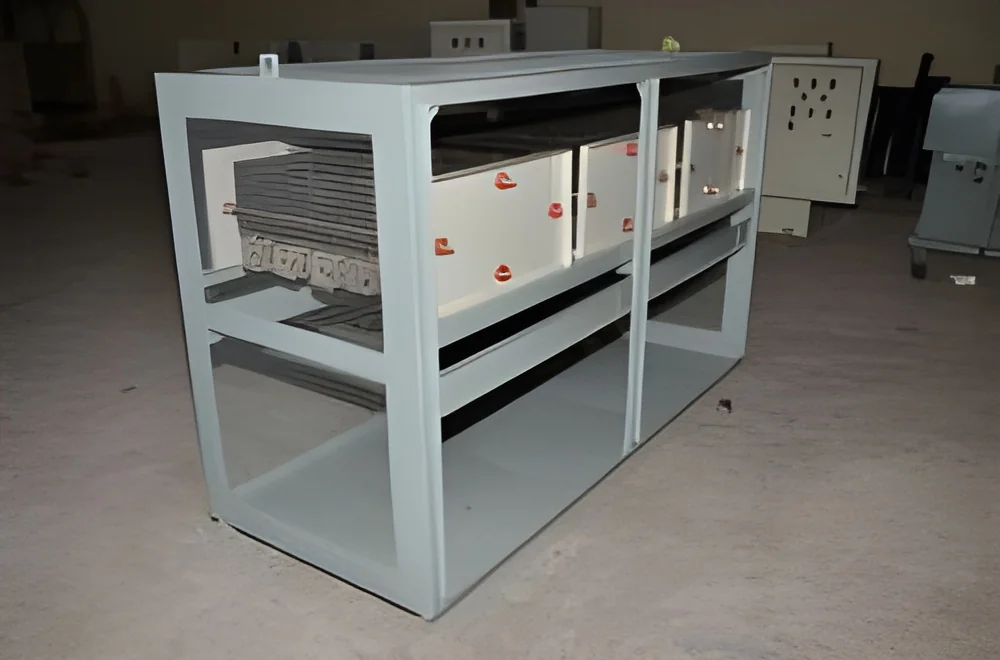
Rheostats
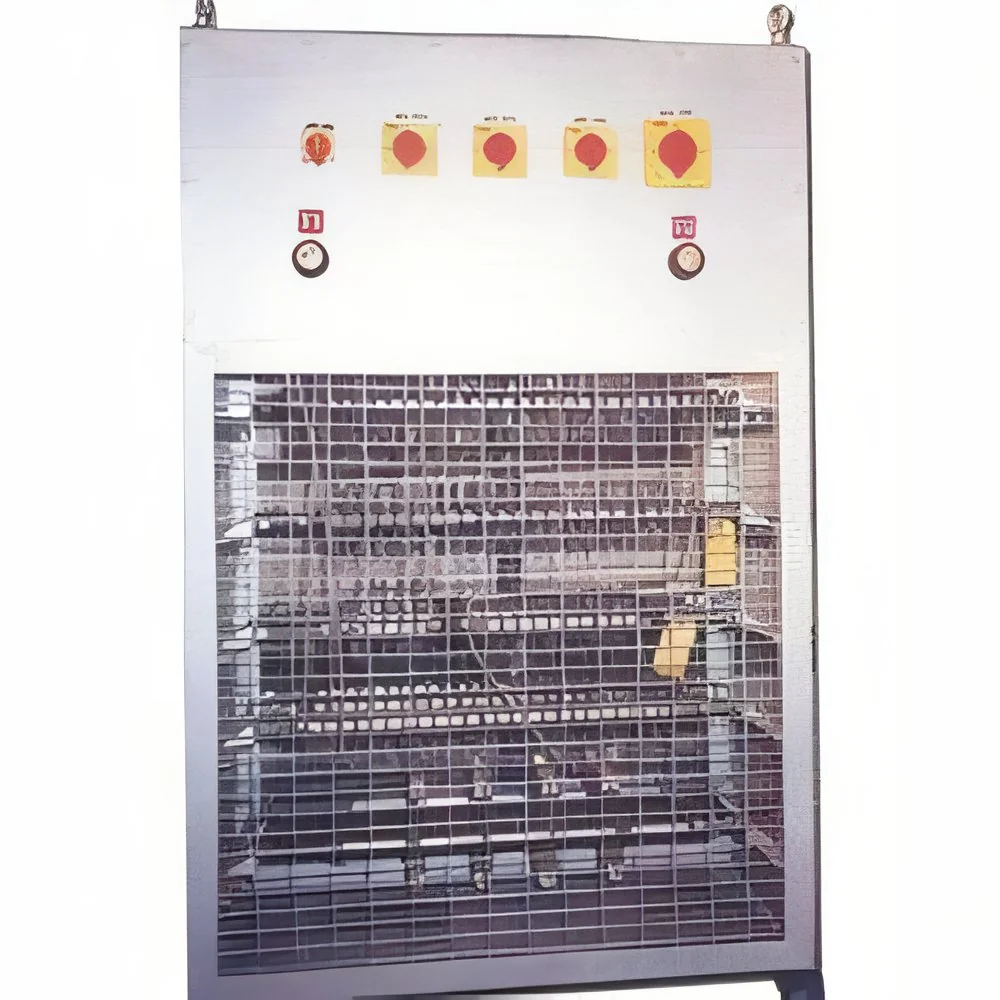
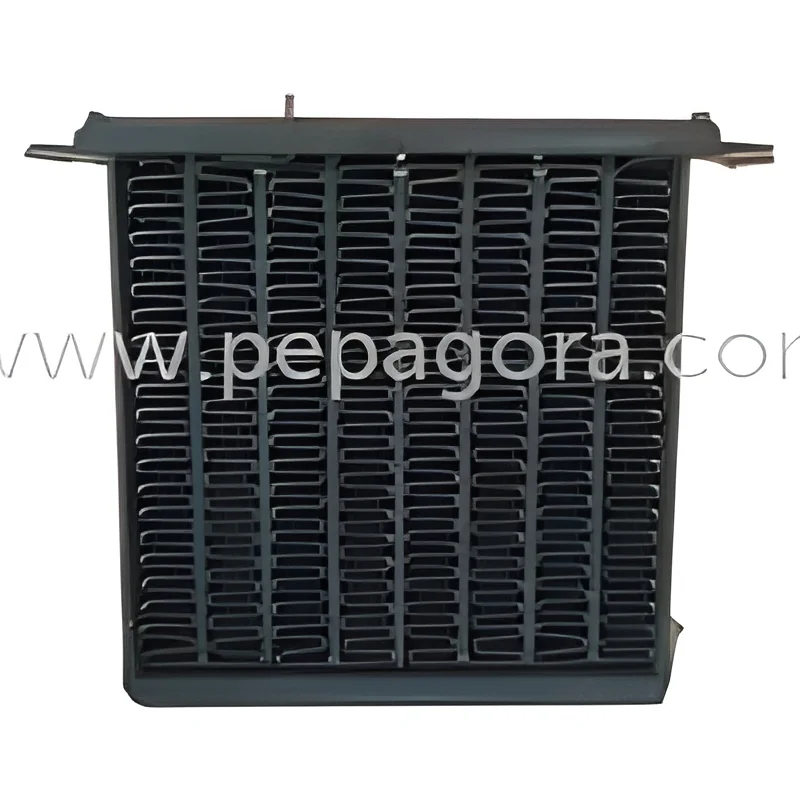
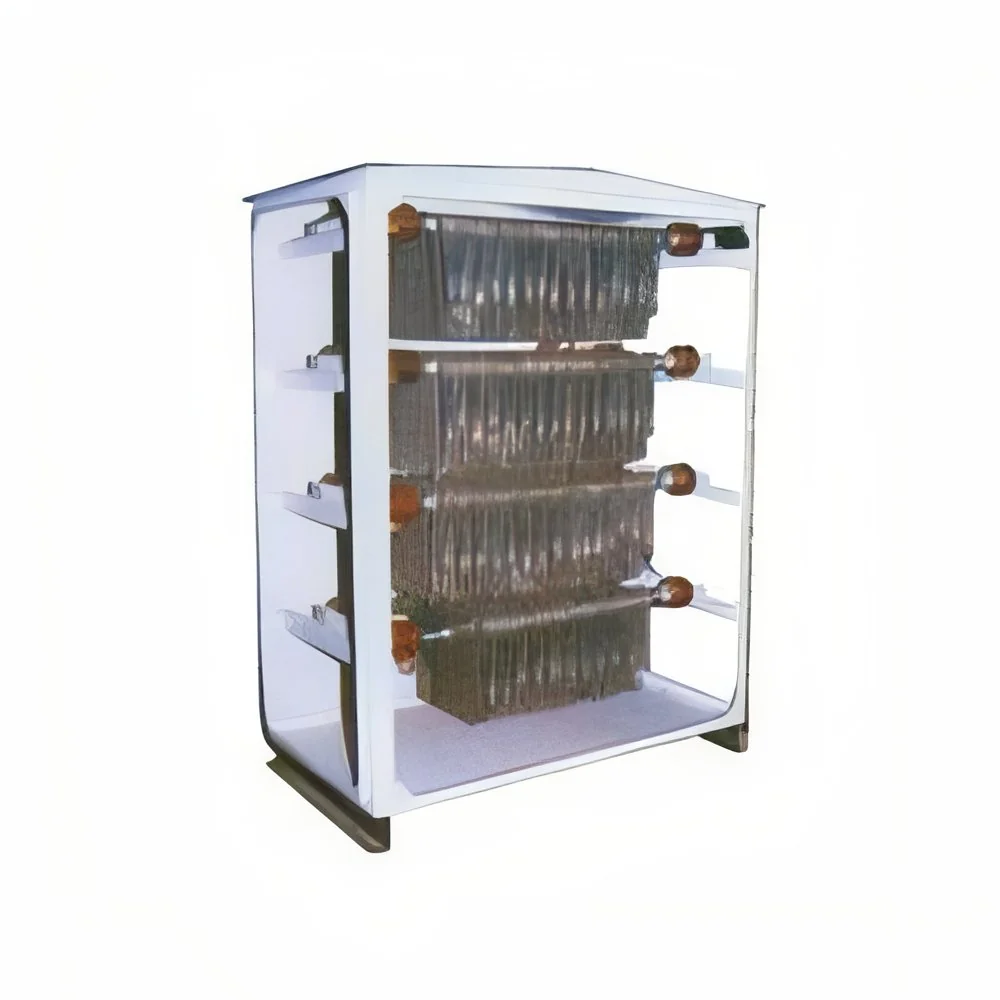
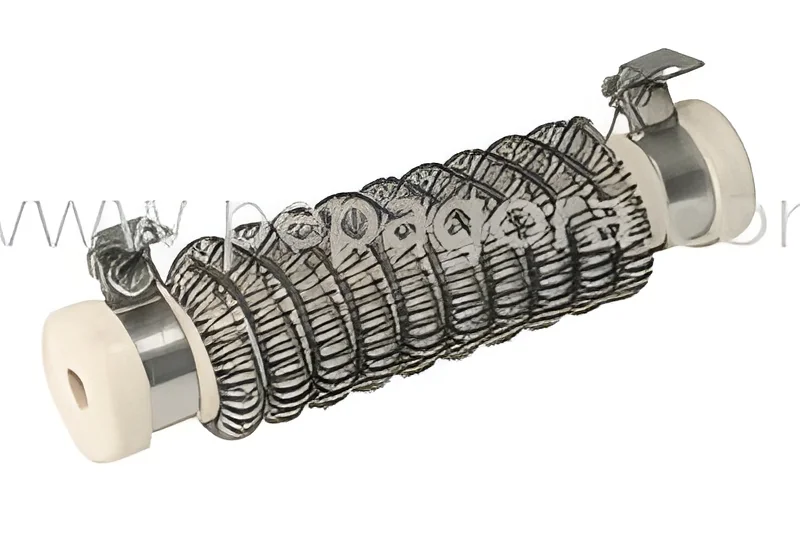
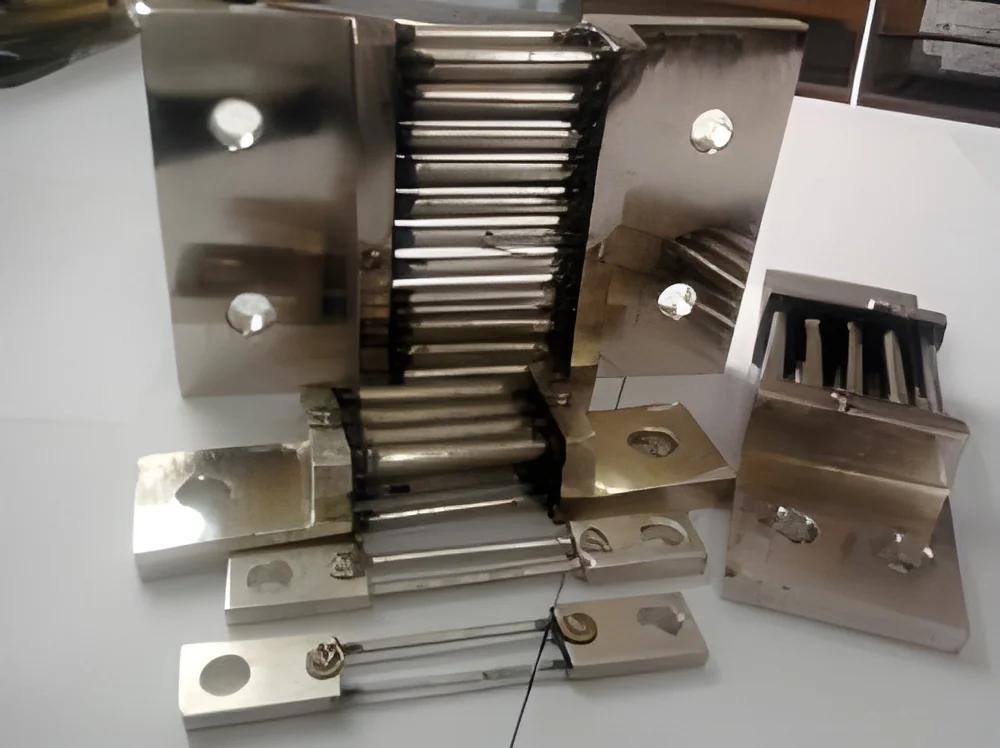
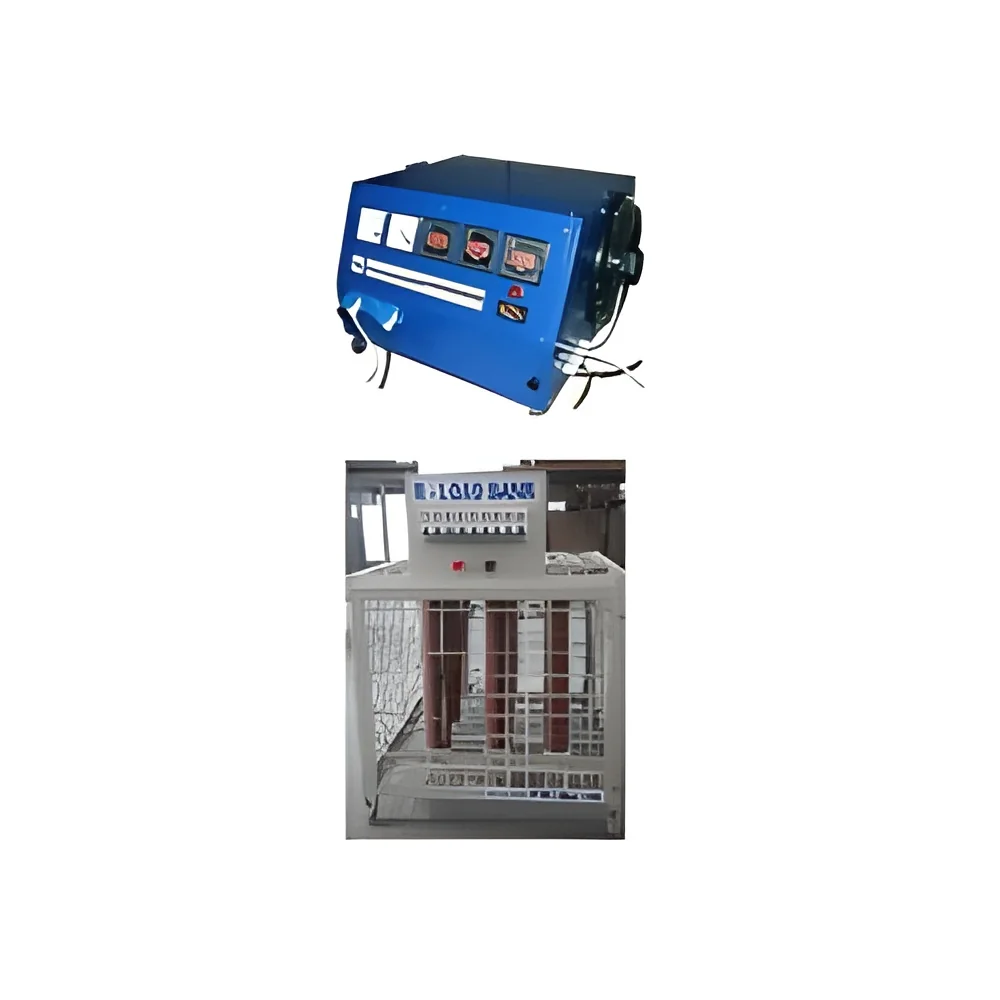
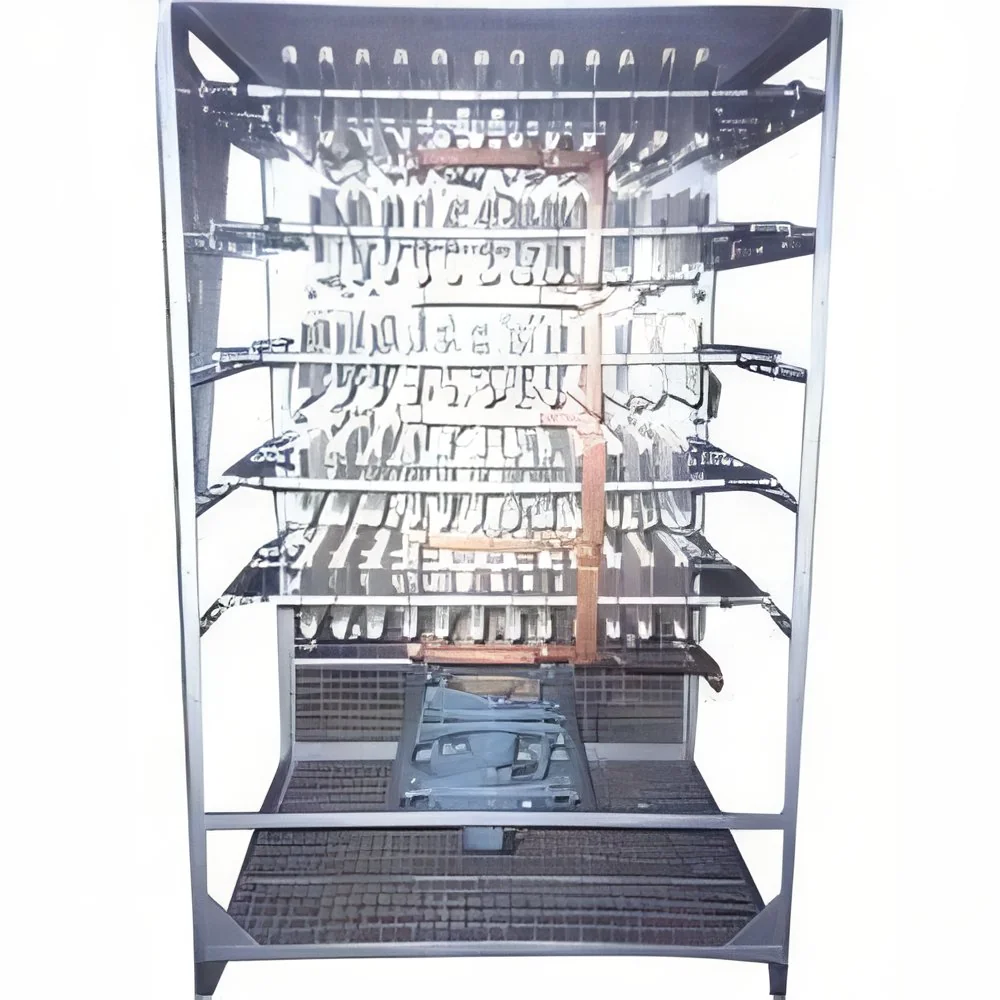
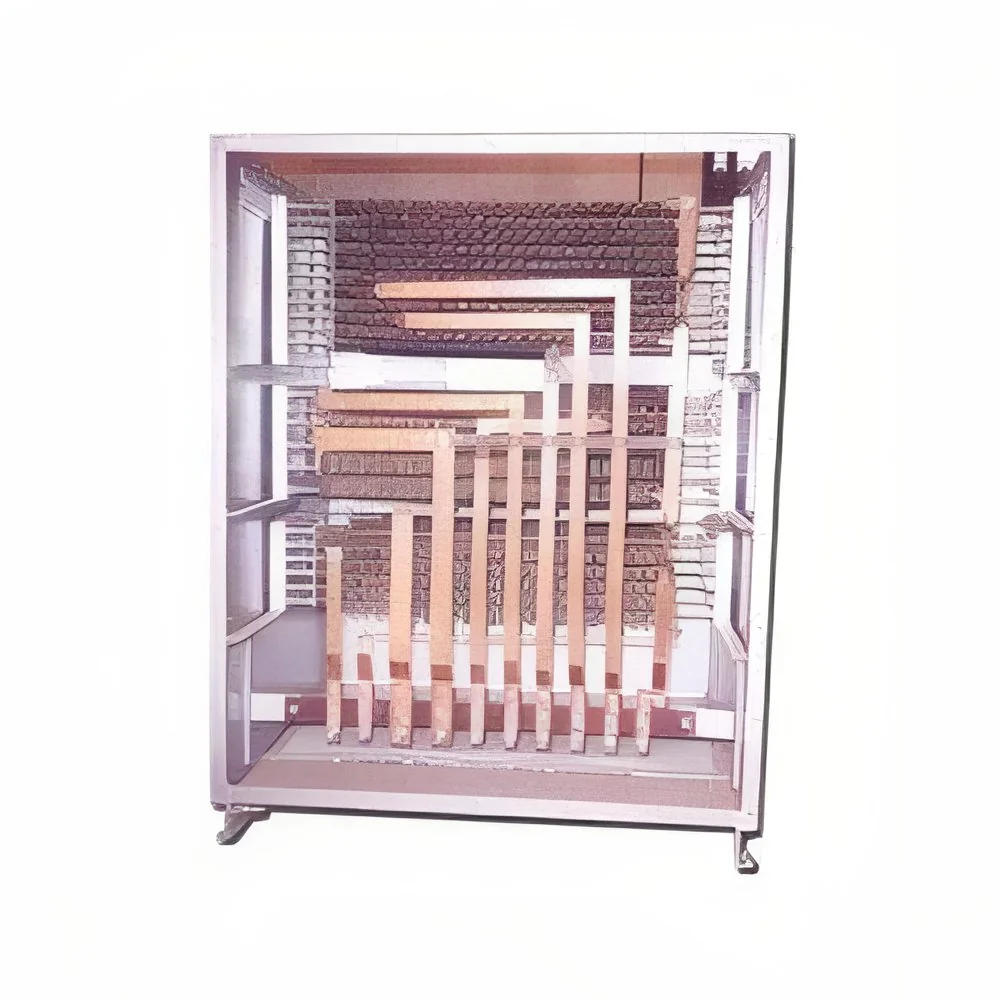
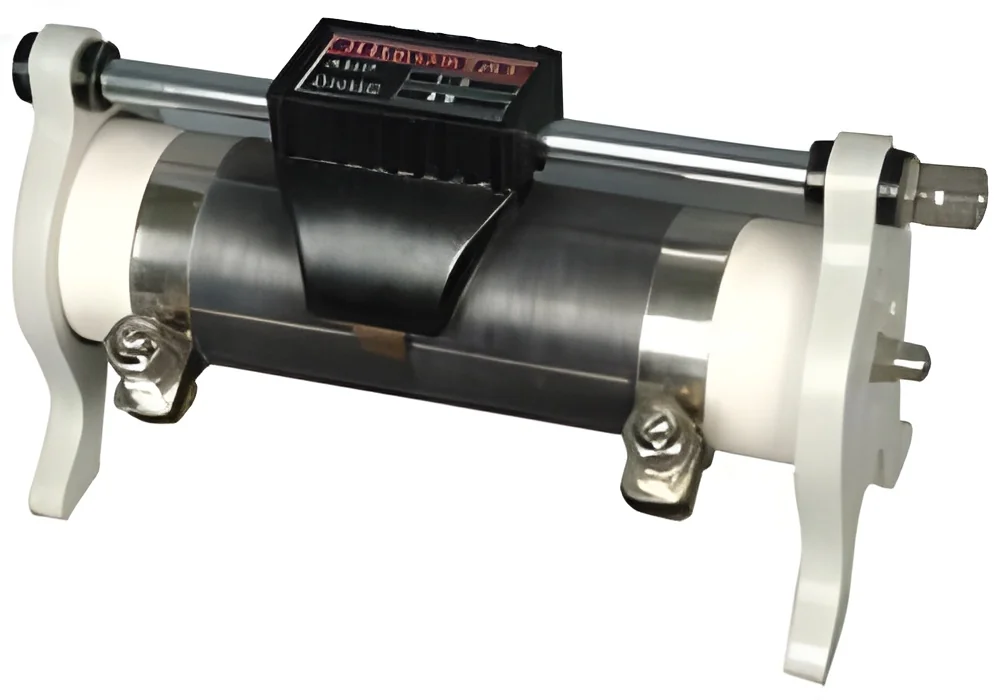
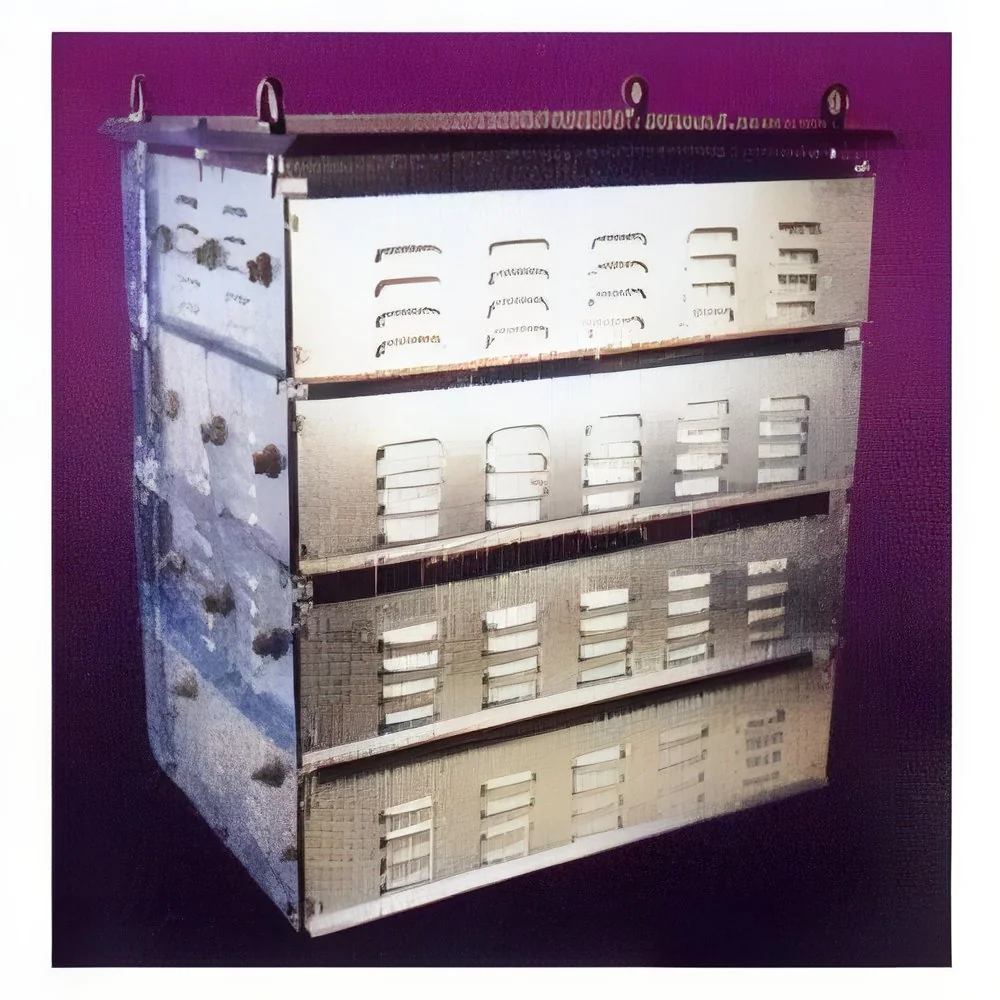
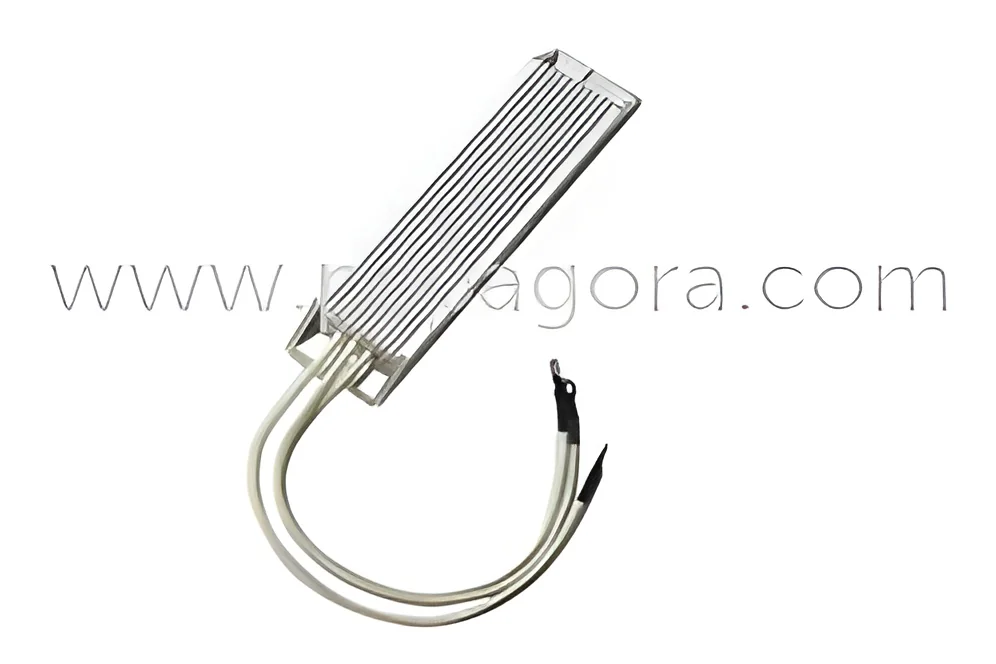
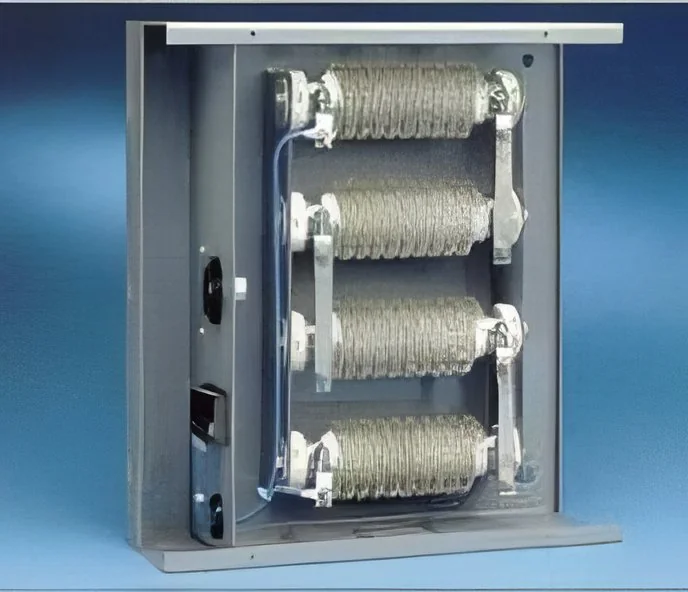
Rheostats are suited for high-power applications, allowing for current control in lighting circuits and motor drives. They are designed to dissipate heat efficiently, making them essential in environments where power management is critical.
Trimmer Potentiometers
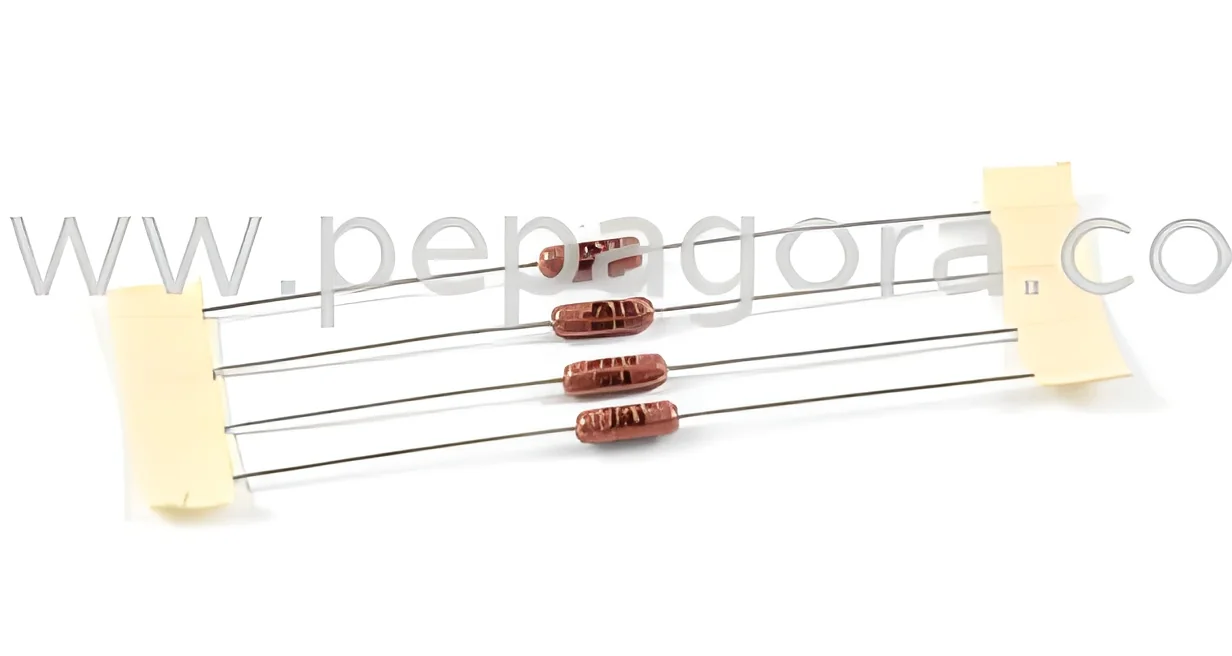
These are small, adjustable resistors used for calibration purposes in circuits. Trimmer potentiometers are typically set during manufacturing and require minimal adjustments afterward, ideal for compact devices.
Multi-turn Potentiometers
These provide a greater range of adjustment compared to single-turn types. Multi-turn potentiometers are used in applications such as precision controls and instrumentation, where accuracy is paramount.
Benefits and Advantages
Investing in variable resistors offers several advantages for businesses seeking reliable electronic components.
1. Precision Control: Variable resistors allow for fine-tuning of electrical signals, ensuring accurate adjustments in various applications.
2. Versatility: With a wide range of resistance values and types, these components can be adapted to meet diverse industry needs.
3. Cost-Effective: They provide a simple solution for managing electrical parameters without requiring complex circuitry.
4. Easy Integration: Variable resistors are available in various sizes and configurations, facilitating straightforward integration into existing systems.
5. Enhanced User Experience: By enabling precise control, these components improve the overall functionality of devices, leading to better user satisfaction.
6. Long-lasting Performance: High-quality variable resistors are designed for durability, ensuring reliable operation over extended periods.
Buying Guide for B2B Buyers
When sourcing variable resistors, it is essential to consider several factors to ensure you choose the right component for your project.
1. Quality Assessment: Evaluate the quality of variable resistors by reviewing their specifications, certifications, and manufacturer reputation. Ensure they meet industry standards for reliability and performance.
2. Supplier Verification: Conduct thorough vetting of suppliers to confirm their credibility. Look for established companies with a track record of providing quality components and excellent customer service.
3. Pricing and MOQ: Understand the pricing structure and minimum order quantities (MOQ) of potential suppliers. Compare costs while considering the quality of components offered.
4. Delivery and Lead Times: Inquire about delivery capabilities and lead times to ensure that you can receive components in a timely manner, preventing project delays.
5. Compliance Requirements: Ensure that the variable resistors meet any regulatory requirements relevant to your industry. Compliance with standards such as CE certification is crucial for safety and reliability.
Compliance and Certifications
Variable resistors, including potentiometers and rheostats, must adhere to various compliance and certification standards to ensure quality and safety.
ISO 9001: This quality management standard ensures that manufacturing processes meet consistent quality criteria, enhancing customer satisfaction.
CE Certification: This mark indicates compliance with European safety, health, and environmental protection standards, essential for products sold in the European market.
Safety and Testing Requirements: Variable resistors undergo rigorous testing to ensure they can withstand specified operational conditions. This includes electrical, thermal, and mechanical testing to guarantee reliability.
Regional Compliance Considerations: Depending on the market, variable resistors may need to comply with specific regional regulations. It is vital to consult local guidelines to ensure products meet all necessary standards.
Why Source Variable Resistors (Potentiometers, Rheostats) from Pepagora?
Pepagora offers a reliable platform for sourcing variable resistors, providing numerous advantages for B2B buyers.
Verified Supplier Network: Pepagora connects buyers with a network of verified suppliers, ensuring quality and reliability. Each supplier is vetted to guarantee that they meet industry standards.
Streamlined RFQ Process: The request-for-quotation system simplifies the procurement process, allowing buyers to receive competitive quotes from multiple suppliers efficiently.
Trade Assurance and Support: Pepagora provides buyer protection through trade assurance, ensuring that transactions are secure and disputes are handled effectively.
Regional Coverage: With a strong presence in markets like India, the GCC, and Southeast Asia, Pepagora facilitates access to a wide range of suppliers and products, ensuring buyers can find the right variable resistors for their needs.

 IN
IN