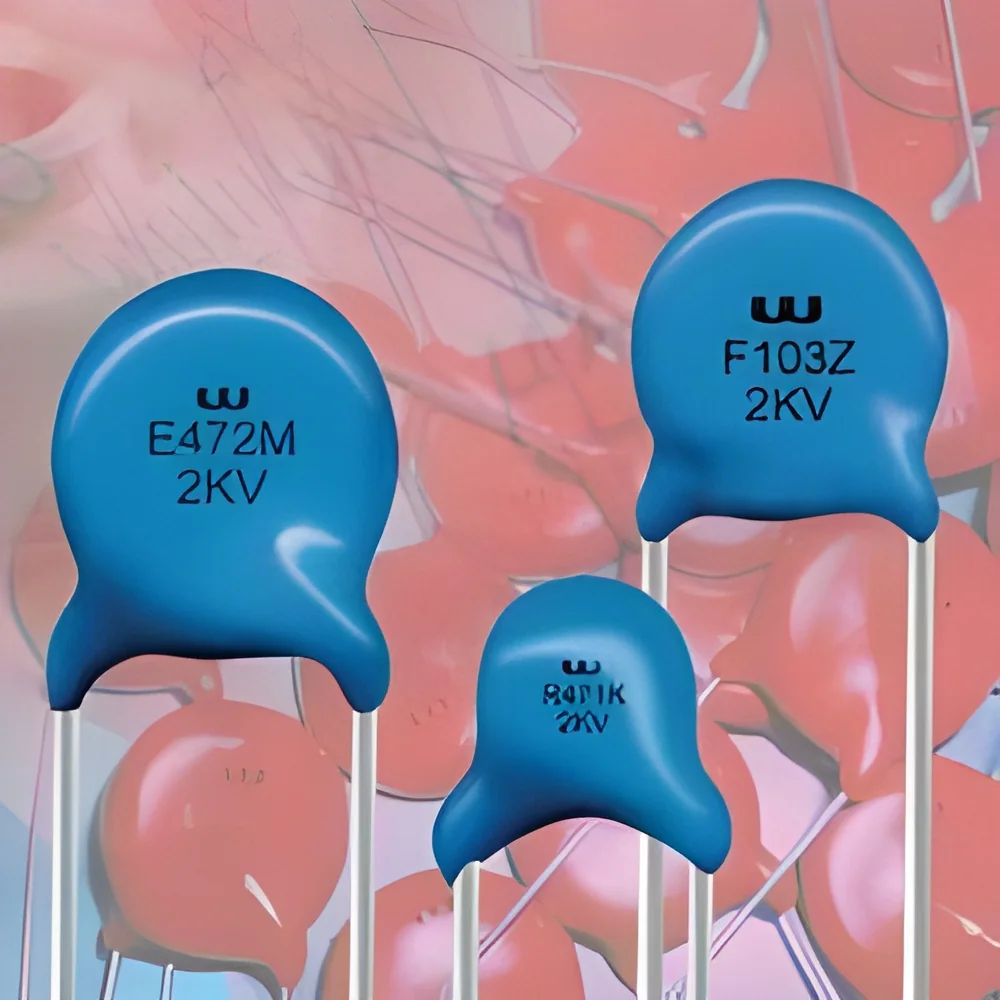
What are Ceramic Capacitors?
Ceramic capacitors are passive electronic components that store electrical energy in an electric field. They are made from ceramic materials that act as dielectric substances, which allows them to maintain a stable capacitance over a wide range of temperatures and voltages. Their construction typically involves layers of ceramic dielectric material interleaved with conductive plates, creating a compact and efficient energy storage device.
These capacitors are widely used in various applications, including filtering, decoupling, and timing circuits. They play a crucial role in consumer electronics, telecommunications, automotive systems, and industrial equipment. Their reliability and stability make ceramic capacitors essential components in modern electronic devices. As industries continue to advance, the demand for ceramic capacitors grows, reflecting their importance in supporting technological innovation.
Key Features and Specifications
Ceramic capacitors offer a range of features that make them suitable for diverse applications. Their characteristics include high dielectric strength, low equivalent series resistance (ESR), and excellent temperature stability. These features contribute to their effectiveness in electronic circuit design and performance.
Key specifications include:
1. Capacitance Value
- Available in a range of values from picofarads (pF) to microfarads (µF)
- Different capacitance values cater to specific circuit requirements
2. Voltage Rating
- Rated for various voltage levels, typically 6.3V to 1000V
- Ensures reliable operation under specified electrical conditions
3. Temperature Coefficient
- Class 1 and Class 2 types, indicating different stability and tolerance levels
- Class 1 offers better stability while Class 2 provides higher capacitance density
4. Dielectric Material
- Common types include X7R, C0G, and Y5V
- Each type has unique properties suited for different applications
5. Size and Form Factor
- Available in various sizes, from surface mount (SMD) to through-hole types
- Adaptable to different design constraints and layouts
6. Tolerance
- Available tolerances typically range from ±5% to ±20%
- Important for applications requiring precise capacitance values
7. Frequency Response
- Suitable for high-frequency applications due to low ESR
- Ensures efficient performance in RF and communication devices
8. Packaging Options
- Offered in tape and reel for automated assembly or bulk packaging
- Enhances convenience for manufacturers and assemblers
In summary, ceramic capacitors are characterized by their versatility and reliability, making them integral to a wide range of electronic applications.
Common Applications and Use Cases
Ceramic capacitors find extensive use across various industries due to their reliability and performance.
1. Consumer Electronics: Used in smartphones, laptops, and televisions for noise filtering and power stability.
2. Telecommunications: Essential in signal processing and filtering applications in communication devices.
3. Automotive: Employed in control systems, sensors, and power management circuits to ensure reliability under harsh conditions.
4. Industrial Equipment: Utilized in machinery for stabilization and timing applications, enhancing operational efficiency.
5. Medical Devices: Important in medical instrumentation for precise signal processing and energy storage.
6. Home Appliances: Found in products like washing machines and refrigerators for energy efficiency and noise reduction.
7. Renewable Energy: Used in solar inverters and wind turbines for efficient power management and conversion.
Product Variants and Subcategories
Ceramic capacitors come in various types, each designed for specific applications and performance needs.
Multi-layer Ceramic Capacitors (MLCCs): These capacitors consist of multiple layers of ceramic dielectric material, providing high capacitance in a compact size. They are commonly used in high-frequency applications, making them suitable for mobile devices and telecommunications.
Disc Ceramic Capacitors: Known for their robust construction, these capacitors are ideal for applications requiring high voltage and capacitance stability over temperature variations. They are often used in power supplies and industrial equipment.
Tantalum Capacitors: Although not ceramic, they are often compared due to their similar applications. They offer higher capacitance values in smaller sizes and are widely used in high-performance electronic circuits.
Benefits and Advantages
Ceramic capacitors offer numerous advantages that make them a preferred choice in many electronic applications.
1. High Reliability: Ceramic capacitors are known for their durability and long lifespan, reducing the need for frequent replacements.
2. Temperature Stability: They maintain stable capacitance across a wide temperature range, ensuring consistent performance in various environments.
3. Low ESL and ESR: Their design minimizes equivalent series inductance and resistance, making them ideal for high-frequency applications.
4. Compact Size: The ability to achieve high capacitance in a small form factor allows for more efficient circuit design.
5. Cost-Effectiveness: Ceramic capacitors are generally affordable, providing a good balance between performance and cost.
6. Versatility: Available in various types and specifications, they can be tailored for diverse applications across multiple industries.
Buying Guide for B2B Buyers
When sourcing ceramic capacitors, it is essential to consider several factors to ensure the right fit for your needs.
1. Quality Assessment: Verify the quality of the ceramic capacitors by reviewing manufacturer specifications and certifications. High-quality capacitors will have a longer lifespan and better performance.
2. Supplier Verification: Conduct thorough research on potential suppliers. Check their reputation, customer reviews, and history of reliability in delivering quality products.
3. Pricing and MOQ: Understand the pricing structure and minimum order quantities (MOQ) offered by suppliers. This can vary significantly, so it is important to find a supplier that meets your budget and volume needs.
4. Delivery and Lead Times: Inquire about delivery timelines and lead times to ensure that you can meet your production schedules. Timely delivery is crucial for maintaining operational efficiency.
5. Compliance Requirements: Ensure that the ceramic capacitors comply with relevant industry standards and regulations, such as CE certification. This is vital for quality assurance and market acceptance.
Compliance and Certifications
Ceramic capacitors must adhere to various quality standards and certifications to ensure they meet industry requirements. One of the primary standards is ISO 9001, which emphasizes quality management systems and consistent product quality.
Additionally, many ceramic capacitors carry CE certification, indicating compliance with European safety, health, and environmental protection standards. This certification is crucial for products sold in European markets.
Manufacturers must also ensure that their ceramic capacitors meet safety and testing requirements relevant to their specific applications. This includes electrical testing to guarantee performance under specified conditions.
Regional compliance considerations are essential, as different regions may have specific regulations that must be adhered to. It is important for manufacturers and suppliers to stay informed about the compliance landscape in the markets they serve.
Why Source Ceramic Capacitors from Pepagora?
Pepagora offers a reliable platform for sourcing ceramic capacitors with numerous advantages for B2B buyers.
Verified Supplier Network: The platform connects buyers with a network of verified suppliers, ensuring that they receive high-quality products from reputable sources. This saves time and builds trust in the procurement process.
Streamlined RFQ Process: Pepagora features an efficient request for quotation (RFQ) system, allowing buyers to easily compare offers from multiple suppliers. This transparency fosters competitive pricing and better purchasing decisions.
Trade Assurance and Support: Buyers benefit from trade assurance measures that protect their investments. Pepagora provides support throughout the sourcing process, ensuring that buyers have the necessary resources to make informed decisions.
Regional Coverage: With a geographic reach extending across India, the Gulf Cooperation Council (GCC), and Southeast Asia, Pepagora serves a wide array of markets. This regional presence allows for tailored solutions and a deeper understanding of local industry needs.

 IN
IN