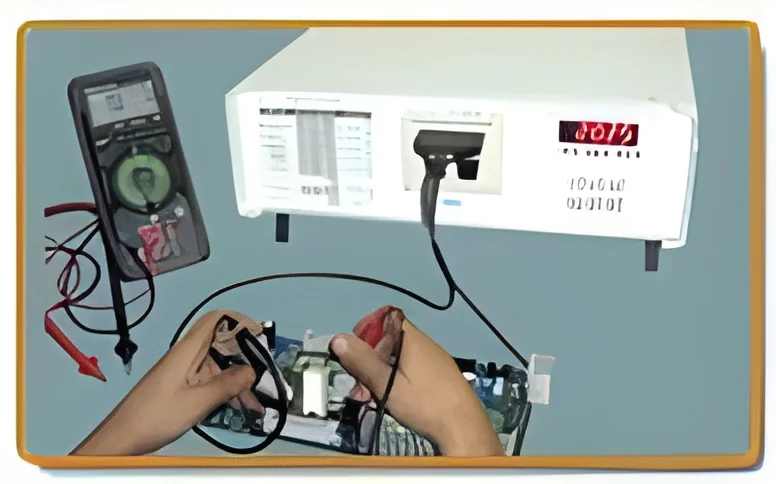
What are Passive Component Kits?
Passive Component Kits refer to a collection of electronic components that do not require external power to operate. These components typically include resistors, capacitors, inductors, and connectors. Each kit is designed to provide a comprehensive selection of these essential components for a variety of electronic applications. Passive components play a crucial role in circuit design, enabling the regulation of current, voltage, and signal flow without the need for active power.
These kits are primarily used in the manufacturing and assembly of electronic devices across various industries. They serve as essential building blocks for circuits in consumer electronics, automotive systems, telecommunications, and industrial machinery. Businesses rely on passive component kits for prototyping, production, and repairs, making them invaluable in ensuring the functionality and reliability of electronic systems. The growing demand for electronic devices in an increasingly digital world highlights the relevance of passive components in modern technology.
Key Features and Specifications
Passive Component Kits come with an array of features designed to meet the diverse needs of electronic applications. These kits are typically organized into various categories that facilitate easy access and selection. Each component within the kit adheres to specific technical parameters and standards to ensure performance and compatibility.
Key specifications include:
1. Component Variety
- Includes resistors, capacitors, inductors, and connectors
- Ensures a comprehensive selection for various applications
2. Package Types
- Available in surface mount and through-hole packages
- Adaptable for different circuit design requirements
3. Tolerance Levels
- Various tolerance levels for resistors and capacitors
- Allows for precise circuit adjustments and specifications
4. Voltage Ratings
- Rated for different voltage levels to suit specific applications
- Ensures safety and reliability in electronic designs
5. Temperature Range
- Components designed to operate within specified temperature ranges
- Maintains performance under varying environmental conditions
6. Compliance Standards
- Components meet industry standards such as CE certification
- Ensures quality assurance and reliability
7. RoHS Compliance
- Kits include components that comply with RoHS regulations
- Supports environmentally friendly manufacturing practices
8. Packaging Options
- Kits available in various packaging formats for convenience
- Facilitates easy storage and organization
In summary, Passive Component Kits offer a comprehensive solution for electronic design and assembly, featuring a wide range of components that meet various technical specifications.
Common Applications and Use Cases
Passive Component Kits are utilized across multiple industries, highlighting their versatility and importance.
1. Consumer Electronics: These kits are essential in the production of devices such as smartphones, tablets, and televisions, where precise signal processing and power management are crucial.
2. Automotive: Passive components are used in vehicle electronics, including power management systems, infotainment systems, and safety features, ensuring reliable operation under demanding conditions.
3. Telecommunications: In communication devices, passive components aid in signal filtering, impedance matching, and power distribution, enhancing the performance of network systems.
4. Industrial Automation: These kits support the design of control systems and sensors, playing a vital role in monitoring and managing industrial processes.
5. Medical Devices: Passive components are critical in various medical equipment, where reliability and safety are paramount for patient care and diagnostics.
6. Renewable Energy: In solar inverters and wind turbine systems, passive components help manage energy flow and optimize performance.
7. Aerospace: Passive components are used in aircraft systems, supporting navigation, communication, and safety functionalities.
Product Variants and Subcategories
Passive Component Kits come in various forms to cater to different applications and requirements. Each variant serves specific functions and industries.
Standard Passive Component Kit
This kit includes a wide variety of resistors, capacitors, and inductors, making it suitable for general electronic projects. It is ideal for engineers and hobbyists who require a comprehensive selection for prototyping.
High-Precision Component Kit
Designed for applications that require exact specifications, this kit contains components with tight tolerance levels. It is commonly used in precision instruments and high-quality audio equipment.
Automotive Component Kit
This variant focuses on components suited for automotive applications, including high-temperature rated capacitors and robust connectors. It ensures reliability in vehicle electronics and systems.
Benefits and Advantages
Passive Component Kits offer several advantages to businesses and engineers involved in electronic design and assembly.
1. Comprehensive Selection: Kits provide a wide range of components, eliminating the need for multiple suppliers and ensuring all necessary parts are readily available.
2. Cost-Effective: Purchasing components in a kit format often leads to cost savings compared to buying individual pieces, making it a budget-friendly option for businesses.
3. Efficient Prototyping: With all essential components in one kit, engineers can streamline their prototyping process, reducing lead times for product development.
4. Quality Assurance: Many kits are manufactured to meet industry standards, ensuring reliability and performance in critical applications.
5. Convenience: Kits come organized for easy access and storage, making it simpler for engineers to find and use the components they need.
6. Customization Options: Some suppliers offer the ability to customize kits based on specific project requirements, providing flexibility for various applications.
Buying Guide for B2B Buyers
When sourcing Passive Component Kits, B2B buyers should consider several important factors to ensure they make informed purchasing decisions.
1. Quality Assessment: Buyers should evaluate the quality of components based on certifications and standards. Look for kits that comply with industry benchmarks to ensure reliability.
2. Supplier Verification: It is crucial to vet suppliers for credibility and reliability. Check reviews, certifications, and their history in the market to ensure they can meet your needs.
3. Pricing and MOQ: Understand the pricing structure and minimum order quantities (MOQ) required by suppliers. This helps in budgeting and ensures you can meet project demands without excess inventory.
4. Delivery and Lead Times: Consider the supplier's logistics capabilities. Assess lead times for delivery to ensure they align with your production schedules.
5. Compliance Requirements: Ensure that the components meet relevant regulatory standards for your industry. Compliance is essential for safety and operational efficiency.
Compliance and Certifications
Compliance and certifications are vital in the passive component industry to ensure quality and safety. Common quality standards include ISO 9001, which outlines requirements for a quality management system. This certification demonstrates the supplier's commitment to delivering consistent, high-quality products.
In addition to ISO standards, many passive components comply with CE marking requirements, indicating conformity with health and safety standards in the European market. Such certifications are crucial for businesses looking to operate in regulated environments.
Moreover, safety and testing requirements vary by region and application. Buyers should verify that components meet specific testing protocols relevant to their industry, ensuring that they perform reliably under expected operating conditions.
Regional compliance considerations may also include RoHS compliance, which restricts the use of specific hazardous materials in electrical and electronic equipment. Understanding these regulations is essential for businesses involved in international trade.
Why Source Passive Component Kits from Pepagora?
Pepagora provides a trusted platform for sourcing Passive Component Kits, offering several key advantages to B2B buyers.
Verified Supplier Network: Pepagora connects buyers with a network of verified suppliers, ensuring that all listed vendors meet stringent quality and reliability standards. This verification process helps mitigate risks associated with sourcing components.
Streamlined RFQ Process: The platform features a user-friendly request for quotation (RFQ) system that allows buyers to easily compare offers from multiple suppliers. This facilitates informed decision-making and helps secure the best pricing and terms.
Trade Assurance and Support: Pepagora offers trade assurance, providing buyers with protection against potential issues in transactions. This support helps build trust and confidence in the sourcing process.
Regional Coverage: With a strong presence in India, the GCC, and Southeast Asia, Pepagora provides extensive geographical reach. This allows buyers to access a wide variety of passive component kits tailored to the needs of their respective markets.
In conclusion, sourcing Passive Component Kits from Pepagora not only simplifies the procurement process but also ensures quality, reliability, and competitive pricing.

 IN
IN