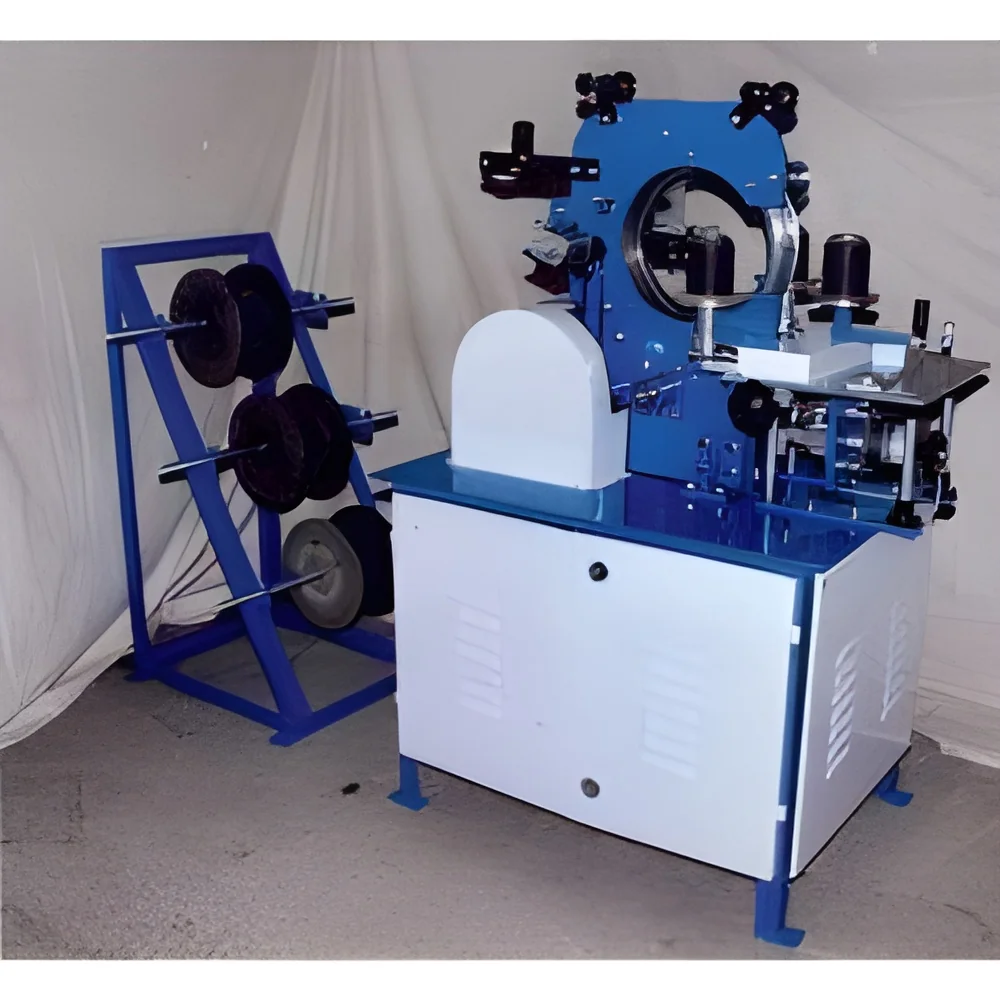
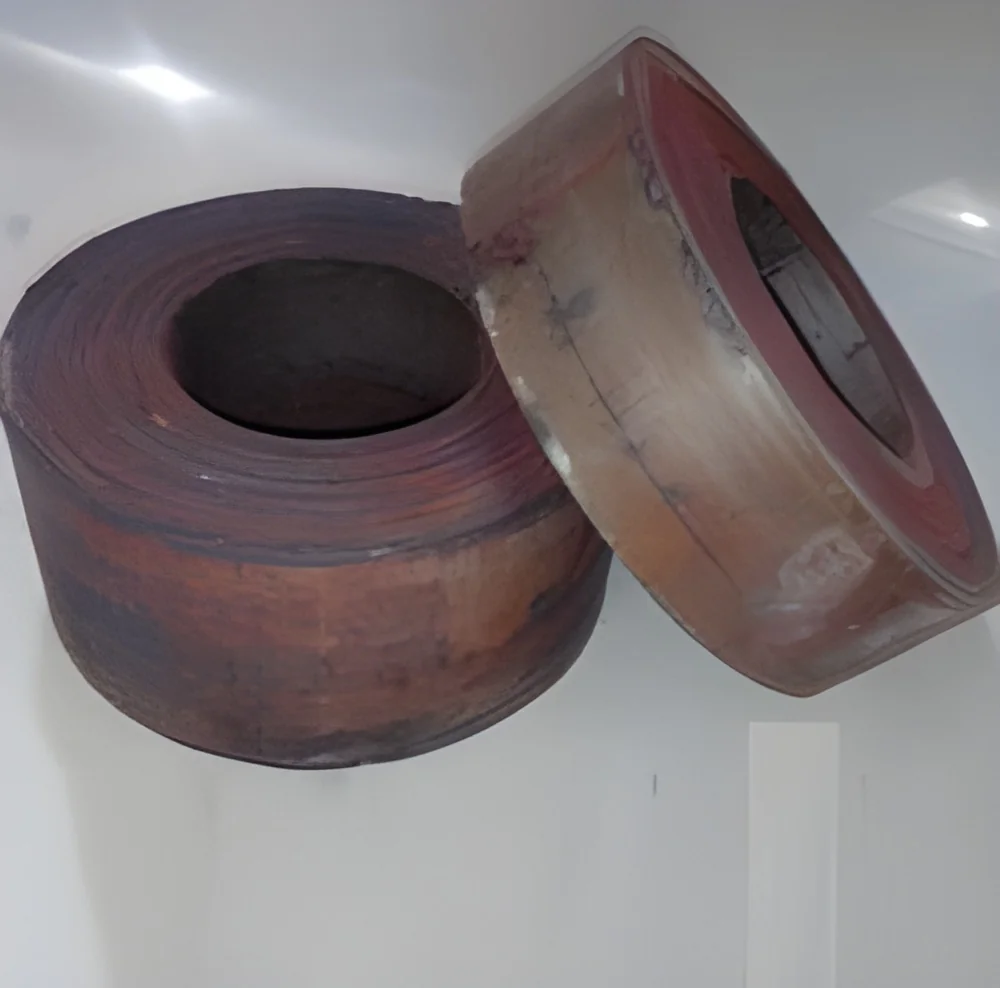
What are Toroidal Inductors?
Toroidal inductors are passive electrical components characterized by their doughnut-shaped core, typically made from magnetic materials. This unique shape allows for efficient magnetic field confinement, minimizing electromagnetic interference. Toroidal inductors are designed to store energy in a magnetic field when electrical current flows through them, making them essential in various applications, from power supplies to signal processing.
These inductors are widely used in industries such as telecommunications, automotive, and consumer electronics. They play a critical role in smoothing out voltage fluctuations, filtering signals, and providing energy storage. By offering low electromagnetic emissions and high inductance values in a compact form, toroidal inductors contribute significantly to the performance and reliability of electrical systems. The growing demand for compact and efficient electronic devices has increased the relevance of toroidal inductors in the market.
Key Features and Specifications
Toroidal inductors offer several features and specifications that make them suitable for various applications. Key specifications reflect their performance, efficiency, and operational capabilities.
Key specifications include:
1. Inductance Value
- This indicates the inductor's ability to store energy. Typical ranges vary from microhenries (µH) to millihenries (mH).
2. DC Resistance
- This specification measures the resistance of the inductor in direct current applications, impacting efficiency. Values can range from a few ohms to several hundred ohms.
3. Current Rating
- This defines the maximum current the inductor can handle without saturation. This rating varies significantly, from a few hundred milliamps to several amps.
4. Operating Temperature Range
- Toroidal inductors can operate effectively within a specified temperature range, usually from -40°C to +125°C.
5. Core Material
- The core material affects performance and efficiency. Common materials include ferrite, powdered iron, and laminated steel.
6. Dimensions
- The physical size of the inductor, which can vary based on the inductance value and application requirements.
7. Shielding
- Some inductors come with shielding options to further reduce electromagnetic interference.
8. Compliance
- Many toroidal inductors are compliant with industry standards like CE, ensuring safety and performance.
In summary, understanding these specifications helps in selecting the right toroidal inductor for specific applications.
Common Applications and Use Cases
Toroidal inductors are versatile components used across various industries.
1. Telecommunications: They are used in signal processing and filtering applications to ensure signal integrity and reduce noise.
2. Automotive: In electric vehicles, toroidal inductors are utilized in power management systems to enhance energy efficiency.
3. Consumer Electronics: These inductors are commonly found in power supplies and audio equipment, helping to smooth out voltage and improve sound quality.
4. Industrial Equipment: Toroidal inductors play a role in motor control systems, providing necessary inductance for efficient operation.
5. Renewable Energy: They are used in inverters and converters in solar and wind energy systems to manage power flow.
6. Medical Devices: Toroidal inductors are essential in various medical imaging equipment for their reliability and performance.
7. LED Lighting: They help in regulating power and ensuring consistent brightness in LED systems.
Product Variants and Subcategories
Toroidal inductors come in various configurations to meet different requirements.
Standard Toroidal Inductors
These are the most common type, designed for general applications. They offer a balance of inductance and size, making them suitable for various electronic devices.
High-Current Toroidal Inductors
These inductors are specifically designed to handle higher current levels without saturation. They are ideal for applications in power supplies and industrial machinery.
Low-Profile Toroidal Inductors
Designed for space-constrained applications, these inductors offer a compact design while providing adequate inductance for effective performance.
Benefits and Advantages
Sourcing toroidal inductors offers numerous advantages for businesses.
1. Efficiency: Their design minimizes losses due to electromagnetic interference, leading to improved overall efficiency in electronic systems.
2. Compact Size: The toroidal shape allows for a higher inductance per unit volume, making them ideal for space-sensitive applications.
3. Enhanced Performance: Toroidal inductors provide stable inductance values, which contribute to the reliability and performance of electrical circuits.
4. Low Noise: The design inherently reduces noise, making them suitable for sensitive electronic applications.
5. Customization: Many manufacturers offer customization options, allowing businesses to tailor inductors to specific application needs.
6. Long Lifespan: With proper selection and handling, toroidal inductors can offer a long operational life, reducing replacement costs.
Buying Guide for B2B Buyers
When sourcing toroidal inductors, B2B buyers should consider several critical factors to ensure they select the best components for their needs.
1. Quality Assessment: Evaluate inductors based on defined quality criteria such as material, construction, and performance specifications. High-quality inductors often come with certifications.
2. Supplier Verification: Vet suppliers for reliability and reputation in the market. Look for established manufacturers with positive reviews and a history of delivering quality products.
3. Pricing and MOQ: Consider the pricing structure and minimum order quantities. Understanding the cost implications can help in budgeting and supply chain management.
4. Delivery and Lead Times: Assess the logistics capabilities of suppliers. Reliable lead times are crucial for maintaining production schedules.
5. Compliance Requirements: Ensure that the inductors meet necessary regulatory standards for your industry, such as CE certification, to avoid compliance issues.
Compliance and Certifications
Compliance with industry standards and certifications is vital for toroidal inductors. Key quality standards such as ISO 9001 ensure that manufacturers adhere to high-quality management practices. This is crucial for maintaining product reliability and performance.
Certifications like CE indicate that products meet European safety, health, and environmental protection requirements, providing assurance to buyers regarding the quality of the inductors.
Safety and testing requirements often include evaluations for thermal performance and electrical characteristics to ensure that inductors operate safely within specified limits. Additionally, regional compliance considerations must be taken into account, as different regions may have specific regulations governing electronic components.
Why Source Toroidal Inductors from Pepagora?
Pepagora serves as a trusted platform for sourcing toroidal inductors, offering several key advantages for B2B buyers.
Verified Supplier Network: Pepagora connects buyers with a network of verified suppliers, ensuring access to high-quality inductors from reputable manufacturers. This verification process helps mitigate risks associated with sourcing.
Streamlined RFQ Process: The platform features an efficient request for quotation system that simplifies the procurement process. Buyers can easily submit their requirements and receive competitive quotes from multiple suppliers.
Trade Assurance and Support: Pepagora provides buyer protection through trade assurance, ensuring that transactions are secure and that buyers receive the products as described. This support fosters confidence in the purchasing process.
Regional Coverage: With a strong presence in India, the GCC, and Southeast Asia, Pepagora offers regional coverage to facilitate local sourcing. This geographic reach enables buyers to tap into diverse markets and suppliers, enhancing their supply chain flexibility.

 IN
IN